Why Travel to Japan?
Japan is an experience that transcends travel. This island nation fascinates with its art of blending ancient tradition and futuristic modernity: zen temples and neon skyscrapers, moss gardens and robots, geishas and cosplay, kaiseki cuisine and neighbourhood ramen. Japan is like no other country in the world.
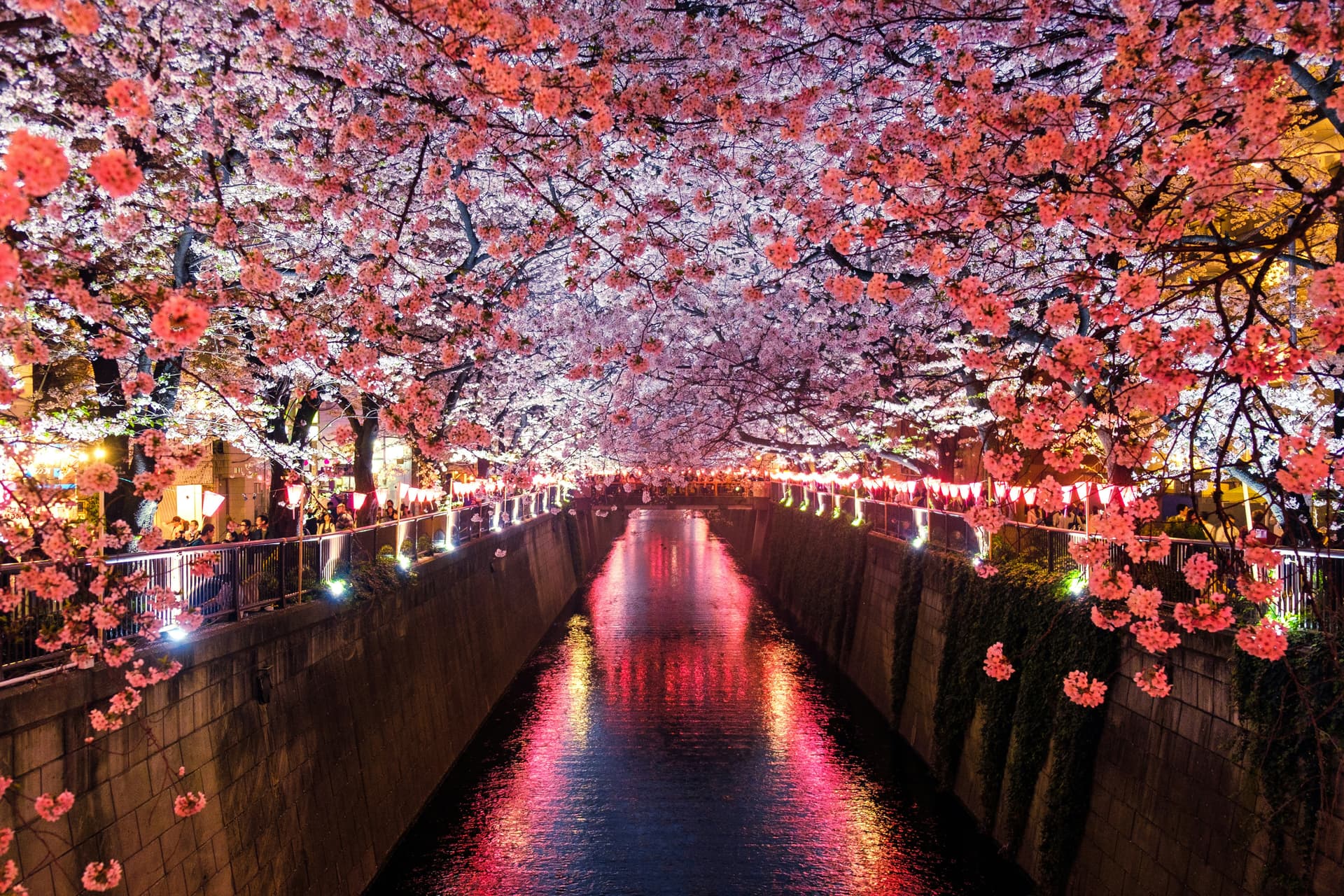
From its 25 UNESCO World Heritage sites to the 6,852 islands of the archipelago, from cherry blossoms (sakura) to blazing autumn maples (momiji), from sacred Mount Fuji to the steaming onsen of Hakone — Japan offers an unmatched density of experiences. It is also the land of absolute politeness, legendary punctuality, total safety and a gastronomy inscribed on the UNESCO Intangible Heritage list.
The Must-See Regions of Japan
Tokyo, the Metropolis of a Thousand Faces
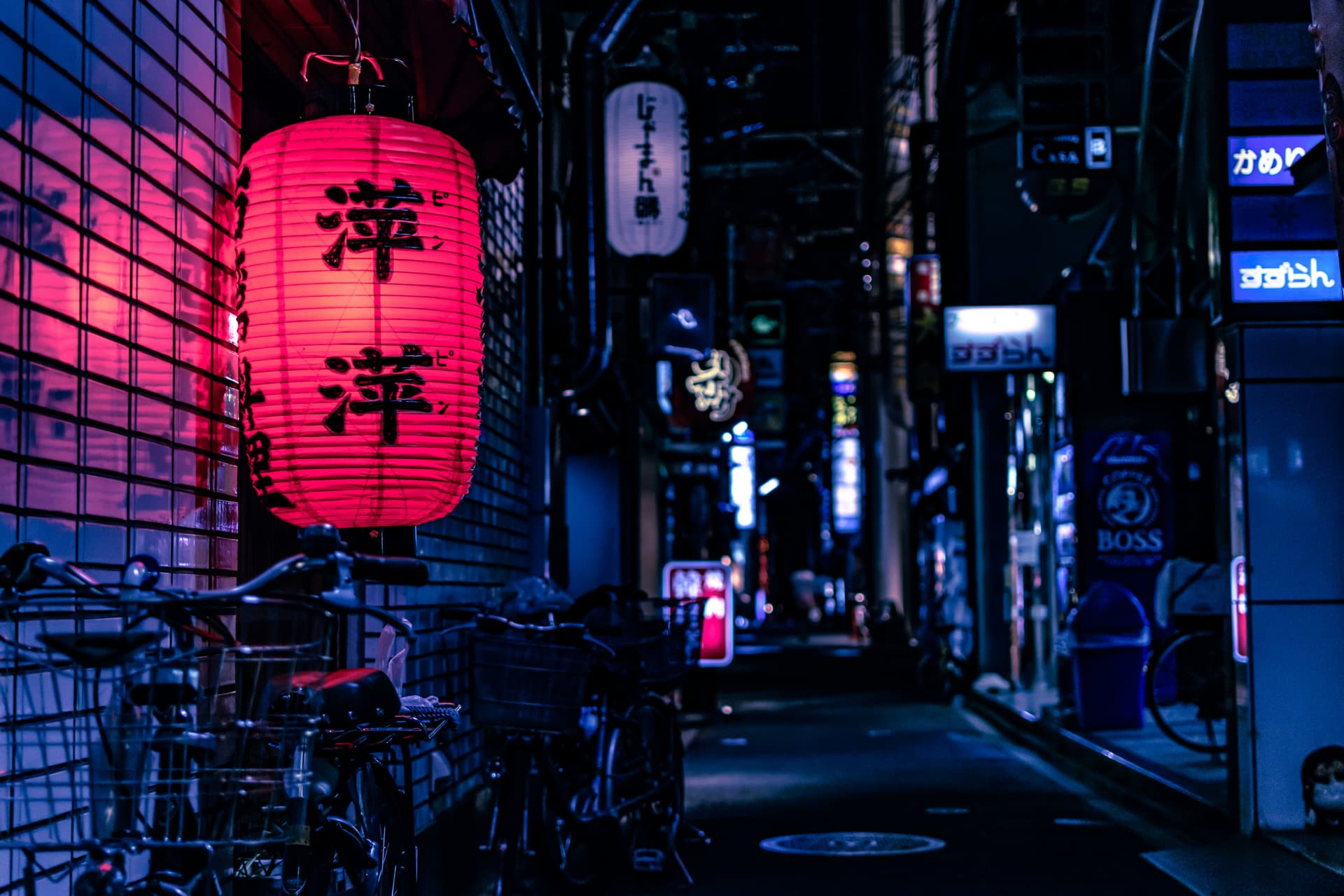
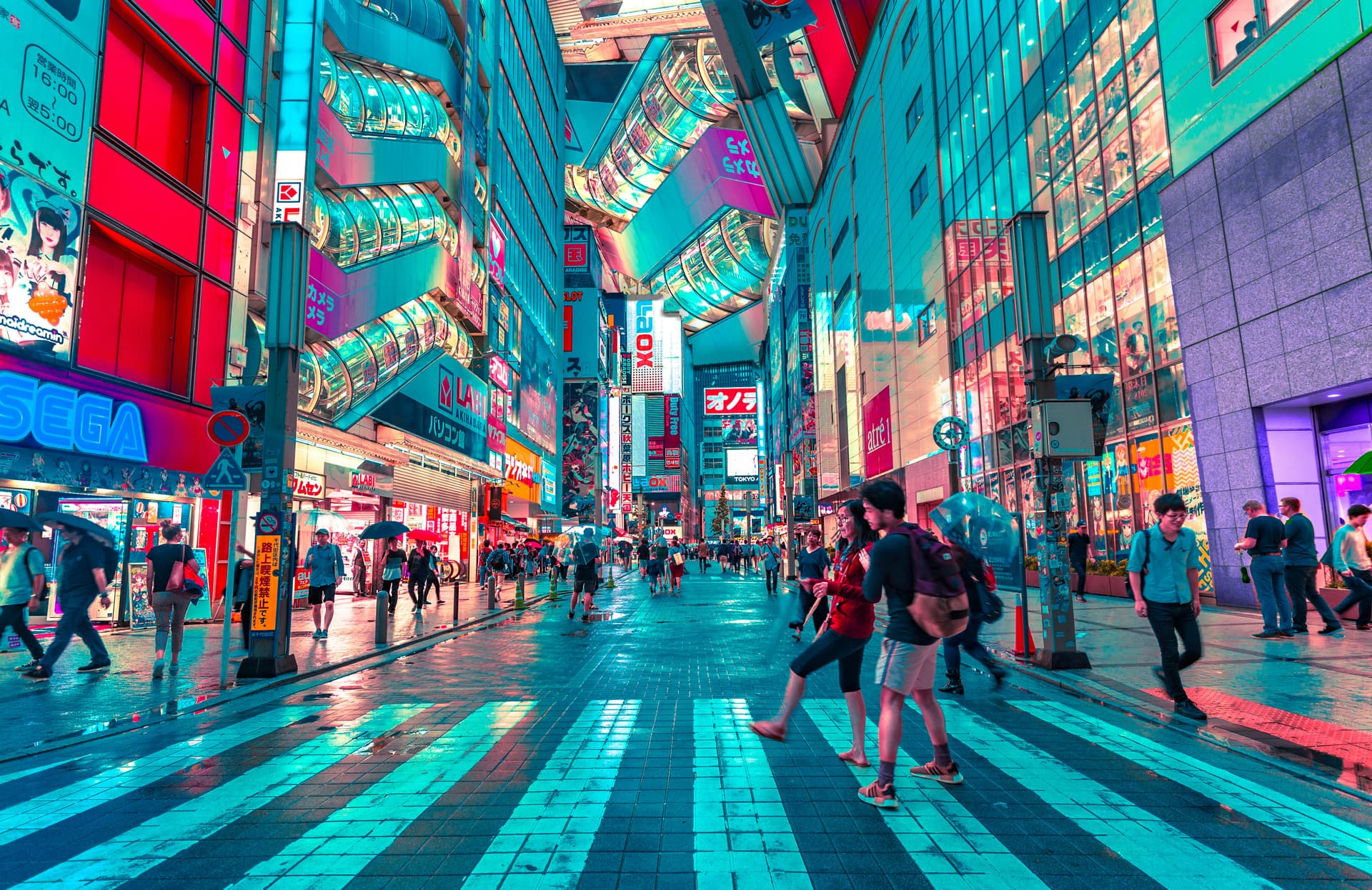
Tokyo is the world’s largest metropolis (37 million people) yet surprisingly organised and safe. Each neighbourhood is a world unto itself: Shibuya (the world’s most famous crossing), Shinjuku (neon lights and Golden Gai), Asakusa (Senso-ji temple), Akihabara (manga and electronics), Harajuku (extravagant fashion), Tsukiji (fish market) and Ginza (luxury). teamLab Borderless, the Imperial Gardens, Meiji Jingu and the Tokyo Skytree complete this urban kaleidoscope.
Kyoto, the Soul of Traditional Japan
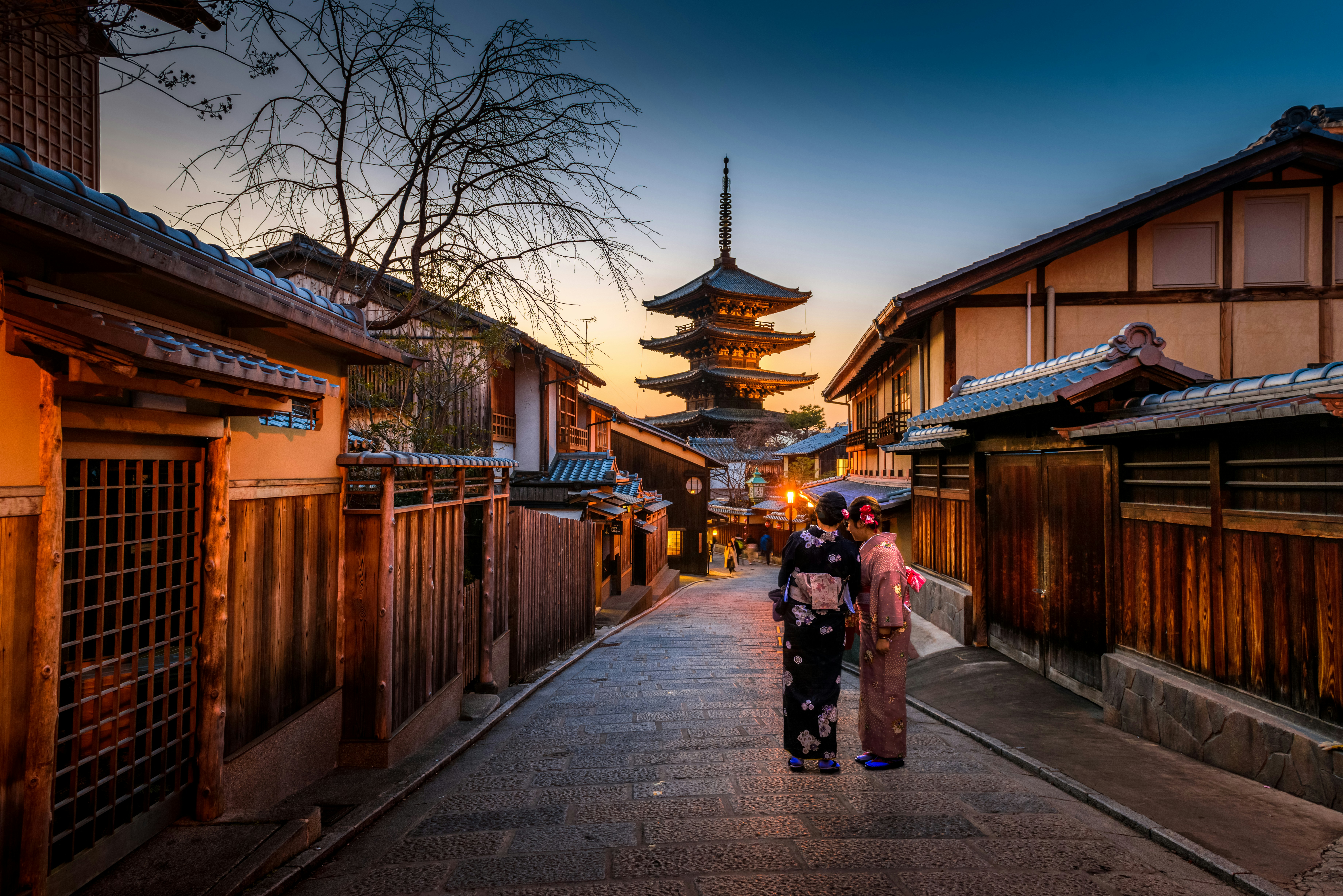
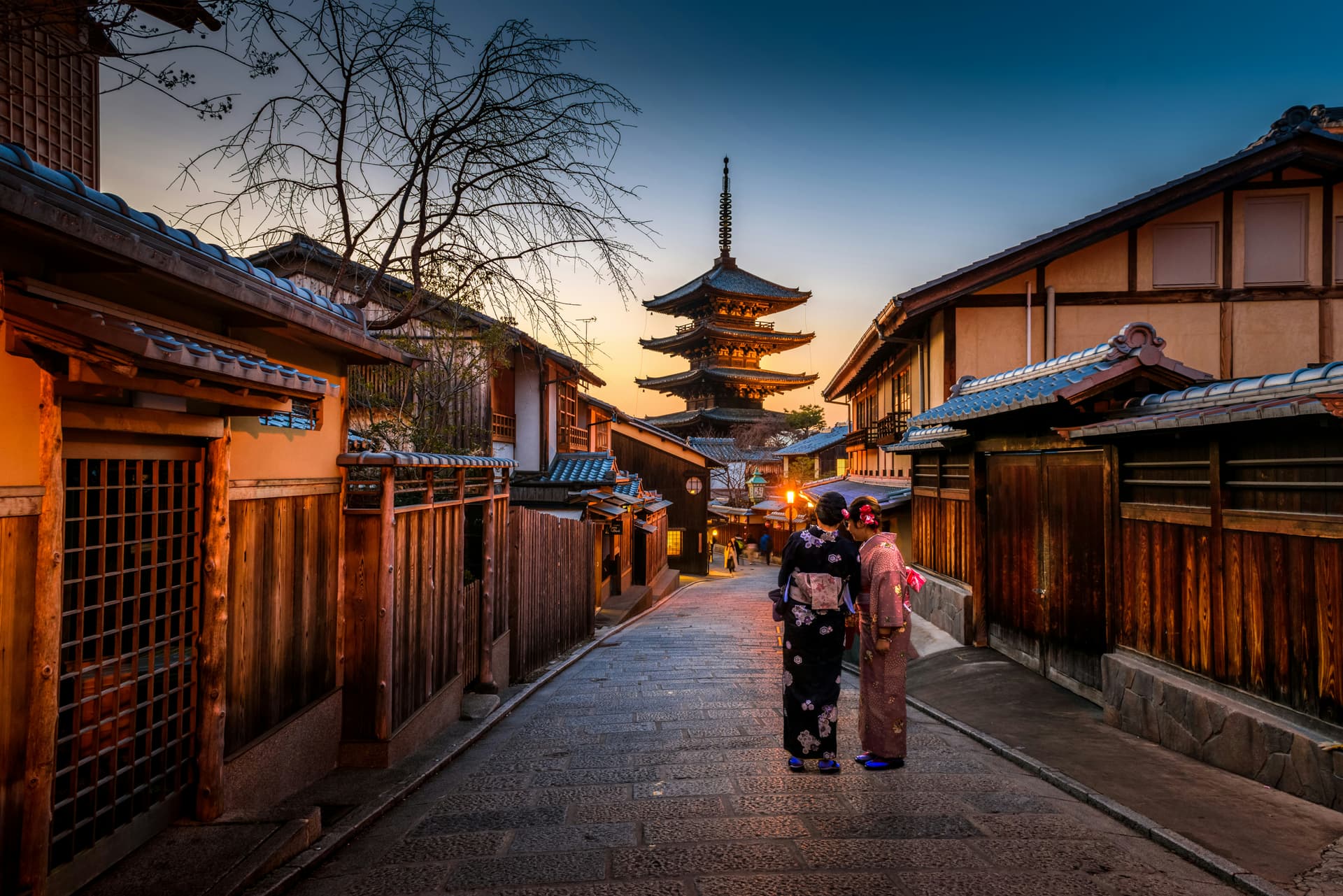
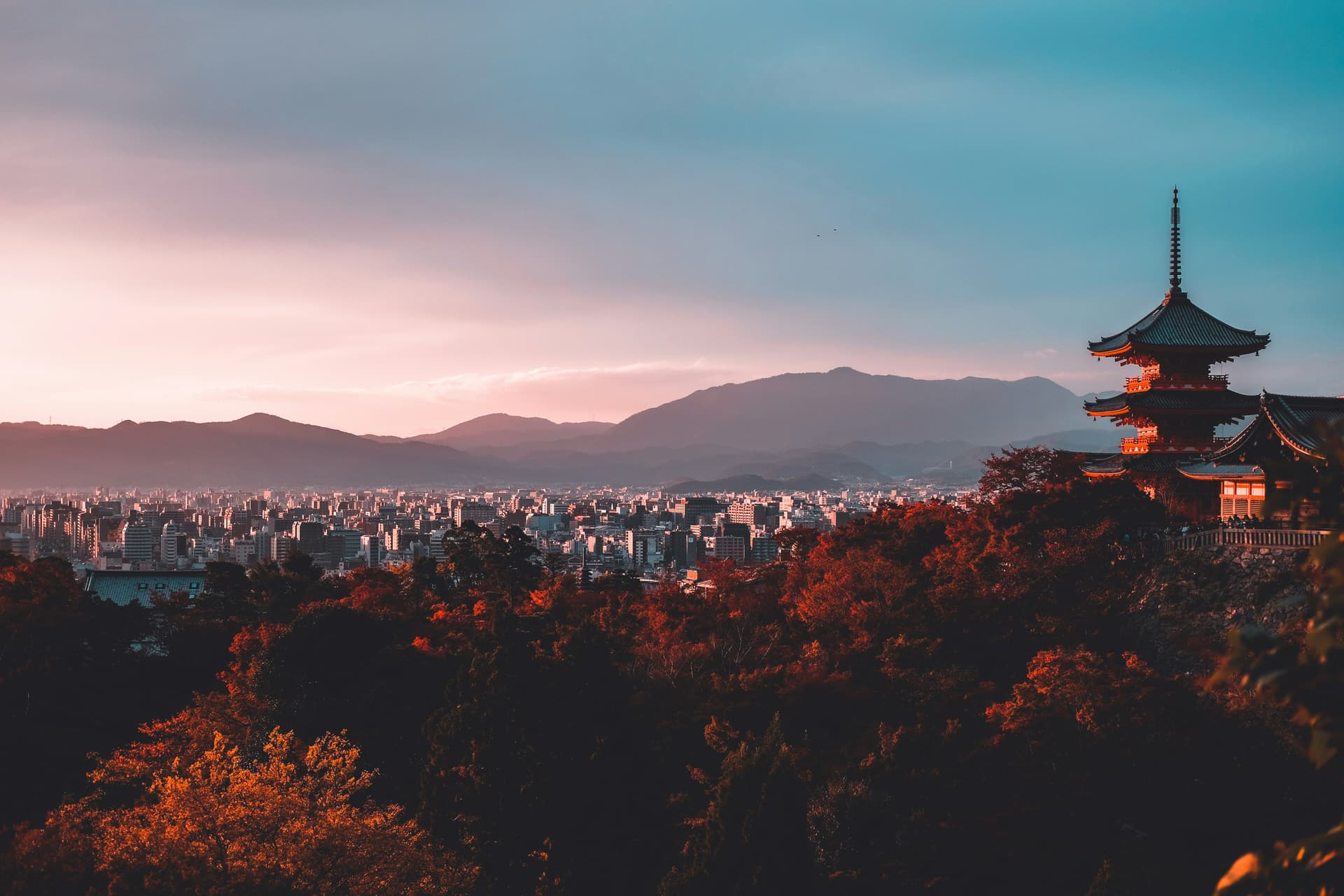
Kyoto is the former imperial capital (794–1868) and Japan’s cultural heart: 17 UNESCO sites, 2,000 temples and shrines, the geisha district of Gion, the 10,000 red torii of Fushimi Inari, the Golden Pavilion (Kinkaku-ji), the Arashiyama bamboo forest, the zen gardens of Ryoan-ji and the tea ceremony. Kyoto in autumn (momiji) is arguably the world’s most beautiful display of colour.
Osaka, the Culinary Capital
Osaka is Japan’s gastronomic capital — “kuidaore” (eat until you drop) is the local motto. The Dotonbori district (neon lights, takoyaki, okonomiyaki), Osaka Castle, Kuromon Market, the nightlife quarter of Shinsekai and the legendary street food make Osaka the country’s most festive and foodie city. It is also the ideal base for visiting Nara (free-roaming deer, Great Buddha of Todai-ji) and Kobe.
Mount Fuji and the Japanese Alps
Mount Fuji (3,776 m, UNESCO-listed) is the ultimate symbol of Japan. You can admire it from Lake Kawaguchiko, the onsen of Hakone or the Shinkansen. The climb (July – early September) is an unforgettable experience. The Japanese Alps offer the villages of Takayama (the “little Kyoto of the mountains”), Shirakawa-go (UNESCO-listed thatched-roof houses) and Kamikochi (alpine hiking). The onsen of Hakone and Beppu are among the country’s finest.
Hokkaido and Okinawa: The Extremes
Hokkaido (north) is a nature lover’s paradise: Sapporo (snow festival), legendary powder snow at Niseko, Daisetsuzan National Park, Furano’s lavender fields, and exceptional seafood. Okinawa (south) is tropical Japan: white sand beaches, coral reefs, distinct Ryukyu culture, Churaumi Aquarium and one of the world’s Blue Zones (record longevity).

Classic Circuits in Japan
Japan is compact and perfectly served by the Shinkansen (bullet train), making travel a pleasure.
- The Golden Triangle: Tokyo → Hakone/Fuji → Kyoto → Osaka. The classic in 10–14 days, perfect for a first trip
- Grand Tour: Tokyo → Fuji → Takayama → Shirakawa-go → Kanazawa → Kyoto → Nara → Osaka → Hiroshima → Miyajima. A full 3 weeks
- Off-season Japan: Hokkaido in winter (snow, skiing, onsen) or Okinawa in spring (beaches, diving). For the seasoned traveller
- Sakura tour: late March – mid-April. Follow the cherry blossom front from south to north: Kyushu → Osaka → Kyoto → Tokyo → Tohoku
- Momiji tour: November. The blazing maples of Kyoto (Tofuku-ji, Eikando), Nikko, Hakone and Miyajima. Japanese autumn is magical
Getting Around Japan
Japan has the world’s best rail network. The Shinkansen (bullet train, 320 km/h) connects Tokyo to Osaka in 2h15, to Hiroshima in 4h. The Japan Rail Pass is the most cost-effective investment for travellers. Discover our travel experiences to plan your trip to Japan.
- Shinkansen: Japan’s bullet train (legendary punctuality, zero accidents in 60 years). Tokyo – Kyoto in 2h15 (€130 without JR Pass)
- Japan Rail Pass: unlimited 7/14/21-day pass (Shinkansen + local trains + JR ferries). Pays for itself with a single Tokyo – Kyoto return
- Metro: Tokyo (13 lines, 285 stations), Osaka, Kyoto. IC cards (Suica/Pasmo) to pay for everything. English signage
- Bus: budget overnight buses for long distances (Willer Express). Local buses in rural areas and parks
- Cycling: excellent for Kyoto, Nara, small towns. Shimanami Kaido (70 km on bridges between Honshu and Shikoku): one of the world’s most beautiful cycling routes
Budget: How Much Does a Trip to Japan Cost?
Japan has a reputation for being expensive, but it’s nuanced. Budget 8,000 to 20,000 JPY per day per person (€50–125) depending on style. Street food, konbini (convenience stores) and guesthouses/hostels make Japan accessible.
- Accommodation: capsule hotel 3,000–5,000 JPY, hostel 3,000–5,000 JPY, ryokan 8,000–30,000 JPY, business hotel 5,000–10,000 JPY. A ryokan (traditional inn) is an experience to live at least one night
- Meals: ramen 800–1,200 JPY (€5–7), konbini bento 400–600 JPY, counter sushi 2,000–5,000 JPY, kaiseki 10,000–30,000 JPY. Konbini offer excellent, cheap meals
- Transport: JR Pass 7 days 50,000 JPY, Tokyo metro 170–320 JPY/ride, local bus 200–500 JPY. The JR Pass is the best investment
- Activities: temples 300–1,000 JPY, onsen 600–2,000 JPY, tea ceremony 2,000–5,000 JPY, teamLab 3,200 JPY
- Top tip: the weak yen (1 EUR ≈ 160 JPY in 2024–2025) makes Japan exceptionally affordable for Europeans. Take advantage!
When to Visit Japan?
Japan is beautiful year-round thanks to its four very distinct seasons. Spring (late March – May) is magical with the sakura (cherry blossoms). Autumn (October – November) rivals it with momiji (red maples). These are the two most popular and photogenic seasons.
Summer (June – August) is hot and humid (monsoon in June, “tsuyu”), but it’s the season of matsuri (festivals) and climbing Mount Fuji. Winter (December – February) is cold but offers onsen in the snow, skiing in Hokkaido (legendary powder), and spectacular Christmas illuminations.
Recommended Itineraries in Japan
The Classic Golden Triangle (12–14 days)
Tokyo (4 days: Shibuya, Shinjuku, Asakusa, Akihabara, Harajuku, teamLab) → Hakone/Fuji excursion (1–2 days: onsen, Fuji views) → Shinkansen to Kyoto (4 days: Fushimi Inari, Kinkaku-ji, Arashiyama, Gion, Nara day trip) → Osaka (2–3 days: Dotonbori, street food, castle). The perfect classic.
The Grand Tour (3 weeks)
Tokyo (4 days) → Hakone (1 day) → Takayama and Shirakawa-go (2 days) → Kanazawa (2 days: Kenroku-en garden, geisha district) → Kyoto (4 days) → Nara (1 day) → Osaka (2 days) → Hiroshima and Miyajima (2 days: Peace Dome, floating torii) → return. The complete circuit to explore Japan in depth.
Nature and Onsen Japan (2 weeks)
Tokyo (2 days) → Nikko (1 day: shrines in the forest) → Hakone (2 days: onsen with Fuji views) → Japanese Alps: Kamikochi and Matsumoto (2 days) → Kanazawa (1 day) → Kyoto (3 days) → Koyasan (1 night in a Buddhist temple) → Kumano Kodo (2 days of forest pilgrimage). The itinerary for nature and spirituality lovers.
Japan Off the Beaten Path
Beyond the classics, Japan hides treasures. Naoshima (contemporary art island in the Seto Inland Sea, Tadao Ando museums) is a unique place in the world. Yakushima (UNESCO-listed primeval cedar forest, inspiration for Princess Mononoke) and the Kumano Kodo (UNESCO-listed pilgrimage trail, the “Japanese Camino de Santiago”) offer profound experiences.
Shikoku (88 temple pilgrimage, Iya Valley, Kagawa udon), Tohoku (northern Honshu, wild nature, spectacular summer festivals) and Okinawa deserve to be discovered. For a complementary adventure in South America, Peru offers comparable cultural richness. Explore all our destinations.
Formalities and Practical Information
Japan is one of the most accessible destinations. French nationals benefit from a visa exemption for tourist stays of up to 90 days. The Visit Japan Web (online form) simplifies entry and customs formalities.
- Visa: visa exemption (90 days). Valid passport required. Complete Visit Japan Web before arrival
- Currency: yen (JPY). 1 EUR ≈ 155–165 JPY. Cash is still king in small shops and temples. 7-Eleven ATMs accept foreign cards
- Time difference: +7h in summer, +8h in winter from Paris. Direct flight Paris – Tokyo in 12h (Air France, JAL, ANA)
- Connectivity: pocket wifi or eSIM essential (public wifi limited). Pocket wifi rental from the airport (~500 JPY/day)
- Etiquette: don’t eat while walking, don’t talk on the phone on trains, remove shoes in homes/temples, never tip (it’s considered rude)
- Electricity: type A outlets (100V, 2 flat pins). Adapter needed. Modern USB chargers are compatible