Vertiginous mountains, fishing villages and magical light
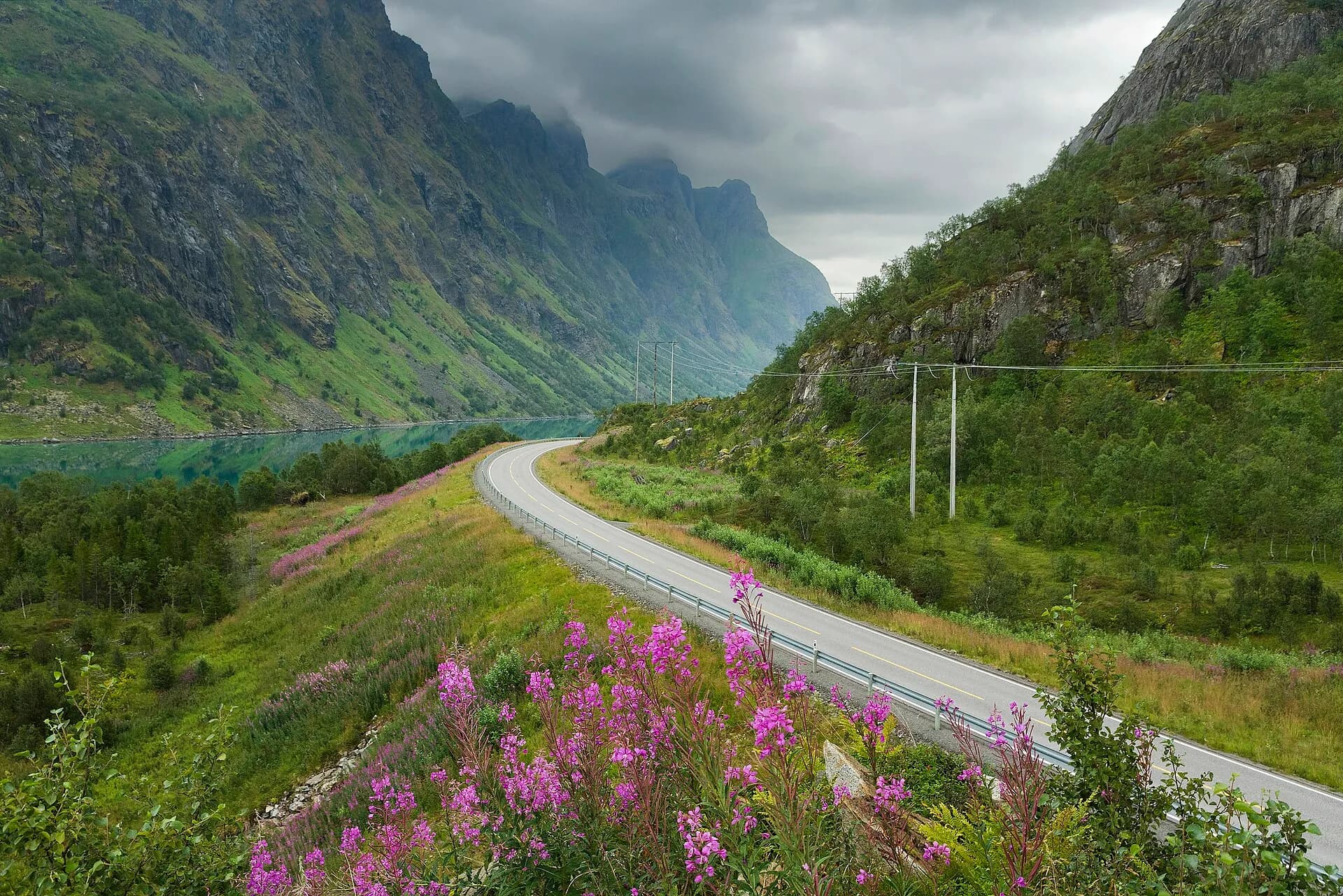
A mythical archipelago in northern Norway, the Lofoten Islands unfold a cinematic backdrop of jagged peaks, red-painted fishing cabins and beaches that rival the tropics in the Arctic.
Why Lofoten Islands?
Why the Lofoten Islands? Situated above the Arctic Circle, this mythical Norwegian archipelago unfolds jagged peaks, fishing cabins and Arctic beaches.
In november, the climate in Lofoten Islands is undefined. The weather is generally undefined, with maximum temperatures around 4°C and about 12 rainy days. Tourist crowds are moderate.
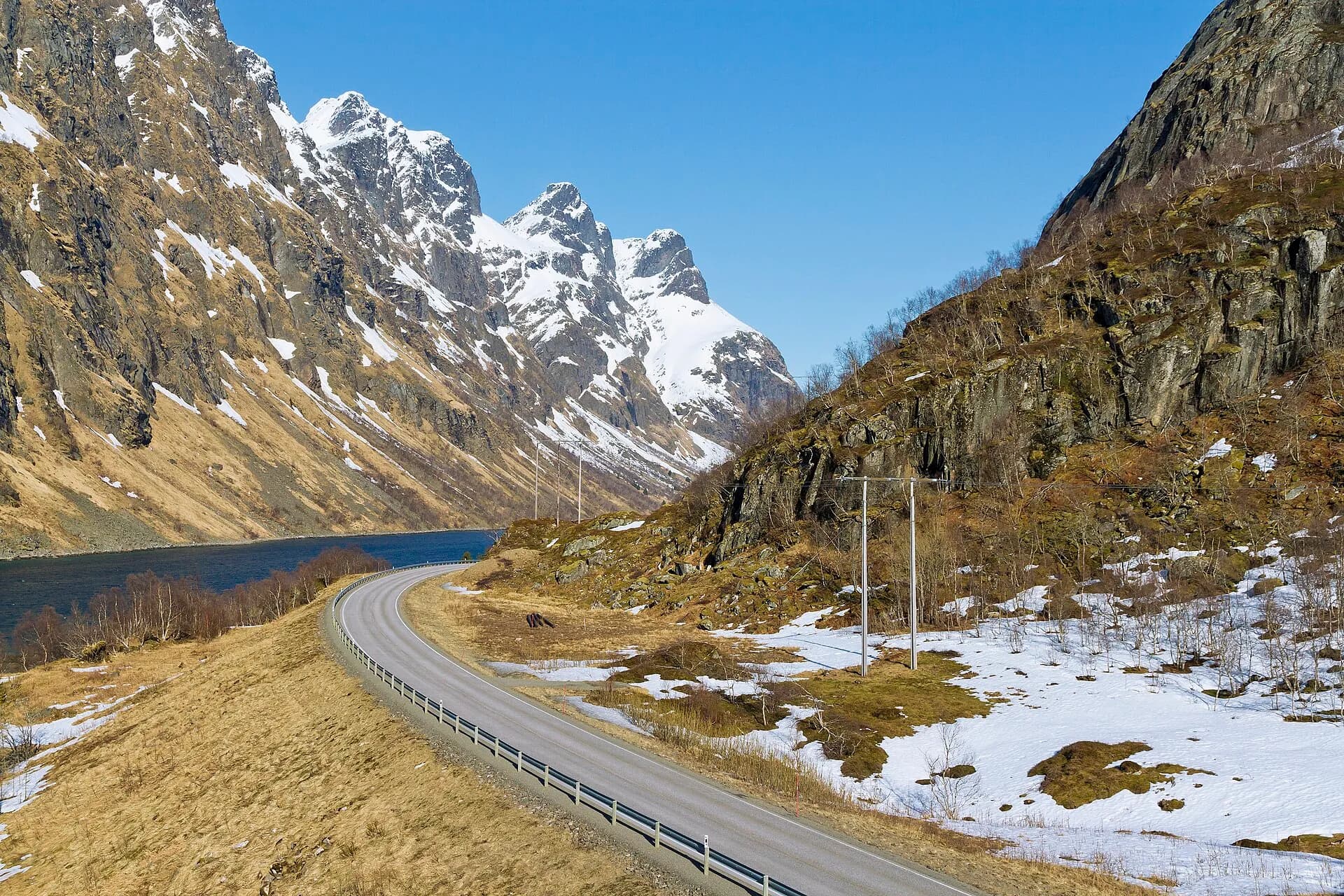
The archipelago stretches roughly 200 km along the E10, the road that crosses the Lofoten from northeast to southwest. A classic 5-to-7-day itinerary starts in Svolvær (in the north) and gradually descends to Å (in the south), stopping in each village along the way. Henningsvær, with its iconic football pitch surrounded by water, Reine and its postcard-perfect panorama, Hamnøy and its photogenic rorbuer, and the wild beaches of Haukland and Uttakleiv punctuate the route.
02The best hikes
Reinebringen (448 m) offers the most photographed view in Norway, overlooking the village of Reine and the fjords: allow about 2 hours return via the Sherpa stone staircase. Ryten (543 m) towers above the secret beach of Kvalvika, accessible only on foot. Svolværgeita is a challenge for experienced climbers. For beginners, the hike to Offersøykammen provides a 360° panorama for moderate effort.
03Where to stay in the Lofoten?
The quintessential experience is staying in a rorbuer: traditional fishermen’s cabins on stilts, converted into comfortable accommodation. You’ll find them in Reine (Eliassen Rorbuer), Hamnøy, Henningsvær and Kabelvåg. Book several months in advance for summer: they are in very high demand. More conventional hotels are available in Svolvær and Leknes. Wild camping is permitted thanks to the right of public access (allemannsretten).
04Lofoten gastronomy
Dried cod (stockfisk and tørrfisk) is the gold of the Lofoten: you’ll see fish-drying racks everywhere from February to June. Also try the skrei (migratory Arctic cod, in season from January to April), royal fjord shrimp and the whale burger (controversial but traditional). The Børsen Spiseri restaurant in Henningsvær and Anita’s Sjømat in Sakrisøy are essential addresses.
05Practical tips
Pack waterproof and warm clothing even in summer: the weather changes rapidly. Driving on the E10 is straightforward but secondary roads can be narrow. Mobile coverage is good in inhabited areas but not on hiking trails. Be mindful of the environment: the Lofoten suffer from overtourism, so stay on marked paths and do not camp in prohibited areas.
06Frequently asked questions
By plane via Leknes (LKN) or Svolvaer (SVJ) airports with a connection in Oslo or Bodo. By ferry from Bodo to Moskenes (3.5h). By car from Narvik via the E10, a spectacular scenic road.
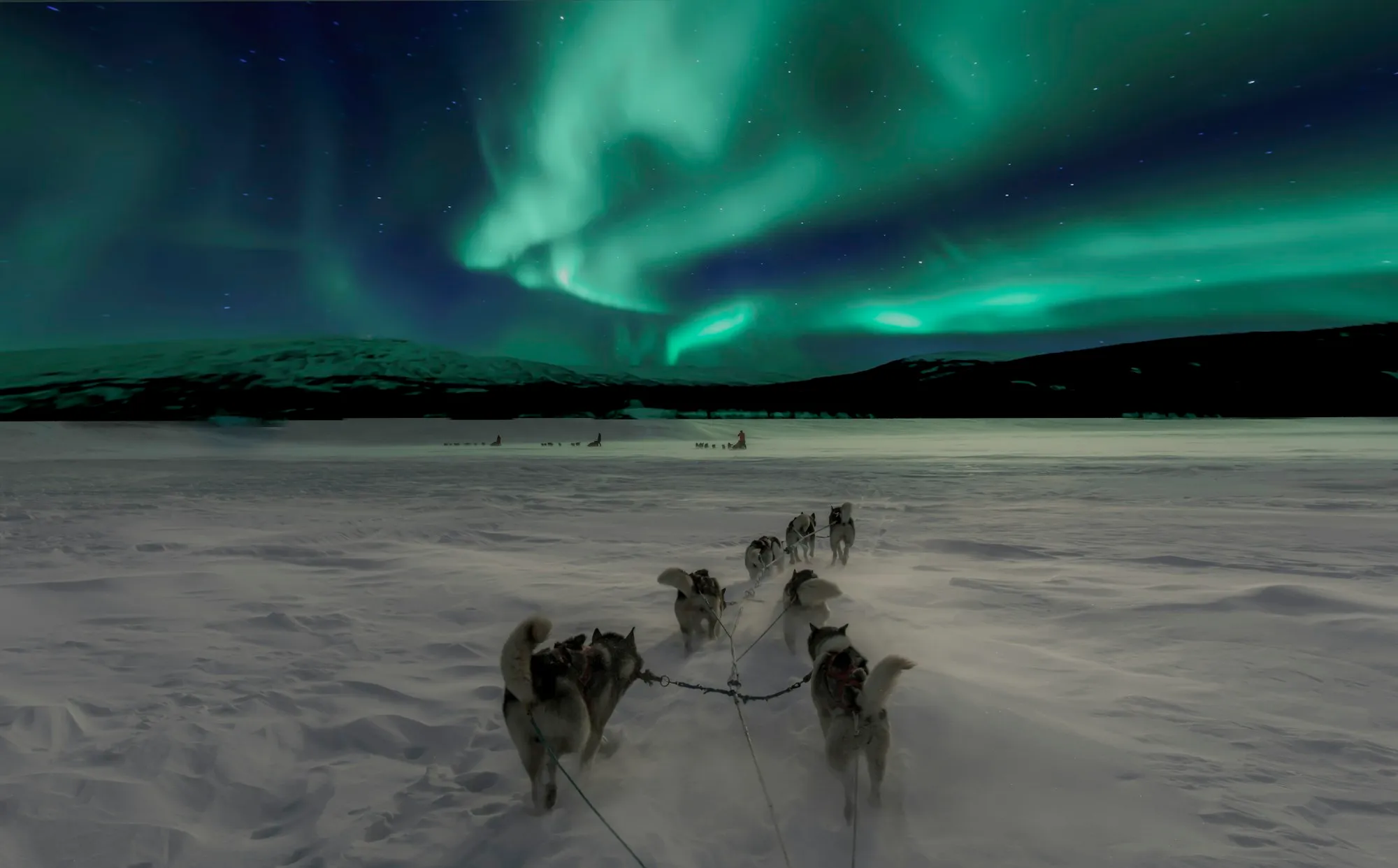
June-August for hiking and the midnight sun. September-March for the northern lights. Winter (December-February) offers a magical atmosphere but very short days.
Yes, a car is almost essential to explore the archipelago at your own pace. The islands are connected by the E10 road and bridges. Buses exist but schedules are limited.
Like all of Norway, the Lofoten are pricey. Budget 100-200 EUR/night for a rorbuer cabin, 15-25 EUR for a meal. Save money by cooking and camping (free right to roam applies).
Yes! Unstad Beach is a renowned Arctic surf spot, rideable year-round. The water is cold (6-12°C) but modern wetsuits make the experience possible even in winter, under the northern lights.
Âme Bohème exists thanks to you
Some links in this article are affiliate links. This means that if you book or purchase a product through these links, we receive a small commission, at no extra cost to you. It's thanks to this support that we can continue creating free, quality content.
You can also buy us a coffee, or follow us on Instagram and Facebook.
Thank you
Share
Comments
Share your thoughts
Leave a comment
Looking for more information for your trip? Book a personalised video call with us, or join the Curious Souls community on Discord.
Your email address will not be published. Required fields are marked with *