Why Travel to New Zealand?
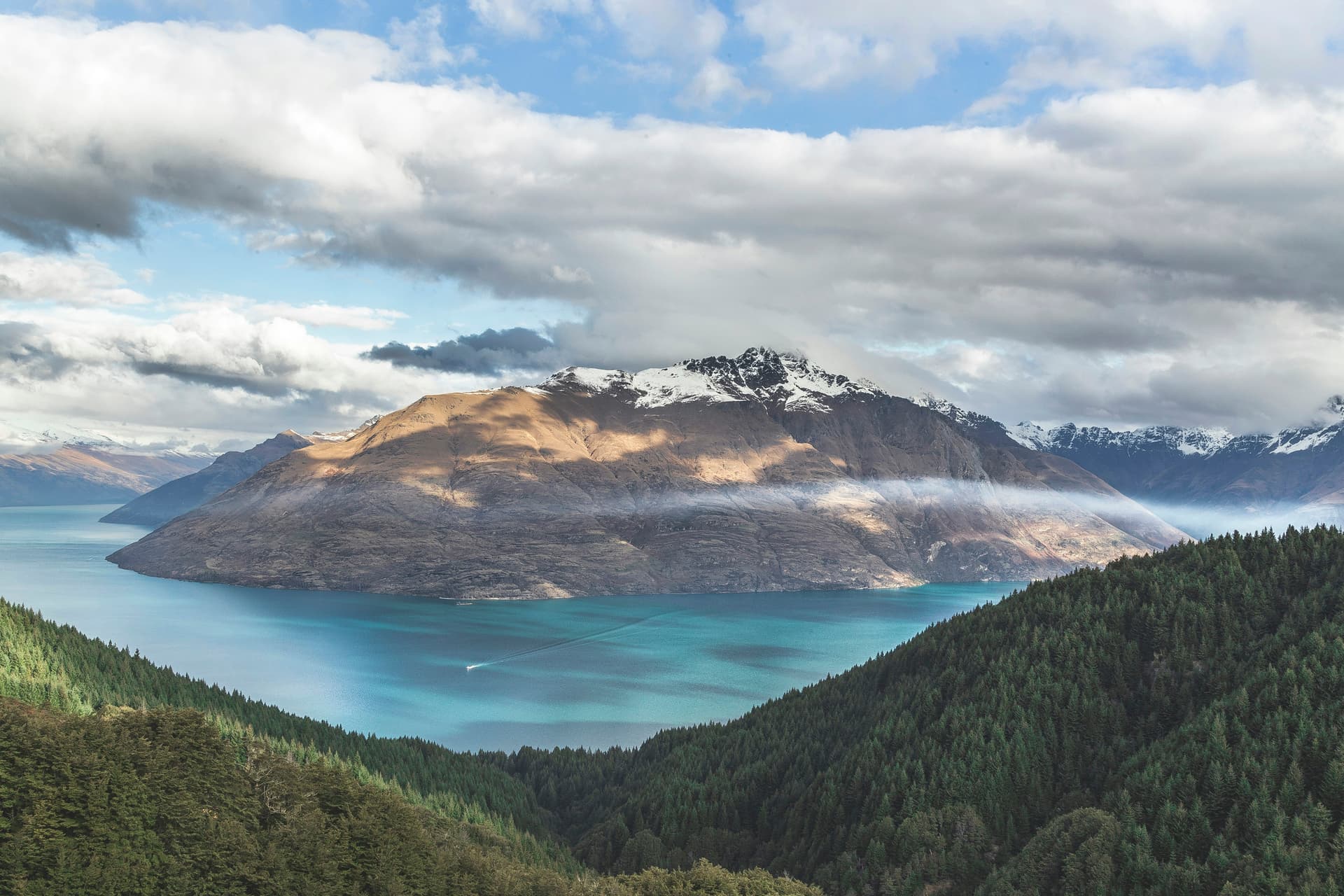
New Zealand is pure nature condensed. On a territory smaller than Italy, this country at the edge of the world gathers UNESCO World Heritage landscapes of staggering diversity: active volcanoes, glaciers descending into rainforest, vertiginous fjords, deserted beaches, and ancient forests home to birds found nowhere else.
But New Zealand is not just movie-set scenery (even though Peter Jackson filmed the Lord of the Rings and the Hobbit here). It is also Maori culture, profoundly alive and woven into daily life, a burgeoning food and wine scene, and above all a laid-back art of living — the famous kiwi lifestyle — where nature is at the centre of everything.
The North Island
Auckland and the Region
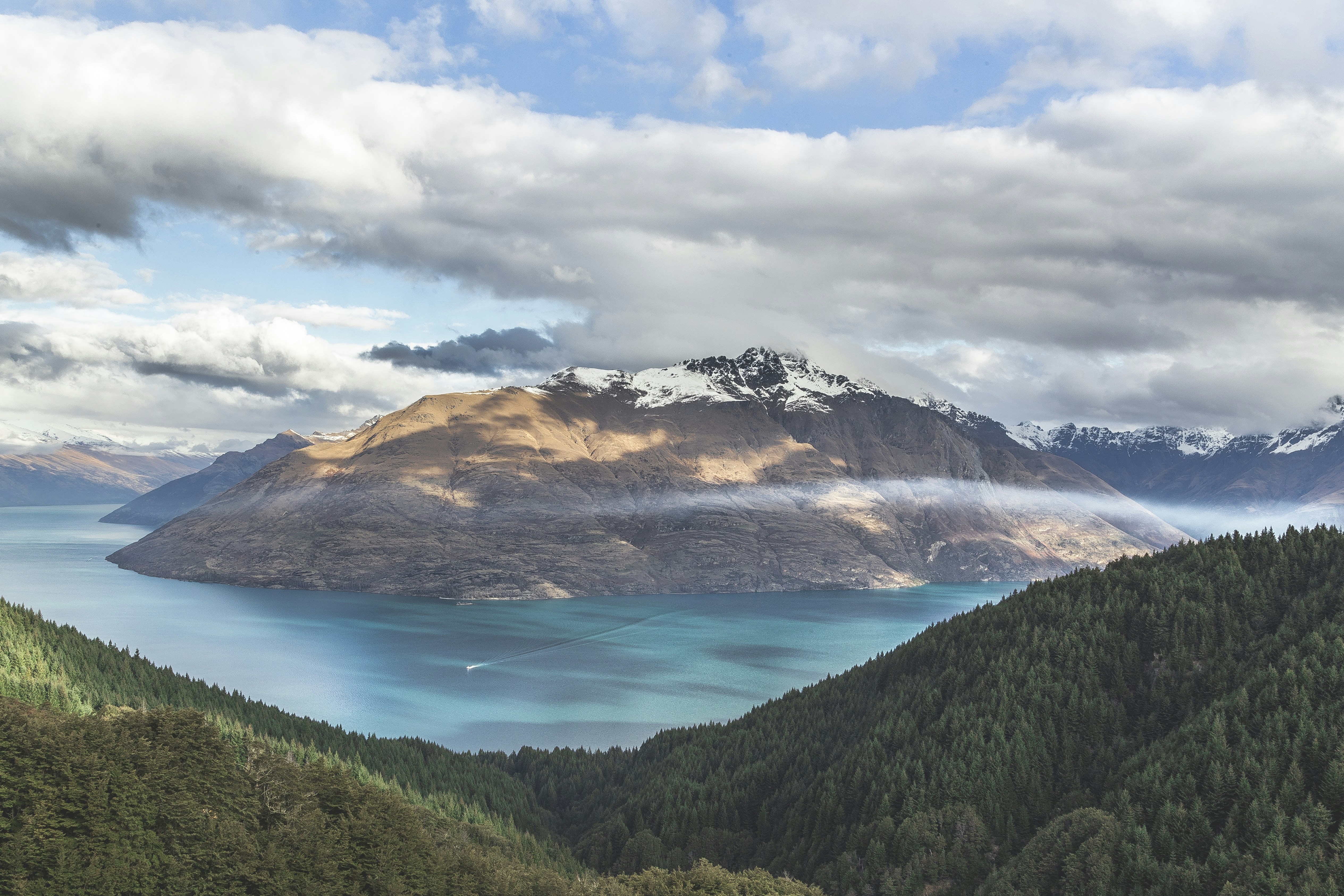
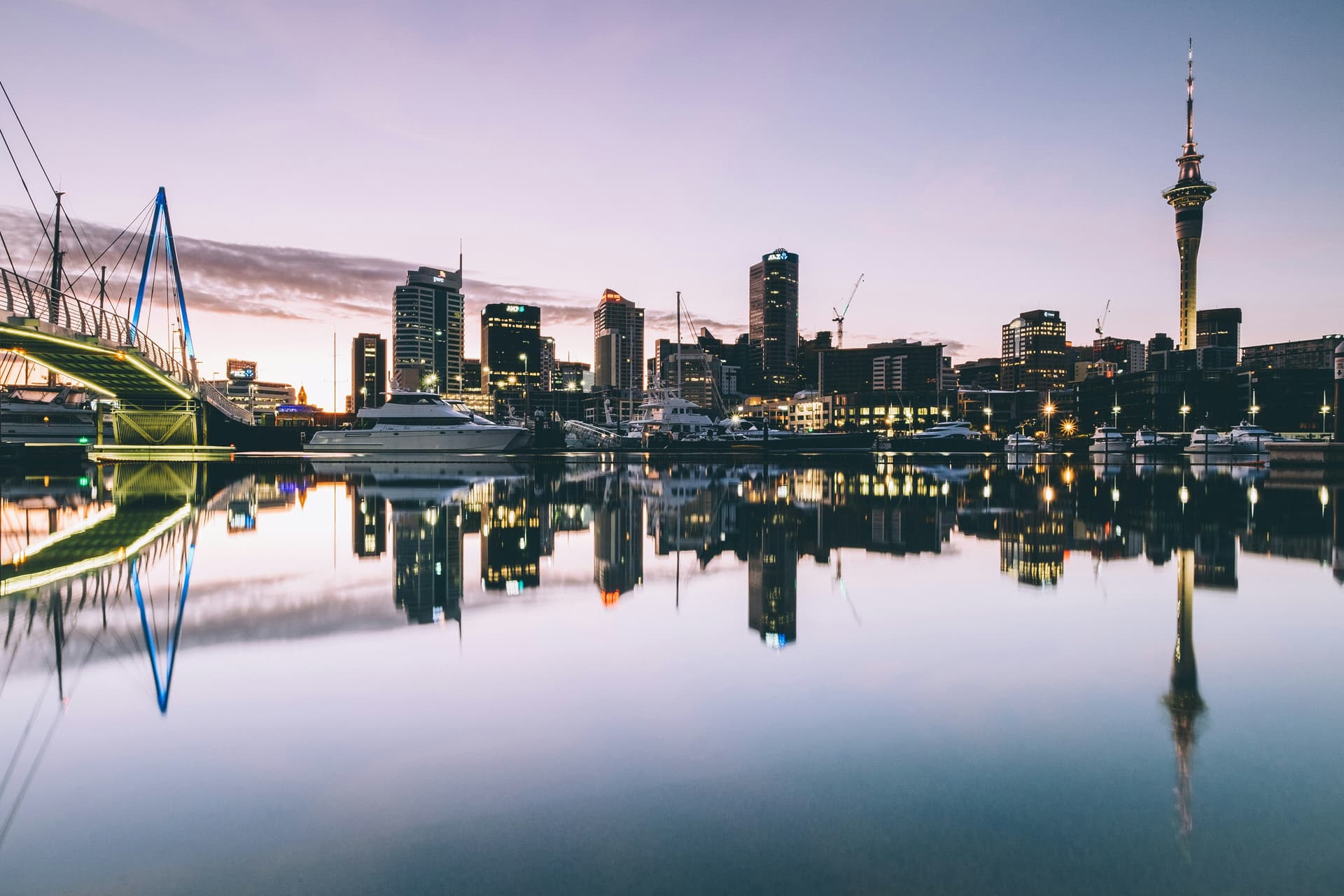
The “City of Sails” is built on an isthmus between two harbours, dotted with 53 extinct volcanoes. Rangitoto Island (25-minute ferry), the Ponsonby neighbourhood, La Cigale market and the vineyards of Waiheke Island (the “Bordeaux of the Pacific”) are the highlights. Auckland is also the gateway to Northland and the mythical Bay of Islands.
Rotorua and the Geothermal Zone
Welcome to one of the world’s most active geothermal regions. Rotorua smells of sulphur — and it’s fascinating. Spouting geysers at Wai-O-Tapu (the psychedelic Champagne Pool), bubbling mud, natural hot springs. It is also the centre of Maori culture: attend a hāngi (traditional meal cooked underground) and a haka performance in a marae (sacred gathering place).
Tongariro and the Volcanoes
The Tongariro Alpine Crossing is considered one of the world’s finest day hikes. Over 19.4 km, you cross a lunar volcanic landscape: smoking craters, emerald lakes, solidified lava flows. Tongariro National Park (dual UNESCO Heritage) is home to three active volcanoes, including Ngauruhoe — aka Mount Doom in the Lord of the Rings.
Wellington, the Creative Capital
Perched between hills and harbour, Wellington is the world’s most southerly capital and the country’s cultural hub. The Te Papa Tongarewa museum (free, extraordinary), Weta Workshop studios (Lord of the Rings special effects), the craft café/brewery scene and the iconic red cable car make it an essential stop.

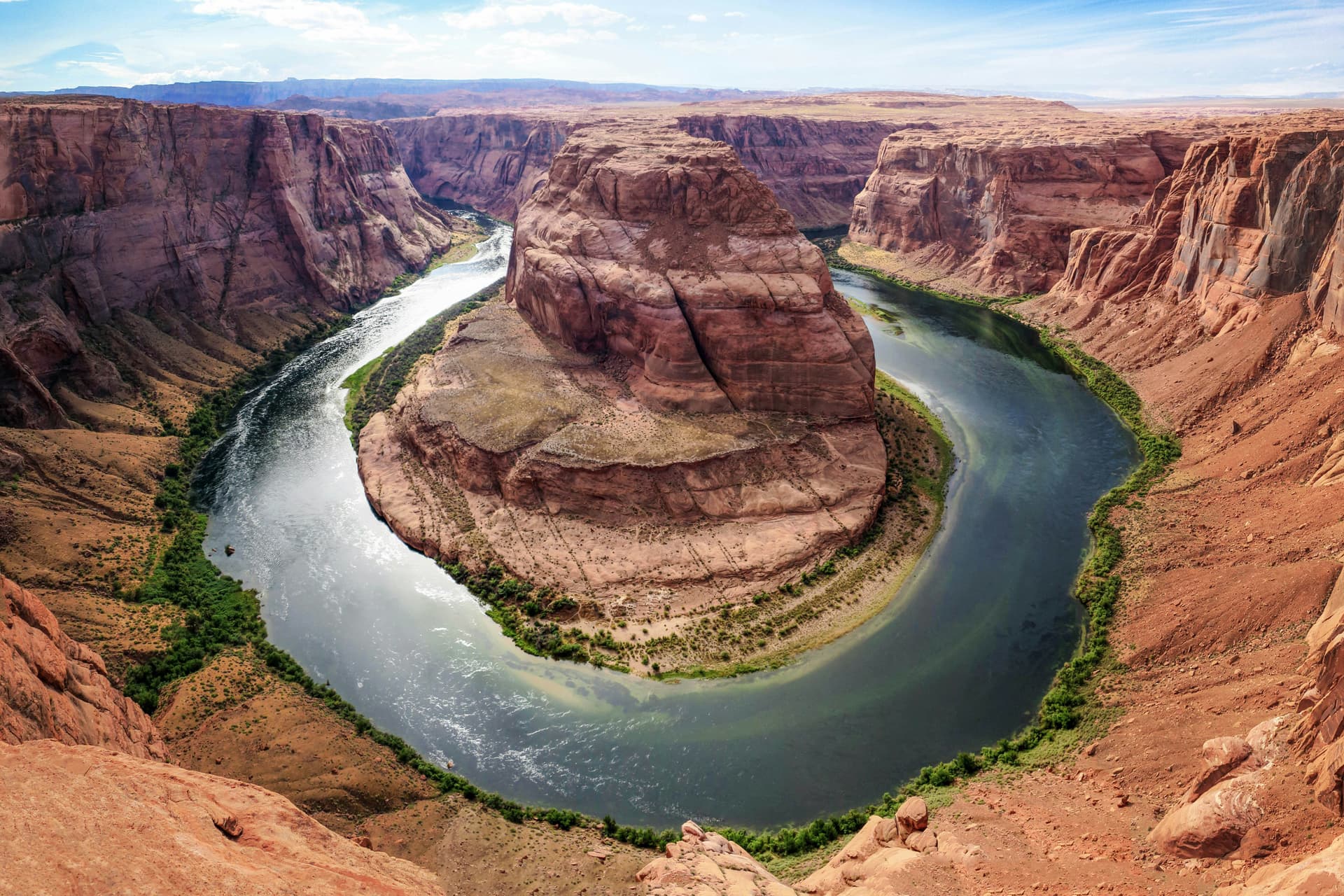

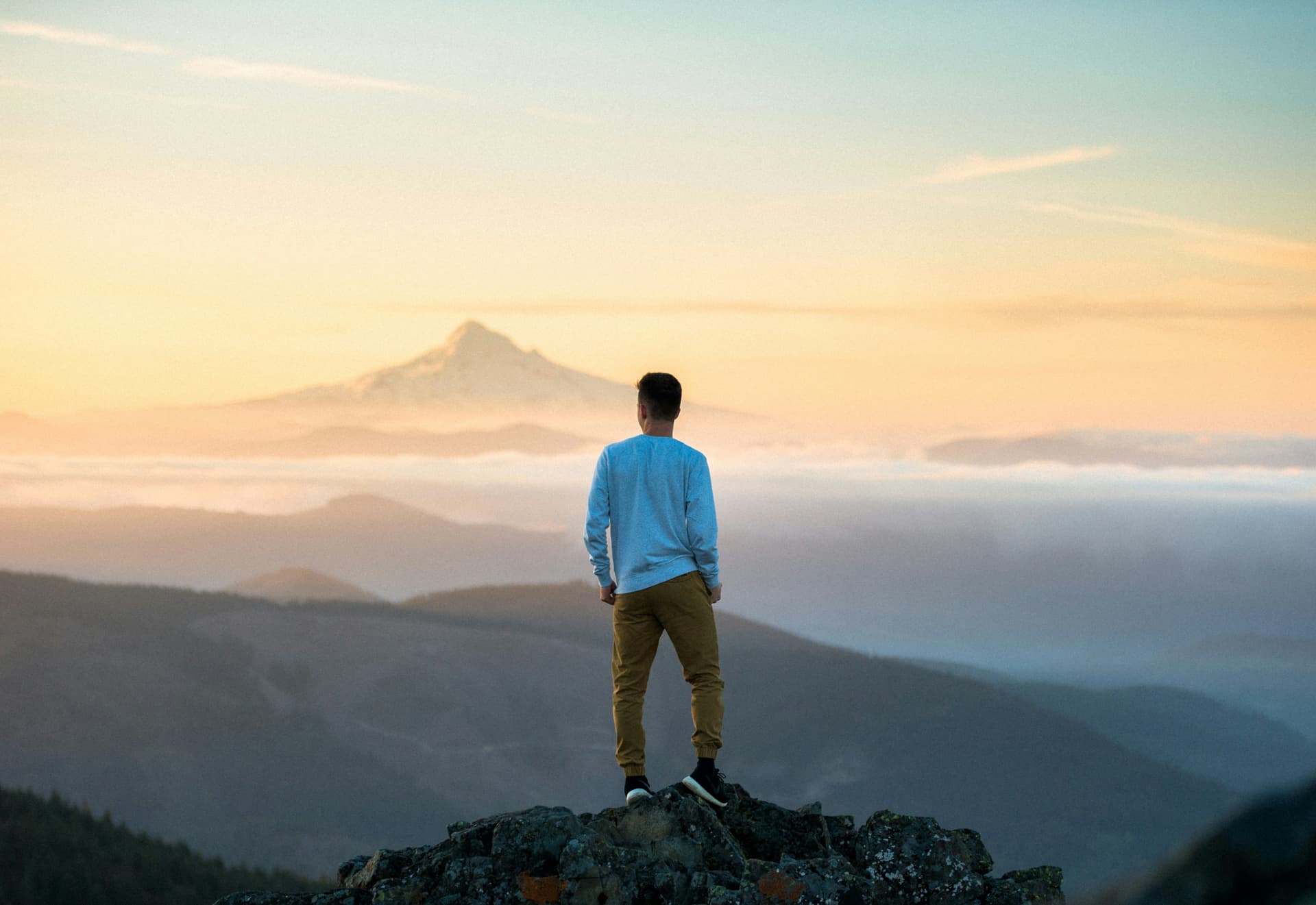
The South Island
Queenstown and Wanaka
Dubbed the “adventure capital of the world”, Queenstown is nestled between Lake Wakatipu and the Remarkables. Bungee jumping (invented here by AJ Hackett), paragliding, jet boating through canyons, skiing in winter — adrenaline is on the menu. Wanaka, its quieter neighbour, offers the famous lone lake tree and access to Mount Aspiring National Park.
Milford Sound and Fiordland
Rudyard Kipling called it the “eighth wonder of the world”. Milford Sound is a vertiginous fjord hemmed in by 1,200-metre peaks, permanent waterfalls and moss-draped forests. Fiordland National Park, UNESCO-listed, also harbours Doubtful Sound (less touristy, wilder) and the Milford Track, one of the country’s most legendary Great Walks.
Fox and Franz Josef Glaciers
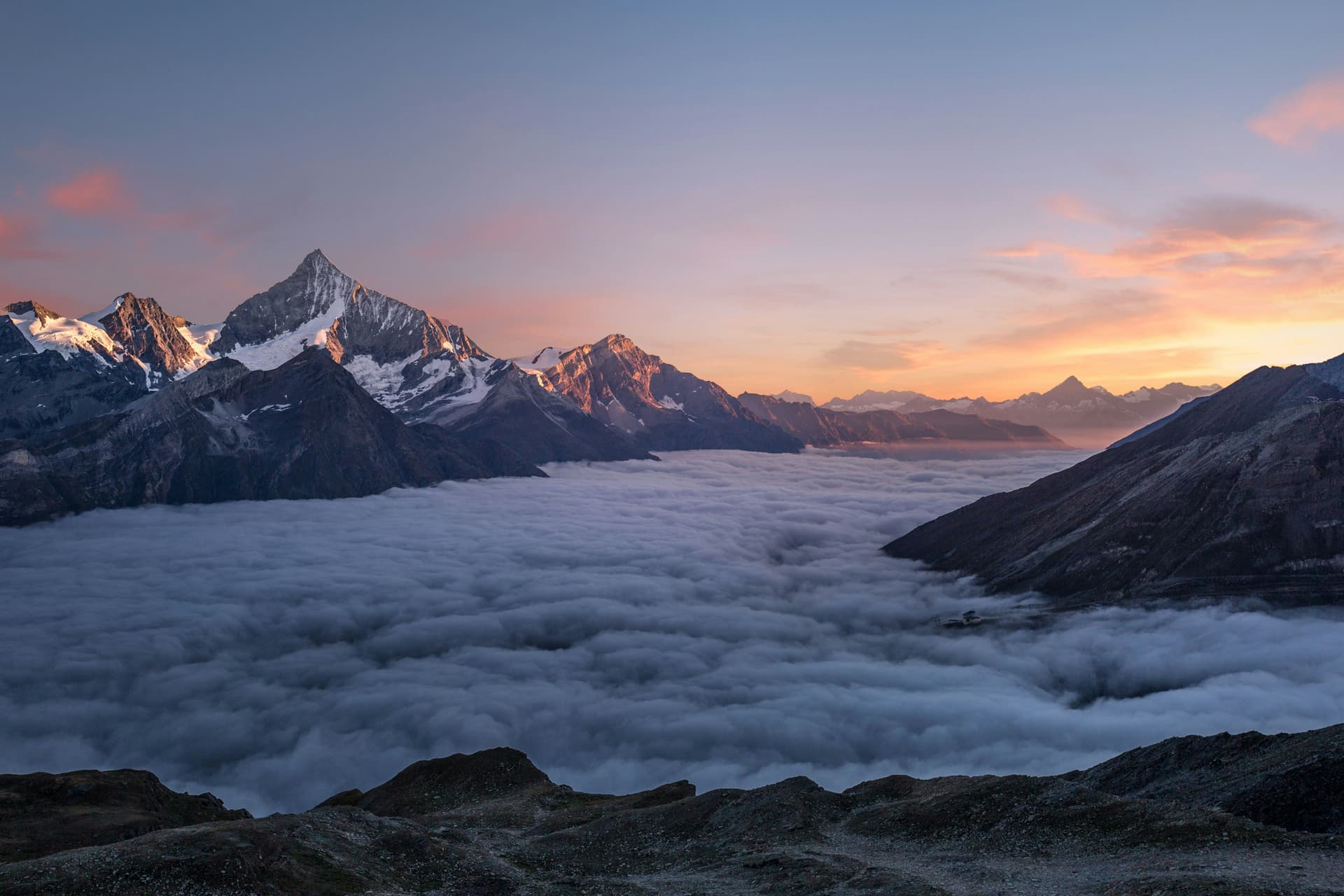
Unique in the world: the Fox and Franz Josef glaciers descend from the Southern Alps down to 300 metres altitude, right into temperate rainforest. This meeting of ice and jungle is a breathtaking spectacle. Helicopter flights with glacier landing offer an unforgettable perspective over the Southern Alps.
Abel Tasman and the Northern Coast
Abel Tasman National Park is the country’s smallest but one of its most beautiful. Its golden beaches fringed by native forest, crystal waters and coastal trails (Abel Tasman Coast Track, 3–5 days) make it a paradise for sea kayaking and hiking. Fur seals lounge on the rocks of Tonga Island.
Maori Culture in New Zealand
Maori culture is not tourist folklore — it is a living, official culture woven into everyday life. Te reo Māori is an official language (alongside English and sign language), places often carry their Maori names, and kaitiakitanga (guardianship of the land) profoundly influences the country’s environmental policy.
- Rotorua: Maori cultural centre, haka performances, traditional hāngi, Whakarewarewa village
- Waitangi: site of the founding treaty (1840), museum and daily performances
- Te Papa (Wellington): national museum with an exceptional Maori collection, free entry
- Hokitika: pounamu (nephrite jade) carving workshops, a sacred Maori stone
Getting Around New Zealand
New Zealand is a country made for the road trip. Roads are excellent, traffic light (except around Auckland), and the scenery changes every hour. The campervan is the king of transport — the absolute freedom to stop wherever you want amid dream landscapes.
- Campervan: the number one choice for travellers. Jucy, Wicked, Britz, Maui. From 50 to 200 NZD/day depending on season and vehicle
- Car rental: Apex, Snap Rentals (local and cheaper) or the majors. Warning: you drive on the left!
- Bus: InterCity covers both islands. Stray and Kiwi Experience for backpackers (hop-on/hop-off circuits)
- Domestic flights: Air New Zealand connects major cities. Auckland – Queenstown in 2h
- Ferry: Interislander or Bluebridge between Wellington and Picton (3h30), a spectacular crossing through the Cook Strait
Budget: How Much Does a Trip to New Zealand Cost?
New Zealand is a moderately priced destination if you travel by campervan and cook. Budget 80 to 180 NZD per day per person (€45 to €100) in backpacker/mid-range mode. Adventure activities (bungee, heli, skydive) are the main expense.
- Accommodation: DOC campsites free to 15 NZD, hostels 30–50 NZD, motels 100–180 NZD, lodges 300+ NZD
- Meals: fish & chips 10–15 NZD, restaurant 25–45 NZD. Countdown and New World supermarkets are affordable
- Transport: campervan 50–200 NZD/day, petrol 2.5–3 NZD/litre, inter-island ferry 75–180 NZD
- Activities: bungee 200–300 NZD, glacier flight 300–500 NZD, Great Walk 130–180 NZD (3 days)
- Top tip: the Working Holiday Visa programme (18–35) lets you work and travel for 12 months
When to Visit New Zealand?
Essential reminder: New Zealand is in the southern hemisphere, so seasons are reversed. Southern summer (December – February) offers the best conditions: 20–25°C, long days (sunset after 9pm), access to all hiking trails. It’s high season. Autumn (March – May) is the best compromise: pleasant temperatures, blazing colours in Otago, grape harvest, and tourists gone.
Winter (June – August) is ski season in Queenstown, Wanaka and on Mount Ruapehu — a total change from a Norwegian winter. The north (Auckland, Bay of Islands) stays mild year-round (12–16°C). Spring (September – November) sees lambs in the fields, lupins blooming at Lake Tekapo and the return of fine weather. Prices are low and sites deserted.
Recommended Itineraries
The Grand Tour (3–4 weeks)
Auckland (2 days) → Coromandel and Cathedral Cove (2 days) → Rotorua and Maori culture (2 days) → Tongariro Alpine Crossing (1 day) → Wellington (2 days) → ferry to the South Island → Abel Tasman by kayak (3 days) → Fox/Franz Josef glaciers (2 days) → Wanaka (2 days) → Queenstown (3 days) → Milford Sound (2 days) → back to Queenstown. The ultimate road trip.
South Island Express (14 days)
Christchurch → Kaikura (whales and seals, 2 days) → Marlborough vineyards (1 day) → Abel Tasman (3 days) → Greymouth and Punakaiki Pancake Rocks (1 day) → glaciers (2 days) → Wanaka and Queenstown (3 days) → Milford Sound (1 day) → Dunedin and the Otago Peninsula with royal albatross (1 day). The South Island essentials in two weeks.
Adventure and Great Walks (3 weeks)
For hikers: Tongariro Northern Circuit (3 days) → Abel Tasman Coast Track (3 days) → Routeburn Track (3 days) → Milford Track (4 days) → Kepler Track (3 days). The 5 finest Great Walks back to back, with transfers between each. Hut booking essential, several months ahead in high season.
New Zealand Off the Beaten Path
Beyond the classics, New Zealand is brimming with hidden gems. The East Cape (North Island) is the least touristy region: authentic Maori communities, deserted beaches, and the world’s first sunrise at East Cape Lighthouse. The Catlins (far south of the South Island) offer petrified forests, hidden waterfalls and yellow-eyed penguin colonies.
Stewart Island / Rakiura is the ultimate sanctuary: 85% of the island is national park, and it’s the best place to spot kiwi birds in the wild. The Forgotten World Highway (Taranaki) crosses 150 km of tunnels, bridges and landscapes forgotten by time. Discover all our destinations for more travel inspiration.
Formalities and Practical Information
New Zealand is a distant but easy destination to travel. The country is very well set up for tourists, with i-SITE visitor centres in every town, impeccable signage and an incredibly welcoming population.
- Visa: NZeTA (electronic visa) required for French nationals, 23 NZD online. Max stay 3 months. Working Holiday Visa available (18–35)
- Currency: New Zealand dollar (NZD). 1 EUR ≈ 1.8 NZD. Bank card accepted everywhere
- Flight: 22–26h from Paris with 1 stopover (Singapore, Dubai, Hong Kong). Expect €800–1,200 return
- Time difference: UTC+12 (11–12 hours ahead of France). The jet lag is significant, allow 2–3 days to adjust
- Driving: you drive on the left! French licence accepted if accompanied by an official translation
- Safety: very safe country. Watch out for changeable mountain weather and sandflies on the west coast