Scandinavian design, Arctic nature and Nordic art of living
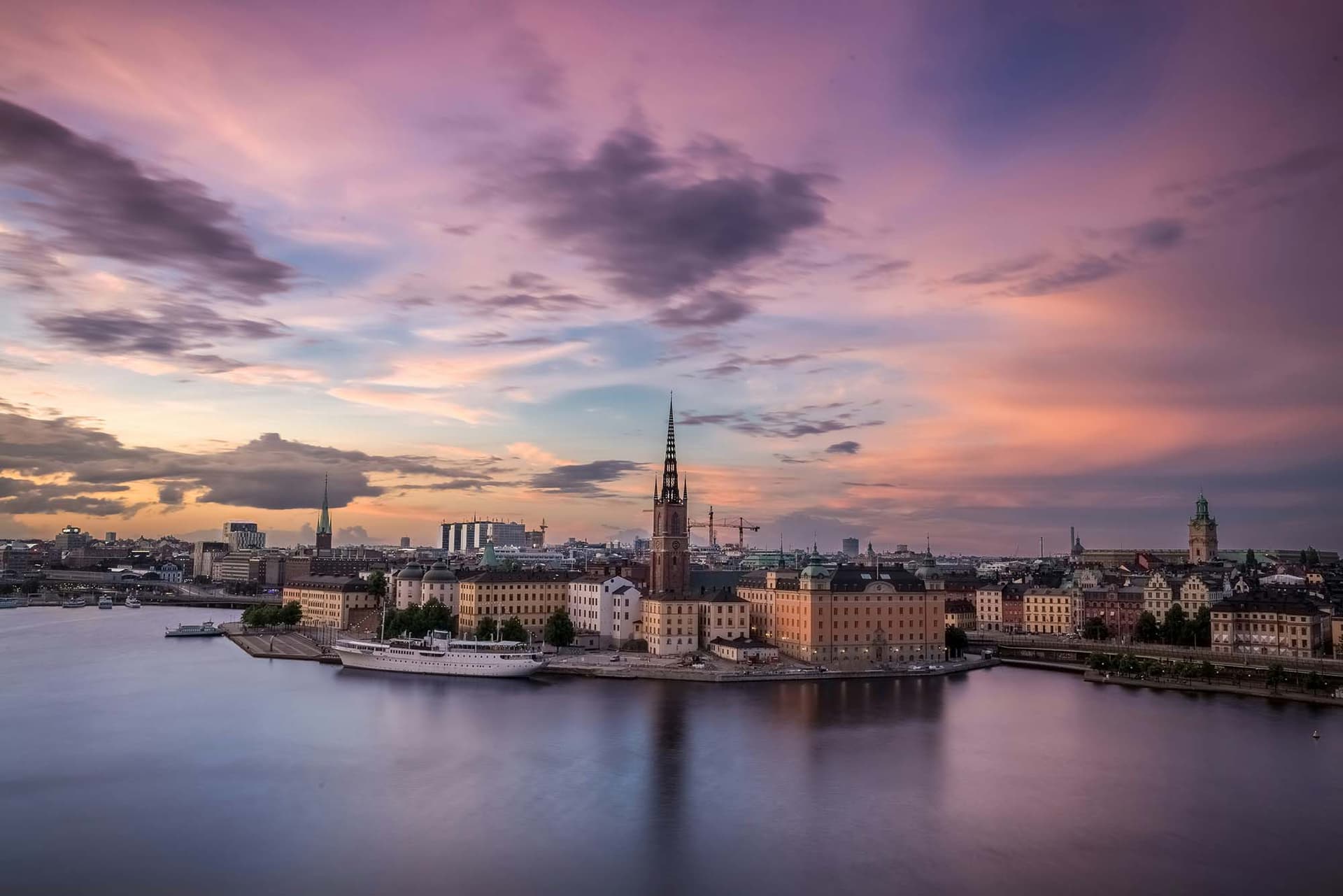
Sweden fascinates with its contrasts: endless boreal forests and stylish archipelago islands, midnight sun and northern lights, fika culture and cutting-edge design.
Why Sweden?
Sweden combines Scandinavian design, wild Arctic nature and a Nordic art of living where fika culture meets cutting-edge innovation.
In september, the climate in Sweden is good. The weather is generally cloudy, with maximum temperatures around 16°C and about 8 rainy days. Tourist crowds are moderate.
Sweden is a land of striking contrasts, where untamed nature coexists with refined design that has become a global benchmark. From endless birch forests to the shimmering archipelagos of the Baltic, every landscape seems composed with the precision of a Scandinavian architect. Here, lagom — the art of living rooted in balance and moderation — permeates every aspect of daily life, from Stockholm’s urban planning to the sacred ritual of fika, the coffee break elevated to the status of national institution.
In summer, the midnight sun bathes Lapland in a golden light that never fades, transforming nights into surreal twilights. In winter, the northern lights drape the Arctic sky in emerald and purple veils. Between these two extremes, Sweden offers a range of rare experiences: sailing among the 30,000 islands of the Stockholm Archipelago, surrendering to a lakeside sauna on a frozen lake, or simply strolling through the cobbled lanes of Gamla Stan savouring Scandinavian slowness. It is a country that invites you to slow down in order to feel more deeply.
02When to visit Sweden?
Sweden can be visited year-round, with each season revealing a radically different face. From June to August, the endless days and mild temperatures (18–25 °C in the south) make summer the ideal time to explore the archipelagos, hike through national parks and enjoy the lively terraces of Stockholm and Gothenburg. It is also the season of the midnight sun in Lapland, a magical phenomenon visible from late May to mid-July above the Arctic Circle.
The Swedish winter, from December to March, draws travellers seeking northern lights, dog sledding and nights in an ice hotel. Temperatures frequently drop below −20 °C in Lapland, but the cosy atmosphere of Swedish interiors, candlelight and mysig — the Swedish art of cosiness — more than compensate for the cold. Spring (April–May) and autumn (September–October) charm visitors with spectacular colours and the absence of crowds, at gentler prices.
03Must-see highlights
Stockholm, the capital built across fourteen islands, fascinates with its blend of royal grandeur and contemporary creativity. From the Vasa Museum to the trendy neighbourhood of Södermalm, through the metro system considered the world’s longest art gallery, every corner of the city holds a surprise. A few hours north, Swedish Lapland offers immersion in the vast Arctic wilderness: Abisko for the northern lights, Jokkmokk for Sámi culture, and Kiruna for the iconic Icehotel in Jukkasjärvi.
On the west coast, Gothenburg entices with its cutting-edge food scene and wild archipelago of colourful fishing cottages. Further inland, the Dalarna region embodies the folk soul of Sweden: its Falun-red villages, Lake Siljan ringed by gentle hills and the Midsommar celebrations make it an essential detour. Finally, the Stockholm Archipelago deserves several days on its own, with inhabited islands linked by ferries, deserted coves and charming inns perched on granite.
The Âme Bohème tip
Don’t miss the Treehotel in Harads, Lapland: treehouses suspended in the forest canopy, designed by renowned architects, for a night between sky and boreal forest. Book several months ahead — rooms sell out fast.
04Swedish gastronomy
Sweden is one of the birthplaces of New Nordic cuisine, the culinary movement that celebrates local produce, seasonality and ancestral techniques. Stockholm boasts several Michelin-starred restaurants — Frantzén foremost among them — while Gothenburg rivals them with impeccably fresh seafood restaurants. But Swedish gastronomy is also, above all, about everyday life: the sacred ritual of fika, accompanied by a still-warm kanelbulle (cinnamon roll) and a generously poured filter coffee.
Discover the smörgåsbord, the traditional buffet featuring herring marinated seven ways, gravlax salmon, meatballs (köttbullar) coated in cream sauce, and aged Västerbotten cheese. In summer, don’t miss the crayfish season (kräftskiva), celebrated in August around long tables decorated with lanterns, paper hats and ice-cold aquavit. A quintessentially Swedish moment of conviviality.
05Practical information
Currency: the Swedish krona (SEK). Sweden is an EU member but has not adopted the euro. The country is largely cashless: cards are accepted everywhere, even for a coffee.
Language: Swedish is the official language, but English is spoken fluently by virtually the entire population. No language barrier to worry about.
Transport: in Stockholm, the SL card (Storstockholms Lokaltrafik) provides access to the metro, buses, trams and ferries. For longer journeys, the SJ network offers excellent rail connections, including the overnight train to Lapland.
Tipping: service is included in the bill. Tipping is not expected, but rounding up the total is an appreciated gesture in restaurants.
Time zone: CET (UTC+1, UTC+2 in summer), the same as most of mainland Europe.
Âme Bohème exists thanks to you
Some links in this article are affiliate links. This means that if you book or purchase a product through these links, we receive a small commission — at no extra cost to you. It's thanks to this support that we can continue creating free, quality content.
You can also buy us a coffee, or follow us on Instagram and Facebook.
Thank you
Share
Comments
Share your thoughts
Leave a comment
Looking for more information for your trip? Book a personalised video call with us, or join the Curious Souls community on Discord.
Your email address will not be published. Required fields are marked with *