
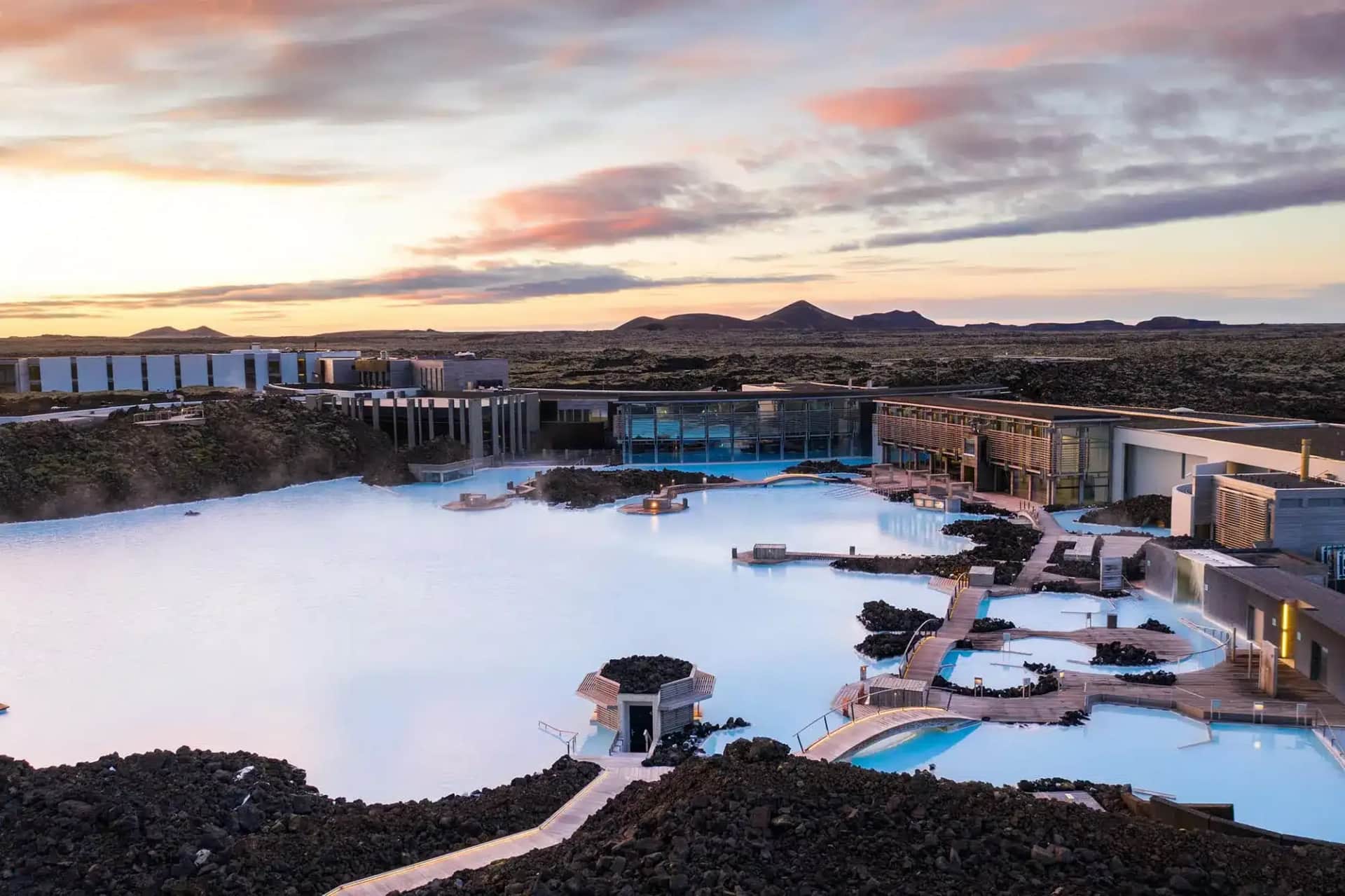
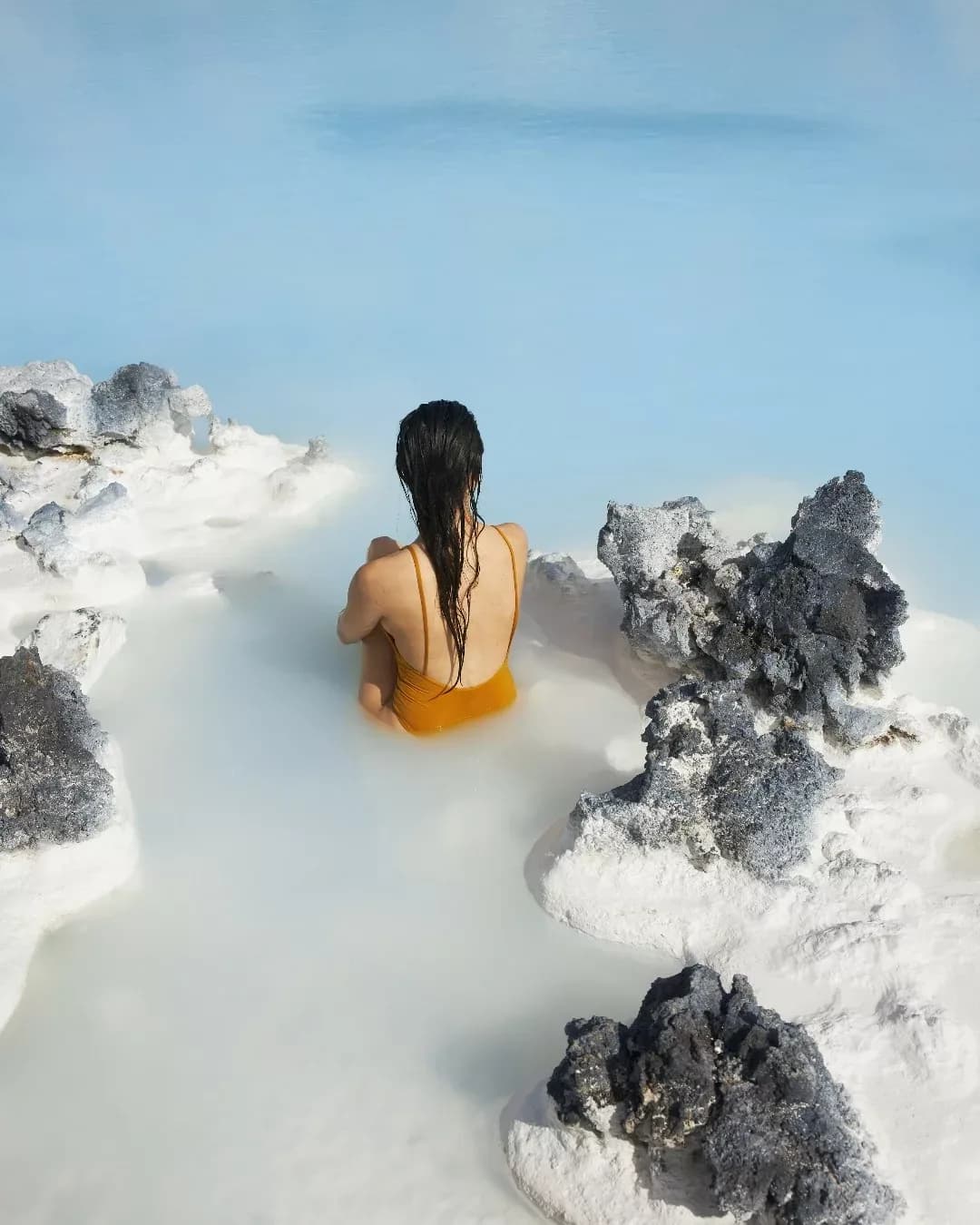
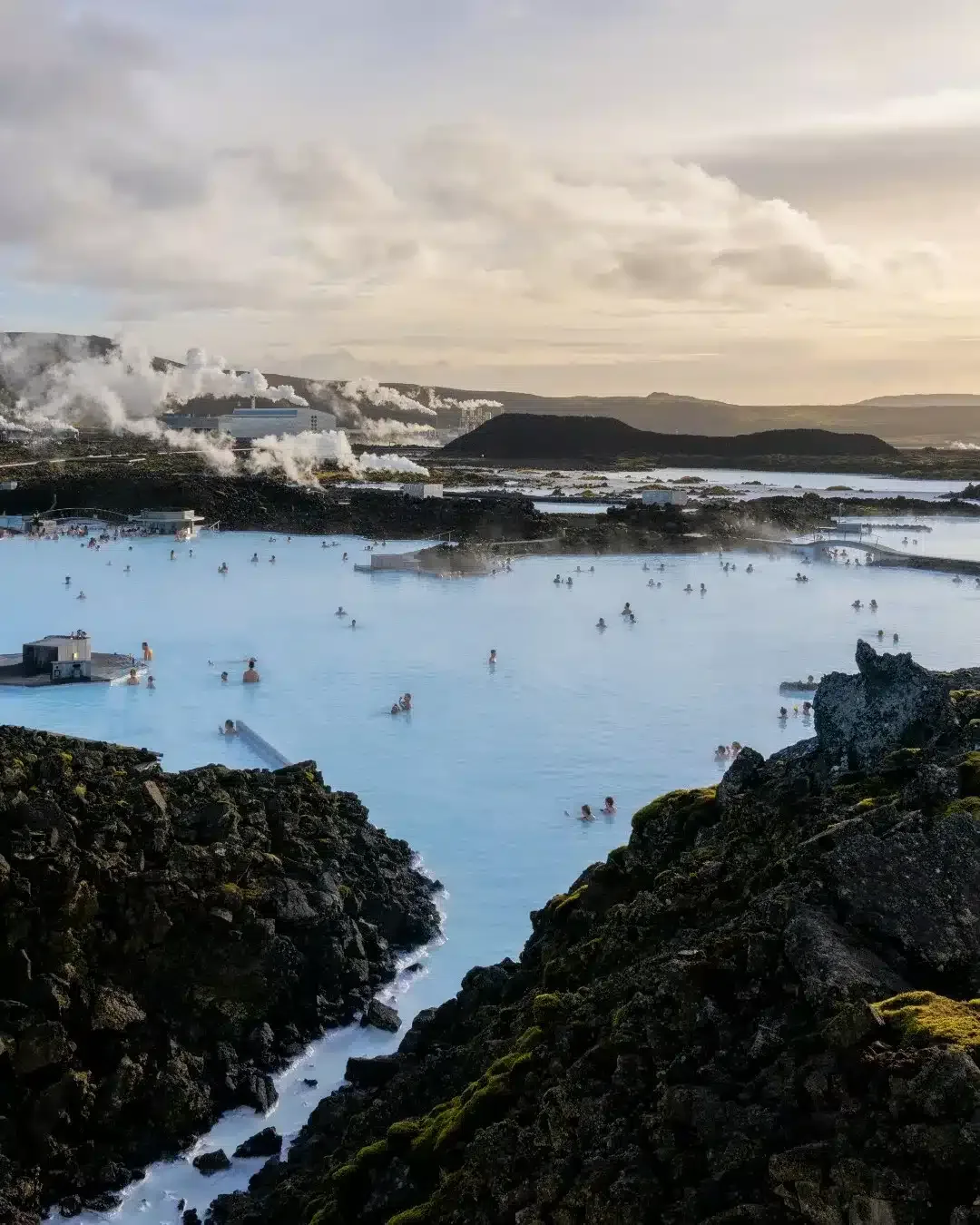
Milky blue waters amidst a black lava field, steam rising into the crisp air, silica masks applied while laughing with friends: the Blue Lagoon is probably the most iconic image of Iceland. I've been there several times, in different seasons, and each visit surprised me — because of the light, the air temperature, the crowds or the lack thereof. This guide brings together everything I've learned to help you prepare your own visit.
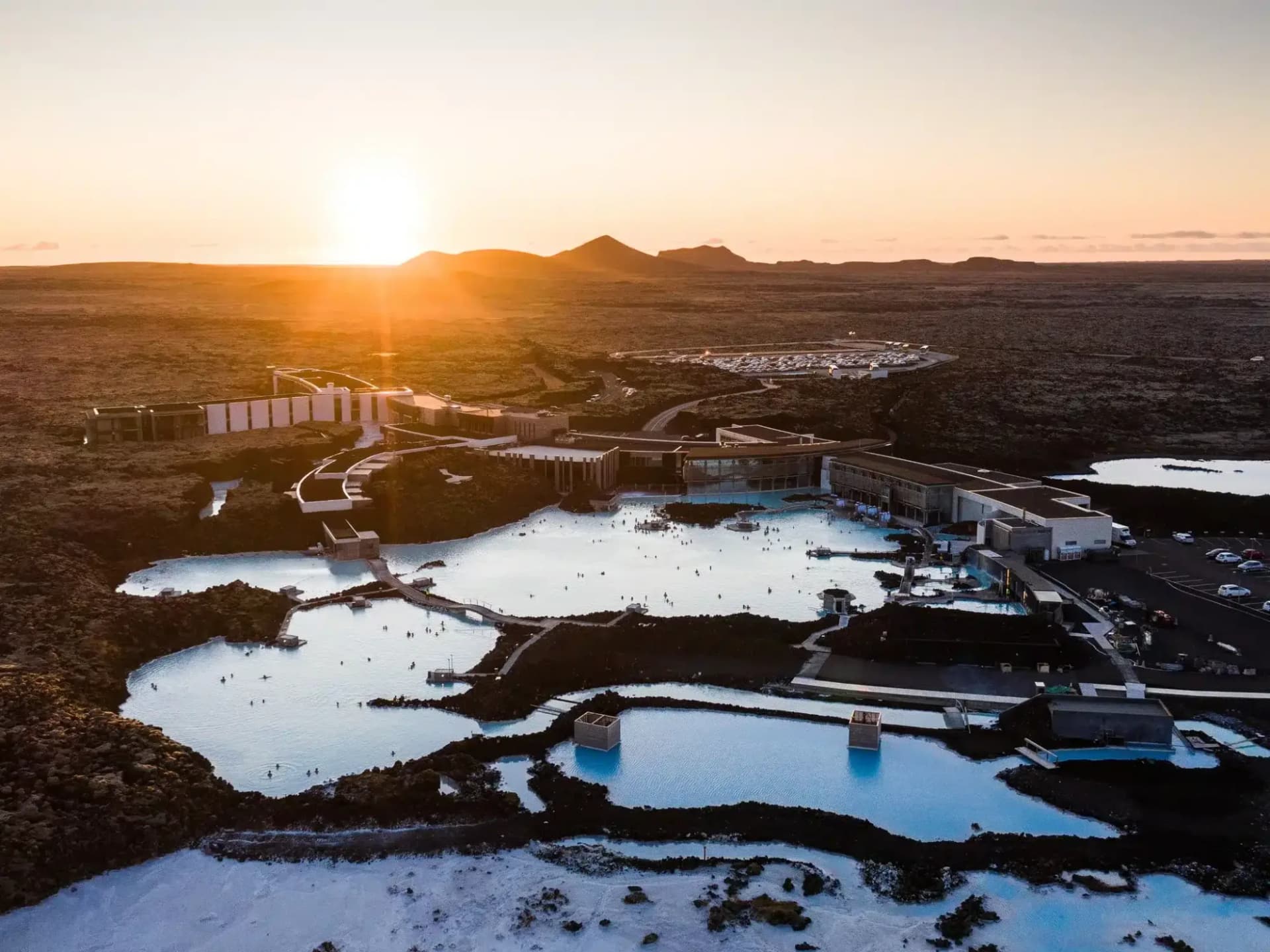
The Blue Lagoon is a man-made geothermal lagoon spanning 8,700 m², fed by the wastewater from the Svartsengi power plant. Entry starts at ISK 11,990 (~€80) for the Comfort package, but prices are dynamic: they change depending on the date, time and demand. Since late 2023, the Reykjanes Peninsula has experienced intense volcanic activity, with nine eruptions between December 2023 and 2025 — the Blue Lagoon has closed and reopened multiple times, and its car park was even destroyed by lava in November 2024.
This guide covers everything: 2026 prices, access from Reykjavik and Keflavík Airport, volcanic impact, the on-site experience, restaurants, accommodation and alternatives. Whether you're torn between Comfort and Premium, or wondering if the Blue Lagoon is really worth the price, you'll find your answers here.
Why is the Blue Lagoon so famous?
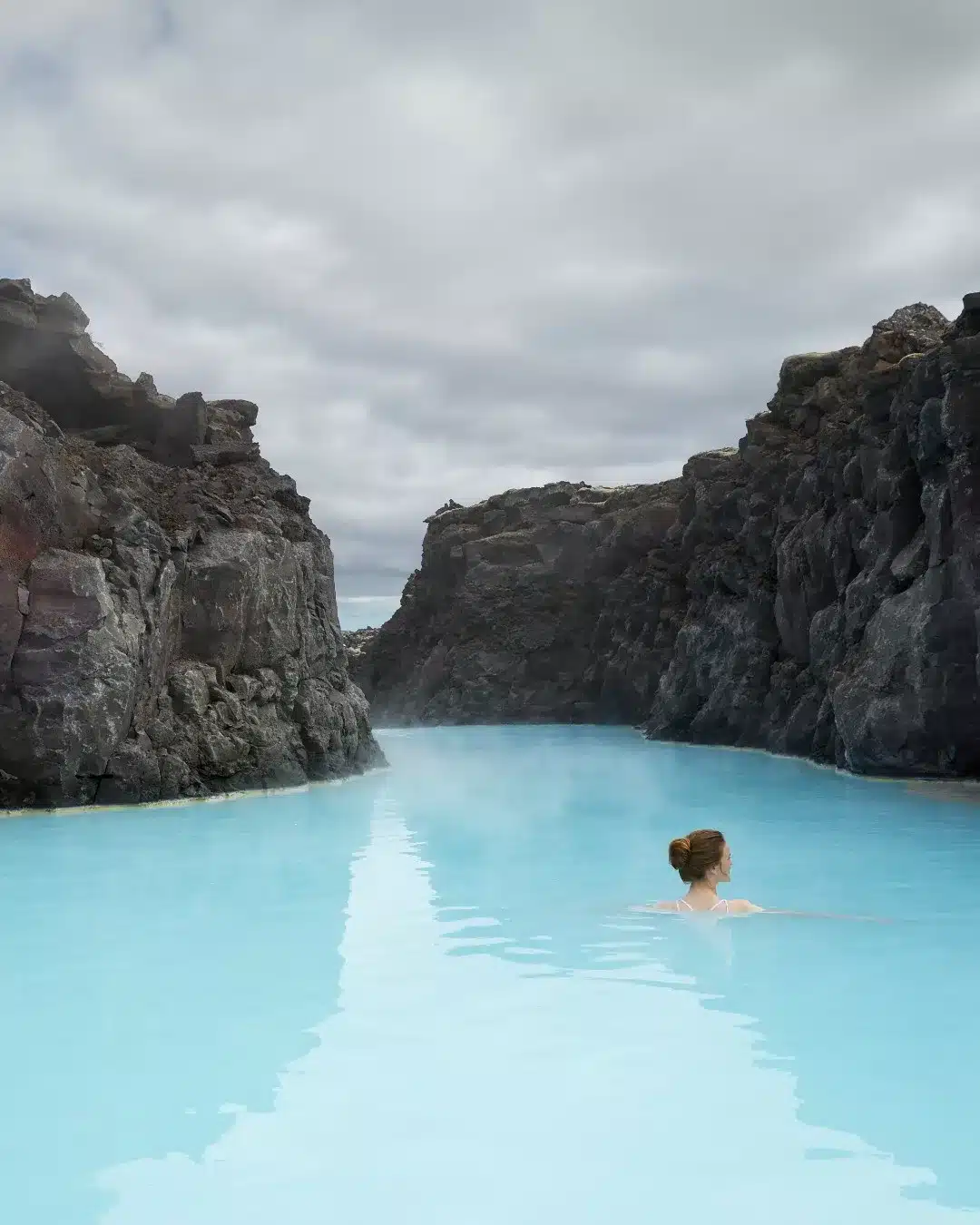
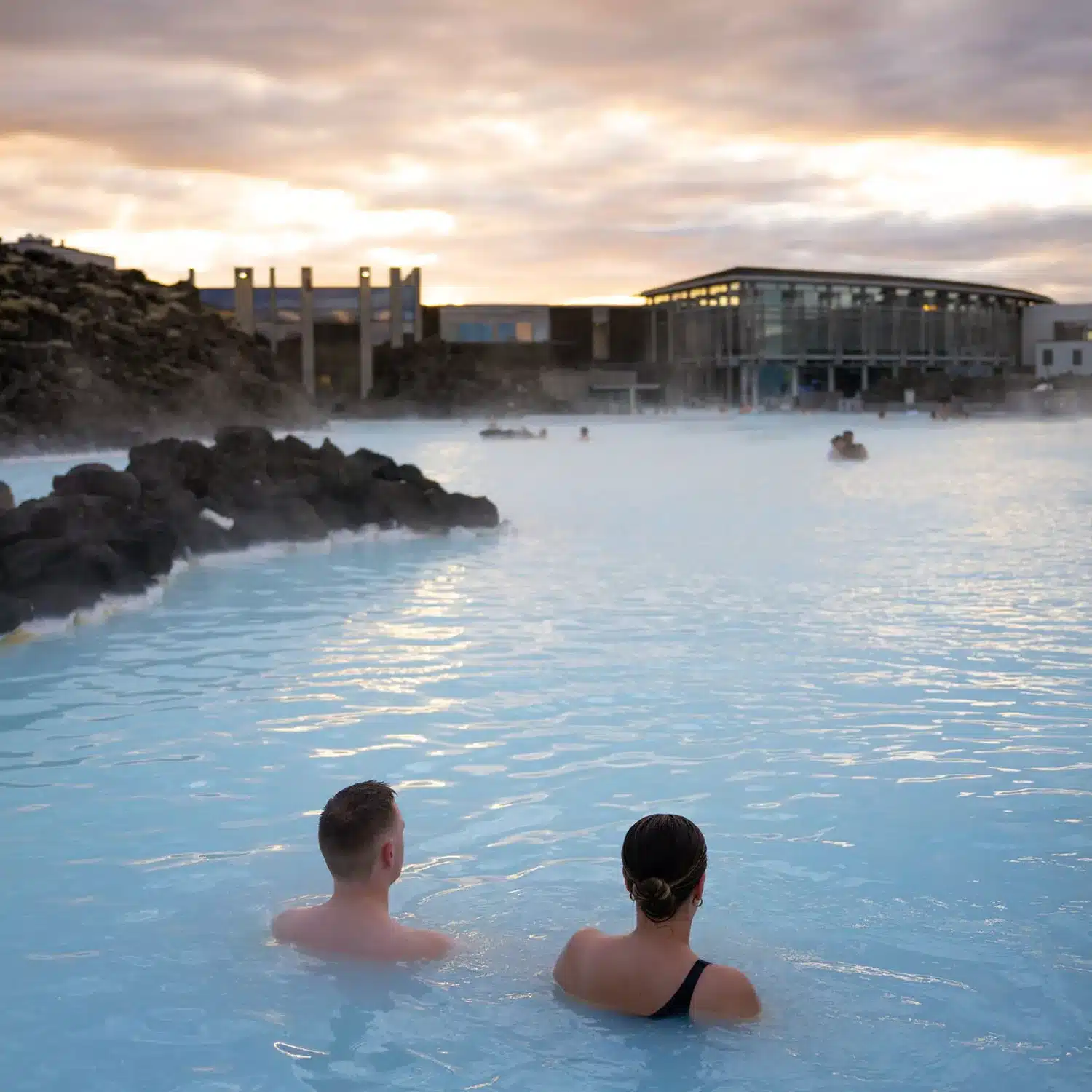
Imagine, after a long day of travel, sinking into turquoise waters at 38 °C, surrounded by black lava formations covered in moss. The Nordic sky — whether streaked with northern lights in winter or bathed in midnight sun in summer — completes the picture. It's one of those places on almost every traveller's Iceland bucket list. And for good reason.
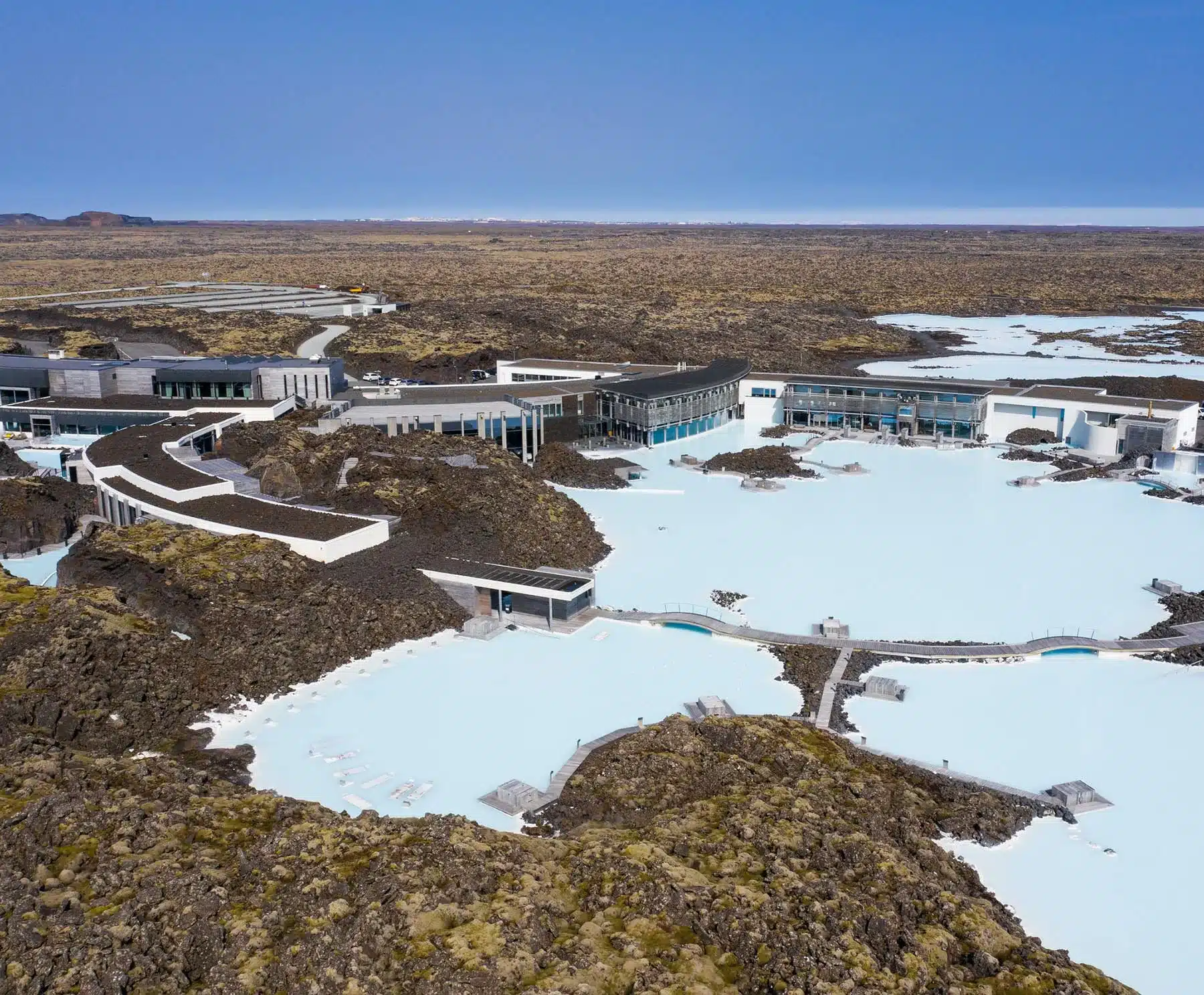
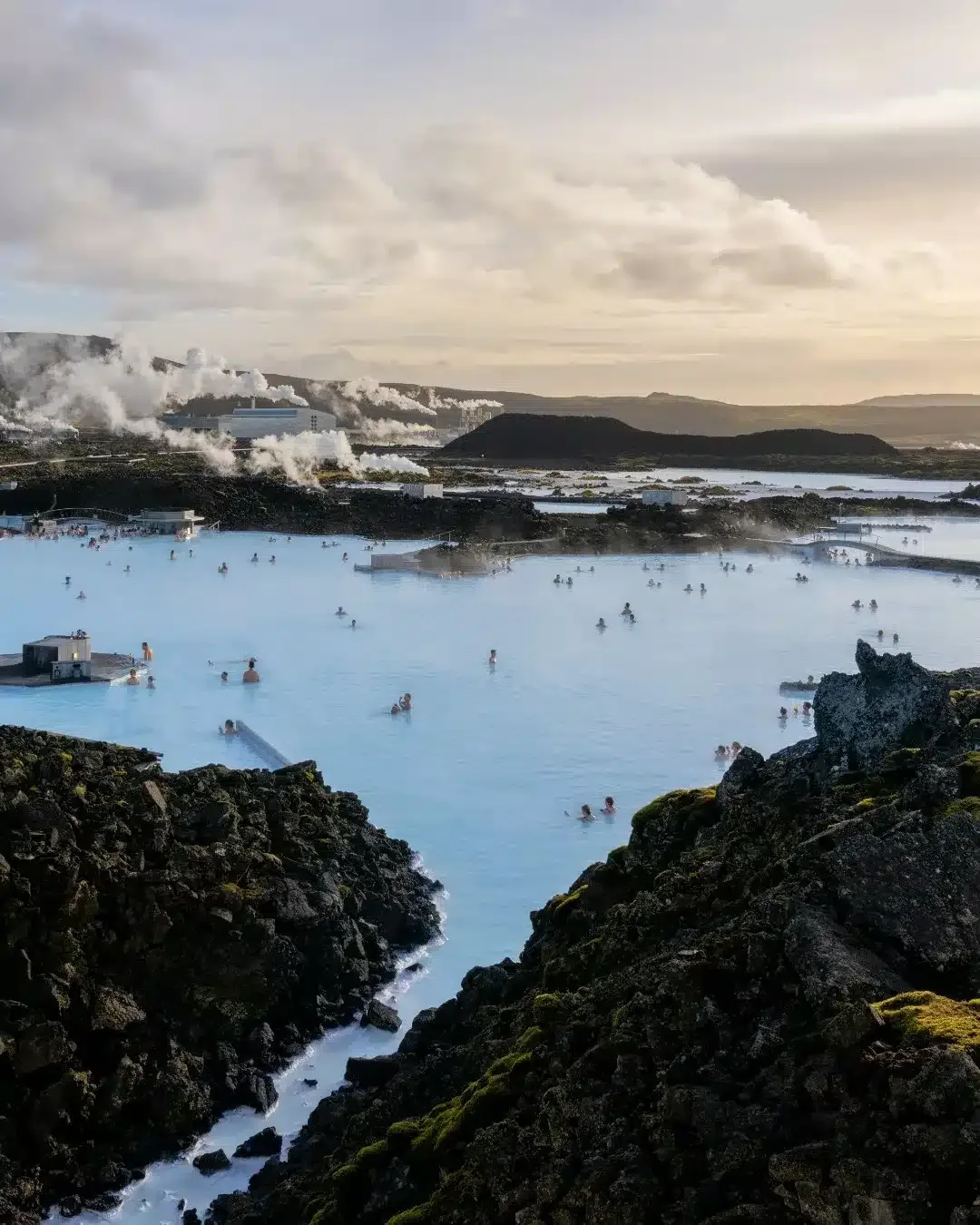
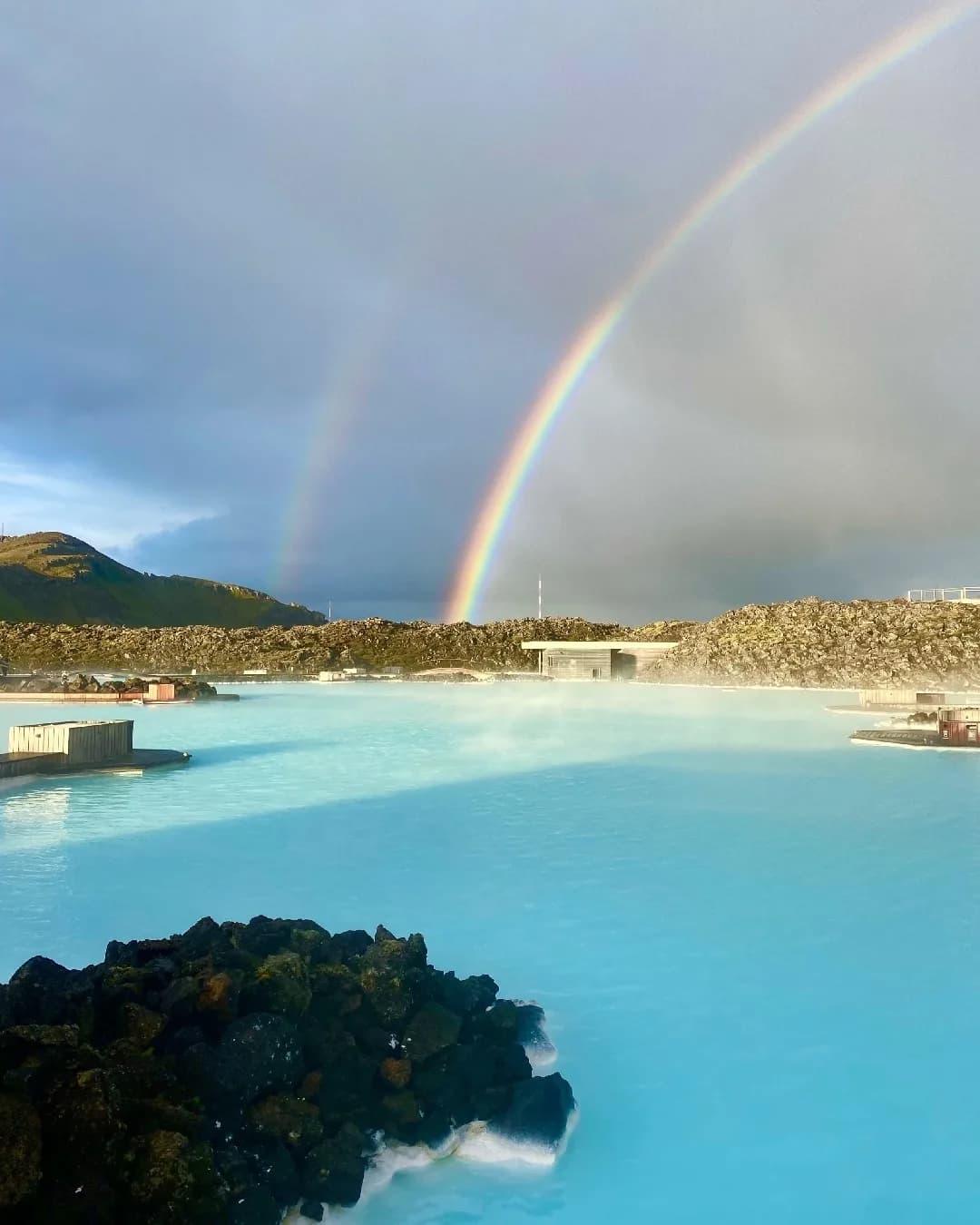
The lagoon stretches across 8,700 m² of milky blue geothermal water, a natural hue created by suspended silica that reflects light. The water comes from deep underground, about 2,000 metres below the surface, before being used by the Svartsengi power plant and then discharged into the porous lava field. The result: a lagoon whose temperature hovers between 37 °C and 40 °C, all year round.
On my first visit, I was completely captivated by the otherworldly beauty of the place. The contrast between the milky blue water and the black lava is striking. Located just 20 minutes from Keflavík Airport, it's often the first or last stop for many travellers — a detour that fits naturally into any itinerary.
History and origins of the Blue Lagoon
When nature meets man
The Blue Lagoon is not a natural hot spring in the strict sense. Its story begins in the 1970s, when the Svartsengi geothermal power plant began operating on the Reykjanes Peninsula. Geothermal water, pumped from 2,000 metres underground to generate electricity and heating, was discharged after use into the surrounding lava field. Rich in silica, algae and minerals, this water accumulated in the cavities of the porous lava, forming a lagoon with milky blue reflections.
An unexpected place of healing
In the 1980s, locals began bathing in this warm-water reservoir. They soon noticed that the water seemed to have beneficial properties for the skin, especially for people suffering from psoriasis. A local dermatologist, Dr Grímur Sæmundsen, launched a clinical study that confirmed the benefits of silica and algae for skin conditions. Word spread and attracted more and more bathers.
From discovery to worldwide fame
In 1992, the Blue Lagoon officially opened its doors to the public as a bathing complex. Since then, its reputation has only grown: from a simple outdoor pool, it has transformed into a luxury resort with hotels, Michelin-starred restaurants and a cosmetics line. Today, it welcomes around 1.3 million visitors per year, making it Iceland's most visited tourist attraction.
The Blue Lagoon is far more than a tourist attraction: it has become a symbol of the harmony between man and nature in Iceland. To discover the country's other treasures, explore our Iceland destinations section.
What makes the Blue Lagoon special
Waters with exceptional properties
The Blue Lagoon's water is a blend of 65% seawater and 35% freshwater, naturally heated by underground volcanic activity. Its chemical composition is unique: approximately 140 mg/L of silica, blue-green algae, sulphur and mineral salts. The pH is around 7.5 (slightly alkaline), and the water contains no chlorine — it is naturally renewed every 40 hours. The average depth is 1.2 metres, which allows you to move around comfortably standing up.
After soaking, you feel a real sense of freshness and renewal on your skin. Conditions like psoriasis or eczema seem to fade, leaving skin feeling soft and radiant. And the blue colour? It's caused by suspended silica that reflects visible light — the higher the concentration, the more intense the blue.
A breathtaking landscape
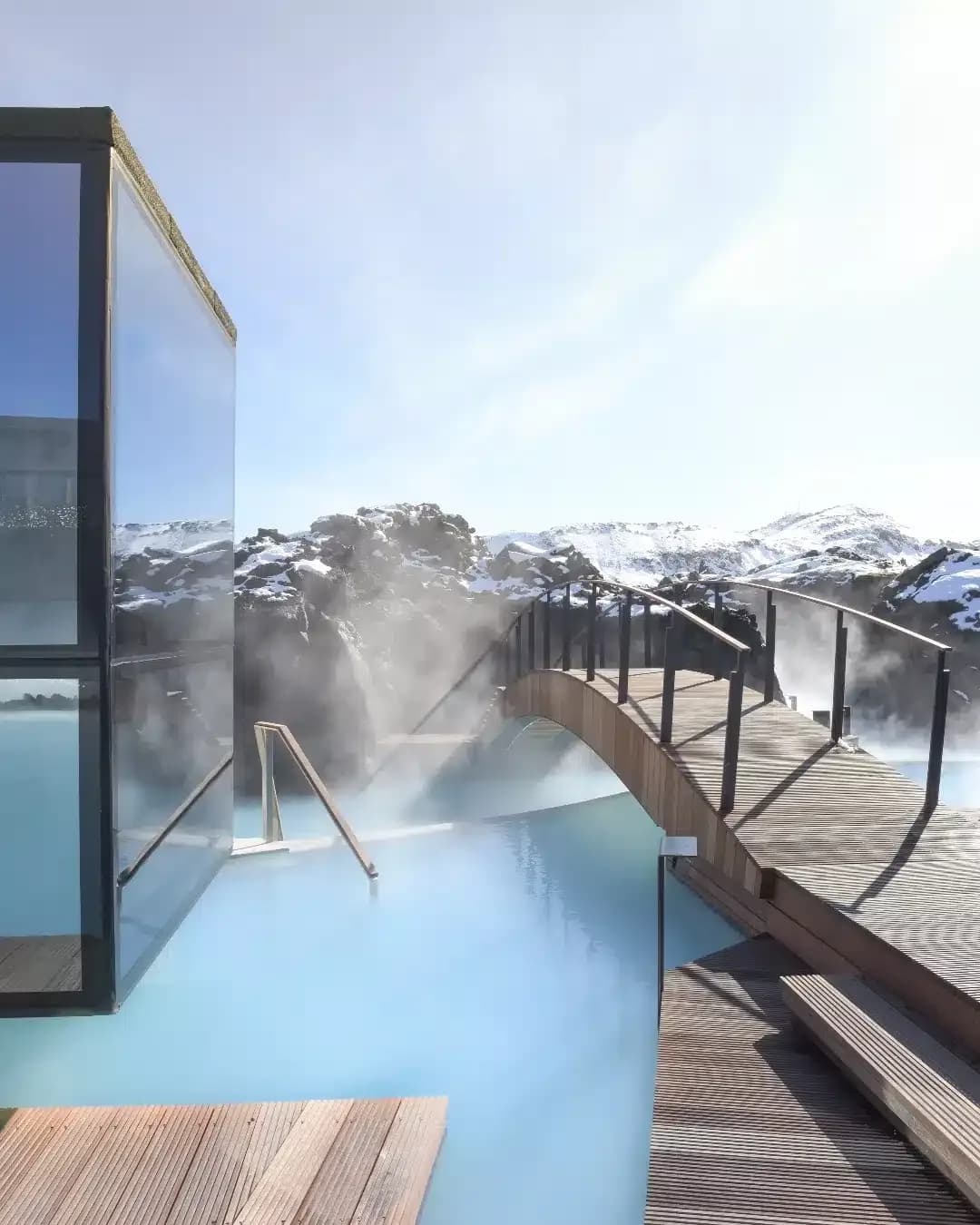
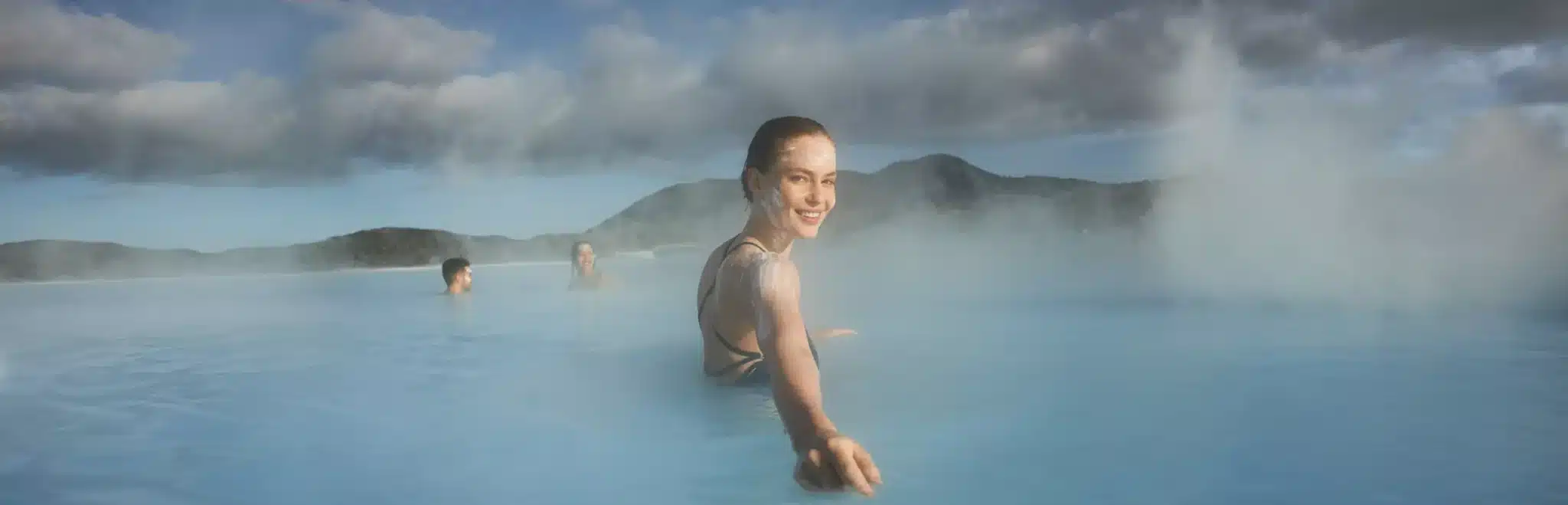
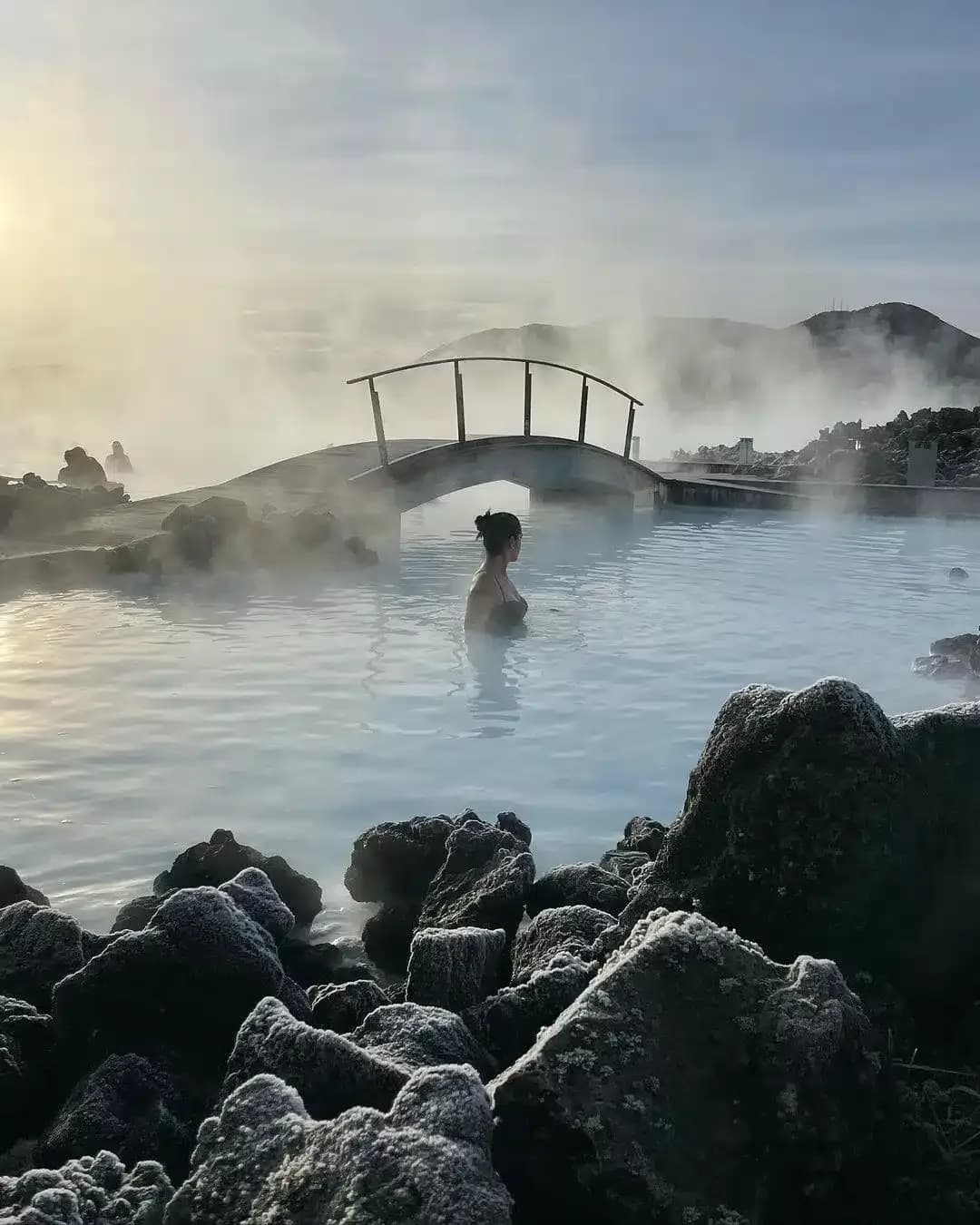
The Blue Lagoon's setting is breathtaking. Surrounded by black lava fields covered in moss and distant mountains, the contrast with the milky blue water is striking. In winter, the steam rising into the freezing air creates a dreamlike atmosphere, and you can sometimes catch the northern lights while bathing. In summer, the midnight sun offers incomparable golden light.
Sustainability and geothermal energy
The Blue Lagoon is an example of smart reuse of geothermal resources. The water that feeds the lagoon is a by-product of the Svartsengi power plant, which provides electricity and heating to 30,000 residents of the Reykjanes Peninsula. Rather than being discarded, it is channelled into the lagoon where it creates this unique experience. The entire site runs on renewable energy.
Blue Lagoon and volcanic activity: what you need to know
Since December 2023, the Reykjanes Peninsula has been experiencing a period of intense volcanic activity. Nine eruptions occurred between December 2023 and 2025, all within the Sundhnúkur fissure system, just a few kilometres from the Blue Lagoon. The site temporarily closed several times as a safety precaution.
The November 2024 eruption was the most impactful: the lava flow destroyed part of the Blue Lagoon's car park and damaged nearby road infrastructure. Protective earth barriers (berms) were erected around the site and the town of Grindavík to divert potential future lava flows.
The Blue Lagoon has implemented rigorous evacuation protocols: seismic sensors monitor activity in real time, and in the event of an alert, the site can be evacuated within minutes. Staff are trained in emergency procedures, and evacuation routes are clearly marked.
Despite this context, the Blue Lagoon continues to welcome visitors whenever conditions allow. The situation is closely monitored by the Icelandic authorities, and visitor safety remains the absolute priority. The experience is just as spectacular — some would even say the renewed volcanic landscape adds to the magic of the place.
Read also: Reykjanes evacuation routes and SAAP insurance in Iceland.
Chapka Insurance
Travel with peace of mind with the best travel insurance
Stay covered in every situation with the best insurance for your next trip.
How to get to the Blue Lagoon
By car
The Blue Lagoon is located at Norðurljósavegur 9, 240 Grindavík, on the Reykjanes Peninsula. From Reykjavik, allow about 50 km / 45 minutes via Route 41 then Route 43. From Keflavík Airport (KEF), it's only 20 km / 20 minutes. The road is well-maintained and easy to follow.
A tip: enter the GPS coordinates into your device rather than the name 'Blue Lagoon', as some GPS systems redirect to the old entrance. For car hire, check our guide to renting a car in Iceland. If you're arriving by air, our article about Keflavík Airport will come in handy.
By shuttle
If you'd rather not drive, Destination Blue Lagoon shuttles run regularly from BSÍ Bus Terminal in Reykjavik and from Keflavík Airport. The fare is around ISK 5,500 (~€37) return. The buses are comfortable and their schedules are aligned with the lagoon's entry time slots. Book at the same time as your admission ticket on the official website.
Blue Lagoon opening hours
The Blue Lagoon's hours vary by season. Here are the three main periods for 2026:
- 20 June – 20 August (summer): 7 am – 11 pm
- 21 August – 31 January (autumn/winter): 8 am – 10 pm
- 1 February – 19 June (spring): 8 am – 8 pm
The last entry slot is usually 2 hours before closing. Hours may be adjusted due to volcanic activity or extreme weather — always check the official website before your visit.
2026 prices and packages
The Blue Lagoon offers four package tiers. All prices are in ISK (Icelandic króna) with the approximate euro equivalent. Prices are dynamic: they vary depending on the date, time and demand. There are no tickets sold on site — online booking is mandatory.
Comfort — from ISK 11,990 (~€80)
- Entry to the Blue Lagoon
- Silica mud mask
- Towel provided
- First drink of your choice (at the in-water bar)
This is the basic package, and honestly, it's already very good. The silica mask is included and the drink at the in-water bar is a real treat.
Premium — from ISK 14,990 (~€100)
- Everything in Comfort, plus:
- Two additional masks of your choice (algae, lava)
- Bathrobe provided
- Second drink of your choice (at the in-water bar or restaurant)
- Slippers included
My usual choice. The bathrobe makes a real difference when you get out of the water, especially in winter. And the extra masks are well worth it.
Signature — from ISK 18,490 (~€124)
- Everything in Premium, plus:
- Blue Lagoon skincare products to take home (Silica Mud Mask 30ml + Mineral Mask 30ml, value ~ISK 11,000)
- The full Blue Lagoon skincare ritual
- Complimentary skincare products to take away
Retreat Spa — from ISK 79,990 (~€535)
- 5 hours at the Retreat Spa (exclusive area)
- Private changing suite
- Unlimited access to the Retreat Lagoon + Blue Lagoon
- The skincare ritual + complimentary products
- Access to the Retreat's 8 underground spaces
- Spa restaurant + drink included
The Retreat is an experience in its own right — private lagoon, cave, meditation spaces. It's the height of luxury, but if you're celebrating a special occasion, it's worth every króna. Retreat Spa details and booking.
Wise Card
Travel smart with the best exchange rate
Say goodbye to banking hassles abroad with Wise, the multi-currency card with superpowers!
Visiting the Blue Lagoon with children
The Blue Lagoon welcomes children, but there are a few important rules:
- Minimum age: children aged 2 and over are admitted. Children under 2 are not allowed.
- Free entry: admission is free for children aged 2 to 5 (accompanied by a paying adult).
- Child rate: children aged 6 to 13 benefit from a reduced rate.
- Supervision: an adult must accompany children in the water at all times. One adult may supervise a maximum of two children under 8.
- Changing rooms: children under 6 must use the family changing rooms.
- Depth: the average depth is 1.2 m — smaller children must stay in the shallower zones.
The on-site experience
Lagoon zones
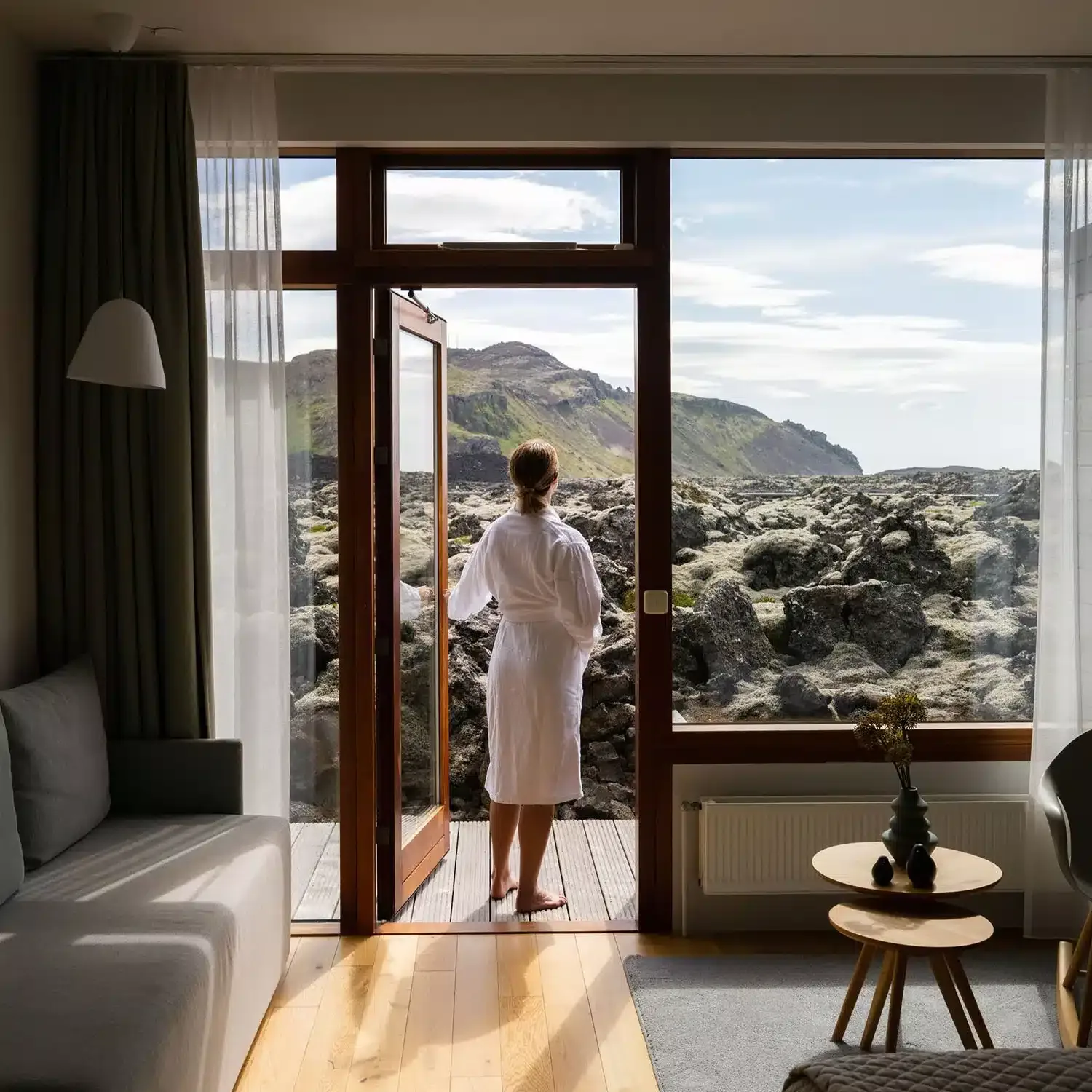
The Blue Lagoon is divided into several zones, each with its own atmosphere. The main area offers the vast expanse of blue water between lava rocks. The sauna is nestled in a lava cave with a panoramic view over the lagoon — it's one of my favourite spots, especially when it's cold outside. The steam room is more intimate and ideal for warming up between dips.
You'll also find relaxation areas with sun loungers, some set in caves. And the in-water bar lets you order a drink — smoothie, beer or cocktail — and sip it while floating. Your electronic wristband serves as payment throughout the site.
Treatments and masks
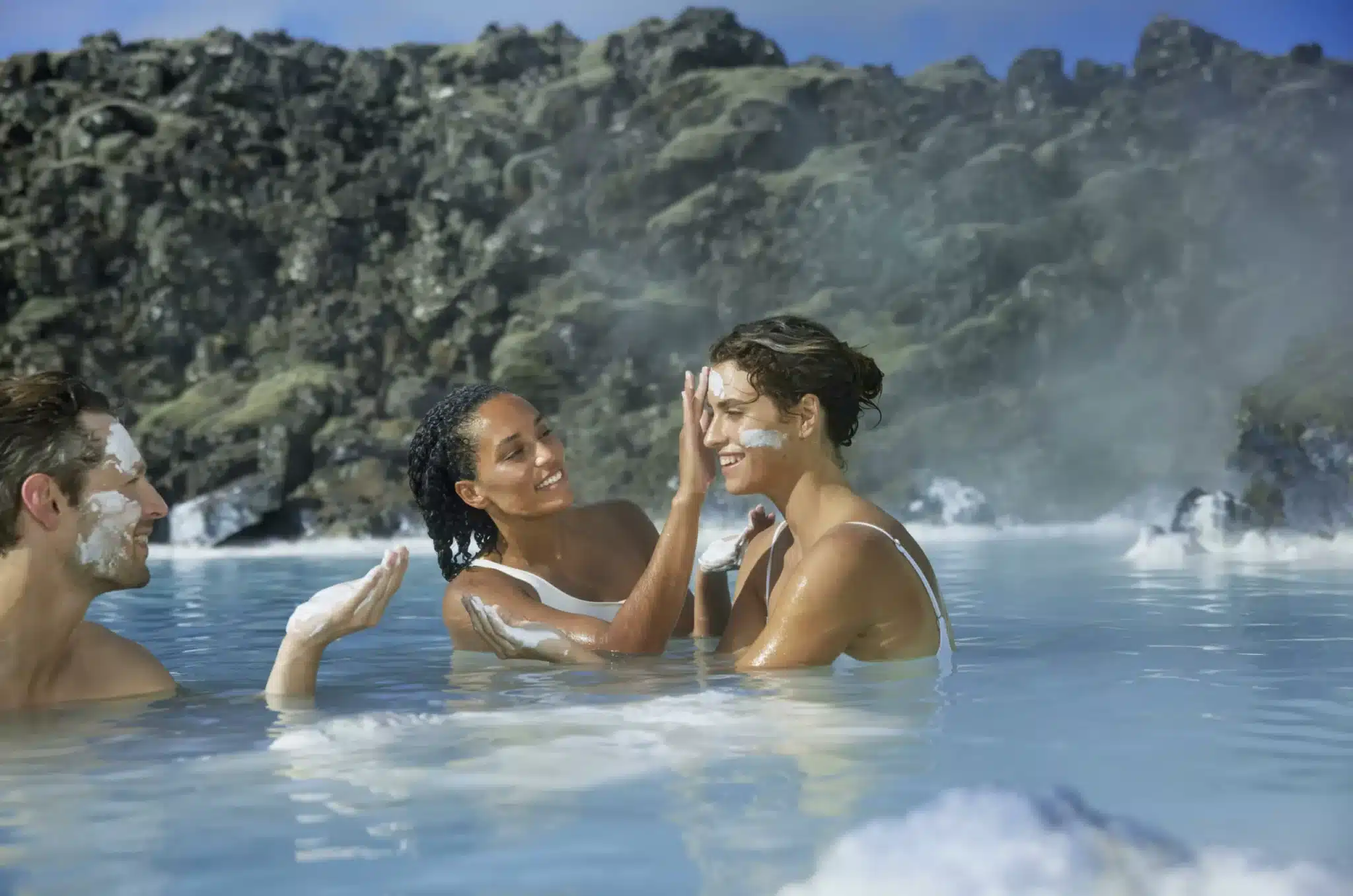
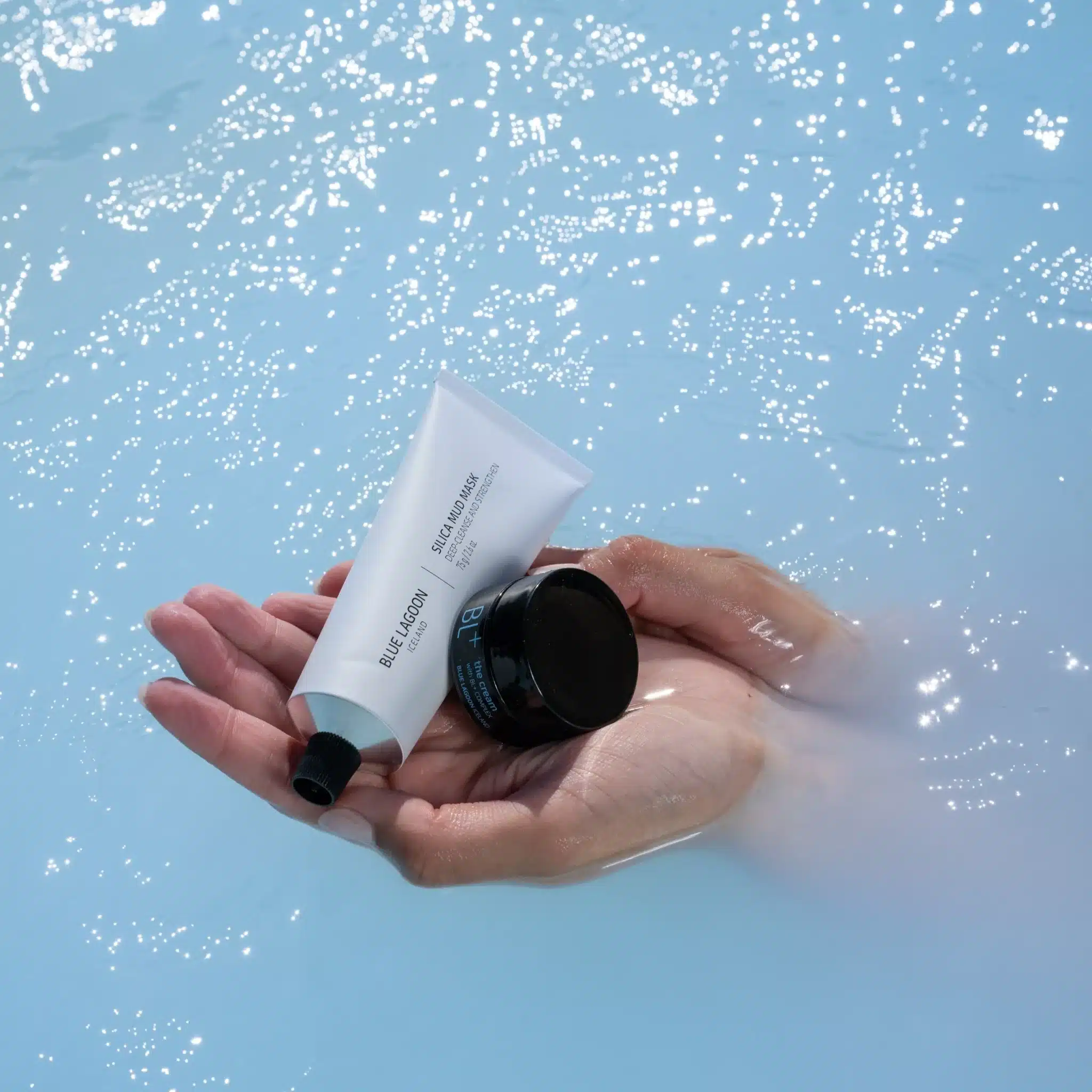
The white silica mask is included in all packages — you'll find it at self-service stations around the lagoon. Apply it to your face, leave for 10 minutes, then rinse. With the Premium package and above, you get access to additional masks (green algae and lava mask) at dedicated mask stations.
For a massage or a more comprehensive treatment, the spa offers therapies by reservation, including floating massages performed directly in the water. Personally, I went for a silica massage on my last visit — feeling the grains exfoliate my skin while being cradled by the warm water was pure bliss.
Blue Lagoon restaurants
Moss Restaurant — Michelin star
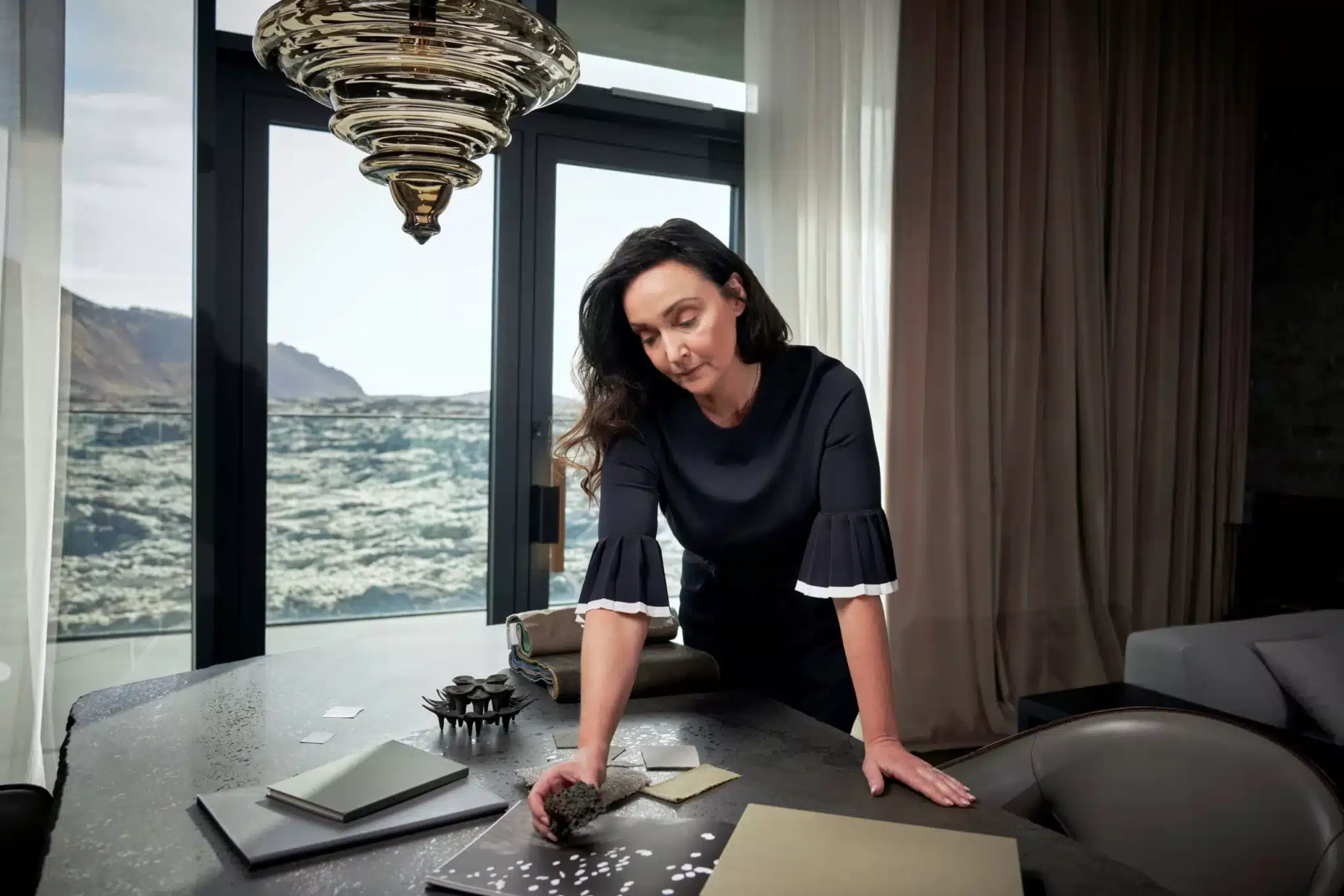
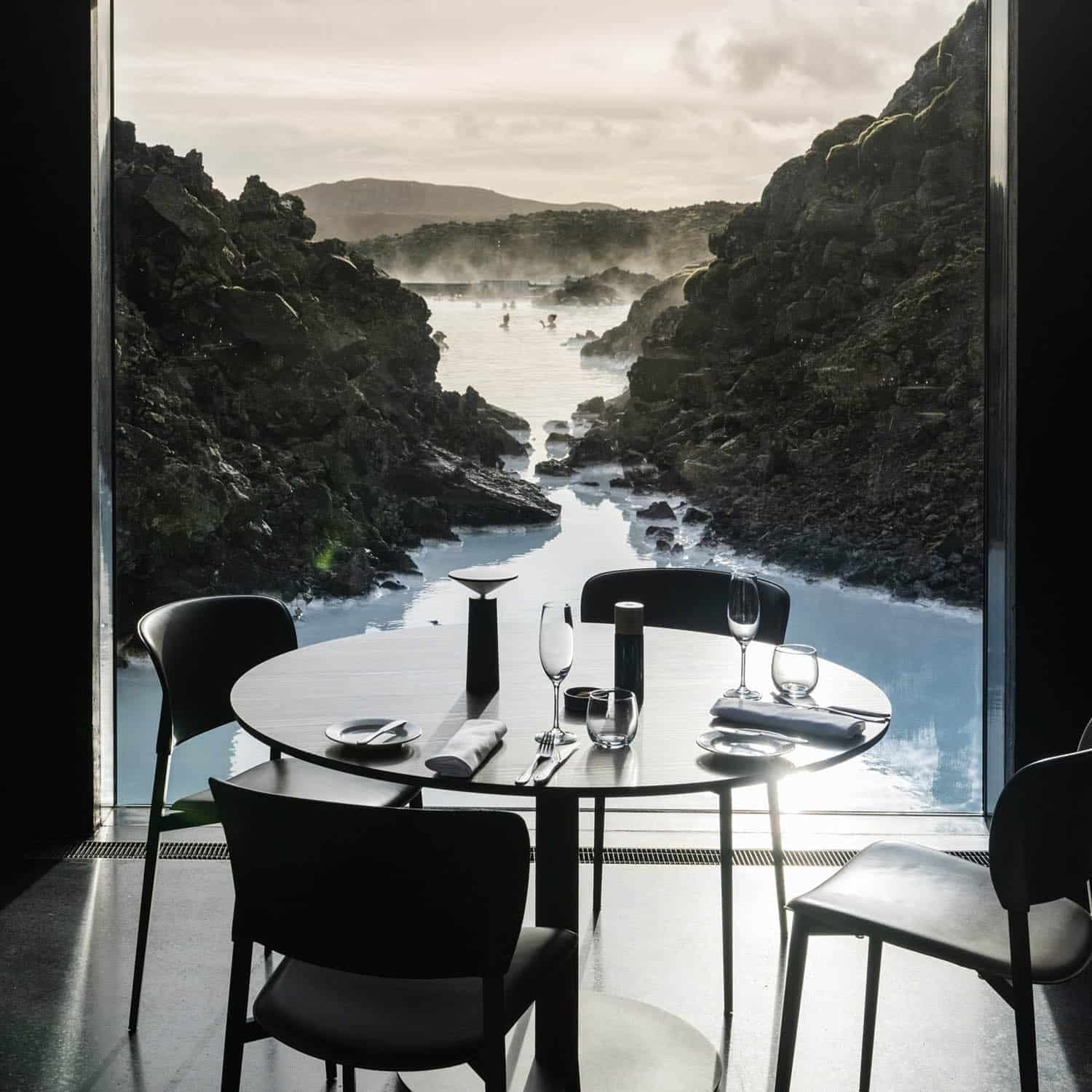
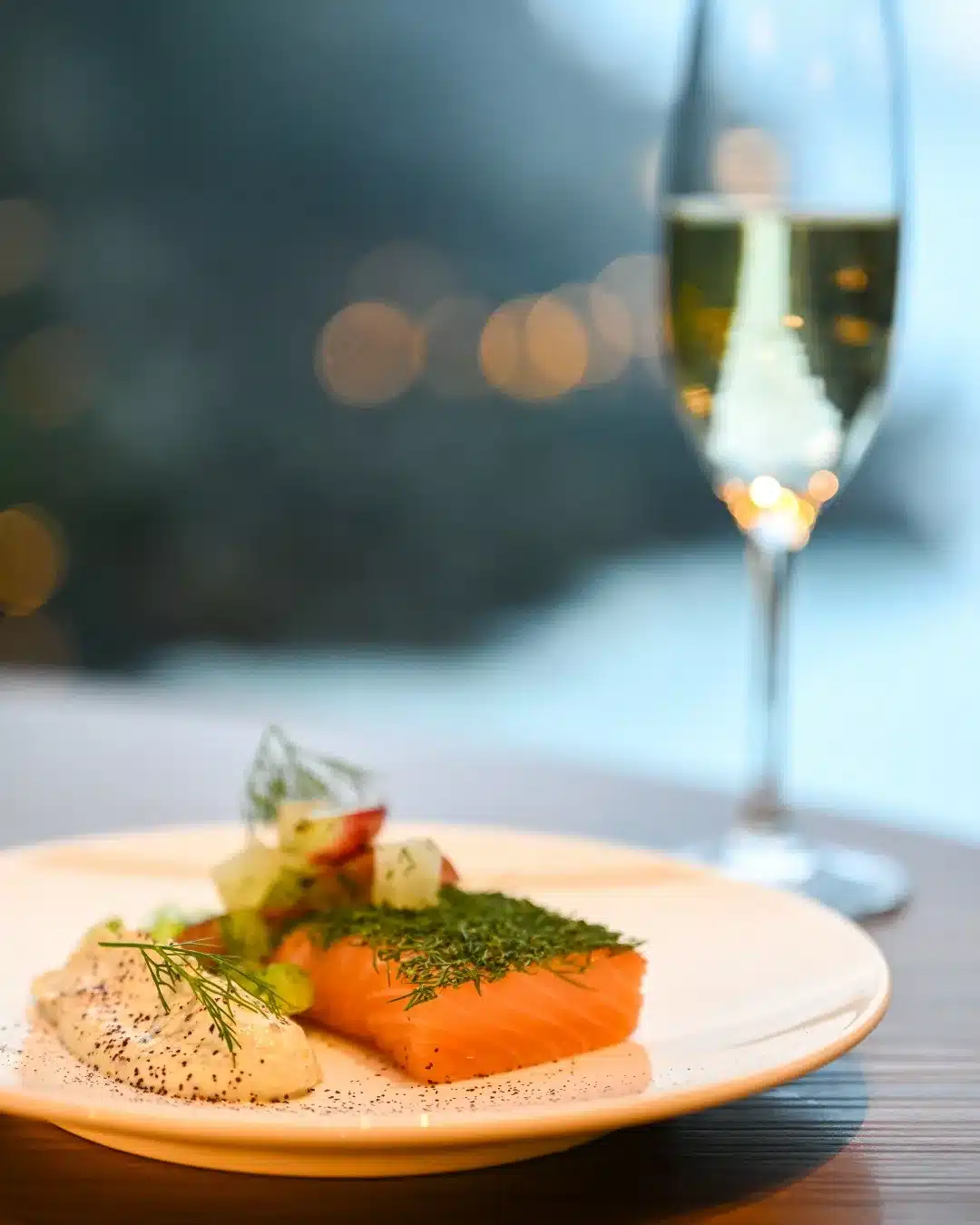
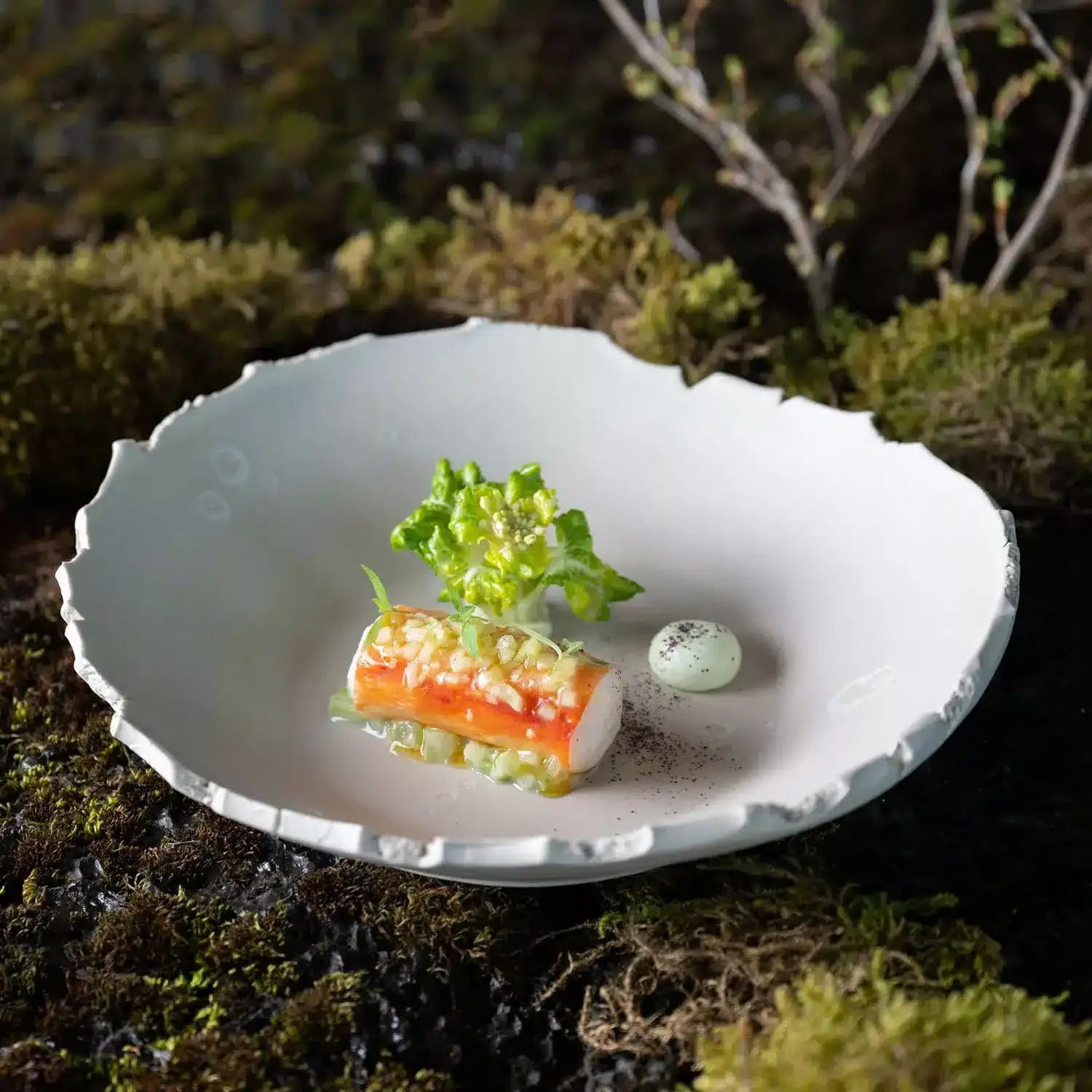
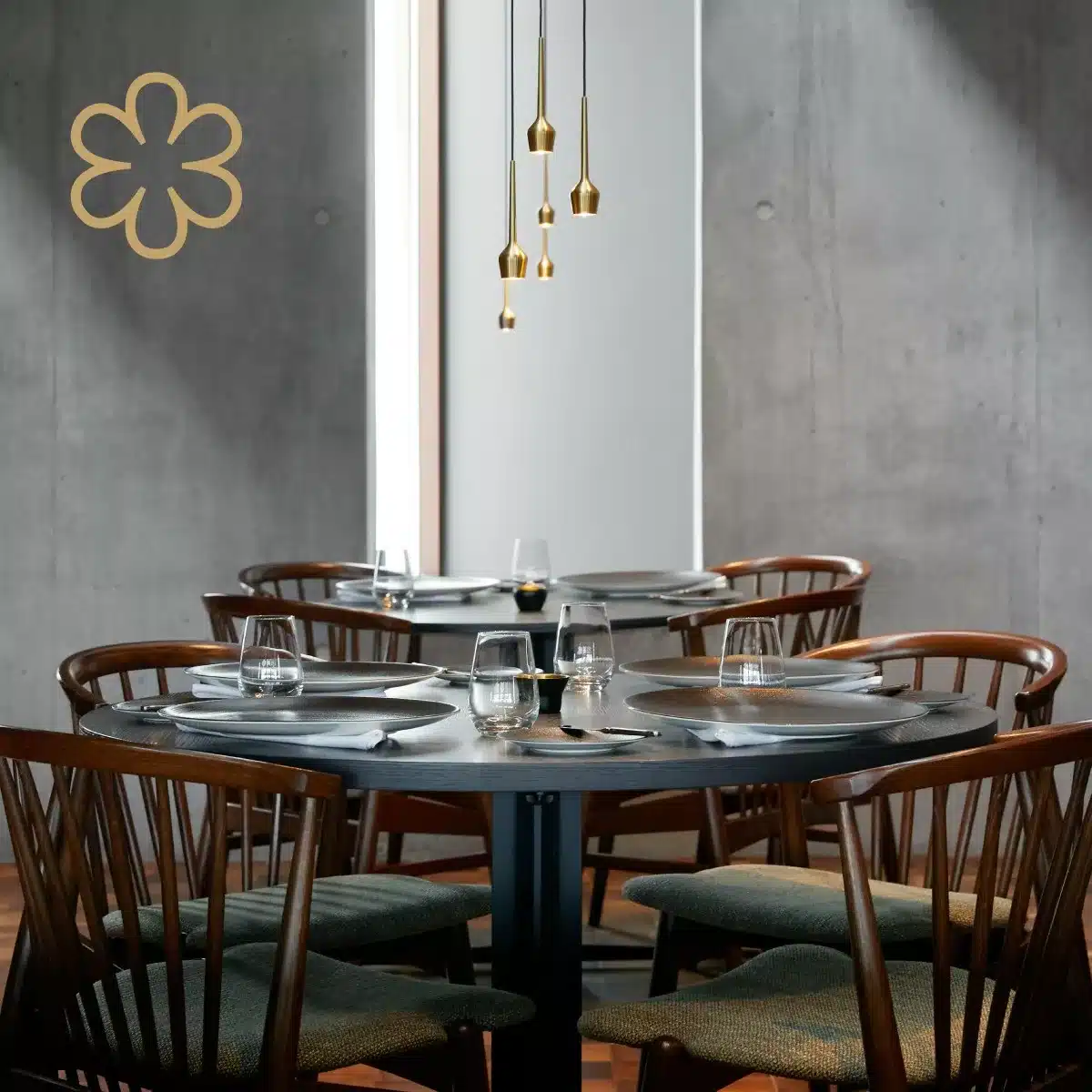
Perched at the highest point of the site, Moss received its first Michelin star in 2023. Under chef Agnar Sverrisson (formerly of Texture Restaurant in London, starred for 10 years), Moss serves reimagined Icelandic cuisine with Asian touches. The tasting menu runs around ISK 34,900 (~€234). Reservation essential — directly on the Blue Lagoon website.
Lava Restaurant — casual Icelandic cuisine
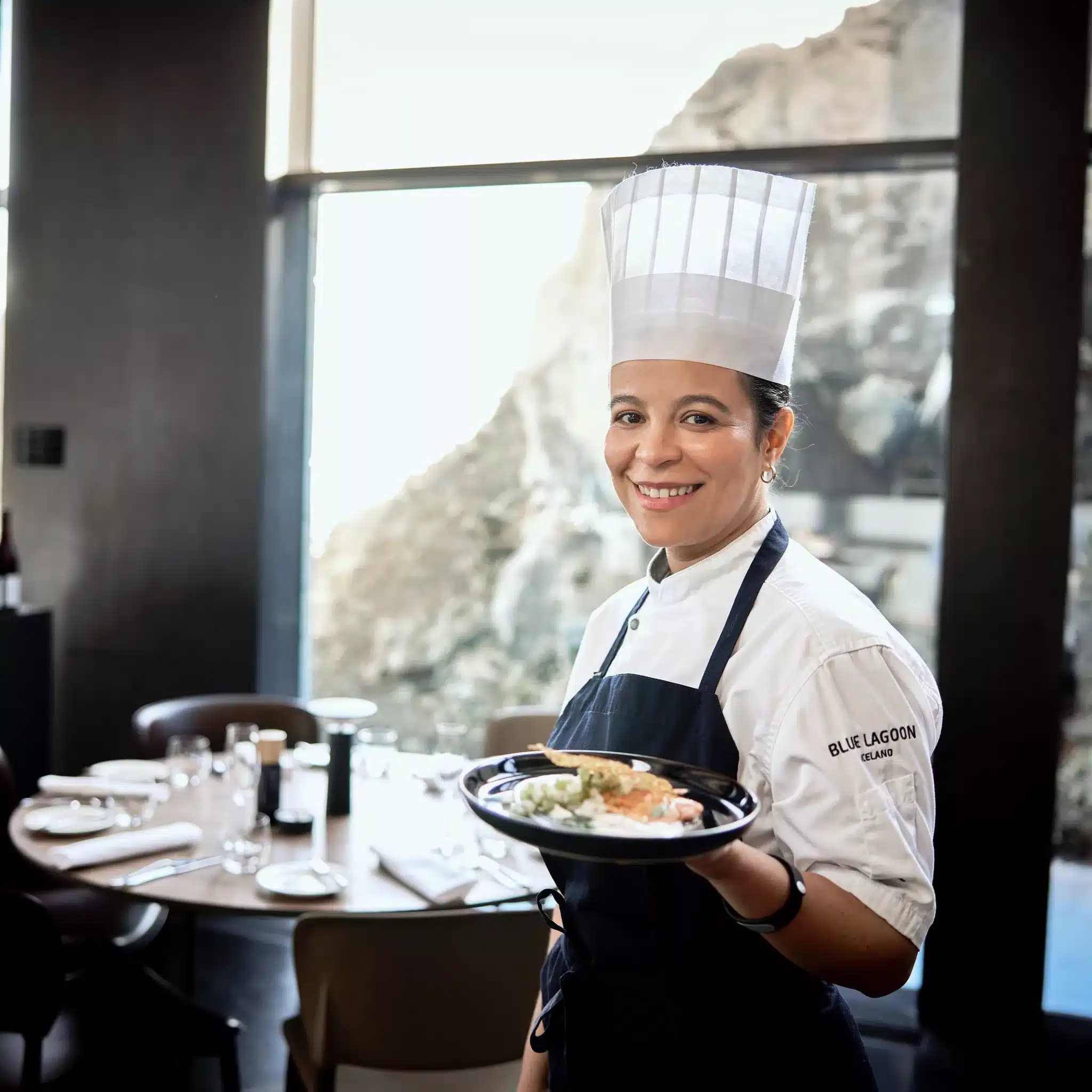
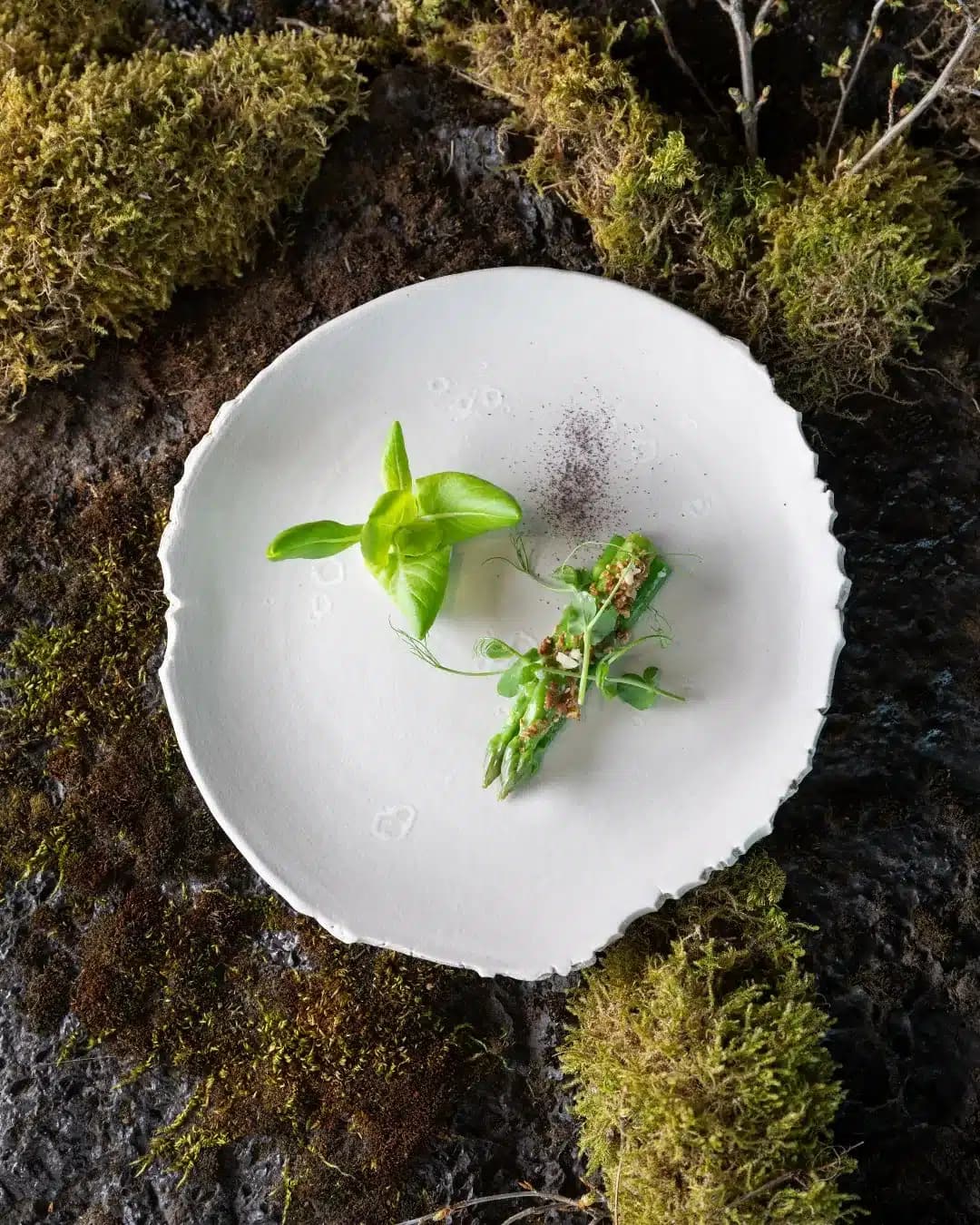
Set in an 800-year-old lava cliff, Lava offers a spectacular view of the lagoon. The menu highlights Icelandic produce: cod, lamb, langoustine soup. It's the only restaurant where you can come in your bathrobe straight from the lagoon — perfect for lunch between dips. With the Premium package, a drink is complimentary here.
Blue Café
For a quick break: coffee, pastries, sandwiches and soups. Ideal before or after your soak. Prices are more reasonable than at the restaurants.
In-Water Bar
The bar right in the lagoon. Smoothies, beers, cocktails, wine — you order with your electronic wristband and sip your drink while floating. Your first drink is included in all packages.
Blue Lagoon skincare products
The Blue Lagoon has developed its own range of cosmetics made from the minerals in its waters. Here are the must-haves:
- Silica Mud Mask: the iconic silica mud mask. Purifies and smooths the skin. It's the same one available self-service in the lagoon.
- Algae Mask: mask made from the lagoon's blue-green algae. Deeply hydrates and soothes sensitive skin.
- Lava Scrub: exfoliating scrub made from lava and silica. Gritty texture, effective for prepping the skin.
- BL+ Serum: the premium product in the range. A serum concentrated with silica, algae and minerals for a daily skincare routine. Pricey (~ISK 15,000 / ~€100) but highly rated.
You can buy these products at the Blue Lagoon shop or online. They make excellent souvenirs to bring back from Iceland.
Where to stay near the Blue Lagoon
The Retreat at Blue Lagoon
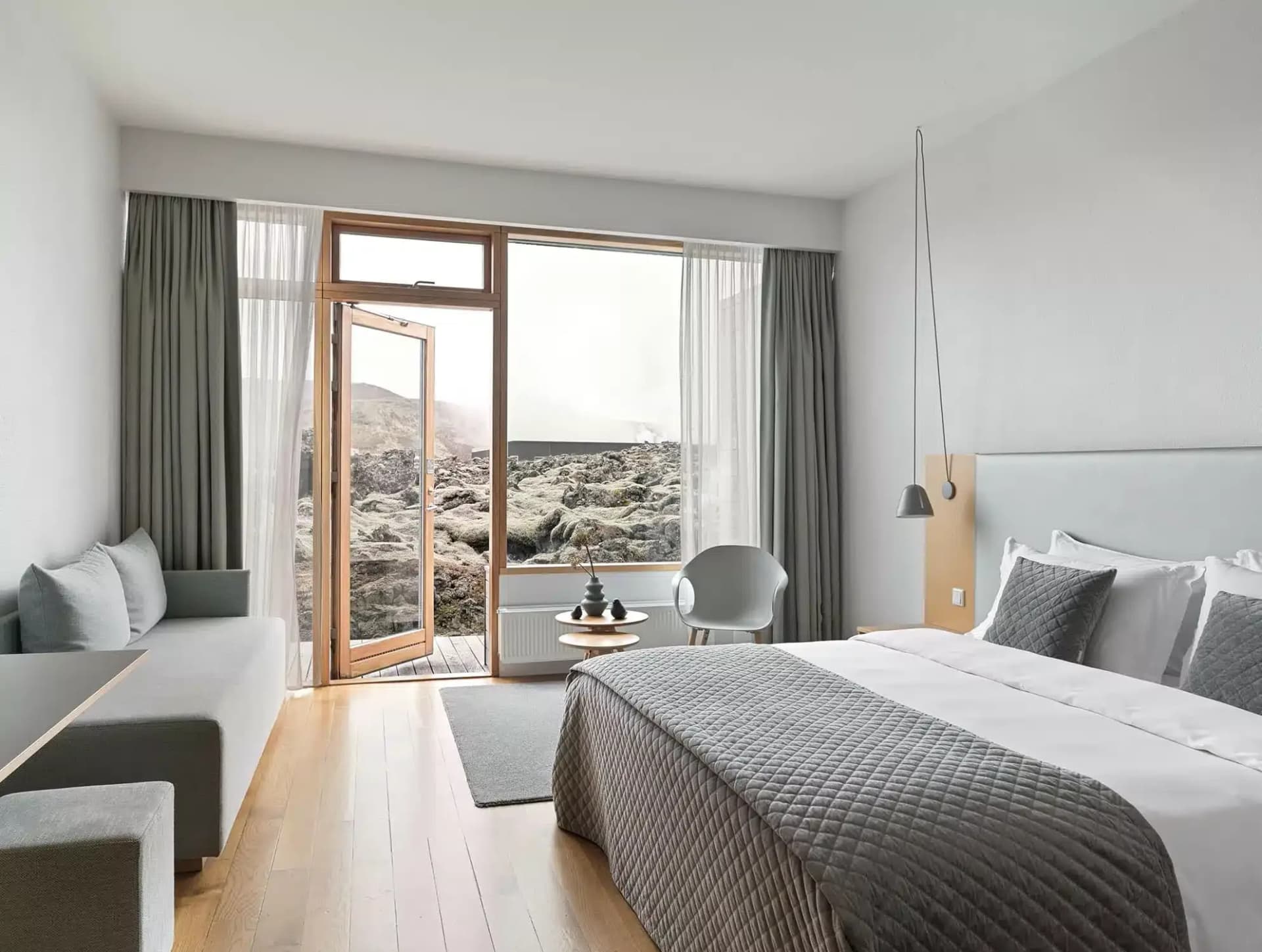
The most exclusive hotel in the area, integrated into the Blue Lagoon site. Private access to the Retreat Lagoon, luxurious suites with views over the lava field, spa and Moss restaurant on site. Waking up with the lagoon at your feet is a true privilege. Rates start around ISK 150,000 (~€1,000) per night — it's top-end luxury, reserved for special occasions.
Northern Light Inn
Located 200 metres from the Blue Lagoon entrance, this is the most practical option for decent value. Comfortable rooms, on-site restaurant, and above all the ability to walk to the lagoon. Expect around ISK 30,000–45,000 (~€200–300) per night.
More affordable options
If you're on a tighter budget, several options exist in the area:
- Guesthouses in Grindavík: 10 minutes by car, you'll find guesthouses at more accessible prices (ISK 15,000–25,000 / €100–170).
- Accommodation in Keflavík: 20 minutes away, with more choice and price ranges. Convenient if you're arriving or departing by air.
- Reykjavik: 45 minutes by road, it's the most flexible option if you're visiting the Blue Lagoon as a day trip.
Other nearby attractions
The Reykjanes Peninsula is full of remarkable sites to explore before or after your visit to the Blue Lagoon.
Grindavík
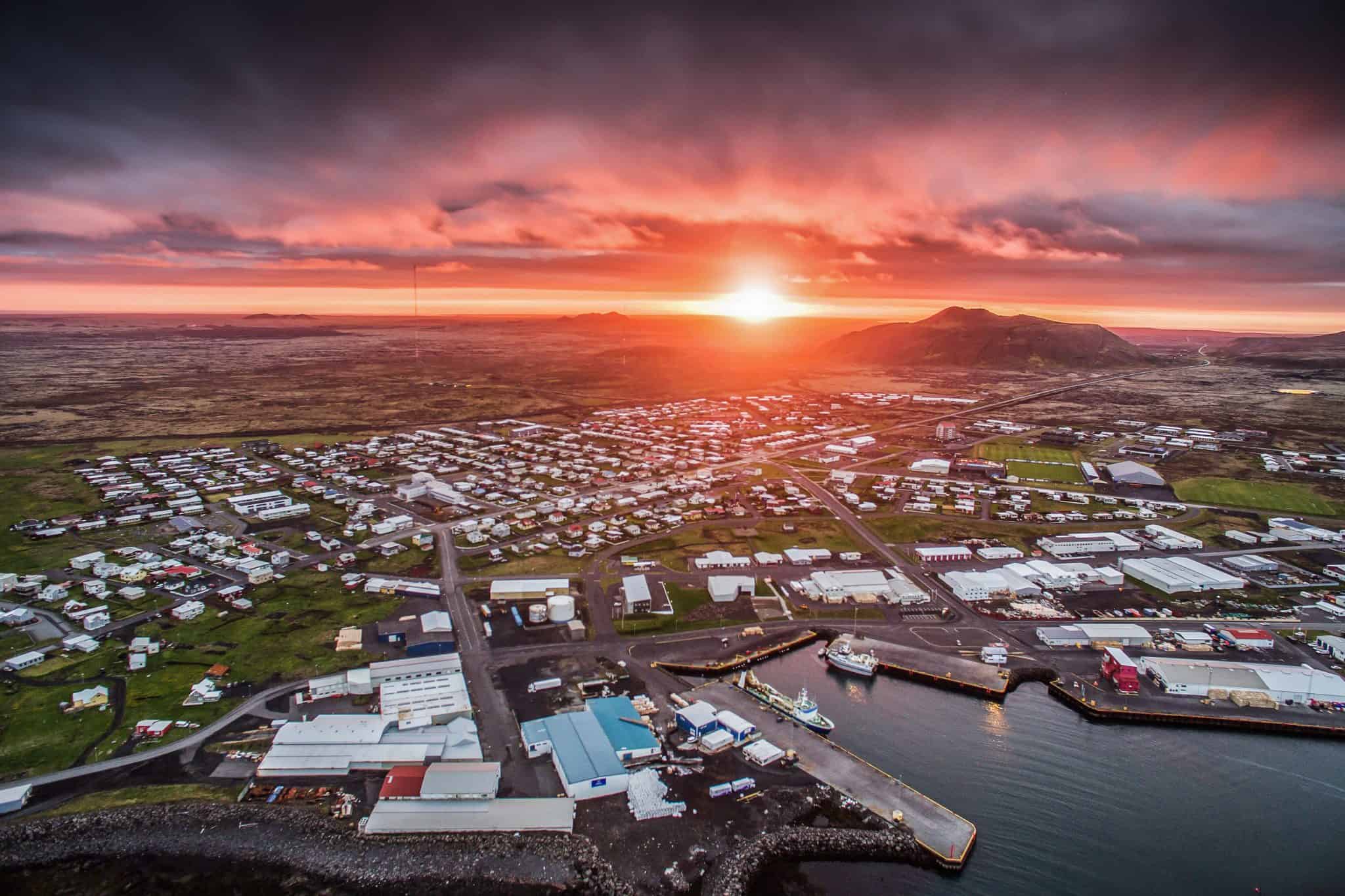
This fishing village has been deeply affected by the recent volcanic activity. In November 2023, part of the population had to be evacuated, and cracks opened in some streets. Despite these hardships, Grindavík shows remarkable resilience. The harbour remains active, and the village stands as a poignant testament to life on an active volcanic land. Respect closed areas and follow local guidance if you decide to visit.
Reykjanes lava fields
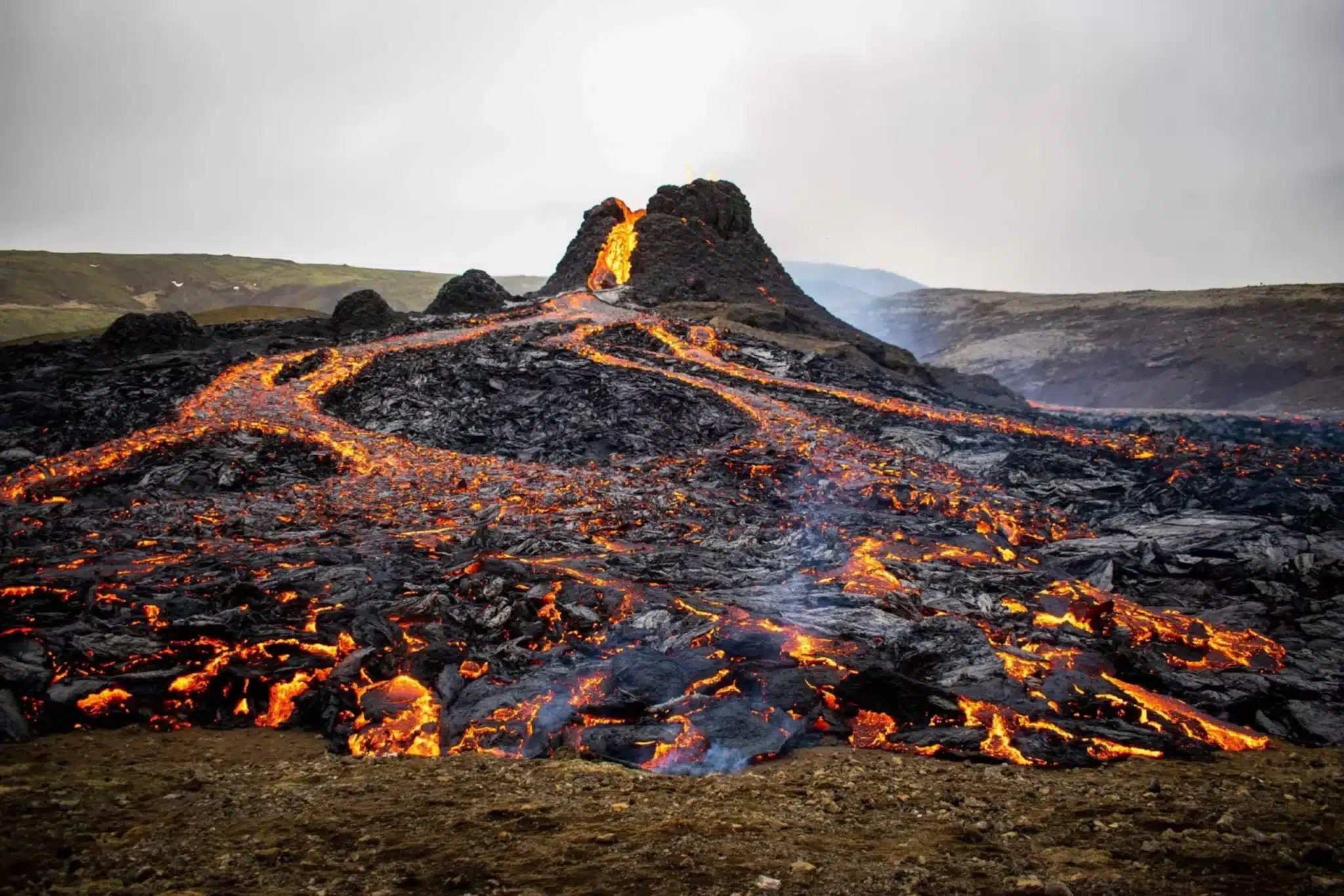
The peninsula is famous for its vast lava fields, some of which are very recent — the 2023–2025 flows have reshaped the landscape. The moss-covered rock formations, fumaroles and natural hot springs create a mystical, almost otherworldly atmosphere.
Reykjanesviti lighthouse
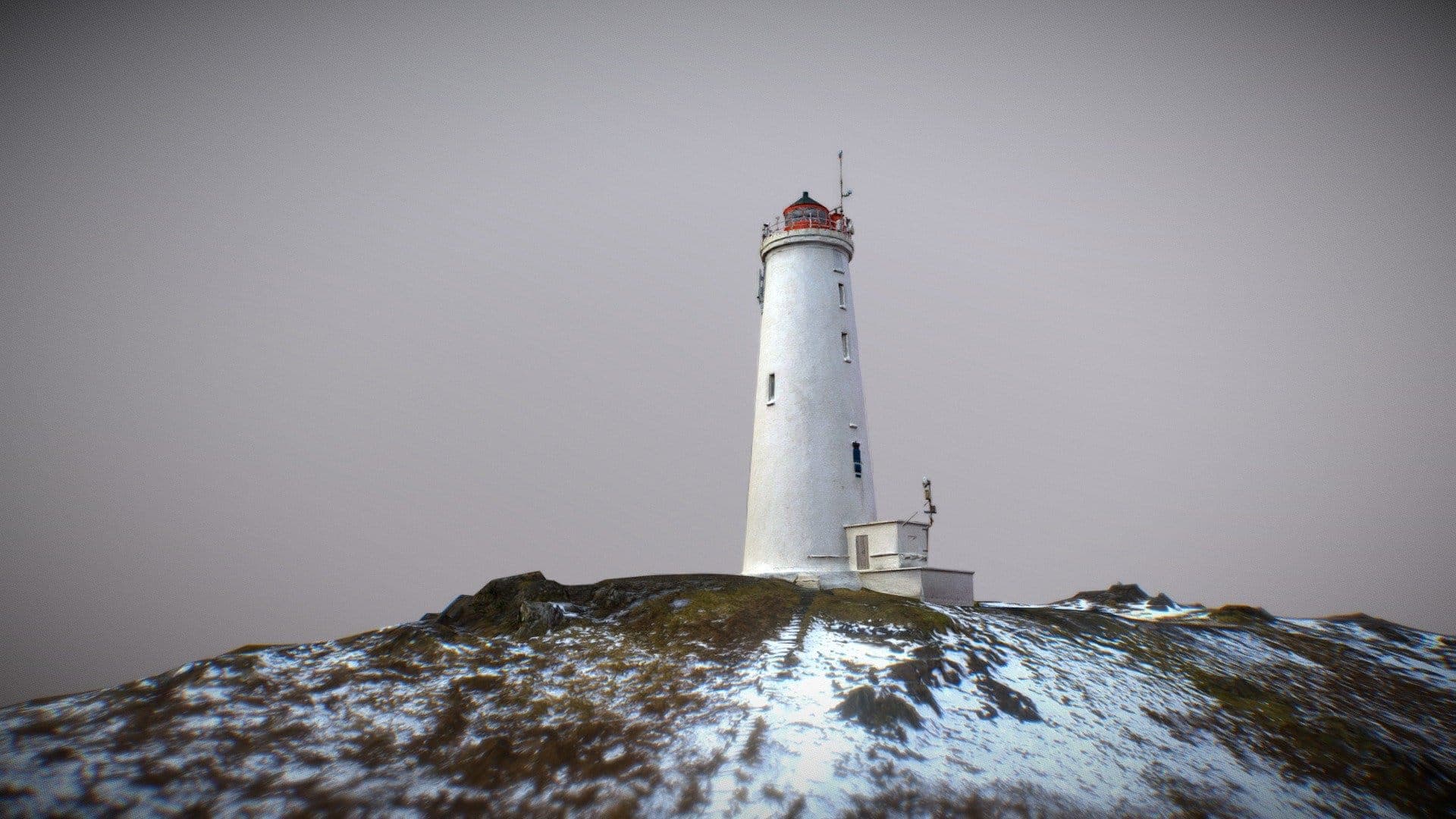
Perched on a wave-battered cliff, Iceland's oldest lighthouse offers a panoramic view of the Atlantic Ocean. On a clear day, the sunset is spectacular. The access road winds through a landscape of fumaroles and hot springs.
Bridge Between Two Continents
Iceland sits at the junction of two tectonic plates: the Eurasian and the North American. On the Reykjanes Peninsula, a symbolic bridge spans the rift between the two plates. It's a strange and wonderful feeling to stand on the boundary of two continents — and the souvenir photo is a must.
Saily eSIM
Stay connected with the best secure eSIM
With Saily, the secure eSIM with superpowers, say goodbye to roaming abroad! -5% with code AMEBOHEME.
Alternatives to the Blue Lagoon
The Blue Lagoon is not Iceland's only geothermal bath, and if the prices or the crowds put you off, here are alternatives I've tried:
- Sky Lagoon (Reykjavik): opened in 2021, this seaside lagoon offers a stunning view of the Atlantic. The atmosphere is more intimate than the Blue Lagoon, with an excellent 7-step ritual. From ~ISK 10,990 (~€74). My take: a different experience but just as memorable, and more accessible from Reykjavik.
- Mývatn Nature Baths (North): the northern alternative, much less crowded. Similar milky water, spectacular volcanic scenery, and a considerably gentler price (~ISK 5,900 / ~€40). The drive from Reykjavik is long (5 h), but if you're doing the ring road, it's a must.
- Secret Lagoon (Flúðir): Iceland's oldest geothermal pool (1891). Rustic and authentic atmosphere, without the resort feel. ~ISK 3,300 (~€22). Small, but charming.
- Vök Baths (East): floating pools on Lake Urriðavatn, in eastern Iceland. Minimalist design, low footfall, superb natural setting. ~ISK 5,300 (~€35).
My honest opinion: the Blue Lagoon remains a unique experience thanks to its sheer size, colour and facilities. But if it's your second or third trip to Iceland, explore the alternatives — they often offer a more authentic atmosphere and fewer crowds.
Practical information for your visit
Photos and videos
Photography is permitted at the Blue Lagoon, including smartphones and cameras. However, respect other visitors' privacy and avoid intrusive photos. Protect your device with a waterproof case — the silica-rich water is not kind to electronics. Drones are prohibited on site.
Luggage storage
The Blue Lagoon has a free luggage storage where you can safely store your suitcases during your visit. It's especially handy if you're coming straight from Keflavík Airport or heading there right after.
Towels and bathrobes
A towel is included in all packages. The bathrobe is included from the Premium package upwards. No need to bring your own.
Changing rooms and lockers
The changing rooms are spacious and modern, with electronic lockers (activated by your wristband). Private showers are available, and you are required to shower before entering the lagoon. Changing rooms are separated by gender, with individual cubicles for those who prefer more privacy.
Jewellery and valuables
Remove your jewellery before entering the water. Silver in particular tarnishes on contact with silica and sulphur. Gold holds up better, but as a precaution, leave everything in your locker.
Hair protection
Electronic wristband
On arrival, you receive a waterproof wristband that serves as both a locker key and payment method for the bar, restaurant and shop. You settle the total on your way out. Keep it on your wrist throughout your visit.
Swimsuit
A swimsuit is mandatory. If you forgot yours, you can buy or rent one at reception. Tip: wear it under your clothes to save time in the changing rooms. There is no swimsuit dryer — bring a plastic bag for the return journey.
The Comfort package starts at ISK 11,990 (~€80). Prices are dynamic and vary by date, time and demand. Premium starts from ISK 14,990 (~€100) and the Retreat Spa from ISK 79,990 (~€535).
Yes, online booking is mandatory. There are no tickets sold on site. In peak season, popular time slots (11 am–4 pm) fill up several days in advance. Book as soon as your travel dates are confirmed.
Allow between 2 and 4 hours on site. There is no time limit once you're in, but most visitors spend around 2 to 3 hours in the water.
The water is kept between 37 °C and 40 °C (99–104 °F) all year round. The temperature varies slightly depending on the zone — some pockets are warmer than others.
The Blue Lagoon has strict evacuation protocols and monitors seismic activity in real time. The site closes preventively as soon as a risk is identified. Check the status on bluelagoon.com and safetravel.is before your visit.
Yes, children aged 2 and over are admitted. Entry is free for ages 2–5. An adult must accompany children in the water, with a maximum of 2 children under 8 per adult.
Keflavík Airport (KEF) is only 20 km / 20 minutes by car from the Blue Lagoon. Shuttles are also available. It's an ideal stop on the way in or out of Iceland, especially as luggage storage is free.
A swimsuit (mandatory) and optionally flip-flops. A towel is provided with all packages. A bathrobe is included from the Premium package. Remove any silver jewellery before entering the water.
The milky blue colour comes from suspended silica in the water (approximately 140 mg/L). The silica particles reflect visible light, creating the characteristic hue. The higher the concentration, the more intense the blue.
Yes, four options: Moss (Michelin star, menu ~ISK 34,900), Lava (Icelandic casual, accessible in bathrobe), Blue Café (snacks and drinks), and the In-Water Bar (in the lagoon, first drink included).
It's a unique experience thanks to the combination of geothermal water, volcanic landscape and quality facilities. The Comfort package already covers the essentials. If budget is tight, morning or evening slots are often cheaper.
Sky Lagoon (Reykjavik, ~ISK 10,990) offers an Atlantic view, Mývatn Nature Baths (north, ~ISK 5,900) is less crowded, Secret Lagoon (Flúðir, ~ISK 3,300) is the most authentic, and Vök Baths (east, ~ISK 5,300) is the most secluded.
Conclusion
The Blue Lagoon remains one of Iceland's most iconic experiences — and despite rising prices and volcanic activity, it continues to offer a moment of pure magic. The milky blue water, the contrast with the black lava, the enveloping warmth when the Icelandic air nips at your face: it's a memory that stays with you.
My advice: book early, favour the morning or late afternoon, and don't skip the conditioner before getting in the water. If you visit in winter, you might be lucky enough to spot the northern lights from the lagoon — an unforgettable spectacle.
To go further, explore our articles on Iceland destinations and our guide to the volcanic threat. Happy travels!
Âme Bohème exists thanks to you
Some links in this article are affiliate links. This means that if you book or purchase a product through these links, we receive a small commission — at no extra cost to you. It's thanks to this support that we can continue creating free, quality content.
You can also buy us a coffee, or follow us on Instagram and Facebook.