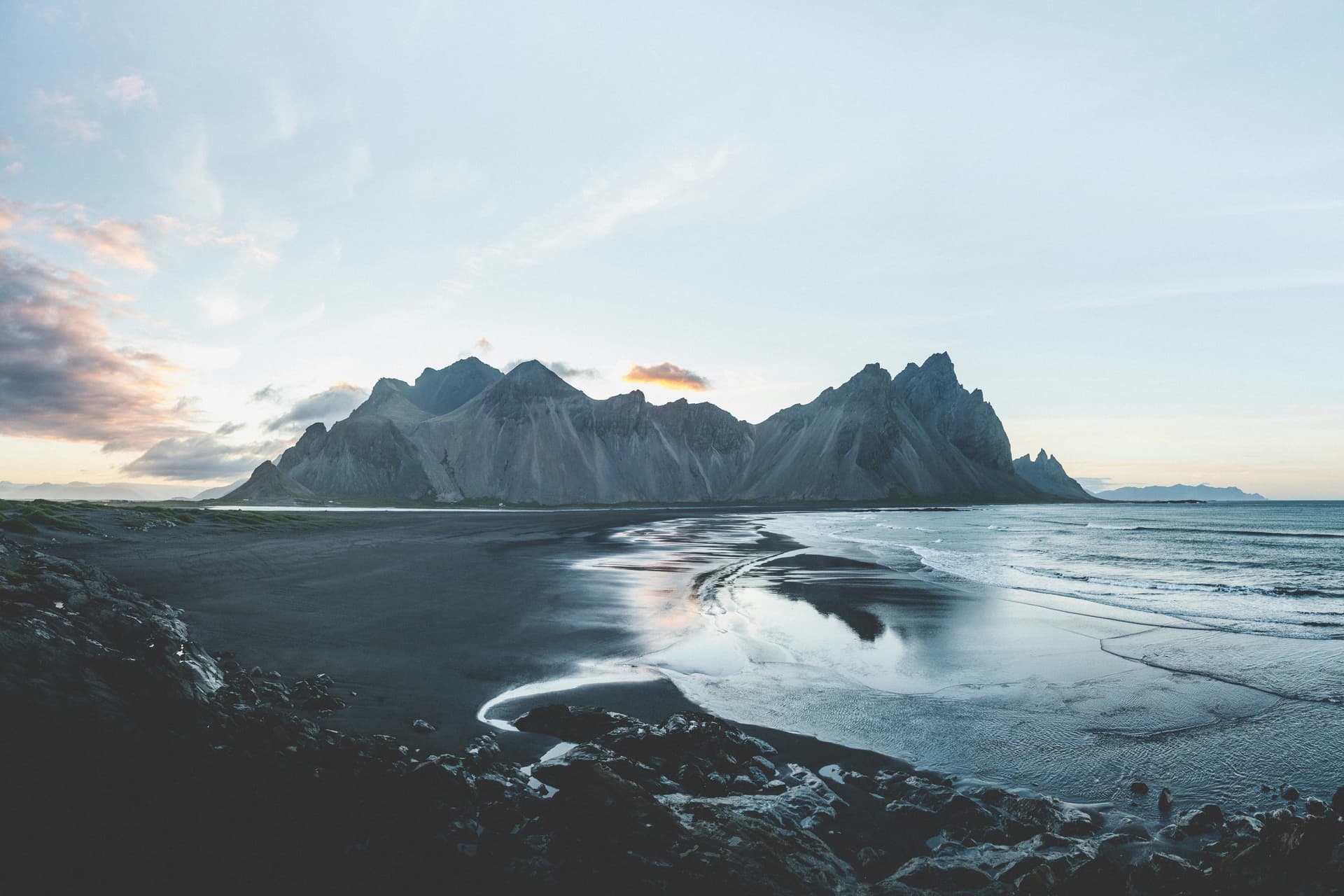
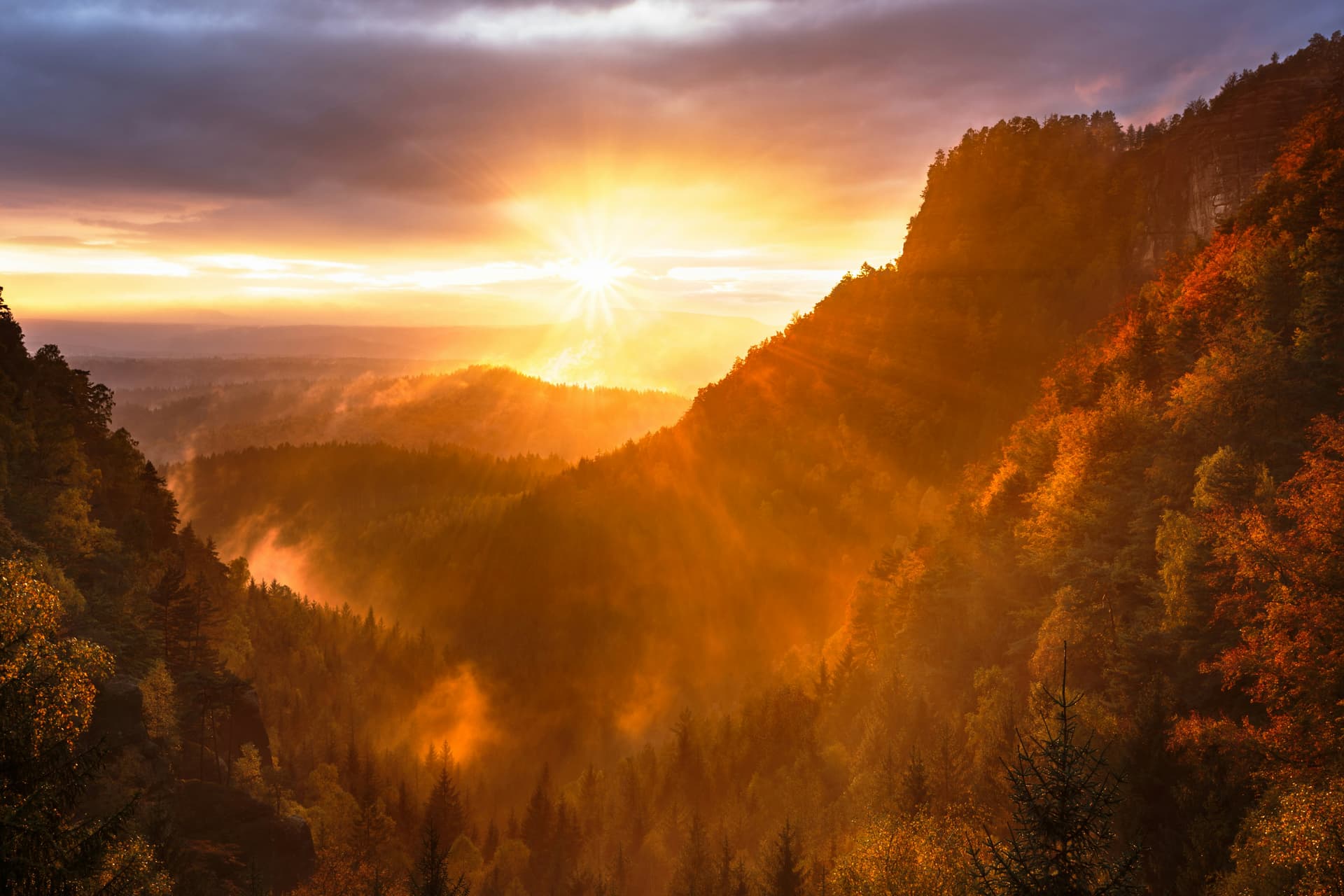
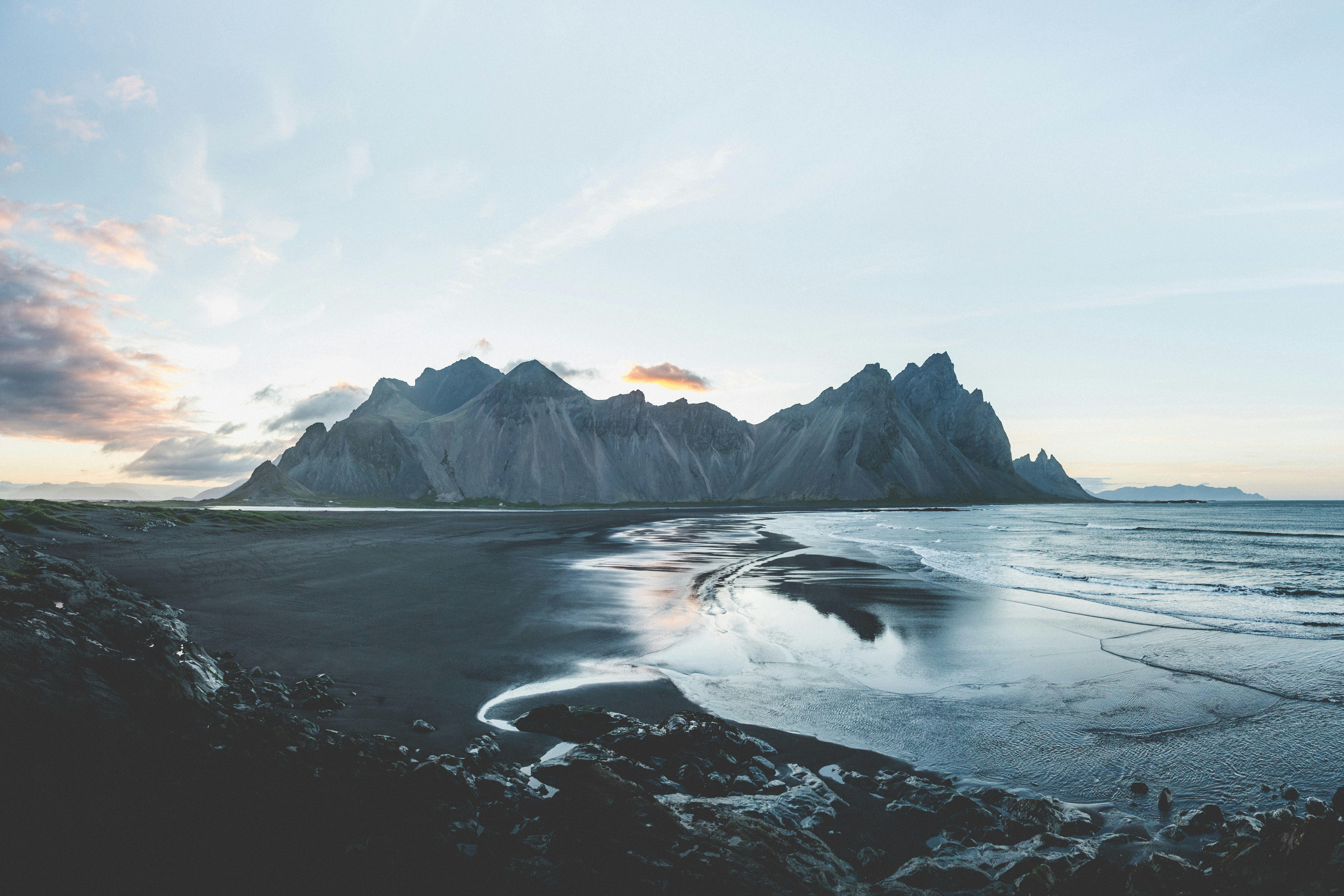
From gushing geysers to ancient glaciers, vertiginous waterfalls to volcanic black-sand beaches, Iceland offers an otherworldly adventure at every turn.
Why Iceland?
Iceland is a land of volcanoes, glaciers and geysers where nature puts on a show that is both raw and spellbinding at every turn.
In september, the climate in Iceland is excellent. The weather is generally cloudy, with maximum temperatures around 11°C and about 11 rainy days. Tourist crowds are moderate.
But Iceland is also a Viking culture preserved for over a thousand years, a vibrant music and literary scene (the country publishes more books per capita than any other), natural hot springs at every turn in the road, and a population of 380,000 living in harmony with the forces of nature. Here, elves have a place in urban planning and volcanoes have names nobody can pronounce.
Iceland is the geologically youngest country in Europe: the island is only 16 to 18 million years old and continues to grow. In 2021, the Fagradalsfjall eruption attracted thousands of visitors who came to watch lava flow live. The country has 130 volcanoes, of which 30 are active.
02The Must-Sees of Iceland
The Golden Circle
Iceland’s most famous route can be completed in a day from Reykjavik. Þingvellir (Thingvellir), a UNESCO site, is where the world’s first parliament was founded (930) and where the American and Eurasian tectonic plates visibly drift apart. Geysir — the original geyser that gave its name to all others — is dormant, but its neighbour Strokkur erupts every 5 to 10 minutes to a height of 30 metres. Gullfoss (the “golden waterfall”) plunges into a canyon in two spectacular cascades.
The South Coast
Route 1 heading south-east passes some of the most beautiful landscapes on the planet. Seljalandsfoss (you can walk behind the curtain of water), Skógafoss (60 m of raw power with a guaranteed rainbow), the black sand beach of Reynisfjara with its basalt columns and dangerous waves, the village of Vík beneath its glacier — every stop is a masterpiece.
Further on, the glacial lagoon of Jökulsárlón is a mesmerising spectacle: immense blue-tinted icebergs break away from the Breiðamerkurjökull glacier and drift slowly towards the ocean. Diamond Beach, right next door, where stranded ice blocks glitter on the black volcanic sand, is one of Iceland’s most photographed landscapes.
The Snæfellsnes Peninsula
Nicknamed “Iceland in miniature”, the Snæfellsnes peninsula packs every Icelandic landscape into 90 km: the Snæfellsjökull volcano-glacier (made famous by Jules Verne in Journey to the Centre of the Earth), Kirkjufell mountain (Iceland’s most photographed), bird cliffs, mossy lava fields and tiny fishing villages. Two days are enough to tour it.
The North: Akureyri and Mývatn
Northern Iceland offers radically different landscapes from the south. Akureyri, the “capital of the North” (19,000 inhabitants), is an ideal base for exploring the region. Lake Mývatn and its geothermal zone (natural baths, pseudo-craters, Dimmuborgir lava formations), the horseshoe waterfall of Goðafoss, and Dettifoss — the most powerful waterfall in Europe — make the detour worthwhile.
The Westfjords
Iceland’s most isolated and least visited region is also its wildest. The Westfjords offer vertiginous cliffs (Látrabjarg, Europe’s largest bird cliff), deserted golden sand beaches (Rauðasandur), the natural hot spring of Reykjafjarðarlaug, and absolute solitude. Only 10% of tourists venture here — all the more reason to go.
03Hot Springs in Iceland
Bathing in a natural hot spring is the quintessential Icelandic experience. Beyond the famous Blue Lagoon (spectacular but very touristy and expensive), Iceland is brimming with authentic alternatives. The Sky Lagoon in Reykjavik, the Mývatn baths, the hot river of Reykjadalur (30 min hike to reach it), and dozens of wild hot pots scattered across the countryside.
Blue Lagoon: the iconic one, milky turquoise water in a lava field. Booking essential, from €75
Sky Lagoon: in Reykjavik, infinity pool with ocean views, more intimate and design-led
Reykjadalur: free natural hot river, 30 min walk from Hveragerði
Mývatn Nature Baths: the northern alternative to the Blue Lagoon, turquoise water and lake views, cheaper and less crowded
04Getting Around Iceland
Iceland is a road trip country. The Route 1 (Ring Road) circles the entire island in 1,322 km — allow 7 to 10 days minimum. A rental car is virtually essential. A 4x4 is needed for the Highlands (F-roads), the Westfjords in winter, and some interior tracks.
Car: the number one choice. A sedan is sufficient for the Ring Road in summer. 4x4 for F-roads and winter
Campervan: very popular. Well-equipped camper with heating is a must! Happy Campers, Go Campers, Kuku Campers
Bus: Strætó covers main routes. Reykjavik Excursions for organised tours
Domestic flights: Icelandair Connect links Reykjavik to Akureyri (45 min) and the Westfjords
Ferry: Herjólfur to the Westman Islands (30 min from Landeyjahöfn), Baldur to the Westfjords
In winter, road conditions can be dangerous. Check road.is and vedur.is (weather) before every drive. Snowstorms can close roads within hours. Take out sand/ash insurance (SAAP) for your rental — it’s essential in Iceland.
05Budget: How Much Does a Trip to Iceland Cost?
Iceland rivals Norway for the title of Europe’s most expensive destination. Budget €130 to €280 per day per person for a comfortable trip. But as in Norway, camping and supermarkets can significantly reduce the bill.
Accommodation: camping 2,000–3,000 ISK/night, guesthouses 15,000–25,000 ISK, hotels 25,000–50,000 ISK. Farms offer good value
Meals: hot dog (pylsur) 500 ISK, restaurant main 3,000–5,000 ISK. Bónus and Krónan are the cheapest supermarkets
Transport: sedan rental 8,000–15,000 ISK/day, 4x4 20,000–35,000 ISK/day. Petrol is expensive (around 300 ISK/litre)
Top tip: bring food from the duty-free shop at Keflavík airport on arrival — prices are much lower than in town
06When to Visit Iceland?
Iceland offers two radically different experiences depending on the season. Summer (June–August) brings the midnight sun, mild temperatures (10–15°C), access to all roads (including the Highlands) and migratory birds (puffins from May to August). It’s high season with the highest prices.
Winter (October–March) is the season for northern lights, ice caves (accessible only from November to March), fairy-tale snowy landscapes and steaming hot springs in the cold. Days are short (4–5 hours of light in December) but the atmosphere is magical. Spring and autumn offer a compromise with fewer tourists.
September is the best compromise: the first northern lights appear, roads are still open, autumn colours set the landscapes ablaze, and high season is over. Prices drop 20 to 30% compared to July.
07Recommended Itineraries in Iceland
The Complete Ring Road (10–14 days)
Reykjavik → Golden Circle (1 day) → south coast: Seljalandsfoss, Skógafoss, Reynisfjara, Vík (2 days) → Jökulsárlón and Diamond Beach (1 day) → East Fjords (1–2 days) → Mývatn, Dettifoss, Goðafoss (2 days) → Akureyri (1 day) → Snæfellsnes peninsula (2 days) → back to Reykjavik. The classic circuit that goes all the way around the island.
The South Express (5–7 days)
Reykjavik → Golden Circle (1 day) → south coast to Jökulsárlón (2–3 days) → return via the interior or the coast → Snæfellsnes (1–2 days) → Reykjavik. Ideal for a first trip or a short stay, covering the most spectacular sites.
Winter and Northern Lights (7 days)
Reykjavik and Blue Lagoon (1 day) → Golden Circle (1 day) → south coast: waterfalls and black beach (1 day) → ice cave at Vatnajökull (1 day) → Snæfellsnes in the snow (2 days) → aurora hunting (every evening!). In winter, the complete Ring Road is not recommended: focus on the south and west.
08Iceland Off the Beaten Path
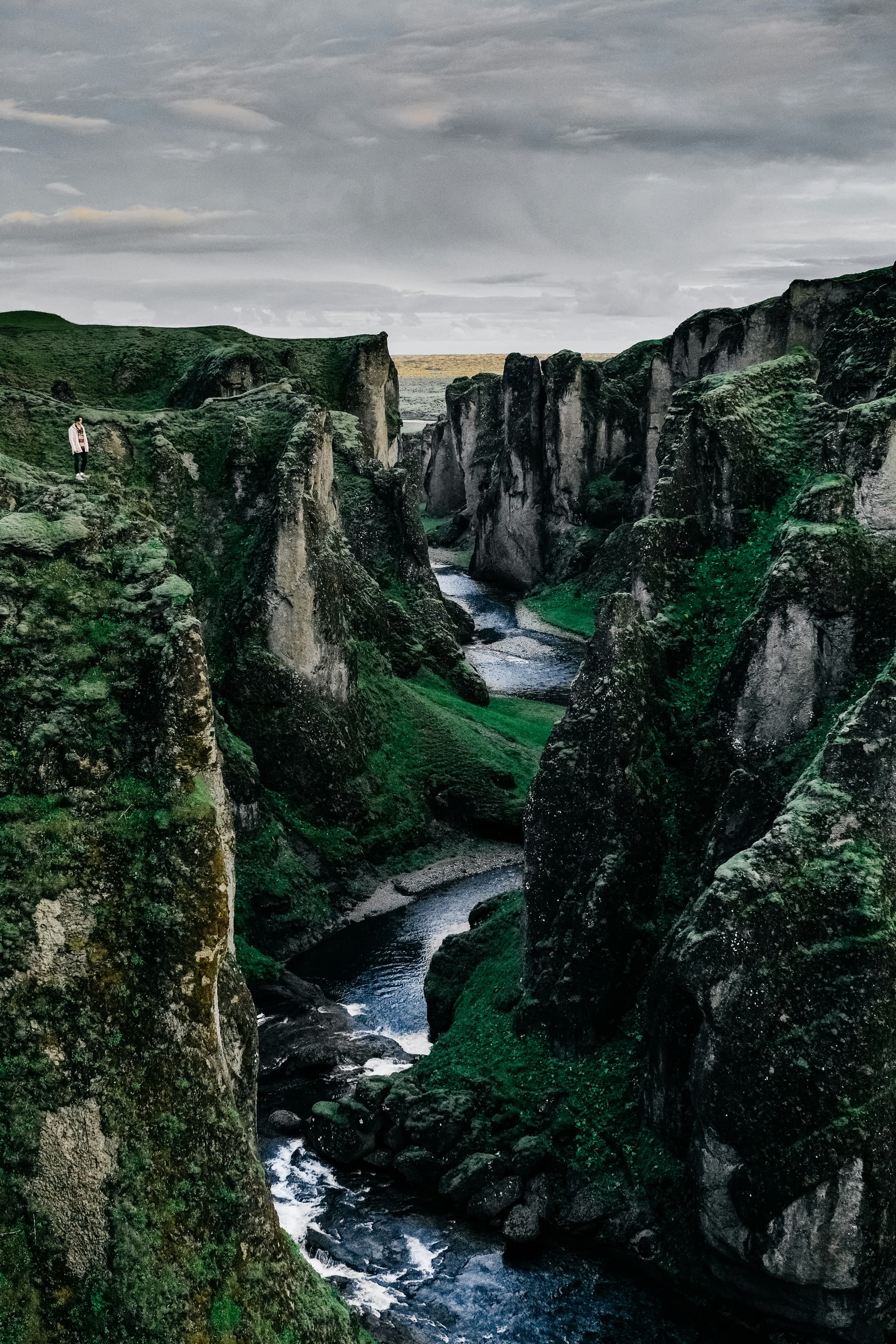
Beyond the classics, Iceland hides little-known wonders. The Highlands, accessible only in summer by 4x4, offer Landmannalaugar (multicoloured mountains and hot springs), the Laugavegur Trail (55 km, 4 days) considered one of the world’s most beautiful treks, and the Askja caldera. Fjaðrárgljúfur canyon, the secret hot springs of Hrunalaug and the Westman Islands (Heimaey, home to the world’s largest puffin colony) are worth the detour.
The Westfjords remain the wildest region: Hornstrandir (a nature reserve accessible only by boat, with no roads or electricity) is the ultimate Icelandic adventure. Discover all our destinations for more travel inspiration.
Âme Bohème exists thanks to you
Some links in this article are affiliate links. This means that if you book or purchase a product through these links, we receive a small commission — at no extra cost to you. It's thanks to this support that we can continue creating free, quality content.
You can also buy us a coffee, or follow us on Instagram and Facebook.
Thank you
Share
Comments
Share your thoughts
Leave a comment
Looking for more information for your trip? Book a personalised video call with us, or join the Curious Souls community on Discord.
Your email address will not be published. Required fields are marked with *