Why Travel to Bangladesh?
Bangladesh is one of Asia's best-kept secrets. This small, densely populated country, wedged between India and Myanmar, is a land of majestic rivers, impenetrable mangroves, brilliantly green rice paddies and a hospitality that leaves you speechless. Here, there are no hordes of tourists — you'll be welcomed as an honoured guest, with warm curiosity and disarming generosity.
It is the land of the Ganges and Brahmaputra delta, the largest river delta in the world, where life revolves around water. The Sundarbans (the planet's largest mangrove forest and home to the Bengal tiger), the rolling hills of Sylhet (tea plantations), the Buddhist ruins of Paharpur and the endless beaches of Cox's Bazar — Bangladesh surprises those who dare to venture here.

Bangladesh's Must-Visit Regions
Dhaka, the Frenetic Capital
Dhaka is a total sensory experience. This megacity of 22 million inhabitants is a whirlwind of colourful rickshaws, overflowing markets, mosques and raw urban life. Old Dhaka (Sadarghat — the world's largest river terminal, Lalbagh Fort, Star Mosque) contrasts with the modern city. The Sadarghat area at dawn, with hundreds of boats on the Buriganga river, is one of the most photogenic scenes in Asia.
The Sundarbans: Kingdom of the Bengal Tiger
The Sundarbans are the world's largest mangrove forest (10,000 km²), a UNESCO site and biosphere reserve. It is the last refuge of the royal Bengal tiger (approximately 100 individuals on the Bangladeshi side). You navigate by boat through mangrove channels, watching for crocodiles, Irrawaddy dolphins, spotted deer and monitor lizards. The immersion in this unique ecosystem lasts 2 to 3 days from Khulna or Mongla.
Sylhet and the Tea Plantations
The Sylhet region is the garden of Bangladesh: rolling hills covered in tea plantations as far as the eye can see, waterfalls (Madhabkunda, Ratargul), swamp forests and haors (vast seasonal wetlands). Srimangal, the 'tea capital', is the starting point for exploring the tea gardens and spotting hoolock gibbons — the only great apes on the Indian subcontinent.
Cox's Bazar and the Chittagong Hill Tracts
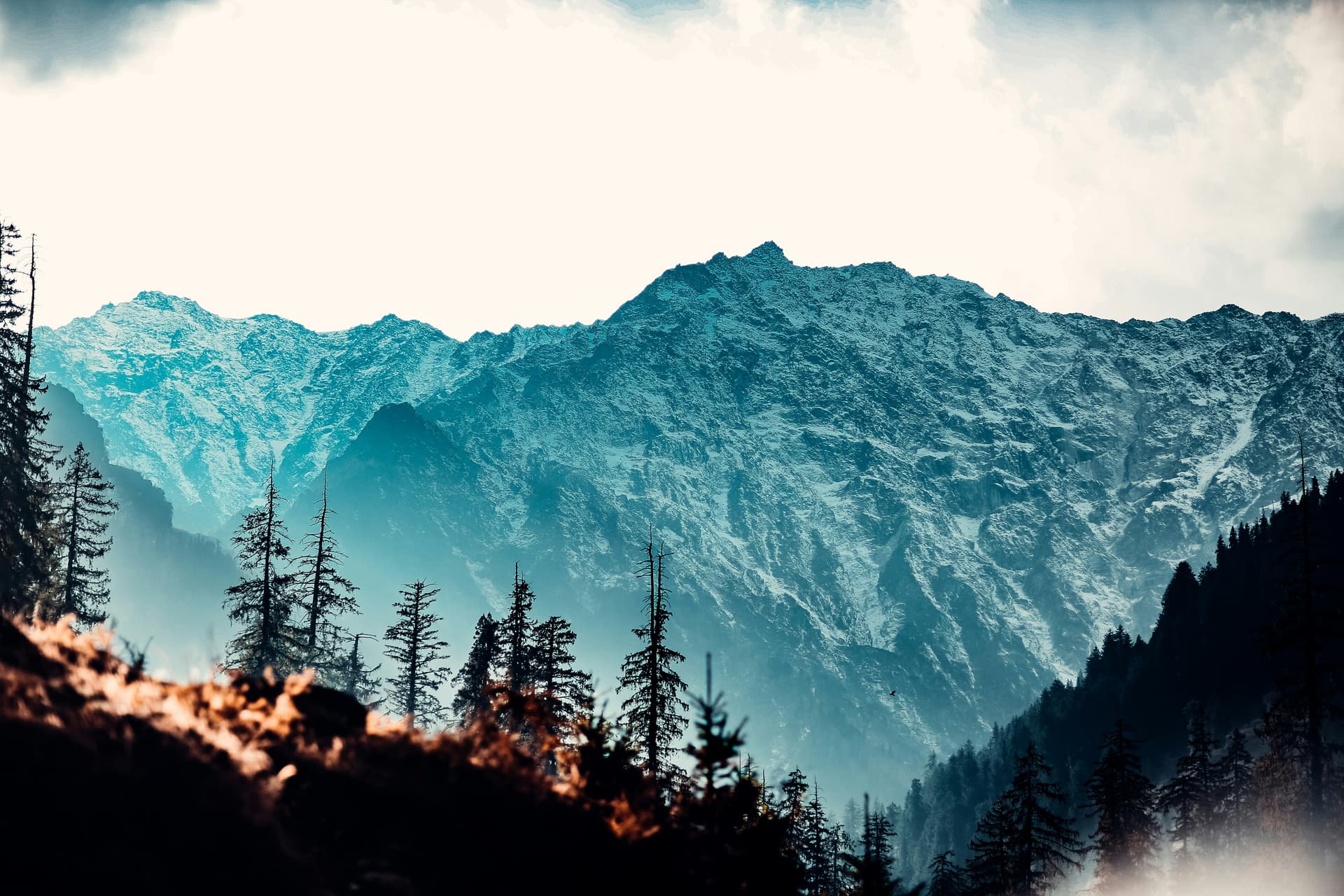
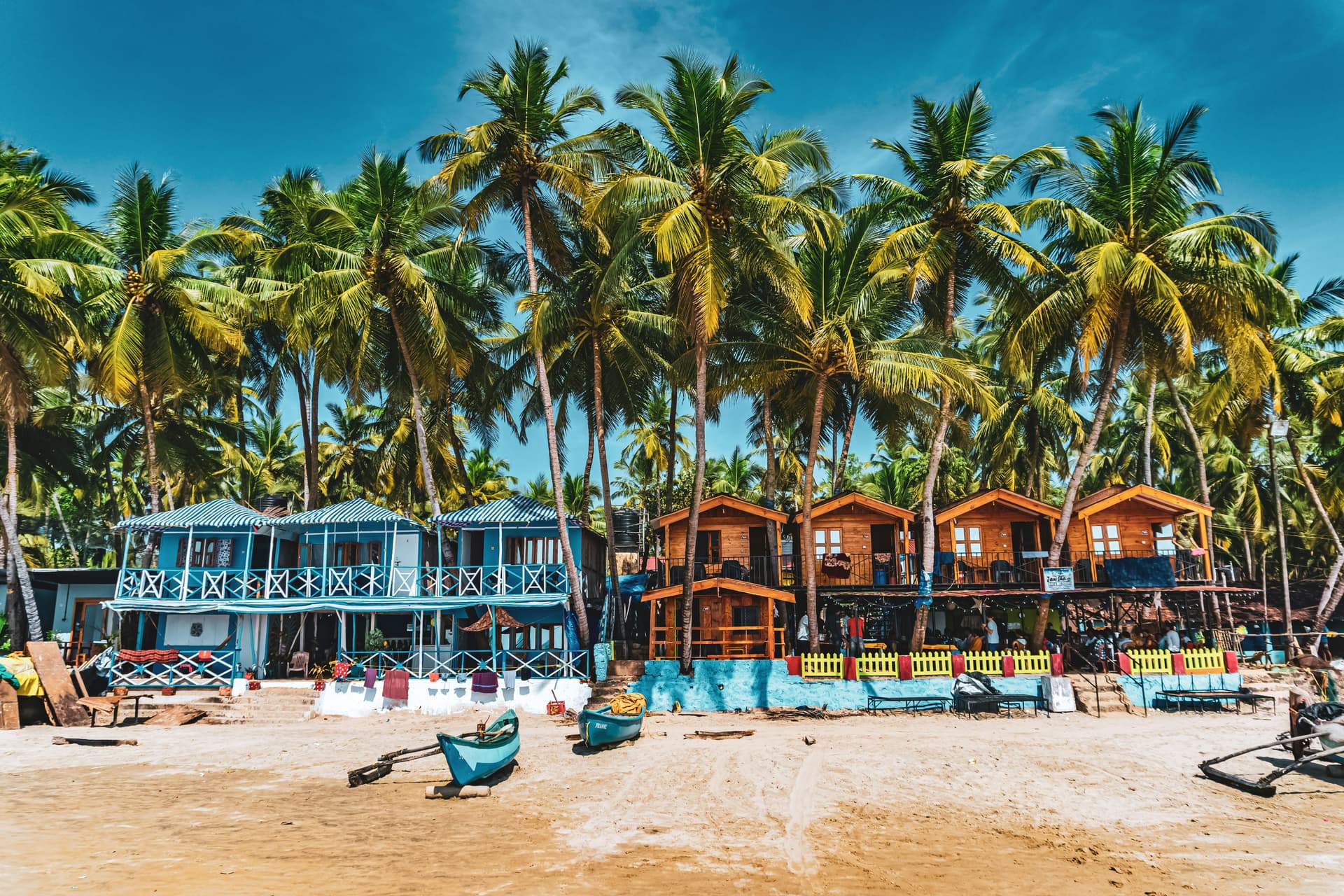
Cox's Bazar has the longest uninterrupted natural sand beach in the world: 120 km of golden sand lining the Bay of Bengal. Saint Martin's Island (the country's only coral island) offers snorkelling and a tropical atmosphere. The Chittagong Hill Tracts (Rangamati, Bandarban, Khagrachari) are the hidden face of Bangladesh: jungle-covered hills, indigenous tribes (Chakma, Marma, Tripura), lakes and waterfalls. Bandarban has the country's highest peaks and spectacular trekking.
The Historical Heritage
Bagerhat (UNESCO-listed), a 15th-century mosque city founded by Khan Jahan Ali, houses the spectacular Sixty Dome Mosque (Shait Gumbad). Paharpur (UNESCO) is the largest Buddhist monastery south of the Himalayas, dating from the 8th century. Mahasthangarh (near Bogra) is the country's oldest archaeological site (3rd century BC).



Getting Around Bangladesh
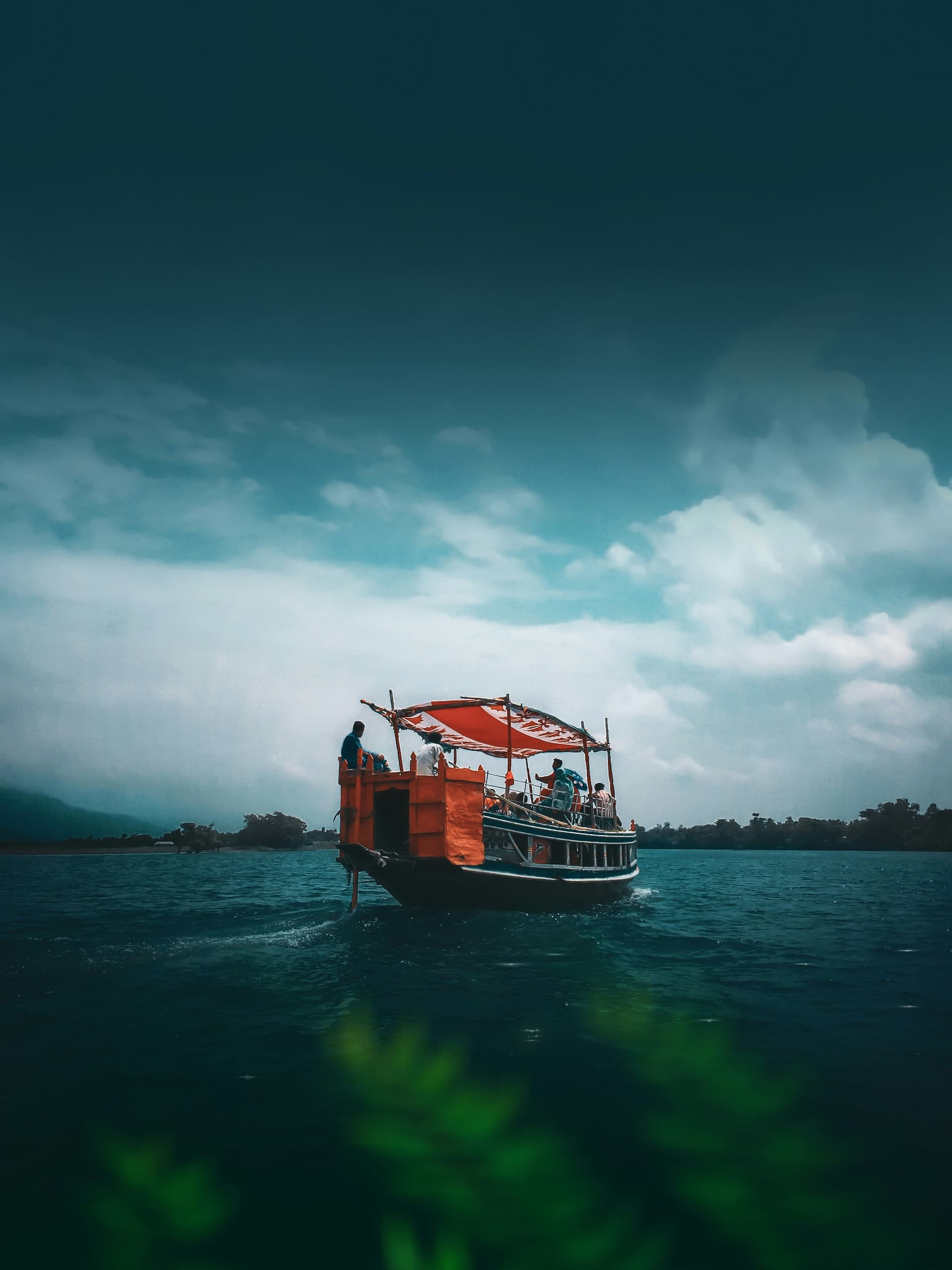
Bangladesh is a country of water: ferries and boats are an essential means of transport and an experience in themselves. The road network is improving but journeys remain slow (traffic jams, narrow roads). Check out our travel experiences to plan your Bangladeshi adventure.
- Boat / Ferry: the most authentic way to travel. Dhaka – Barisal by paddle steamer (overnight on the Ganges) is a classic. BIWTC ferries for the Sundarbans
- Bus: dense network. AC buses Greenline, Shyamoli, Hanif for main routes. Dhaka – Cox's Bazar: 10–12h by AC bus
- Train: limited but comfortable network. Dhaka – Sylhet (7h), Dhaka – Rajshahi (4–5h). Book 1st class AC
- Domestic flights: Biman and US-Bangla Airlines. Dhaka – Cox's Bazar (1h), Dhaka – Sylhet (45 min). Handy for saving time
- CNG / Rickshaw: CNGs (auto-rickshaws) and cycle rickshaws are the local transport. Negotiate the price before getting in
Budget: How Much Does a Trip to Bangladesh Cost?
Bangladesh is one of the cheapest destinations in Asia. Budget BDT 1,500–4,000 per person per day (USD 13–35) depending on your travel style. Even on a comfortable budget, prices remain incredibly low compared to Western countries.
- Accommodation: guesthouse BDT 500–1,500 (USD 4–13), hotel BDT 1,500–5,000 (USD 13–43), luxury hotel BDT 5,000–15,000
- Food: street food BDT 30–80 (USD 0.25–0.70), local restaurant BDT 100–300, tourist restaurant BDT 300–800
- Transport: AC bus BDT 500–1,500, domestic flight BDT 3,000–8,000, Rocket Steamer BDT 800–2,500, CNG BDT 50–200
- Activities: 2-day Sundarbans excursion BDT 8,000–15,000 all-inclusive, private guide BDT 1,500–3,000/day
- Tip: transport tickets and hotels are often paid in cash. Bring euros or US dollars to exchange on site. ATMs exist but are less reliable outside Dhaka
When to Visit Bangladesh?
Bangladesh has a subtropical monsoon climate. The dry season (November – March) is the best time: pleasant temperatures (20–28 °C / 68–82 °F), clear skies, golden rice paddies. It's the ideal time for the Sundarbans, Sylhet, Cox's Bazar and the historic sites.
The monsoon (June – September) transforms the country: up to 80% of the territory is flooded, rice paddies turn electric green, rivers overflow. It's spectacular but travel is very difficult. April–May is the hot season (35–40 °C / 95–104 °F, storms). Avoid this period.
Recommended Itineraries in Bangladesh
The Essential Tour (2 weeks)
Dhaka (2 days: Old Dhaka, Sadarghat, Lalbagh Fort) → overnight Rocket Steamer → Barisal (1 day: floating markets) → Khulna → Sundarbans (2–3 days) → bus to Bagerhat (1 day: UNESCO) → return to Dhaka → train to Sylhet (3 days: tea plantations, Ratargul) → fly to Cox's Bazar (2 days: beach, Saint Martin's Island).
Off the Beaten Path (10 days)
Dhaka (2 days) → bus to Bogra → Mahasthangarh (1 day: archaeology) → Rajshahi → Paharpur (UNESCO, 1 day) → train to Dhaka → fly to Chittagong → Bandarban (3 days: treks, waterfalls, tribes) → Rangamati (1 day: lake and Chakma tribes). The adventure for curious travellers.
Bangladesh Off the Beaten Path
In Bangladesh, everything is off the beaten path for a Western traveller. The chars (temporary river islands on the Brahmaputra) offer immersion in the most authentic rural life. The haors of Sunamganj (vast wetlands near Sylhet) are a surreal aquatic world during the rainy season. The Rangpur region (Hindu temples, mango orchards as far as the eye can see) and the tribal markets of the Hill Tracts are unique experiences.
For a more accessible Southeast Asian immersion, Thailand offers a fascinating contrast. Explore all our destinations.
Formalities and Practical Information
Bangladesh requires a visa for most nationalities. A visa on arrival (30 days) is available at Dhaka airport, or you can obtain an e-visa online before departure.
- Visa: visa on arrival (30 days, USD 51) or e-visa online. Passport valid 6 months, photo, proof of funds and return ticket required
- Currency: Bangladeshi taka (BDT). 1 USD ≈ 110–120 BDT. Cash is king — bring euros or USD to exchange. ATMs in Dhaka and major cities
- Time zone: UTC+6 (GMT+6). Flights with a stopover (Gulf Air, Emirates, Turkish Airlines)
- Health: recommended vaccines (hepatitis A/B, typhoid). Antimalarial treatment for the Sundarbans and Hill Tracts. Bottled water only
- Safety: generally safe for tourists. Check your government's travel advice. Avoid the Hill Tracts without a local guide
- Culture: conservative Muslim country. Modest clothing recommended, especially outside Dhaka. Bangladeshi hospitality is legendary — accept the tea!