From the Rockies to the northern lights, wild immensity
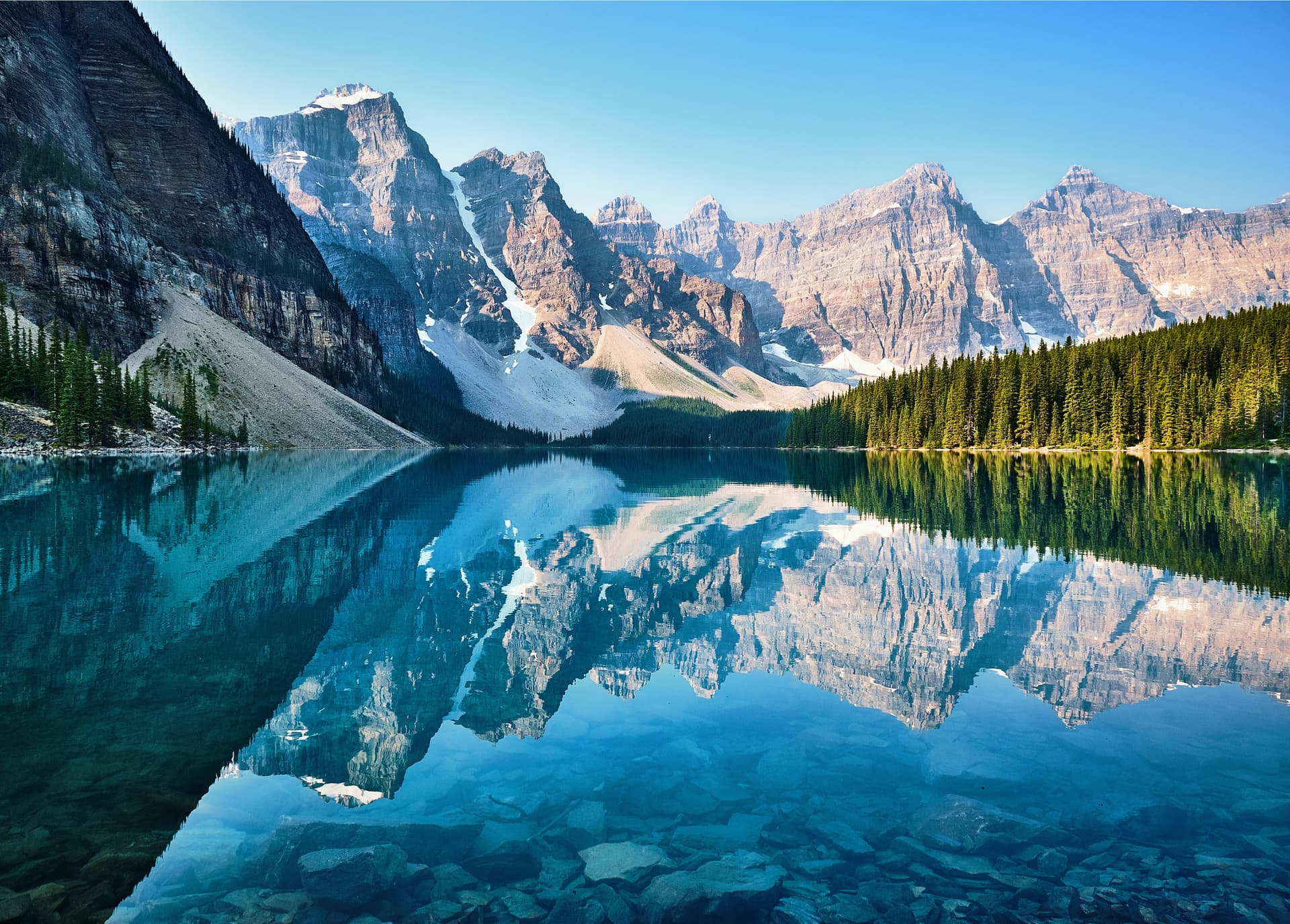
The world second-largest country fascinates with the turquoise lakes of the Rockies, the charm of old Quebec, and wilderness that stretches to the Arctic.
Why Canada?
Canada captivates with the turquoise lakes of the Rockies, the charm of old Quebec, and wilderness that stretches to the Arctic.
In september, the climate in Canada is excellent. The weather is generally sunny, with maximum temperatures around 20°C and about 9 rainy days. Tourist crowds are moderate.
Canada is an immensity that defies the imagination. The world’s second largest country (10 million km²) offers landscapes of breathtaking diversity and grandeur: Rocky Mountains with turquoise lakes, endless boreal forests, wild coastlines battered by the Atlantic and Pacific, golden prairies and Arctic tundra.
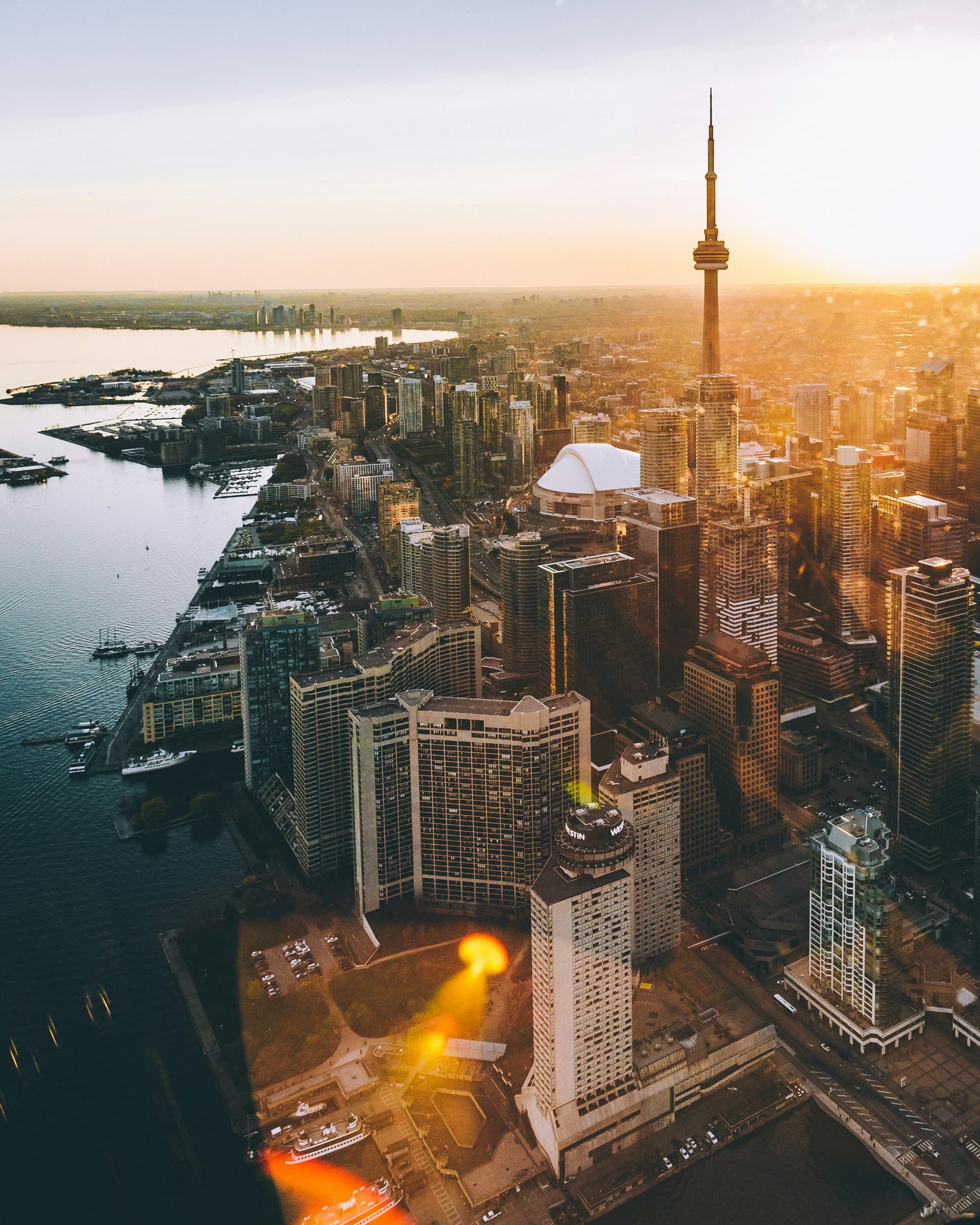
It is also a bilingual and multicultural country, where Montreal and Quebec City buzz in French, where Vancouver blends Asian influences with West Coast culture, where Toronto is a mosaic of communities from around the world. Canadian nature is of exceptional richness: 48 national parks, bears, whales, moose, northern lights and a quality of life regularly ranked among the world’s best.
Canada has 48 national parks managed by Parks Canada, covering 340,000 km² of protected nature. The country has 22 UNESCO World Heritage sites and is home to 30% of the planet’s boreal forests. It also has the world’s longest coastline (243,000 km).
02The Must-See Regions
The Canadian Rockies (Alberta / British Columbia)
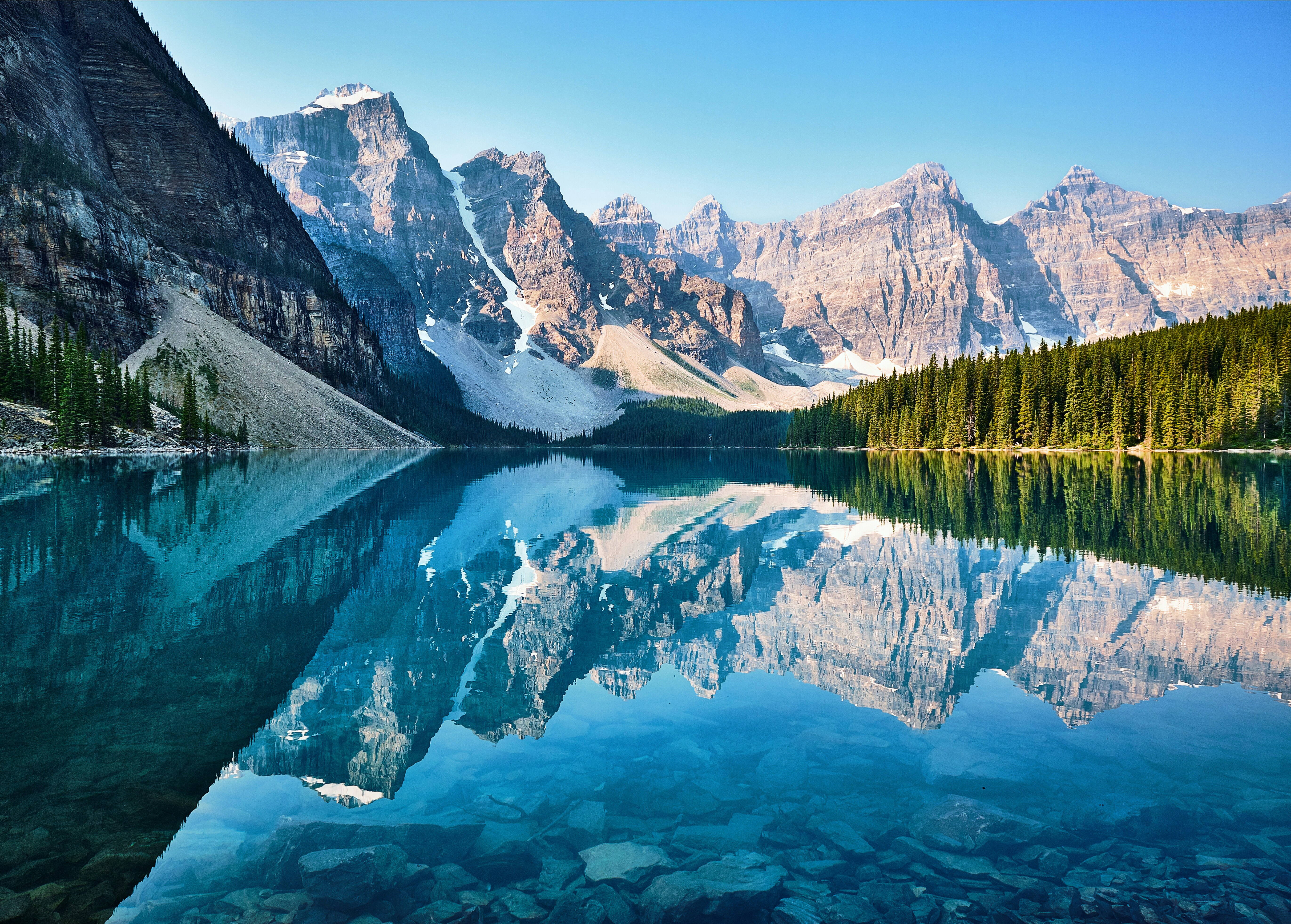
The Canadian Rockies are the country’s absolute jewel. Banff (Canada’s first national park, 1885) and Jasper offer postcard landscapes: turquoise lakes (Lake Louise, Moraine Lake, Peyto Lake), ancient glaciers, snow-capped peaks and abundant wildlife (bears, elk, wolves). The Icefields Parkway (232 km between Banff and Jasper) is one of the world’s most beautiful drives, passing glaciers and waterfalls at every turn.
Yoho National Park (Emerald Lake, Natural Bridge) and Kootenay National Park complete this mountain tableau. In winter, the resorts of Whistler, Lake Louise and Revelstoke offer some of North America’s best skiing, with legendary powder snow.
Quebec and the Maritimes
Montreal is a vibrant, bilingual, creative city — festivals (Jazz, Just for Laughs), inventive gastronomy, lively neighbourhoods (Plateau, Mile-End, Old Montreal). Quebec City charms with its fortified Old Town, UNESCO-listed: cobbled lanes, Château Frontenac, local cuisine (poutine, tourtière, maple syrup). The Gaspésie offers spectacular coastal panoramas (Percé Rock, Forillon) and the Saguenay–Lac-Saint-Jean fascinates with its fjord and whales.
The Maritime Provinces (New Brunswick, Nova Scotia, Prince Edward Island) are Canada’s best-kept secret: red cliffs, lighthouses, fishing villages, fresh lobster and warm hospitality. The Bay of Fundy and its record tides (16 m!) are a unique phenomenon.
The West: British Columbia and Vancouver
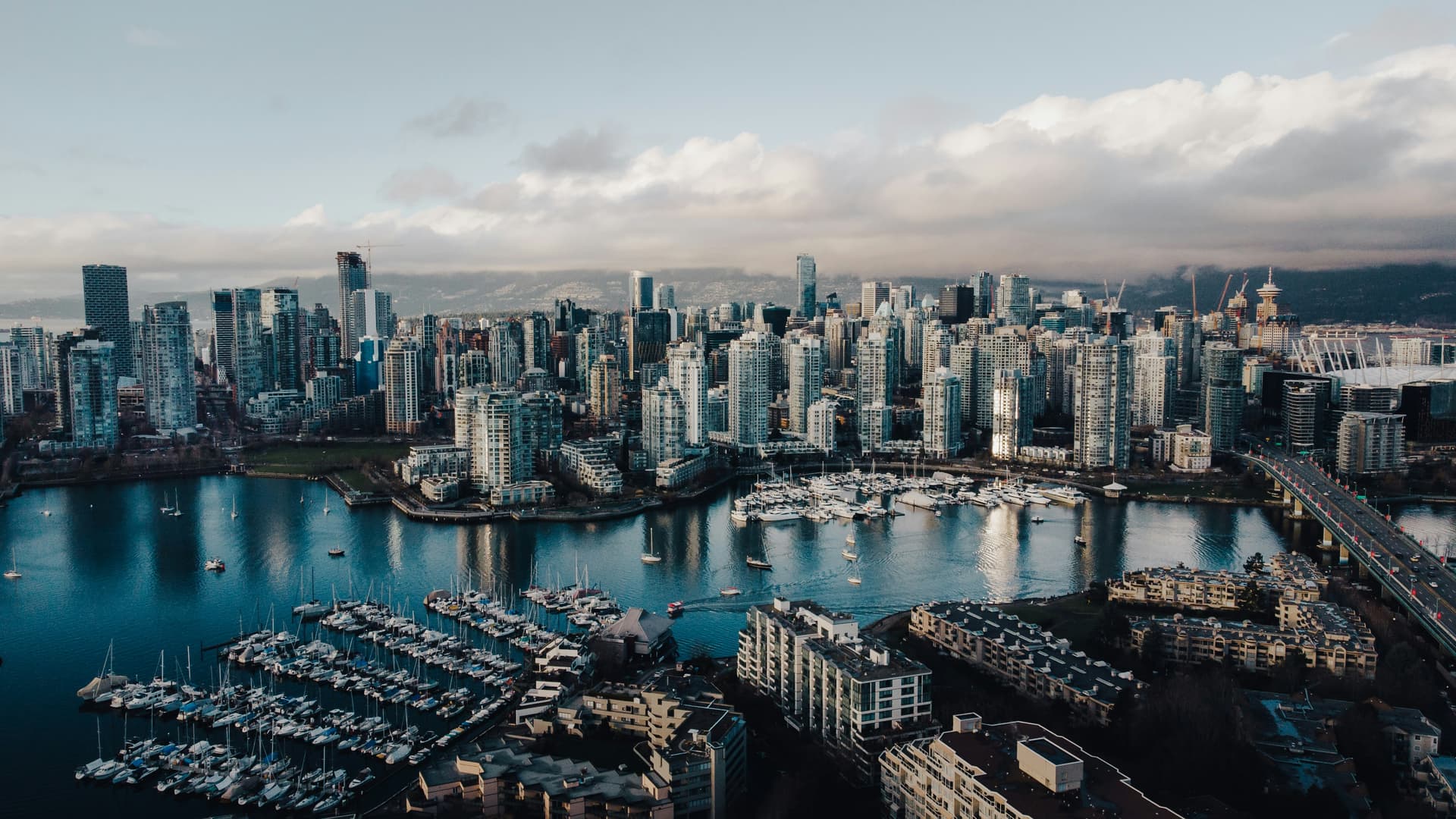
Vancouver is regularly ranked among the world’s most beautiful cities: ocean, mountains, forests and modern urbanism all meet. Stanley Park, Granville Island, Gastown and Kitsilano beaches make for an exceptional setting. Vancouver Island (orca watching, Tofino’s temperate rainforests) and Whistler (year-round skiing and adventure) are just hours away.
The Far North: Yukon and Northwest Territories
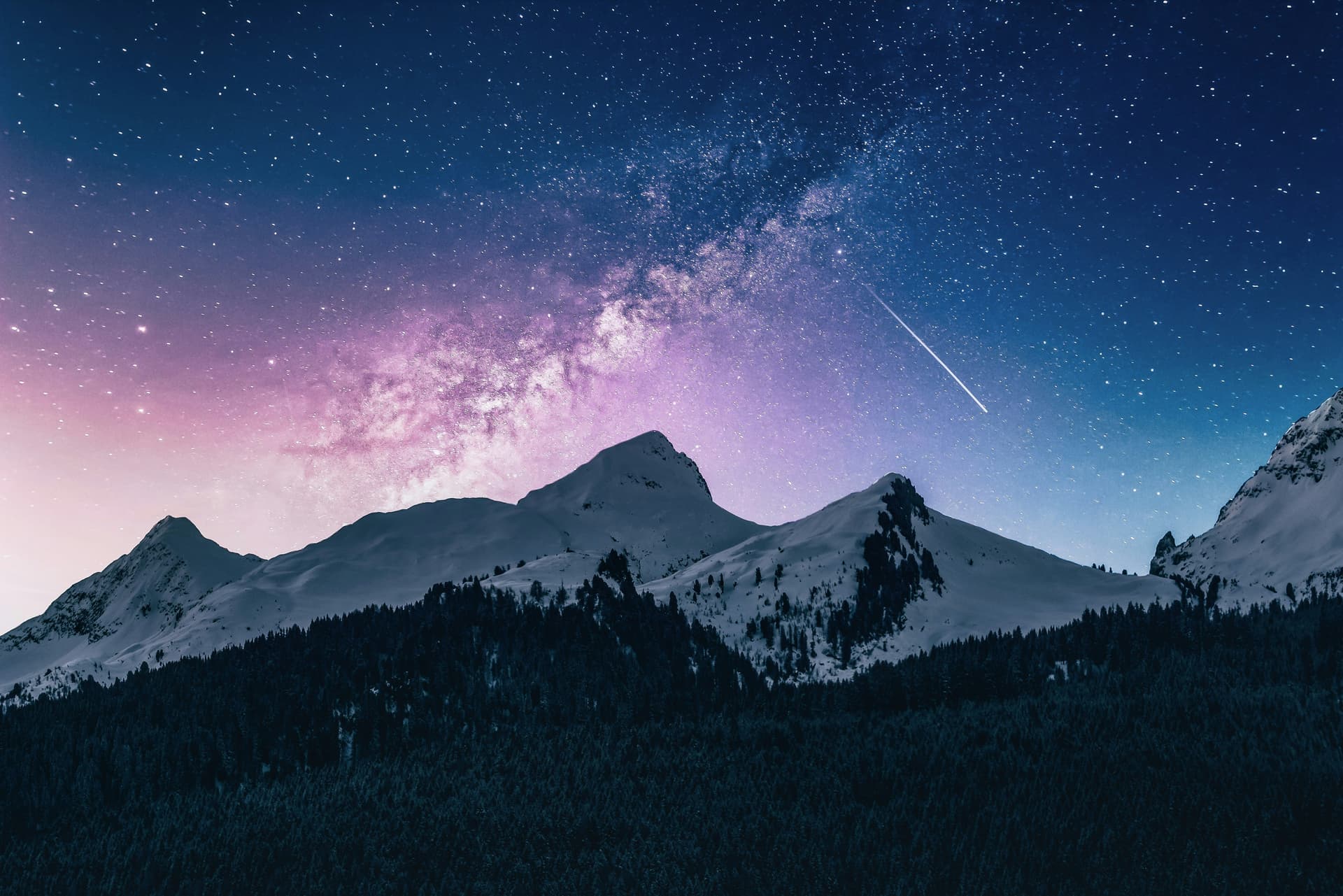
For adventurers, the Yukon and Northwest Territories are the last frontier. Whitehorse and Dawson City (Gold Rush history), the Dempster Highway (gravel road to the Arctic), Nahanni National Park (UNESCO-listed), and above all the northern lights of Yellowknife — one of the world’s best spots to see them (September to March).
03Legendary Canadian Road Trips
Canada is a road trip paradise. Distances are immense but the roads are spectacular, and the scenery constantly changes.
Icefields Parkway: Banff – Jasper (232 km). Glaciers, turquoise lakes and snowy peaks. One of the world’s most beautiful drives
Cabot Trail: 300 km loop in Cape Breton (Nova Scotia). Cliffs, Atlantic Ocean and Acadian villages
Sea-to-Sky Highway: Vancouver – Whistler (120 km). Ocean, fjords and mountains in 2 hours
Saguenay Route: Quebec City – Tadoussac – Saguenay. Fjord, whales and picturesque villages
Dempster Highway: Dawson City – Inuvik (735 km of gravel). The ultimate Arctic adventure, all the way to the Arctic Ocean
04Getting Around Canada
A car is essential for exploring Canada outside the major cities. Roads are excellent, well-signposted, and distances between cities immense (Toronto – Vancouver: 4,400 km). Check our road trip experiences to prepare your Canadian adventure.
Car: essential outside cities. 40–80 CAD/day. French licence + international permit recommended
Domestic flights: Air Canada, WestJet, Flair Airlines. Essential for great distances. Toronto – Vancouver: 5h
VIA Rail: the transcontinental train (Toronto – Vancouver, 4 days). Panoramic and memorable, not fast
Rocky Mountaineer: luxury scenic train through the Rockies. Spectacular but pricey
Bus: limited options since Greyhound Canada’s closure. Rider Express and FlixBus cover some routes
The Parks Canada Discovery Pass (145 CAD per family, valid 1 year) gives unlimited access to all 48 national parks. Pays for itself from the 2nd park (individual entry: 10–20 CAD/day). Buy it online before departure.
05Budget: How Much Does a Trip to Canada Cost?
Canada is more expensive than the neighbouring US but remains reasonable. Budget 80 to 180 CAD per day per person (€55–125) depending on travel style. Vancouver and the Rockies are the most expensive, Quebec and the Maritimes more affordable.
Accommodation: camping 25–45 CAD (in national parks), hostel 30–50 CAD, motel 80–120 CAD, hotel 120–250 CAD, Airbnb 80–180 CAD
Meals: fast food 10–18 CAD, restaurant 20–40 CAD + tip (15–20%). Poutine 8–15 CAD, brunch 15–25 CAD
Transport: car rental 40–80 CAD/day, petrol 1.50–2 CAD/litre. Domestic flights 100–300 CAD
Activities: national parks 10–20 CAD/day (or 145 CAD annual pass). Whale watching 70–100 CAD, helicopter tour 200–400 CAD
Top tip: the Canadian dollar (CAD) is often 25–35% cheaper than the euro, making the country more affordable than it appears
06When to Visit Canada?
The Canadian climate varies enormously by region and season. Summer (June – September) is high season: pleasant temperatures (20–30°C), all parks and roads open, festivals in Montreal and across the country. The best time for the Rockies, Quebec and the Maritimes.
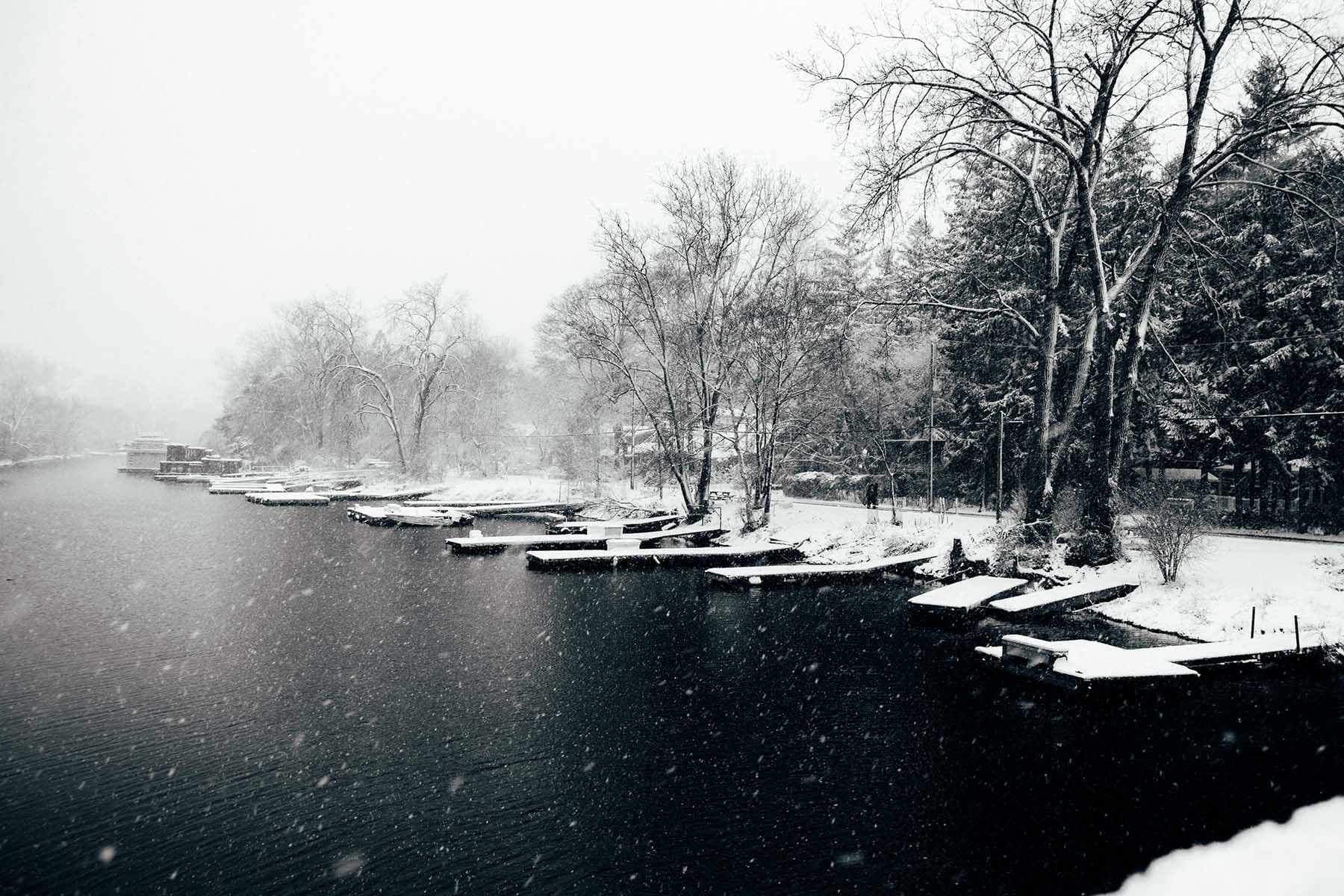
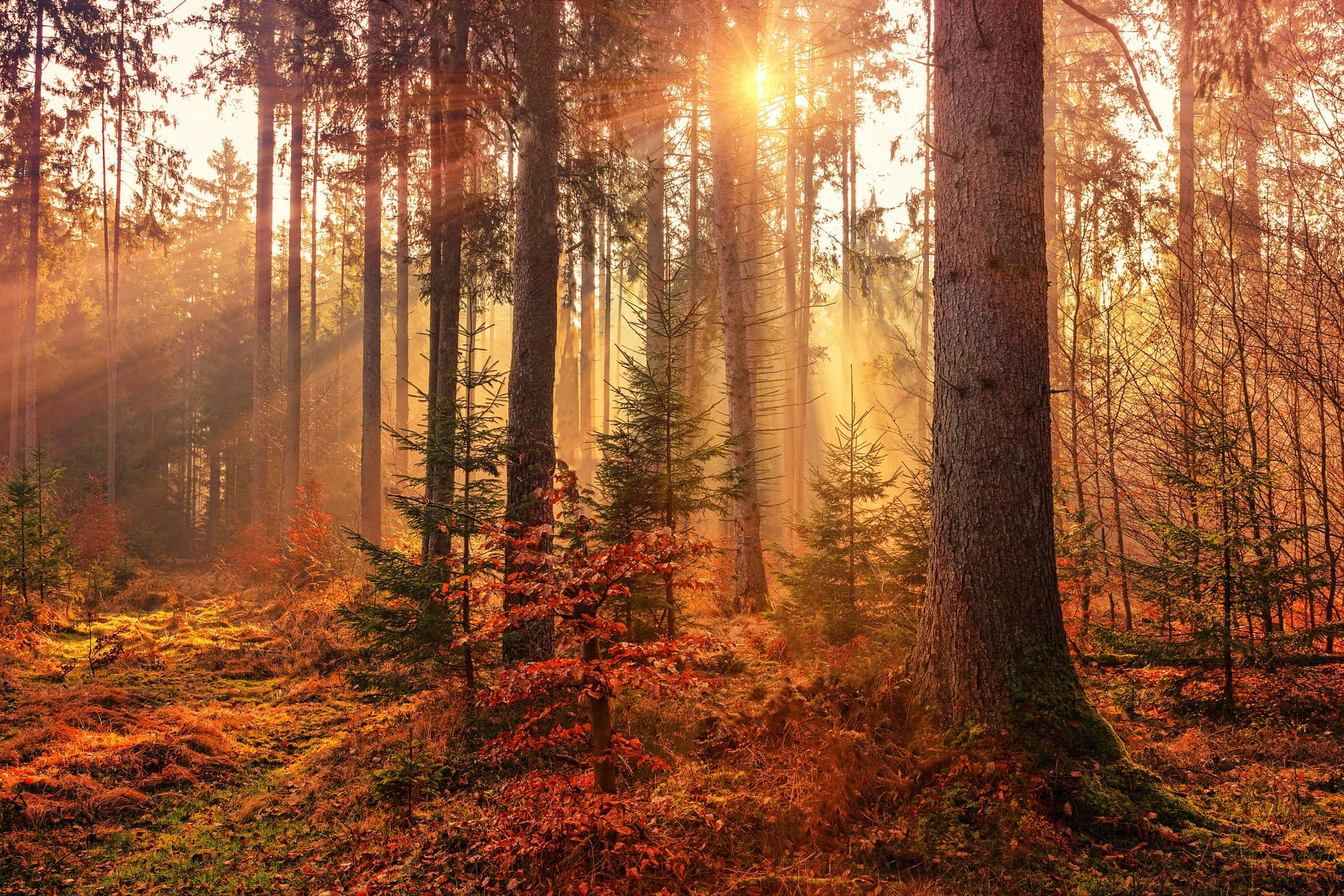
Autumn (September – October) is magical in Quebec and Ontario: Indian summer paints the forests red, orange and gold. Winter (November – March) transforms the country into a winter sports paradise: skiing in Whistler and the Rockies, snowmobiling in Quebec, northern lights in the Far North. Spring (April – May) is low season — ideal for avoiding crowds, but some mountain roads remain closed.
For the Rockies, September is ideal: golden larches create fairy-tale landscapes, summer tourists have left, prices drop and the weather stays stable. For northern lights in Yellowknife, aim for September to March (long nights and clear skies).
07Recommended Itineraries
The Classic Rockies (10–14 days)
Calgary (1 day) → Banff (3 days: Lake Louise, Moraine Lake, Johnston Canyon) → Icefields Parkway → Jasper (3 days: Maligne Lake, Athabasca Glacier) → return via Yoho (Emerald Lake) → Kootenay → drive to Vancouver. The ultimate circuit for mountain and wilderness lovers.
Quebec and the East (12–16 days)
Montreal (3 days) → Eastern Townships route (vineyards, cheeses) → Quebec City (2 days) → Charlevoix coast → Tadoussac (whales, 2 days) → Saguenay (fjord, 2 days) → return via Mauricie. Add 5 days for: Gaspésie (Percé, Forillon, Mont-Albert). A French-speaking journey at the edge of the world.
The Wild West: Vancouver and the Island (10–12 days)
Vancouver (3 days) → Sea-to-Sky Highway → Whistler (2 days) → ferry to Vancouver Island → Victoria (2 days) → Pacific coast road → Tofino (3 days: surfing, rainforest, bear and whale watching). Western Canada in all its oceanic and forested splendour.
08Canada Off the Beaten Path
Beyond the classics, Canada is full of hidden treasures. Newfoundland is a world apart: icebergs drifting in spring, Vikings at L’Anse aux Meadows (the first European site in America, UNESCO-listed), Gros Morne (fjords and geology), Irish accents and legendary hospitality. Manitoba offers Churchill — the polar bear capital of the world (October – November).
Saskatchewan and its endless prairies, Haida Gwaii (mystical West Coast islands, millennial Haida culture) and Labrador (Trans-Labrador Highway, extreme adventure) are destinations for explorers. To extend your North American adventure, neighbouring United States perfectly complements a Canadian trip. Find all our destinations.
09Formalities and Practical Information
Entry to Canada requires an Electronic Travel Authorization (eTA) for French nationals flying in. The application is made online, costs 7 CAD and is valid for 5 years.
Visa: eTA required by air (7 CAD, online). Valid passport needed. Max stay 6 months. No eTA needed for land crossings
Currency: Canadian dollar (CAD). 1 EUR ≈ 1.45–1.55 CAD. Bank cards accepted everywhere (Visa/Mastercard)
Time difference: -6h (Montreal/Toronto) to -9h (Vancouver) from Paris. Canada spans 6 time zones
Languages: English and French (official languages). Quebec is predominantly French-speaking. Bilingualism is everywhere
Health: travel insurance recommended. Quality care but expensive for visitors. No particular health risks
Electricity: type A/B outlets (110V), same as the US. Adapter needed for European appliances
Some links in this article are affiliate links. This means that if you book or purchase a product through these links, we receive a small commission — at no extra cost to you. It's thanks to this support that we can continue creating free, quality content.
You can also buy us a coffee, or follow us on Instagram and Facebook.
Thank you
Share
Comments
Share your thoughts
Leave a comment
Looking for more information for your trip? Book a personalised video call with us, or join the Curious Souls community on Discord.
Your email address will not be published. Required fields are marked with *