Why Travel to South Korea?
South Korea is a country of striking contrasts. Ancient temples nestled in bamboo forests, futuristic Seoul skyscrapers, traditional hanok villages, fermented cuisine among the most refined in Asia, K-pop and cutting-edge digital culture — South Korea is a destination that surprises at every turn.
This country of 52 million people, tucked between China and Japan, has undergone a dazzling transformation in just a few decades. Its cultural richness is immense: 16 UNESCO sites, a cuisine inscribed on the Intangible Cultural Heritage list (kimchi, temple food), spectacular seasonal festivals (cherry blossoms, autumn foliage), and an art and tech scene that radiates worldwide — from the Hallyu (Korean Wave) to tech innovations.
South Korea's Must-Visit Regions
Seoul, the Megacity Between Tradition and the Future
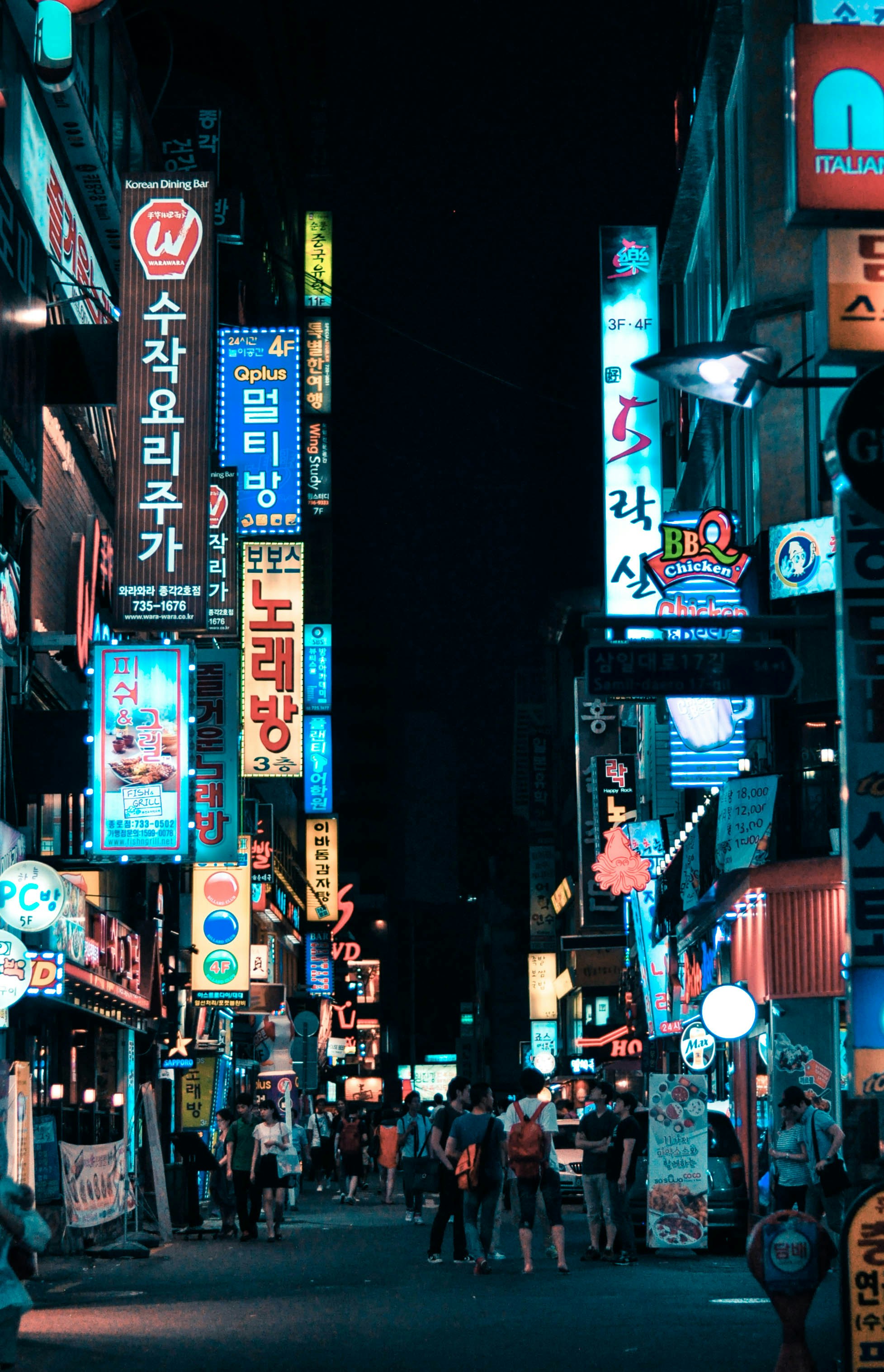
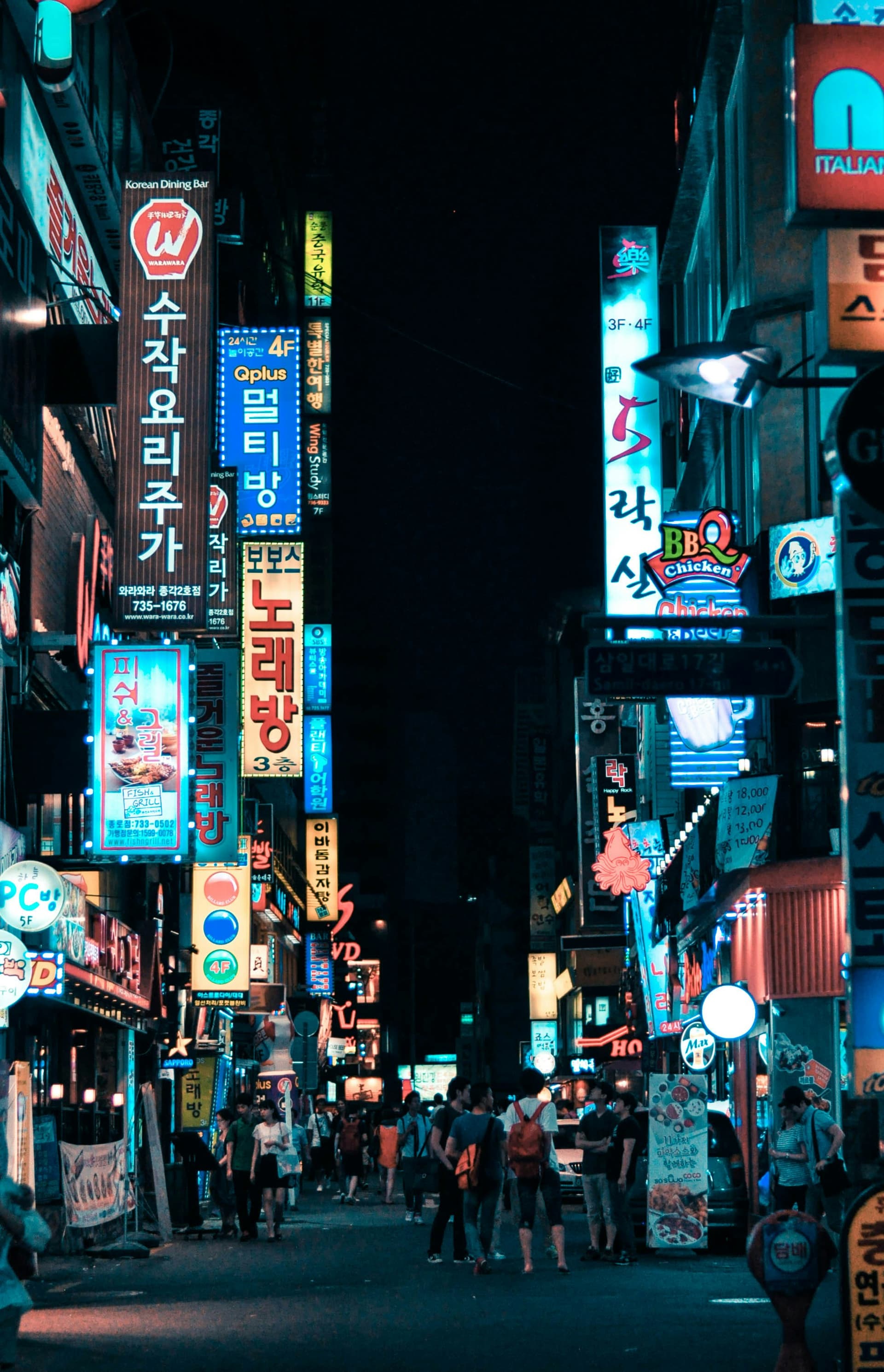
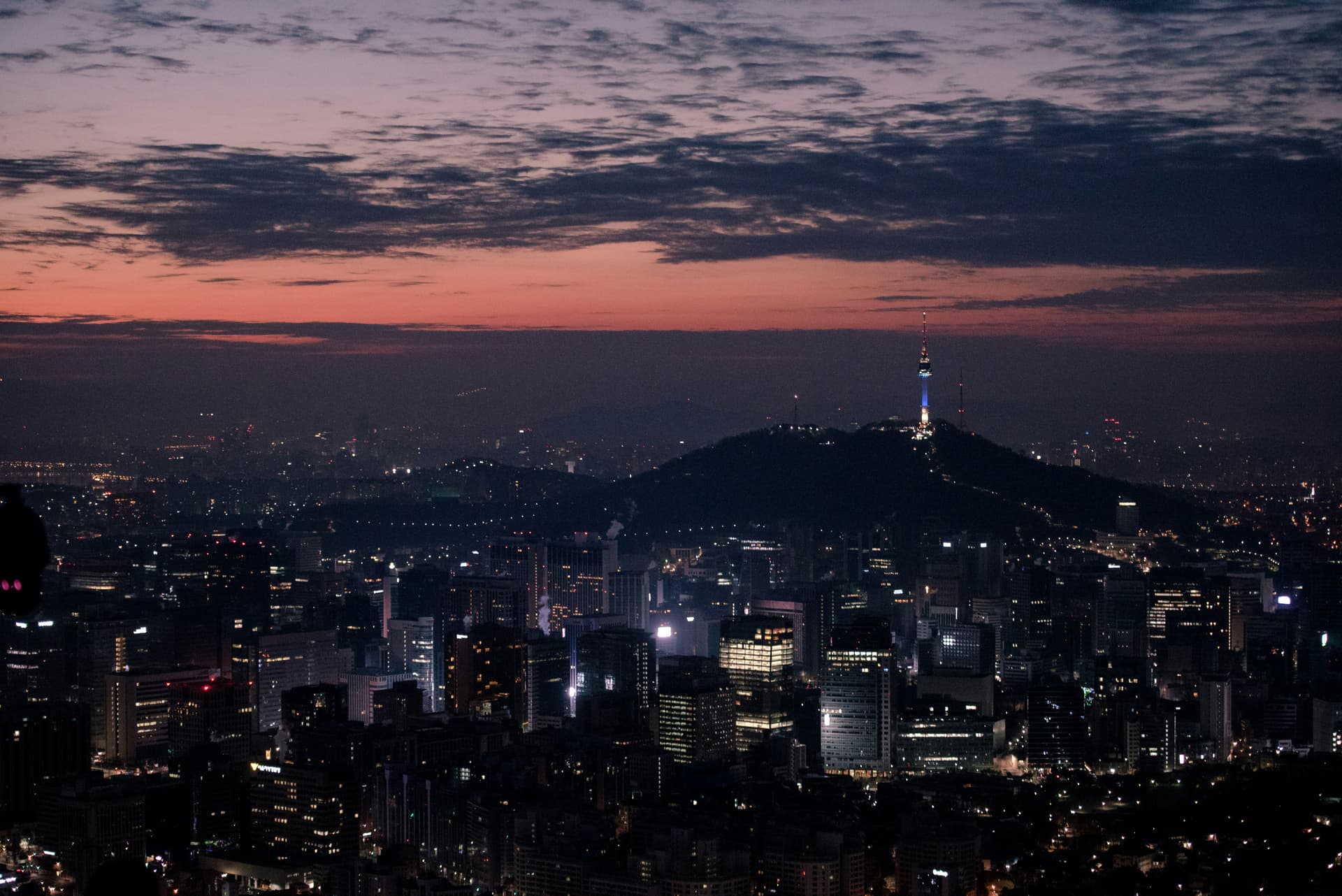
Seoul is a fascinating capital that blends five grand royal palaces (Gyeongbokgung, Changdeokgung with its UNESCO-listed Secret Garden, Deoksugung), traditional hanok neighbourhoods (Bukchon, Ikseon-dong) and ultra-modern districts (Gangnam, Hongdae, Itaewon). N Seoul Tower, Gwangjang Market (street food), the trendy Myeongdong district and the Cheonggyecheon stream offer a glimpse into this city of 10 million that never sleeps.
Gyeongju, the Open-Air Museum
Gyeongju is the Florence of East Asia. The former capital of the Silla kingdom for 1,000 years, this UNESCO-listed city is packed with royal tumuli, temples and archaeological treasures. Bulguksa Temple and Seokguram Grotto (both UNESCO-listed) are masterpieces of Buddhist art. Anapji Pond illuminated at night, the royal tombs of Tumuli Park and the folk village of Yangdong (UNESCO) complete the historical immersion.
Busan, the Vibrant Port City
Busan is the country's second city and a destination in its own right. Haeundae Beach, the spectacular Haedong Yonggungsa temple perched on cliffs facing the ocean, the colourful Gamcheon Village (Korea's Santorini), Jagalchi Fish Market (the largest in Korea) and the nightlife district of Seomyeon make Busan an essential stop, particularly in autumn during the international film festival.
Jeju Island, Korea's Hawaii
Jeju-do is a volcanic island with a triple UNESCO inscription (natural heritage, global geopark, biosphere reserve). Hallasan (1,950 m, South Korea's highest peak) dominates the island with its spectacular hiking trails. The lava tubes (Manjanggul), the basalt columns of Jusangjeolli, black sand beaches, the haenyeo (traditional women divers) and the Dol Hareubang stone statues make Jeju a world apart.
Nature: National Parks and Mountain Temples
South Korea is 70% mountainous, with 22 national parks and hundreds of Buddhist temples nestled in forests. Seoraksan (east coast) offers the most dramatic scenery, spectacular in autumn. Jirisan is the largest mainland park, perfect for multi-day treks. The Templestay programme lets you stay in a Buddhist temple (meditation, tea ceremony, temple food) — a unique experience found nowhere else in the world.


Classic Routes in South Korea
South Korea is compact and perfectly connected by the KTX (high-speed train), making travel very easy.
- The Golden Triangle: Seoul → Gyeongju → Busan. The three essentials in 10–12 days, connected by KTX
- Grand Tour: Seoul → DMZ → Seoraksan → Gyeongju → Busan → Jeju → return to Seoul. The complete circuit in 2–3 weeks
- Nature and Temples: Seoul → Seoraksan → Jirisan → Haeinsa (UNESCO temple) → Andong (Hahoe Village, UNESCO). For hikers and culture lovers
- Seoul + Jeju: 5–7 days between the capital and the volcanic island. The perfect combo for a short first trip
- Hallyu Tour: Seoul (K-pop, drama locations, Myeongdong shopping) → Busan (BIFF) → Jeju. For fans of Korean pop culture
Getting Around South Korea
South Korea has one of the best transport networks in the world. The KTX (Korea Train Express) connects Seoul to Busan in 2h30, and Seoul's metro is exemplary. Check out our travel experiences to plan your South Korea trip.
- KTX: high-speed train (300 km/h). Seoul – Busan in 2h30 (USD 40–50). Korail Pass available for tourists (unlimited days)
- Metro: Seoul has one of the world's best metros (23 lines, English signage, free wifi). T-money card for all payments
- Intercity bus: dense and punctual network. Comfortable express buses for cities not served by KTX
- Domestic flights: mainly for Jeju from Seoul (1h, from USD 25–40). Korean Air, Asiana, Jin Air, T'way
- Car rental: practical for the countryside and national parks. International driving permit required. Drive on the right
Budget: How Much Does a Trip to South Korea Cost?
South Korea offers excellent value compared to neighbouring Japan. Budget KRW 50,000–150,000 per person per day (USD 35–110) depending on your travel style. Street food and transport are very affordable.
- Accommodation: hostel/guesthouse KRW 15,000–30,000, traditional hanok KRW 40,000–80,000, hotel KRW 60,000–150,000. Templestay KRW 30,000–80,000
- Food: street food KRW 3,000–6,000 (USD 2–4), local restaurant KRW 7,000–15,000, Korean BBQ KRW 15,000–30,000. Banchan (side dishes) are always free and unlimited
- Transport: Seoul metro KRW 1,250–2,000, KTX Seoul–Busan KRW 50,000–60,000, flight Seoul–Jeju KRW 40,000–80,000
- Activities: palaces KRW 3,000–5,000 (free in hanbok), Templestay KRW 50,000–100,000, jjimjilbang (sauna) KRW 10,000–15,000, DMZ tour KRW 50,000–80,000
- Tip: wear a hanbok (traditional costume, rental KRW 15,000–25,000) to visit palaces — entry becomes free and you'll get stunning photos
When to Visit South Korea?
South Korea has four very distinct seasons. Autumn (September – November) is the crown jewel: the autumn foliage (단풍, danpung) transforms mountains and temples into blazing tableaux. Temperatures are ideal (15–25 °C / 59–77 °F) and skies are crystal clear. Spring (March – May) brings cherry blossoms (벚꽃, beotkkot) — a magical spectacle across the country.
Summer (June – August) is hot, humid and rainy (monsoon in July). Winter (December – February) is cold and dry (-10 to 5 °C / 14–41 °F) but ideal for ski resorts (Pyeongchang, Yongpyong) and Seoul's Christmas markets.
Recommended Itineraries in South Korea
The Golden Triangle (10–12 days)
Seoul (4 days: palaces, Bukchon, Gwangjang Market, Myeongdong, Hongdae, N Tower) → KTX to Gyeongju (2 days: Bulguksa, Seokguram, Tumuli Park, Anapji) → KTX to Busan (3 days: Gamcheon Village, Haedong Yonggungsa, Haeundae, Jagalchi Market) → return to Seoul. The classic covering all the essentials.
Seoul + Jeju Express (7 days)
Seoul (4 days: palaces, street food, DMZ tour, shopping) → fly to Jeju (3 days: Hallasan hike, Manjanggul lava tubes, Jeongbang waterfall, Hyeopjae Beach, haenyeo). Ideal for a short first trip combining urban culture and volcanic nature.
Nature and Temple Immersion (2 weeks)
Seoul (3 days) → bus to Seoraksan (2 days: hiking, Sinheungsa) → KTX to Andong (2 days: Hahoe Village UNESCO, mask dance) → Gyeongju (2 days) → Haeinsa (Templestay, UNESCO: Tripitaka Koreana) → Jirisan (2 days: trekking) → Busan (2 days). The itinerary for nature and heritage lovers.
South Korea Off the Beaten Path
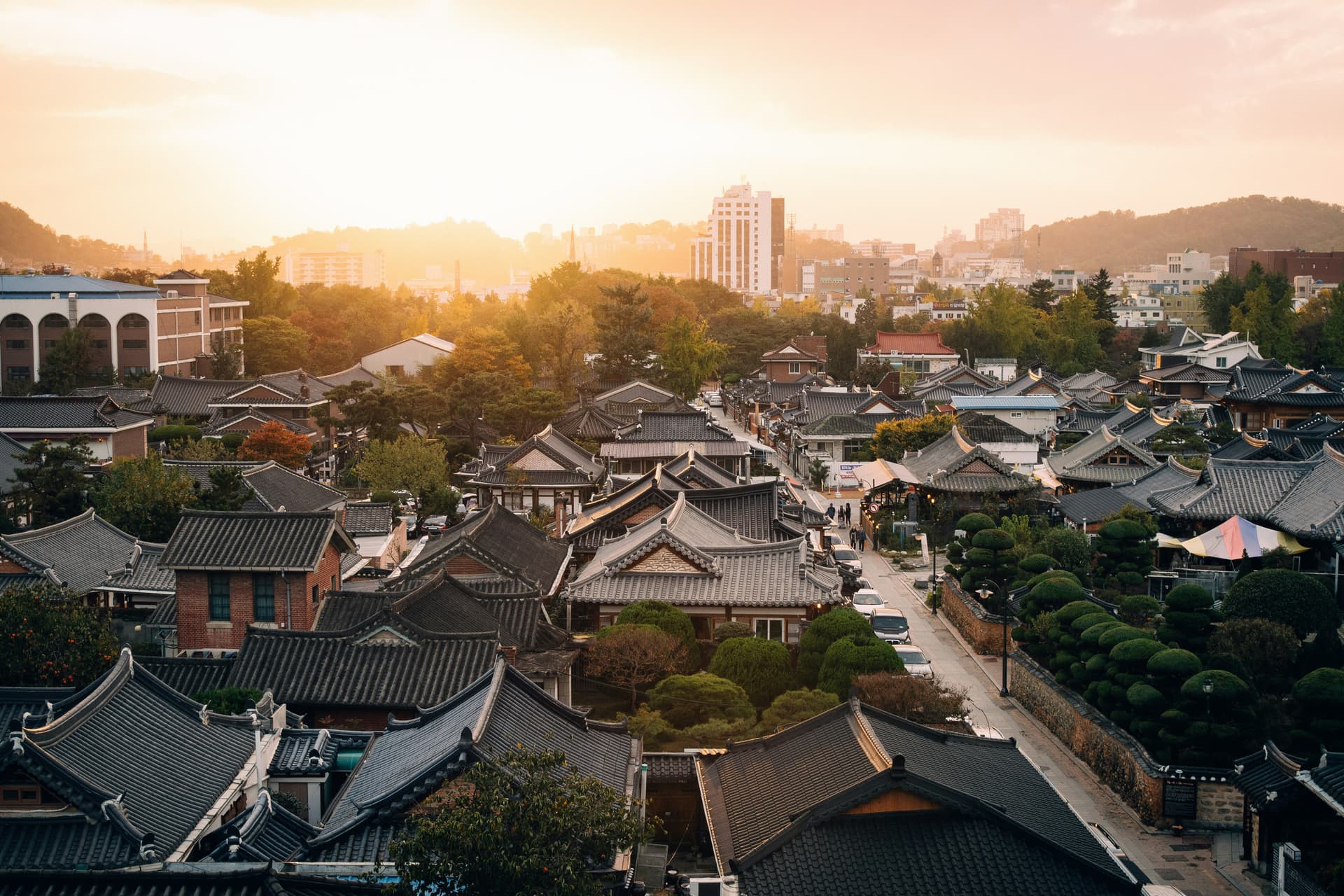
Beyond the classics, South Korea hides hidden gems. Jeonju (the gastronomic capital, best-preserved hanok village, birthplace of bibimbap) is worth a detour. Tongyeong (Korea's Naples, fresh seafood, cable car) and Boseong (terraced green tea plantations, reminiscent of Southeast Asia) are unknown to most Western tourists.
The island of Ulleungdo (an isolated volcanic island in the East Sea, accessible by ferry from Pohang) offers spectacular hikes and total isolation. The DMZ (Demilitarized Zone with North Korea) is one of the most powerful experiences in the world, blending geopolitical tension and preserved nature. For a complementary Asian adventure, Thailand offers a tropical contrast. Explore all our destinations.
Formalities and Practical Information
South Korea is an easy destination to access. Citizens of most Western countries benefit from a visa exemption for tourist stays of up to 90 days. The K-ETA (Korea Electronic Travel Authorization) is temporarily suspended until December 2025.
- Visa: visa exemption for most Western passports (90 days max). Valid passport required. K-ETA temporarily suspended
- Currency: South Korean won (KRW). 1 USD ≈ 1,300–1,400 KRW. Card payment (Samsung Pay) very widespread, cash sometimes needed at markets
- Time zone: UTC+9 (GMT+9). Direct flights from Europe: ~11h, from US West Coast: ~12h (Korean Air, Asiana, Air France)
- Connectivity: Korea has the best internet in the world. Free wifi everywhere (metro, cafés, public spaces). eSIM or pocket wifi from the airport
- Health: no mandatory vaccinations. Excellent healthcare system. Travel insurance recommended. Pharmacies everywhere
- Language: Korean uses the hangul alphabet (easy to learn!). English is limited outside tourist areas. The Papago app (translation) is essential