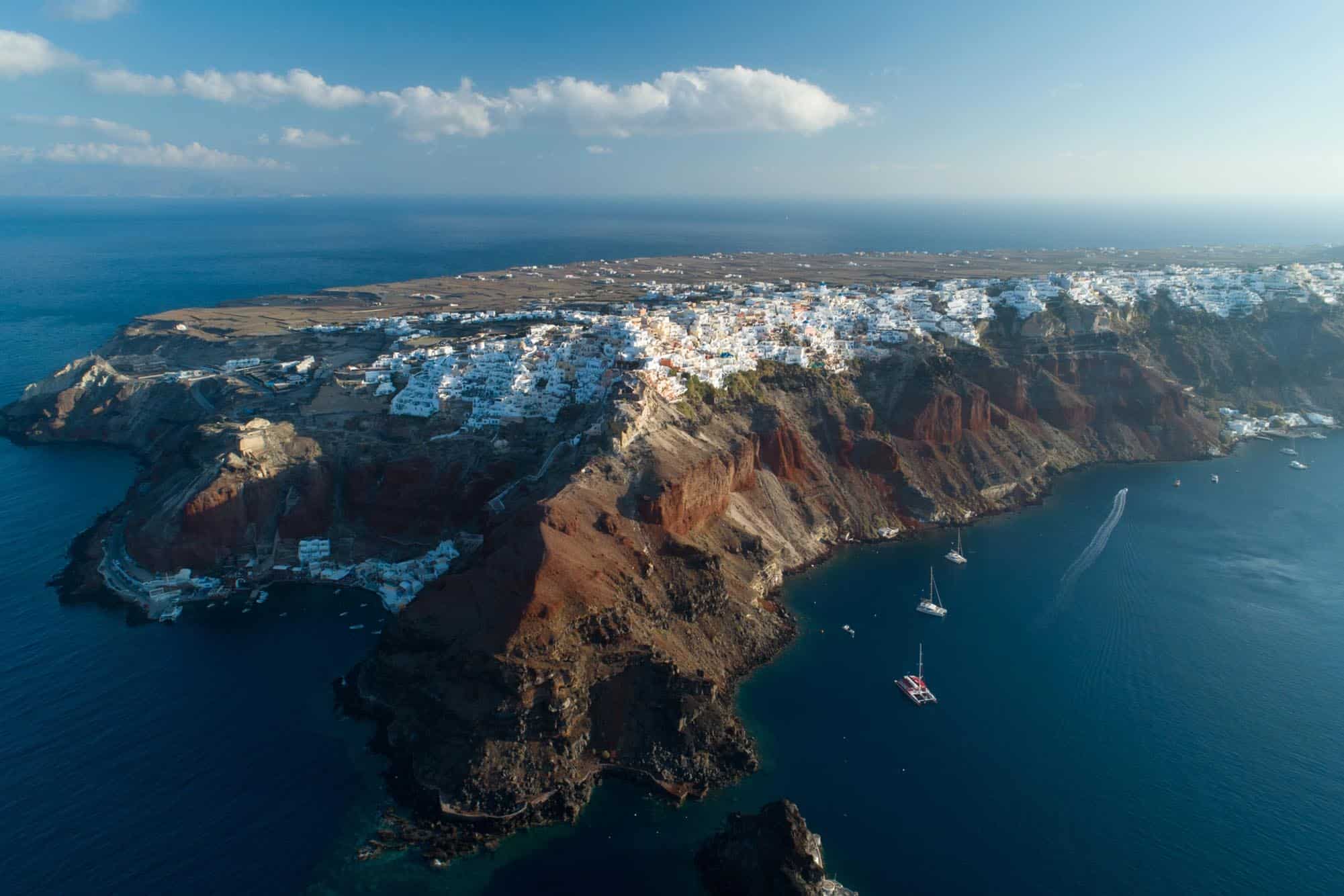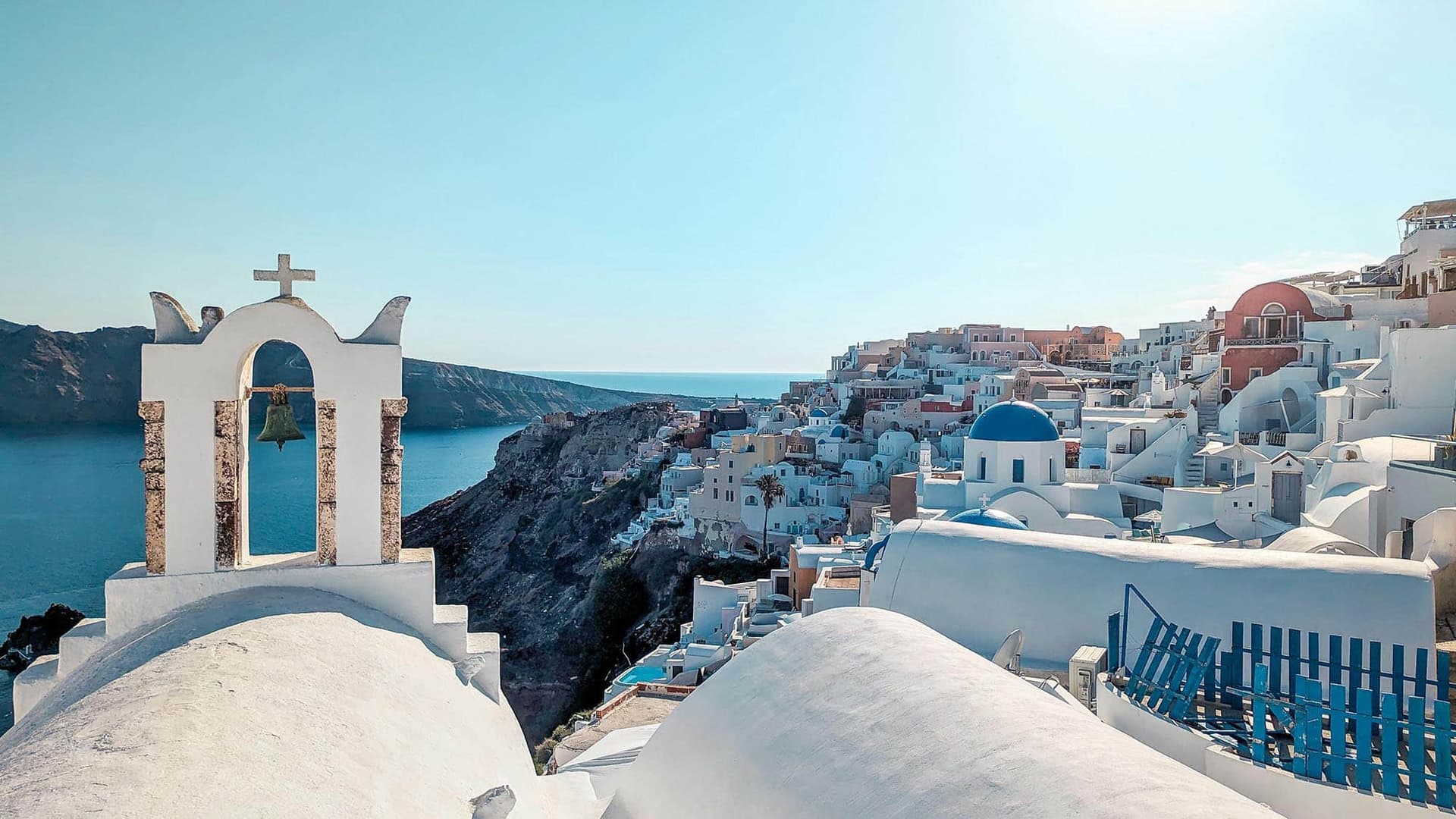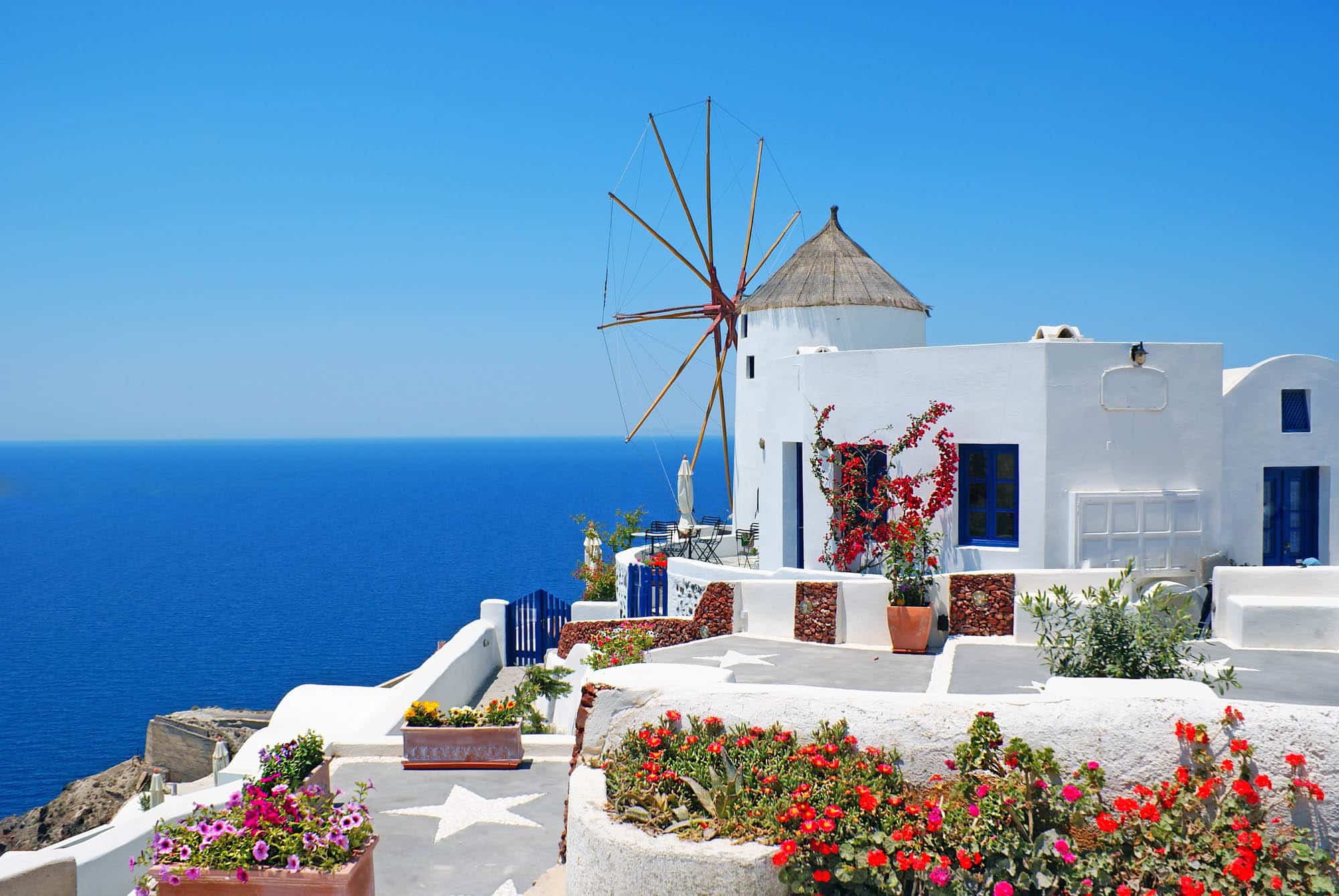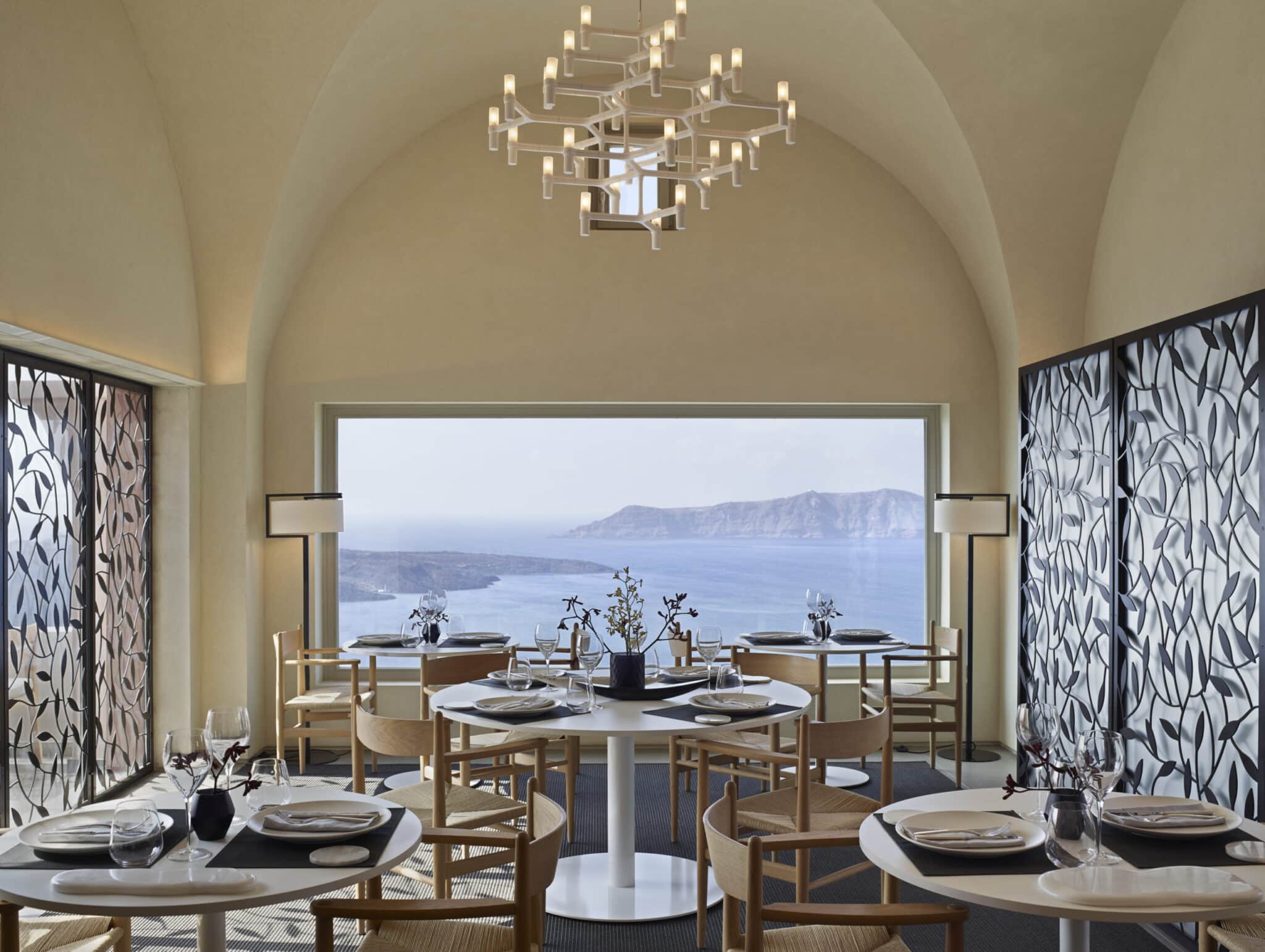

Welcome to the fascinating world of Santorini wines! This Greek island, known for its breathtaking landscapes and spectacular sunsets, is also a leading wine destination. Thanks to its unique volcanic soil and Mediterranean climate, Santorini produces wines that are as distinctive as the island itself.
In this guide, we'll explore the history of winemaking in Santorini, discover the grape varieties that have made the island famous, and taste the wines that captivate enthusiasts the world over. We'll also take you to visit some of the island's best vineyards, where you can taste these exceptional wines while enjoying breathtaking views.
Whether you're a seasoned oenophile or a wine novice, this Santorini wine guide will give you an overview of what the island has to offer. Grab your tasting glass and join us on an unforgettable journey through the vineyards of Santorini. Cheers!

History of winemaking in Santorini
The origins of winemaking on the island
The history of wine in Santorini is as ancient as it is fascinating. Picture the island's first inhabitants, thousands of years ago, tending vines under the Mediterranean sun. According to archaeologists, winemaking in Santorini dates back to Antiquity, long before the Roman era. It is a tradition that has survived through the ages, shaping the identity of the island and its people.
The impact of the Thera eruption on the soil and winemaking
The eruption of the Thera volcano, approximately 3,600 years ago, had a major impact on the island, and on its winemaking too. This natural disaster covered the island in a thick layer of volcanic ash, creating a unique, mineral-rich soil. This soil, called “aspa” by the locals, is one of the secrets behind the exceptional quality of Santorini wines. Rooted in this volcanic soil, the vines produce grapes with intense aromas and distinctive flavours. It's a unique experience I was lucky enough to enjoy during my visit to Santorini, and one I warmly recommend to all wine lovers.
How winemaking has evolved over the centuries
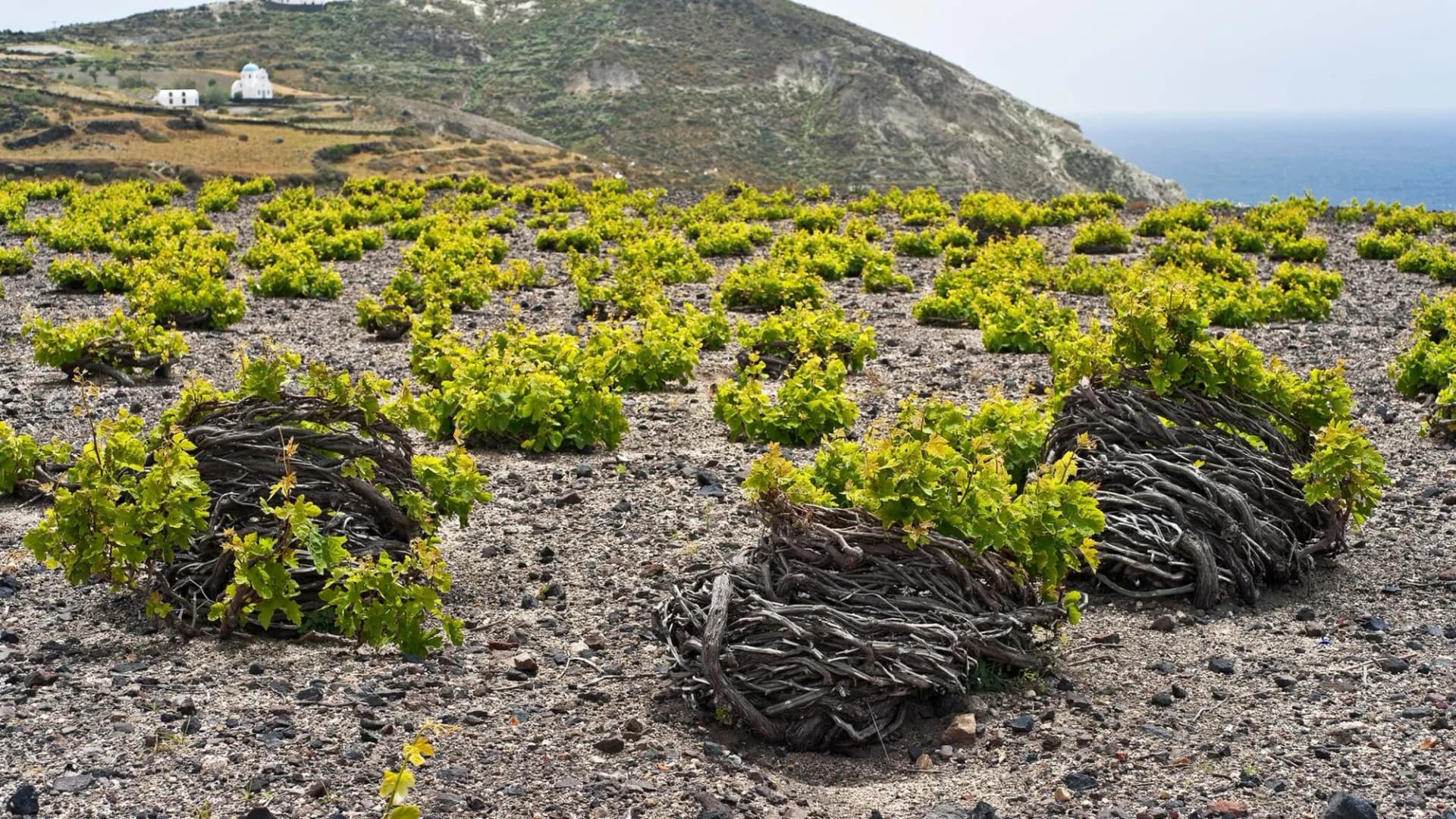
Over the centuries, winemaking in Santorini has evolved, adapting to the challenges posed by the climate, the soil and history. The island's winegrowers developed unique growing techniques, such as “kouloura”, a method of training the vines into a basket shape to protect them from the wind and maximise moisture. These techniques, handed down from generation to generation, bear witness to the ingenuity and resilience of Santorini's people.
Today, Santorini is renowned worldwide for its exceptional wines, and winemaking remains an integral part of the island's economy and culture. Whether you're a wine connoisseur or a curious traveller, a visit to Santorini isn't complete without tasting its exquisite wines.

Santorini's grape varieties
An overview of the island's main grape varieties
Santorini is a land of contrasts, where volcanic soil and a Mediterranean climate combine to create unique wines. The island's grape varieties are as diverse as its landscape, each bringing its own personality and characteristics to the wine.
Assyrtiko
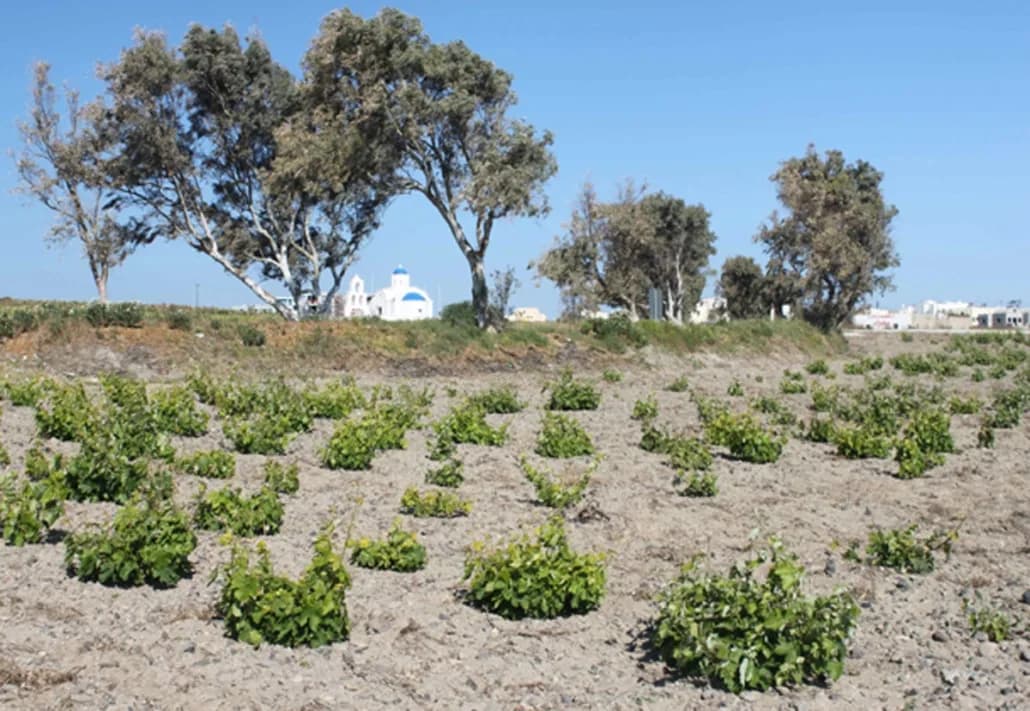
Assyrtiko is a grape variety that stands out for its ability to produce dry, mineral, high-acid white wines that can age beautifully. Native to the island of Santorini, Assyrtiko is renowned for its ability to express the island's volcanic terroir, with notes of flint and lemon.
But this grape isn't limited to these characteristics. Assyrtiko is in fact a versatile variety that can be made into different styles of wine. It can be used to produce crisp, dry wines when harvested ripe, or sweeter wines when harvested later in the season. When aged or fermented in oak, Assyrtiko can gain extra complexity, with toasty notes that complement its intense flavour profile and high acidity.
Assyrtiko is often compared to Sauvignon Blanc for its citrus flavours, especially lemon. However, it also has floral notes, such as orange blossom and jasmine, as well as spicy notes like ginger. Several tasters have also noticed a salty touch in some wines.
On top of these characteristics, Assyrtiko is also prized for its ability to retain high acidity, even in hot climates. This makes it an excellent choice for wine production in regions where other grape varieties might struggle to keep a balance between sugar and acidity.
Athiri
Athiri, a white grape variety native to Greece, is grown particularly in Santorini, Rhodes and Halkidiki. It is one of the oldest grape varieties in the country, with references to its use dating back to Antiquity.
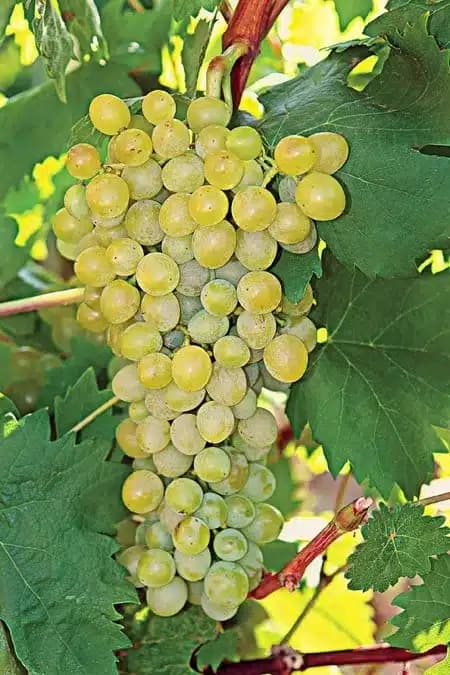
Athiri's aromatic profile is distinctive and appealing. It produces wines with aromas of white-fleshed fruit such as apple and pear, along with floral notes. Some wines may also show hints of citrus and tropical fruit, adding to the complexity of their bouquet.
Compared to Assyrtiko, another popular Greek white grape, wines made from Athiri are generally lighter-bodied. Athiri's acidity is usually lower, giving softer, rounder wines. This softness and roundness make Athiri an excellent choice for those who prefer less acidic white wines.
Athiri is often blended with other grape varieties, notably Assyrtiko and Aidani. It plays a key role in the production of sweet wines, including Santorini's famous dessert wine, Vinsanto.
In terms of cultivation, Athiri is a fairly hardy grape, able to withstand a range of climatic conditions. It is generally grown at high altitude, where cooler temperatures help preserve the grape's acidity.
How Athiri is vinified can vary depending on the winemaker and the region. Some choose to vinify Athiri in oak barrels to add complexity, while others prefer stainless steel tanks to preserve the freshness of the fruit.
Aidani
Aidani is a white grape variety that produces aromatic, floral wines. It is mainly grown on the island of Santorini, although other Greek islands also cultivate Aidani in smaller quantities. It is often blended with Assyrtiko and Athiri to produce Vinsanto, Santorini's famous sweet wine.
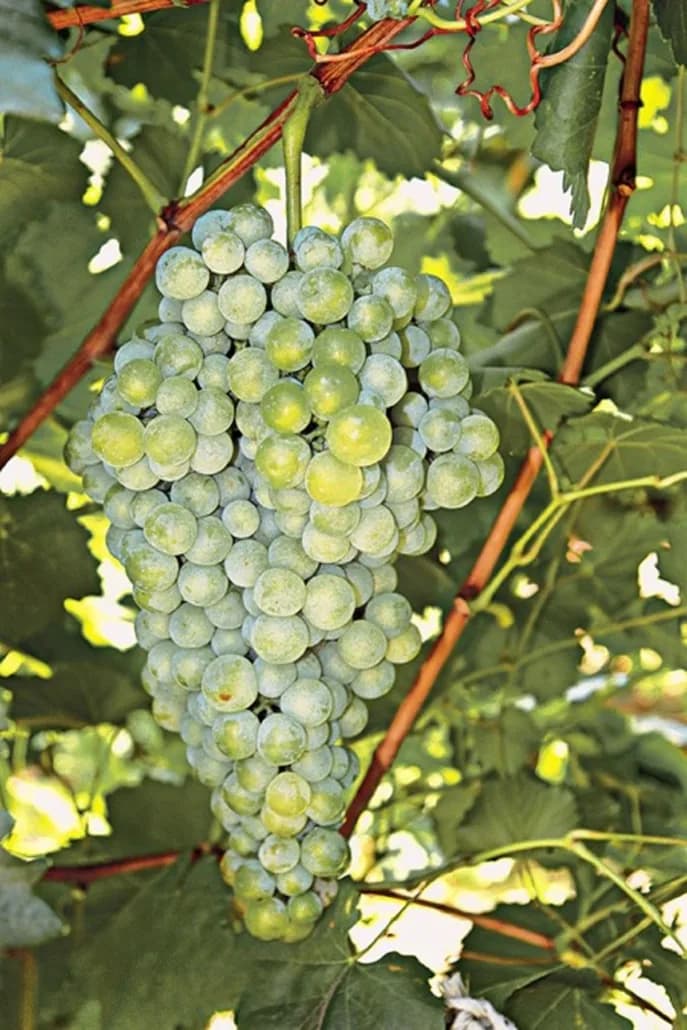
Aidani is known for its distinctive aromas. It gives off scents of jasmine, peach, kumquat and tropical fruit such as lychee and melon. These aromas generally come with a rather buttery texture and much softer acidity than Assyrtiko. Some producers say it can be salty in certain vintages.
When it comes to winemaking, Aidani is considered fairly productive. It has larger bunches and can yield up to 35 hl/ha, compared with 15 hl/ha for Assyrtiko. Its bunches can even weigh more than 2 kilograms. It is a thick-skinned variety, which means its tannins need refining. According to Paris Sigalas, a Santorini wine producer, there are two ways to achieve this: either aim for greater ripeness on the vine, or age the wine in oak.
After fermentation, Aidani wines are softer, making them ideal for dessert wines. Aidani is a perfect match for grilled white fish with lemon, fried courgette, Psari Plaki (Greek-style baked fish), baklava, revani (Greek semolina cake) and milopita (Greek apple cake).
Mavrotragano
Mavrotragano is a rare red grape variety native to the island of Santorini in Greece. Historically, this grape was mainly used to make sweet dessert wines, but it has recently gained popularity for producing dry wines. The name “Mavrotragano” literally translates as “black and crunchy”, referring to the deep colour of the berries and their crunchy texture.
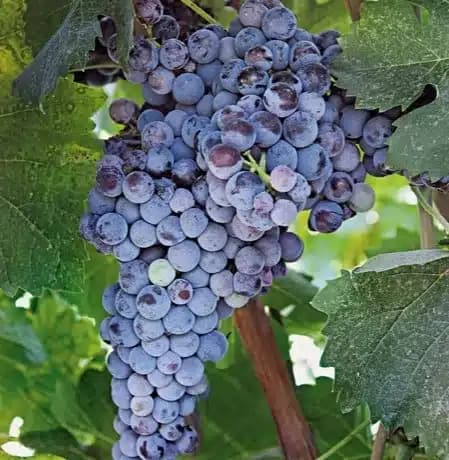
Mavrotragano is particularly prized for its ability to produce powerful, tannic wines. Wines made from this grape usually have a dark red, almost black colour, with intense aromas of black fruit and spice. Black fruit flavours such as blackberry and black cherry are often complemented by notes of spice, leather and tobacco, giving the wines impressive complexity and depth of flavour.
Because of their high tannin content, Mavrotragano wines can be quite robust and structured, making them ideal for ageing. Over time, the tannins soften and the wine develops smoother, rounder flavours while keeping its richness and complexity.
Despite its rarity, Mavrotragano has managed to catch the attention of wine lovers worldwide thanks to its unique flavour profile and its ability to produce high-quality wines. It's a grape that deserves to be discovered by anyone who enjoys powerful, expressive red wines.
Mandilaria
Mandilaria is a red grape variety native to the island of Rhodes in Greece. It is especially prized for its deep colour and robust tannins, which give it a solid structure and interesting complexity.
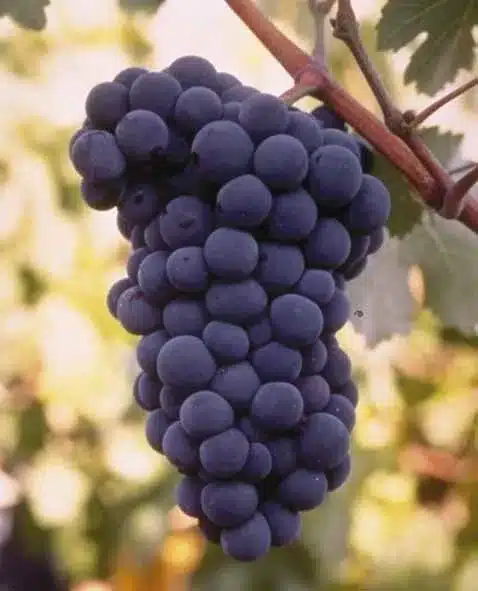
This grape is often blended with other varieties, notably Kotsifali, to balance its high tannin content and add colour to the wines. Mandilaria is indeed known for producing wines of an intense red, almost black colour that are visually very appealing.
However, despite its deep colour, Mandilaria is generally light on the palate with moderate acidity. It shows aromas of red and black fruit, such as cherry and blackberry, along with spicy and herbal notes.
It is worth noting that Mandilaria is a difficult grape to grow and vinify because of its thick skin and low sugar content. It requires particular care during winemaking to avoid an overly tannic or overly acidic wine.
Characteristics of each grape variety
Each Santorini grape variety has its own characteristics, which come through in the island's wines. Assyrtiko gives wines with high acidity and marked minerality, while Athiri produces lighter, more fragrant wines. Aidani brings floral aromas, while Mavrotragano and Mandilaria give powerful, structured red wines.
What makes vine growing in Santorini special
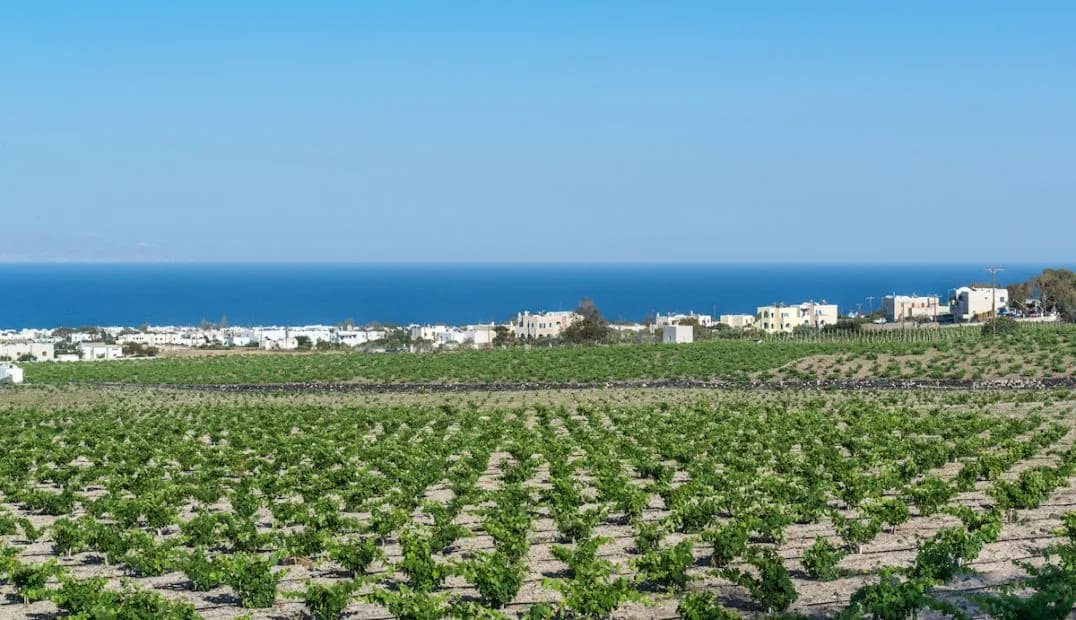
Vine growing in Santorini is one of a kind. The vines are trained into a basket shape, a technique called “kouloura”, to protect them from the strong wind and scorching sun. In addition, the island's mineral-rich volcanic soil gives Santorini wines their distinctive character.
In short, Santorini wines reflect their unique terroir and the passion of the island's winegrowers. Whether you're a wine lover or a novice, discovering Santorini's grape varieties is an experience not to be missed.
The wines of Santorini
An overview of Santorini's typical wines
Santorini, this Greek island with its stunning landscapes, is also famous for its exceptional wines. Three wines in particular stand out: Vinsanto, Nykteri and Assyrtiko.
Vinsanto
Vinsanto is undoubtedly Santorini's most iconic wine. It is a naturally sweet wine made from sun-dried grapes. Its aromatic palette is rich and complex, with notes of dried fruit, honey and spice. It pairs wonderfully with desserts, but can also be enjoyed on its own at the end of a meal.
Nykteri
Nykteri is a traditional Santorini white wine, made mainly from the Assyrtiko grape. It is known for its freshness and minerality, with notes of citrus and white flowers. It is a perfect match for seafood and grilled fish.
Assyrtiko
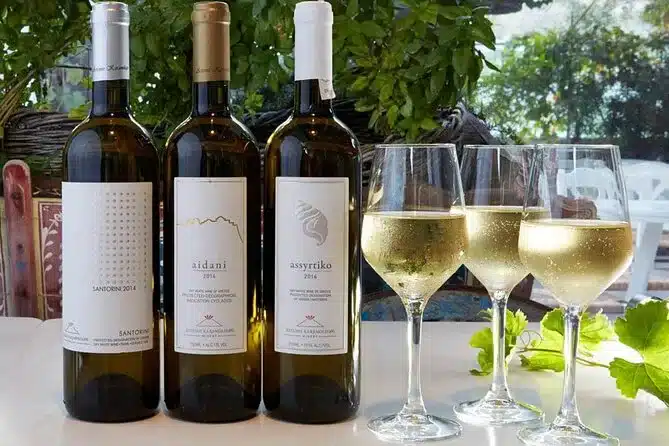
Assyrtiko is Santorini's flagship grape, giving rise to dry, mineral white wines with lovely acidity. With their lemony, saline notes, these wines are perfect alongside Mediterranean dishes.
Description of each wine
Each Santorini wine has its own characteristics, reflecting its unique terroir. Vinsanto, with its sweetness and complexity, is a real treat. Nykteri, fresh and mineral, is the ideal companion for seafood. As for Assyrtiko, its liveliness and salinity make it a firm favourite with wine lovers.
A protected designation of origin (PDO) for Santorini wines
The protected designation of origin (PDO) is a guarantee of quality and authenticity for Santorini wines. It ensures that the wines are made using traditional methods and from local grape varieties. It also guarantees that the wines are produced within a defined geographical area – in this case, the island of Santorini.
Vineyard visits and wine tasting in Santorini
The main vineyards to visit
Santo Wines

Santo Wines is one of Santorini's most popular vineyards, and for good reason. They offer a variety of tours and tastings, and their wines are among the best on the island. The views from the winery are also incredible, as it sits on a cliff overlooking the caldera. It's a place I highly recommend for a first introduction to Santorini wines.
Cave Venetsanos

This winery is a little smaller than Santo Wines, but no less charming. They offer a more intimate wine-tasting experience, and their wines are just as delicious. The Venetsanos winery is located in the village of Megalochori, a short drive from Fira. It's an ideal spot for anyone looking for a more authentic, less touristy experience.
Gavalas Winery

Gavalas Winery is an excellent option if you're looking for a more traditional Santorini wine-tasting experience. They offer tours of their vineyards and winemaking facilities, as well as tastings of their award-winning wines. The winery is located in the village of Megalochori, a stone's throw from the Venetsanos winery. It's a place I particularly enjoyed during my visit to Santorini, for its warm atmosphere and friendly welcome.
The wine-tasting experience
Wine tasting in Santorini is an experience not to be missed. You'll get to taste a variety of wines, from dry white Assyrtiko to sweet Vinsanto. Each wine is presented by an expert who will explain its characteristics and guide you through the tasting process. Don't forget to take your time and savour every sip, and don't hesitate to ask questions. It's a unique opportunity to learn about and discover Santorini's wines.
Tips for a successful visit
The best time to visit Santorini's vineyards is from May to October, when the weather is at its mildest. It's advisable to book ahead, especially in high season. Remember to allow time to relax and enjoy the view. And don't hesitate to buy a bottle or two of your favourite wines to extend the experience once you're back home. Santorini is a leading wine destination, and a visit to its vineyards is an experience you won't soon forget.
Conclusion – Santorini wine guide
All in all, Santorini is a leading wine destination, offering a variety of unique wines that reflect its one-of-a-kind volcanic terroir. Whether it's the robust, mineral Assyrtiko, the sweet, complex Vinsanto or the fresh, aromatic Nykteri, every Santorini wine has something unique to offer.
Visiting Santorini's vineyards is a must for any wine lover. Whether you choose Santo Wines for its variety and stunning views, Venetsanos winery for its intimate charm, or Gavalas Winery for its traditional approach, you won't be disappointed.
But beyond wine tasting, Santorini has so much to offer. From picturesque villages to black sand beaches and volcano excursions, there's so much to discover on this magnificent island. And if you need help planning your trip, feel free to check out our complete guide to Santorini.
So what are you waiting for? Hop on a ferry from Athens and come and discover the wonders of Santorini. And don't forget to taste some of the island's best wines!
Références
This article was written using a variety of sources to ensure the accuracy and reliability of the information. These sources include specialist wine websites and travel guides, as well as my own wine-tasting experiences in Santorini.

Âme Bohème exists thanks to you
Some links in this article are affiliate links. This means that if you book or purchase a product through these links, we receive a small commission — at no extra cost to you. It's thanks to this support that we can continue creating free, quality content.
You can also buy us a coffee, or follow us on Instagram and Facebook.