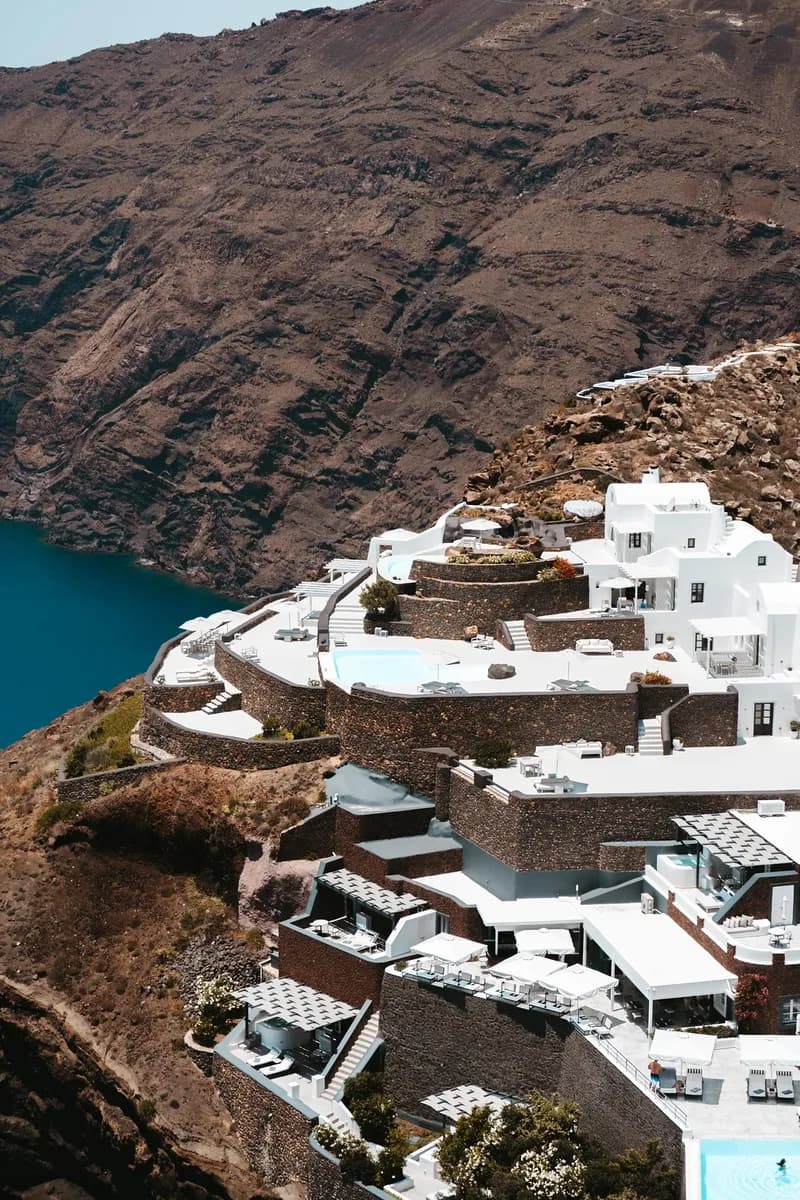
The white houses with blue windows of Santorini have become an iconic symbol of Greece, but there's a fascinating story behind their distinctive colours.
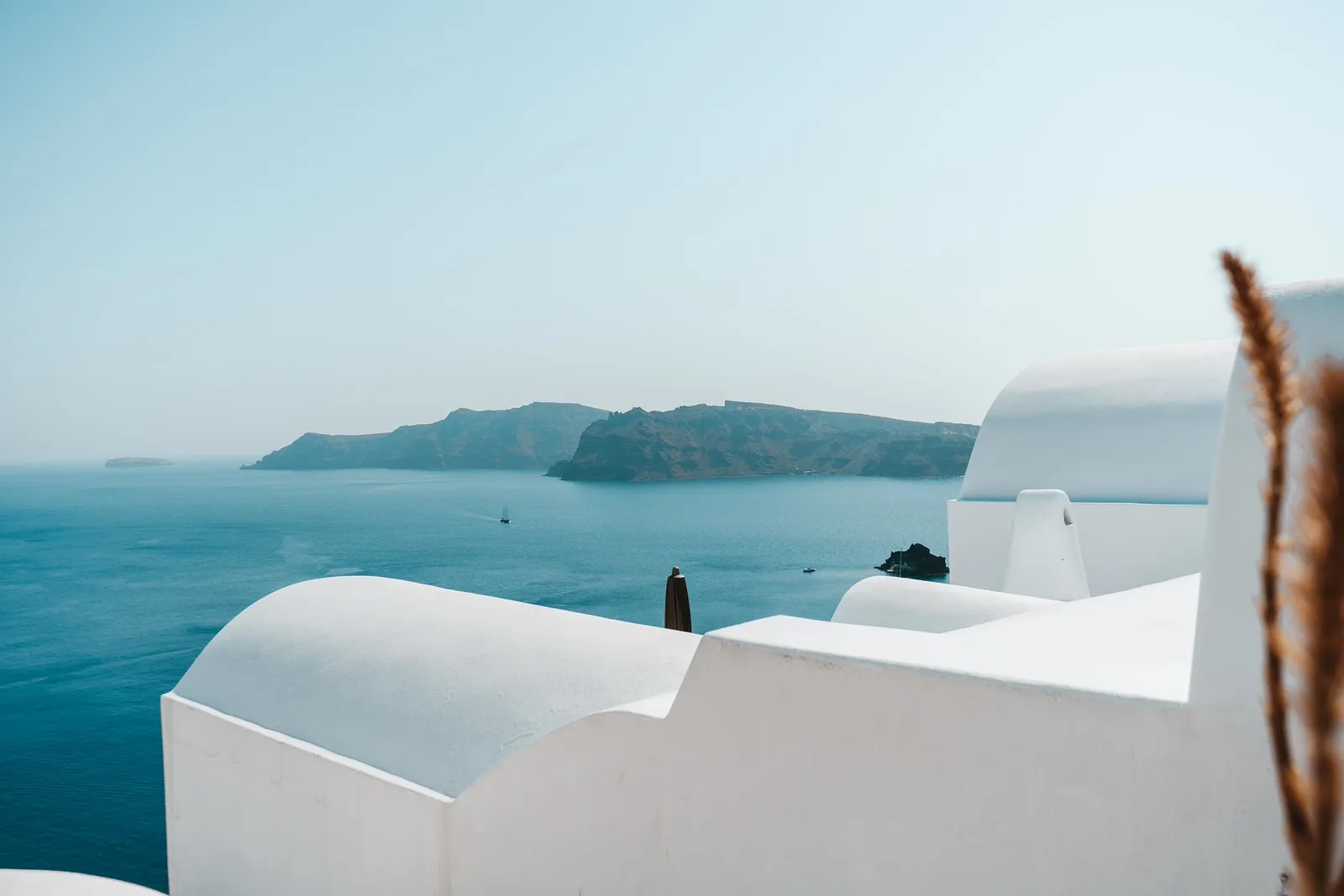
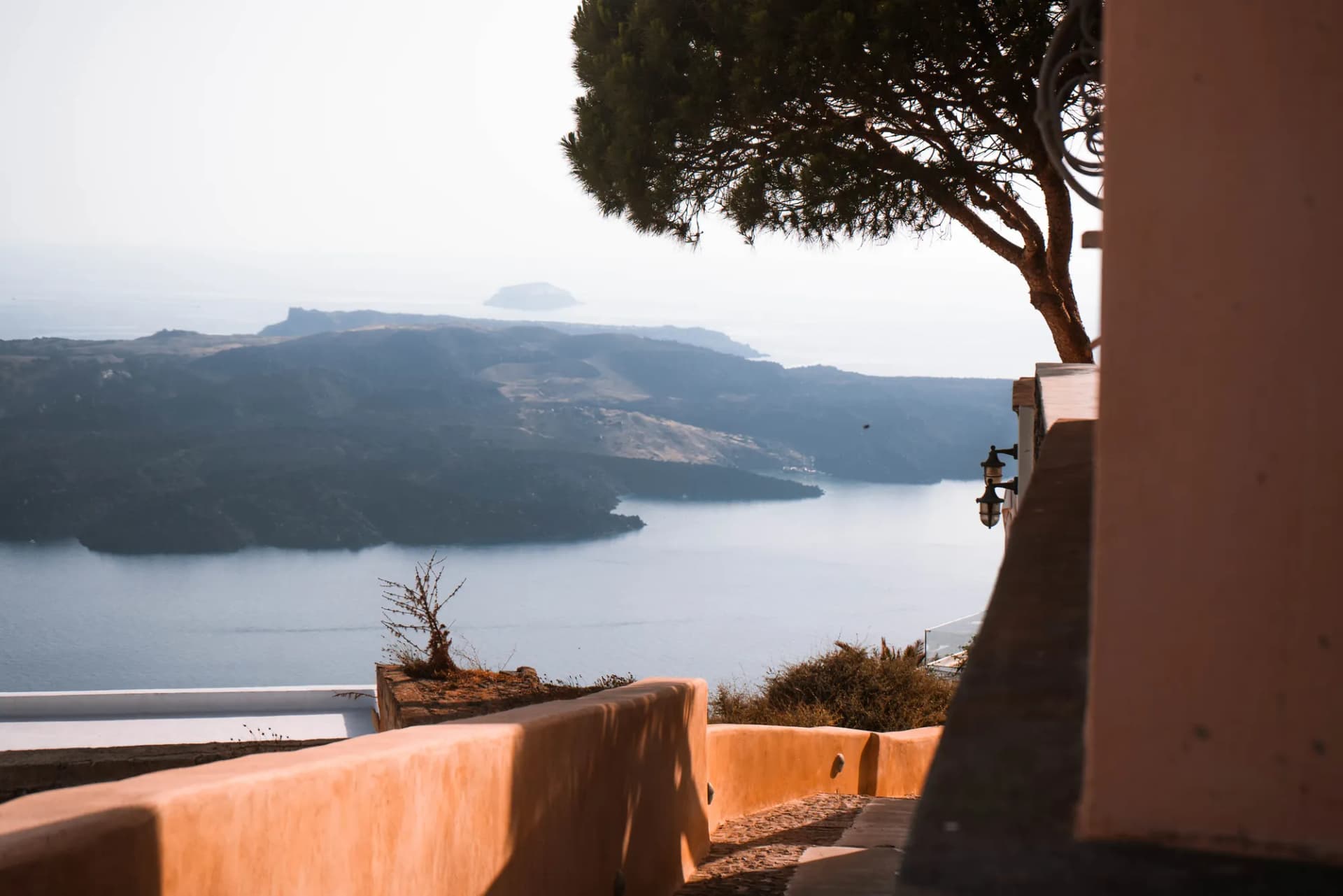
For decades, visitors from all over the world have flocked to the much-loved Greek island of Santorini to admire its breathtaking beauty. With its sheer cliffs, rugged coastline and little white houses lined up along the cliff edge, Santorini looks like it's straight out of a postcard.
But what really catches visitors' eyes are the bright blue windows, doors and shutters that punctuate the spotless façades of Santorini's houses. This iconic combination of blue and white has become a visual symbol of Greece, and of Santorini in particular. But do you know why Santorini's houses sport such a distinctive colour palette?

Every time, I fell even more in love with the gorgeous white and blue houses clinging to the cliffside along the edge of the caldera, as in Oia.
Although these colours have become the visual symbol of Greece, they weren't chosen for purely aesthetic reasons. In fact, there are a few practical reasons behind the predominance of blue and white in Cycladic architecture.
White reflects the heat

First of all, summers in Greece are scorching, with temperatures often reaching 40°C. Many houses on islands like Santorini were originally built from dark stone. But dark stone soaked up the sun's heat and made the interiors unbearably hot.
So the locals began whitewashing their houses with lime to cool them down. As a reflective colour, white repels the heat and keeps houses cooler.
White lime was used as a disinfectant

In 1938, during a cholera epidemic, a law ordered citizens to whitewash their houses with lime. At the time, lime was considered a powerful disinfectant, useful for curbing the spread of the disease.
This practical measure therefore also contributed to the predominance of white in Cycladic architecture.
Blue was the cheapest paint colour

Although white dominates, bright blue is without a doubt the second most common colour. Over time, fishermen and sailors began painting their windows and shutters with leftover paint from their boats.
And since blue paint was the cheapest at the time, it was the one used most often. The blue was made locally by mixing lime with a cheap blue cleaning product called "loulaki".
So cost also explains why blue became the accent colour of choice on the façades of Greek houses.
A law made these colours compulsory


In 1967, the iconic blue and white combination even became compulsory when a law was passed under the military dictatorship requiring all houses on the islands to be painted in these colours.
At the time, it was thought that this would inspire patriotism and reflect Greek nationalism. Although the regulation has since been relaxed, it helped cement the association of blue and white with the Cyclades in the popular imagination.
Today, even though you can find houses in natural stone colours or in slightly different shades as you wander the lanes, blue and white remain by far the dominant hues that define the unique architectural landscape of Santorini and the other Cycladic islands.
And now that you know the practical reasons behind these iconic colours, your next stroll past Santorini's white and blue houses will be all the more fascinating!
Getting to Santorini

Most visitors arrive in Santorini by boat. Ferries run between Santorini and the port of Piraeus in Athens as well as to other Cycladic islands such as Mykonos, Paros and Naxos.
The most popular ferry companies are Blue Star Ferries and Seajets. You can book tickets online on their respective websites, but make sure to do so in advance during the peak tourist season (May to September), when ferries can be packed.
The crossing between Athens and Santorini usually takes between 5 and 9 hours depending on the speed of the ferry you choose. Allow from around €46 one way on a conventional ferry (Blue Star) and around €90 on a high-speed ferry (Seajets).
In summary

- Santorini's houses are white to repel the heat
- White lime was also used during an epidemic in the 20th century
- Blue was the cheapest colour for windows and shutters
- These colours became a standard imposed by law in the 1960s
Conclusion: Santorini's houses
The white houses with blue windows of Santorini quickly became one of the most iconic visual symbols of Greece. But as we've just seen, this famous colour combination is the result of a combination of circumstances rather than an aesthetic decision.
Between the need to protect themselves from the intense heat of Greek summers, the measures taken during a cholera epidemic, the islanders' economic constraints and even the decrees of a military dictatorship, it was a rather unlikely chain of historical events that led to the predominance of blue and white in the architectural landscape of Santorini and the Cyclades.
So next time you stroll past the spotless houses adorned with bright blue windows and doors, and snap THE perfect photo for your Instagram feed, think of all the fascinating history hidden behind these colourful façades!
FAQ: Santorini's houses
Have Santorini's houses always been white and blue?
No, the houses were originally made of dark stone. It was only later that the locals began whitewashing them with lime and adding touches of blue.
Are white and blue the only colours used in Santorini?
Even though white and blue dominate, you'll also find touches of red, green, brown and so on. But these colours are less common.
Are these colours only used in Santorini?
No, the white and blue style can be found throughout the Cyclades, but it is especially prominent and striking in Santorini and Mykonos.
Are white and blue the colours of the Greek flag?
Yes, which probably reinforced the association of these colours with Greek identity, even though they were originally chosen in Santorini for practical reasons.

Âme Bohème exists thanks to you
Some links in this article are affiliate links. This means that if you book or purchase a product through these links, we receive a small commission, at no extra cost to you. It's thanks to this support that we can continue creating free, quality content.
You can also buy us a coffee, or follow us on Instagram and Facebook.