England
London Exploration in One Minute
Three days exploring the English capital. Between Camden Town, the City, Buckingham, Notting Hill and Harry Potter Studio, we thoroughly enjoyed our stay.
3 min read
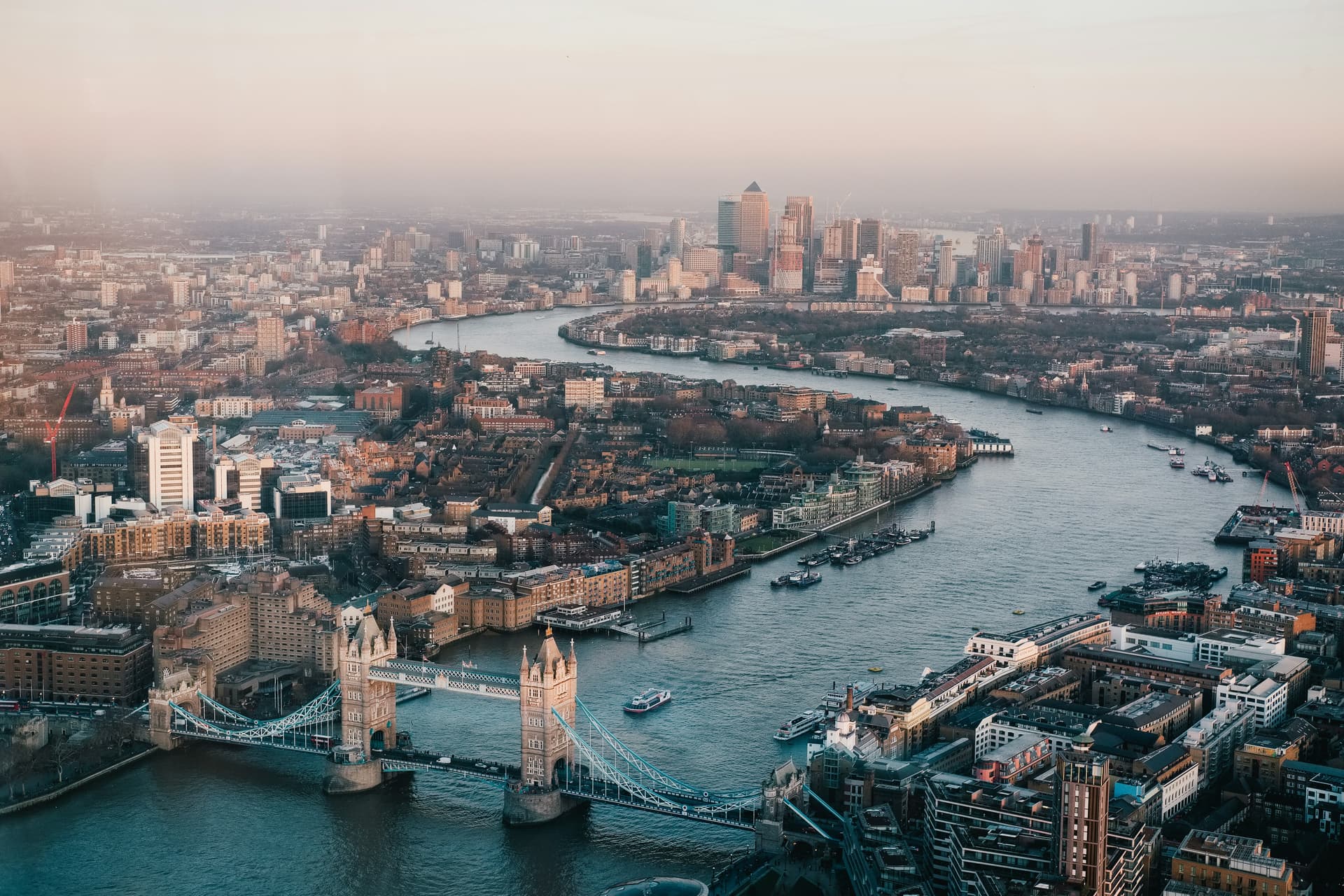
From London Big Ben to the Scottish Highlands, the United Kingdom reveals a thousand faces of history, culture, and landscapes that have inspired writers for centuries.
The United Kingdom reveals a thousand faces: from London's iconic landmarks to the Scottish Highlands, historic castles to cosy countryside pubs.
Join 15,000+ monthly readers
Subscribe to our newsletter and promotional offers. Read our privacy policy.
| Jan | Feb | Mar | Apr | May | Jun | Jul | Aug | Sep | Oct | Nov | Dec | |
|---|---|---|---|---|---|---|---|---|---|---|---|---|
| Our review | ||||||||||||
| Weather | ||||||||||||
| Crowds | ||||||||||||
| Max temp | 8° | 9° | 12° | 15° | 18° | 21° | 23° | 22° | 19° | 15° | 11° | 8° |
| Rain | 12j | 10j | 10j | 9j | 8j | 8j | 8j | 9j | 9j | 11j | 11j | 11j |
| Culture | ||||||||||||
| Hiking | ||||||||||||
| Road trip |
September
In september, the climate in United Kingdom is good. The weather is generally sunny, with maximum temperatures around 19°C and about 9 rainy days. Tourist crowds are moderate.
The United Kingdom is a land of fascinating contrasts. Cosmopolitan London, bucolic English countryside, wild Scottish Highlands, mysterious Welsh castles, historic pubs and legendary pop culture — from the Beatles to Harry Potter, from Shakespeare to the Royal Family, the UK has shaped the imagination of the entire world.
With 33 UNESCO World Heritage Sites (including Stonehenge, the Tower of London, Bath, Edinburgh and Hadrian's Wall), some of Europe's most dramatic landscapes (the Lake District, Cornwall, Skye, Giant's Causeway), an unrivalled cultural scene (West End, free museums, festivals) and a gastronomy in full renaissance, the United Kingdom is a destination that constantly reinvents itself.
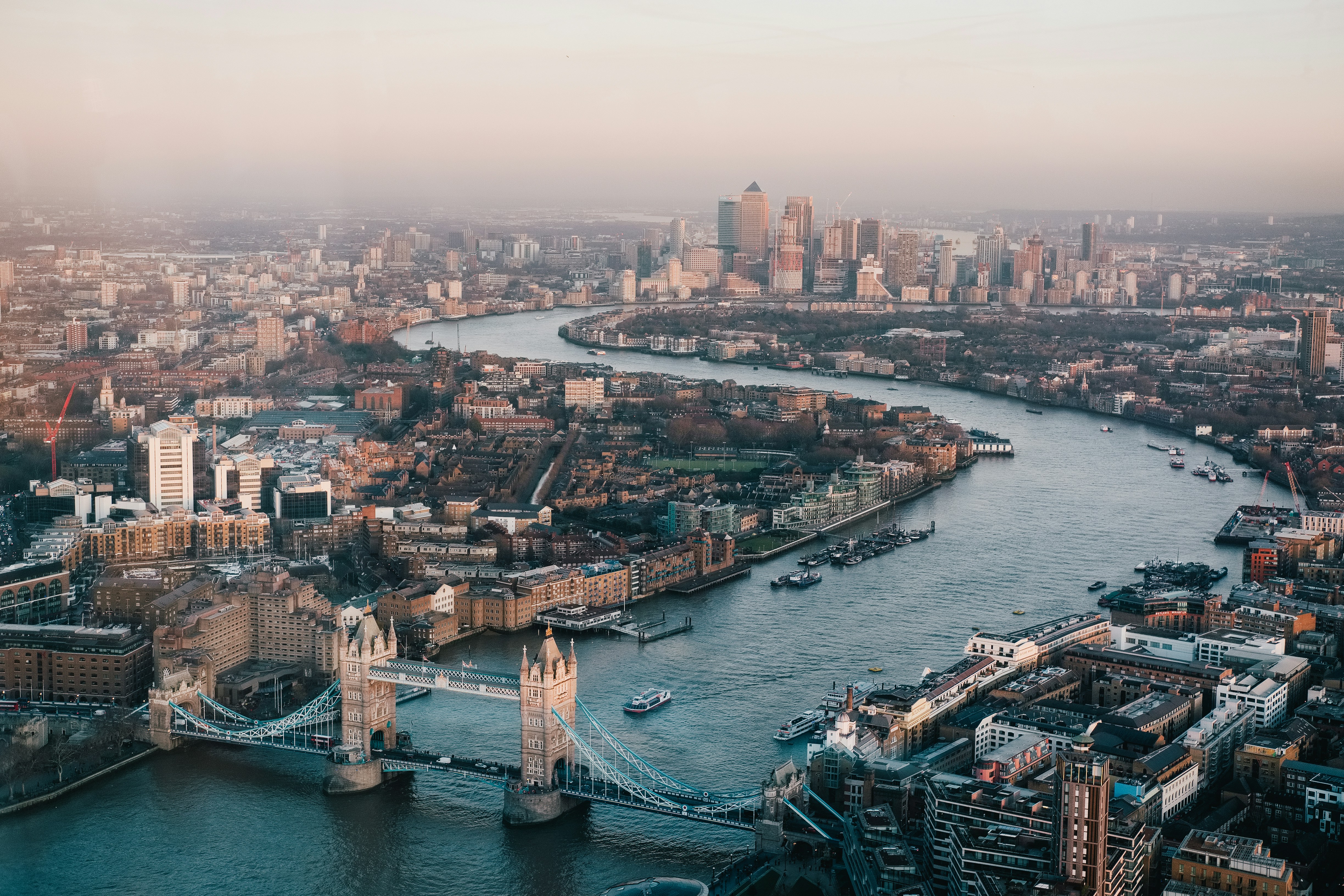
London is one of the most exciting cities on the planet. The British Museum (8 million objects, free), Buckingham Palace (Changing of the Guard), the Tower of London (Crown Jewels), Westminster and Big Ben, the West End (theatre), the neighbourhoods of Notting Hill, Camden, Shoreditch and Brick Lane, the Sky Garden and Borough Market — London is a world unto itself that deserves several days.
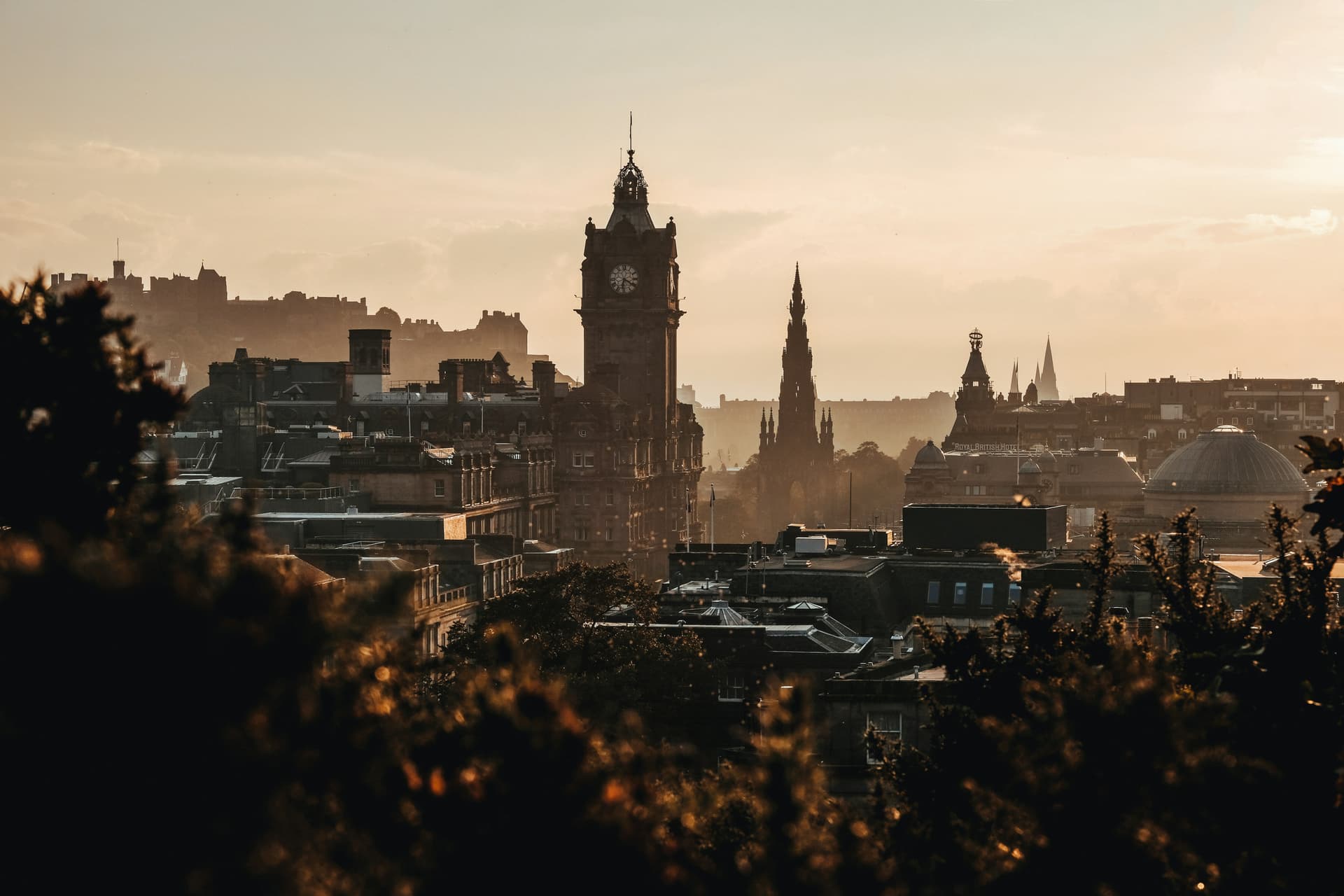
Edinburgh (UNESCO-listed) captivates with its hilltop castle, the Royal Mile, Arthur's Seat, the medieval Old Town and the Festival Fringe (August — the world's largest arts festival). The Highlands are wild Scotland: Glen Coe (the most spectacular valley in Great Britain), Loch Ness, the Isle of Skye (lunar landscapes of the Quiraing and Old Man of Storr), the whisky distilleries of Speyside and the NC500 route (North Coast 500 — dubbed 'the most beautiful road trip in the world').
Bath (UNESCO-listed, Roman baths, Georgian architecture), the Cotswolds (honey-coloured stone villages, picture-postcard countryside), Stonehenge (UNESCO, Neolithic mystery), the Lake District (Beatrix Potter and Wordsworth's lakes and mountains, UNESCO), Cornwall (surf beaches, coastal paths, St Ives), Oxford and Cambridge (legendary universities), York (medieval walls, cathedral) and Liverpool (the Beatles, culture) complete the English picture.
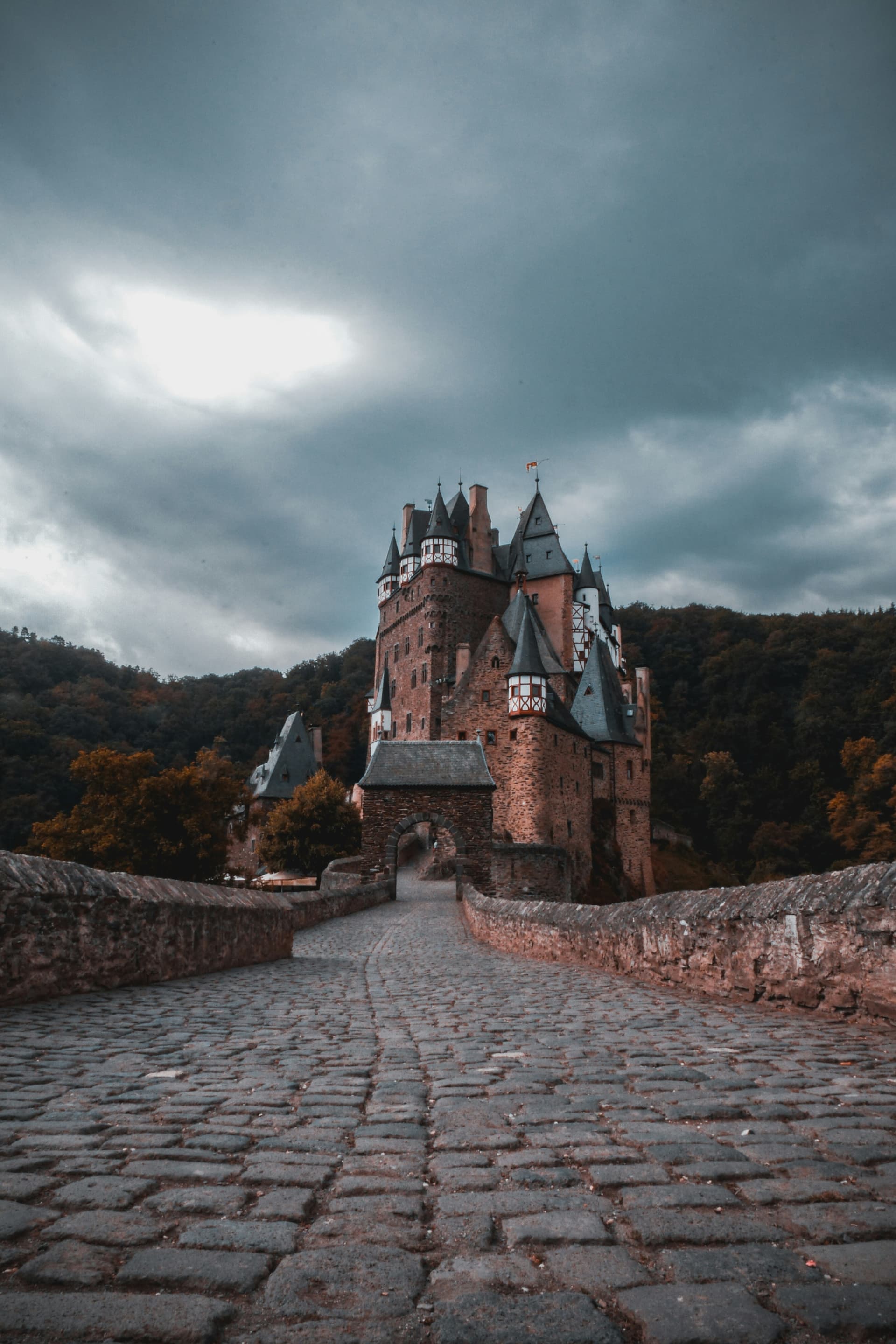
Wales is the land of castles (600+), Snowdonia National Park (mountains and lakes), the wild beaches of the Pembrokeshire Peninsula and vibrant Cardiff. Northern Ireland offers the spectacular Giant's Causeway (UNESCO — 40,000 basalt columns), a revitalised Belfast, the Antrim coast (the Dark Hedges from Game of Thrones, Carrick-a-Rede), and Hadrian's Wall (UNESCO, the northern frontier of the Roman Empire).
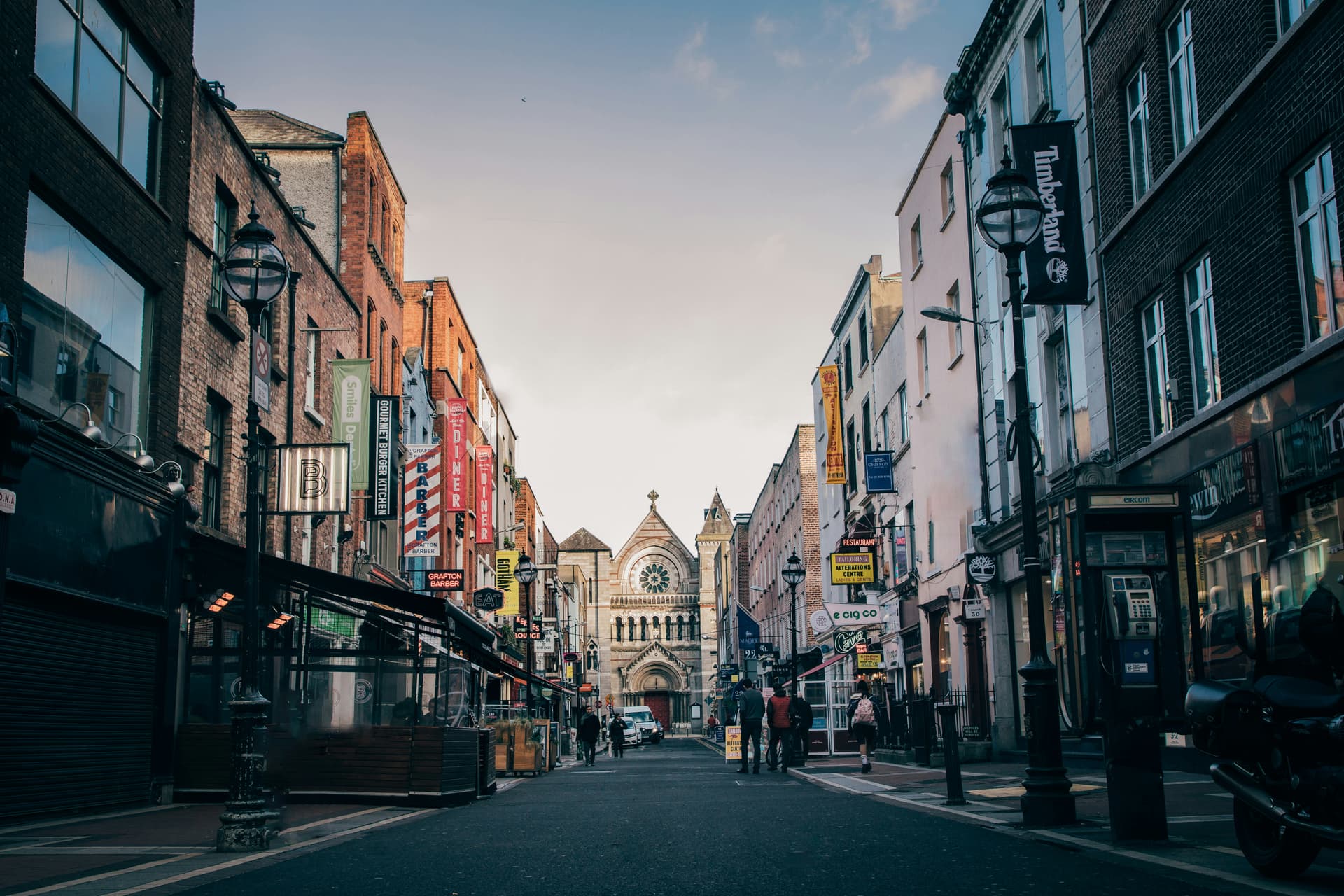

The United Kingdom is well connected by train, car and affordable domestic flights. Driving is on the left.
The United Kingdom has a good rail network and excellent roads. A car is ideal for the countryside and Scotland, while the train is best for connections between major cities. Check out our travel experiences to plan your trip to the United Kingdom.
The United Kingdom is a relatively expensive destination, especially London. Expect to spend £60 to £180 per person per day ($75–225 USD) depending on your travel style. Scotland and Wales are significantly cheaper than London.
The United Kingdom has an oceanic climate: temperate but unpredictable. Summer (June – August) is the best time to visit: very long days (sunset at 9:30–10 pm in Scotland), pleasant temperatures (18–25°C / 64–77°F), festivals (Edinburgh Fringe in August, Glastonbury in June). Spring (April – May) is gorgeous with gardens in bloom and bluebell woods.
Autumn (September – October) brings spectacular colours to the Highlands and the Lake District, with fewer tourists. Winter (November – February) is cold and short on daylight, but London sparkles (Christmas lights, ice rinks, markets), and Scotland celebrates Hogmanay (New Year's Eve) and Burns Night.
London (4 days: museums, Westminster, Camden, Notting Hill, West End) → LNER train to Edinburgh (4h30, 2–3 days: castle, Royal Mile, Arthur's Seat) → car rental → Highlands: Stirling → Glen Coe → Fort William → Isle of Skye (3 days) → Loch Ness → Inverness → return to Edinburgh. The perfect circuit.
London (3 days) → train to Bath (1h30, 2 days: Roman baths, architecture) → car to the Cotswolds (2 days: Bourton-on-the-Water, Bibury, Stow) → Stonehenge (1 day) → Oxford (1 day: colleges, Bodleian Library) → return to London. Heritage, bucolic countryside and legendary universities.
Inverness → east coast (Dunrobin Castle, Smoo Cave) → north cape (Durness, Balnakeil) → west coast (Lochinver, Assynt, Sandwood Bay beaches) → Ullapool → Torridon → Applecross (Bealach na Bà pass) → return to Inverness. 830 km of spectacular coastal roads, remote pubs and wild nature.
Beyond the classics, the United Kingdom hides real treasures. The Orkney Islands (off Scotland's north coast) offer the Neolithic site of Skara Brae (UNESCO, older than the pyramids), Atlantic-battered cliffs and a fascinating Viking history. Northumberland (Hadrian's Wall UNESCO site, castles, England's darkest night skies) is overlooked by most tourists.
The Pembrokeshire Peninsula in Wales (300 km coastal path, wild beaches, puffins), the Outer Hebrides (Caribbean-like beaches with ice-cold water, Callanish Standing Stones) and the Peak District (moorlands, stone villages, hiking) are hidden gems. For a complementary trip, neighbouring Germany pairs easily. Explore all our destinations.
Since Brexit, the United Kingdom is no longer part of the EU or the Schengen Area. EU citizens need a valid passport (national ID cards are no longer accepted). US and Canadian citizens also need a valid passport. No visa is required for stays of less than 6 months.
Some links in this article are affiliate links. This means that if you book or purchase a product through these links, we receive a small commission — at no extra cost to you. It's thanks to this support that we can continue creating free, quality content.
You can also buy us a coffee, or follow us on Instagram and Facebook.
Share
Looking for more information for your trip? Book a personalised video call with us, or join the Curious Souls community on Discord.
Your email address will not be published. Required fields are marked with *