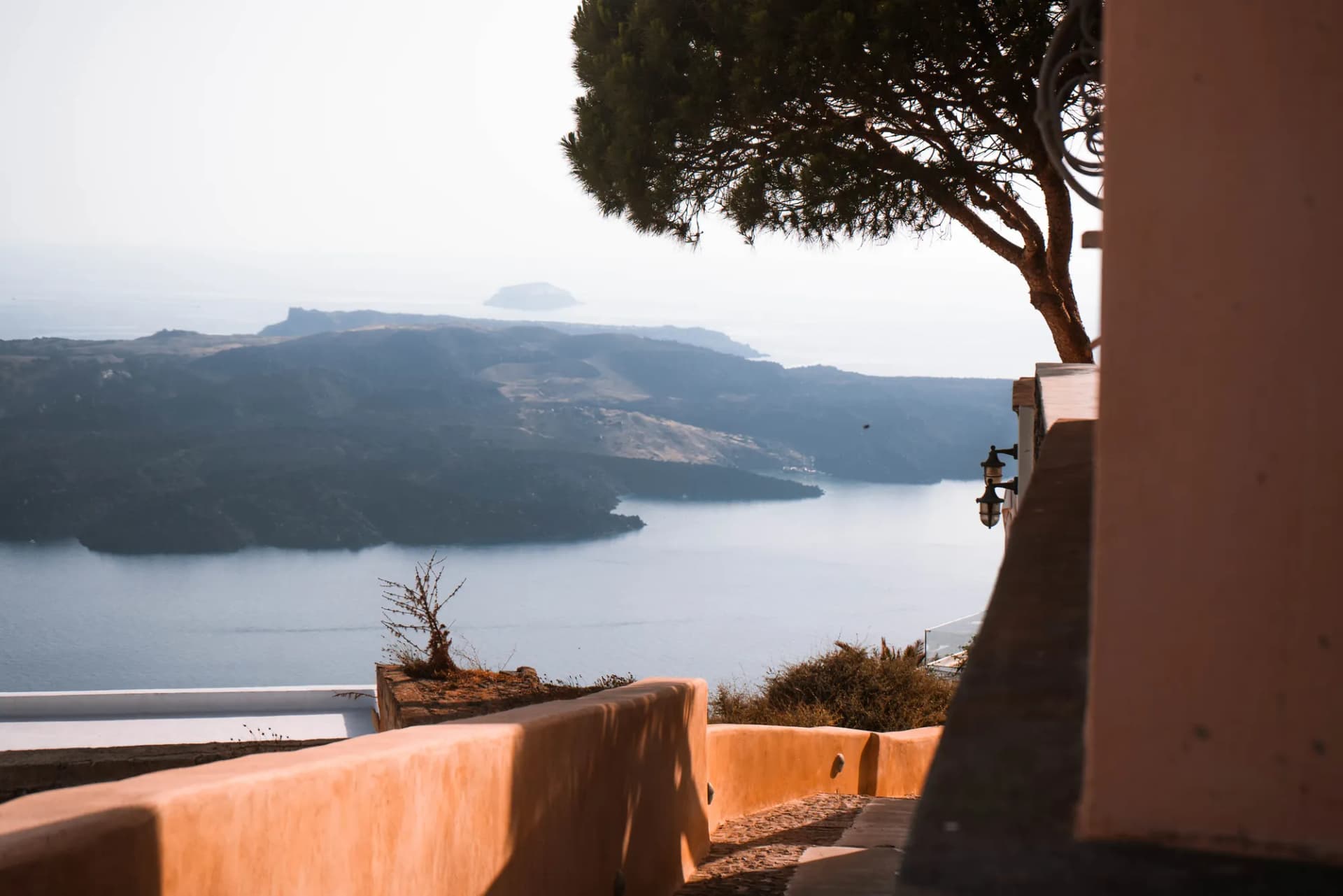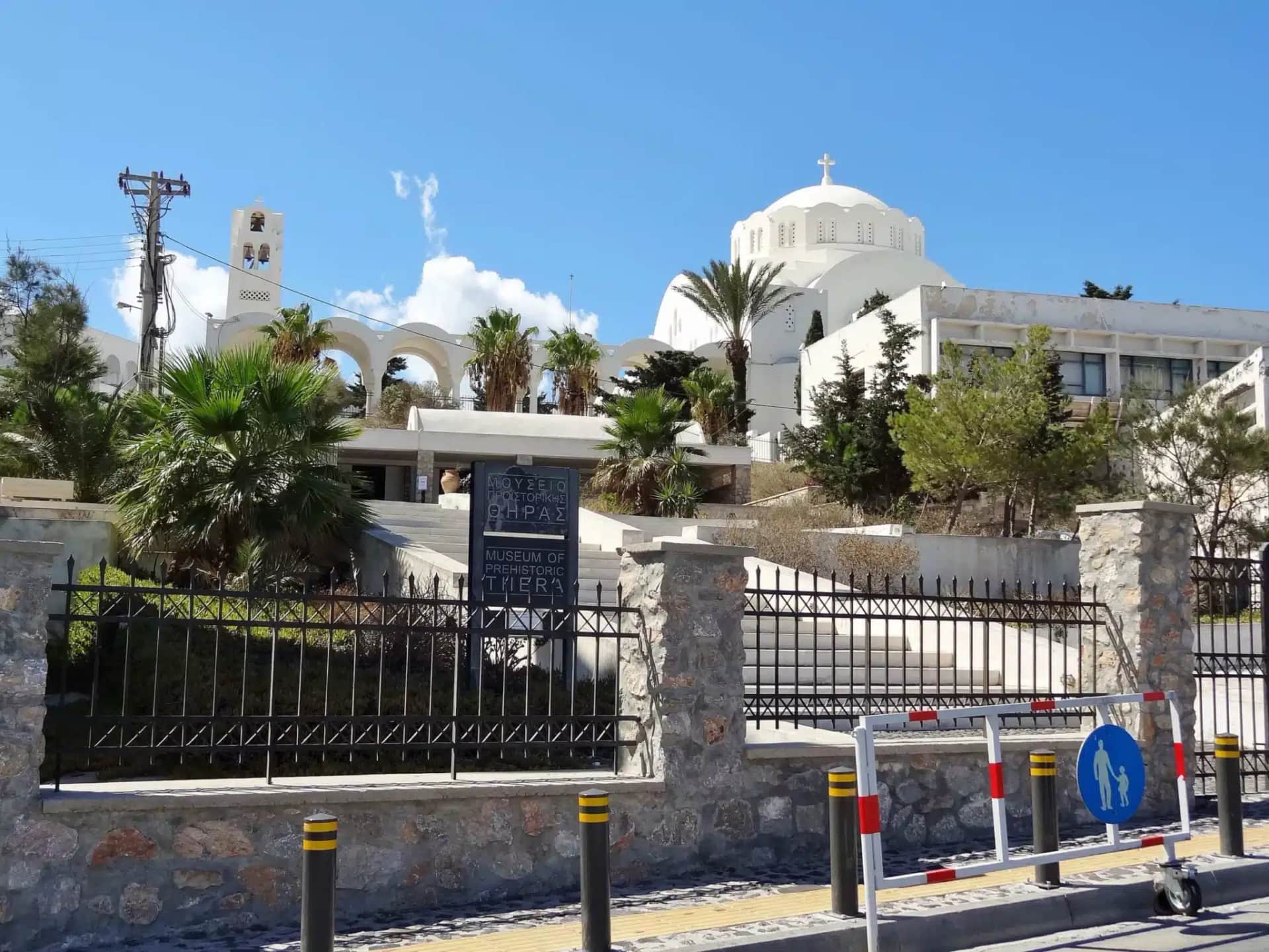

Imagine a place where time seems to have stood still, where every object tells a story, where every room transports you to another world. Welcome to the museums of Santorini! These cultural gems, nestled at the heart of one of the most beautiful islands in Greece, are priceless treasures that invite you to dive into the rich past of Santorini.
Also read: The best hotels in Pyrgos, Santorini
The museums of Santorini are much more than mere buildings filled with old objects. They are the guardians of the island's history, silent witnesses to its fascinating past and vibrant culture. They are doors opening onto forgotten worlds, bygone eras and vanished civilisations.
In this article, we invite you to join us on a guided tour of these exceptional museums. We'll explore their unique collections, discover the stories they tell and share all the information you need to plan your visit. So, are you ready to set off on this exciting journey through the history and culture of Santorini's museums? Let's go, the adventure starts here!
As for the archaeological site of Akrotiri, one of the most legendary places on Santorini, head here to find out more.
1. Museum of Prehistoric Thera
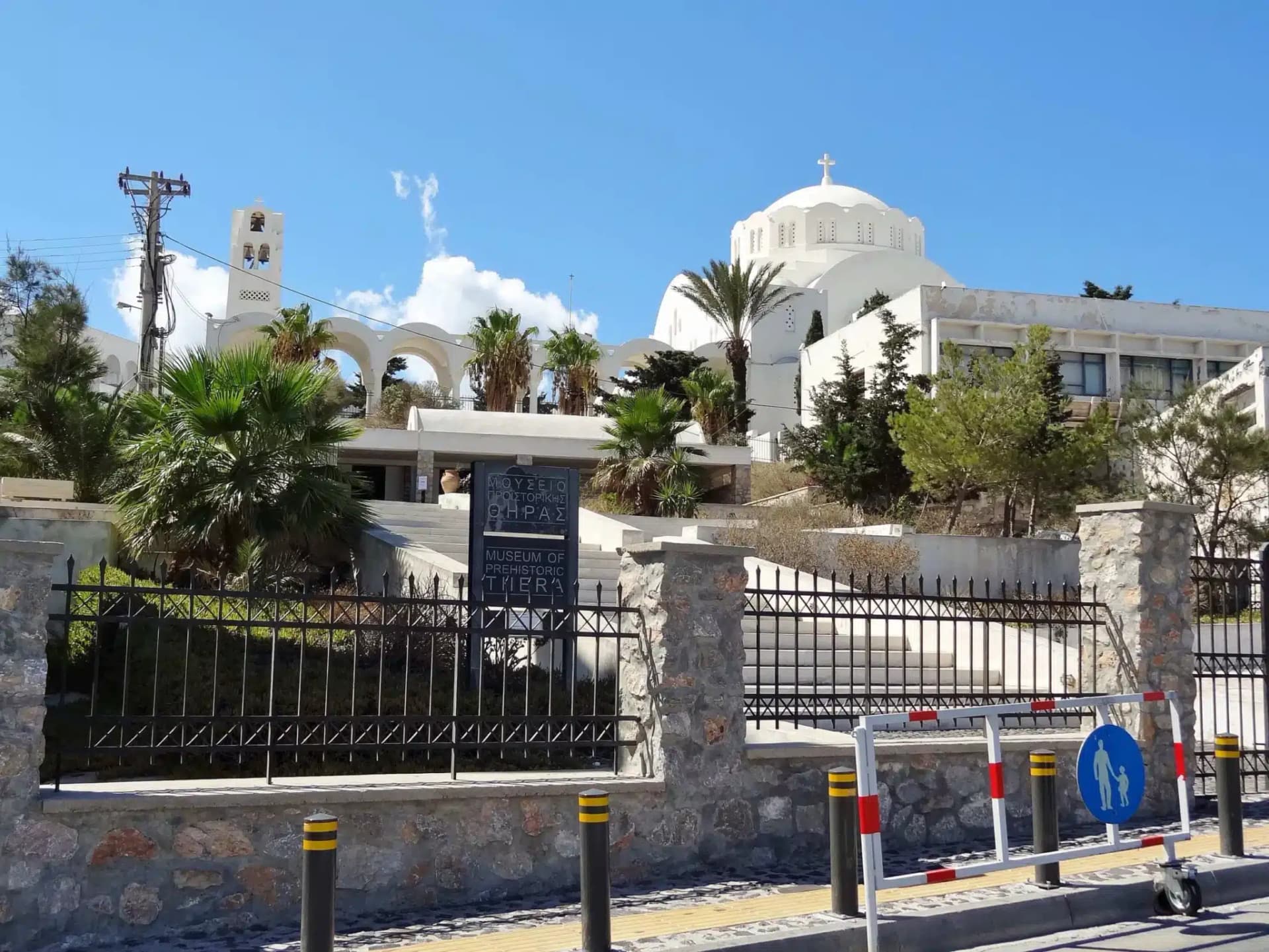
Right in the heart of Fira, the Museum of Prehistoric Thera is a must-see for any history lover. This museum, devoted to the island's prehistory, is a genuine journey back in time. Here you can walk in the footsteps of Santorini's ancient inhabitants and discover their daily lives, beliefs and traditions.
Exhibitions and highlights
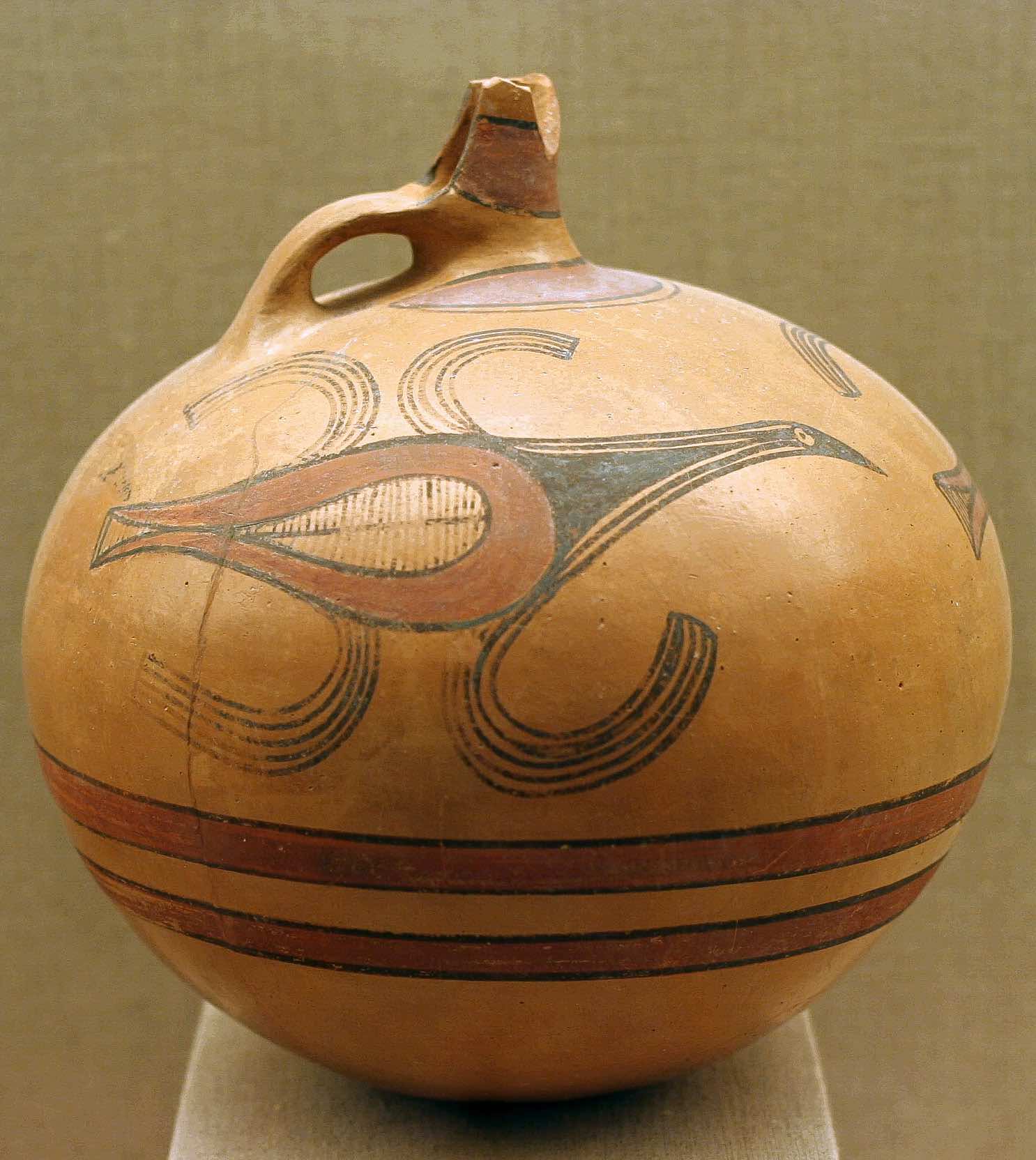
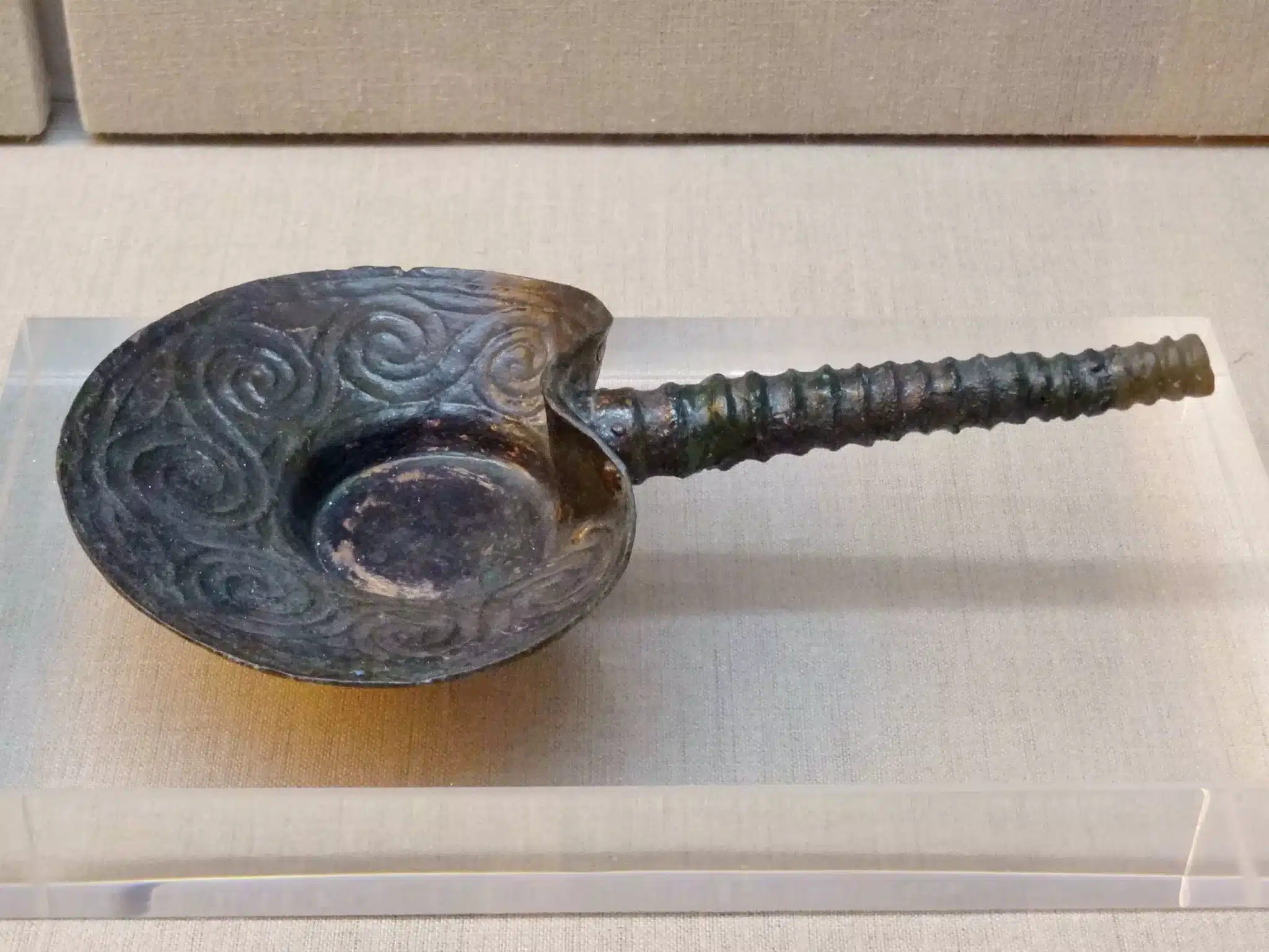
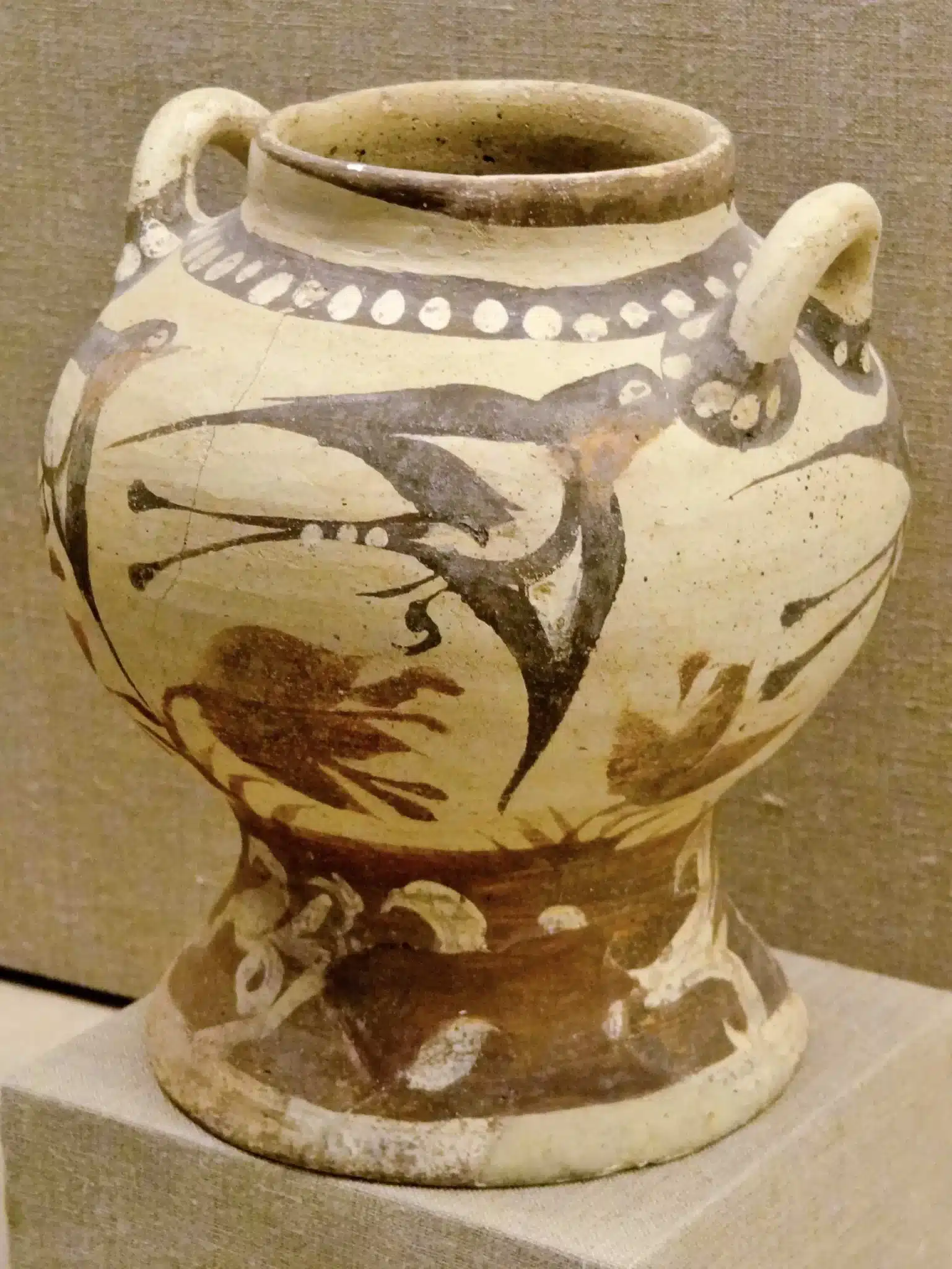
The museum houses an impressive collection of finds from the prehistoric city of Akrotiri and other sites on the island. Among the most remarkable pieces, you'll find pottery, Cycladic figurines and above all the famous wall paintings, to which a dedicated exhibition has been devoted since 2021. Don't miss the small gold ibex, one of the museum's highlights.
Practical information
The Museum of Prehistoric Thera is open every day except Tuesday, from 8:30 am to 3:30 pm. Admission costs €10, but there are reduced rates for students and seniors. And above all, don't forget your camera to capture the spectacular views over the Aegean Sea!
2. Santorini Wine Museum
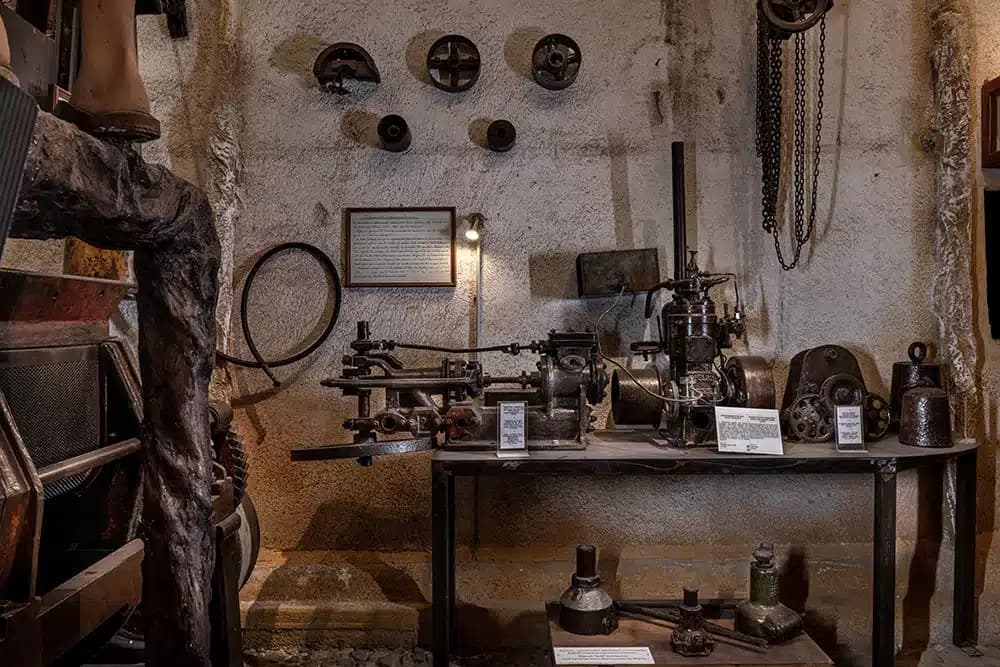
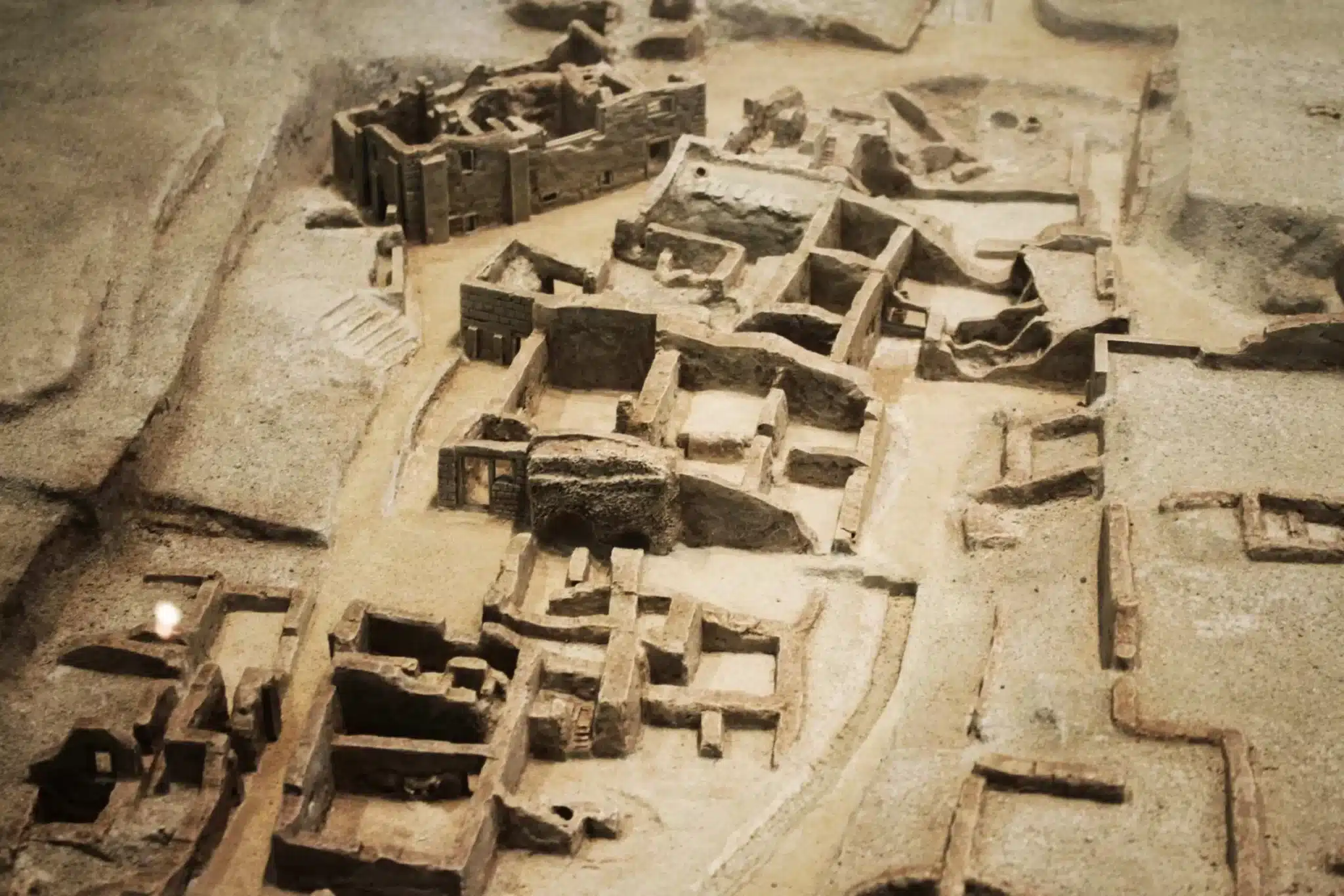
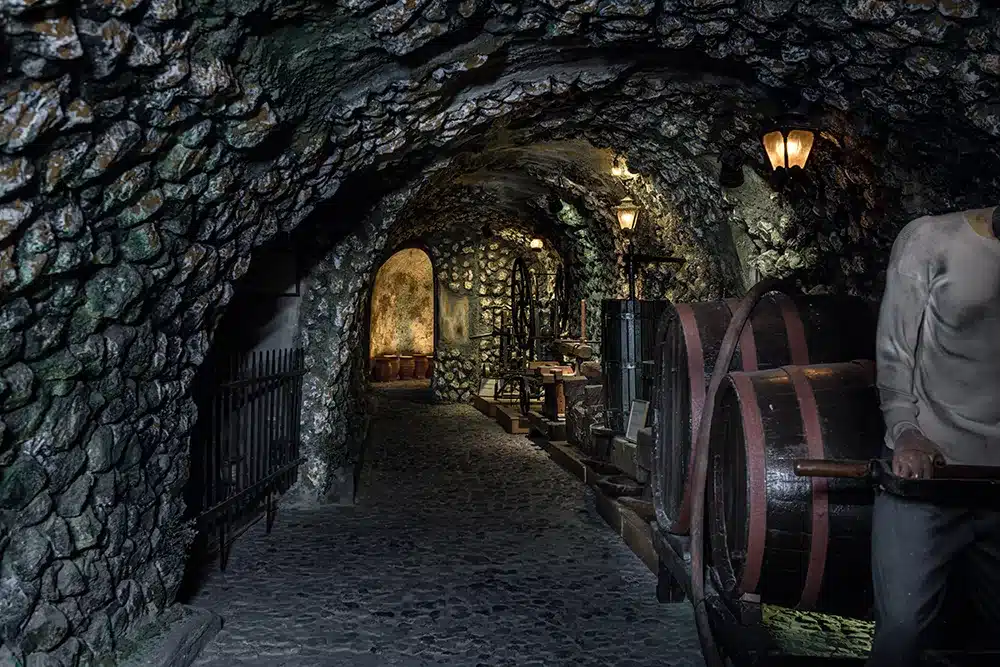
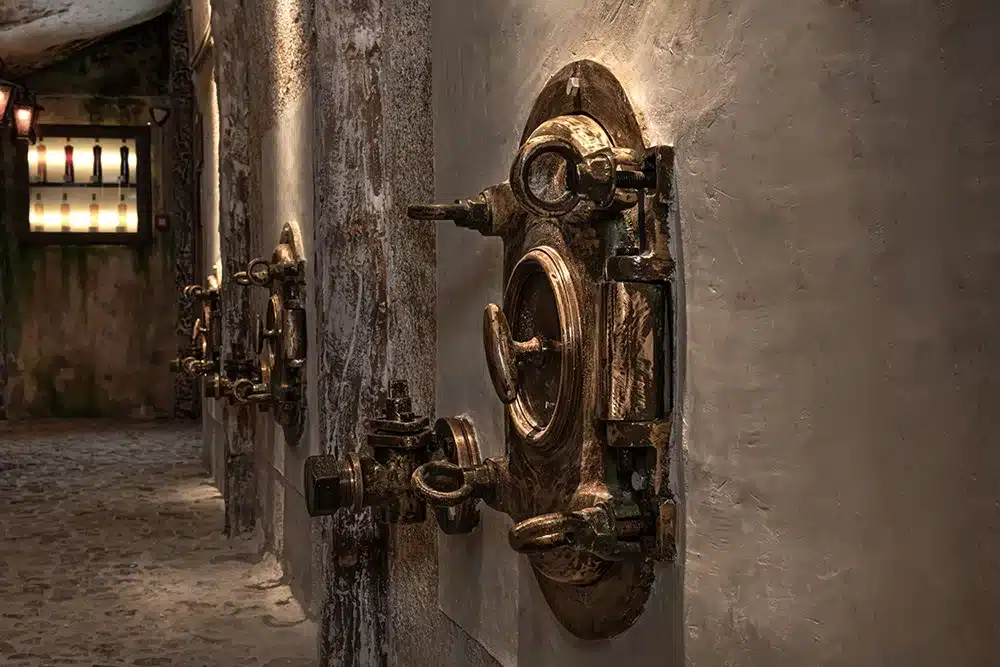
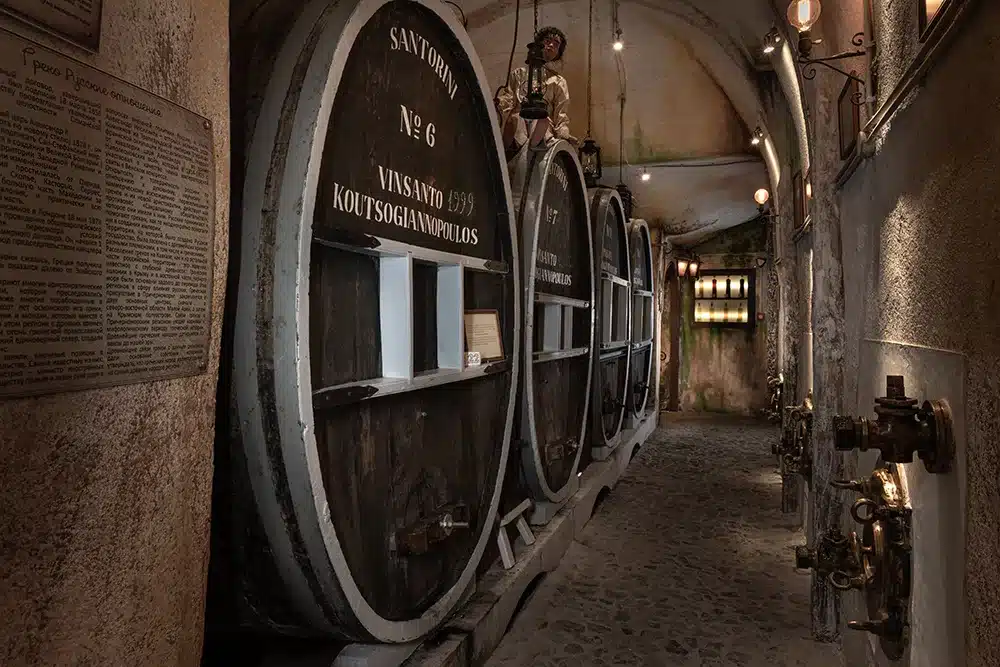
The Santorini Wine Museum is an ode to the island's winemaking tradition, a tradition dating back more than 3000 years. Set in a natural cave in Vothonas, this one-of-a-kind museum invites you to discover the fascinating history of wine on Santorini.
History of wine and museum exhibitions
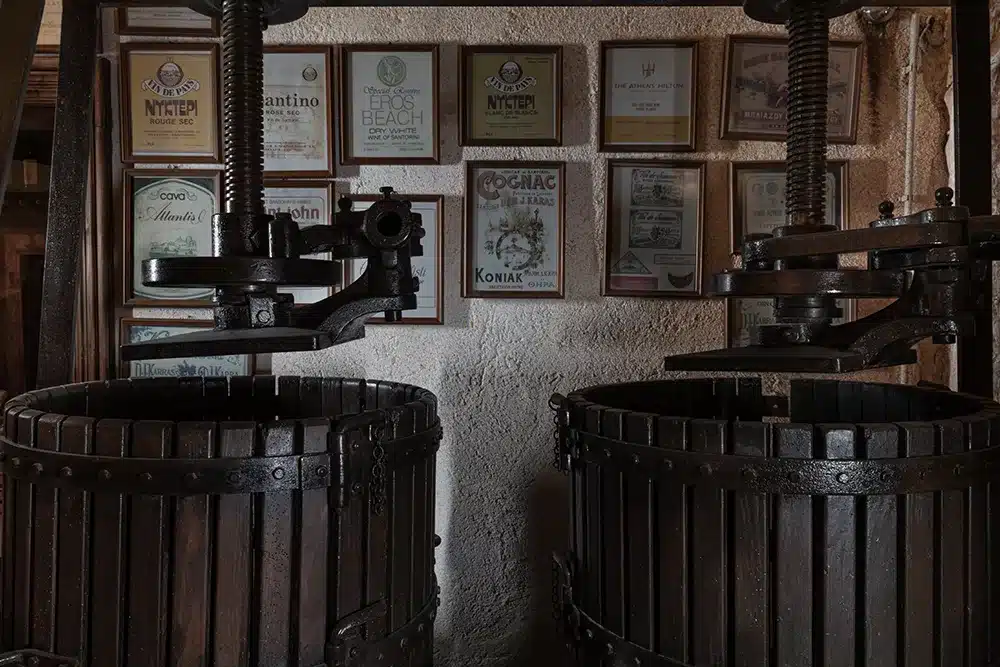
The Santorini Wine Museum takes you on a journey through time, from the first vines planted on the island to modern wine production. You'll discover how Santorini's inhabitants adapted their winemaking methods to the island's unique climate. The museum's exhibits include old winemaking tools, historical photographs and a collection of more than 2700 bottles of wine. And of course, a visit to the museum wouldn't be complete without tasting some of Santorini's finest wines!
Practical information
The Santorini Wine Museum is open every day from 9:00 am to 7:00 pm from April to October (from 10:00 am on Sundays) and from 9:00 am to 5:00 pm from November to March. It can only be visited as part of a tasting package, from €30, which includes four wines and an audio guide available in around fifteen languages. So get ready to savour the flavours of Santorini and dive into the winemaking history of this magnificent island!
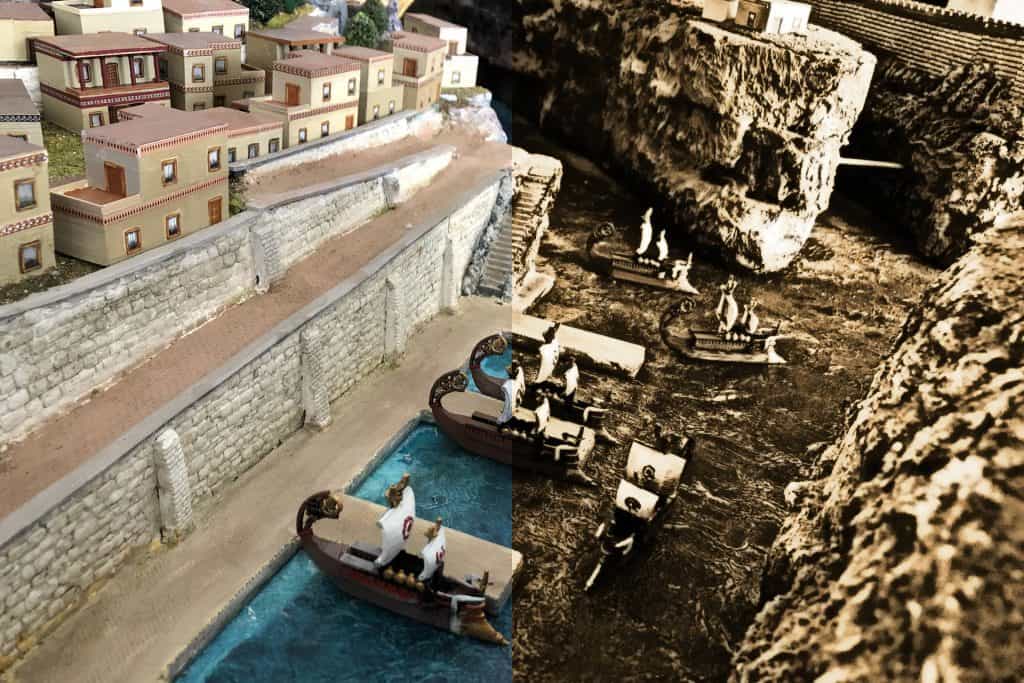
3. Lost Atlantis Museum
The Lost Atlantis Museum is no ordinary museum. Located near Megalochori, this interactive museum invites you to explore one of history's greatest mysteries: the legend of Atlantis. Get ready for an immersive experience that will fire up your imagination and curiosity.
Interactive exhibitions
The museum offers a series of interactive exhibits that immerse you in the story of Atlantis. Through 3D animations, holographic projections and captivating narratives, you'll discover the theories linking Atlantis to Santorini. You'll explore the Minoan civilisation, relive the cataclysmic eruption that shaped the island and wonder whether Santorini might be what remains of lost Atlantis.
Practical information
Admission costs €15 for adults and €10 for children (free for under-5s); check opening hours on the official website. The museum also offers guided tours in several languages. So, are you ready to solve the mystery of Atlantis? The journey starts here!


4. Tomato Museum
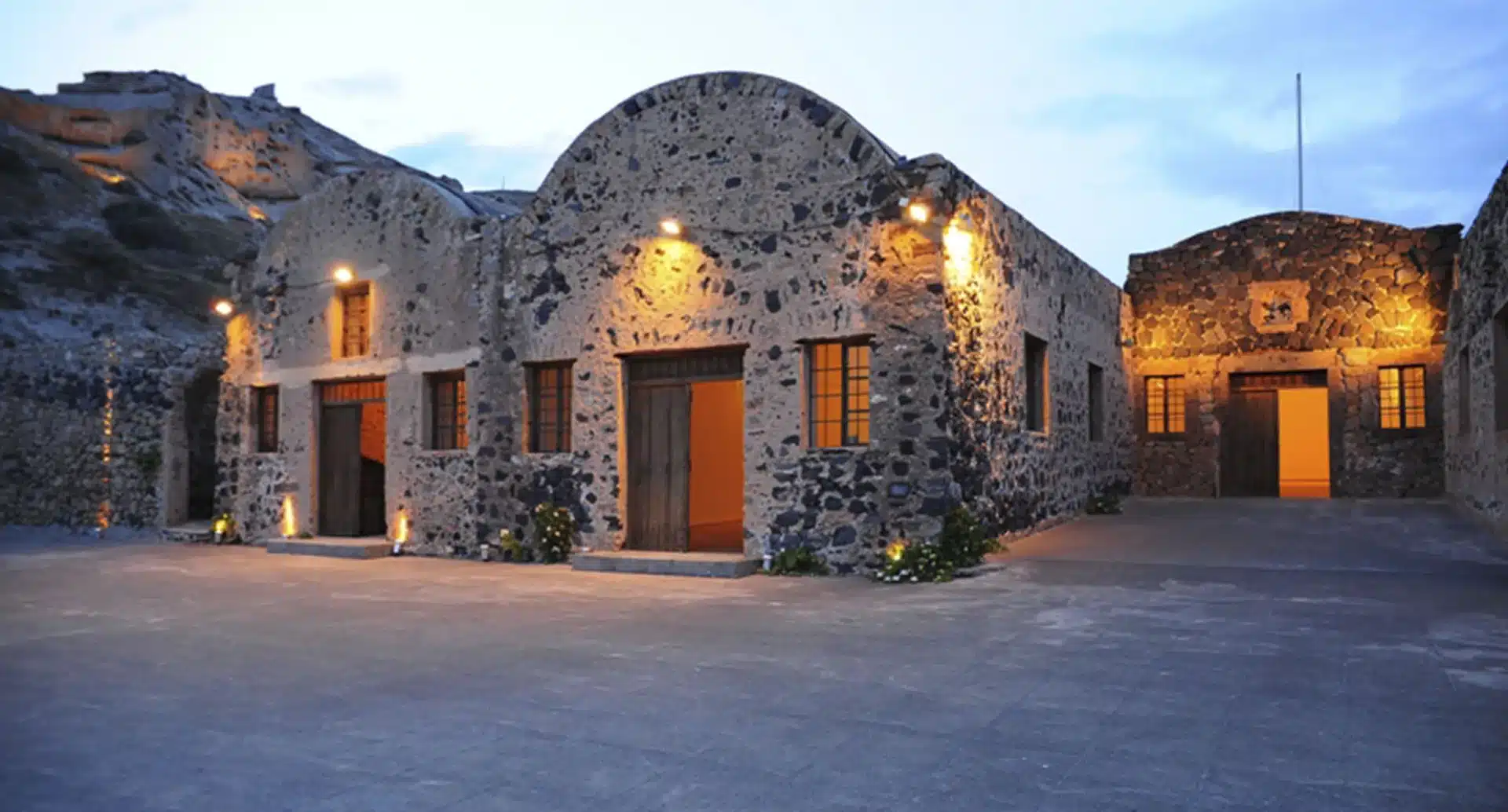
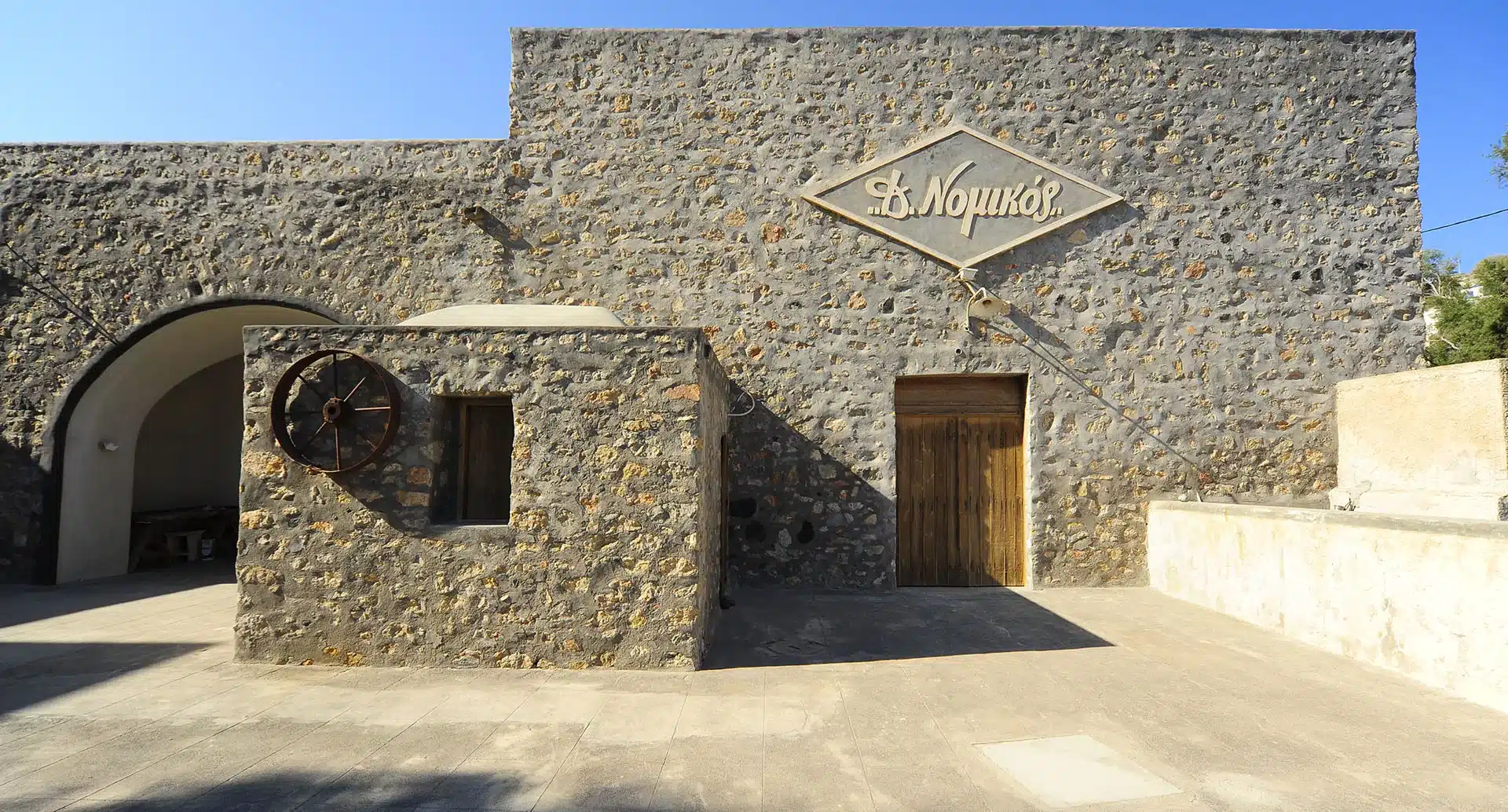
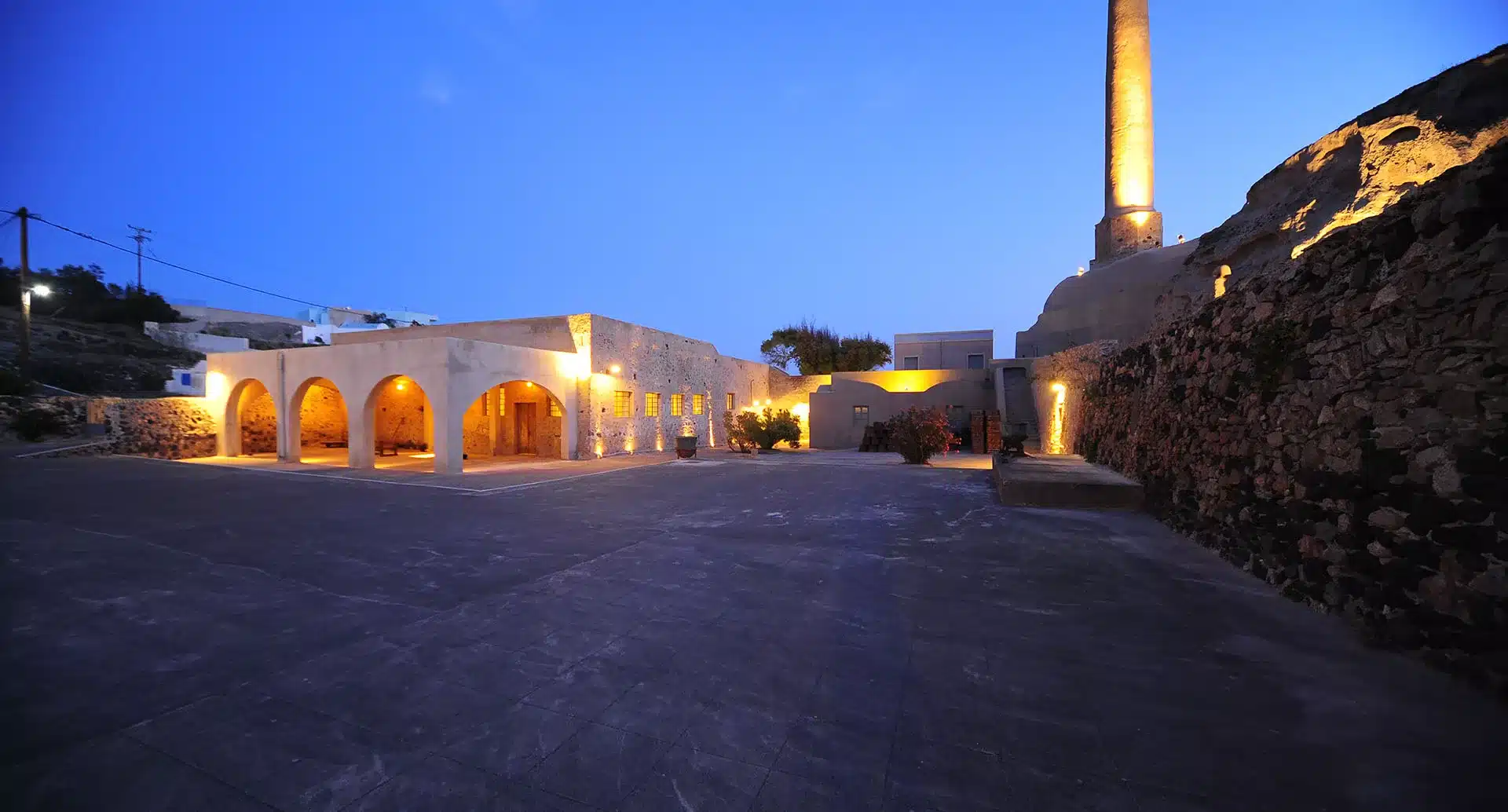
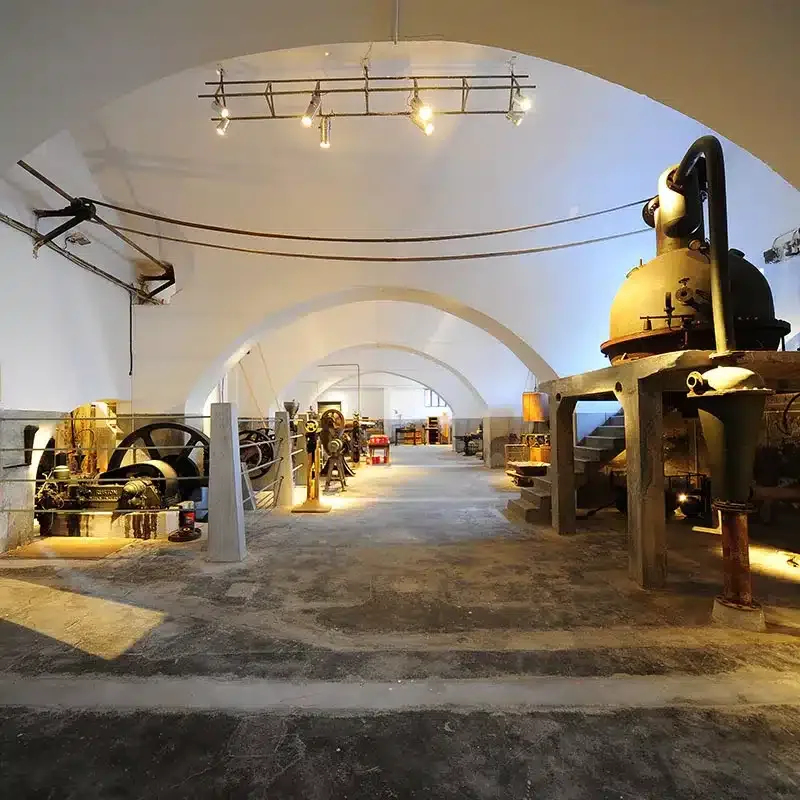
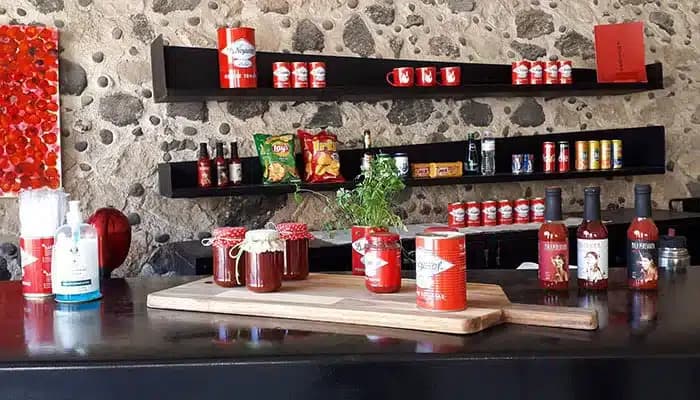
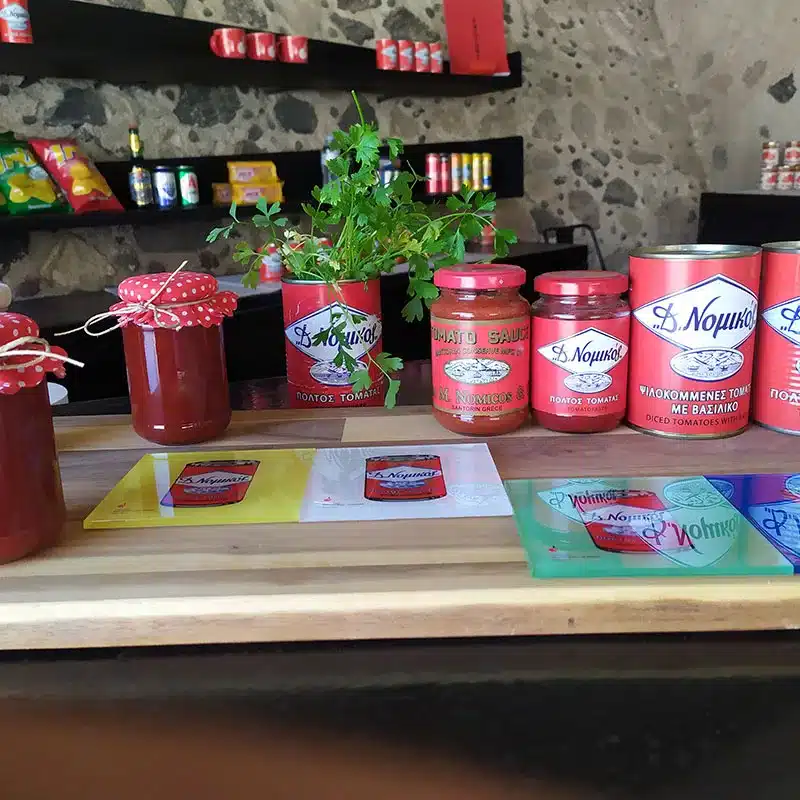
In the heart of the picturesque village of Vlychada, the Tomato Museum pays tribute to one of Santorini's most iconic products: the cherry tomato. This unique museum, set in a former tomato factory, invites you to discover the history of tomato growing on the island.
History of tomato growing and museum exhibitions
The Tomato Museum tells the story of the tomato on Santorini, from its introduction to the island in the 19th century to its role in the local economy. You'll discover how Santorini's inhabitants adapted tomato growing to their arid environment and how they turned this humble fruit into a world-renowned product. The museum's exhibits include vintage tomato-processing machinery, historical photographs and archive documents.
Practical information
The Tomato Museum is open Tuesday to Sunday, April to November, from 10:00 am to 6:00 pm. Admission costs €12 (€10 reduced, free for under-7s), with guided tours and audio guides. So get ready to discover the authentic taste of Santorini and dive into the history of tomato growing on this fascinating island!

5. Archaeological Museum of Thera

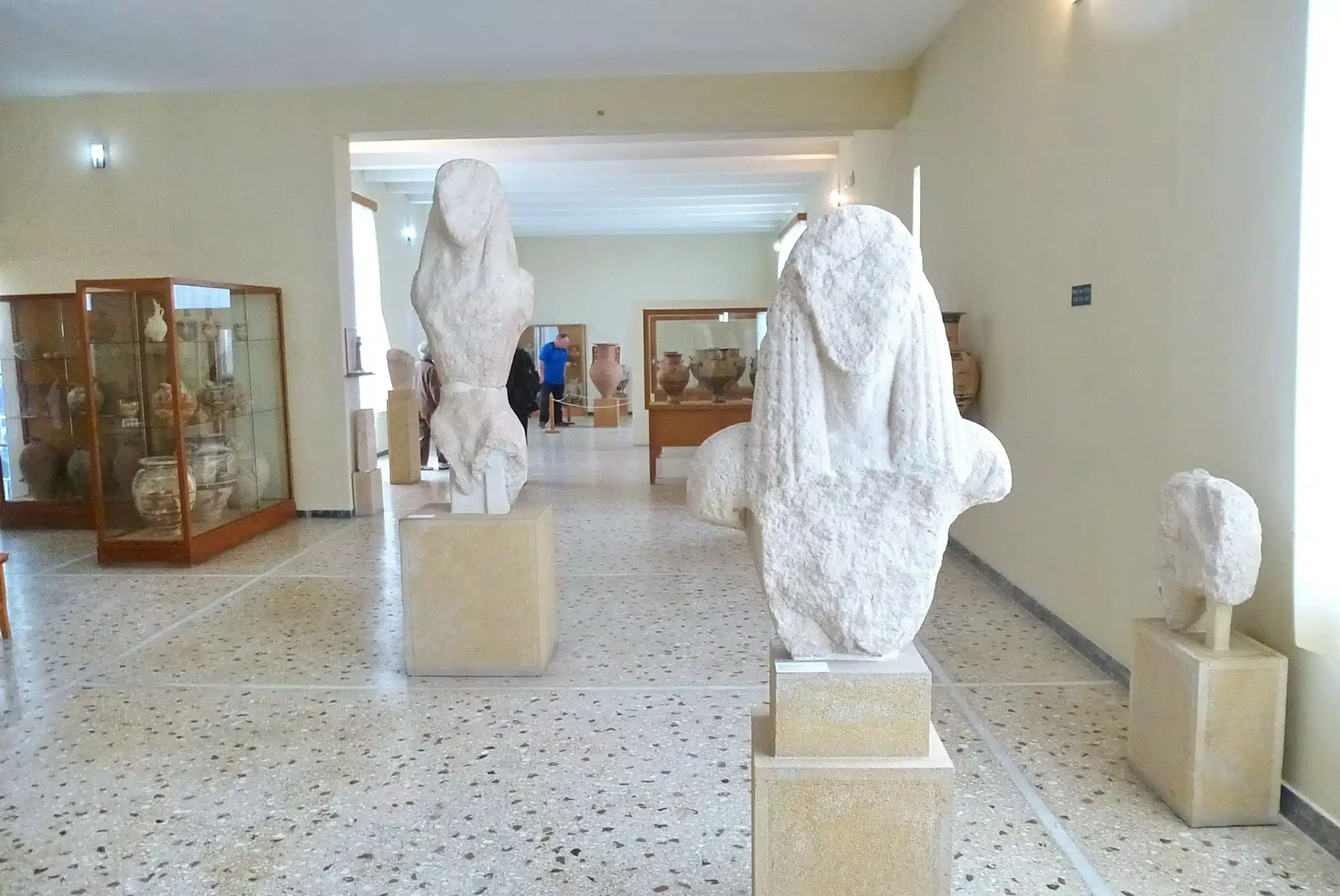
Located in the island's capital, Fira, the Archaeological Museum of Thera is a little treasure for history and archaeology lovers. Housing finds from various periods of Santorini's history, this museum is a must-see for understanding the island's past.
Exhibitions and highlights
The Archaeological Museum of Thera offers an overview of the island's history, from the Dorian period to Roman times. Among the most remarkable pieces, you'll find sculptures, vases, inscriptions and frescoes. Don't miss the collection of geometric pottery and the marble statue of Aphrodite, which bear witness to the art and culture of the time.
Practical information
Reopened in June 2025 after renovation, the Archaeological Museum of Thera is open every day except Monday, from 8:30 am to 3:30 pm (extended hours on Saturdays in season). Admission costs €10, but there are reduced rates for students and seniors. So get ready to dive into Santorini's past and discover the hidden treasures of its history!

6. Santorini Folklore Museum
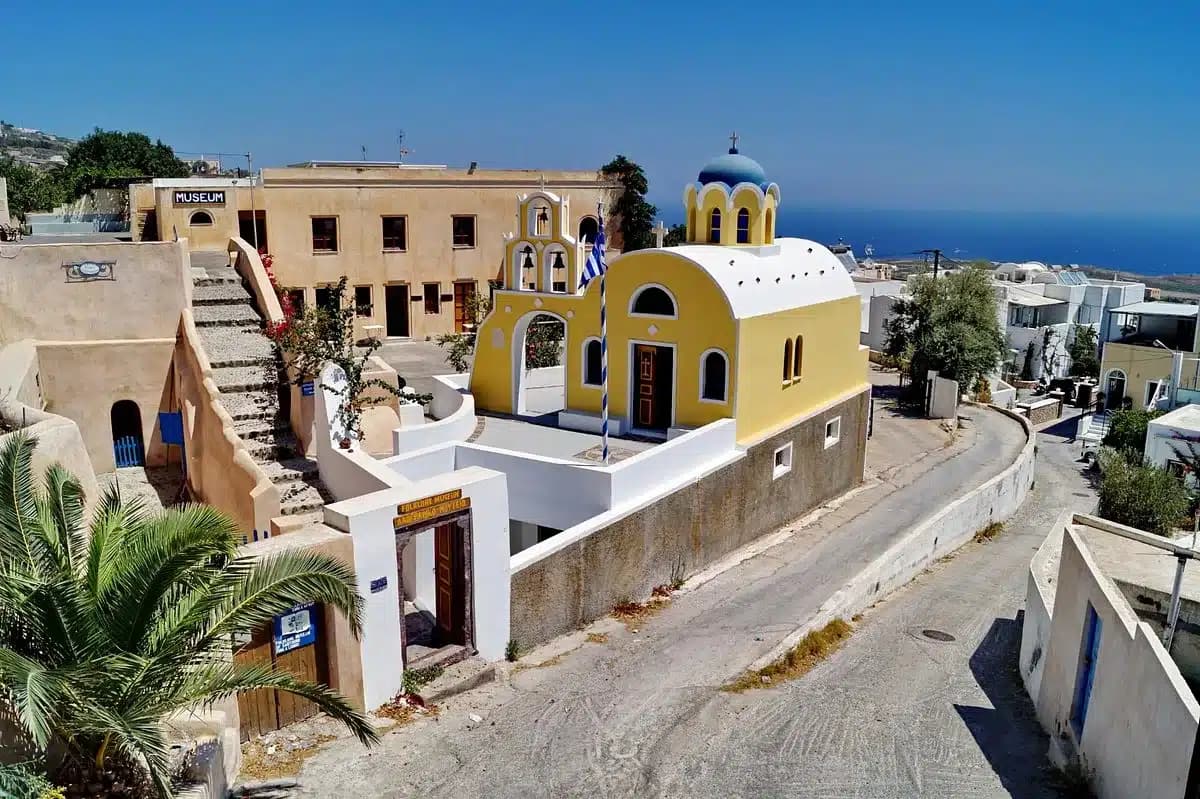
Nestled in a natural cave in Kontochori, near Fira, the Santorini Folklore Museum is a window onto the island's traditional way of life. This charming, authentic museum, set in a former cave house, offers a fascinating glimpse into daily life on Santorini over the past centuries.
Exhibitions on traditional life
The Santorini Folklore Museum displays a varied collection of everyday objects, farming tools and traditional crafts. You'll discover how the people of Santorini lived, worked and celebrated life's important events. The museum's exhibits include a traditional Santorini house, a wine cellar, a chapel and even an art gallery.
Practical information
The Santorini Folklore Museum is open every day from 15 April to 15 October, from 10:00 am to 2:00 pm (and also from 6:00 pm to 8:00 pm in July and August). Check admission prices on site. So get ready to travel back in time and discover the charm and simplicity of traditional life on Santorini!
7. Gyzi Megaron Museum
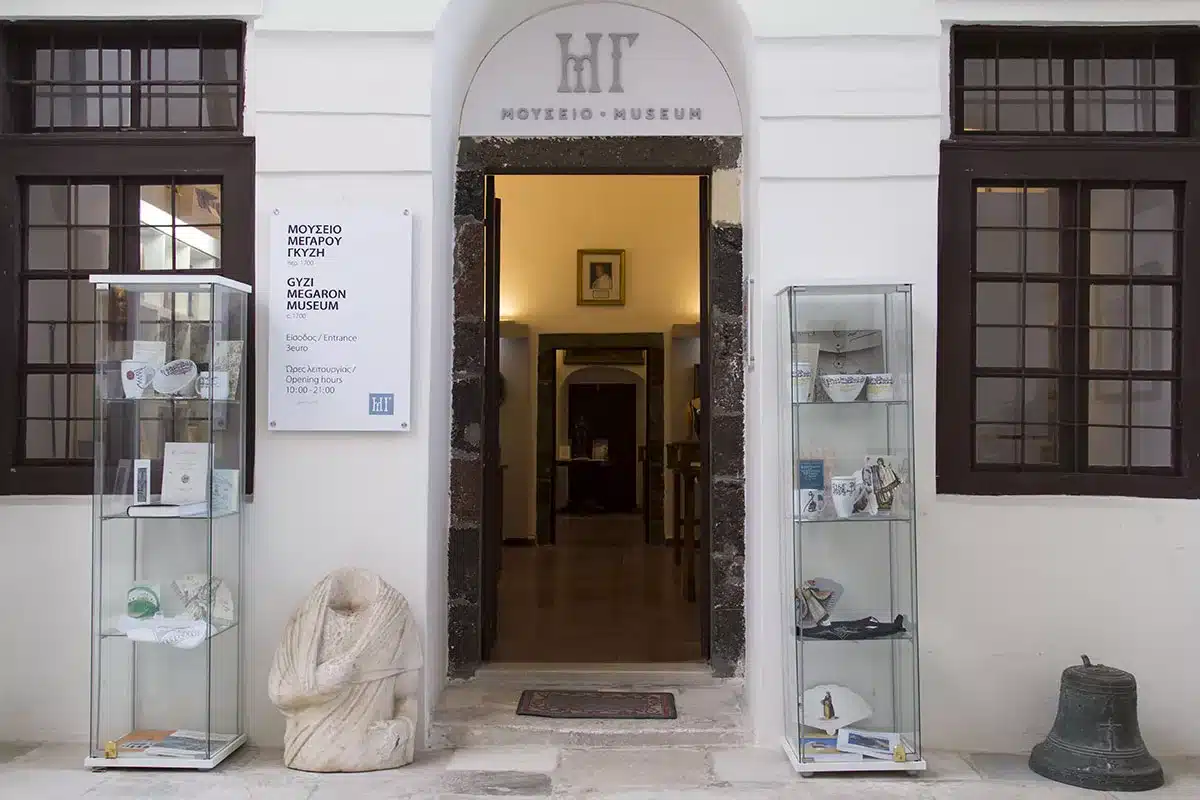
The Gyzi Megaron Museum is one of Santorini's hidden gems. It is set in a magnificent historic mansion belonging to the Venetian Gyzi family. Showcasing the distinctive 18th-century architecture of the Greek islands, this museum offers a valuable insight into Santorini's turbulent history, from Venetian rule to the present day.
Museum exhibitions
The Gyzi Megaron Museum displays a varied collection of artefacts, including documents, paintings, photographs and various other objects. These pieces, from the precious archives of the Catholic Diocese of Thira, shed light on important aspects of Santorini's history. Whether you're a history buff or simply curious about the island's past, this museum has something to offer you.
Practical information
The Gyzi Megaron Museum is open from 1 May to 31 October, Monday to Saturday, from 10:00 am to 4:00 pm. Check admission prices on site. For more information, you can contact the museum on +30 22860 23077. So on your next visit to Santorini, don't forget to stop by the Gyzi Megaron Museum!
Conclusion: Santorini's museums
The museums of Santorini are much more than mere buildings filled with old objects. They are the guardians of the island's history, silent witnesses to its fascinating past and vibrant culture. They are doors opening onto forgotten worlds, bygone eras and vanished civilisations.
Each museum we've presented in this article offers a unique perspective on Santorini's history and culture. Whether you're passionate about archaeology, art, wine, folklore or ancient legends, there's a museum for you on Santorini. We strongly encourage you to visit them on your next trip to Santorini. You won't be disappointed!
FAQ: Santorini's museums
What are the best museums on Santorini?
The best museums on Santorini are the Museum of Prehistoric Thera, the Akrotiri archaeological site and the Tomato Museum.
What are the opening hours of Santorini's museums?
Opening hours of Santorini's museums vary, but the public museums generally open from 8:30 am to 3:30 pm and close one day a week (Tuesday for the Prehistoric Museum, Monday for the Archaeological Museum).
How much does it cost to visit Santorini's museums?
Admission prices for Santorini's museums also vary, but they generally range between €10 and €15; the wine museum costs from €30, tasting included.
Which museums are best suited to children?
The museums best suited to children are the Tomato Museum and Santorini's prehistoric museum.
Which museums are most interesting for history lovers?
The most interesting museums for history lovers are the Museum of Prehistoric Thera and the archaeological museum.

Âme Bohème exists thanks to you
Some links in this article are affiliate links. This means that if you book or purchase a product through these links, we receive a small commission, at no extra cost to you. It's thanks to this support that we can continue creating free, quality content.
You can also buy us a coffee, or follow us on Instagram and Facebook.