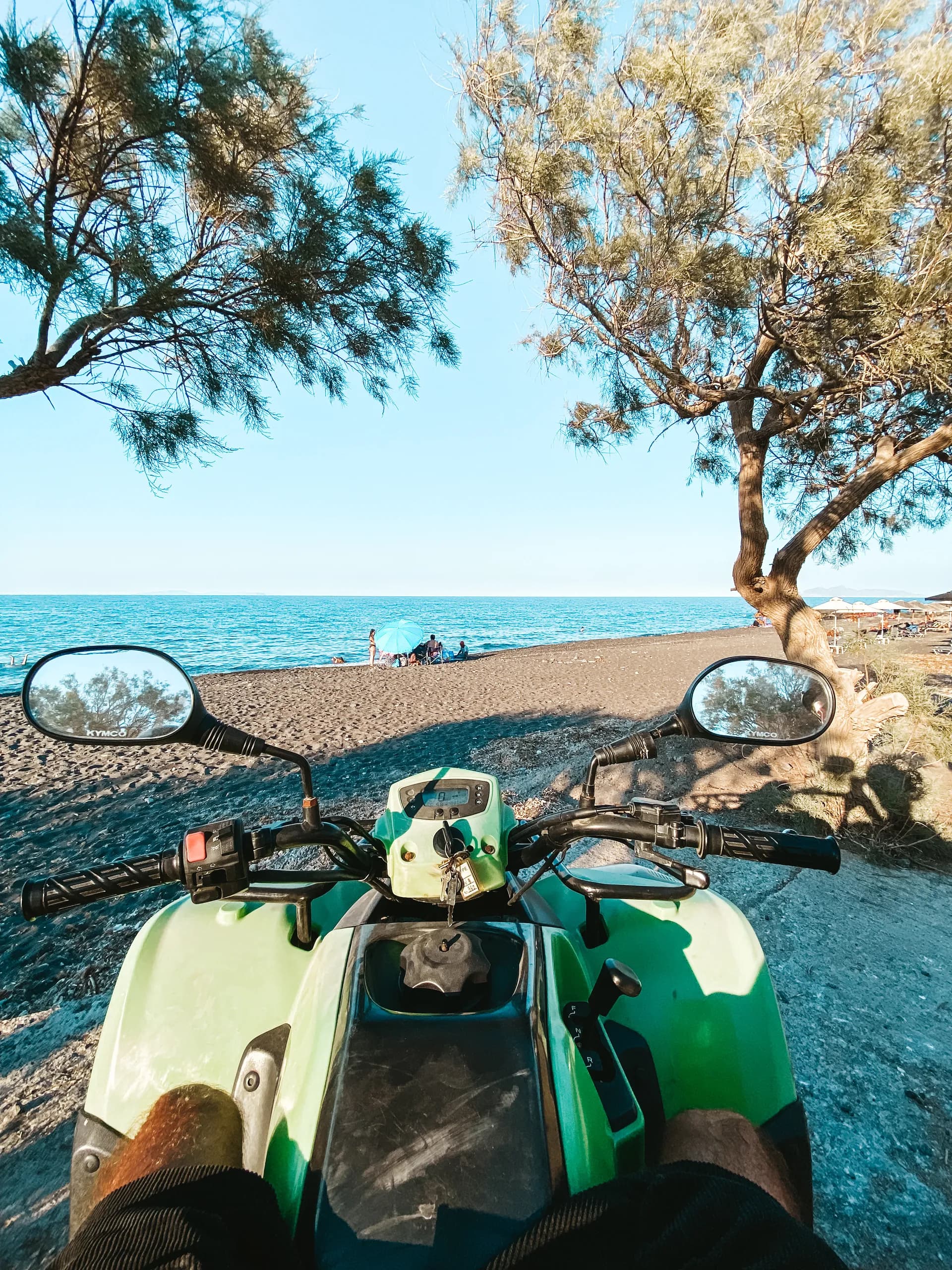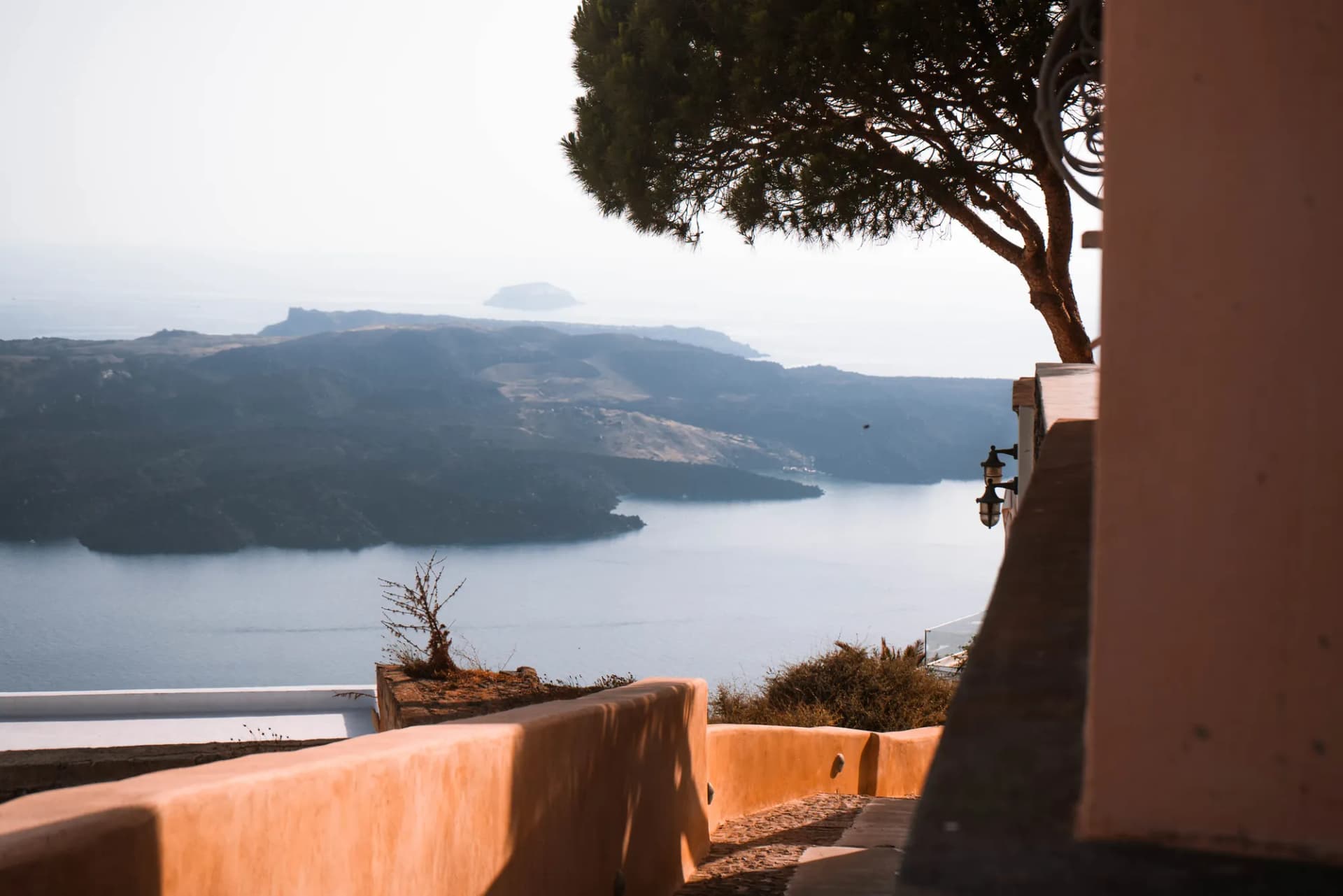
Welcome to Santorini, the Cycladic island that makes travellers all over the world dream! Known for its white houses with blue roofs, its breathtaking sunsets and its black sand beaches, Santorini is a must-see destination in Greece. But what truly makes this island so rich is its local cuisine and its recipes.
As a passionate traveller and food lover, I have always been convinced that to really know a place, you have to taste its food. And believe me, Santorini’s cuisine is an experience in its own right. It reflects the island’s history, its unique terroir and the passion of its people. It is simple, authentic, flavour-packed cooking that takes you on a journey with every bite. As you can see in some of the best restaurants on the island.
In this article, I will introduce you to Santorini’s cuisine, its local ingredients, its signature dishes and even a few recipes so you can bring a little bit of Santorini into your own kitchen. So get ready for a memorable culinary journey through the Cyclades!

Santorini cuisine
History of Santorini cuisine
Santorini’s cuisine is a true mirror of its history and geography. The island, formed by a volcanic eruption, has rich, fertile soil that yields produce of exceptional quality. Cherry tomatoes, fava, capers, white aubergines: all the ingredients that have made Santorini’s cuisine famous owe their unique flavour to this volcanic terroir.
Santorini’s history has also played a major role in shaping its cuisine. The various civilisations that occupied the island left their mark on the local dishes. The influences are varied, from the eastern Mediterranean flavours brought by the Phoenicians to the food preservation techniques inherited from the Romans.
But what really makes Santorini’s cuisine special is its local traditions. The islanders have preserved their ancestral recipes, handed down from generation to generation. They have adapted their cooking to the resources available on the island, creating simple but tasty dishes that showcase local produce.
On my last trip to Santorini, I had the chance to taste a fava, a yellow split pea purée typical of the island. It is a humble dish, but with an incredible flavour. It made me realise just how closely Santorini’s cuisine is tied to its land and its history. It is a cuisine that tells a story, that of an island and its people.
So, ready to discover this fascinating cuisine? Follow me, the culinary journey starts now!
Local ingredients
Santorini is an island blessed by nature, offering an abundance of local ingredients that are the heart of its cuisine. Let me introduce you to a few of these culinary treasures.

Santorini cherry tomatoes: These little tomatoes are a real explosion of flavour. They are sweet and juicy, with a thick skin that helps them withstand the summer heat. They are the star of many dishes, such as “tomatokeftedes”, tomato fritters you absolutely must try.
Fava: Santorini fava is small, yellow and has a mild, creamy taste. It is the main ingredient of “fava”, a purée that is an essential part of the island’s cuisine.
Vinsanto wine: Santorini is famous for its wine, and Vinsanto is the most iconic. It is a sweet wine made from sun-dried grapes. It is perfect with desserts, but it is also used in cooking, to deglaze meat or flavour sauces.

These ingredients, and many others, form the basis of Santorini’s cuisine. They are used creatively to make dishes that are both simple and full of flavour. I have always been amazed at how local chefs manage to turn these ingredients into delicious, memorable dishes.
And you know what? The best way to discover these ingredients is to cook with them yourself. So, ready to roll up your sleeves? In the next section, I will share a few Santorini recipes so you can taste the island’s cuisine at home.
Santorini recipes
Santorini fava recipe

Fava is an iconic dish of Santorini, a true symbol of the local cuisine. It is a humble dish made from yellow split peas, olive oil, lemon and onions, but with an incredible flavour. The first time I tasted fava, I was surprised by its mildness and creamy texture. It is a dish that makes you feel at home, wherever you are.
Here is how you can make fava at home. It is a simple recipe, but it takes a little patience. Believe me, though, the result is worth it.
- 1 cup of yellow split peas
- 1 oignon, haché
- 2 gousses d’ail, hachées
- 4 tasses d’eau
- The juice of one lemon
- Huile d’olive
- Salt and pepper
- 01Rinse the split peas under cold water until the water runs clear.
- 02In a large saucepan, sauté the onion and garlic in a little olive oil until translucent.
- 03Add the split peas and the water to the pan. Bring to the boil, then lower the heat and simmer for about an hour, until the peas are tender.
- 04Once the peas are cooked, drain them, keeping the cooking water.
- 05Blend the peas with a stick blender until you have a smooth purée. If the purée is too thick, add a little cooking water.
- 06Add the lemon juice, a drizzle of olive oil, salt and pepper. Mix well.
- 07Serve the fava with a drizzle of olive oil and a few slices of lemon.
- Don’t be tempted to rush the cooking. The peas need time to become tender and develop their flavour.
- You can add fresh herbs, such as dill or parsley, to give the fava more flavour.
Santorini tomatokeftedes recipe

Tomatokeftedes, or tomato fritters, are another iconic Santorini dish. These fritters are a real treat, with their crispy outside and juicy, tasty inside. They are perfect as an appetiser or a light main course. I had the chance to taste tomatokeftedes in a small family-run restaurant. It was an unforgettable experience, a real festival of flavours.
Here is how you can make tomatokeftedes at home. It is a simple recipe, but it takes a little technique to get the perfect texture.
- 4 Santorini cherry tomatoes, chopped
- 1 oignon, haché
- 2 gousses d’ail, hachées
- 1 cup of flour
- 1/2 cup of fresh parsley, chopped
- 1/2 cup of fresh mint, chopped
- Huile d’olive
- Salt and pepper
- 01In a large bowl, mix the tomatoes, onion, garlic, parsley and mint.
- 02Add the flour little by little, mixing well after each addition. You should end up with a thick batter that holds together well.
- 03Season with salt and pepper.
- 04Heat some olive oil in a frying pan over a medium heat.
- 05Shape the batter into small patties and fry them in the hot oil until golden on both sides.
- 06Drain the fritters on kitchen paper to remove excess oil.
- 07Serve the tomatokeftedes hot, with a Greek salad or tzatziki.
- Make sure you drain the tomatoes well after chopping them so the batter isn’t too runny.
- You can add other herbs, such as dill or oregano, to vary the flavours.
Melitinia recipe (sweet cheese)

Melitinia are small Easter pastries typical of Santorini, filled with a fresh, mild cheese (mizithra-style); the recipe below makes this fresh cheese, which is also delicious with honey and fruit. It is a fresh, mild, creamy cheese, perfect for ending a meal on a light, indulgent note. The first time I tasted Melitinia, I was won over by its mildness and smooth texture. It is a cheese that pairs perfectly with sweet flavours, such as honey or fruit.
Here is how you can make Melitinia at home. It is a simple recipe, but it takes a little patience to get the perfect cheese.
- 1 litre of goat’s milk
- 2 tablespoons of lemon juice
- 1 teaspoon of salt
- 01In a large saucepan, bring the milk to the boil.
- 02Once the milk is boiling, add the lemon juice and salt. Mix well.
- 03Lower the heat and simmer for about an hour, until the milk curdles.
- 04Pour the curds into a clean tea towel and leave to drain for several hours, until it has the consistency of fresh cheese.
- 05Serve the Melitinia with honey and fresh fruit.
- Be careful not to bring the milk to the boil too quickly, as this could affect the texture of the cheese.
- You can add herbs or spices to vary the flavours.
Melitzanosalata recipe: Santorini

Melitzanosalata is an aubergine salad typical of Greek cuisine and very popular in Santorini. It is a fresh, tasty dish, perfect for a summer lunch. During my visit to Santorini, I had the chance to taste Melitzanosalata in a small seaside restaurant. It was a real treat, with the sweetness of the aubergines and the freshness of the herbs.
Here is how you can make Melitzanosalata at home. It is a simple recipe, but it takes a little technique to get the perfect texture.
- 2 grosses aubergines
- 2 gousses d’ail, hachées
- The juice of one lemon
- 2 tablespoons of fresh parsley, chopped
- Huile d’olive
- Salt and pepper
- 01Preheat your oven to 200°C.
- 02Prick the aubergines with a fork and place them on a baking tray.
- 03Bake the aubergines for about 40 minutes, until they are very tender.
- 04Leave the aubergines to cool, then peel them and mash the flesh with a fork.
- 05Add the garlic, lemon juice, parsley, a drizzle of olive oil, salt and pepper. Mix well.
- 06Serve the Melitzanosalata with pitta bread or raw vegetables.
- Make sure the aubergines are well cooked: they need to be very tender to get the perfect texture.
- You can add other herbs, such as mint or dill, to vary the flavours.
Saganaki recipe

Saganaki is a traditional Greek dish that has found its place in Santorini’s cuisine. It is fried cheese, usually served with a squeeze of lemon. It is a simple dish, but incredibly tasty.
Here is how you can make Saganaki at home. It is a quick and easy recipe, perfect as an appetiser or a snack.
- 200g of Greek cheese (such as kefalotyri or halloumi)
- Flour for coating
- Huile d’olive
- 1 citron
- 01Cut the cheese into slices about 1 cm thick.
- 02Coat the cheese slices in flour, shaking off the excess.
- 03Heat some olive oil in a frying pan over a medium heat.
- 04Fry the cheese slices until golden on both sides.
- 05Serve the Saganaki hot, with a squeeze of lemon juice.
- Be careful not to fry the cheese for too long, or it could become too tough.
- You can serve Saganaki with pitta bread or olives for a complete Greek appetiser.
Horiatiki salata recipe: Santorini

Horiatiki Salata, or Greek salad, is a staple of Santorini’s cuisine. It is a fresh, tasty salad, perfect for a summer lunch. During my visit to Santorini, I had the chance to taste a Horiatiki Salata in a small seaside restaurant. It was a real treat, with the freshness of the vegetables and the intense flavour of the olive oil and feta cheese.
Here is how you can make Horiatiki Salata at home. It is a quick and easy recipe, perfect for a light lunch.
- 4 ripe tomatoes, cut into chunks
- 1 cucumber, sliced
- 1 red onion, thinly sliced
- 1 green pepper, sliced into rings
- 200g of feta cheese, cubed
- Black olives
- Olive oil
- Red wine vinegar
- Salt and pepper
- 01In a large bowl, mix the tomatoes, cucumber, onion and pepper.
- 02Add the feta cheese and black olives.
- 03Drizzle the salad with olive oil and red wine vinegar. Season with salt and pepper.
- 04Toss the salad well before serving.
- Make sure you use fresh vegetables for the best flavour.
- You can add other ingredients, such as capers or fresh herbs, to vary the flavours.
Conclusion: Santorini cuisine and recipes
Santorini’s cuisine is a real treasure, an authentic expression of the island’s history, culture and terroir. Every dish, every ingredient tells a story, a tradition handed down from generation to generation. By tasting the local food, you are not only nourishing your body, you are nourishing your soul too, immersing yourself in the very essence of Santorini. Santorini’s recipes are unique.
I hope this article has given you a glimpse of the richness of Santorini’s cuisine and inspired you to try these recipes at home. By making these dishes, you can taste Santorini and feel its spirit and warmth, even if you are far from its sunny beaches and white houses.
I invite you to share your culinary experiences in the comments below. Have you already tried these Santorini recipes? Do you have any tips or tricks to share? And if you enjoyed this article, feel free to share it on social media. Introduce your friends and family to Santorini’s cuisine!
Sources for the Santorini recipes:
This article draws on my own culinary experiences in Santorini, as well as on various sources of information. I consulted several Greek cookbooks, websites specialising in Mediterranean cuisine and blogs by travellers who have shared their culinary experiences and recipes from Santorini. I would like to thank all these authors for their valuable and inspiring work.
And don’t forget: cooking is an adventure, an exploration of flavours and cultures. So grab your apron, your knife and your chopping board, and set off on a culinary journey to Santorini. Happy cooking and bon voyage!

Âme Bohème exists thanks to you
Some links in this article are affiliate links. This means that if you book or purchase a product through these links, we receive a small commission, at no extra cost to you. It's thanks to this support that we can continue creating free, quality content.
You can also buy us a coffee, or follow us on Instagram and Facebook.