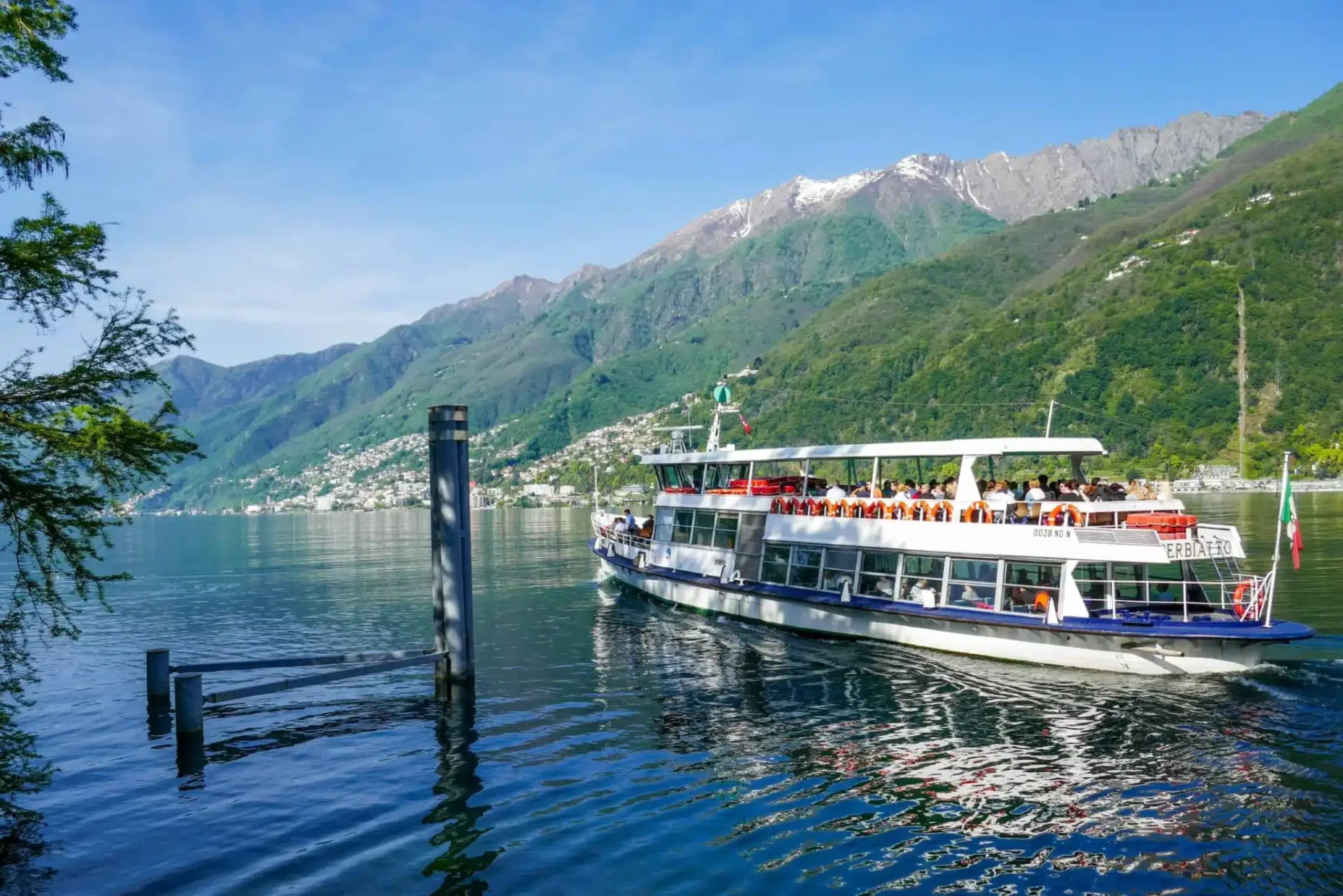
Why visit Lake Como in 2026?

Some places take your breath away before you even set foot on solid ground. Lake Como is one of them. The first time I caught a glimpse of its waters from the train out of Milan, I understood why writers, composers and film stars have sought refuge here for centuries. It is not just beautiful. It is enveloping.
Italy's third-largest lake, the Lario (its Italian name) stretches in an inverted Y shape along 146 kilometres of shoreline, wedged between the foothills of the Alps and the hills of Lombardy. Fishing villages with ochre facades, Renaissance villas draped in wisteria, gardens where camellias burst into bloom in spring. Everything here breathes quiet elegance.
Yes, George Clooney owns a villa here. Yes, James Bond filmed Casino Royale on its shores. But beyond the clichés, Lake Como is above all a living territory where locals cultivate the art of slowness. An espresso on a lakeside terrace, a ferry gliding from village to village, a mule track climbing towards a dizzying panorama. This is the Italy I want to show you.
In this guide, I give you everything you need to plan your stay, whether you have one day from Milan or five days of full immersion. Villages, villas, ferries, restaurants, hikes, budget: each section takes you a little further into the discovery of the Lario.
🔗 For a seasonal deep-dive, read our dedicated article: Spring at Lake Como: the complete guide
The most beautiful villages on Lake Como
The lake counts dozens of hamlets clinging to its shores, each with its own personality. You cannot visit them all in one trip, so here are the ones that truly deserve your time.
Bellagio, the pearl of the lake
Bellagio sits at the exact point where the two arms of the lake meet. It is the most famous village on the Lario, and for good reason: the view is spectacular in every direction.
Walk up the Salita Serbelloni, a cobbled alley lined with shops and wisteria that climbs to the top of the promontory. Arrive early in the morning, before the wave of tourists pouring off the 10 am ferry. At the top, the Piazza della Chiesa and the Basilica of San Giacomo offer a moment of calm. Head back down through the gardens of Villa Melzi, with their Japanese pond and red maples that evoke Japan in the heart of Lombardy.

🔗 Go deeper: Bellagio on Lake Como: the ultimate guide
Varenna, the fishermen's village

If Bellagio is the star, Varenna is the hidden gem. This tiny village of 700 souls on the eastern shore radiates rare authenticity. The colourful houses plunge straight into the lake. The Passeggiata degli Innamorati (Lovers' Walk) follows the water for a few hundred metres, and it is probably the most romantic stroll on the entire Lario.
Varenna also houses two remarkable villas: Villa Monastero, a former convent turned museum and botanical garden, and Villa Cipressi, whose centuries-old cypresses frame terraces descending to the lake. Take time for lunch at the small harbour. The restaurants here are less touristy than in Bellagio, and the lake fish is prepared with a simplicity that makes all the difference.
🔗 Best things to do in Varenna in one day · Villa Monastero · Villa Cipressi
Menaggio, Lenno and the west shore

The western shore holds some of the lake's best-kept treasures. Menaggio is an ideal base if you are travelling by car: the village sits at the crossroads of routes to Switzerland and the heart of the lake, and ferries depart from the centre to Bellagio and Varenna.
Lenno is the starting point for reaching Villa del Balbianello on foot (20 minutes through olive groves). The village itself is discreet and pleasant, with a small beach and unpretentious trattorias.
Tremezzo is home to Villa Carlotta and its spectacular gardens. The three villages are connected by the coastal road SS340, but beware: in summer, traffic between Menaggio and Tremezzo can be hellish.
Nesso, Argegno: the forgotten villages
For those seeking authenticity away from the crowds, the small villages on the south-eastern shore hold lovely surprises. Nesso has a medieval stone bridge under which a waterfall plunges into the lake. The sight is almost surreal. Argegno, with its handful of houses huddled around a torrent, offers absolute peace just twenty minutes from Como.
It is these unexpected stops that turn a tourist trip into a real exploration. Lake Como always rewards those who slow down.
🔗 The forgotten villages of Lake Como: Argegno and Nesso
Lecco, the hidden gateway
Most travellers arrive via Como or Milan and completely overlook Lecco, the city at the foot of the lake's eastern branch. Yet it is an excellent starting point for hikers, with direct access to the trails of Monte Resegone and the atmosphere of a genuine Italian town, without the tourist crush of Bellagio.
🔗 What to do in Lecco on Lake Como?
The city of Como, historic gateway
The city of Como is often the first contact travellers have with the Lario, and it is a fine first impression. Its Duomo, one of Italy's last Gothic cathedrals, blends styles from the 14th to the 18th century with striking finesse. Admission is free. Right next to it, the Broletto (old town hall) and Piazza del Duomo form the historic heart.
For a bird's-eye view, board the century-old funicular linking Como to Brunate (departures every 15–30 min, about €6 return). The view from the top sweeps across the lake, the Po plain and, on clear days, the Matterhorn. History buffs will enjoy the Museo della Seta, dedicated to the region's silk tradition (Como still produces a significant share of Italian silk today).
The lakefront walk from the Tempio Voltiano (dedicated to Alessandro Volta, inventor of the electric battery, born in Como) to the gardens of Villa Olmo is a classic hour-long stroll.
Como is the natural arrival point from Milan by train (40 minutes). But be warned: the city is off-centre relative to the lake's nerve centre. To explore Bellagio, Varenna and the villas, you then need a ferry (1 h 30 to 2 h) or a hydrofoil (45 min). It is a great starting point for a day trip, but not the best base camp if you have fewer than 3 days.
Must-see villas on Lake Como
The villas are the soul of the Lario. Built between the 16th and 19th centuries by wealthy Milanese families, they rival one another in gardens, frescoes and impossible views. Here are the five I recommend as a priority:
- 01Villa del Balbianello (Lenno) — The most cinematic. Perched on a peninsula, its terraced gardens offer a 360° view of the lake. A backdrop for Star Wars and Casino Royale. Access on foot from Lenno (20 min) or by water taxi. Entry: €13 park only, €24 park + villa (45 min guided tour, booking required on fondoambiente.it). Open Tuesday to Sunday except Monday and Wednesday, 10 am – 6 pm.
- 02Villa Carlotta (Tremezzo) — The lake's largest botanical garden. Two routes: 30 min (blue) or 75 min (red). The rhododendrons explode in April–May. Entry: €15 (reduced €10 for ages 6–18). Open daily from mid-March to early November, 10 am – 7 pm.
- 03Villa Melzi (Bellagio) — Neoclassical and serene. The Japanese garden with its little bridge and maples is a moment of grace. Entry: ~€8.
- 04Villa Monastero (Varenna) — The former convent turned museum. The gardens descend in terraces to the lake over nearly 2 km. Entry: ~€10.
- 05Villa Olmo (Como) — Free. The park is open to the public and leads straight to the lake. Perfect for a quiet break after exploring the city of Como.

🔗 The most beautiful villas on Lake Como · Villa del Balbianello · Villa Carlotta · Villa Melzi
Getting around Lake Como
Your choice of transport completely changes the experience. Here are your options.
Ferries: the easiest way to travel
This is the king of Lario transport. The public ferries run by Navigazione Laghi connect Como, Bellagio, Varenna, Menaggio, Lenno and Tremezzo with regular departures. A single ticket between Bellagio and Varenna costs around €5, and a day pass lets you hop freely between the central-lake villages.
Note: since 1 April 2026, fares have risen by about 15% across the network (the first increase since 2012). Season passes remain unchanged, but single tickets have been adjusted. Check up-to-date fares on navigazionelaghi.it.
The journey itself is part of the trip: the water slapping against the hull, the villas drifting past, the mountains shifting colour with the light. I have spent some of my finest hours on Lake Como simply sitting on the deck of a ferry.
🔗 Lake Como Ferry: complete guide to timetables, fares and tickets
By car: freedom and pitfalls
A car offers total flexibility, especially for reaching remote villages in the north or trailheads. But the lake roads (SS340 and SS583) are narrow, winding and turn into a logistical nightmare in high season. Between Menaggio and Tremezzo, traffic jams can last 45 minutes for 3 km.
If you are renting a car from Milan, compare offers to find the best rate:
DiscoverCars
Car rental comparison — 150+ countries
Compare prices from Hertz, Avis, Sixt and local providers. All fees included, free cancellation. Rated 4.6/5 on Trustpilot.

🔗 Car rental on Lake Como · Rent a car in Milan
No-licence boats, paddle and kayak
For a unique perspective, rent a small no-licence boat (from ~€70/h for two) and explore the coves that are unreachable by road. Stand-up paddle is another option for calm mornings, when the lake is smooth as a mirror.
🔗 Rent a no-licence boat on Lake Como · Paddle-boarding on Lake Como
Where to eat: the best restaurants
Lario cuisine is lake and mountain cooking. Forget the tourist pizzas and dive into the local specialities:
- Risotto al pesce persico: the signature dish. Perch from the lake, breaded and golden, served on a creamy saffron risotto. Simple, perfect.
- Missoltini: sun-dried agone (small lake fish) then grilled. A powerful, almost smoky flavour. Typical of the west shore.
- Pizzoccheri: buckwheat pasta from the Valtellina, baked with Casera cheese, cabbage and potatoes. A hearty mountain dish, ideal after a hike.
- Polenta taragna: polenta blended with melted cheese, served with braised meats or mushrooms.
Our favourite restaurants
In Varenna, Bar Il Molo is the must-visit address: a tiny terrace facing the lake with a view that takes your breath away. Arrive early because tables go fast. Expect €15–25 per dish. For a step up, Alma Bistrot serves a creamy risotto and an exceptional burrata, with lake views. Prices are on the higher side but the quality delivers.
In Bellagio, the Ristorante Bilacus is a family institution on the Salita Serbelloni, with a Wine Spectator-awarded cellar. The risotto al pesce persico is the house signature. Expect €18–30 per dish. Book in high season. For an aperitivo, Aperitivo Et Al is a wine bar hidden in the upper alleys, with tasting flights and rare Italian wines.
In Como, steer away from the touristy waterfront and explore the trattorias in the old town. The addresses locals frequent hide around Piazza San Fedele.
I ate some of my finest risottos on a tiny terrace in Varenna, feet almost in the water. No English menu, no tourist set meal. Just a dish of the day, a glass of white from Lombardy and the sound of the lake. That is the dolce vita of the Lario.
🔗 Top 9 Best Restaurants on Lake Como
Hiking and outdoor activities
Lake Como is not just a contemplative destination. The mountains framing it offer splendid hikes for all levels.
- Greenway del Lago di Como (10 km, easy) — From Colonno to Griante, this coastal trail passes through villages, olive groves and gardens. Ideal for a half-day with no difficulty.
- Sentiero del Viandante (45 km, moderate) — The ancient mule track follows the eastern shore from Lecco to Colico. Each stage offers plunging views of the lake. Doable in single-day sections.
- Monte Grona (1,736 m, challenging) — Start from Breglia above Menaggio. The climb is steep but the summit panorama embraces the entire lake and the Swiss Alps.
- Brunate from Como (easy) — Take the century-old funicular or walk up (1 h). The village offers a natural balcony over the entire southern basin of the lake.
- Secret hikes — Little-known trails with viewpoints the mainstream guides ignore.

🔗 Secret hikes on Lake Como: 5 little-known trails with breathtaking views
Swimming in Lake Como: the best spots
Yes, you can swim in Lake Como. The water is clean and classified as good quality, especially in the centre and north of the lake. The average temperature reaches 24 °C in July–August and stays cool in June and September (18–20 °C). The beaches are mainly pebbles and small jetties, not fine sand. Bring water shoes.
Public lidos
- Lido di Bellagio: sun loungers, parasols, bar-restaurant. Panoramic views. Direct lake access. About €25 for two (loungers included).
- Lido di Menaggio: the most family-friendly. Lawn, pool, play areas, pedalos. Holiday-club vibes in summer.
- Lido di Lenno: a sheltered little bay with a more intimate feel. Ideal after visiting Villa Balbianello.
- Lido di Argegno: manicured lawn, small bar, views over the lake and old town. Peaceful.
Free beaches and coves
- Riva Bianca in Lierna: white pebbles, shallow water. Ideal for families.
- Spiaggia di Onno: pebbles, turquoise water, few tourists. A favourite for those seeking peace.
1 to 5-day itineraries
1 day from Milan: the essentials
Take the train from Milano Centrale to Varenna-Esino (frequent departures, about 1 h, around €8). Aim for the 8 or 9 am train to arrive early.
Morning (9 am – noon): stroll through Varenna. Start with the Passeggiata degli Innamorati, then visit the Villa Monastero gardens (entry about €10, allow 1 h). Grab a coffee on the small harbour.
Lunch (noon – 1.30 pm): catch the midday ferry to Bellagio (15 min crossing, about €5). Lunch in the upper part of the village: Ristorante Bilacus for a risotto al pesce persico, or a trattoria in the back alleys away from the waterfront.
Afternoon (1.30 – 5 pm): walk around Bellagio. Climb the Salita Serbelloni. If time allows, visit the Villa Melzi gardens (entry about €10, allow 45 min).
Return: ferry from Bellagio to Varenna in the late afternoon (last ferry around 6–7 pm depending on the season, check timetables on navigazionelaghi.it). Train from Varenna back to Milano Centrale.
It is tight, but it gives you an honest taste of the lake. And probably the urge to come back.
2-3 days: the golden triangle
This is the ideal length to truly enjoy the Lario without rushing.
Day 1 — Bellagio and Villa Melzi. Settle into your accommodation (Varenna or Bellagio are the best base camps). Explore Bellagio on foot, walk up the Salita Serbelloni, visit the Villa Melzi gardens. Dinner at sunset facing the lake.
Day 2 — West shore: Balbianello and Tremezzo. Ferry to Lenno in the morning. Walk to Villa del Balbianello through the olive groves. Afternoon at Villa Carlotta in Tremezzo. Return by ferry.
Day 3 — Varenna, Nesso and slow pace. Morning in Varenna: Villa Monastero, Passeggiata degli Innamorati. In the afternoon, push on to Nesso for its waterfall and medieval bridge. Or simply do nothing. Have a coffee, watch the ferries go by. Lake Como is best savoured slowly.
Where to stay for 2-3 days? In Varenna, the Hotel du Lac offers a lakefront location with rooms from about €150/night. For a tighter budget, B&Bs in the upper alleys offer doubles from €80–100. In Bellagio, the Grand Hotel Villa Serbelloni is the benchmark luxury address (from about €400/night), but small family hotels on streets set back from the lake remain affordable (€120–180). Book at least 2–3 months ahead for high season.
🔗 Best luxury hotels on Lake Como · The best hotels in Varenna
5 days: full immersion
Add to the first three days:
Day 4 — Activities and exploration. Morning paddle or no-licence boat. Afternoon hike on the Greenway or ride the Brunate funicular. Gastronomic dinner featuring pizzoccheri from the Valtellina.
Day 5 — Lecco, Argegno and final moments. Explore Lecco on the eastern shore, or head down to Argegno on the west. This is the day for unexpected discoveries, tourist-free alleys and conversations with locals.
It was on the fifth day that the lake revealed its true face. Not the postcard version, but a misty morning in Argegno, alone on the quay, with nothing but the lapping of water and the smell of coffee rising from a still-sleeping terrace. The best travel memories always come when you stop looking.
🔗 What to do in Lecco on Lake Como? · The forgotten villages of Lake Como
Budget: how much does Lake Como cost in 2026?
Lake Como is not a cheap destination, especially in high season. But with the right strategies, a trip remains accessible.
| Item | Budget | Mid-range | Luxury |
|---|---|---|---|
| Accommodation (night/couple) | €70–100 (B&B, hostel) | €120–200 (3★ hotel, apartment) | €300–600 (4-5★ hotel) |
| Meals (per person/day) | €25–35 | €40–60 | €80+ |
| Ferry (per day) | €15–25 (single tickets) | €30–40 (day pass) | Private boat €150+ |
| Villa admission (per day) | €0 (Villa Olmo is free) | €15–25 (1-2 villas) | €40+ (all villas) |
| Activities | €0 (hiking, walking) | €30–50 (kayak, paddle) | €100+ (private boat, spa) |
| Daily total (couple) | ~€130–180 | ~€230–380 | ~€550+ |
To pay everywhere without exchange fees or bank commissions, the Wise card is an essential tool in Italy:
Wise Card
Travel smart with the best exchange rate
Say goodbye to banking hassles abroad with Wise, the multi-currency card with superpowers!
Practical information
How to reach Lake Como from Milan
- By train: Milano Centrale → Como San Giovanni (~40 min, ~€5) for the southern shore. Milano Centrale → Varenna-Esino (~1 h, ~€8) for the heart of the lake. The simplest and least stressful option.
- By car: A9 motorway towards Como (~50 min outside rush hour). Allow 1 h 15 during peak times.
- Private transfer: practical if you are arriving at Malpensa airport with luggage. Budget around €100–150 for a direct transfer.
When to go
Spring (April–June) and autumn (September–October) remain the best windows. Summer is hot and crowded. Winter is misty and many villas close, but the lake exudes a poetic melancholy that will delight contemplative souls.
🔗 Lake Como weather: when to go?
Staying connected in Italy
To have internet everywhere without a nasty surprise on your bill, an eSIM is the most practical solution. Activate it before departure and you will be connected the moment you land in Milan.
Saily eSIM
Stay connected with the best secure eSIM
With Saily, the secure eSIM with superpowers, say goodbye to roaming abroad! -5% with code AMEBOHEME.
🔗 Travel eSIM: the ultimate guide for connected travellers · How to install an eSIM while travelling
Travel insurance
Italy is part of the European Union, so your European Health Insurance Card covers basic care. But for comprehensive cover (cancellation, luggage, repatriation), dedicated travel insurance is recommended, especially if you plan outdoor activities.
Chapka Insurance
Travel with peace of mind with the best travel insurance
Stay covered in every situation with the best insurance for your next trip.
🔗 Chapka Travel Insurance – Our review
FAQ: your questions about Lake Como
How many days to visit Lake Como?
A minimum of 2-3 days lets you see the main villages (Bellagio, Varenna) and a couple of villas. With 5 days, you can explore lesser-known corners, hike and truly embrace the rhythm of the lake. A day trip from Milan is doable but frustrating: you will barely scratch the surface of what the lake has to offer.
What is the most beautiful village on Lake Como?
Bellagio is the most photogenic, but Varenna is my personal favourite for its authenticity and tranquillity. The choice depends on what you are after: buzz and panoramas (Bellagio) or the discreet charm of a fishing village (Varenna).
Can you swim in Lake Como?
Yes, but access points are limited. The lake is clean and the water is clear, but organised beaches are few. Some paid lidos (such as those in Menaggio and Bellagio) offer comfortable access. The water stays cool even in summer, especially early in the season.
Is Lake Como worth visiting in winter?
For lovers of a contemplative atmosphere, yes. The lake under the mist has an incomparable melancholic charm. But many villas, restaurants and ferries run on reduced schedules or close entirely. Plan a shorter stay centred on the city of Como or Bellagio.
Should you rent a car or take the ferry?
For the central lake (Bellagio, Varenna, Menaggio), the ferry is more than enough and far more pleasant. A car makes sense if you want to explore the northern lake (Colico, Dongo), the isolated villages on the eastern shore, or combine with other destinations like Lake Maggiore or Milan.
🔗 Lake Como Ferry: complete guide · Car rental on Lake Como
Lake Como awaits
The Lario is one of those rare places that lives up to every promise. The villas are as beautiful as in the photos, the villages as charming as in the stories, and the light dancing on the water at the end of the day is impossible to capture in a picture. You have to experience it.
My most important piece of advice? Slow down. Lake Como is not to be consumed, it is to be savoured. Take one ferry too many, get lost in a nameless alley, order a second espresso. It is in those moments that the journey truly begins.
🔗 Continue exploring with our dedicated articles: The most beautiful villas on Lake Como · Lake Como Ferry: complete guide · Lake Como weather · Secret hikes
Âme Bohème exists thanks to you
Some links in this article are affiliate links. This means that if you book or purchase a product through these links, we receive a small commission — at no extra cost to you. It's thanks to this support that we can continue creating free, quality content.
You can also buy us a coffee, or follow us on Instagram and Facebook.