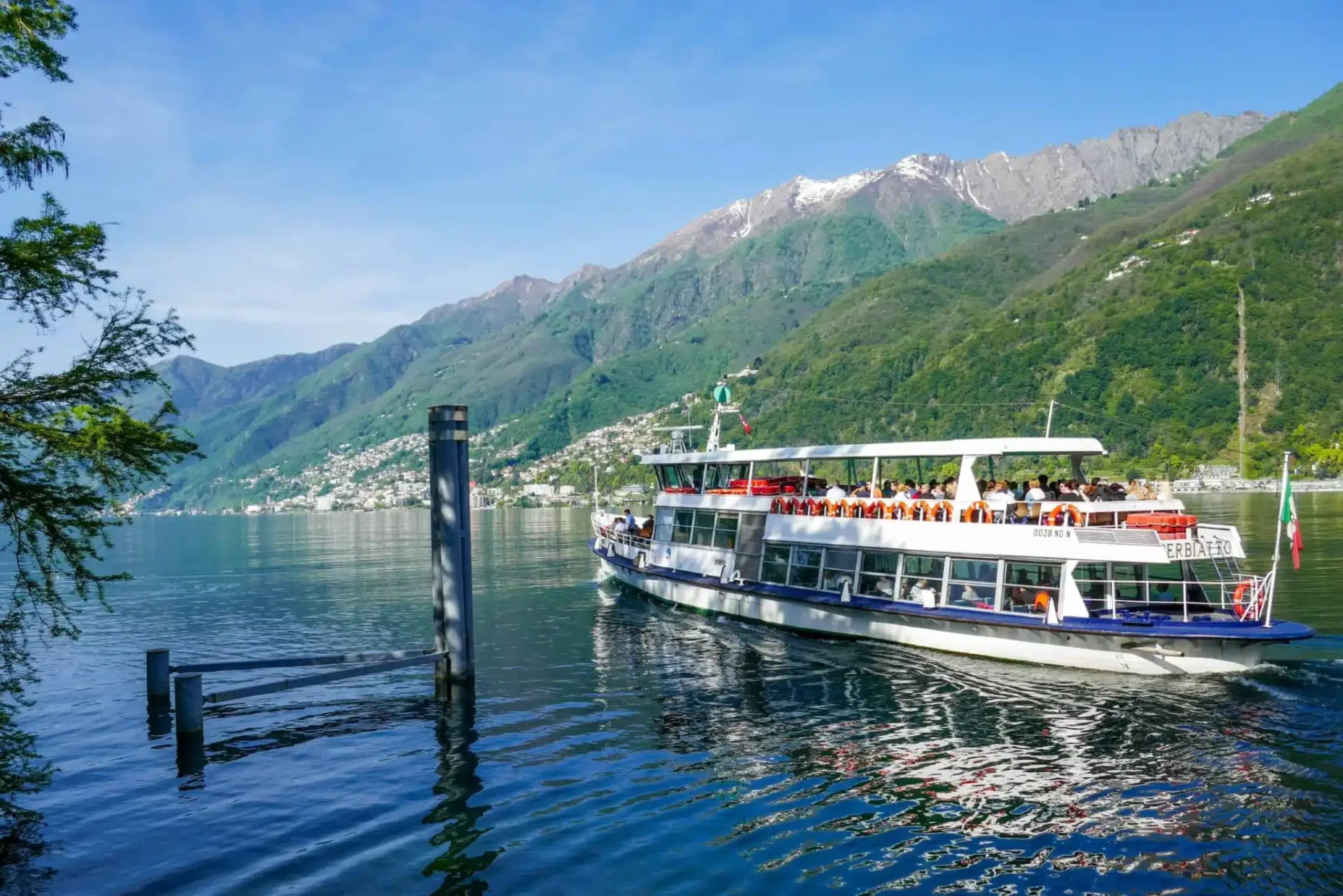
In september, the climate in Italy is excellent. The weather is generally sunny, with maximum temperatures around 27°C and about 5 rainy days. The sea reaches 24°C. Tourist crowds are high.
Italy holds a record few countries can claim: 59 UNESCO World Heritage sites, the highest number in the world. From the ancient ruins of Rome to Venetian palaces, from Florentine Renaissance frescoes to the trulli of Puglia, every corner of the country is an open-air museum.
But reducing Italy to its heritage would mean missing the essential: the dolce vita — that art of living where every meal is a feast, every piazza a theatre, every sunset a postcard. Unlike France or Greece, Italy concentrates a unique cultural and landscape diversity on a relatively compact territory.
The Colosseum, eternal symbol of Roman grandeur
Did you know?
Italy has more works of art per square kilometre than any other country in the world. It is estimated that 60 to 70% of the world’s artistic heritage is found on Italian soil — a figure often cited by UNESCO and art historians.
02The Must-See Regions
Rome and Lazio
The Eternal City doesn’t bear its name by chance. The Colosseum, the Roman Forum, the Pantheon, the Trevi Fountain, the Sistine Chapel at the Vatican — Rome alone concentrates 2,500 years of history. But beyond the monuments, it is in the alleyways of Trastevere, the markets of Campo de’ Fiori and the neighbourhood trattorias that the real heart of Rome beats.
Don’t miss the Vatican Museums (booking essential), Villa Borghese for its gardens and gallery, and the Jewish Quarter — Europe’s oldest ghetto — for its exceptional restaurants. Allow at least 3 to 4 days for Rome alone.
Tuscany
Tuscany is perhaps Italy’s most photographed region — and for good reason. The hills of Val d’Orcia (UNESCO-listed), punctuated by cypresses and stone farmhouses, compose a landscape of perfect harmony. Florence, cradle of the Renaissance, is home to the Uffizi Gallery, Brunelleschi’s Duomo and Michelangelo’s David.
Beyond Florence, explore Siena and its Piazza del Campo (stage of the Palio), San Gimignano and its medieval towers, the Chianti vineyards between Greve and Castellina, and the thermal town of Saturnia with its natural hot water cascades.
Venice and the Veneto
Venice is a city that defies logic: 118 islands linked by 435 bridges, without a single car. St Mark’s Square, the Rialto Bridge, the Doge’s Palace, the glassworks of Murano — and also the less touristy islands of Burano (colourful houses) and Torcello (7th-century basilica).
In the Veneto, don’t miss Verona (the Roman arena, Juliet’s house), Padua (Giotto’s Scrovegni Chapel) and Lake Garda, Italy’s largest lake, bordered by villages with a Mediterranean feel.
The Amalfi Coast and Naples
The Amalfi Coast is one of the world’s most spectacular shorelines. Positano clinging to its cliff, Amalfi and its Arab-Norman cathedral, Ravello and its hanging gardens with infinite views. Naples, often overlooked, is one of Italy’s most authentic cities — and the birthplace of pizza.
From Naples, explore Pompeii and Herculaneum (ancient sites frozen by the eruption of Vesuvius in 79 AD), the island of Capri and its Blue Grotto, and the island of Ischia for its natural thermal baths.
Cinque Terre and Liguria
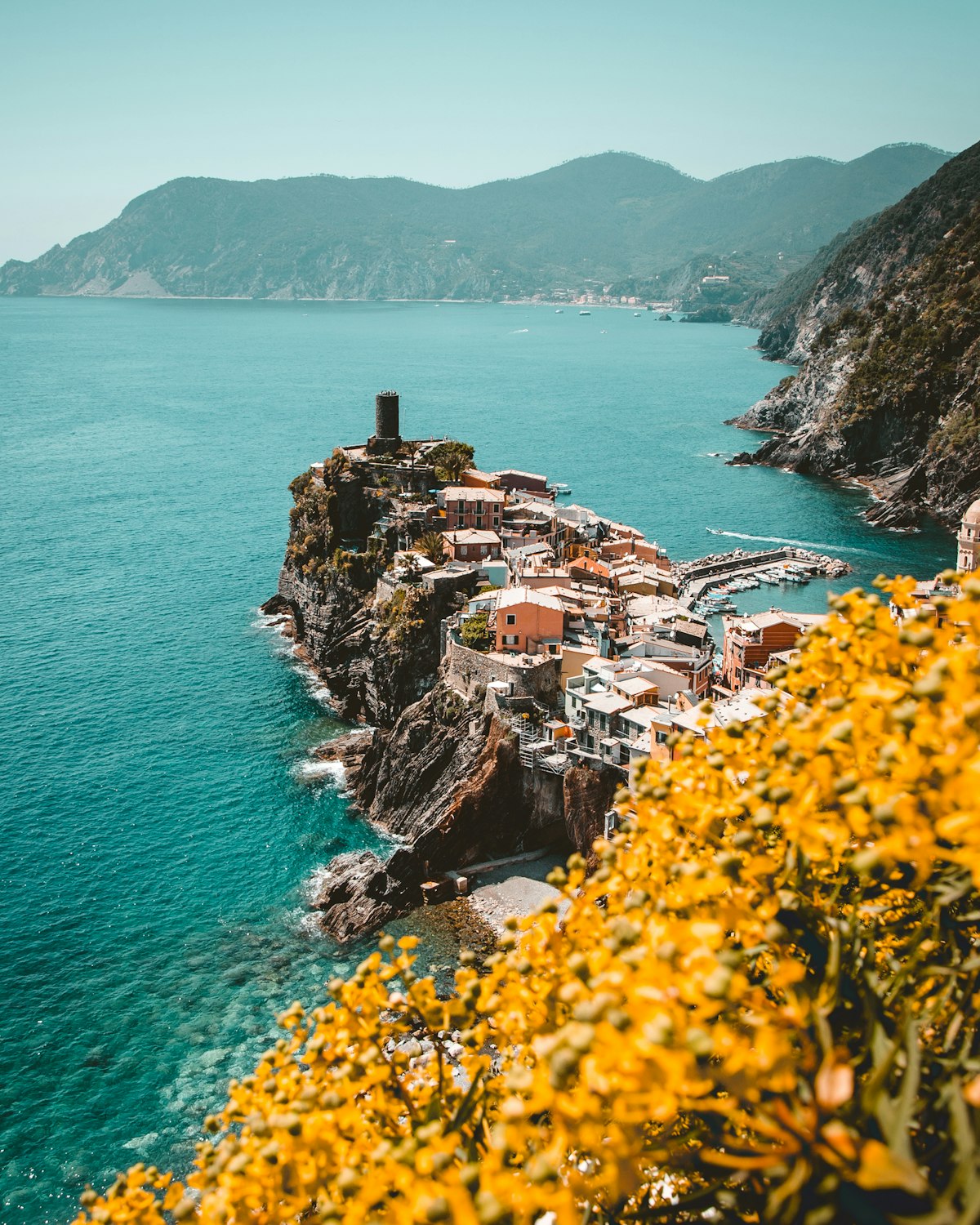
The five UNESCO-listed villages — Monterosso, Vernazza, Corniglia, Manarola and Riomaggiore — cling to the cliffs of the Ligurian Riviera. Connected by hiking trails overlooking the Mediterranean, they offer one of Italy’s most iconic experiences. Arrive early morning or off-season to avoid the crowds.
Puglia and the Deep South
The heel of the Italian boot is the great discovery of recent years. The trulli of Alberobello (UNESCO-listed conical dwellings), the crystal-clear beaches of the Salento, the white city of Ostuni, the sea caves of Polignano a Mare, the cooking of the nonnas — orecchiette, burrata, taralli. Puglia is authentic Italy, far from mass tourism.
Sicily and Sardinia
Sicily is a world apart: Greek temples in the Valley of the Temples at Agrigento, baroque splendour in Noto and Ragusa, Mount Etna smoking above Catania, the chaotic markets of Palermo, the beaches of Cefalù. Sardinia seduces with the turquoise waters of the Costa Smeralda, the mysterious nuraghi (prehistoric structures), and the wild hinterland of the Barbagia.
03Italian Gastronomy: Far More Than Pasta
Italian cuisine is the world’s most imitated — and the most betrayed. Here, everything rests on the quality of ingredients and the simplicity of preparations. Every region has its traditions, its products, its jealously guarded recipes. Emilia-Romagna is Italy’s larder (parmesan, Parma ham, Modena balsamic vinegar), Naples is the homeland of pizza (the vera pizza napoletana is UNESCO-listed), Sicily excels in street food (arancini, cannoli, granita).
Golden rules for eating like a local: never order a cappuccino after 11am, never ask for parmesan on seafood pasta, always finish with a caffè (an espresso, never an americano), and prefer neighbourhood trattorias over tourist restaurants on the main squares.
Region
Specialities
Not to miss
Emilia-Romagna
Tortellini, ragù, parmigiano reggiano
Bologna market, parmesan factories
Naples / Campania
Pizza margherita, sfogliatella, limoncello
Pizzeria Da Michele (since 1870)
Sicily
Arancini, cannoli, pasta alla norma
Ballarò and Vucciria markets in Palermo
Puglia
Orecchiette, burrata, taralli
Masserie (converted traditional farms)
Tuscany
Bistecca fiorentina, ribollita, cantucci
Chianti and Brunello di Montalcino cellars
Veneto
Risotto al nero di seppia, cicchetti, tiramisù
Venice bacari (cicchetti bars)
Liguria
Pesto genovese, focaccia, trofie
Genoa’s covered markets
Piedmont
Vitello tonnato, agnolotti, tartufo bianco
Alba white truffle fair (October)
04Getting Around Italy
Italy has an excellent rail network in the north and centre, more patchy in the south. The Frecciarossa (high-speed trains) from Trenitalia connect Milan to Rome in 2h50, Rome to Naples in 1h10, Florence to Venice in 2h. Low-cost operator Italo often offers lower fares on the same routes. Book ahead for the best prices.
Train (Trenitalia / Italo) — ideal between major cities. Book ahead for the best fares.
Car rental — essential in Tuscany, Puglia, Sicily and Sardinia. Watch out for ZTL (limited traffic zones) in city centres.
Ferry — for Sicily (from Villa San Giovanni), Sardinia (from Civitavecchia or Genoa), Capri, Ischia, the Aeolian Islands.
Domestic flights — useful for reaching Sicily or Sardinia from the north (Ryanair, EasyJet, 1h flight).
Regional buses — FlixBus for budget connections, SITA local buses for the Amalfi Coast.
Watch out for ZTL zones
Italian historic centres are protected by Limited Traffic Zones (ZTL). If you drive in without authorisation, cameras automatically catch you and the fine (often €80–100) arrives months later. Check with your hotel before driving into a city centre.
05Budget: How Much Does a Trip to Italy Cost?
Italy offers excellent value compared to other European destinations. A budget of €70 to €130 per day per person allows you to travel comfortably. The south (Puglia, Sicily, Calabria) is significantly cheaper than the north (Milan, Lake Como, Venice).
01Accommodation: from €30 (hostel) to €200+ (boutique hotel). Agriturismos (converted farms) offer unbeatable value in the countryside (€60–100/night).
02Meals: a trattoria lunch costs €10–15, a full dinner with wine €25–40. Street food (pizza al taglio, arancini, supplì) lets you eat for €3–5.
03Transport: a Frecciarossa Milan–Rome ticket costs €30–60 (booked ahead), a regional journey €5–15. Italo regularly offers €9.90 deals.
04Museums and sites: the Colosseum costs €16, the Uffizi €25, Pompeii €18. Free on the first Sunday of the month in state museums. The Roma Pass (48h/72h) pays for itself after 2 museums.
05Gelato: an essential daily budget of €2.50–4 (minimum). Look for artisan gelaterias that don’t display mountains of brightly coloured ice cream.
06When to Visit Italy?
Italy can be visited year-round, but the climate varies considerably from north to south. The best periods are April–June and September–October: pleasant temperatures, moderate crowds, reasonable prices. Summer (July–August) is ideal for beaches and islands but the heat is oppressive in southern cities and tourist numbers at their peak.
Winter has its charms: Venice in the mist, Christmas markets in South Tyrol, skiing in the Dolomites, the streets of Rome without the crowds. February is the month of the Venice Carnival, one of the most famous in the world.
Our tip
September is the absolute sweet spot: the sea is still warm (24–25°C), the tourists have left, the grape harvest is in full swing in Tuscany and Piedmont, accommodation prices drop 20–30%, and the light is magnificent for photography.
07Recommended Itineraries
The Classic: Rome – Florence – Venice (10 days)
The most popular itinerary for a first trip. 3–4 days in Rome (Colosseum, Vatican, Trastevere), train to Florence (3 days) with a Tuscan excursion (Siena, San Gimignano), then Venice (2–3 days) with a detour to Verona or Lake Garda. All by high-speed train.
The Authentic South: Naples – Amalfi – Puglia (14 days)
For those wanting to go off the beaten track. Naples (2–3 days) + Pompeii, Amalfi Coast (3–4 days) with Positano, Amalfi and Ravello, then a road trip through Puglia (5–6 days): Matera (UNESCO troglodyte city), Alberobello, Lecce (the baroque Florence of the south), Salento beaches. Car rental essential from Amalfi.
The Islands: Sicily + Sardinia (14–18 days)
For travellers who’ve already done the mainland. Sicily (8–10 days): Palermo, Cefalù, Catania, Mount Etna, Syracuse, the Valley of the Temples, Noto and the baroque Val di Noto. Ferry or flight to Sardinia (6–8 days): Cagliari, Costa Smeralda, La Maddalena archipelago, Alghero and Neptune’s Grotto.
08Italy Off the Beaten Path
Beyond the classics, Italy is brimming with hidden treasures. The Dolomites (UNESCO-listed north-eastern Alps) offer Europe’s most beautiful mountain scenery. Matera and its millennial cave dwellings was European Capital of Culture in 2019. Umbria — “Tuscany without the tourists” — offers Perugia, Assisi and Orvieto in a green setting. Discover all our destinations to plan your next trip.
For nature lovers, the Cinque Terre National Park on foot (trail no. 2), the Aeolian Islands off Sicily (Stromboli and its active volcano, Lipari, Salina), and Trentino-Alto Adige, a bilingual Italian-German region with Alpine lakes, Christmas markets and the wine route between Bolzano and Merano.
Map of Italy
09Formalities and Practical Information
Italy is part of the Schengen area and the eurozone. For EU nationals, a valid ID card or passport is sufficient. No visa is required for stays under 90 days for most nationalities.
Currency: Euro (€). Bank cards widely accepted, but always carry cash for small trattorias and markets.
Language: Italian. English is understood in tourist areas but rarely spoken in the deep south. A few words of Italian open every door.
Time zone: UTC+1 (UTC+2 in summer), same as France.
Emergencies: 112 (European number), 118 (ambulance), 113 (police). European Health Insurance Card (EHIC) for healthcare.
Electricity: 230V, type C and L plugs (three pins in a line). An adapter may be needed.
Tipping: not mandatory. The coperto (€1–3) is often included in the bill. Rounding up to the next euro is sufficient.
Âme Bohème exists thanks to you
Some links in this article are affiliate links. This means that if you book or purchase a product through these links, we receive a small commission — at no extra cost to you. It's thanks to this support that we can continue creating free, quality content.
You can also buy us a coffee, or follow us on Instagram and Facebook.
Thank you
Share
Comments
Share your thoughts
Leave a comment
Looking for more information for your trip? Book a personalised video call with us, or join the Curious Souls community on Discord.
Your email address will not be published. Required fields are marked with *