Santorini is an island that, beyond its breathtaking landscapes, is home to a unique biodiversity. As a nature enthusiast, I've always been fascinated by the wealth of life hidden in every corner of this Greek island.
Santorini is much more than white houses perched on cliffs and breathtaking sunsets. It's a true treasure trove of biodiversity, a vibrant ecosystem that deserves to be explored and protected.
Conserving biodiversity is more than just a matter of ethics. It's a necessity for our survival and that of future generations. As travelers, we have a duty to respect and protect these unique ecosystems.
In this article, we'll dive into the fascinating world of Santorini's flora and fauna. We'll explore the endemic species that make this island so special, and discuss why their conservation matters. Get ready for an exciting journey through Santorini's nature!
History of Santorini's biodiversity
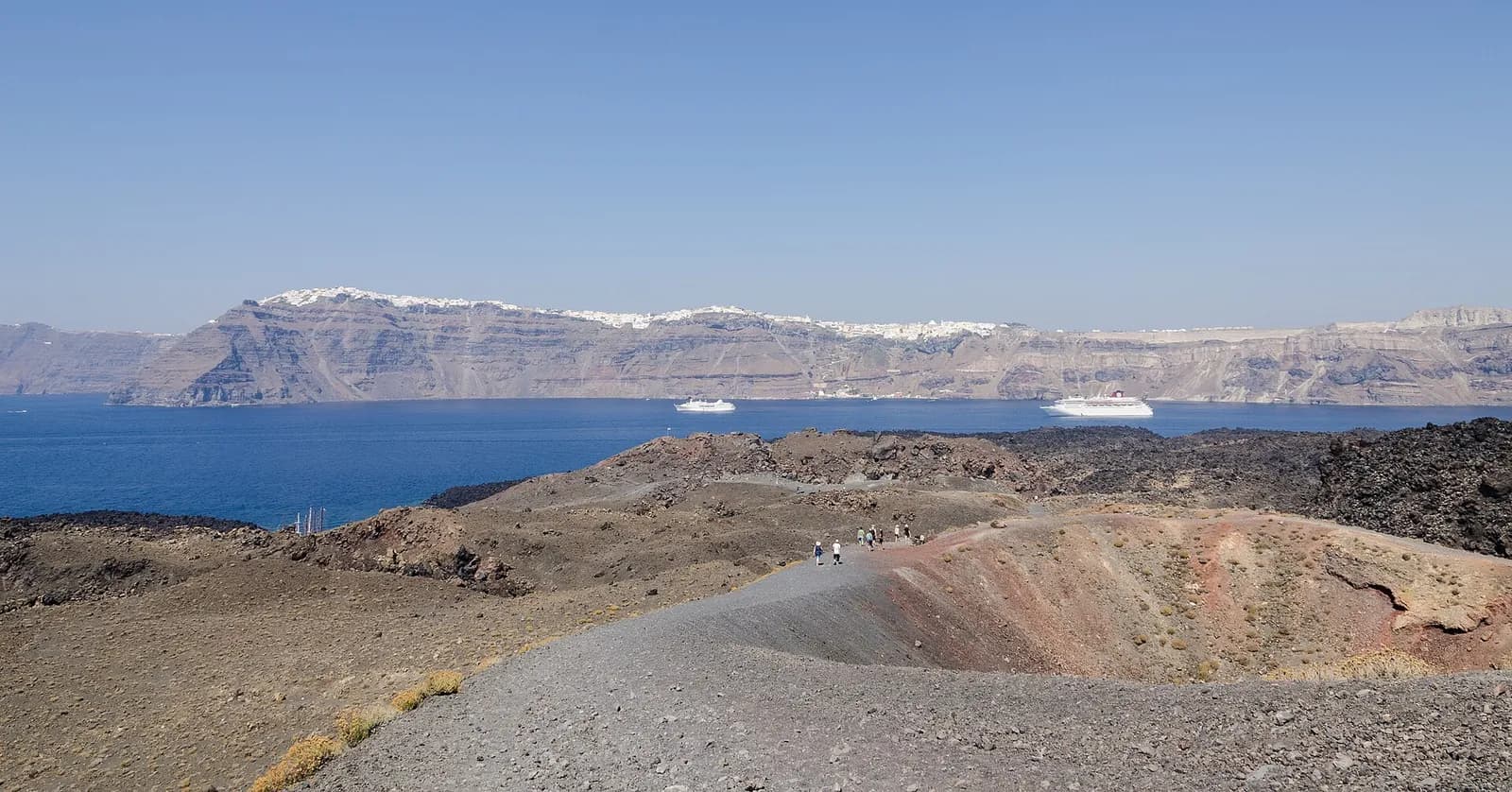
The history of Santorini's biodiversity is intrinsically linked to its volcanic past. The cataclysmic eruption that shaped the island also significantly influenced its biodiversity. As a lover of both nature and history, I find this interplay between geology and biology absolutely fascinating.
The influence of the volcanic eruption
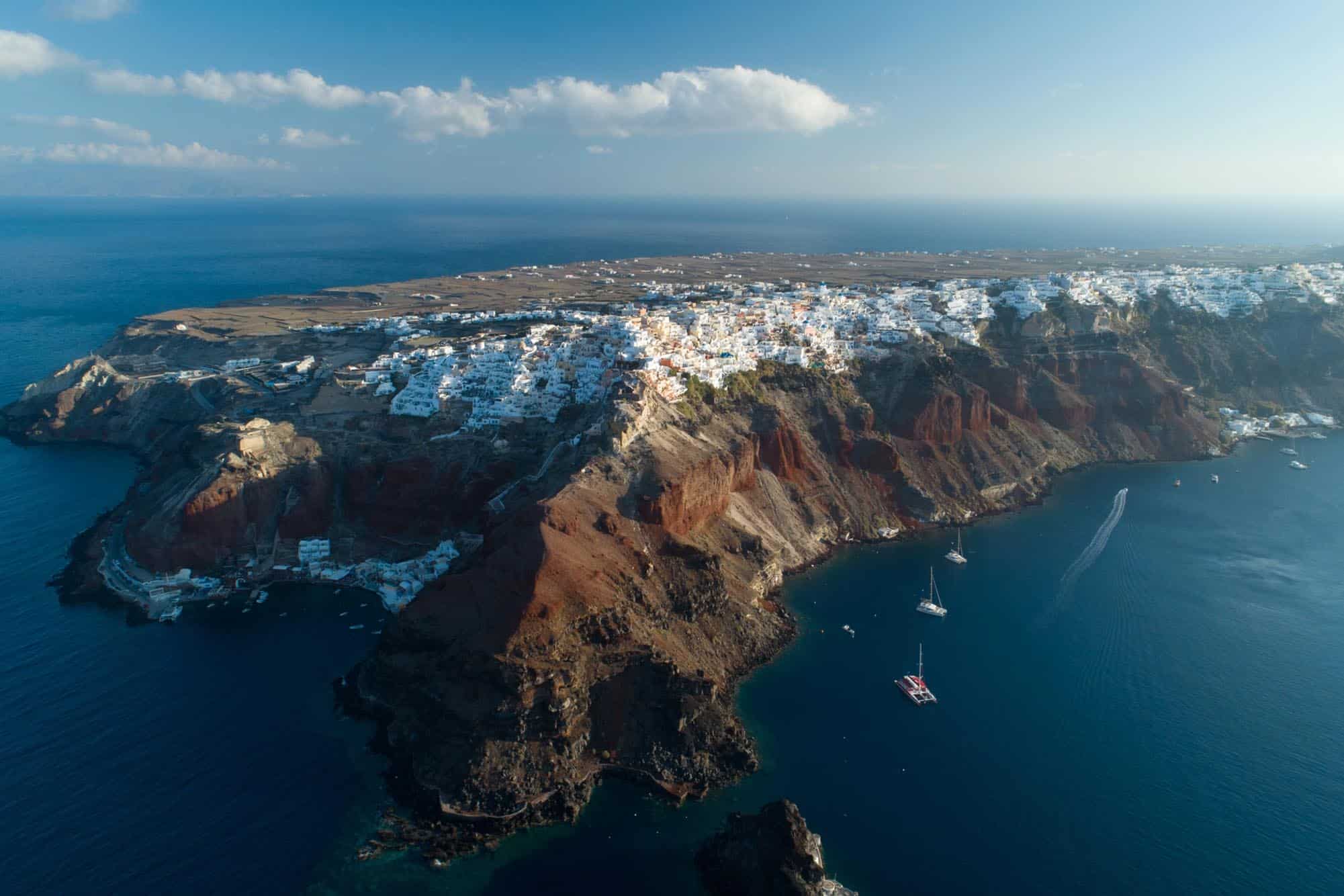
The eruption of Santorini's volcano, around 3,600 years ago, had a major impact on the island's ecosystem. Not only did it reshape the island's landscape, it also created a unique environment that influenced Santorini's biodiversity. The mineral-rich volcanic soil encouraged the development of a specific flora able to adapt to these particular conditions.
How species adapted in Santorini
Faced with this unique environment, Santorini's species had to adapt to survive. For example, the Santorini vine, an iconic plant of the island, developed a unique growth form, coiling its shoots into a basket to protect itself from the wind and heat. It's a wonderful illustration of nature's ability to adapt to the harshest conditions.
Likewise, Santorini's fauna also had to adapt to this environment. Species evolved to survive in a habitat with little fresh water, high temperatures and volcanic soil. It's this adaptation that gave rise to the unique biodiversity we see in Santorini today.
The history of Santorini's biodiversity is a story of resilience and adaptation. It's a story that is still unfolding, as the island's species adapt to current challenges such as climate change and tourism. As visitors to Santorini, we have the privilege of watching this story play out live, and the responsibility to help preserve it.
Santorini's flora
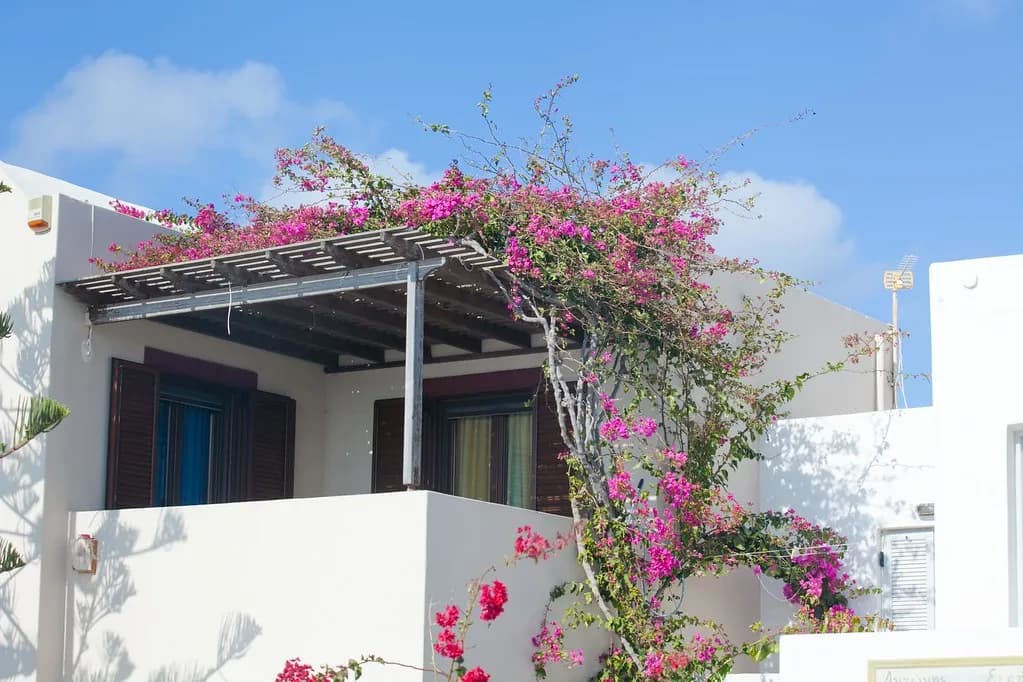
Santorini's flora is a true natural treasure. The island's native plants have adapted to its unique environment, creating a rich and diverse ecosystem. As a nature lover, I'm always amazed by the resilience and beauty of these plants.
Santorini's native plants
Santorini's native plants play a crucial role in the island's ecosystem. They provide food and habitat for local wildlife, contribute to soil fertility and help prevent erosion.
Iconic species
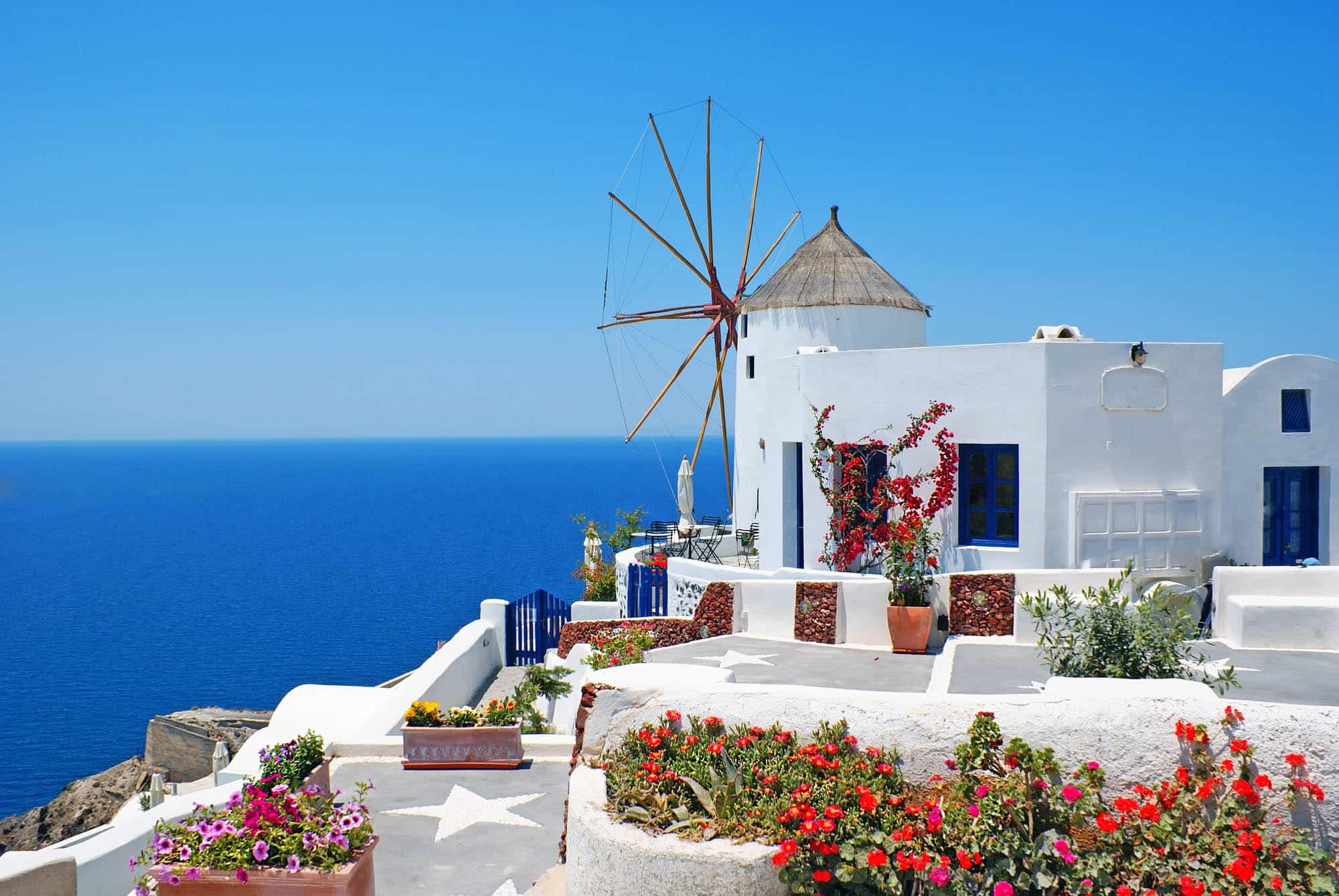
Among Santorini's many native plant species, some are particularly iconic. The caper bush, for example, with its white and purple flowers, is a typical plant of the island. It grows straight out of rocks and stone walls, adding a touch of color to Santorini's palette of white and blue.
The Santorini vine is another iconic species. Thanks to its adaptation to the island's volcanic soil and arid climate, it produces grapes that make wines of exceptional quality. If you're a wine lover, I highly recommend visiting a local winery to taste Santorini's wines. You can check out our guide to Santorini wines for more information.
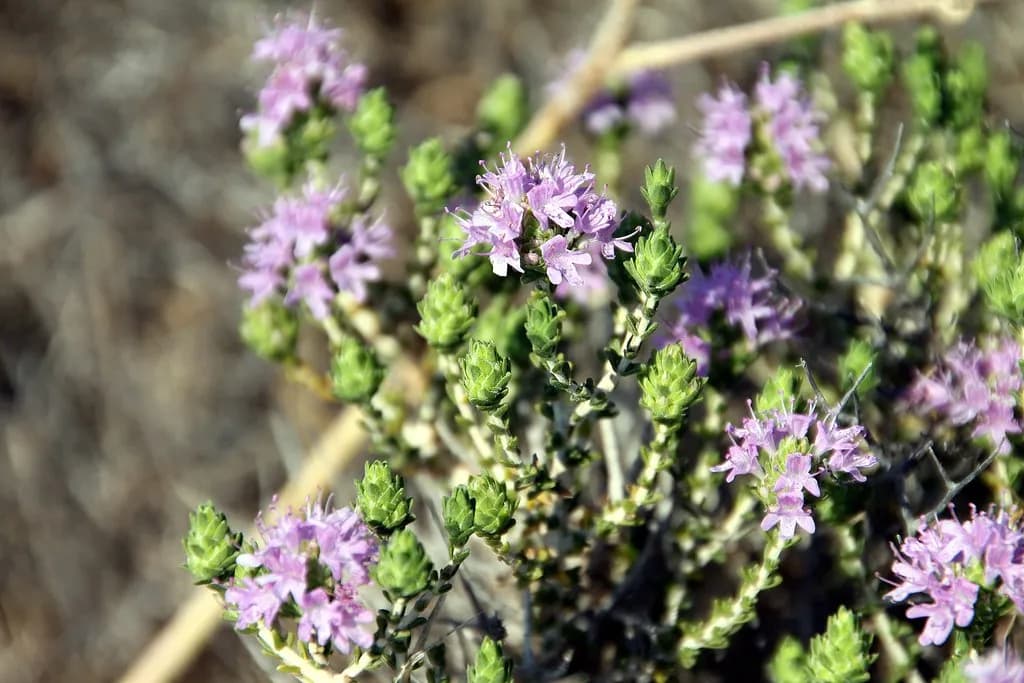
The impact of the climate and volcanic soil
Santorini's climate and volcanic soil have a significant impact on its flora. The island's plants have had to adapt to nutrient-poor soil and an arid climate. This has given rise to a unique flora able to withstand harsh conditions – a true testament to the strength and resilience of nature.
A thriving flora
On the islands of Thira and Thirasia, nature is lush and green. These islands are dotted with vines and olive trees, as well as eucalyptus, fig trees, various species of pine and other lesser-known plants. Santorini isn't particularly known for its rainfall, with most of the rain falling in autumn and winter. In spring, the island blossoms in an explosion of greenery and flowers. In summer, however, much of this vegetation dries out under the scorching sun.
Santorini's flora reflects the island's geological history and unique climate. On your next visit to Santorini, take the time to explore its flora and marvel at the beauty and diversity of its plants.
Santorini's fauna
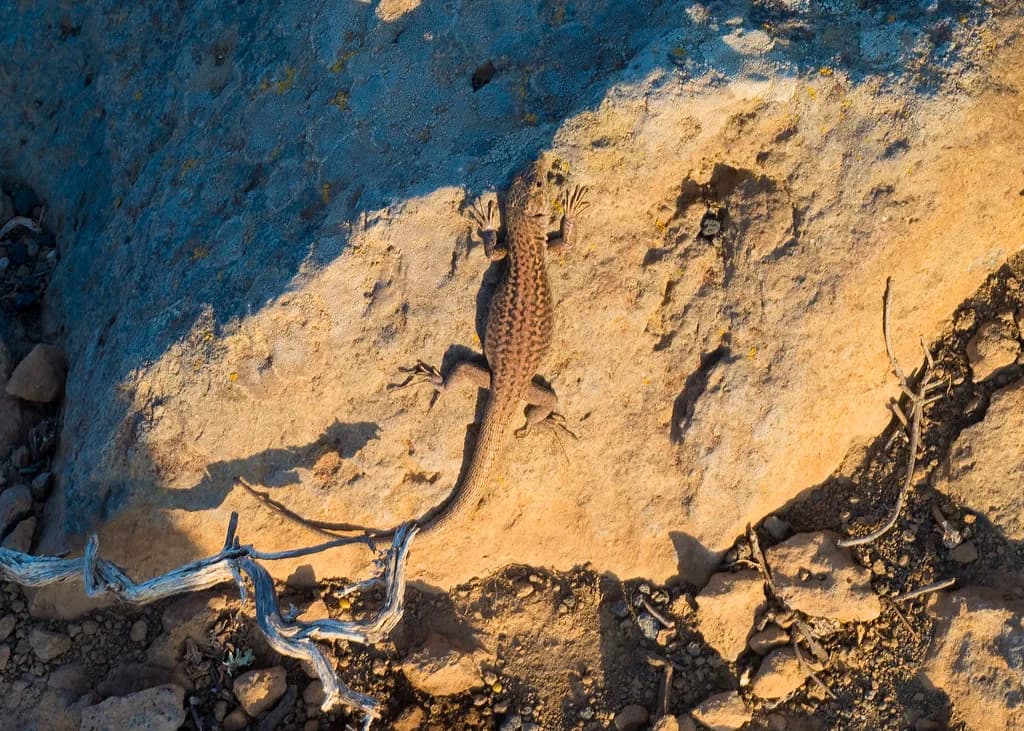
Let's now turn to Santorini's fauna, which is just as fascinating as its flora. The island is home to a variety of animal species that have adapted to its unique environment. As an animal lover, I've always been impressed by the diversity and resilience of Santorini's wildlife.
Santorini's animal species
Santorini is home to many animal species, from birds to marine mammals. These animals play a crucial role in the island's ecosystem, contributing to its biodiversity and balance. Every time I visit Santorini, I'm always on the lookout for these fascinating creatures.
Iconic species
Among Santorini's few animals, some are particularly iconic. The Aegean dolphin, for example, is a species commonly spotted around the island. These graceful creatures are a real joy to watch and a reminder of the richness of Santorini's marine life.
The Mediterranean monk seal is another iconic species. Although rare, these seals are sometimes spotted on the island's secluded beaches. If you're lucky enough to see one, it's a truly memorable experience.

A few bird species typical of Greece
Although Santorini isn't known for its wildlife, it is home to a variety of birds typical of Greece. These include gulls, swallows, quails, turtle doves, house sparrows, little owls and many more. These species are most visible in spring and in the quieter parts of the island, as the influx of tourists tends to drive them away.
It's worth noting that Santorini has no dedicated birdwatching sites, owing to the absence of natural habitats such as lakes. However, the small fishing harbors and steep cliffs offer excellent opportunities to appreciate the island's wildlife. The hiking trails are also a great option for anyone wanting to explore Santorini's nature, as they cross the countryside and offer a different perspective, away from the bustle of the villages. The trail linking Fira to Oia is particularly popular with nature lovers.
The interplay between fauna and flora
The interplay between Santorini's fauna and flora is a fascinating aspect of its ecosystem. Plants provide food and habitat for wildlife, while animals help pollinate plants and disperse seeds. It's a true ballet of nature, in which every species plays a crucial role.
Dive sites in Kamari
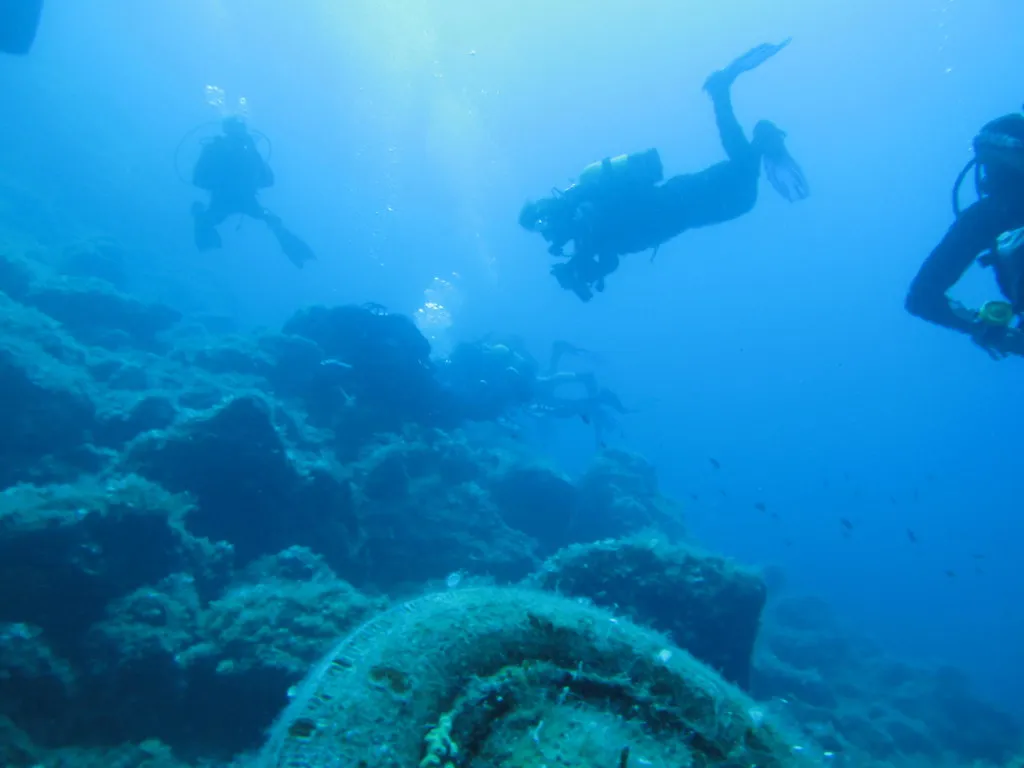
Located in the southeast of the island, Kamari is a popular dive site. You can see a variety of marine creatures there, including sea fans, octopuses and nudibranchs. There are three different dive sites in Kamari, each offering a unique experience.
- Kamari Beach Rock is ideal for beginners, with a maximum depth of 7 meters.
- Kamari Reef, just 5 minutes away by boat, is a reef that drops to a depth of 19 meters and is also popular with snorkelers.
- Kamari Wall is a drop-off that descends to a sandy plateau at a depth of 26 meters. As you follow the wall, you can admire the beauty of the sea fans and look for the delicate nudibranchs and octopuses camouflaged on the rock.
The challenges of biodiversity conservation in Santorini
Conserving biodiversity in Santorini is a major challenge. Despite its beauty and natural wealth, the island faces several threats that endanger its unique ecosystem. I firmly believe we all have a part to play in protecting this precious environment.
Threats to Santorini's biodiversity
Santorini's biodiversity is threatened by several factors. Tourism, for example, can have a negative impact on the island's environment. The influx of visitors can disturb local flora and fauna, and building tourist infrastructure can destroy natural habitats. That's why it's essential to promote responsible, environmentally friendly tourism.
Climate change is another major threat to Santorini's biodiversity. Temperature variations and changes in rainfall can disrupt ecosystems and threaten the survival of certain species. It's a global challenge that requires collective action.
Ongoing conservation efforts
Fortunately, efforts are under way to protect Santorini's biodiversity. Several local and international organizations are working to conserve the island's environment through research, awareness-raising and projects to protect endangered species.
These conservation efforts are crucially important. They help preserve Santorini's natural wealth for future generations and maintain the balance of its ecosystem. We can support these efforts by respecting the environment during our visits and by supporting conservation organizations.
How visitors can help protect the biodiversity of Santorini's flora and fauna

As visitors, we all have a part to play in protecting Santorini's biodiversity. By adopting environmentally responsible behavior, we can help preserve this unique ecosystem.
Good practices for tourists
Here are a few good practices I recommend to all visitors to Santorini:
- Don't disturb the wildlife: while exploring, take care not to disturb any animals you may come across. Keep a respectful distance and avoid feeding or touching them.
- Respect protected areas: some areas of Santorini are protected because of their importance for biodiversity. Respect the rules and restrictions in place in these areas.
- Minimize your impact: leave the places you visit as you found them. Avoid leaving litter and don't take natural souvenirs such as stones or plants.
Support local conservation organizations
Several local organizations work to conserve Santorini's biodiversity. By supporting them, whether through donations or volunteering, you can contribute to their efforts to protect the environment.
Every visitor has the power to help protect Santorini's biodiversity. By adopting environmentally responsible behavior and supporting conservation efforts, we can all help preserve this unique ecosystem. So, on your next visit to Santorini, remember that you have a part to play in protecting its biodiversity.
Conclusion – the flora and fauna of Santorini
Santorini's biodiversity is a true natural treasure. From its unique flora, shaped by volcanic soil and an arid climate, to its diverse fauna, the island is a rich and fascinating ecosystem. However, this biodiversity is threatened by several factors, including tourism and climate change.
As visitors, we all have a part to play in protecting this precious environment. By adopting environmentally responsible behavior and supporting conservation efforts, we can help preserve Santorini's biodiversity.
So, on your next visit to Santorini, remember how important it is to respect and protect its unique environment. Every action counts, and together we can make a difference.
Références
This article draws on a variety of sources to ensure its accuracy and reliability. These include scientific publications, conservation reports, travel guides and personal observations. I'm committed to providing accurate, up-to-date information to help readers understand and appreciate Santorini's biodiversity.
Âme Bohème exists thanks to you
Some links in this article are affiliate links. This means that if you book or purchase a product through these links, we receive a small commission — at no extra cost to you. It's thanks to this support that we can continue creating free, quality content.
You can also buy us a coffee, or follow us on Instagram and Facebook.