
We're closely following the exceptional situation currently affecting Santorini. The state of emergency, initially declared until March 3, 2025, has been extended for a further two months. The situation has worsened considerably since late January, with intense seismic activity leading to drastic measures.
We want to give you accurate, up-to-date information so you can make the best decisions about your travels.
2026 update: the early-2025 earthquake swarm (around 25,000 earthquakes located over eight weeks between Santorini and Amorgos) gradually died down from late February 2025. The state of emergency (6 February – 3 March 2025) was followed by two months of targeted civil-protection measures in areas at risk of rockfalls, then lifted; schools, hotels and shops reopened in spring 2025. The island was not closed to travellers: the 2025 and 2026 seasons ran normally, ports included. Scientific monitoring continues, but no restrictions apply to tourists as of September 2026.
The current situation in Santorini: what you need to know

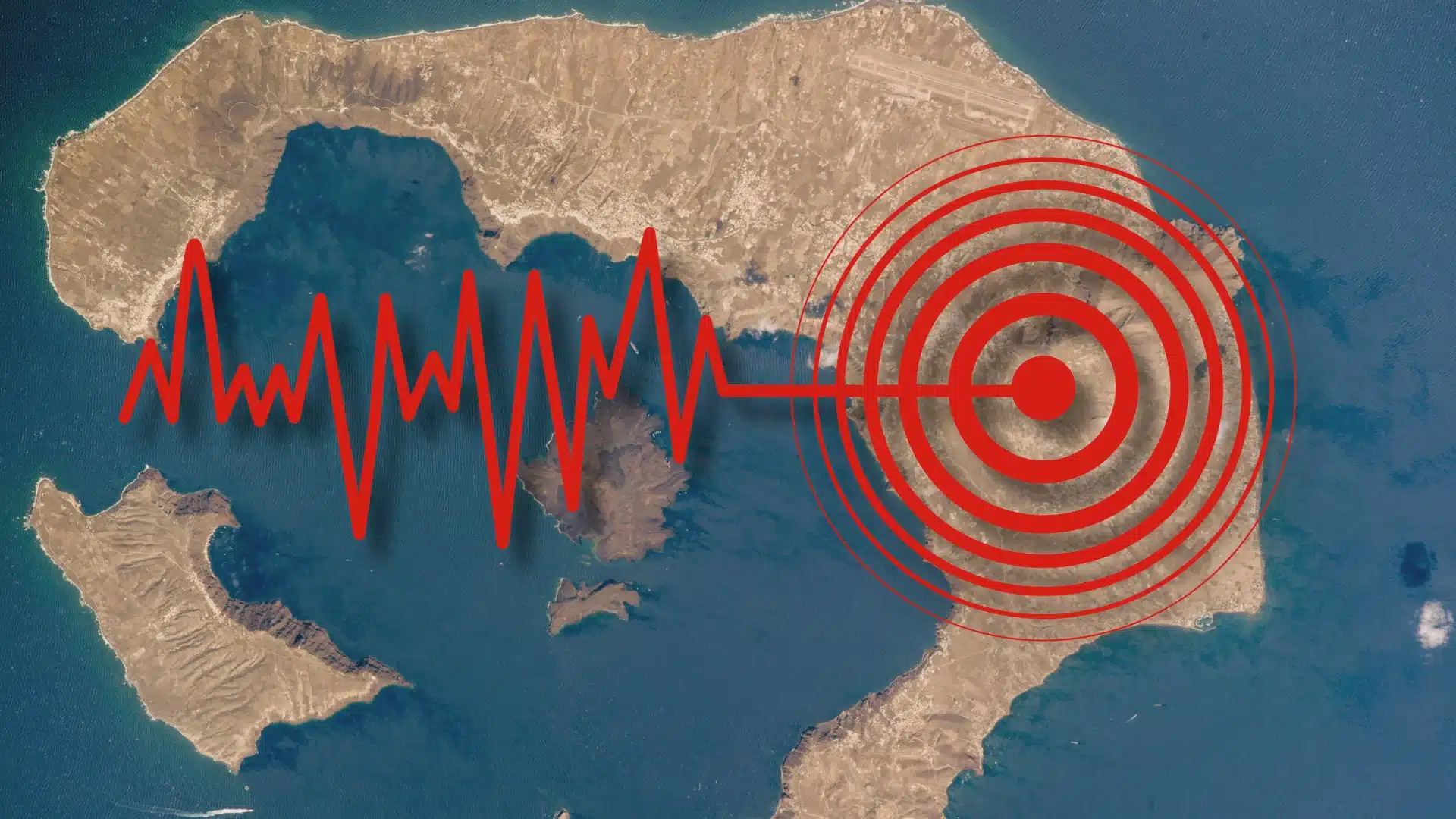
The pearl of the Cyclades is going through a period of unprecedented seismic activity. Since January 31, 2025, more than 800 earthquakes of magnitude 3 or above have been recorded. As of February 22, more than 20,000 tremors of magnitude 1 or above had been reported. The strongest shock, measuring 5.2 on February 5, 2025, was felt as far away as Athens, Crete and parts of Turkey.
Since the events began, around 12,000 of the 15,000 residents have left the island by sea or by air. Santorini was never closed to visitors, though: mainly schools and some businesses suspended activity for a few weeks.
The Greek authorities have put exceptional measures in place to guarantee everyone's safety.
IMPORTANT: the island is currently off-limits to visitors. Transfers from Santorini airport and ferry services are running only for evacuations and essential services. The cable car has been suspended and the popular hiking trails are closed.
"The safety of our visitors is our absolute priority," said Greek Prime Minister Kyriakos Mitsotakis, underlining the authorities' commitment to managing this exceptional situation.
A major impact on the tourism industry
At the height of the crisis, in February 2025, many hotels, restaurants and shops closed temporarily and bookings dropped. Business returned to normal in spring 2025.
If you're currently staying in Santorini or planning to go, we recommend reading our regularly updated guide to safety in Santorini.
Understanding the earthquakes in Santorini
Santorini's geological situation is unusual. The island sits at the junction of the African and Eurasian tectonic plates, which explains its regular seismic activity. To better understand this phenomenon, take a look at our article on Santorini's volcanoes.
It's important to distinguish the current seismic activity from volcanic activity. Greek experts state that the current tremors are not linked to any imminent volcanic activity. The last major earthquake in Santorini dates back to 1956, with a magnitude of 7.5.
Sensitive areas and recommendations
Safety measures have been considerably stepped up:
- Access to vulnerable areas, notably the ports of Amoudi and Fira, is strictly prohibited
- Schools are closed and large gatherings are banned
- Prime Minister Kyriakos Mitsotakis has pledged €3 million for an emergency evacuation road
- Strict travel restrictions are in force across the whole island
For a safe visit to the island, we recommend reading our guide to the mistakes to avoid when planning a trip to Santorini.
Essential safety measures for your stay in Santorini ⚠
In response to the earthquakes currently shaking the island, the Greek authorities have put an exceptional safety plan in place. It's crucial to stay informed and alert while keeping calm.
The island's emergency services are fully mobilized, with additional rescue teams deployed from the mainland. To explore Santorini safely, here are the essential recommendations:
"Pay attention to alerts sent to your mobile phone and carefully follow the instructions of the local authorities," advises Greek Civil Protection.
In an emergency, contact immediately:
- Police : 112
- EKAB (services médicaux d’urgence) : 166
- Fira emergency center: available 24/7
Practical safety tips
If you're currently in Fira, the capital of Santorini, or elsewhere on the island, here are the precautions to take:
- Locate the assembly points in your neighborhood
- Always keep a small flashlight and some water with you
- Keep your important documents close at hand
Risk areas: where not to go
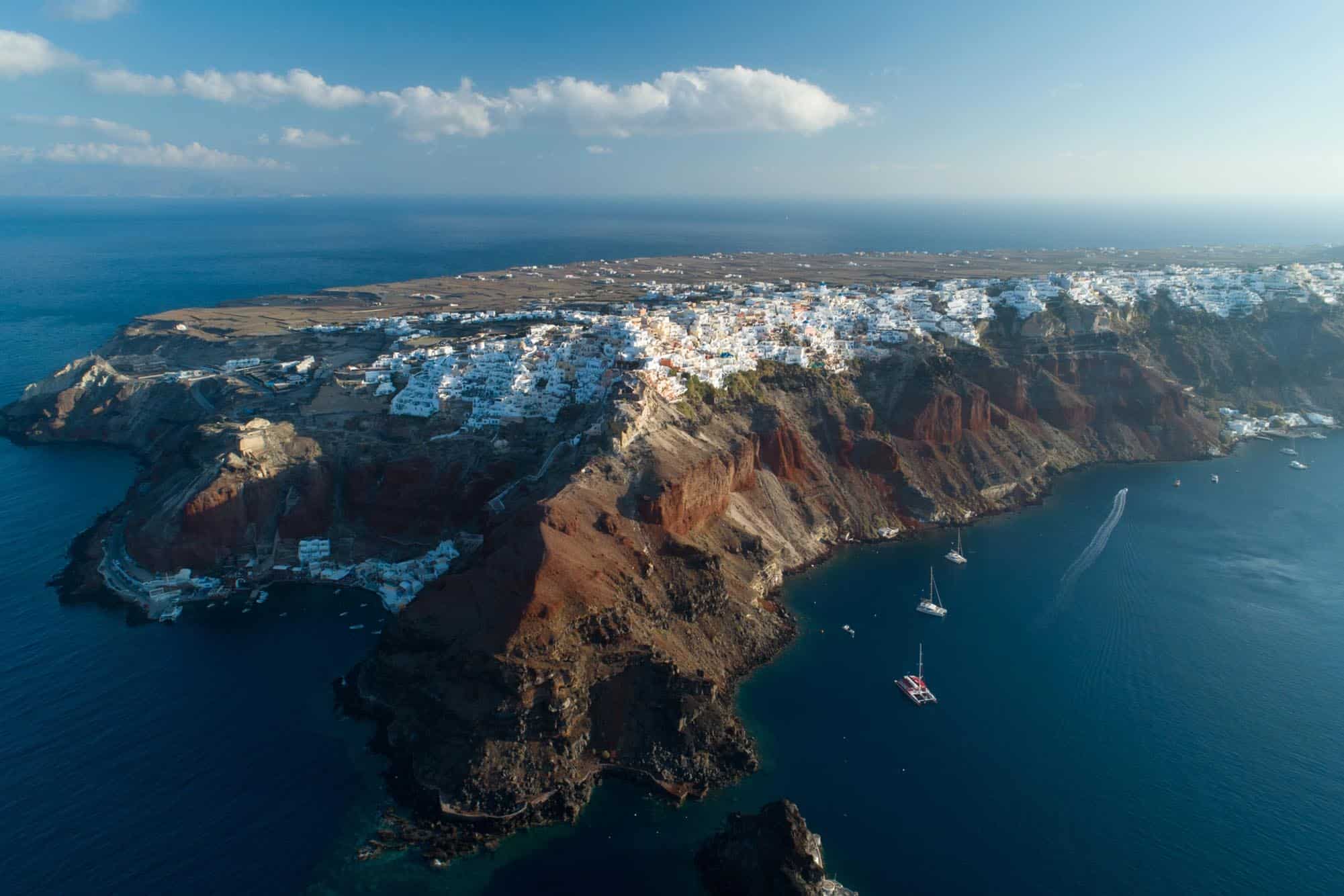
Given the current earthquakes, some areas of Santorini carry increased risk. The magnificent Ammoudi Bay, usually so picturesque, is temporarily off the recommended list because of the risk of rockfalls.
Particularly sensitive areas include:
Ports and coastal areas
Fira's Old Port and the ports of Amoudi, Armeni and Korfos are currently subject to access restrictions. If you need to take a ferry, follow the instructions for transfers from the airport to the secured port areas.
Hiking trails
At the height of the seismic crisis, the famous Fira to Oia hike and access to Skaros Rock were temporarily closed as a safety measure. Check locally before setting off: some stretches exposed to rockfalls may still be subject to occasional restrictions.
Planning or changing your trip to Santorini: a practical guide
You're no doubt wondering about your travel plans for Santorini given the current earthquakes. As we explain in our guide to the mistakes to avoid when planning a trip to Santorini, flexibility and adaptability are essential in these exceptional circumstances.
Change options and travelers' rights
If you've already booked your trip, be aware that most airlines and ferry companies are currently offering more flexible cancellation or change terms. For your transfers from Santorini airport, local providers are showing the same flexibility.
"In this exceptional situation, we recommend opting for changeable bookings and taking out comprehensive travel insurance that covers natural disasters."
Alternative destinations for your trip to Greece
If you'd rather postpone your visit to Santorini, there are several alternatives. Crete, larger and more geologically stable, is an excellent option. You can also explore the other Greek islands reachable by ferry, each with its own share of wonders to discover.
Practical information for your stay

Transport and accessibility
Air and sea connections continue to operate, with adjustments:
- Santorini airport operational with regular flights
- Ferries between Athens and Santorini are maintaining their services, weather permitting
- Additional shuttles are laid on in case of evacuation
Accommodation and services
The accommodation situation varies from area to area. The luxury hotels in Oia and Imerovigli have stepped up their safety measures. If you're going ahead with your stay, choose establishments that have put specific earthquake protocols in place.
Essential documents and preparations
For a stress-free stay despite the circumstances, keep close at hand:
- Passport and identity documents
- Police d’assurance voyage
- Your embassy's contact details
- A list of local emergency contacts
If you're looking to make the most of your budget, many places to stay are currently offering adjusted rates and flexible booking terms. Don't forget that the weather in Santorini can also affect travel conditions, especially at this time of year.
"Even in these uncertain times, Santorini remains an extraordinary destination. Our role is to help you plan your trip responsibly and safely, taking the current circumstances into account."
A historical and scientific perspective on earthquakes in Santorini
Santorini's history is closely tied to its seismic and volcanic activity. As we explain in our article on Santorini's volcanoes, the island owes its distinctive shape to one of the largest volcanic eruptions in history, which occurred around 1600 BC.
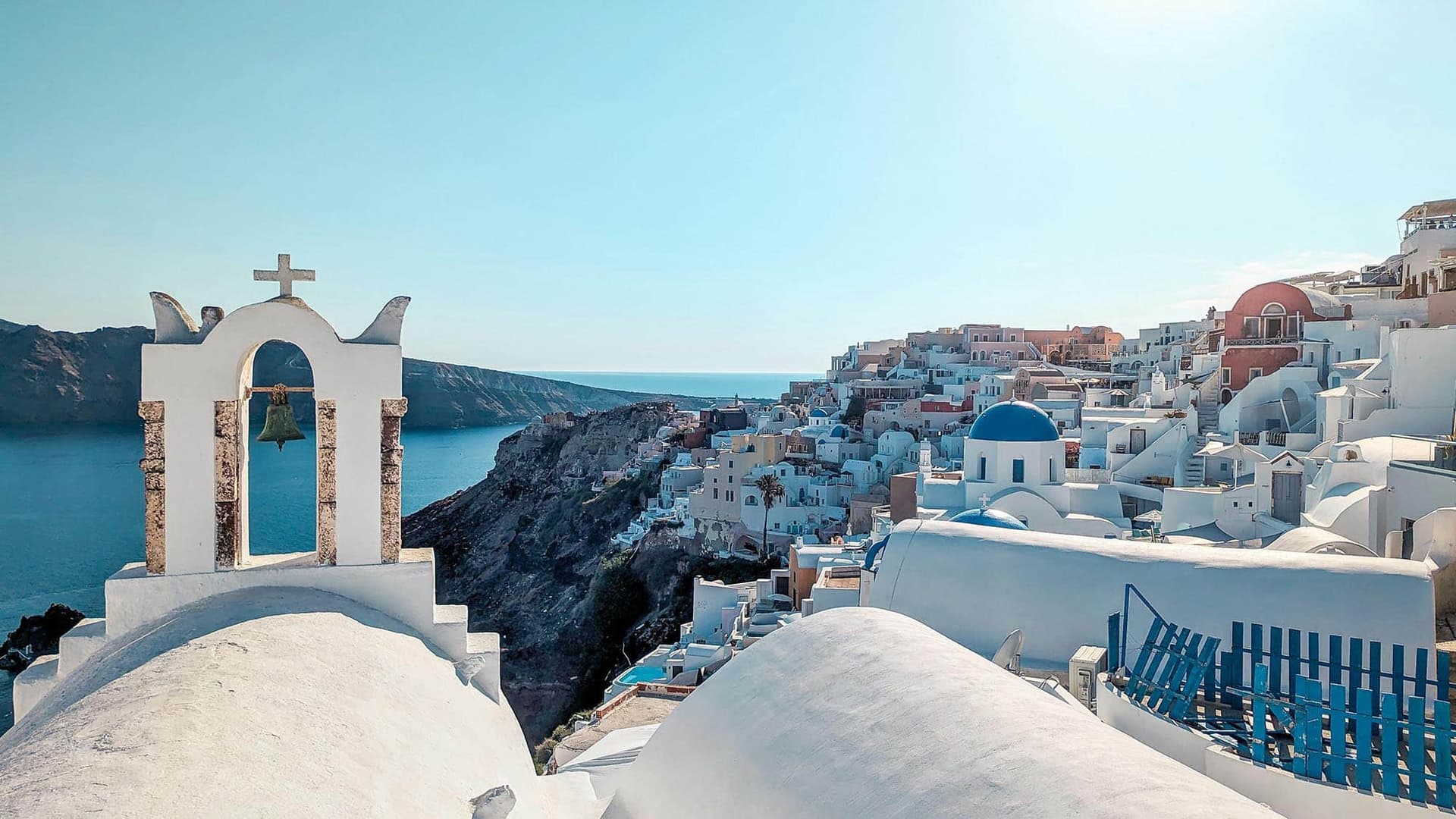
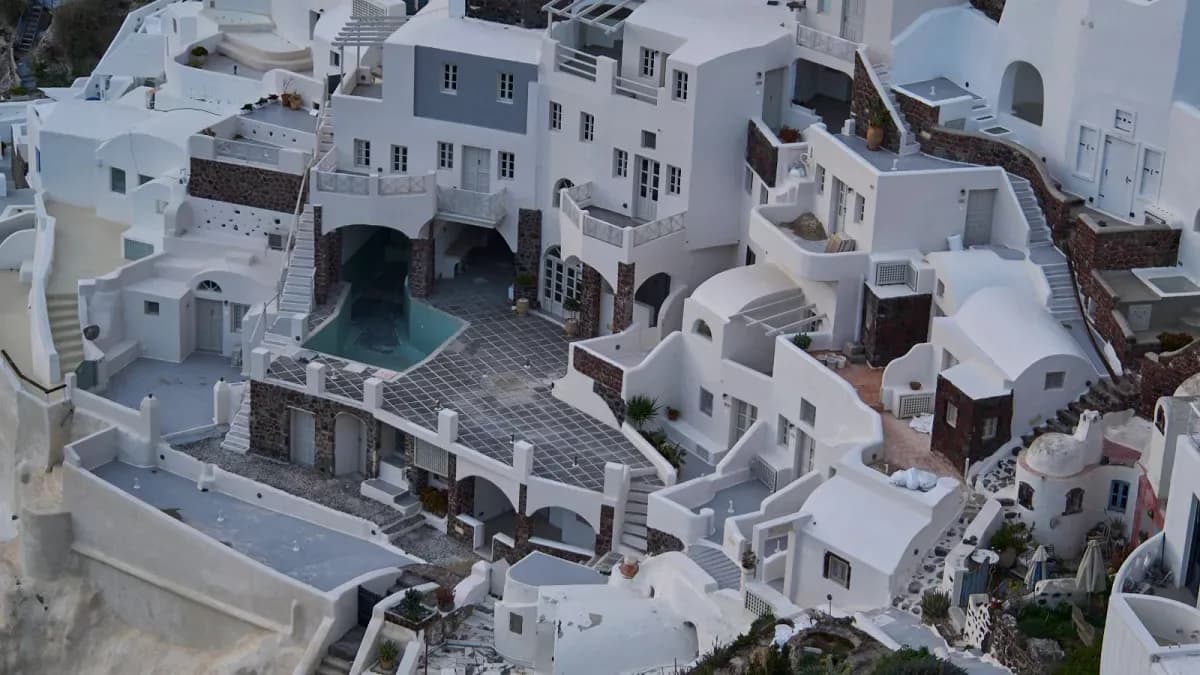
The current earthquakes remind us that the ancient city of Thera was itself shaped by these natural forces. The last major earthquake, with a magnitude of 7.5, dates back to 1956. This unique geological history explains why Santorini's traditional houses are white and blue, built to withstand tremors.
Also read: A holiday in Dubai: why it's worth it
Experts have determined that the current earthquakes are tectonic rather than volcanic in nature. However, seismologists warn that all scenarios remain possible, including a larger seismic event. This uncertainty prompted the exceptional preventive measures taken by the Greek government.
A modern monitoring system
Today, Santorini benefits from a sophisticated seismic monitoring network. Experts at the Geodynamic Institute in Athens track every earthquake in real time, even the slightest. The data collected helps us better understand the nature of the current seismic activity, which is distinct from volcanic activity.
"Modern monitoring systems allow us to follow the situation with unprecedented precision," explain Greek scientists.
Expert forecasts and analysis
Seismologists believe this sequence of earthquakes could continue for several weeks. However, they stress that the intensity of the tremors is gradually decreasing. For some context, visit our complete guide to Akrotiri, an archaeological site that bears witness to the island's age-old resilience in the face of natural phenomena.
Conclusion: Santorini, a resilient island
Santorini is going through a difficult period, but its history shows its ability to bounce back. The current earthquakes, while worrying, are being handled professionally by the Greek authorities.
Given the current situation, we recommend:
- Postponing any trip planned to Santorini in the coming months
- Reading our guides to alternative destinations in Greece
- Following our dedicated page for updates on the situation, which we refresh daily
- Contacting your airline or tour operator directly if you had bookings
Our commitment to you
We'll keep following the situation closely and updating our information. Whether you choose to visit Imerovigli, explore Pyrgos or postpone your trip, we're here to give you the best possible advice.
"Santorini has always come back stronger from every challenge. That's what makes this extraordinary island so beautiful and unique."
Don't forget that we regularly update our guide to things to do in Santorini to reflect the latest safety recommendations. Stay curious, stay careful, and keep dreaming of extraordinary journeys.

Âme Bohème exists thanks to you
Some links in this article are affiliate links. This means that if you book or purchase a product through these links, we receive a small commission — at no extra cost to you. It's thanks to this support that we can continue creating free, quality content.
You can also buy us a coffee, or follow us on Instagram and Facebook.