
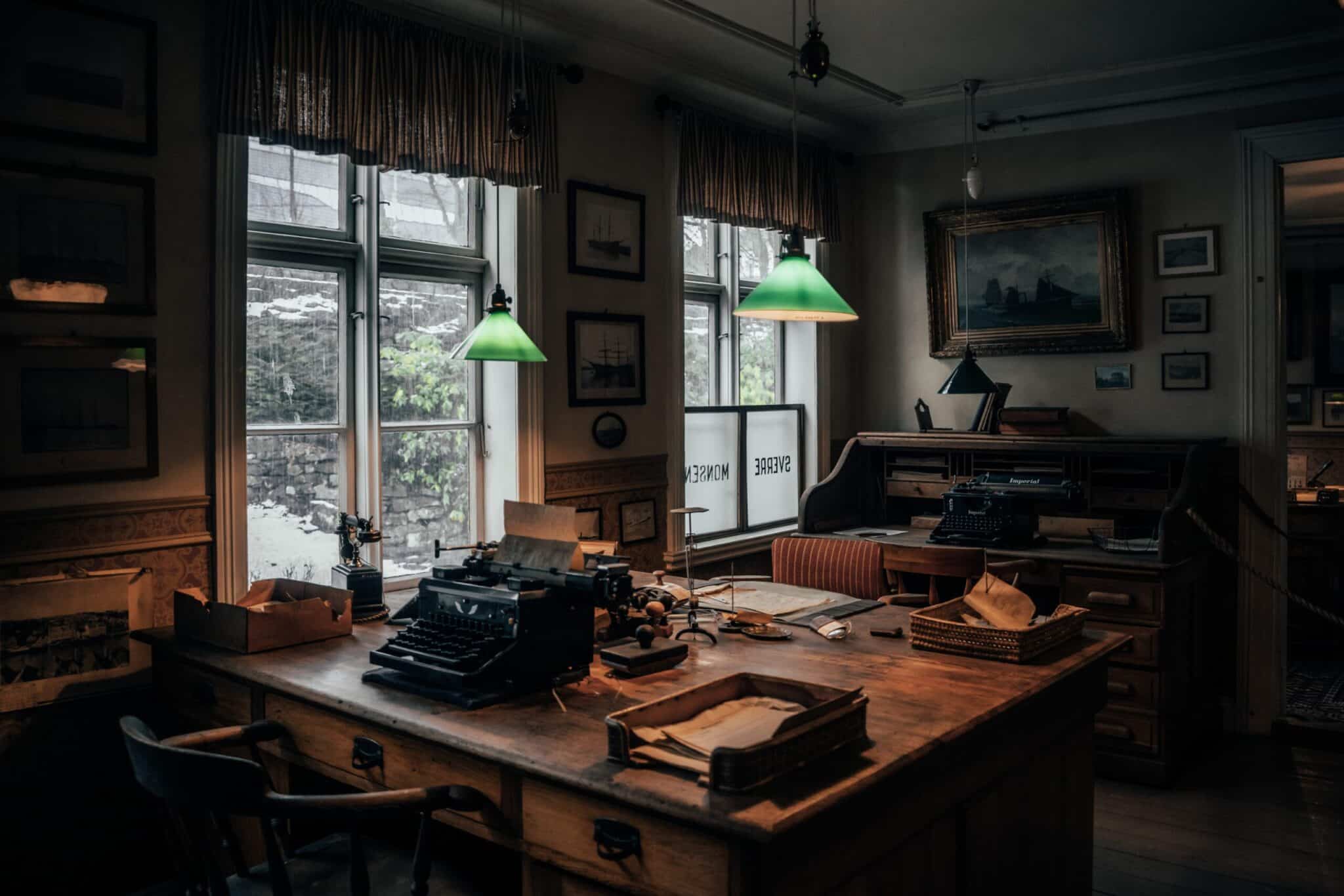

Housed in former 18th-century trading warehouses, the Stavanger Maritime Museum is one of the most interesting museums in the city. With its collections of maritime artefacts, reconstructed historical interiors and two iconic vessels, it tells 500 years of harbour history. If you are planning your trip, check out my complete guide to Stavanger and my selection of the best museums in Stavanger.
Honestly, I had not put this museum at the top of my list. But walking in on a cold winter day, I was pleasantly surprised by the richness of the collections and by the unique atmosphere of these old wooden warehouses. It is a museum you experience as much as you visit.
The museum is part of the MUST (Museum Stavanger) network, which brings together 8 museums in the city. A single ticket purchased at any MUST museum gives you access to all other MUST museums open that same day — a fact many visitors overlook, and it completely changes the value for money.
Practical information: prices, hours and access
2026 prices and MUST combined ticket
The admission prices for the museum are as follows:
- Adults: 170 NOK
- Children (under 18): free
- Students: free with student card
- Annual pass: 700 NOK (valid for 1 year, includes access for a companion)
The highlight: your admission ticket gives you access to ALL MUST museums open on the same day. In practice, if you buy your ticket here in the morning, you can then visit the Norwegian Canning Museum (IDDIS), the Archaeological Museum and other institutions in the network for free. The value for money is unbeatable.
Seasonal opening hours
Opening hours vary by season:
- 1 January to 21 April: closed on Mondays, Tuesday to Sunday 11 am to 4 pm
- 22 April to 21 September: open every day 10 am to 4 pm
- 22 September to 31 December: closed on Mondays, Tuesday to Sunday 11 am to 4 pm
Opening hours may vary on public holidays. Check the museum's official website for the most up-to-date information.
How to get there
The museum is located at Strandkaien 22, 4005 Stavanger, directly facing the Vågen harbour, right in the city centre.
- On foot from the city centre: 5 minutes from Vågen
- Free audio guide available at the reception (make sure to ask for it!)
- Estimated visit duration: 1.5 to 2 hours (add 30 minutes with children)
- Accessibility: lift available but does not serve all floors. Steep stairs in some sections
- Cafe at the museum entrance (drinks and light snacks)
- Pushchairs are not allowed inside the museum; loaner pushchairs are available on request
The museum's exhibitions

Home Port Stavanger — 500 years of harbour history
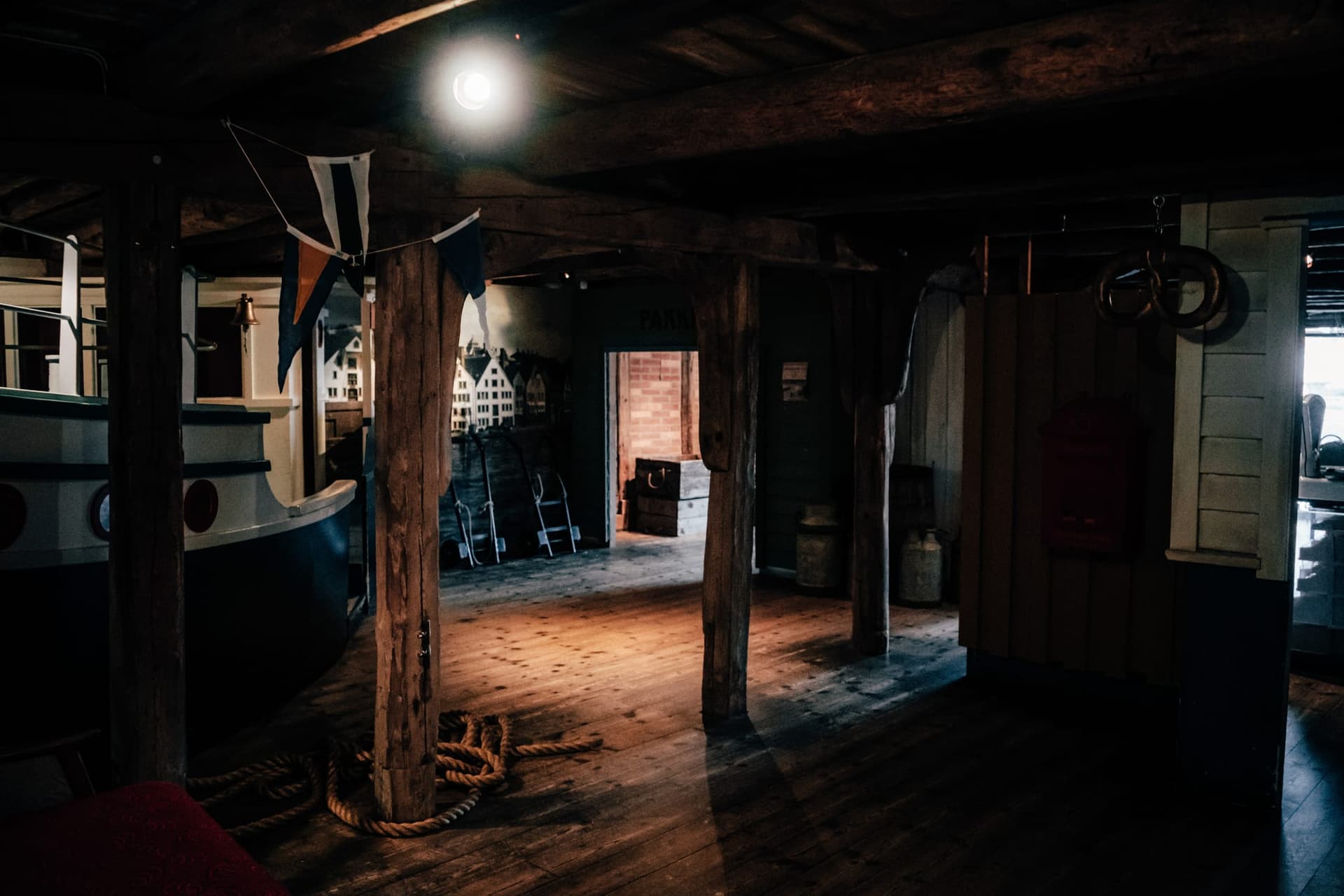
The museum's main exhibition, Home Port Stavanger, traces 500 years of harbour history through immersive reconstructions. You will come across historical characters: a local pirate, a general store manager, a young sailor and a telegraph operator. It is far more lively than I expected.
The exhibition notably covers the rediscovery of herring in Stavanger's waters after a 30-year absence — an event that profoundly transformed the city's economy. You come to understand how this small fish turned Stavanger into one of the most important ports in Norway.
Historical interiors: the merchant's house
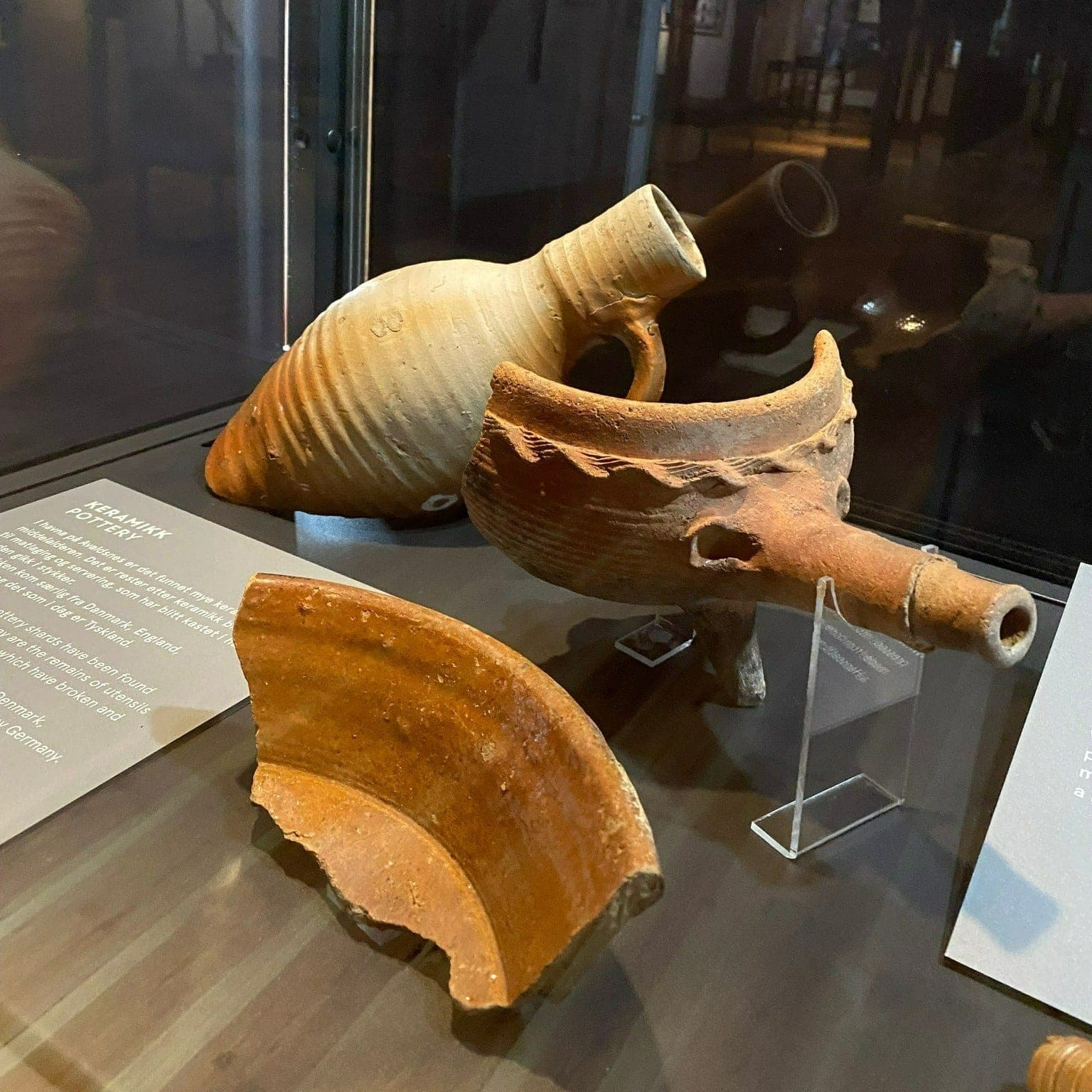

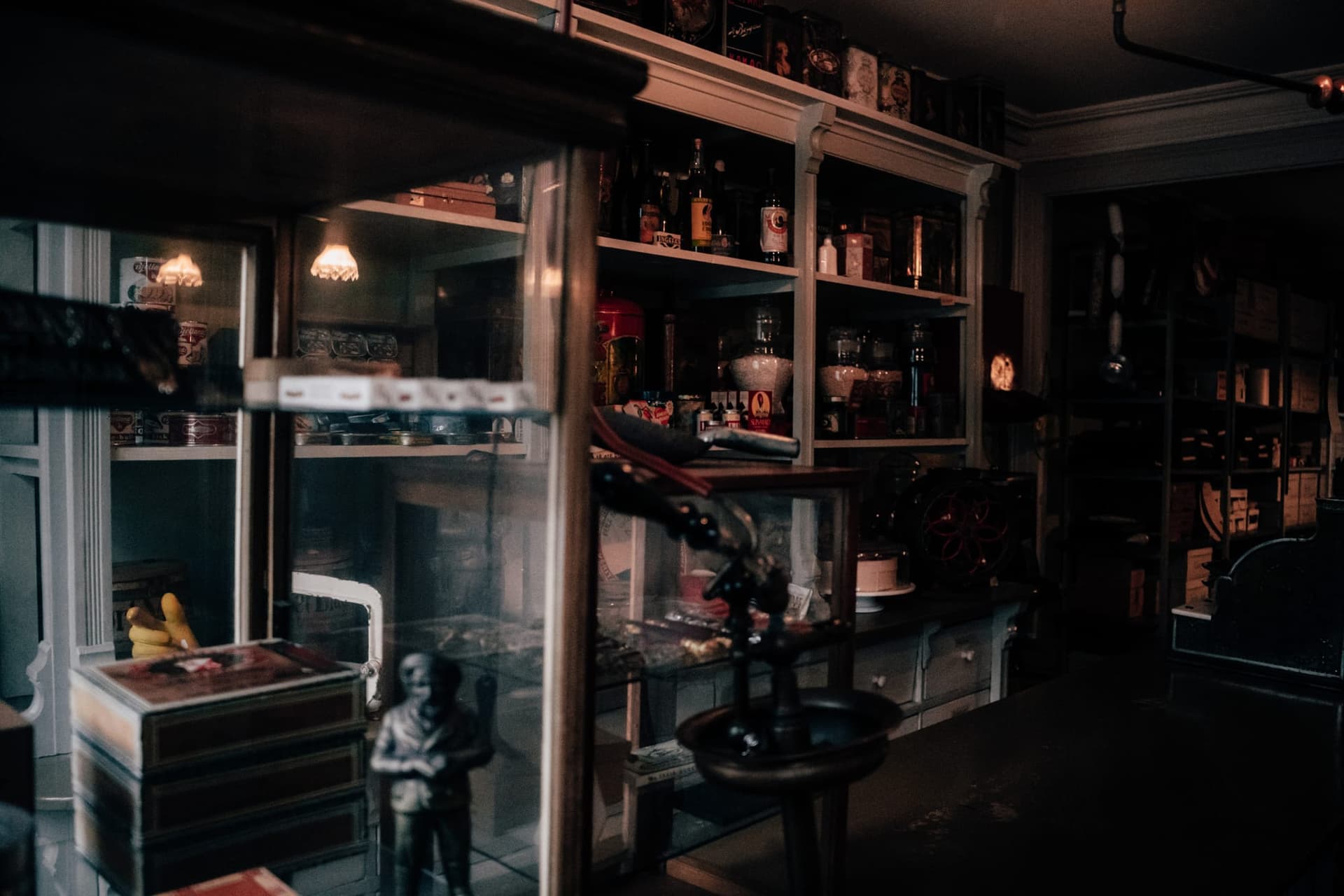
On the first floor, the museum has reconstructed the interiors of a 19th-century merchant's house. You can wander through a bourgeois sitting room, a period kitchen and a trading office. The details are remarkable: crockery, furniture, everyday objects. I think this was our favourite part of the museum.
The History Lab: underwater archaeology
The History Lab section is dedicated to the sea, the waterfront houses and underwater discoveries. It is a more recent addition that nicely complements the main tour.
Working at the Docks — the interactive children's area

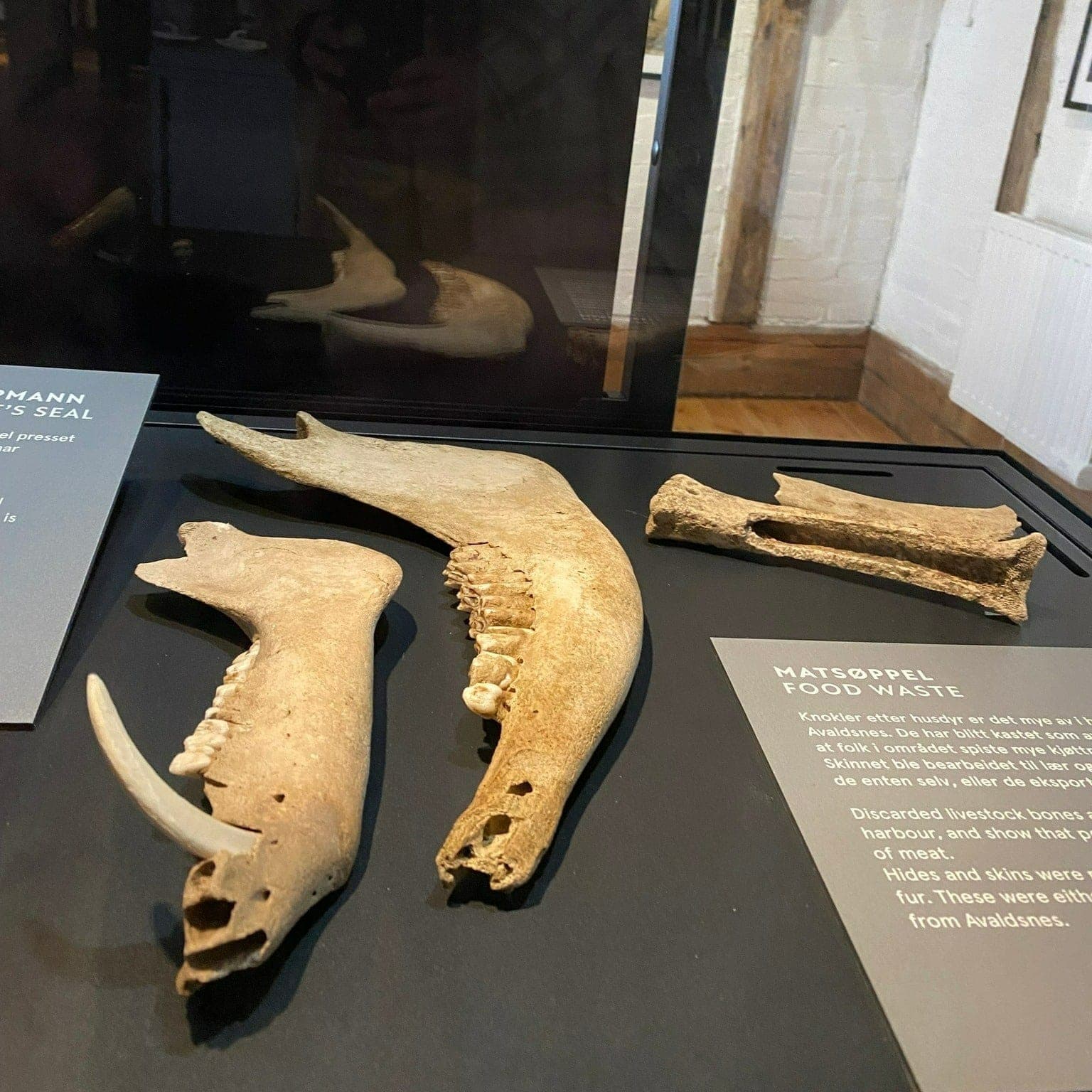
On the second floor, the Working at the Docks exhibition is specially designed for children. They can dress up as 1950s dockworkers, play different maritime roles and explore a dock reconstruction built to their scale. It is really well done.
Current temporary exhibition
The museum is currently showing the temporary exhibition Whittling on the Waterfront, on display from 2 October 2025 to 31 December 2026. Ask at the reception for details.
The museum's historic vessels

Anna af Sand — the 1854 jakt
The Anna af Sand is a jakt (Hardanger sloop), a type of cargo sailing vessel emblematic of Norwegian coastal trade. Launched in 1854 under the name Haabet, she was renamed Anna af Sand in 1899. Donated to the museum in 1973 by shipowner Torolf Smedvig, she is one of the oldest wooden cargo sailing vessels still in operation in Europe.
I will not lie to you — when you are inside the boat, you realise just how much sailing through the fjords back then must have been an adventure. The space is incredibly cramped and you can only imagine what living conditions on board were like.
Wyvern — the Colin Archer yacht
The Wyvern is a yacht designed by Colin Archer, the famous Norwegian naval architect who also designed Nansen's Fram. Commissioned in 1894 by Frederick Croft, an English timber merchant living in Stathelle, she was launched in 1897. She was donated to the museum in 1984 by Crown Prince Harald.
The Wyvern has had a turbulent history: on 11 July 2013, during the Tall Ships Race, she sank in the Baltic Sea between Gotland and Öland. The crew was rescued and the vessel was refloated in August 2013, then restored. A story worthy of a novel.
My honest review of the Maritime Museum

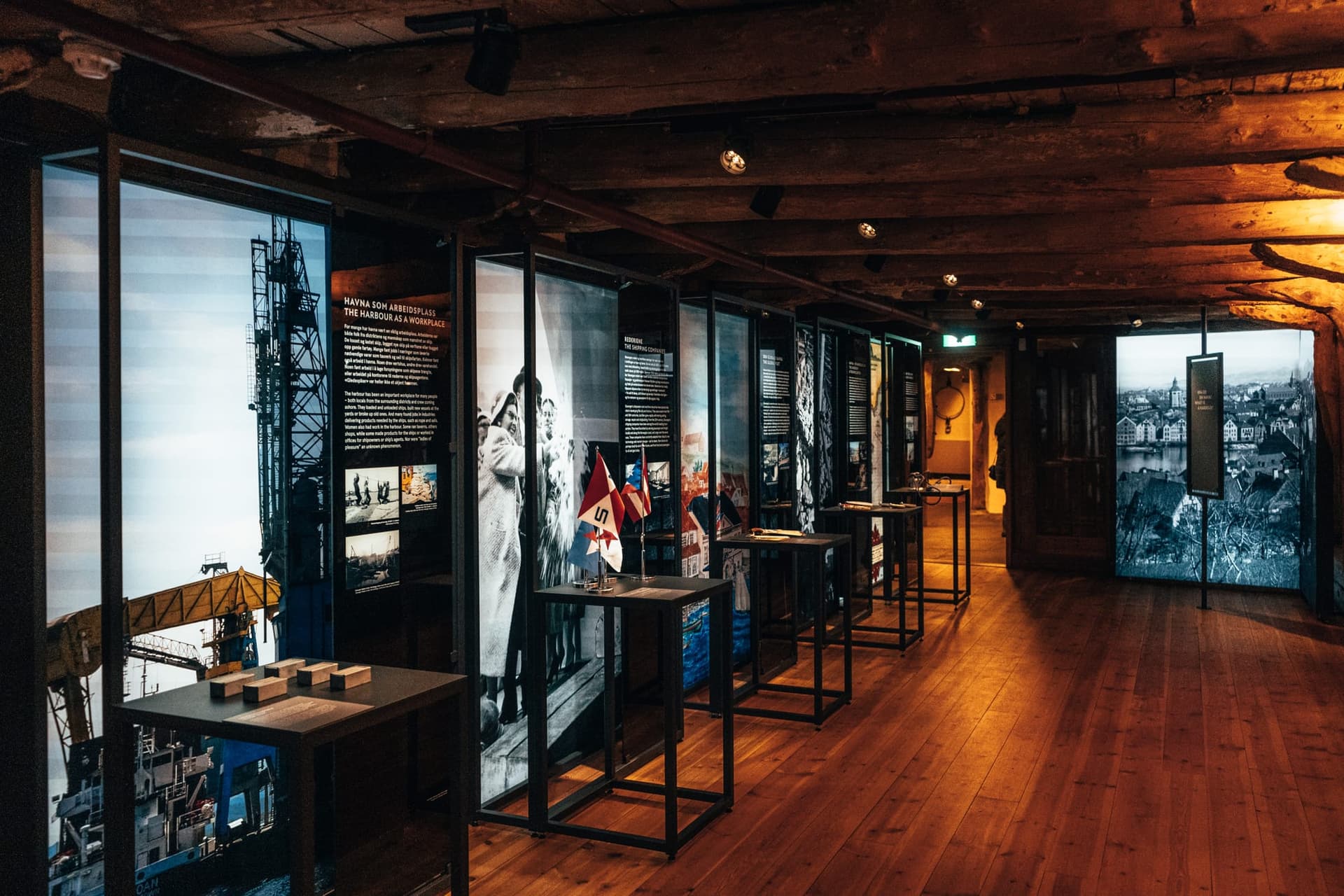
After spending just over two hours in the museum, I have to say that it is a visit well worth your time, especially if you are interested in maritime history or if you are travelling with children. The interactive area on the second floor is really well designed.
What I liked less: some panels are exclusively in Norwegian, which can be frustrating. And there is occasionally some overlap between the different sections. But overall, the museum is far from monotonous and the atmosphere of the old wooden warehouses is truly unique.
Who is it for? Maritime history enthusiasts, families with children, and anyone who wants to understand how Stavanger went from a small herring fishing port to Norway's oil capital. It is also an excellent visit on a rainy day.
To discover more about Stavanger, check out my complete guide to Stavanger, my selection of the best activities, the street art, the cathedral or the best restaurants.
170 NOK for adults. Free for under-18s and students. Your ticket gives you access to all MUST museums open on the same day.
Seasonal hours: open every day 10 am to 4 pm in summer (22 April – 21 September). Closed on Mondays the rest of the year, Tuesday to Sunday 11 am – 4 pm.
Allow 1.5 to 2 hours for a full visit. Add 30 minutes if you are visiting with children for the interactive area.
Yes, the Working at the Docks exhibition on the 2nd floor is specially designed for children. They can dress up as 1950s dockworkers and play different maritime roles.
The panels are mainly in Norwegian and English. Ask for the free audio guide at the reception for a better experience.
Yes, when they are in port. Check with the museum during your visit as they regularly take part in maritime events.
A ticket purchased at any MUST (Museum Stavanger) museum gives you access to all museums in the network open on the same day — up to 8 museums.

Âme Bohème exists thanks to you
Some links in this article are affiliate links. This means that if you book or purchase a product through these links, we receive a small commission — at no extra cost to you. It's thanks to this support that we can continue creating free, quality content.
You can also buy us a coffee, or follow us on Instagram and Facebook.
