
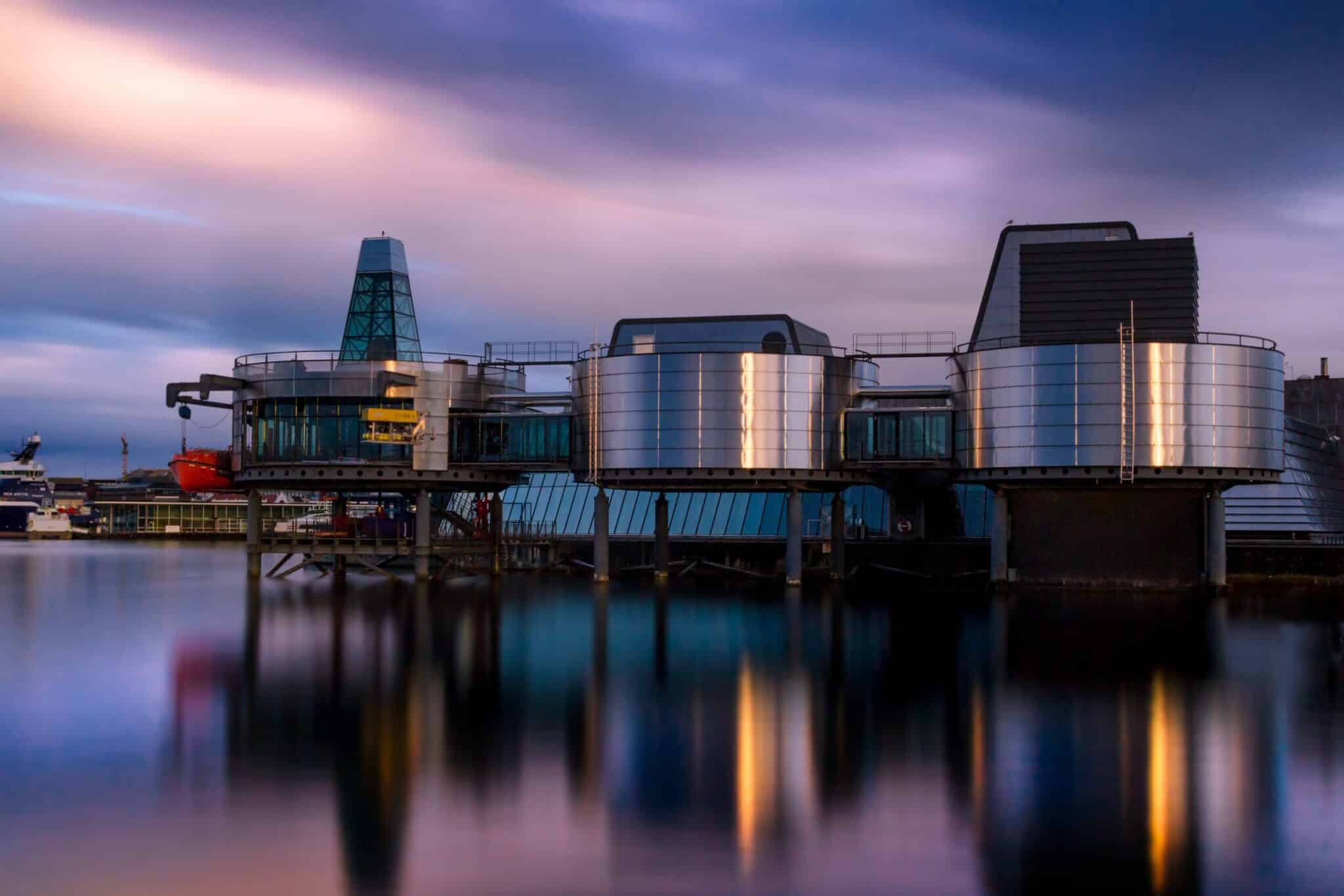

For anyone curious about modern Norwegian history, the Petroleum Museum is an essential stop when visiting the city of Stavanger. With its 5,000 m² of exhibition space and over 150,000 visitors per year, it is the most popular museum in the region. Honestly, I never thought I would visit a museum dedicated to such a controversial industry, but I ended up there on a cold, rainy winter day and I was surprised. If you are planning your trip, check out my complete guide to Stavanger as well as my article on the best museums in Stavanger.
The Petroleum Museum offers a fascinating look at the Norwegian oil industry, which profoundly transformed the country during the second half of the 20th century. Understanding how, why and the challenges that Norway faced helps you discover the subtleties of the country’s modern society.
Although I am not a passionate follower of the oil industry, I was intrigued by the Stavanger Petroleum Museum and decided to give it a chance. In this article, I will share my experience and review of this institution. I will also walk you through the various exhibitions and activities offered by the museum, as well as its history and context.
The Norwegian Petroleum Museum
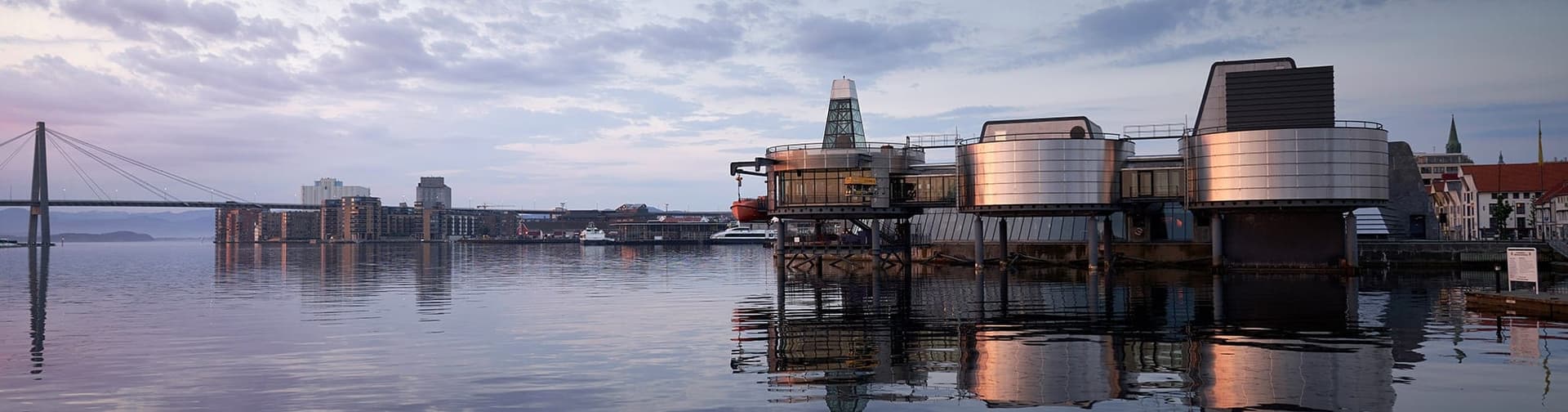
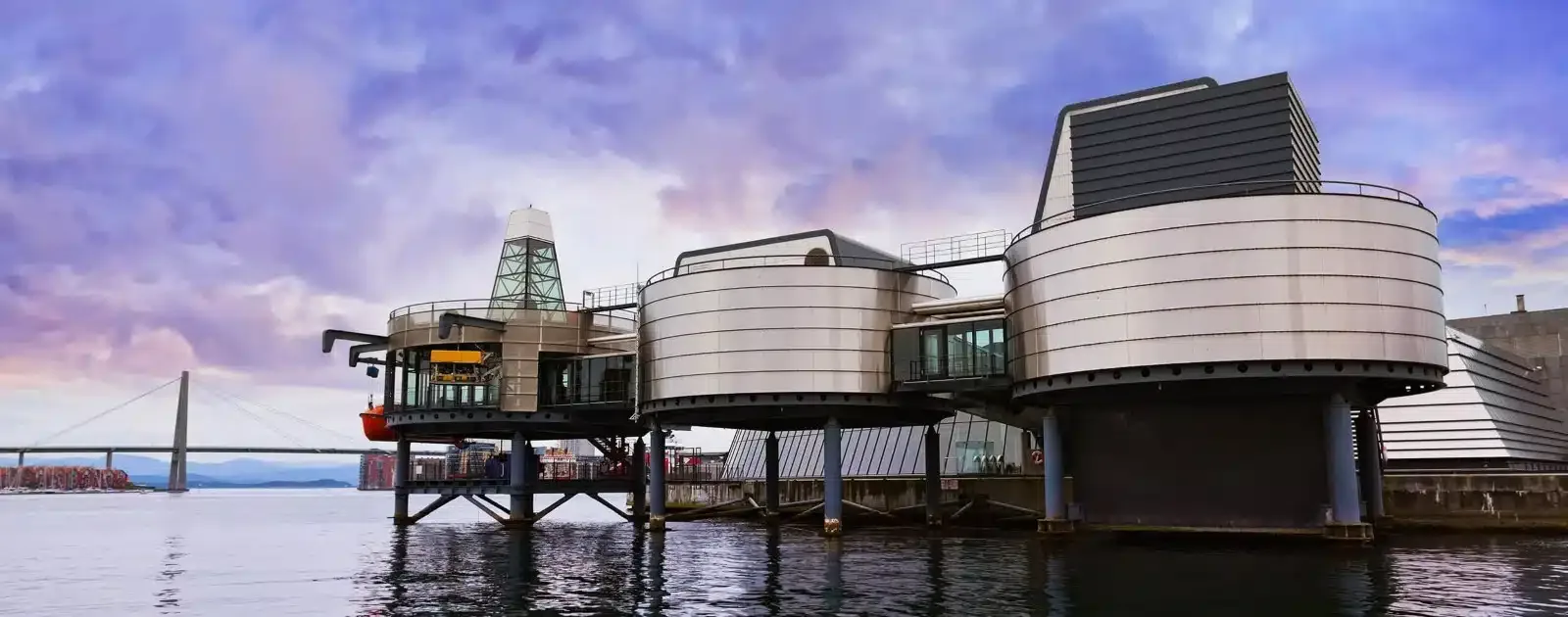
The Norwegian Petroleum Museum (Norsk Oljemuseum), is located on the waterfront of Stavanger, also known as Norway’s oil and energy capital. It is one of the most interesting and impressive tourist attractions in the city. It is currently the most visited museum in Stavanger. Yes, even ahead of the Maritime Museum.
Built on the waterfront just steps from the city centre, its modern and elegant structure evoking the Norwegian bedrock and the country’s rugged terrain does not go unnoticed. Designed by the architecture firm Lunde & Løvseth, part of the museum resembles an oil platform when seen from the outside. The building, opened in 1999 and inaugurated by King Harald V, is an iconic landmark of Stavanger’s harbour.
Tickets and prices for the Petroleum Museum
The admission prices for the Petroleum Museum are as follows:
- Adults: 180 NOK
- Children (4–16 years): 60 NOK
- Children under 4: free
- Families (two adults and three children): 420 NOK
- Students: 90 NOK
- Seniors (65+): 140 NOK
- Free admission for school groups
The museum also offers an annual pass: adults 450 NOK, children 150 NOK, families 1,050 NOK, students 225 NOK, seniors 350 NOK.
The museum is wheelchair accessible, and you should allow between 2 and 3 hours to see everything.
Opening hours
The Stavanger Petroleum Museum is open every day of the week throughout the year, except on public holidays. The opening hours are as follows:
- 1 September to 31 May: Monday to Saturday 10 am – 4 pm, Sunday 10 am – 6 pm
- 1 June to 31 August: every day 10 am – 7 pm
At Christmas, the museum is closed on 24, 25 and 31 December and on 1 January. At Easter, the museum is closed on Good Friday and Easter Sunday. Also closed on 17 May (Norwegian Constitution Day).
You can find all the information on the museum’s official website: norskolje.museum.no
How to get to the Petroleum Museum
The Petroleum Museum is located at Kjeringholmen 1a, 4006 Stavanger, directly on the waterfront.
- On foot from the city centre and the harbour (Vågen), it is just a few minutes’ walk
- Recommended parking: Jorenholmen, right next to the museum
- From the cruise port: about 10 to 15 minutes on foot
- The museum is wheelchair accessible
Languages and brochures
All signs and explanations in the museum are in Norwegian and English. However, you also have access to brochures available in 11 languages, including French. I would still recommend having a basic reading level of English to fully understand all the information displayed throughout the museum.
What to see at the Stavanger Petroleum Museum
The museum (Oljemuseet) shows how oil, particularly offshore operations, is Norway’s most important industry. The exhibitions present the historical developments of the oil industry. This begins with North Sea exploration and the construction of steel and concrete platforms. And extends to modern production vessels and subsea systems. It also addresses the future of the oil industry and the choices Norway will have to make in the coming years.
The museum’s exhibitions
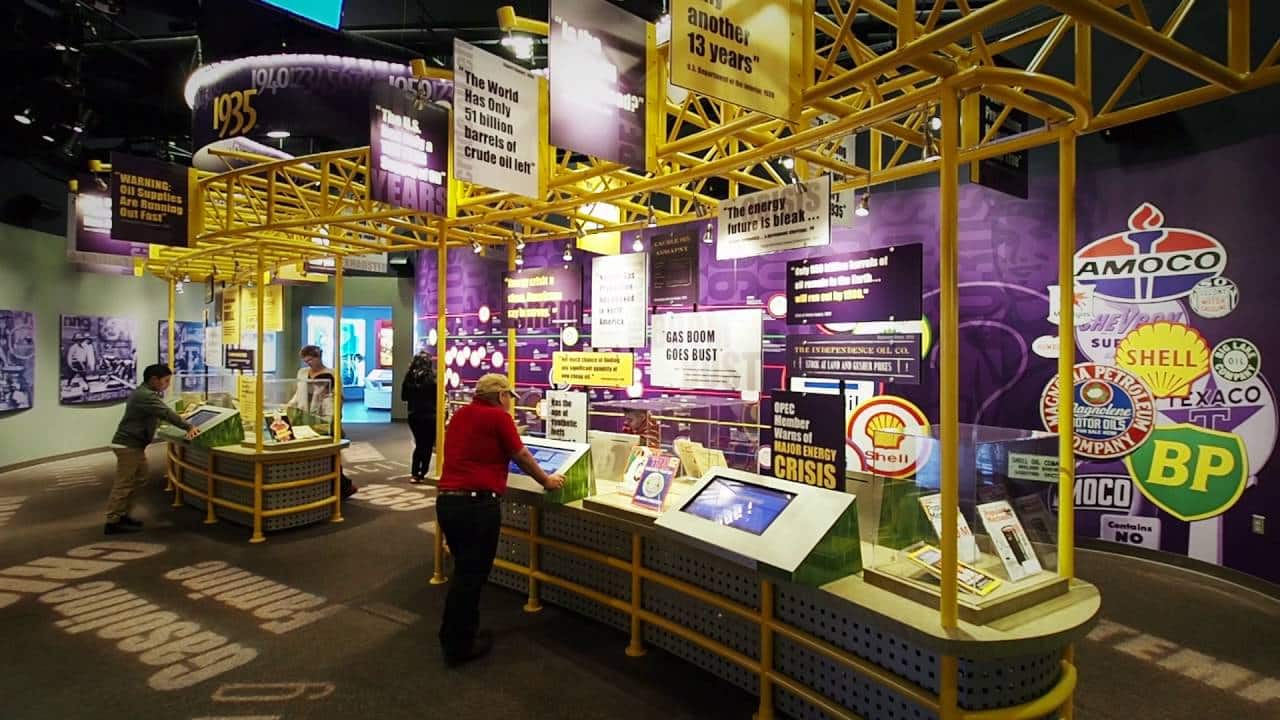
The museum’s exhibitions showcase technological advances as well as the influence of oil revenues on Norwegian society. You will find authentic artefacts, scale models, films and interactive exhibits that illustrate the history of petroleum activities. Information panels highlight the particularities of working at sea and underwater.
The museum tour is numbered in a small booklet with a specific order to follow. This allows you to follow a chronological thread and a logical progression in learning about the techniques.
A film about the oil boom
I was particularly struck by the first exhibition, which is a roughly twenty-minute film (Oilkid) that follows the story of a technician’s son who worked on offshore platforms in the mid-20th century.
It is a fictional film starring Kristoffer Joner, a Norwegian star, in the lead role. He explores the past of a man who remembers his childhood in Stavanger during the oil boom. His father worked on the platforms, and Joner’s character expresses his anger towards the oil industry because it stole time with his father. The story takes place between the platforms and the city, but the views of Stavanger in the 1970s are superb. I particularly liked how the film shows the American influence on Stavanger, with all the bars and the cars.
Stories and insights on oil exploration in Norway
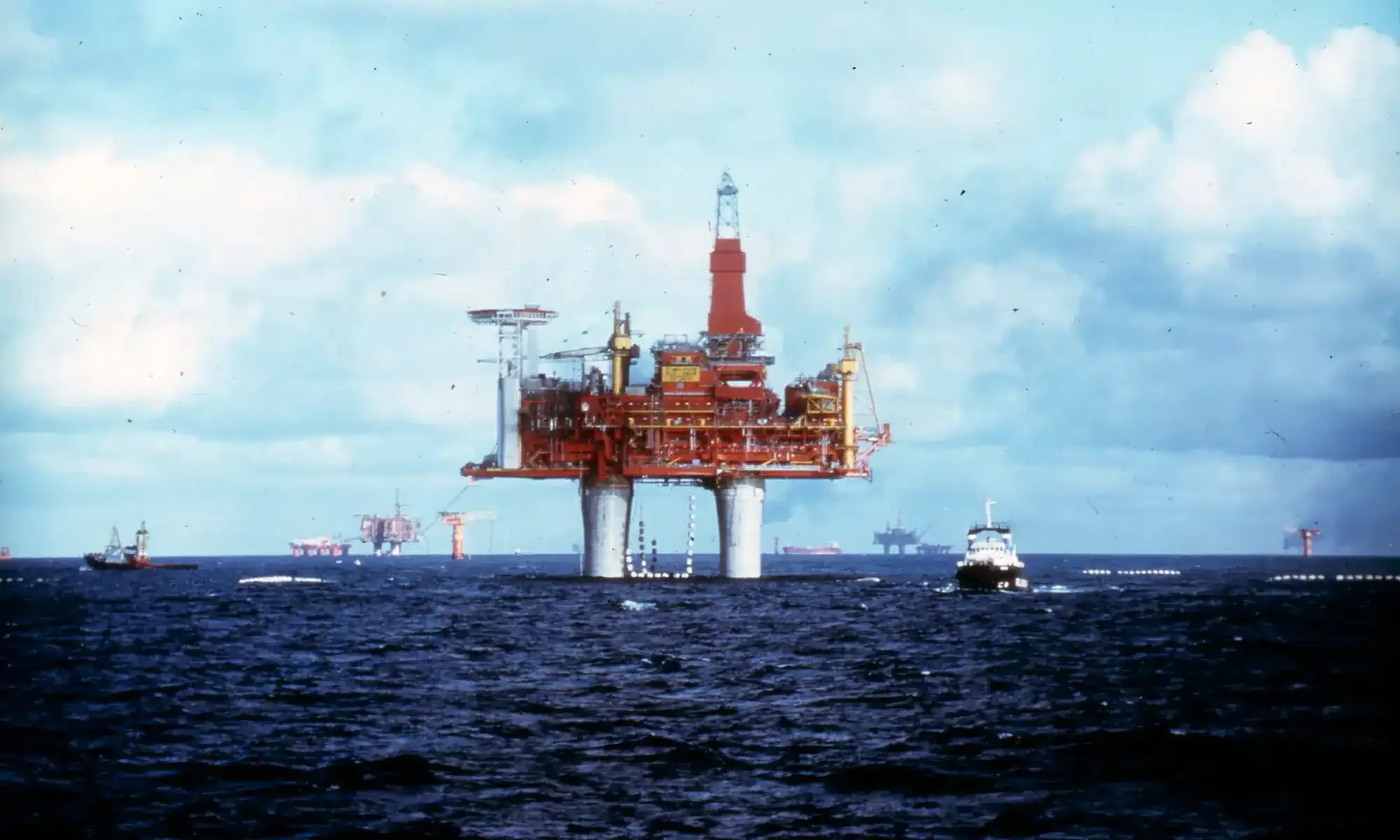
The entire ground floor of the museum is dedicated to the history and explanations of oil exploration in Norway. As you follow the different exhibitions, you learn more and more about the challenges and the techniques that Norway developed.
You come to realise the extraordinary challenge and the massive investments that were required to extract black gold from seabed substrates. I found it to be a very good mix between visual, illustrated explanations and longer descriptive texts. It is accessible for most visitors: young and old alike.

The Alexander L. Kielland disaster
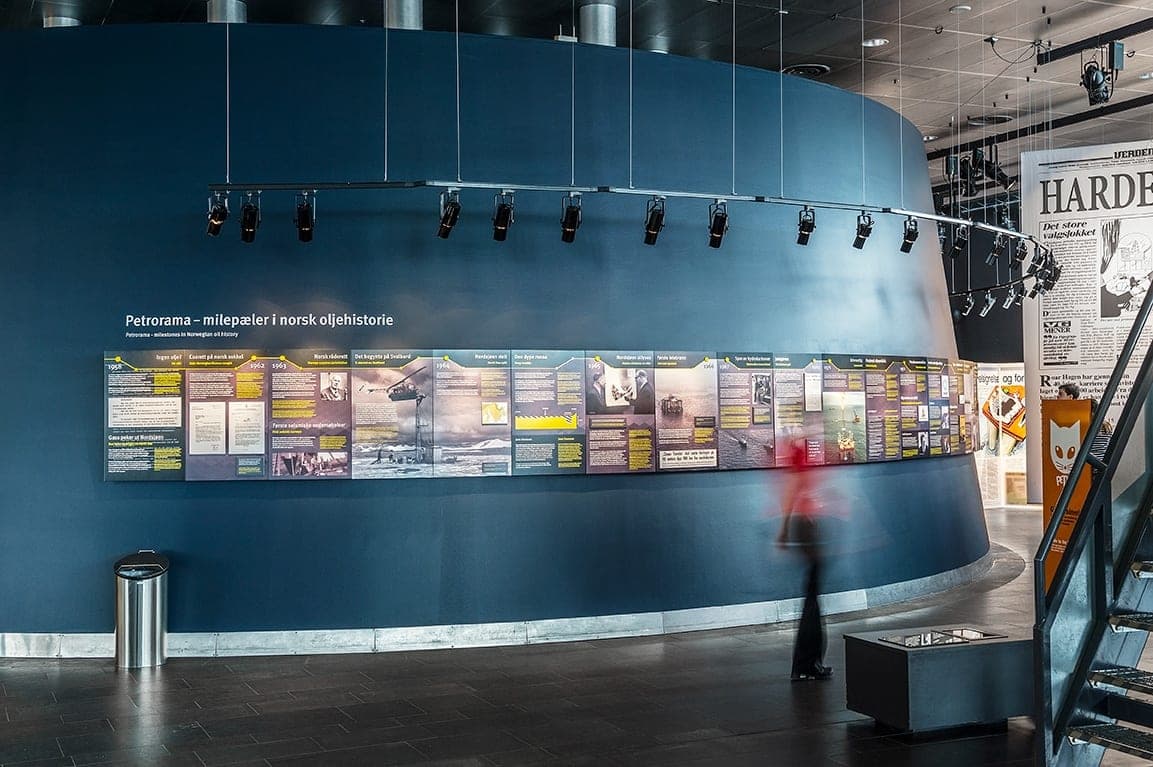
One of the most striking exhibitions in the museum is dedicated to the Alexander L. Kielland platform disaster of 27 March 1980, the worst industrial accident in Norwegian history with 123 fatalities. The museum has a significant dedicated space that recounts this event with testimonies, recovered objects and moving documentation. An online documentation project has also been launched to preserve the memory of this tragedy.
The immersive Subsea experience
The museum offers an immersive underwater experience (Subsea) that plunges visitors into the depths of the North Sea. Considered by many as one of the best immersive museum experiences in Norway, it allows you to understand the technical challenges of subsea oil exploration.
The Geopark
Outside the museum, the Geopark is a reconstruction of the Troll gas field that serves as a leisure area. Children can climb, skateboard and explore this industrial structure that has been converted into an urban playground.
Activities and attractions for younger visitors
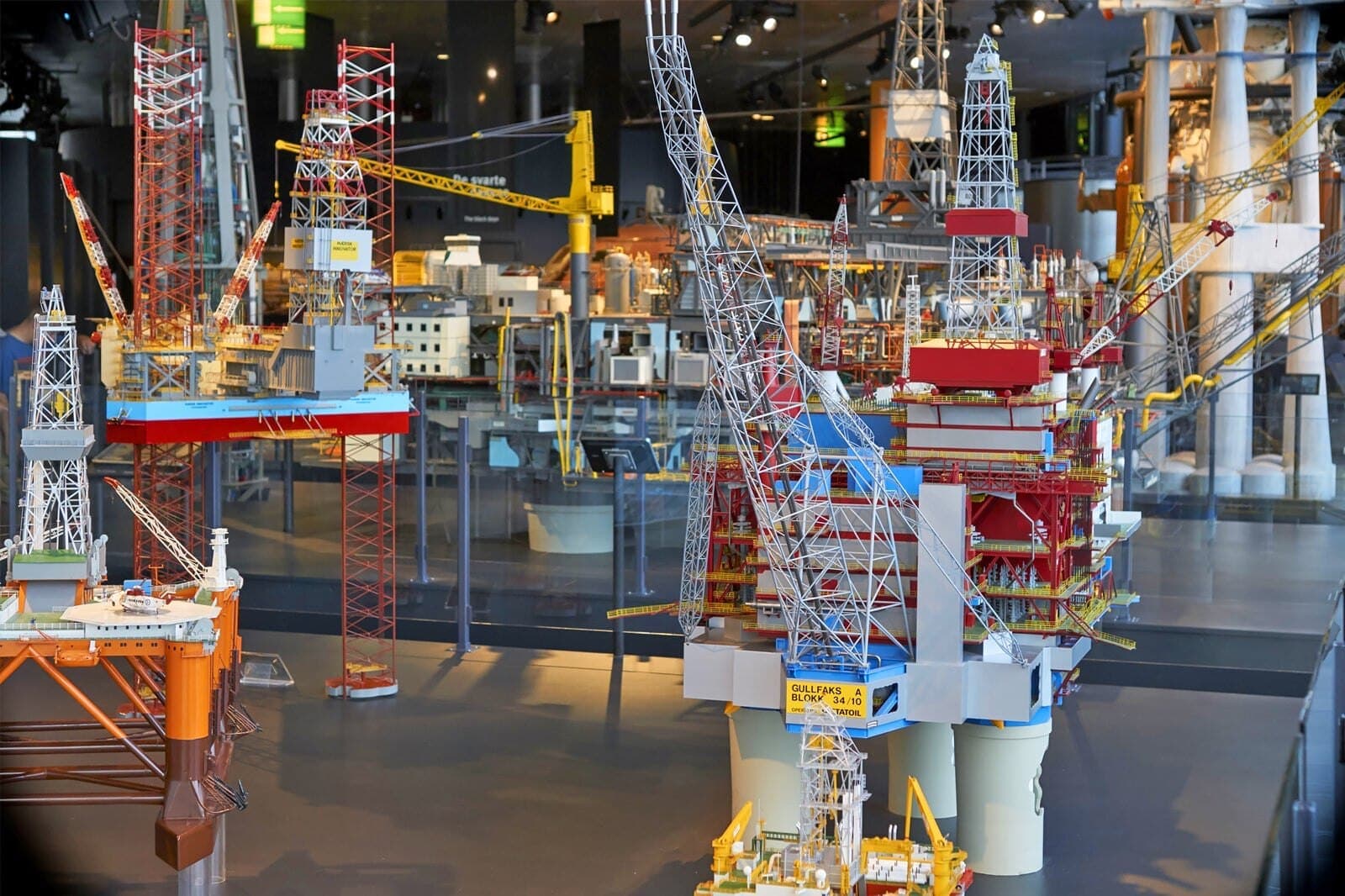
Inside the museum, you will find numerous activities and objects that you can explore to better understand how the industry works. There are lifeboats (and you can actually get inside them), a wave simulator to discover how seismic surveying works, as well as gigantic scale models of platforms and oil tankers.
Even if the industry itself does not fascinate you, it is always great to see these giant constructions up close.

A very playful second floor
On the second floor, you have access to the two “platforms” out at sea, connected to the museum by an indoor bridge. And honestly, I immediately thought it was brilliant! We had a great time in the control room and got to admire all the real equipment. Even though I did not know much about oil platforms, I found it all very interesting. The upstairs exhibitions also helped me understand how oil is prospected and how drilling works. And you could even go outside and slide down a safety net used for emergency evacuations — it is really fun. You can also climb to the top of the platform, which offers a stunning view over Stavanger and its surroundings.
Petroleum Museum and climate change
I cannot deny that climate change and the impact of oil exploitation are addressed in the museum. You will find numerous resources and explanations on the subject. However, I must say that the angle sometimes used tends to downplay the effects of oil and natural gas. You should not forget to do your own research on the topic as well. Since December 2023, the museum has been certified as an Eco-Lighthouse (Miljøfyrtårn), reflecting its environmental commitment.

Dining at the museum
Inside the museum, you will find the Kjeringholmen Brasserie, a French-inspired brasserie that replaced the Bølgen & Moi restaurant at the end of 2024 after 25 years of collaboration. Located in the same premises with a waterfront view, it offers a short brasserie-style menu with indoor and terrace seating. Ideal for lunch after your visit.
Guided tours and library
Guided tours are available in Norwegian, English and German, by prior booking. Expect an additional charge on top of the admission price, with a maximum of 20 people per group.
The museum also houses a specialised library containing a large collection of books on oil, gas, technology and industry. Access is free for all visitors.
Gift shop
As in any museum, there is a gift shop and it is actually really nice. It offers plenty of great science toys: experiment kits, junior chemistry sets, and more. But also caps, books and little items, each cooler than the last. It is definitely a good spot if you want to bring back a souvenir from your stay in Stavanger.
My review of the Norwegian Petroleum Museum in Stavanger
After visiting the Petroleum Museum, I have to say it is really enjoyable. It is a large, modern museum aimed at those who are interested in the industry or who want to learn more about Norway’s modern history. Very popular, the museum can get quite crowded, especially on rainy days.
We spent about three hours going through the exhibitions. There is a tremendous amount of information to take in, which can make it feel a bit overwhelming. However, punctuated by interactive activities, it is far from monotonous or boring. It will appeal to young and old, but be prepared for a lot of reading if you want to go through every panel.
To discover more about Stavanger and what the city has to offer, check out my complete guide to Stavanger, my selection of the best activities in Stavanger or my article about street art in Stavanger.
Adults 180 NOK, children (4–16 years) 60 NOK, free for children under 4. Families 420 NOK, students 90 NOK, seniors 140 NOK.
1 September to 31 May: Monday to Saturday 10 am–4 pm, Sunday 10 am–6 pm. 1 June to 31 August: every day 10 am–7 pm. Closed on public holidays.
Allow between 2 and 3 hours for a full visit.
Yes, the museum offers many interactive activities for children: emergency evacuation slide, simulators, giant scale models and a play platform for younger kids.
The Jorenholmen car park is located right next to the museum. The museum is also within a few minutes’ walk from the city centre.
Signs are in Norwegian and English, but a free paper guide is available in 11 languages including French.

Âme Bohème exists thanks to you
Some links in this article are affiliate links. This means that if you book or purchase a product through these links, we receive a small commission — at no extra cost to you. It's thanks to this support that we can continue creating free, quality content.
You can also buy us a coffee, or follow us on Instagram and Facebook.
