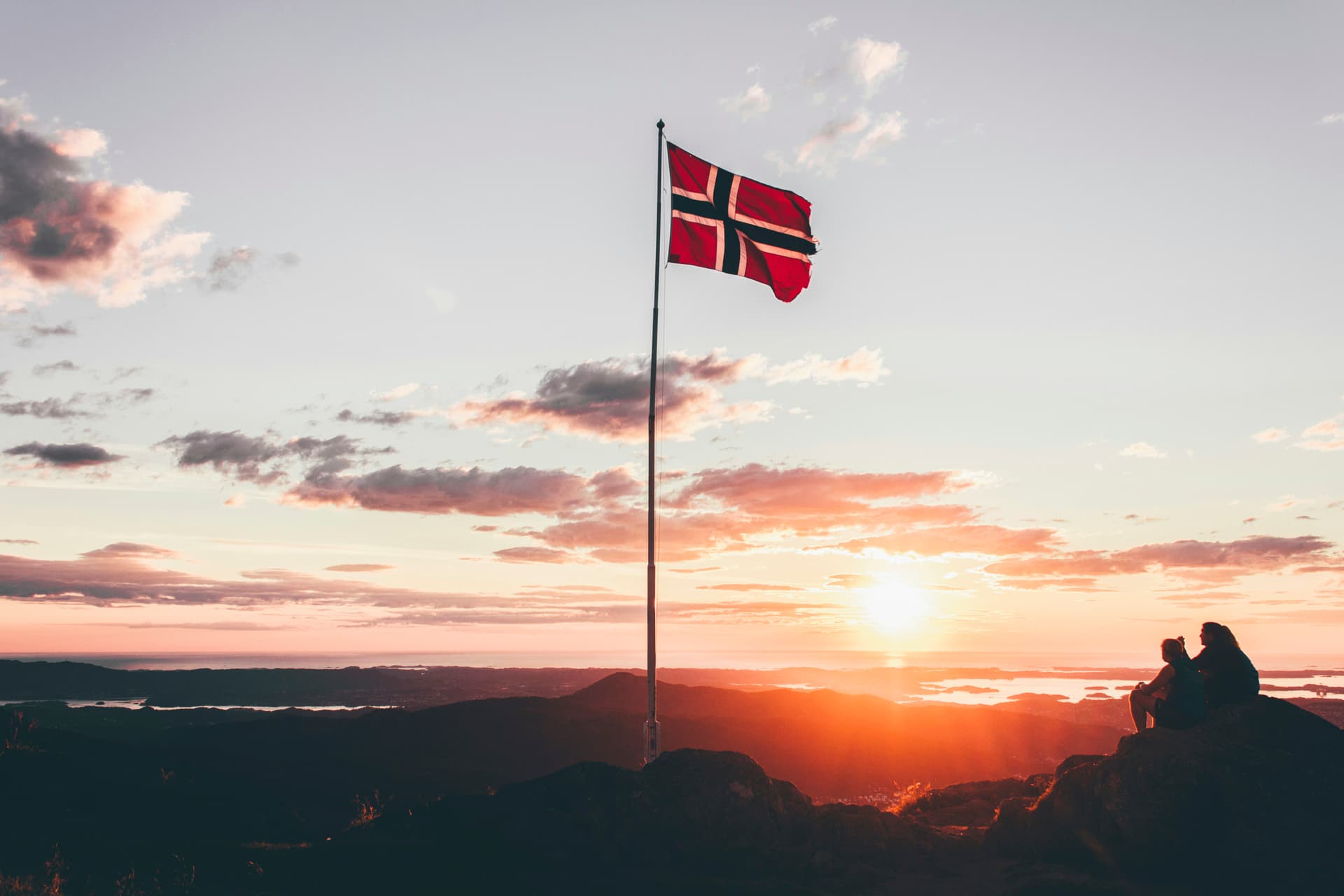
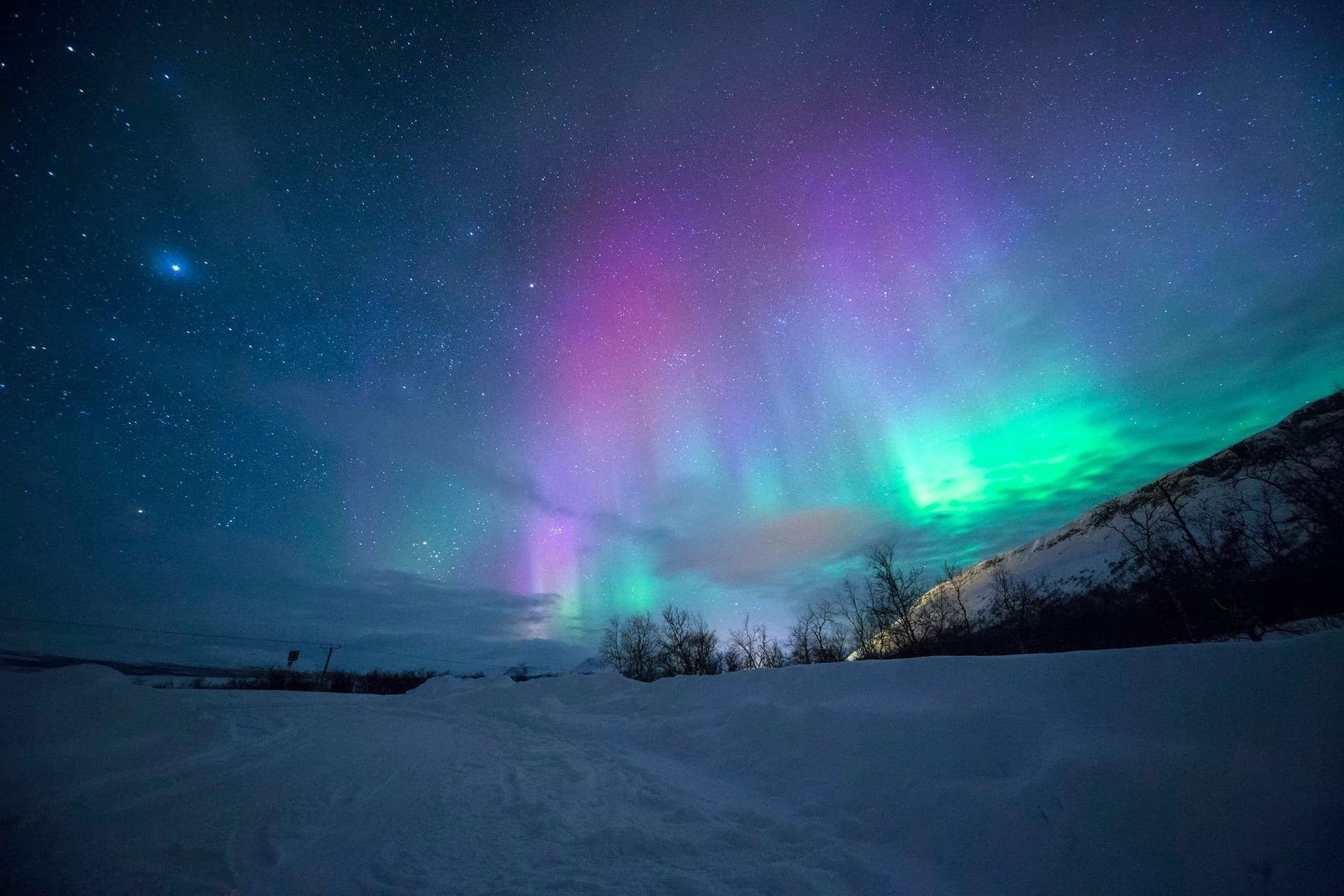
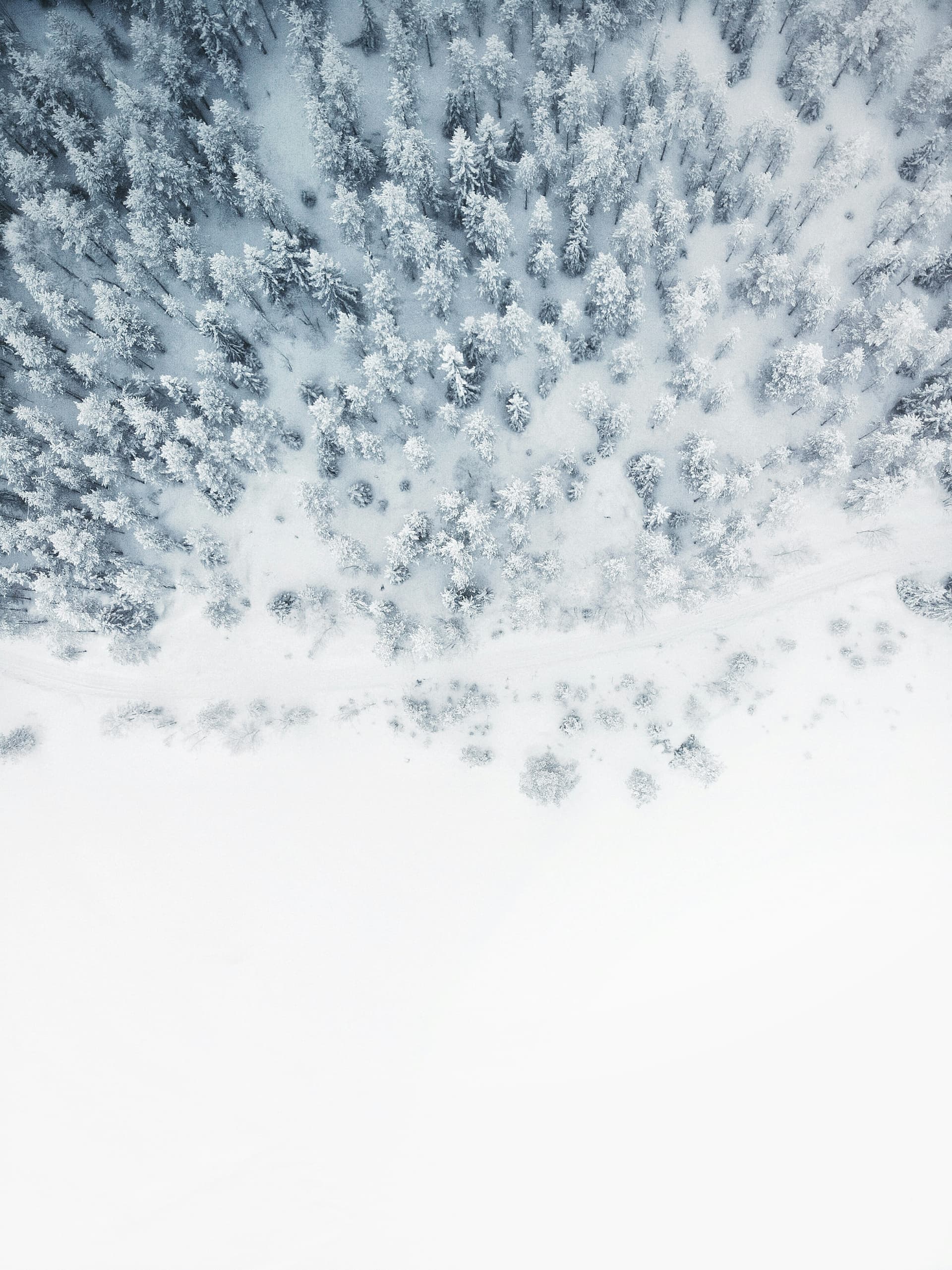
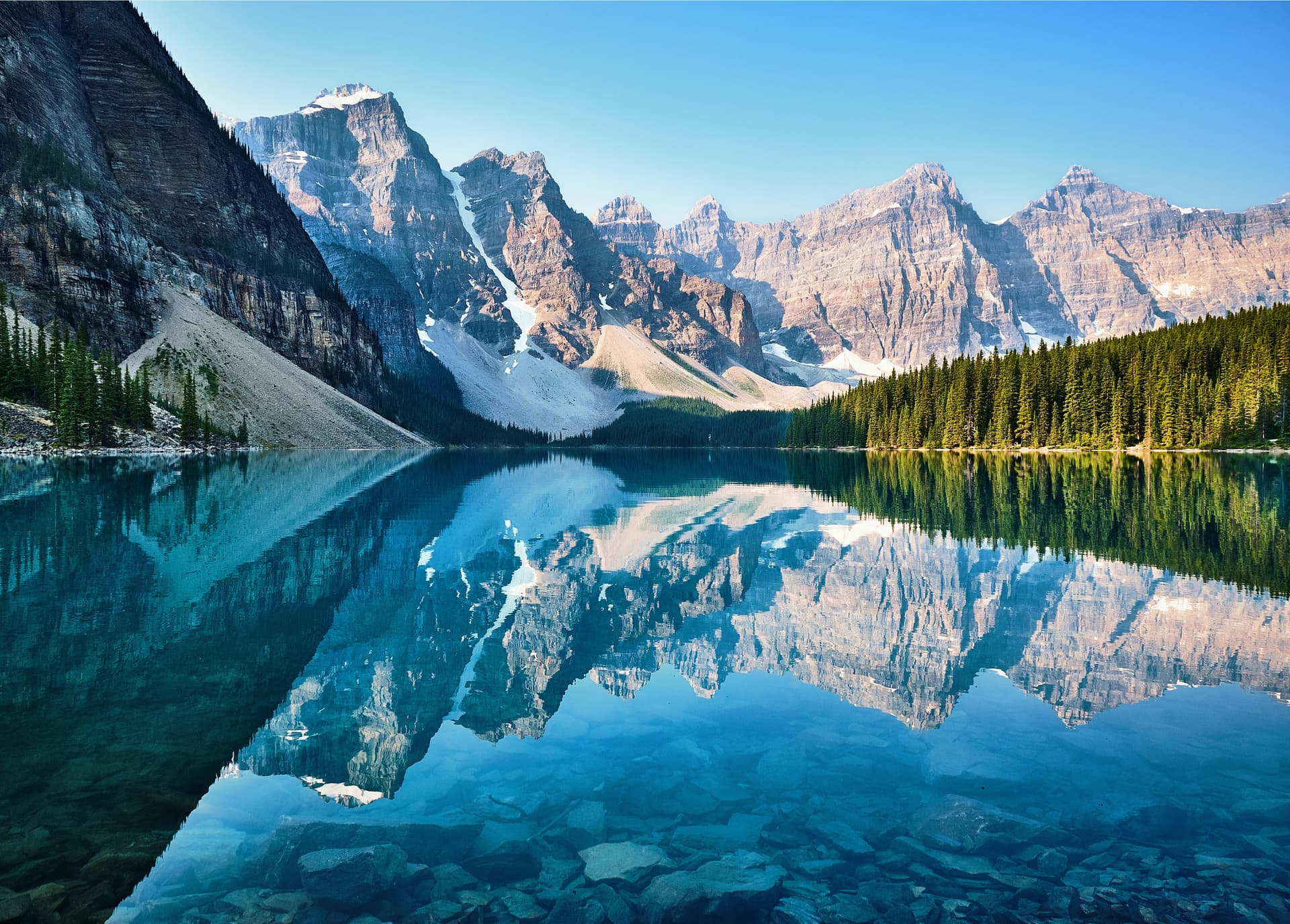
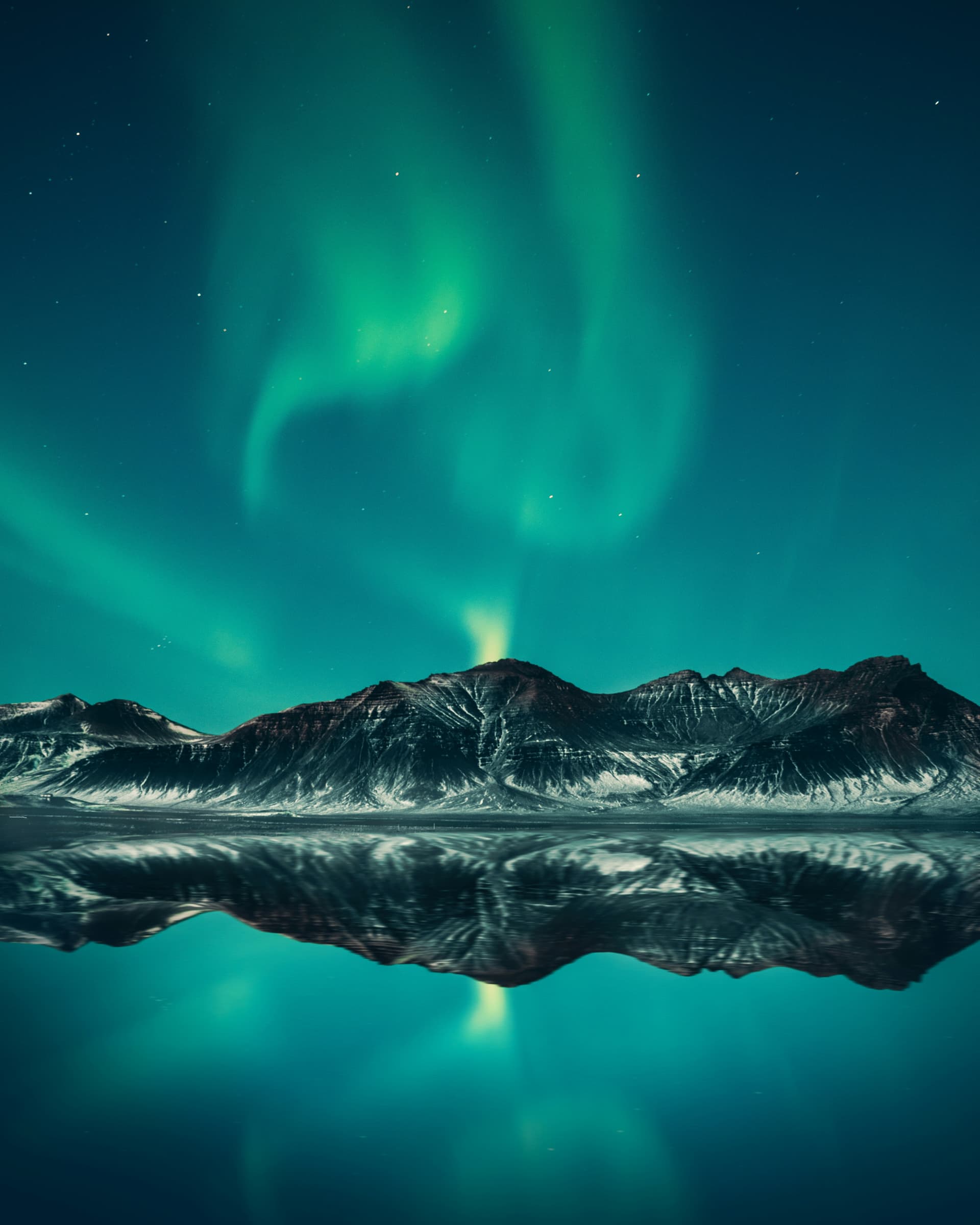
From the soaring fjords of the west coast to the northern lights dancing above the Arctic, Norway is a paradise for lovers of raw, breathtaking landscapes.
Why Norway?
Norway is a country of fjords, northern lights and wild landscapes that offers some of the most breathtaking scenery on Earth.
In october, the climate in Norway is good. The weather is generally undefined, with maximum temperatures around 9°C and about 10 rainy days. Tourist crowds are low.
Norway is one of Europe’s last sanctuaries of untamed nature. From UNESCO World Heritage fjords to the northern lights dancing above the Arctic Circle, this Scandinavian country offers landscapes of breathtaking beauty — a raw, grandiose, almost unreal nature.
But Norway is far more than fjords and mountains. It is a thousand-year-old Viking culture, colourful fishing villages clinging to the rocks, a Nordic gastronomy in full renaissance, and one of the highest qualities of life in the world. Unlike neighbouring Iceland, Norway offers a well-developed tourist infrastructure while preserving its authenticity.
Norway has over 1,190 fjords, of which the Sognefjord (204 km long, 1,308 m deep) is the largest in Europe. The country also has over 50,000 islands along its jagged 25,000 km coastline.
02The Must-See Regions of Norway
The Western Fjords
The Sognefjord, the Geirangerfjord (UNESCO) and the Nærøyfjord (UNESCO) are the jewels of the west coast. Bergen, a former Hanseatic city with its UNESCO-listed Bryggen quarter, is the ideal gateway. From there, the Norway in a Nutshell — a circuit combining train, bus and ferry — offers the best introduction to the fjords in a single day.
Flåm, at the end of the Aurlandsfjord, is the starting point of the famous Flåmsbana, one of the world’s most spectacular railway lines: 20 km of vertiginous descent through waterfalls and tunnels carved into the mountainside. The Geirangerfjord, with its Seven Sisters and Suitor waterfalls, is the iconic image of Norway.
The Lofoten Islands
Located above the Arctic Circle, the Lofoten Islands are an archipelago of vertiginous mountains rising from the sea. White sand beaches with turquoise waters, fishing villages with rorbuer (traditional red cabins on stilts), spectacular hikes to Reinebringen or Ryten — the Lofoten are a paradise for photographers and hikers.
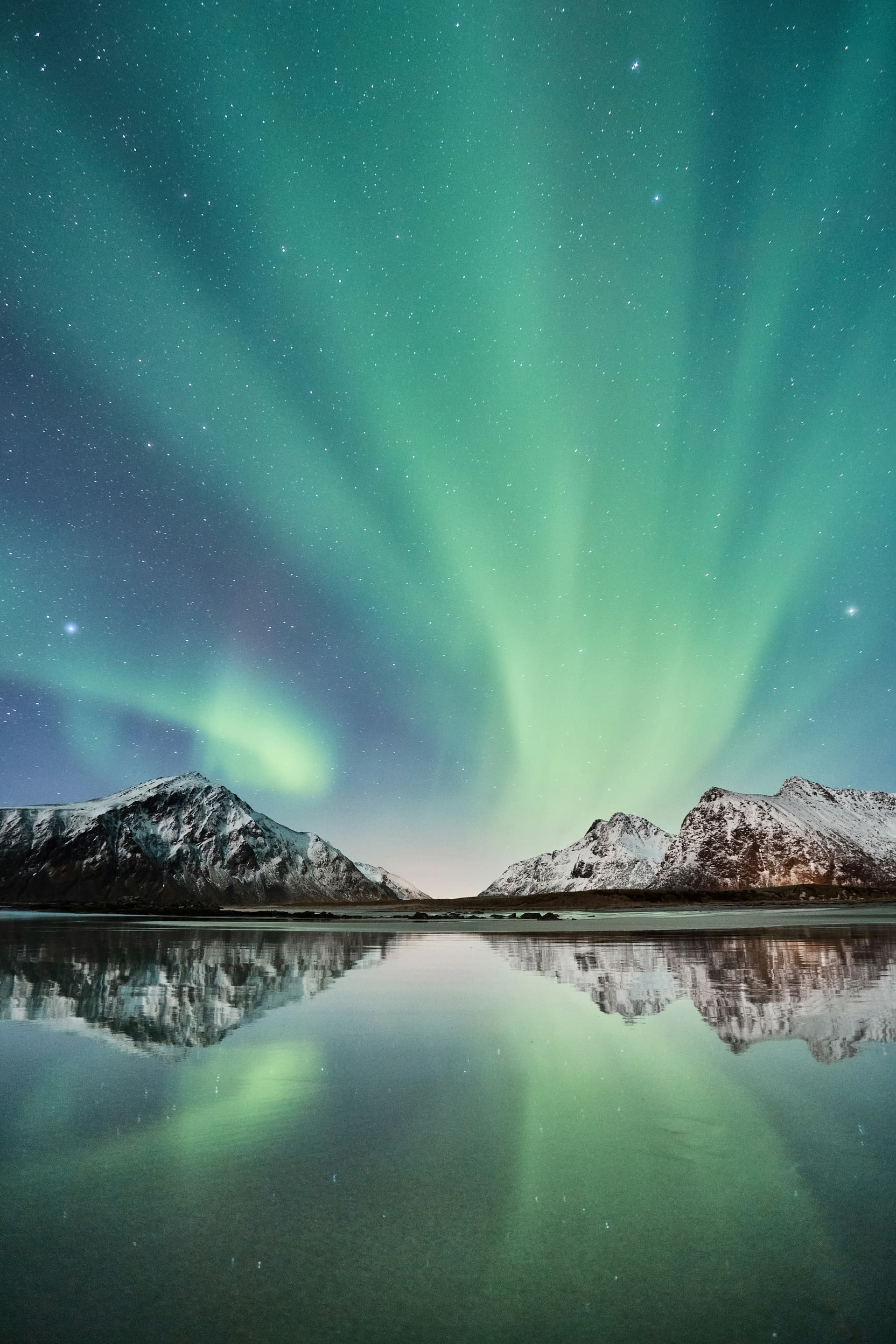
In summer, the midnight sun bathes the Lofoten in golden light 24/7 from late May to mid-July. In winter, the northern lights illuminate the starry sky above the snow-capped mountains. Cod fishing (skrei) remains the heart of the local economy — don’t miss the fish drying racks (hjell) dotting the landscape.
The North Cape and Finnmark
The North Cape (Nordkapp), the northernmost point of mainland Europe, is a pilgrimage for every traveller. In summer, the midnight sun offers a unique spectacle — watching the sun never set from a 307-metre cliff overlooking the Arctic Ocean. Finnmark, ancestral land of the Sami people, offers endless tundra landscapes, dog-sled safaris and reindeer watching.
Oslo and the South
The Norwegian capital has been transformed in recent years. The Bjørvika district with the Opera House (you can walk on its roof), the Munch Museum and the Deichman Library has become a model of urban design. Vigeland Park with its 200 sculptures, Akershus Fortress and the bohemian neighbourhood of Grünerløkka complete the visit.
The south coast — from Kristiansand to Stavanger — offers a gentler Norway: archipelagos of white granite islets (skjærgård), villages of white houses, and the famous Preikestolen (Pulpit Rock) towering 604 metres above the Lysefjord.
Tromsø and the Far North
Nicknamed the “Paris of the North”, Tromsø is the northern lights capital. From September to March, the city offers the best chances of observing this magical phenomenon. The Arctic Cathedral, the Fjellheisen cable car and the world’s northernmost brewery complete the experience. Tromsø is also the ideal starting point for dog-sled excursions, whale-watching boat trips and nights in a Sami lavvo under the stars.
03The Northern Lights in Norway
Northern Norway is one of the best places in the world to see the northern lights. The season runs from September to March, with peak activity between October and February. Tromsø, the Lofoten, Alta and Finnmark offer optimal conditions: high latitude, low light pollution and relatively mild temperatures thanks to the Gulf Stream.
Tromsø: best balance of accessibility and viewing, many organised tours
Lofoten: most photogenic setting with mountains, sea and auroras
Alta: often clear skies, frequent auroras, less touristy
Svalbard: for adventurers, auroras above the pack ice and polar bears
04Norwegian Gastronomy: The Nordic Revival
Norwegian cuisine has undergone a revolution with the New Nordic movement initiated by René Redzepi’s manifesto. Oslo has several Michelin-starred restaurants (Maaemo, 3 Michelin stars), but the real discovery lies in the fish markets, artisan smokehouses and mountain farms.
Salmon is king — smoked, gravlaks or fresh, it is enjoyed everywhere. Skrei (Lofoten cod), Finnmark king crab, Sandefjord shrimps and brunost (brown caramel cheese) are must-tries. In season, wild berries (multebær — Arctic cloudberries) flavour the desserts.
Speciality
Region
Season
Smoked salmon / Gravlaks
Nationwide
Year-round
Skrei (cod)
Lofoten
January – April
King crab
Finnmark
October – March
Brunost (brown cheese)
Mountains
Year-round
Smoked reindeer
Lapland
Autumn – Winter
Multebær (cloudberries)
North
August – September
Aquavit
Nationwide
Year-round
05Getting Around Norway
Distances in Norway are immense (1,750 km from south to north). The Vy train network is excellent between the major southern cities, with spectacular panoramic lines: the Bergen Line (Oslo – Bergen, 7 hours across the Hardangervidda plateau) is one of Europe’s most beautiful train journeys.
Hurtigruten: the coastal mail route Bergen – Kirkenes (11 days, 34 stops) — the trip of a lifetime
Flights: essential for the Far North. Widerøe, SAS, Norwegian. Oslo – Tromsø in 1h45
Car: ideal for the fjords and the Lofoten. National scenic routes with 18 official routes
Ferry: numerous fjord crossings, some free since 2024. Essential in the Lofoten
Bus: Nor-Way Bussekspress covers main routes. FlixBus on some routes
The 18 National Scenic Routes (Nasjonale Turistveger) are engineering masterpieces with architectural viewing platforms designed by Norwegian designers. The Atlanterhavsveien (Atlantic Road) and the Trollstigen are the most famous.
06Budget: How Much Does a Trip to Norway Cost?
Let’s be honest: Norway is one of the most expensive destinations in the world. A budget of €120 to €250 per day per person is realistic for a comfortable trip. But there are ways to reduce the bill — a far cry from the prices of Greece or Italy.
Accommodation: 150–300 NOK/night camping, 800–1,500 NOK for a hotel room, 1,200–2,500 NOK for a rorbuer
Meals: 150–200 NOK for a restaurant main, 50–80 NOK for a sandwich. Rema 1000 and Kiwi supermarkets
Transport: 600–1,000 NOK Oslo – Bergen by train. Car rental from 500 NOK/day
Activities: northern lights tour 1,000–1,500 NOK, fjord cruise 500–1,200 NOK. Hiking is free!
Top tip: the right to roam (allemannsretten) allows you to camp for free in nature
07When to Visit Norway?
Norway can be visited year-round, but the experience varies radically by season. Summer (June – August) brings the midnight sun, mild temperatures (15–25°C in the south) and access to mountain trails. It’s high season. Spring (May – June) is ideal: days grow longer, snow melts on the fjords, and tourists haven’t arrived yet.
Winter (November – March) is the season for northern lights, skiing, dog-sledding and Arctic magic. Above the Arctic Circle, the polar night (mørketid) creates a unique atmosphere with just a few hours of blue twilight. Autumn (September – October) offers blazing colours and the start of the aurora season.
September is the best compromise: the summer crowds have left, autumn colours are spectacular, the first northern lights appear, and prices drop 20 to 30%. The low-angle light is also ideal for photography.
08Recommended Itineraries in Norway
The Classic Fjords (10 days)
Oslo (2 days) → scenic train to Bergen (1 day) → Bergen and Bryggen (2 days) → Norway in a Nutshell: Flåm, Nærøyfjord, Flåmsbana (1 day) → Geirangerfjord by car via Trollstigen (2 days) → Ålesund, the Art Nouveau city (1 day) → fly back to Oslo. A circuit that concentrates the most beautiful landscapes of Norway.
Lofoten and the Far North (14 days)
Oslo (2 days) → fly to Tromsø (3 days: auroras or midnight sun, whales in winter) → ferry or fly to Svolvær, Lofoten (5 days: Reine, Hamnøy, Henningsvær, Reinebringen hike, kayaking) → Bodø and Saltstraumen, the world’s most powerful maelstrom (1 day) → return. An itinerary for adventurers and photographers.
North Cape and Lapland (14–18 days)
Oslo → Trondheim and its Nidaros Cathedral (2 days) → Hurtigruten coastal voyage north (3–5 days) → Tromsø (2 days) → Alta and its UNESCO rock art (1 day) → North Cape and midnight sun (1 day) → Finnmark and Sami culture (2–3 days). The ultimate journey from south to north through Norway.
09Norway Off the Beaten Path
Beyond the Lofoten and the western fjords, Norway hides little-known treasures. The Vesterålen archipelago, just north of the Lofoten, offers the same landscapes without the crowds — and the best chances of seeing whales in summer. Helgeland, the coast of a thousand islands between Trondheim and Bodø, is a well-kept secret with its spectacular mountains.
Jotunheimen (“home of the giants”) is home to Scandinavia’s highest peaks and the legendary Besseggen trail. The island of Senja, nicknamed “Norway in miniature”, packs fjords, beaches and mountains into a compact territory. Discover all our destinations for more travel inspiration.
10Formalities and Practical Information
Norway is part of the Schengen area but not the European Union nor the eurozone. The currency is the Norwegian krone (NOK). Card payments are accepted everywhere, and many shops no longer accept cash.
Visa: valid ID card or passport for EU/Swiss nationals. No visa required for stays under 90 days
Some links in this article are affiliate links. This means that if you book or purchase a product through these links, we receive a small commission — at no extra cost to you. It's thanks to this support that we can continue creating free, quality content.
You can also buy us a coffee, or follow us on Instagram and Facebook.
Thank you
Share
Comments
Share your thoughts
Leave a comment
Looking for more information for your trip? Book a personalised video call with us, or join the Curious Souls community on Discord.
Your email address will not be published. Required fields are marked with *