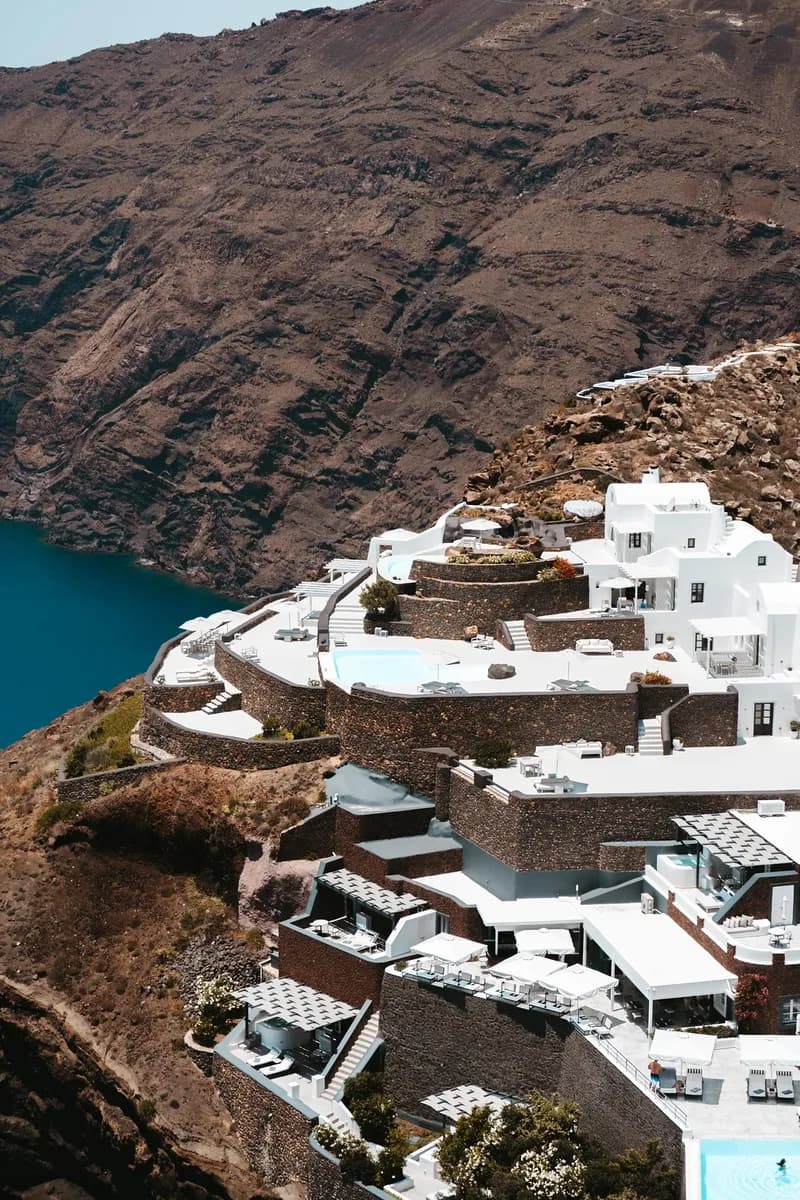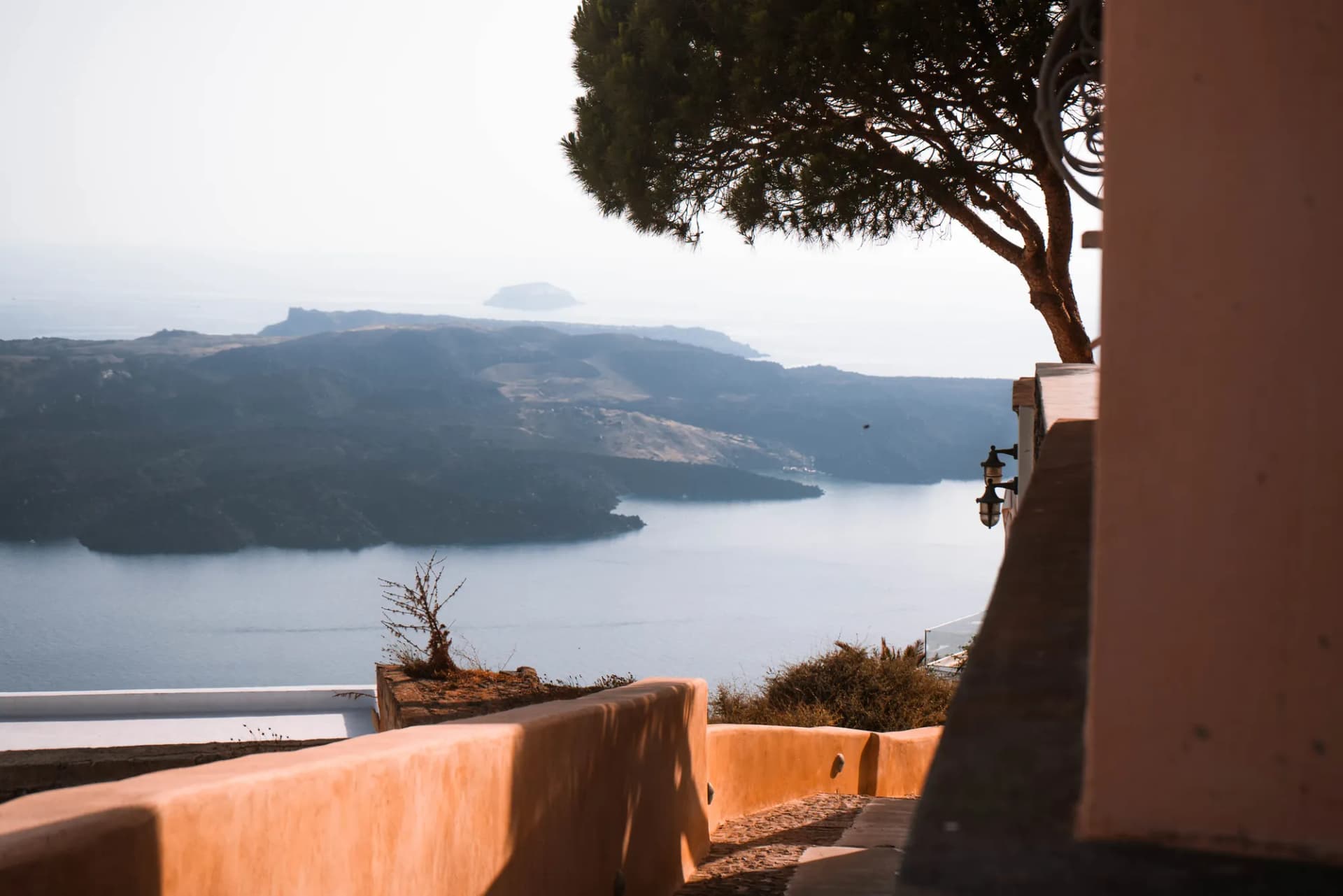
Santorini is a dream destination in Greece, known for its breathtaking landscapes, picturesque villages and magnificent sunsets. But what is this legendary Greek island like in January, once the high tourist season is over?
Also read: The best free things to do in Santorini
In this complete article, find out what awaits you on a visit to Santorini in January: the weather, things to do, where to stay, how to get there… plus my tips for making the most of this, to say the least, intimate time of year.

In short, visiting Santorini in winter: pros and cons
| Pros | Cons |
|---|---|
| Fewer tourists | Cold, rainy and windy weather |
| Cheaper hotels and activities | Little chance to swim |
| Peaceful atmosphere | Limited number of hotels and restaurants open |
| Sunsets without the crowds | Very quiet atmosphere, little nightlife |
Santorini’s weather in January
January is the heart of winter in Santorini. Expect a cool, rainy and windy climate, with an average of 12°C: around 14°C by day and 10°C at night, and colder when the north wind blows.
Showers are frequent in January, so it’s best to bring warm, waterproof clothing.
Here are the average temperatures and rainfall in Santorini for January:
- Average high: 14°C
- Average low: 10°C
- Rainfall: 53 mm on average, the wettest month along with December
- Sea temperature: around 17°C on average (15 to 19°C)
Averages from the National Observatory of Athens (2013-2025) and sea temperature records over the past ten years.
Snow is exceptional. The chill mostly comes from the wind: it often blows hard in winter, sometimes at gale force, and can lead to ferry cancellations.
The sea is cool in January, around 16 to 17°C. Swimming is therefore not recommended.
What to wear in Santorini in January

Travelling to Santorini in January calls for the right clothing to cope with the winter climate. Here are some tips for dressing comfortably and making the most of your stay:
1. Layering and insulation
- Base layers: Go for thermal underwear that retains heat and wicks away moisture.
- Mid layers: Opt for jumpers or fleeces for extra insulation.
- Outer layers: A wind- and water-resistant winter jacket is essential to protect you from showers and strong winds.
2. Waterproof clothing
- Coats and jackets: Choose waterproof, windproof materials to stay dry during showers.
- Trousers: Waterproof trousers or overtrousers can come in handy for walks in the rain.
3. Essential accessories
- Hats and gloves: Protect your extremities with insulated hats and gloves, especially when the strong wind makes it feel colder.
- Scarves: A wool scarf or a neck warmer to keep your neck warm.
- Warm socks: Go for wool or thermal socks to keep your feet warm.
- Winter shoes: Choose water-resistant shoes with good insulation and a non-slip sole to walk comfortably on slippery cobbles.
4. Sun protection
- Sunglasses: The sun can be dazzling, even in winter. Don’t forget your sunglasses.
5. Waterproof bag
- Storage: A waterproof backpack is recommended to protect your belongings from the weather.
By following these recommendations, you’ll be perfectly equipped to explore Santorini in January, staying warm and dry while enjoying the island’s magnificent winter scenery.
What to do in Santorini in January?

Santorini in January is still a superb destination, as long as you adapt your activities to the weather. Here’s a selection of ideas for making the most of the island even in the depths of winter:
Visit Oia and Fira
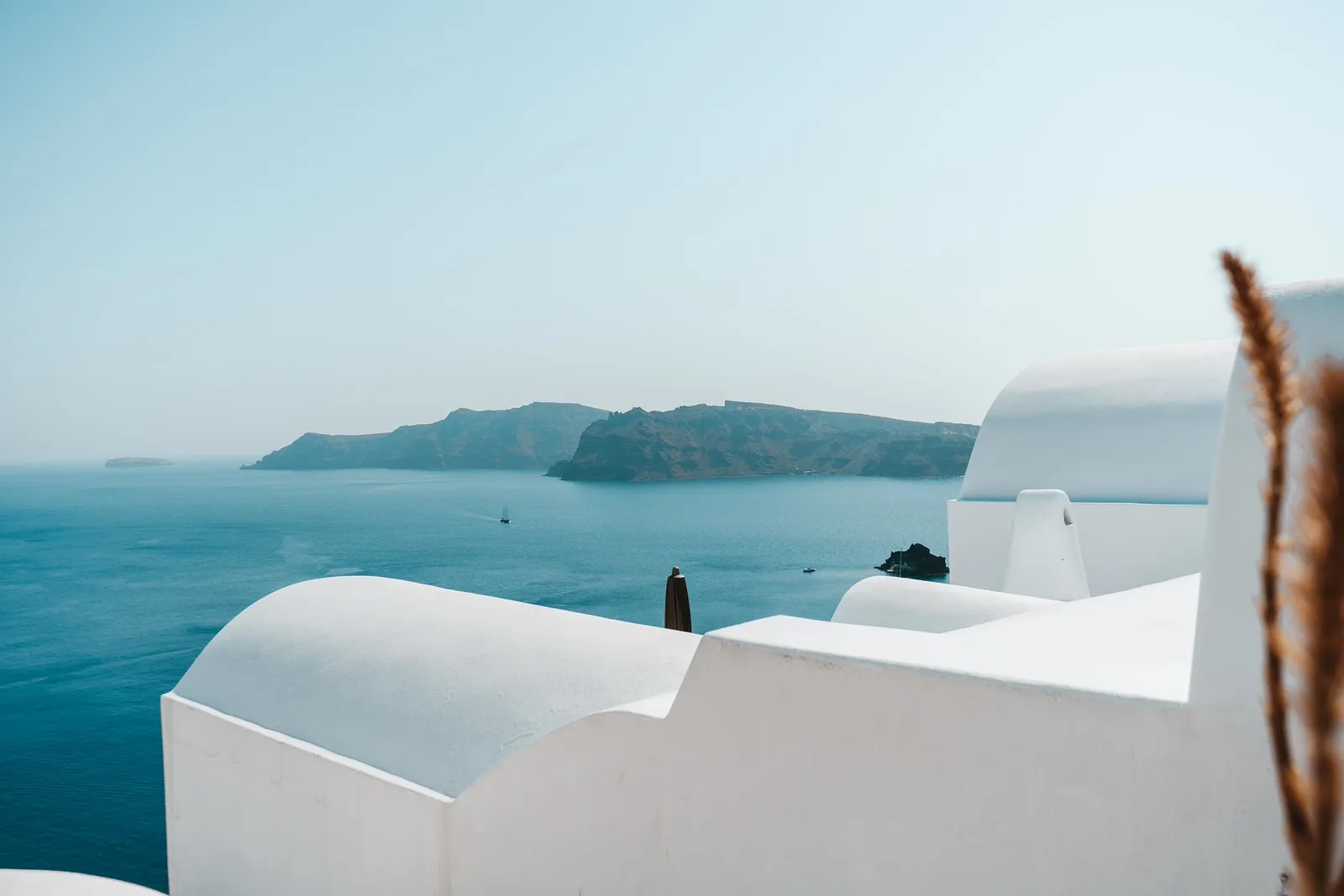
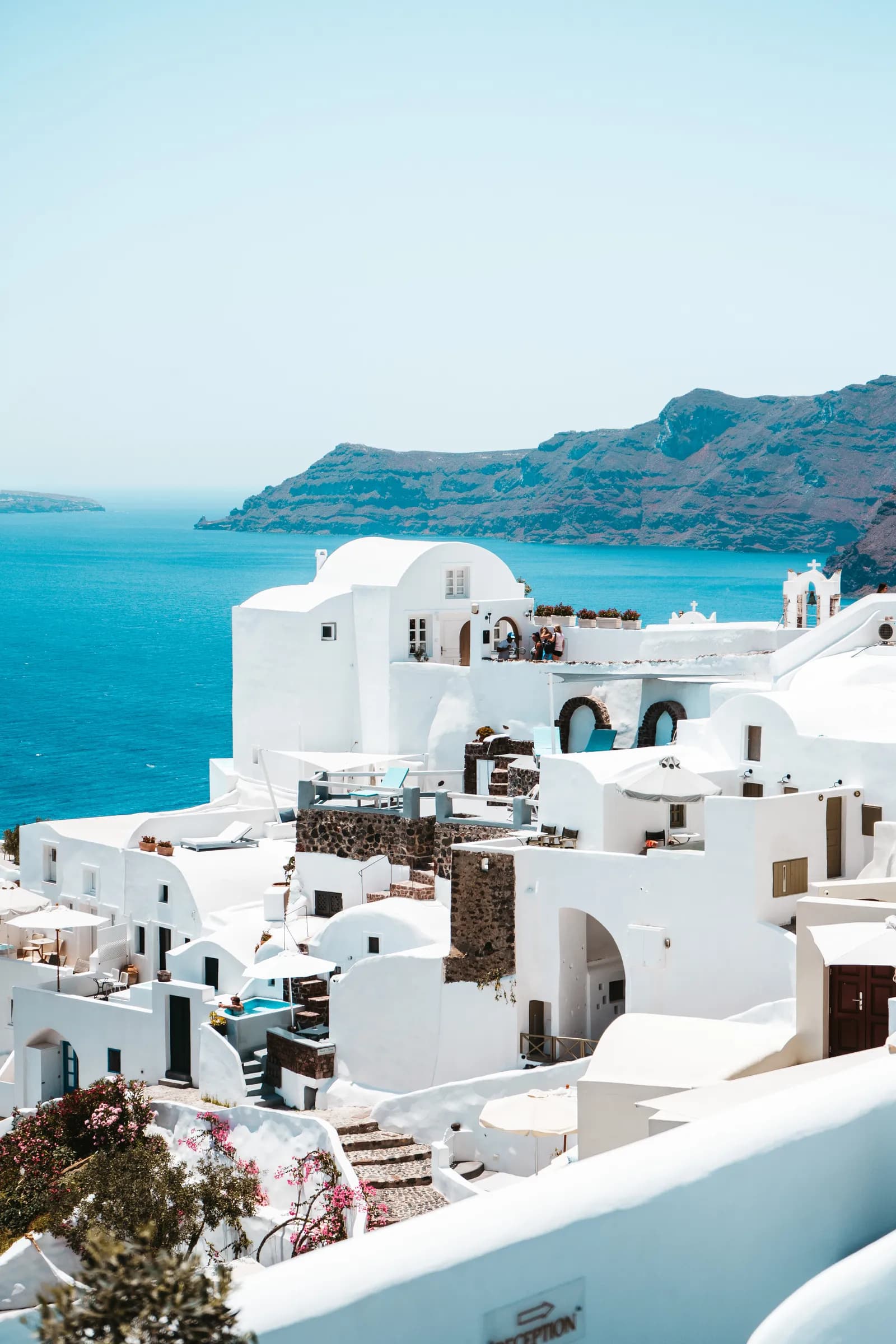
Santorini’s two most touristy villages, Oia and Fira, are still well worth a visit in January. Their winding lanes lined with immaculate houses are even more pleasant to wander without the summer crowds.
It’s also a chance to enjoy the famous sunsets with less waiting around and in an intimate atmosphere.
Oia: a picturesque village

- Unique architecture: Oia, known for its whitewashed cave houses and blue domes, showcases typical Cycladic architecture. In January, the streets are less crowded, allowing for a more peaceful exploration and superb photos.
- Byzantine churches: The village has several remarkable Byzantine churches. A visit to the Panagia of Platsani church, on the main square, is a must. Its architecture and interior frescoes epitomise Santorini’s cultural richness.
- Art galleries and shops: Although some may be closed in winter, several art galleries and shops stay open, offering works by local artists and unique souvenirs.
- Sunsets: Oia is famous for its sunsets. In January, these moments are less crowded, letting you enjoy the show in a calmer, more personal atmosphere.
Fira: a blend of tradition and history

- Archaeological museum: Fira’s archaeological museum is a must for history lovers, with collections spanning the Cycladic era to the Roman period: pottery, sculptures and inscriptions.
- Panoramic walks: Fira offers stunning views over the caldera. Walks along the crater rim let you admire the Aegean Sea and the surrounding islands.
- Local food: several restaurants and tavernas stay open in January. It’s the ideal opportunity to savour local specialities in a more authentic setting.
- Fira in winter: local life is more visible in winter, and the end-of-year holidays give the first days of January a special atmosphere.
- Hikes: the trail linking Fira to Oia is quieter, for a peaceful walk with spectacular views.
- Guided tours: guided tours may be available to discover the history and culture of Fira and Oia.
By visiting Oia and Fira in January, you’ll discover a calmer, more authentic side of Santorini, far from the summer tourist bustle. This time of year offers a unique perspective on local life and the island’s natural beauty.
Hike between Fira and Oia

The hike between Fira and Oia is a magical outing, especially in January, when Santorini reveals its winter charm. This 10 km route, winding along the caldera cliffs, offers stunning views over the Aegean Sea and the neighbouring islands. Taking 2h30 to 5 hours depending on your pace, it’s an ideal way to appreciate the island’s tranquillity away from the summer bustle.
In January, the trail takes on a serene atmosphere, making for a peaceful hike. Although temperatures are cooler and the wind can blow hard at times, wearing warm clothes and good walking shoes makes the adventure comfortable and enjoyable. It’s the perfect opportunity to admire Santorini’s volcanic landscapes and picturesque villages from a different angle.
This hike is an experience not to be missed for nature and photography lovers. The viewpoints along the way offer unique opportunities to capture the island’s beauty, with its white villages and blue-domed churches standing out against the winter backdrop. In January, the absence of crowds makes the experience even more special, letting you connect fully with Santorini’s nature and tranquillity.
Discover the archaeological site of Akrotiri

This exceptional site features the ruins of a Minoan city buried under ash during a volcanic eruption in 1600 BC. The frescoes and everyday objects found here are remarkably well preserved.
A guided tour is highly recommended to fully grasp the history of the site. Entry: €20 (€10 reduced).
Taste local wines

Santorini is renowned for its white wines made from unique grape varieties such as assyrtiko and aidani. Some estates welcome visitors for part of the winter: check opening hours and book before you go.
I also recommend visiting the Koutsoyannopoulos wine museum in Vothonas to learn more about the island’s winemaking history.
Wander through the villages of Pyrgos, Emporio and Megalochori

Exploring the traditional villages of Pyrgos, Emporio and Megalochori is an authentic adventure in Santorini, especially in January. These hidden gems, with their cobbled lanes and typical white houses, offer a rich cultural experience away from the usual tourist sites.
Emporio stands out for its unique vaulted passageways, creating an almost labyrinthine atmosphere. Strolling through its lanes is like travelling back in time, with a fascinating glimpse of traditional Cycladic architecture.
Pyrgos, perched on a hilltop, offers a stunning panorama over the island. Its Venetian ruins offer not only a dive into history but also unforgettable views over the Aegean Sea. It’s the ideal place to admire Santorini’s landscape in all its splendour.
These villages are Santorini’s hidden treasures, offering a peaceful, authentic break from the tourist bustle, especially in January. Visiting them is a unique way to discover the true heart of the island.
Explore the beaches

Visiting Santorini’s beaches in January offers a quiet, picturesque experience, very different from the lively summer atmosphere. Although swimming isn’t the main activity because of the cool water, exploring the island’s beaches in winter reveals their natural beauty in a new light.
Perissa beach
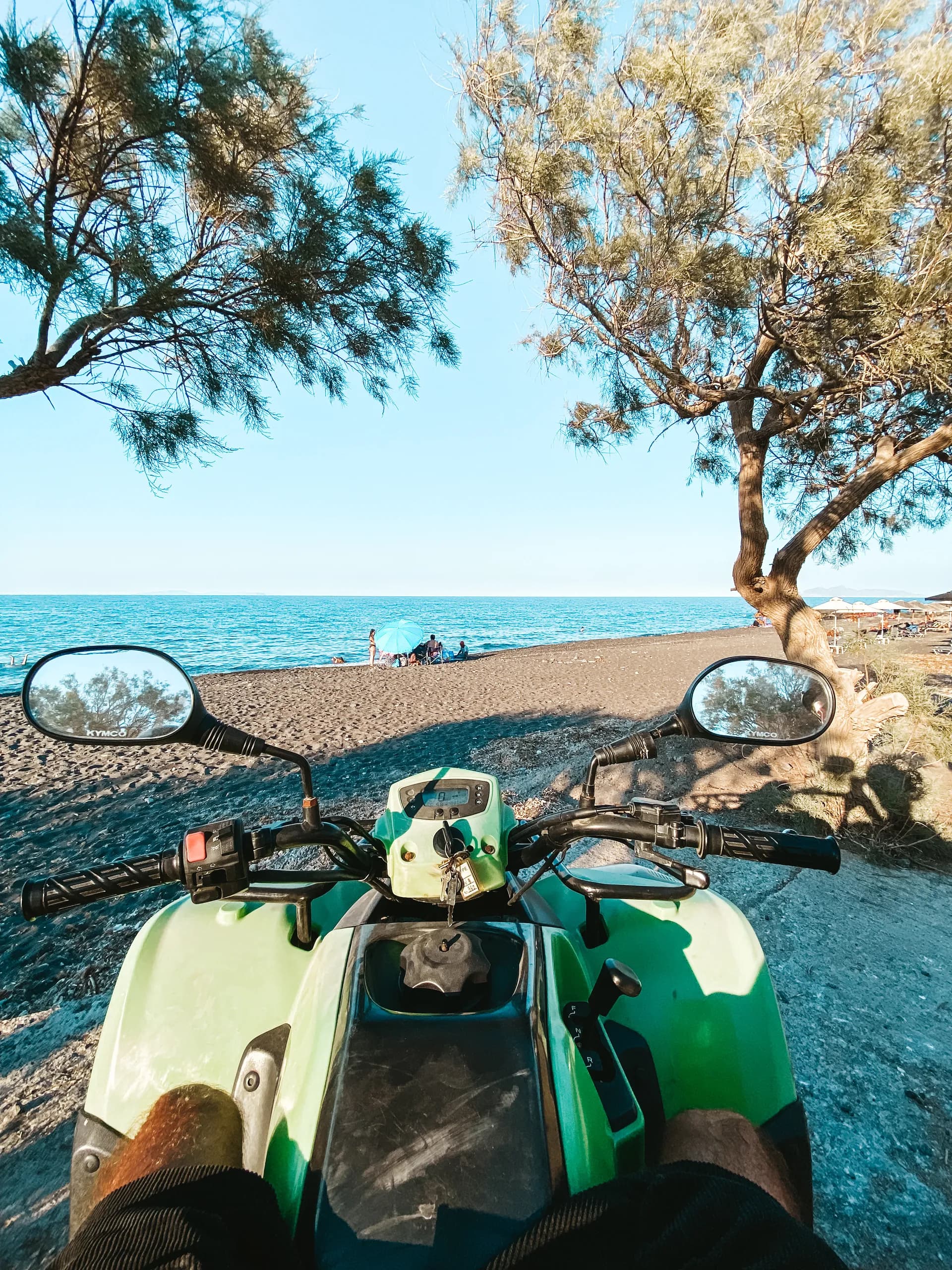
Known for its distinctive black sand, Perissa beach is a sight in itself. In January, the contrast between the black volcanic sand and the crystal-clear waters creates a striking landscape. The winter calm makes for a peaceful walk along the shore, ideal for photography lovers or anyone seeking serenity.
Red Beach in Akrotiri
Red Beach is famous for its red cliffs. Access to the beach is prohibited (municipal ban, and the path has been blocked since the February 2025 earthquakes), and landing from boats is banned too: admire it from the viewpoint, where the late-afternoon light on the rocks is superb.
Kamari beach
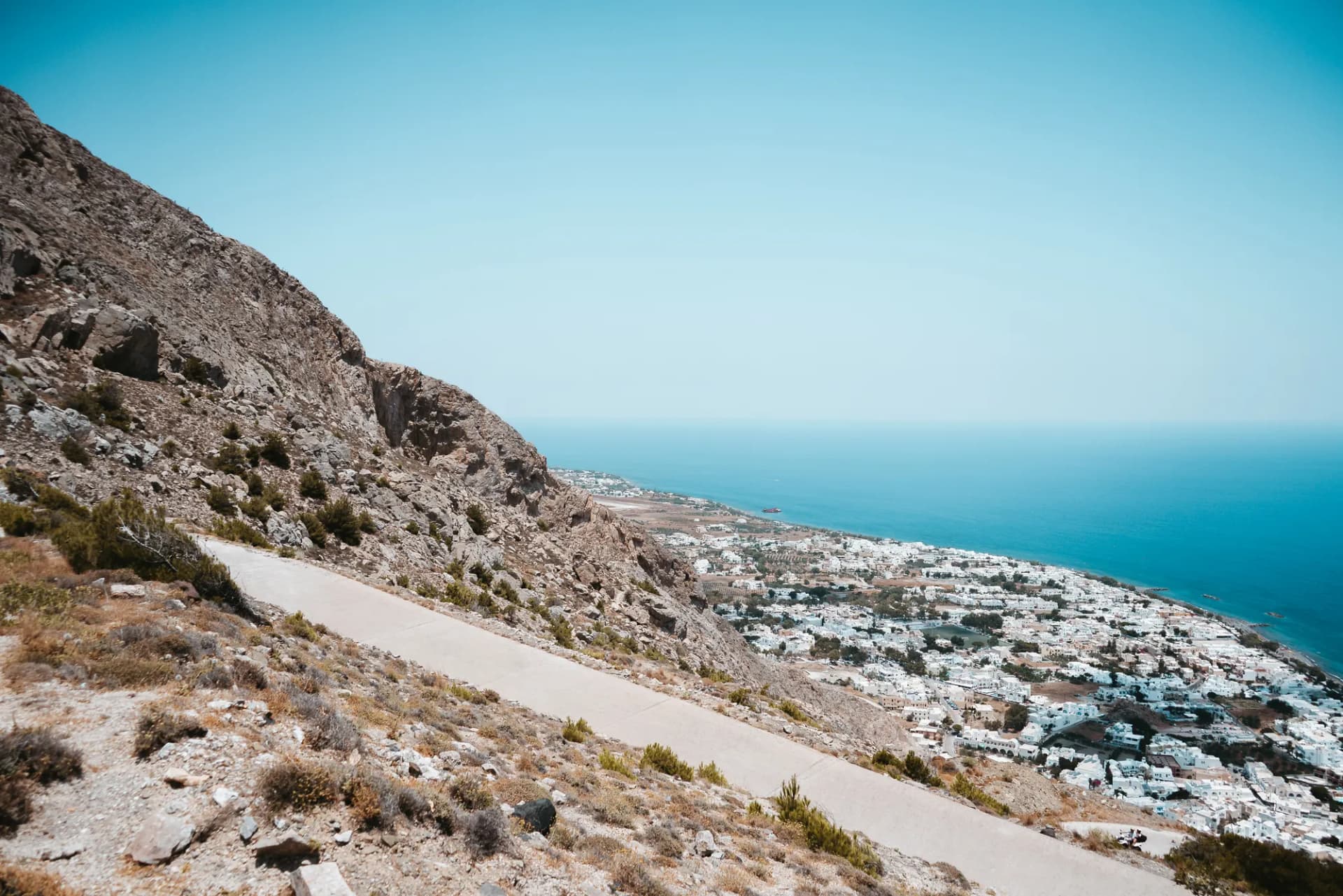
Close to Perissa, Kamari beach is also famous for its black sand. In January the atmosphere is calm, making for a relaxing walk with a breathtaking view of Mesa Vouno mountain rising nearby.
Vlychada beach
This beach is known for its sculptural rock formations that look like natural works of art. In winter, the absence of crowds highlights the strangeness and beauty of this lunar landscape, offering an ideal setting for a reflective stroll or a moment of relaxation to the sound of the waves.
Monolithos beach
Quieter and family-friendly, Monolithos beach is perfect for those looking to get away from the busier tourist spots. In January, its stretches of sand and calm waters offer a peaceful setting for a walk or for watching the local fishermen.
Each of these beaches, with its own unique features, offers a different perspective on Santorini in winter. The cold season brings a feeling of calm and solitude, letting visitors appreciate the island’s natural beauty in a more intimate, contemplative atmosphere.
Where to stay in Santorini in January?

As January is low season, many hotels are closed, especially in the beach resorts. The choice of open accommodation is therefore mainly limited to the island’s two main towns:
- Fira: the capital stays very lively in January. It has the largest number of hotels, restaurants and shops open at this time of year, making it ideal for a winter stay in Santorini.
- Oia: world-famous for its sunsets, Oia charms with its unique appeal but can feel very quiet in January. A few luxury hotels with caldera views do stay open, however.
In the other villages, options are very limited and often overpriced. A holiday rental is the best alternative.
Some hotels also offer low-season deals with rates far more affordable than in summer.
How to get to Santorini in January?

By plane
There are daily flights between Athens and Santorini all year round, with fewer in winter (Aegean Airlines and its subsidiary Olympic Air in particular). Low-cost airlines such as Ryanair or Volotea change their winter schedules: check them for 2026-2027.
In winter, direct international flights are rare: plan a connection in Athens.
By ferry
Ferries from Piraeus (Athens’ port) keep serving Santorini in January, but less frequently. High-speed services are rare or suspended: the route is mainly covered by conventional ferries (Blue Star Ferries in particular), for a crossing of 6 to 9 hours.
How to take the ferry between Athens and Santorini: everything you need to know
Remember to book your ferry tickets in advance to guarantee your place on board!
Prices and tickets for Santorini

Flights
Return fares between Athens and Santorini vary a lot depending on when you book: compare early on the airlines’ websites.
From France, plan on a connection in Athens in winter, and book early for the best fares to Santorini airport.
Accommodation
For 3-star accommodation in Fira, budget from €60 a night in January.
In the village of Oia, famous for its sunsets, you’ll still need to allow at least €100 for a double room in a decent hotel.
The few luxury boutique hotels still open also charge gentler prices, around €250 a night for a 5-star with a caldera view, for example.
Getting around Santorini

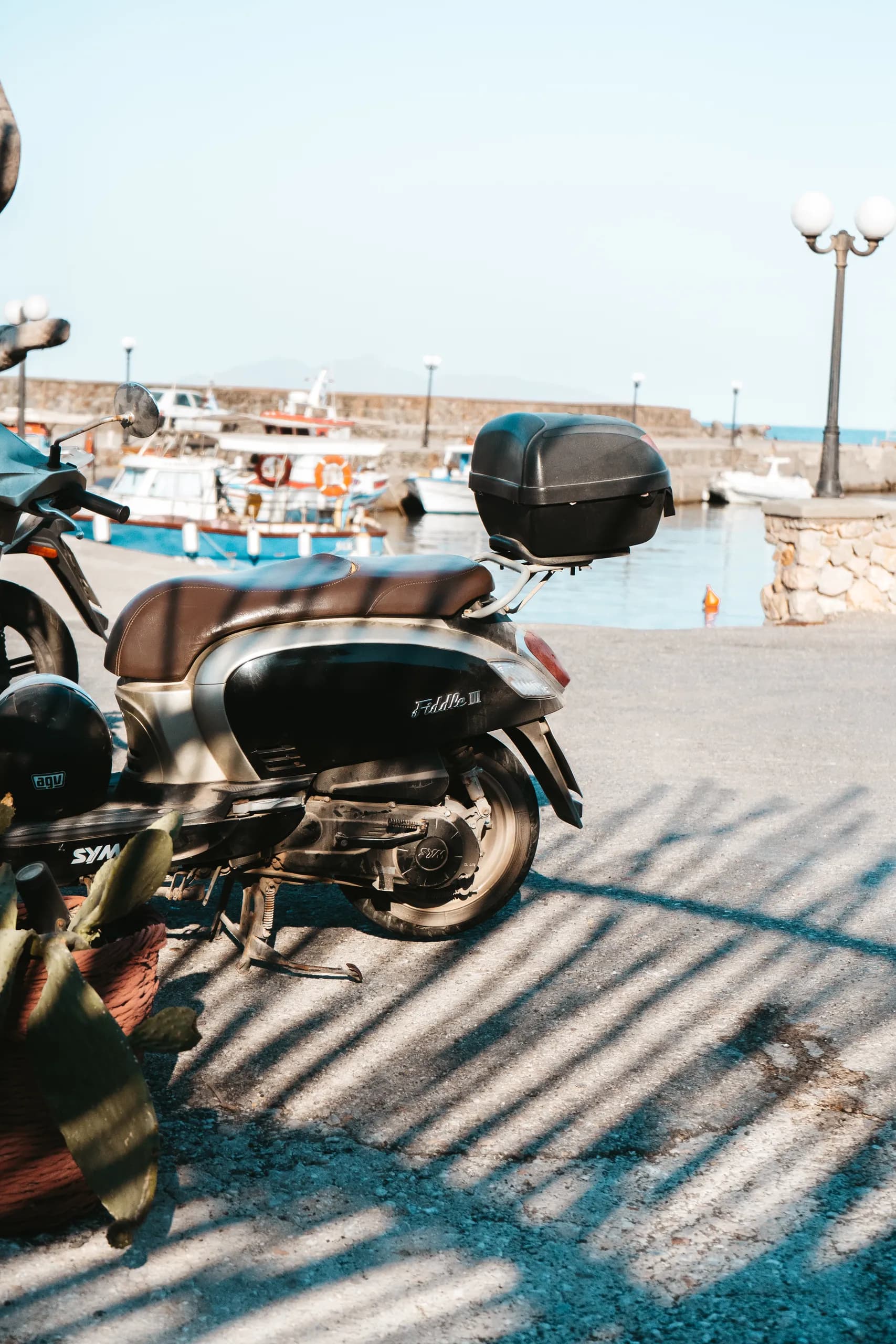
Exploring Santorini in January can be a unique experience, giving you the chance to discover the island in a different light, far from the summer crowds. To get around, two popular options are renting a car or a quad, each with its own advantages.
Renting a car in Santorini in January
Renting a car in Santorini in January is ideal for those looking for comfort and convenience. Here are a few points to consider:
- Comfort: Sheltered from the elements, you’ll enjoy getting around, especially with January’s typically cooler temperatures and strong winds.
- Space: If you’re travelling in a group or as a family, a car offers plenty of room for passengers and luggage.
- Freedom of movement: With a car, you’re free to explore the more remote parts of the island that are harder to reach by other means.
- Parking: Although easier to find in winter than in summer, parking can still be a challenge, particularly in popular places like Oia.
What about a quad in January?
Quads are often recommended in summer, but in January they are not a good idea: rain, strong winds and slippery roads make them uncomfortable and risky. If you still want one, a standard car licence (category B) is enough for a quad in Greece; always wear a helmet and check that the rental agency is open.
In January, a car remains the safest and most comfortable choice. Compare the options in our Santorini vehicle rental guide.
Frequently asked questions
No, quite the opposite! As January is low season, hotel prices drop well below summer rates, and so do car rental and activities.
The sea is around 16 to 17°C in January, too cool for most visitors, and no beach clubs are open. Nothing stops you from dipping your toes in or strolling on the sand!
Renting a car gives you maximum flexibility: buses run less often in winter, and the changeable weather can quickly spoil a walk. Quads are not recommended at this time of year.
On 6 January, Epiphany (Theophania) is celebrated across Greece with the blessing of the waters by the sea. The rest of the month, the island is very quiet, with no tourist festivals, and what little activity there is centres on Fira.
In conclusion
To sum up, the low season in Santorini, between December and March, is above all for travellers seeking peace and quiet who want to enjoy the island’s understated charms away from the summer crowds.
The damp, cool climate makes swimming impossible, but plenty of activities remain, such as strolling through picturesque villages or discovering the local heritage. And what a joy it is to watch a sunset in Oia in relative privacy!
As long as you choose the right base (preferably Fira or Oia) and accommodation that’s open in January, this period also has the advantage of gentle prices, with hotel prices well below summer rates.
So, tempted by an off-season stay in Santorini? You’ll see the island in a whole new light!
Âme Bohème exists thanks to you
Some links in this article are affiliate links. This means that if you book or purchase a product through these links, we receive a small commission, at no extra cost to you. It's thanks to this support that we can continue creating free, quality content.
You can also buy us a coffee, or follow us on Instagram and Facebook.