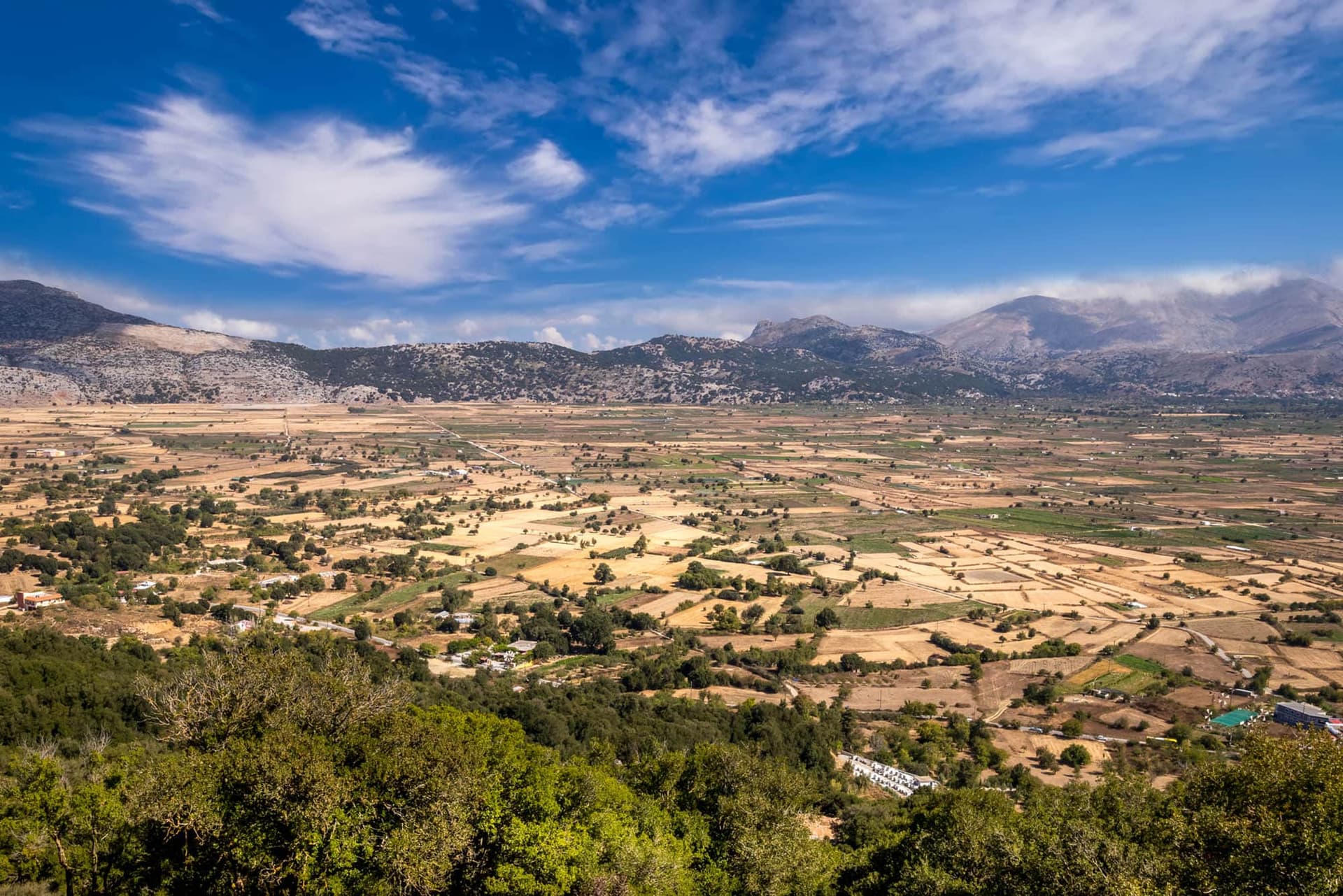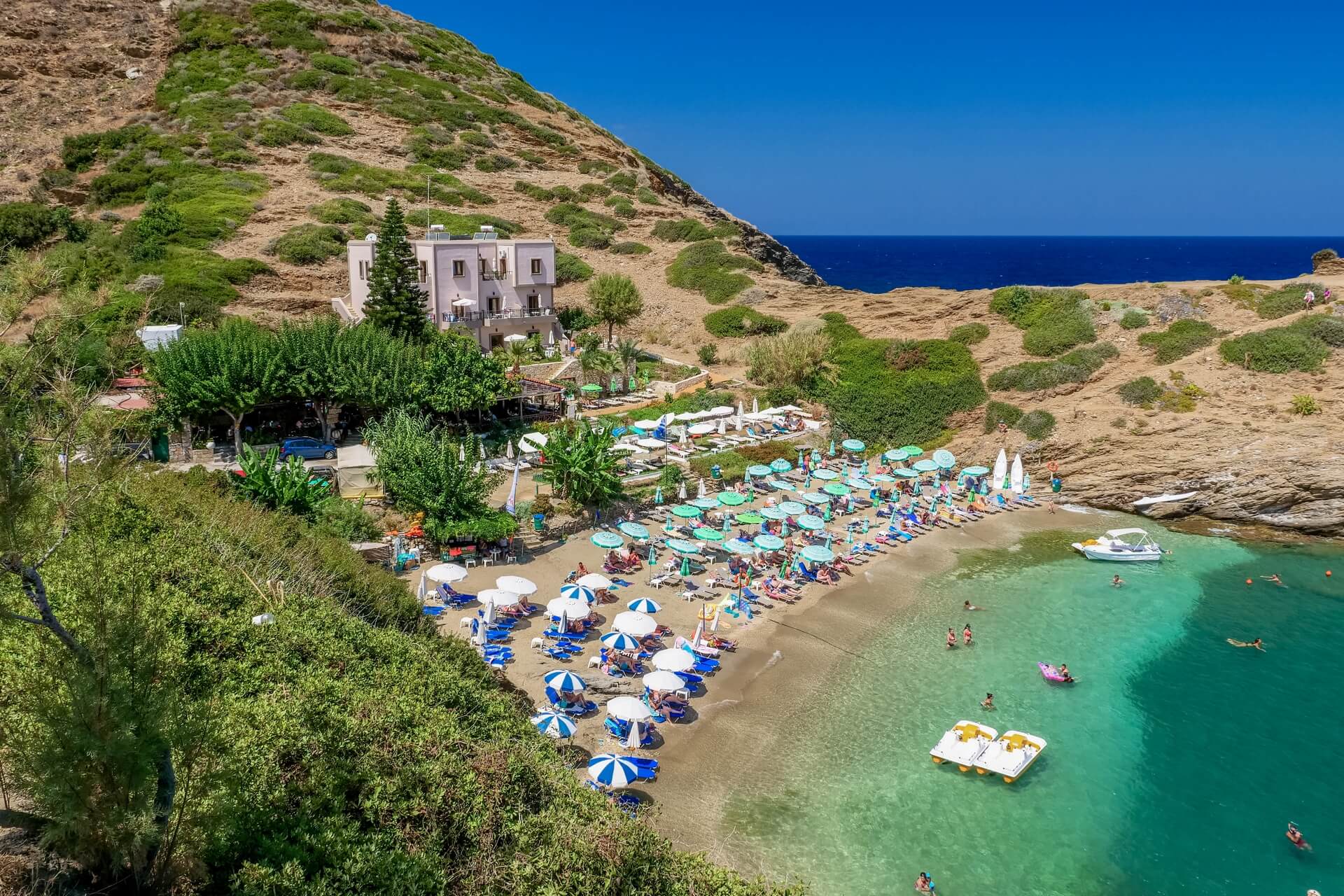
Nestled at the foot of the majestic White Mountains of Crete, just 18 kilometres from Chania, the Botanical Park & Gardens of Crete represents one of the most remarkable ecological regeneration success stories in Europe. This unique botanical garden, spanning nearly 20 hectares, offers an exceptional immersive experience blending botanical discovery, tropical escape and authentic Cretan gastronomy.
Unlike more touristy destinations like Elafonisi or the Samaria Gorge, the Botanical Garden remains a hidden gem that reveals the most authentic face of Crete.
The Extraordinary History of the Botanical Park of Crete

From Catastrophe to Rebirth
The story of the Botanical Garden of Crete begins with a tragedy that would forever mark the Cretan landscape. In October 2003, a devastating fire ravaged the Skordalou region, in the Municipality of Platanias. The flames, fanned by the violent winds typical of the Mediterranean autumn, destroyed over 60,000 centuries-old olive trees, some planted during the Venetian period, wiping out generations of Cretan agricultural traditions in just a few hours.
This natural disaster particularly affected the local community, as these olive trees were not merely a source of income but embodied the very identity of the region. Some trees had survived the Ottoman and Venetian occupations, silent witnesses to Crete's tumultuous history.
After the rain, our olive grove was destroyed in 24 hours. Around 200,000 olive trees from the Venetian period burned. Our property was also reduced to ashes, but our first thought was: how can we make this land bloom again?
The Revolutionary Vision of the Marinakis Family
Faced with this catastrophe, Petros Marinakis and his family transformed despair into hope. An agronomist by training, Petros had a clear vision: rather than resign himself to replanting olive trees that would take decades to become productive again, why not create something unique?
The revolutionary idea took root: create a botanical garden showcasing global biodiversity in the exceptional microclimate of this Cretan region. The White Mountains provide natural protection from northern winds, while the terrain's morphology generates exceptionally varied climatic conditions over a small area.
The project required seven years of meticulous preparation. The team had to study soil composition, analyse microclimates, design a sophisticated irrigation system and select over 150 plant species capable of thriving in these particular conditions.
Planning your trip? Find all the essentials in our complete guide to Crete and check when to visit Crete with our month-by-month weather guide.
The Exceptional Geological and Climatic Context
A Unique Microclimate in the Mediterranean
The Botanical Garden's geographical position creates remarkable climatic conditions. Situated at an altitude of 150 metres, the site benefits from the orographic effect of the White Mountains which reach over 2,400 metres. This configuration generates:
- Moderate temperature variations: The mountains protect from cold northern winds while creating refreshing summer breezes
- Favourable rainfall: 600-800mm per year, concentrated mainly in autumn and winter
- Distinct vegetation zones: From Mediterranean at sea level to montane on the peaks
- Optimal exposure: South-west facing, the site enjoys maximum sunshine
Cretan Geological Richness
The region's geological substrate contributes to exceptional botanical diversity. The soils, formed mainly of Mesozoic limestones and alluvial deposits, offer perfect drainage while retaining sufficient moisture. This combination allows cultivation of species with widely varying water needs in a compact area.
Discovering the Botanical Park & Gardens of Crete
Location and Access from Chania
The botanical park is strategically located on the Chania-Fournes-Omalos national road, a natural corridor to the Cretan hinterland. This position offers not only easy access from Chania, but also exceptional panoramic views of the coastal plain and the Sea of Crete.
Practical Information and Prices
A Scientific Walk Through the Thematic Gardens


The Mediterranean Garden and Its Ancestral Treasures
Mediterranean Fruit Trees: A Precious Genetic Heritage
The Mediterranean garden is far more than a simple ornamental collection. It preserves an invaluable genetic heritage of fruit trees perfectly adapted to the Cretan climate. This diversity explains why Cretans traditionally consume six times more fruit than inhabitants of other Mediterranean regions.
The collections include:
- Fig trees with ancient varieties: Over 15 varieties, from early July to late November
- Pomegranate trees with ruby fruits: Sweet and ornamental varieties, symbols of fertility
- Centuries-old carob trees: Replanted after the fire, their pods once served as weight units for gold
- Almond trees in spring bloom: A fairy-tale spectacle from February to March
- Wild pistachio trees: Ancestors of cultivated varieties
Aromatic Herbs and Endemic Plants: Crete's Natural Pharmacy
Crete is home to one of Europe's richest ecosystems with over 1,750 plant species, including 160 endemics. The aromatic herb garden presents a rigorous selection of these botanical treasures:
- Malotira (Sideritis syriaca): Traditional Cretan herbal tea with exceptional digestive properties
- Dittany (Origanum dictamus): Endemic plant with antiseptic properties, a symbol of the island since antiquity
- Wild thyme: The base of excellent Cretan honey, with recognised antibacterial properties
- Oregano: Essence of Mediterranean cuisine, more concentrated in essential oils than elsewhere
- Cretan lavender: Endemic variety with smaller but more fragrant flowers
The Tropical Garden: A Successful Exotic Escape
Taking advantage of the exceptional microclimate created by the White Mountains' protection, the tropical garden is a remarkable technical feat. The species on display thrive in conditions once thought impossible in the Mediterranean:
- Chinese lychees: Regular fruiting thanks to the winter coolness of the mountains
- Central American guavas: Perfectly adapted to the semi-arid Cretan climate
- South-East Asian dragon fruits: Grown on specially designed trellises
- Avocado trees in multiple varieties: Over 8 different varieties
- Dwarf mangoes: Varieties specially selected for the Mediterranean climate
Citrus Fruits: The Mythological Heritage of the Gods

According to Greek mythology, citrus fruits were a gift from Gaia, goddess of the Earth, at the wedding of Zeus and Hera. The citrus garden pays tribute to this tradition with an exceptional collection of 17 different varieties:
- Meyer lemons: Natural hybrid with complex flavours
- Bergamots: For essential oil extraction
- Citrons: Ancestral fruits used in Jewish liturgy
- Kumquats: Small citrus fruits entirely edible
- Pink grapefruits: Varieties adapted to the Mediterranean climate
Vineyards and the Millennial Winemaking Heritage
Crete has played a central role in spreading Mediterranean viticulture for over 4,000 years. The park's vineyards present a selection of indigenous grape varieties perfectly suited to the Cretan terroir:
- Vilana: Traditional white grape with floral aromas
- Kotsifali: Typically Cretan red with supple tannins
- Mandilaria: Ageing grape with deep colours
- Thrapsathiri: Aromatic white resistant to drought
The Cherry Garden: A Dazzling Spring Spectacle
In spring, between March and April, the Botanical Garden transforms into a fairy-tale landscape. The cherry trees, perfectly adapted to the Cretan climate thanks to cool mountain nights, offer a spectacle of striking beauty. The varieties include sweet and sour cherries, all renowned for their anti-inflammatory and antioxidant properties.
Exceptional Wildlife: An Ecosystem in Renaissance
Migratory and Resident Birds: A Natural Ornithological Observatory
Crete's strategic position at the crossroads of three continents makes the park a privileged stopover for many migratory bird species. Over 85 species have been recorded on the site:
- Common buzzard: The most frequent raptor, nesting in Aleppo pines
- Common kestrel: Hunter of insects and small rodents
- Eurasian sparrowhawk: Discreet winter visitor
- Nightingale: The most melodious, near the artificial lake's water points
- Blackbird: A familiar of Cretan gardens, excellent singer
- Blackcap: Active spring migrant
- Hoopoe: Spectacular summer visitor with unique plumage
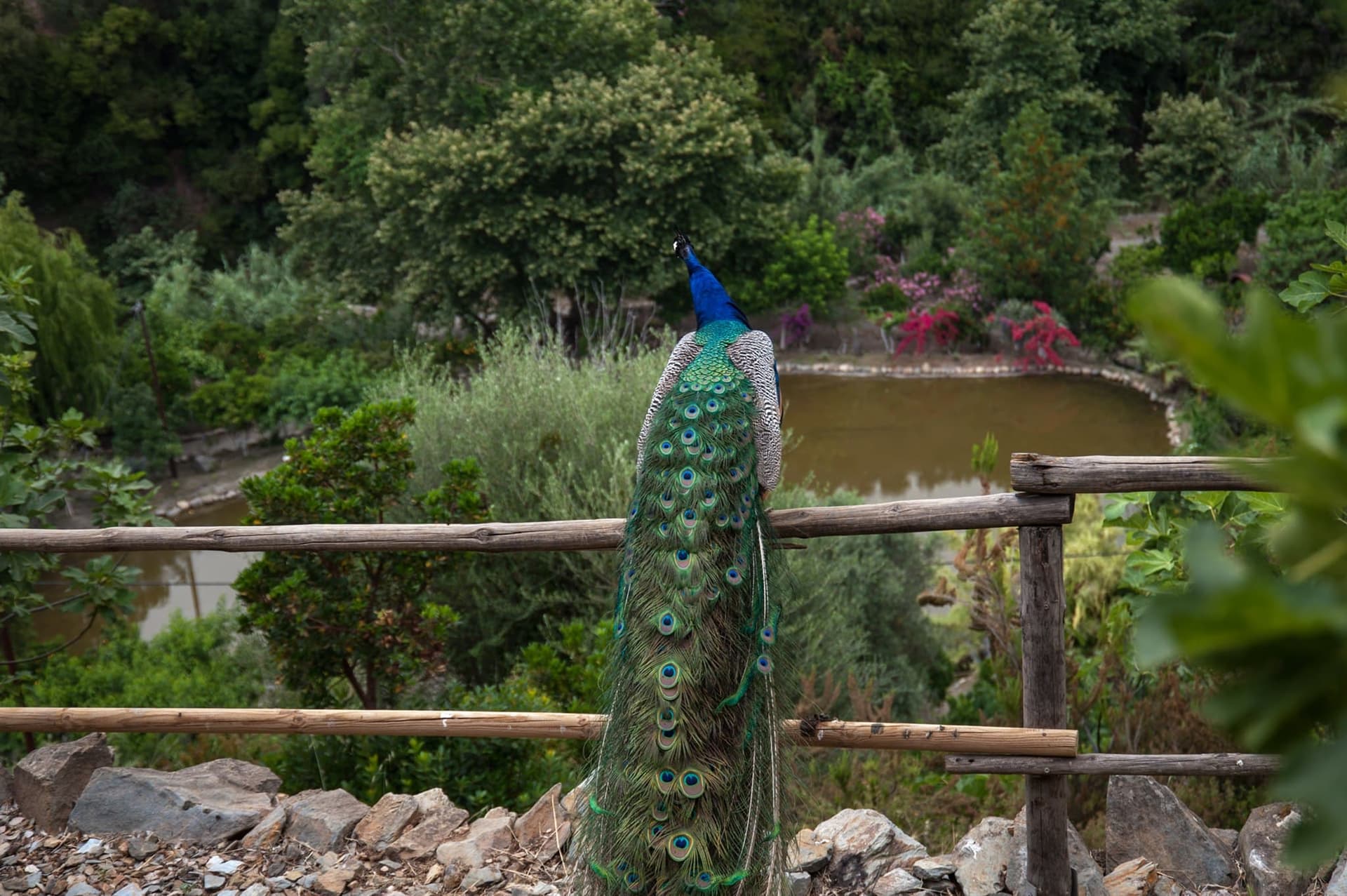
- Peacocks: Majestic garden guardians, naturally breeding on site
Endemic Cretan Fauna: Witnesses of Island Isolation
The park shelters and protects several remarkable species of Cretan fauna, some endemic and endangered:
- Cretan badger: One of the island's largest wild mammals
- Cretan spiny mouse: Endemic species classified as vulnerable
- Cretan weasel: Endemic subspecies with nocturnal habits
- Cretan shrew: Small endemic insectivore
- Cretan frog: Endemic and strictly protected
- Cretan lizard: The island's only endemic lizard, with variable colouring
- Tree frog: Two endemic subspecies present
- Cretan grass snake: Harmless endemic snake
The Artificial Lake: A Dynamic Aquatic Ecosystem
The 2-hectare artificial lake is the beating heart of the park's wildlife. Fed by natural springs from the White Mountains, it maintains a diversified aquatic ecosystem:
- Various duck species: Mallards, wigeons, teals
- Migrating wild geese: A stop on the Africa-Europe route
- Mediterranean freshwater turtles: Established natural population
- Freshwater fish: Introduced carp, roach, perch
- Dragonflies and damselflies: Over 15 species recorded
The Gastronomic Experience: Ambassador of the Cretan Terroir

The Botanical Garden Restaurant: Showcase of Culinary Excellence
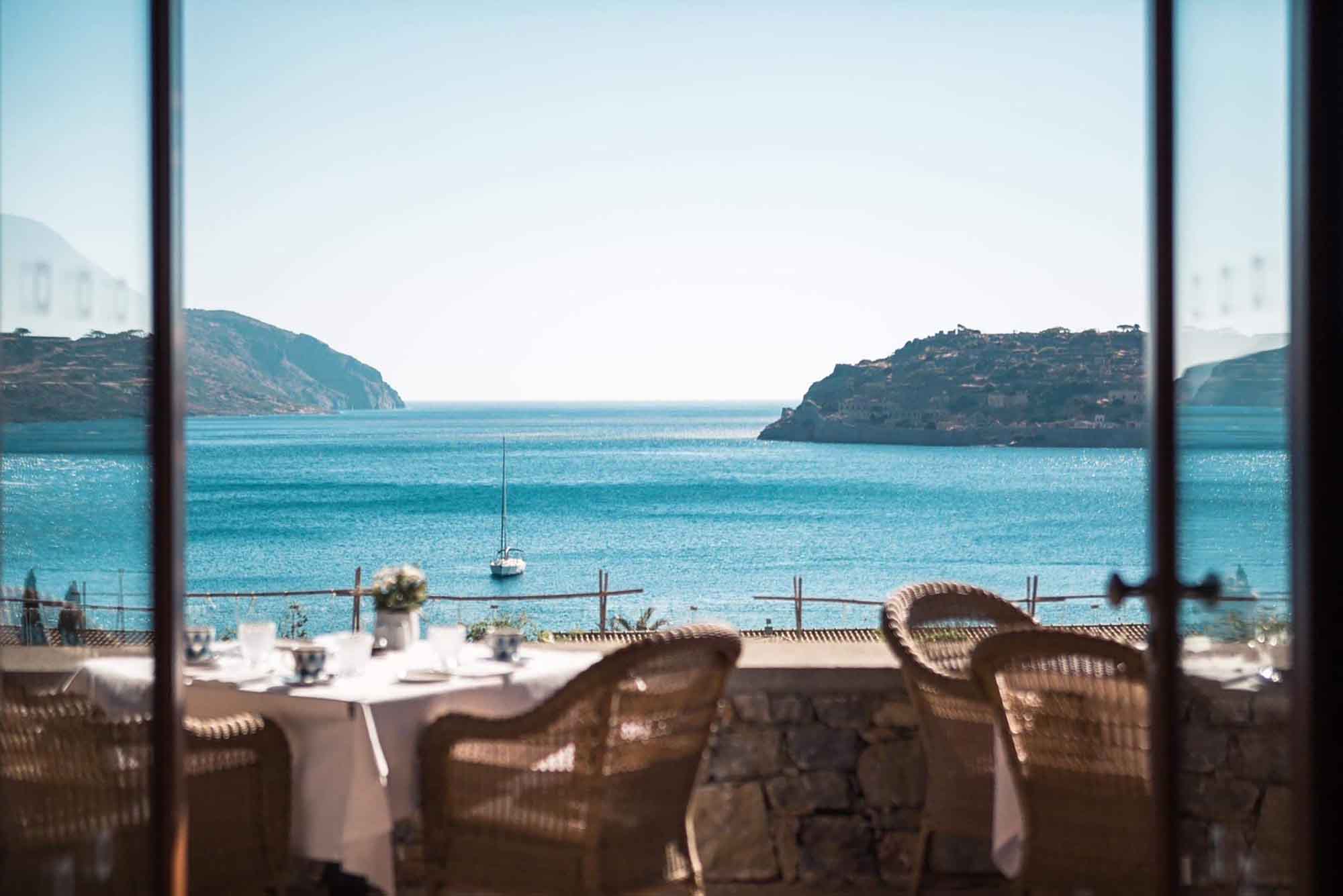
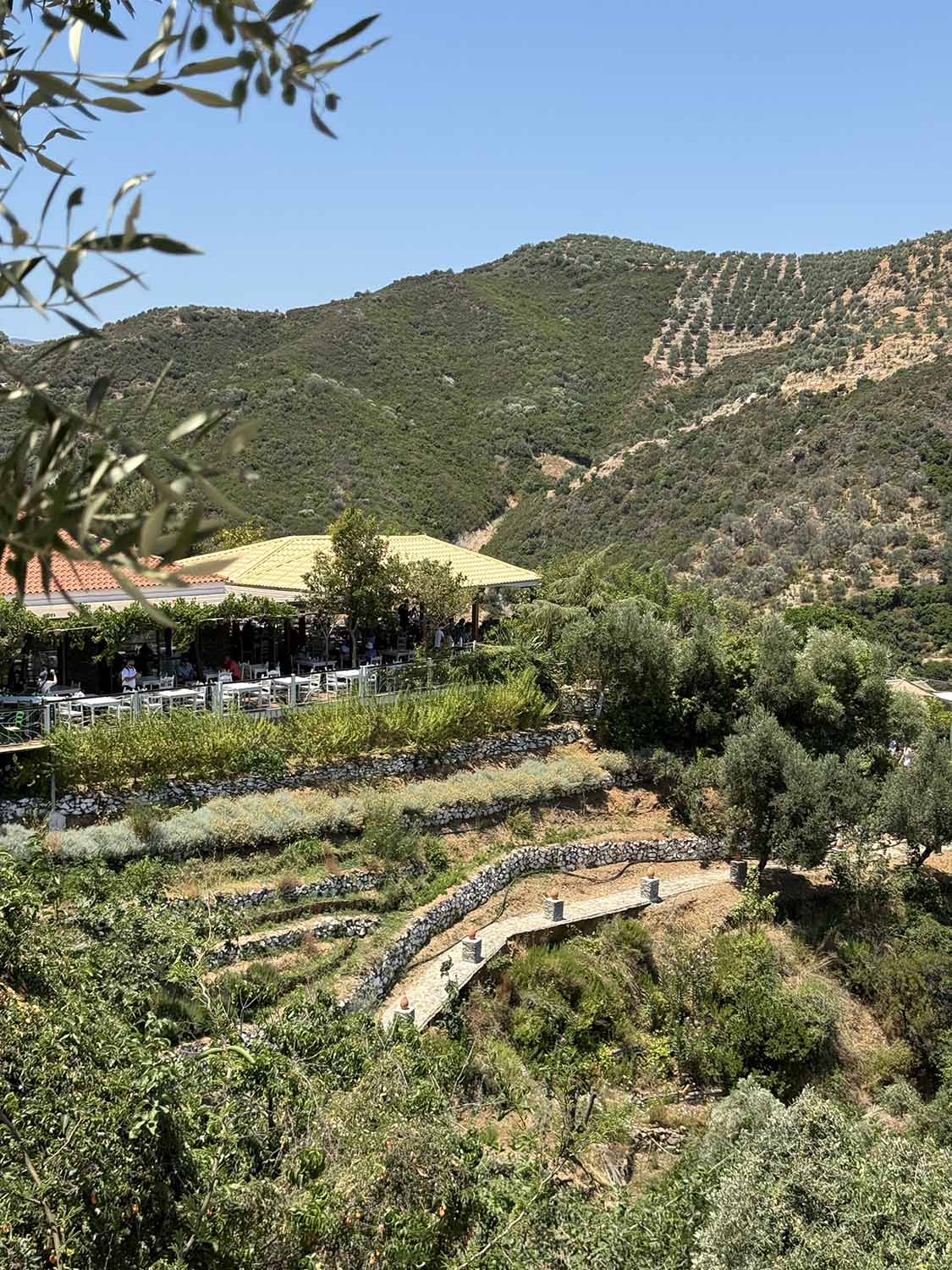
The Botanical Garden restaurant has been awarded the prestigious official 'Quality Cretan Cuisine' label by the Region of Crete. Set on panoramic terraces at 180 metres altitude, it offers breathtaking views over the tiered gardens and the White Mountains.
The architecture respects the site by using exclusively local materials: Cretan stone, olive wood salvaged after the fire, and a green roof that blends perfectly into the landscape.
The Cretan Diet Philosophy: UNESCO Heritage
The restaurant perfectly illustrates the principles of the Cretan diet, inscribed on UNESCO's Intangible Heritage list since 2013. This nutritional approach, recognised as one of the healthiest in the world, rests on simple principles:
- Extra virgin olive oil: Produced exclusively by local partner producers
- Wild greens: Foraged from the mountains according to season (vlita, stamnagathi, kritama)
- Traditional cheeses: Graviera PDO, fresh mizithra, herb anthotyros
- Fresh fish: From Kissamos
- Thyme honey: Certified organic local production
- Ancient grains: Cretan durum wheat, mountain barley
The Organic Vegetable Garden: From Soil to Plate

The park's vegetable garden covers 5,000 m² and exclusively uses certified organic methods. This production directly supplies the restaurant kitchen, guaranteeing optimal traceability and freshness.
The crops favour traditional Greek varieties with authentic flavours:
- Cretan cherry tomatoes: Ultra-flavourful heirloom varieties
- Sfakia cucumbers: Crunchy local variety
- Purple aubergines: Cretan speciality with elongated shape
- Round courgettes: Perfect for traditional stuffing
- Aromatic herbs: Greek basil, flat parsley, dill
Environmental and Social Impact: A Model of Sustainable Development
Local Biodiversity Conservation
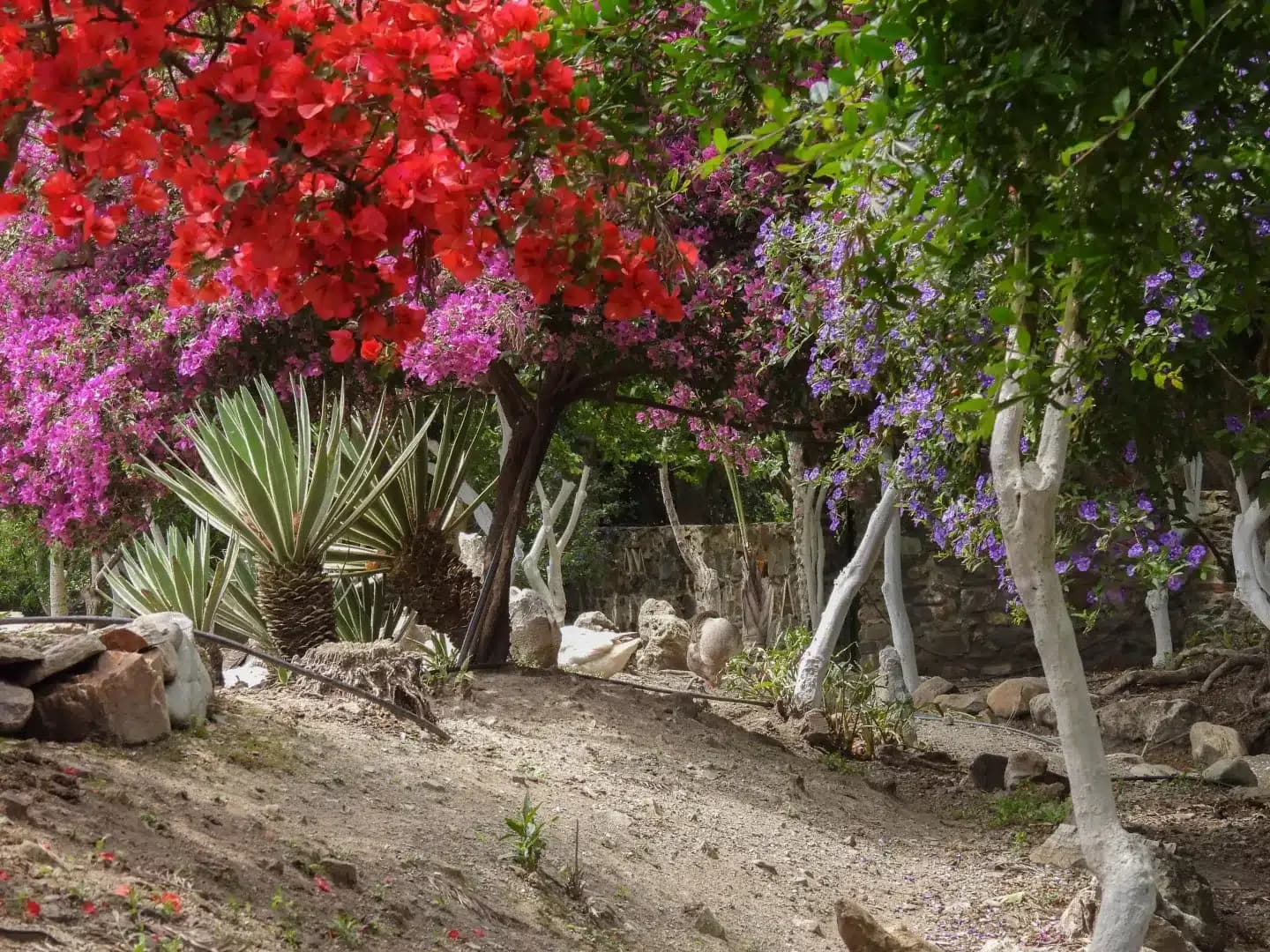
The Botanical Garden plays a crucial role in the ex-situ conservation of Cretan flora. The park maintains a seed bank of over 200 endemic or rare species, contributing to national and international conservation programmes.
Environmentally friendly farming techniques include:
- Drip irrigation: 60% water savings compared to traditional methods
- Full composting: Recycling of all organic waste from the site
- Biological pest control: No chemical pesticides used
- Solar energy: 80% of energy needs covered by photovoltaic panels
Local Economic and Social Benefits
The Botanical Garden's success generates significant economic benefits for the region:
- Direct employment: 25 permanent jobs created
- Agricultural partnerships: Collaboration with 40 local producers
- Professional training: Mediterranean horticulture training centre
- Scientific research: Partnership with the University of Crete
Practical Advice for an Optimal Visit
Which Season to Choose for Your Visit?
- Advantages: Spectacular blooms, ideal temperatures (18-24°C), active wildlife
- Highlights: Cherry blossoms, bird migration, wild herbs
- Drawbacks: Possible showers, moderate crowds
- Advantages: Ripe tropical fruits, long days, restaurant open for dinner
- Highlights: Exotic fruit harvest, intensified fragrances, magical evenings
- Drawbacks: Intense heat (35°C+), peak crowds
- Advantages: Magnificent autumn colours, still-mild climate, moderate crowds
- Highlights: Grape harvest, olive picking, golden light
- Drawbacks: End of flowering season, shorter days
Clothing and Specialist Equipment Recommendations
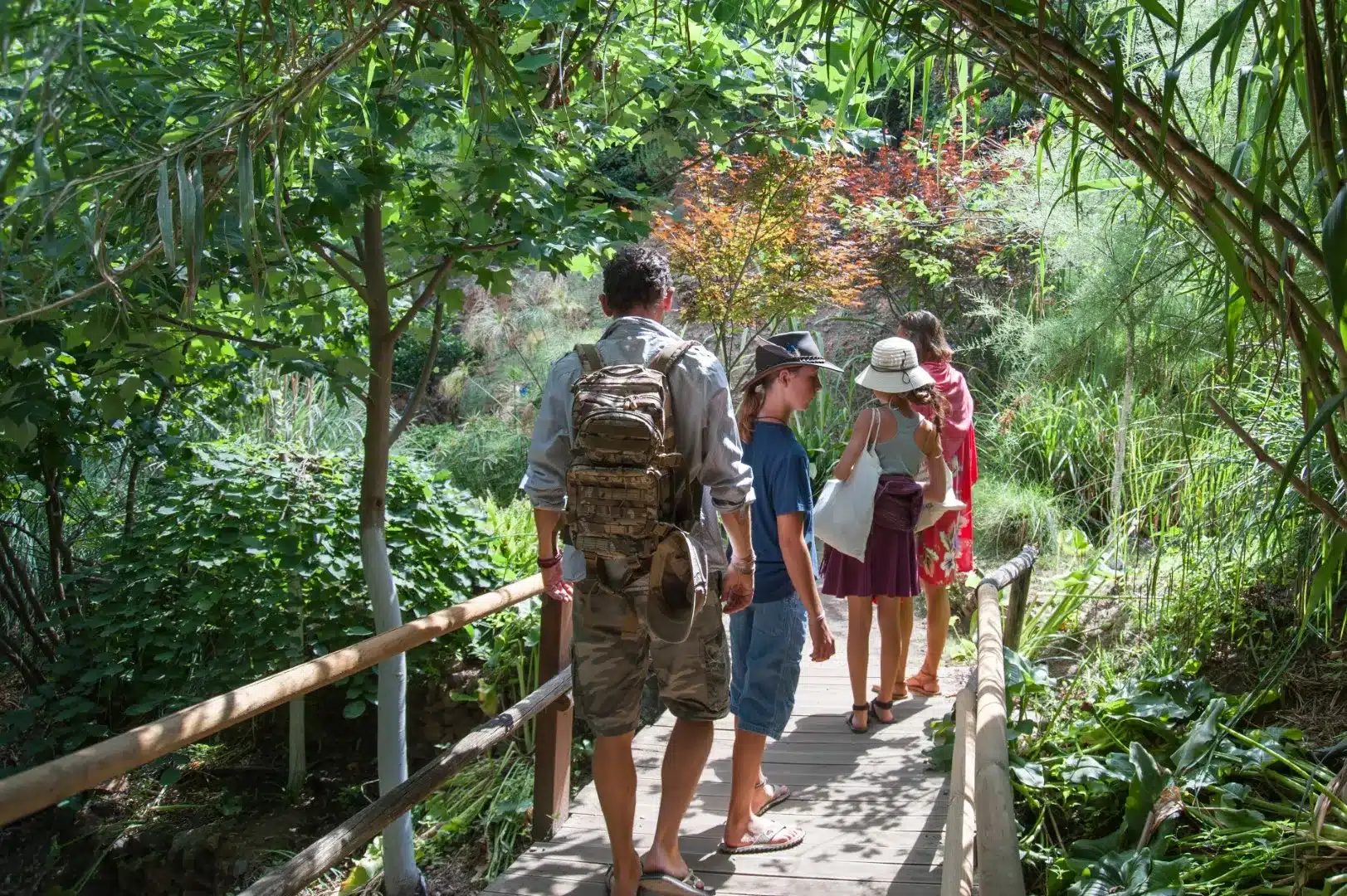
- Walking shoes or trainers: Avoid flip-flops or open sandals
- Hat and sunglasses: Essential UV protection
- SPF 50+ sunscreen: High factor mandatory
- Water bottle (1.5L minimum): Crucial hydration, especially in summer
- Walking poles: Provided free at the entrance on request
- Camera: Exceptional photography opportunities
- Binoculars: For wildlife observation and botanical details
- Notebook: Note interesting discoveries and varieties
- Light backpack: For carrying gear and purchases
Visit Duration and Adapted Routes
- Main Mediterranean gardens
- Panoramic restaurant terraces
- Ideal for: Families with young children, visitors in a hurry
- All thematic gardens in detail
- Full descent to the lake
- In-depth wildlife observation
- Organic vegetable garden visit
- Ideal for: Botany enthusiasts, photographers
My Personal Experience: An Absolute Favourite

I literally LOVED this park, which has absolutely nothing to envy from the botanical gardens of the world's most prestigious destinations! From the entrance, the warm welcome of the Greek team and the sweeping panoramic view over the tiered gardens immediately won me over.
The diversity of the botanical collections literally fascinated me. Seeing lychees thriving on Cretan soil, discovering totally unknown citrus varieties, breathing in the intoxicating fragrances of endemic herbs... every step in this paradise reveals a botanical surprise! The landscaping, respectful of the natural terrain, creates perfect harmony between thoughtful human intervention and preserved wild beauty.
The artificial lake is a true haven of peace where I spent long moments observing. Majestic peacocks roam freely, creating a fascinating living spectacle, while numerous water birds go about their business in complete tranquillity. The natural stone amphitheatre testifies to the ambitious cultural vision of the creators.
But what left the deepest impression on me was without question the restaurant! I returned no fewer than three times during my Cretan stay, each meal a genuine culinary discovery. The ultra-fresh produce from the organic vegetable garden, the traditional recipes reinterpreted with respectful creativity, and that absolutely breathtaking view over the gardens and the sea... Pure gastronomic bliss that alone justifies the visit!
Conclusion
The Botanical Garden brilliantly proves that it is possible to transform a major ecological tragedy into a true environmental success story. This exemplary resilience, infectious passion for nature and deep respect for authentic Cretan traditions make it an absolutely unmissable visit during your stay in the magnificent Chania region.
FAQ
The Botanical Park & Gardens of Crete is located 18 kilometres from Chania, on the Chania-Fournes-Omalos national road, at the foot of the White Mountains. The site is easily accessible by car (30 minutes from Chania) or public bus.
The park is open from late March to late November, daily from 9:00am to 8:30pm. Admission is 7 euros for adults, 4 euros for children aged 6-12, and free for under-6s. Free parking is available on site.
Allow at least 1.5 to 2 hours for a full visit including all thematic gardens, the artificial lake and wildlife observation. For an optimal experience with lunch at the panoramic restaurant, plan a full half-day.
The park features over 150 plant species across thematic gardens: Mediterranean, tropical, citrus, vineyards, and endemic Cretan herbs. You can also observe varied wildlife (peacocks, migratory birds, endemic reptiles) around the 2-hectare artificial lake.
Absolutely! The restaurant has been awarded the Quality Cretan Cuisine label and serves dishes prepared with produce from the park's organic vegetable garden. Set on panoramic terraces, it offers breathtaking views over the gardens and the White Mountains.
Spring (March-May) is ideal for spectacular blooms and mild temperatures. Summer lets you see ripe tropical fruits but can be very hot. Autumn offers beautiful colours and fewer visitors. The park is closed in winter.
The route includes significant elevation changes and sometimes steep paths on natural terrain. A good level of fitness is recommended. Walking poles are provided free at the entrance to ease the visit.
The park plays a crucial role in preserving Cretan biodiversity by maintaining a seed bank of over 200 endemic species. It applies 100% organic practices and uses sustainable techniques (drip irrigation, solar energy, full composting).

Âme Bohème exists thanks to you
Some links in this article are affiliate links. This means that if you book or purchase a product through these links, we receive a small commission — at no extra cost to you. It's thanks to this support that we can continue creating free, quality content.
You can also buy us a coffee, or follow us on Instagram and Facebook.