Crete, the largest island in Greece, hides a fascinating world beneath its crystal-clear waters, just waiting to be explored. With a jagged coastline stretching more than 1000 kilometres, secret coves and underwater caves, the island is an exceptional playground for snorkelling lovers. Whether you're a beginner or experienced, the Cretan sea has unforgettable moments of wonder in store for you.
After several trips criss-crossing the island and exploring its seabed, I've found that Crete has everything it takes to make snorkelling an accessible and magical experience. In this article, I reveal my favourite spots, the best times to go, and all my practical tips for making the most of your underwater adventures in Crete.
Between mysterious caves, beaches with turquoise waters and unspoilt Mediterranean biodiversity, come with me on a journey to discover Crete's underwater wonders. Get your mask, snorkel and fins ready – the adventure begins!
Why choose Crete for snorkelling?
Crete isn't just a sought-after destination for its magnificent beaches, picturesque villages like Bali or its captivating historical heritage. The island is also a paradise for snorkelling lovers, for many reasons.
Exceptional visibility
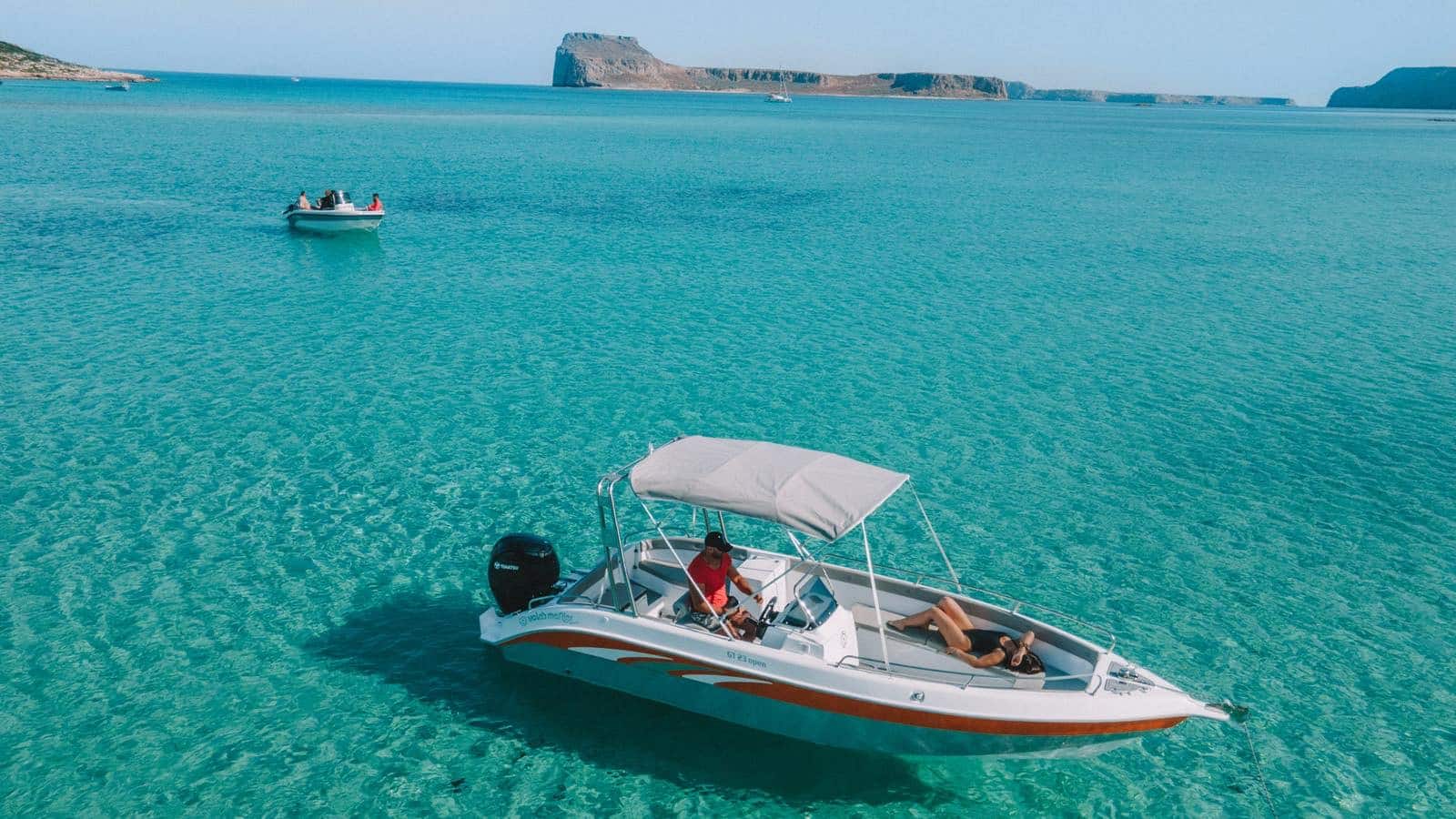
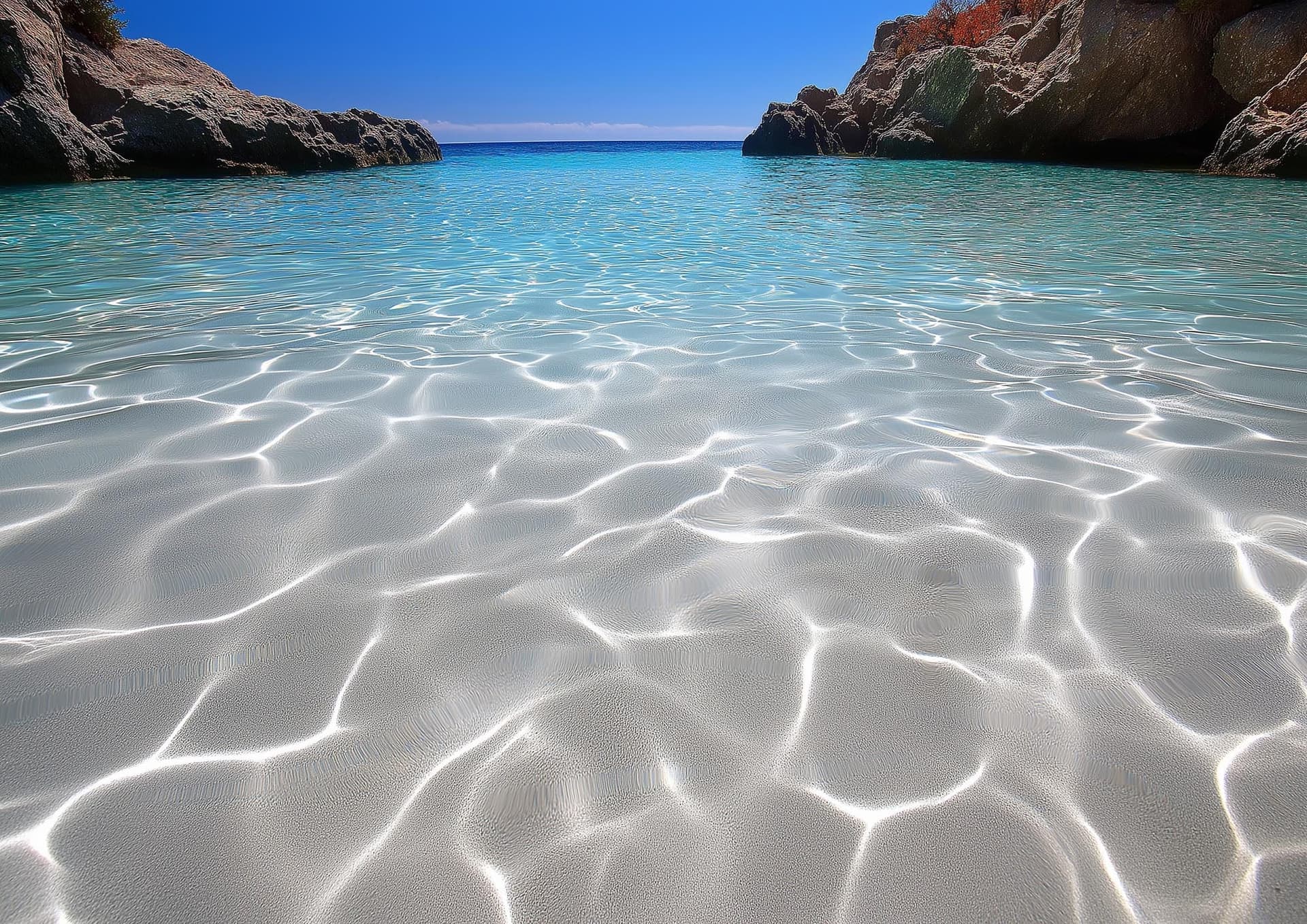
The eastern Mediterranean is renowned for its clarity, but Cretan waters reach truly impressive levels of transparency. With visibility of up to 30 metres in the best conditions, you can observe marine life in detail without needing to dive deep. This exceptional clarity comes down to several factors:
- Low plankton concentration
- No large rivers carrying sediment into the sea
- Many bays sheltered from strong currents
Visibility is particularly remarkable in the rocky coves in the south of the island and around the limestone formations in the west, especially at Elafonisi and Balos.
Ideal temperatures
One of the key conditions for fully enjoying snorkelling is pleasant water temperature. Crete spoils you on that front with:
- May to June: 20-23°C – ideal for long snorkelling sessions
- July to September: 24-27°C – a real warm bath for exploring without limits
- October: 22-24°C – still very comfortable for the last explorations of the season
These mild temperatures let you snorkel for long periods without a wetsuit (although a lycra top is recommended for sun protection).
A variety of sites for all levels
Crete has the advantage of offering an incredible variety of spots to suit every profile:
- For beginners and families: Preveli — Agios Nikolaos
- For intermediate snorkellers: Chania with its small, accessible caves
- For the more adventurous: Loutro — Kissamos
A rich and varied marine ecosystem
The eastern Mediterranean is home to fascinating marine biodiversity that you can observe while snorkelling:
- Poissons méditerranéens : sars, oblades, girelles, castagnoles
- Octopus and cuttlefish playing hide-and-seek among the rocks
- Starfish and colourful sea urchins
- Shoals of small silvery fish moving in perfect sync
While the Mediterranean can't compete with tropical coral reefs for vivid colours, it makes up for it with the richness of its rocky seabeds and the diversity of its marine flora, particularly the Posidonia seagrass meadows, which are true nurseries for many species.
An activity that complements your exploration of the island
One of the great things about snorkelling in Crete is that it fits perfectly into a wider itinerary for discovering the island. You can easily combine it with:
- Visit the Palace of Knossos
- Renting a car to explore the island at your own pace
- Quad bike rental to reach isolated coves
Snorkelling thus becomes an enriching part of a broader trip discovering the many facets of this extraordinary island.
Planning your trip? Find all the essentials in our complete guide to Crete and check when to visit Crete with our month-by-month weather guide.
When to go snorkelling in Crete
Choosing the right time to go snorkelling in Crete can make all the difference to your experience. Here's everything you need to know to plan your underwater explorations.
The best season: April to November
The snorkelling season in Crete stretches over a generous period of approximately eight months:
- April-May (start of the season): the water starts to warm up (18-20°C) and marine life comes alive after the winter. Tourist numbers are moderate, so you can explore the most popular spots in relative peace.
- June to September (high season): this is the ideal time for snorkelling in Crete. The water reaches perfect temperatures (24-27°C) and visibility is at its best, often over 25 metres. The weather is stable, but the meltemi, a northerly wind, often blows in July-August: head for the sheltered coves of the south coast on those days.
- October-November (end of the season): an excellent alternative to avoid the summer crowds. The water is still warm (22-24°C in October) and marine life remains abundant. On top of that, accommodation prices drop considerably.
Focus on ideal conditions: June to September
For the best possible experience, the months from June to September offer optimal conditions:
- June: an excellent compromise between good conditions and moderate crowds. The water already reaches 22-23°C and most tourist facilities are up and running without being overcrowded.
- September: travelling to Crete in September lets you take advantage of better prices.
Water temperatures by season
To help you pack the right gear, here's an overview of average water temperatures:
- April: 17-19°C – a thin wetsuit (2-3mm shorty) is recommended
- May: 20-22°C – a lycra top may be enough if you don't feel the cold
- June: 22-24°C – comfortable with just a protective lycra
- Juillet-Août : 25-27°C – Température idéale, protection solaire uniquement
- September: 24-25°C – still very pleasant without thermal gear
- October: 22-24°C – mornings may call for a top
- November: 19-21°C – a shorty becomes welcome again
Avoiding the crowds: tips and timing
To make the most of your snorkelling away from the crowds, here are a few tips:
- Off-peak hours: the best sightings are early in the morning (7am-9am) or late in the afternoon (after 5pm). Fish are more active and the sites are much quieter.
- Alternatives to popular sites: Elafonisi gets crowded, so explore the small coves to the east instead.
- The shoulder season advantage: visiting Crete in September gives you excellent snorkelling conditions with far fewer people.
By following these seasonal tips, you'll maximise your chances of memorable snorkelling experiences in Crete's crystal-clear waters. Whether you prefer peaceful explorations or more adventurous discoveries, the island offers ideal conditions for much of the year.
The hidden treasures of central and northern Crete
Crete isn't only famous for its iconic western beaches like Balos or Elafonisi. The centre and north of the island are full of real gems for snorkelling, often less crowded and just as spectacular.
Ligaria Beach: an underwater explorer's paradise near Heraklion
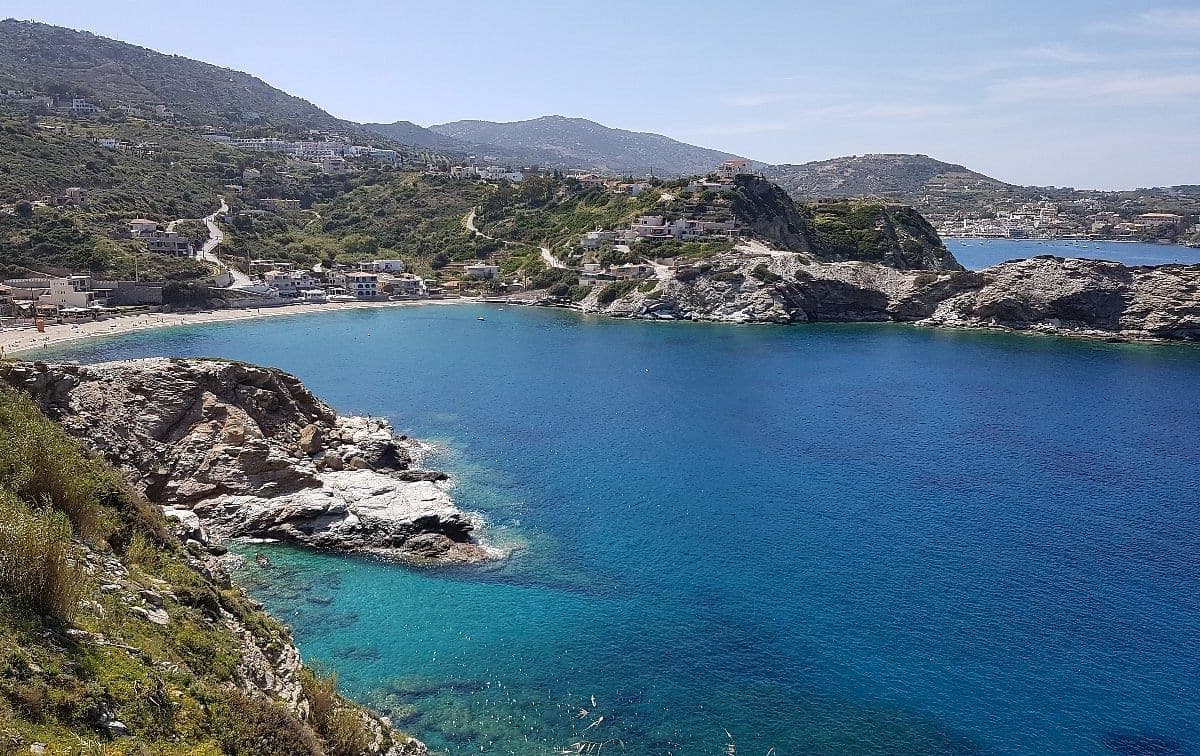
Just 20 minutes from Heraklion, Ligaria beach is a gem still untouched by mass tourism. This small bay with turquoise waters offers ideal snorkelling conditions, with exceptional visibility and calm water that's perfect for families and beginners.
Along its rocky shores, you'll discover a multitude of small colourful fish, curious octopus and, if you're lucky, you might even spot a sea turtle. The submerged rocks near the ends of the bay are the best playground for snorkelling, home to an impressive concentration of marine life.
If snorkelling has given you a taste for underwater exploration, Ligaria is also the perfect place to take the plunge into scuba diving! On our last visit, we tried the discover scuba dive offered by the EuroDiving centre, an experience we can only recommend to curious souls.
For €70 per person, you get a complete immersion in the world of diving: 45 minutes of theory followed by 45 minutes in the water, in a small group (maximum 6 participants). The team, including Anne who speaks perfect French, takes the time to put you at ease and explain all the fundamentals with patience and kindness.
The centre also offers a transfer service from your accommodation (from Fodele to Malia, €10 per person return), which makes organising things much easier. And while you wait your turn, you can use the paddleboards and kayaks for free to explore the bay from the surface!
Bali: the secret coves of a surprising village
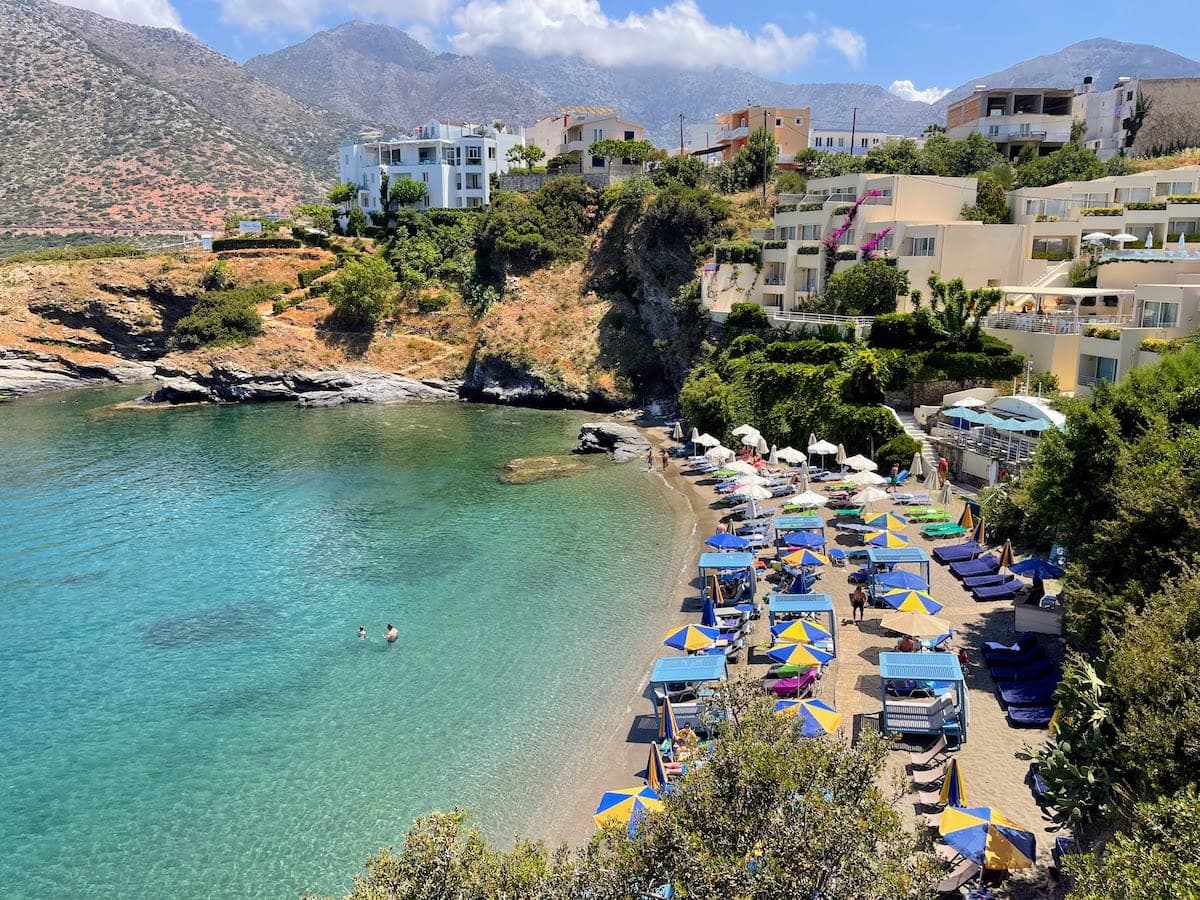
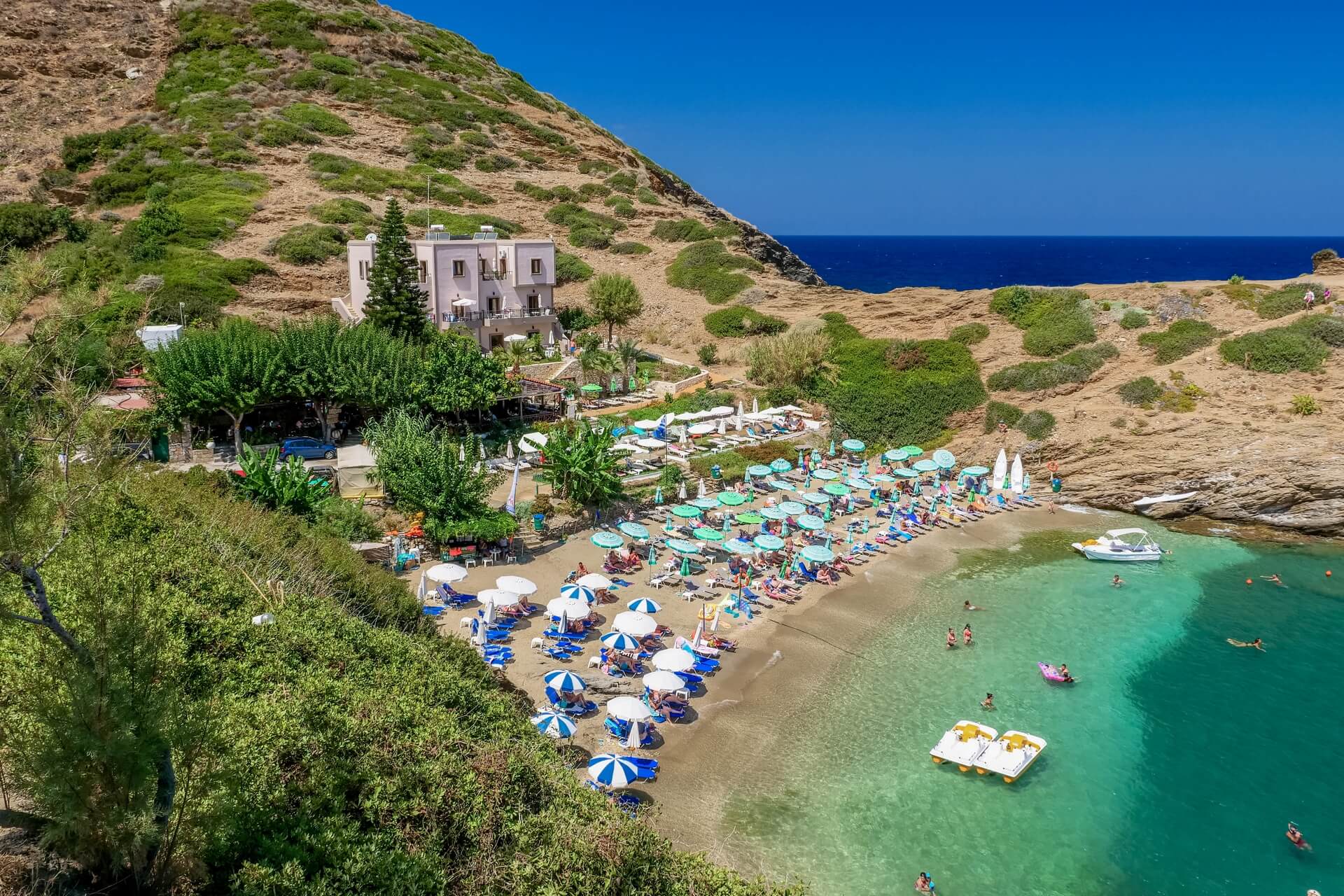
Don't be fooled by its exotic name! Bali in Crete has nothing to do with the Indonesian island, yet it offers an idyllic setting for snorkelling. This charming coastal village is made up of several small natural coves, each offering a unique experience.
The four main bays are all excellent for snorkelling, but my favourite is the third cove (Varkotopos Beach), where underwater rock formations create a real labyrinth to explore. The water there is particularly clear and marine life is abundant, including:
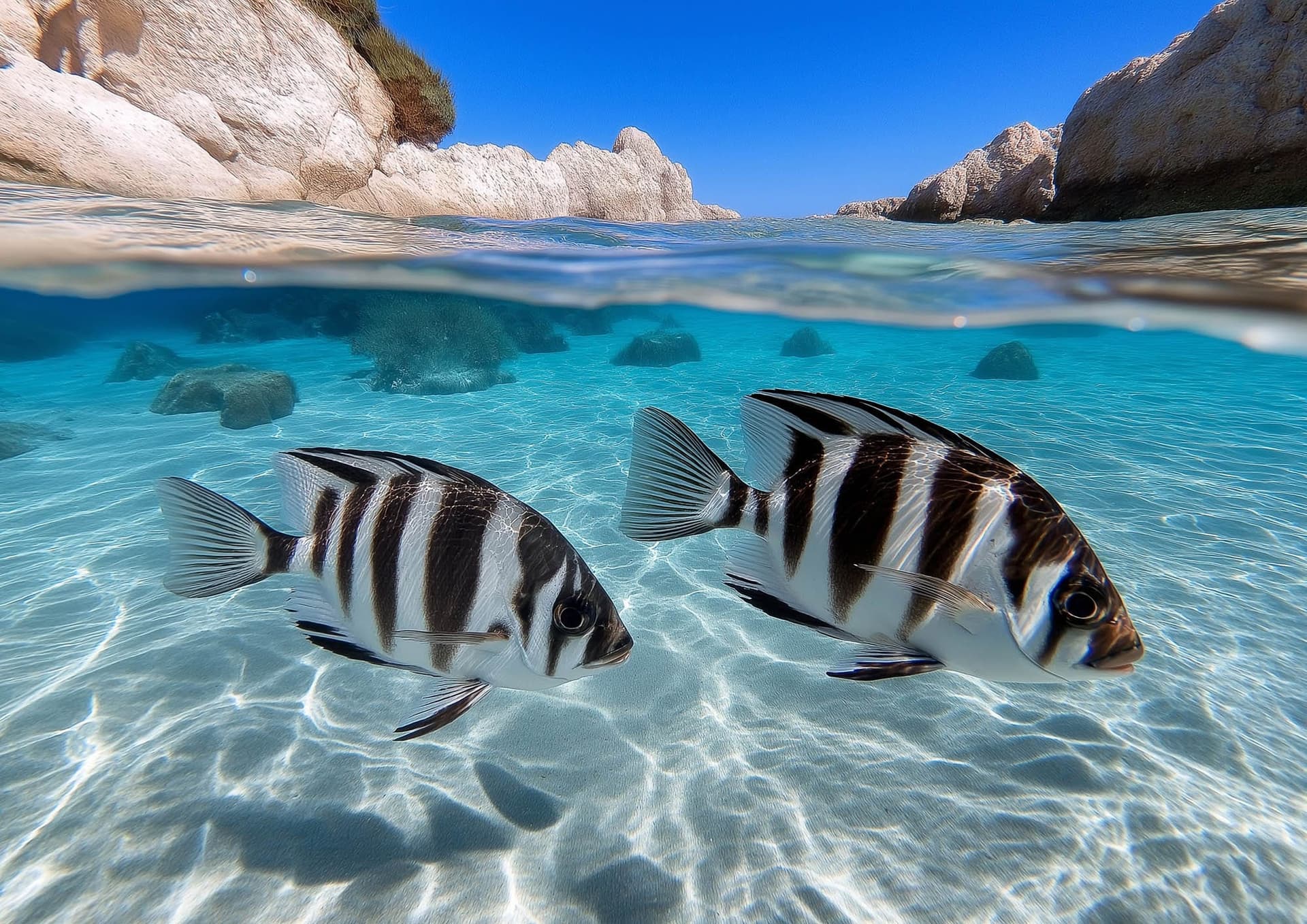
- Shoals of striped sea bream weaving between the rocks
- Colourful anemones nestled in the crevices
- Red-orange starfish dotted across the sandy seabed
- Beautiful nudibranchs for sharp-eyed observers
Agia Pelagia: multiple spots for every taste
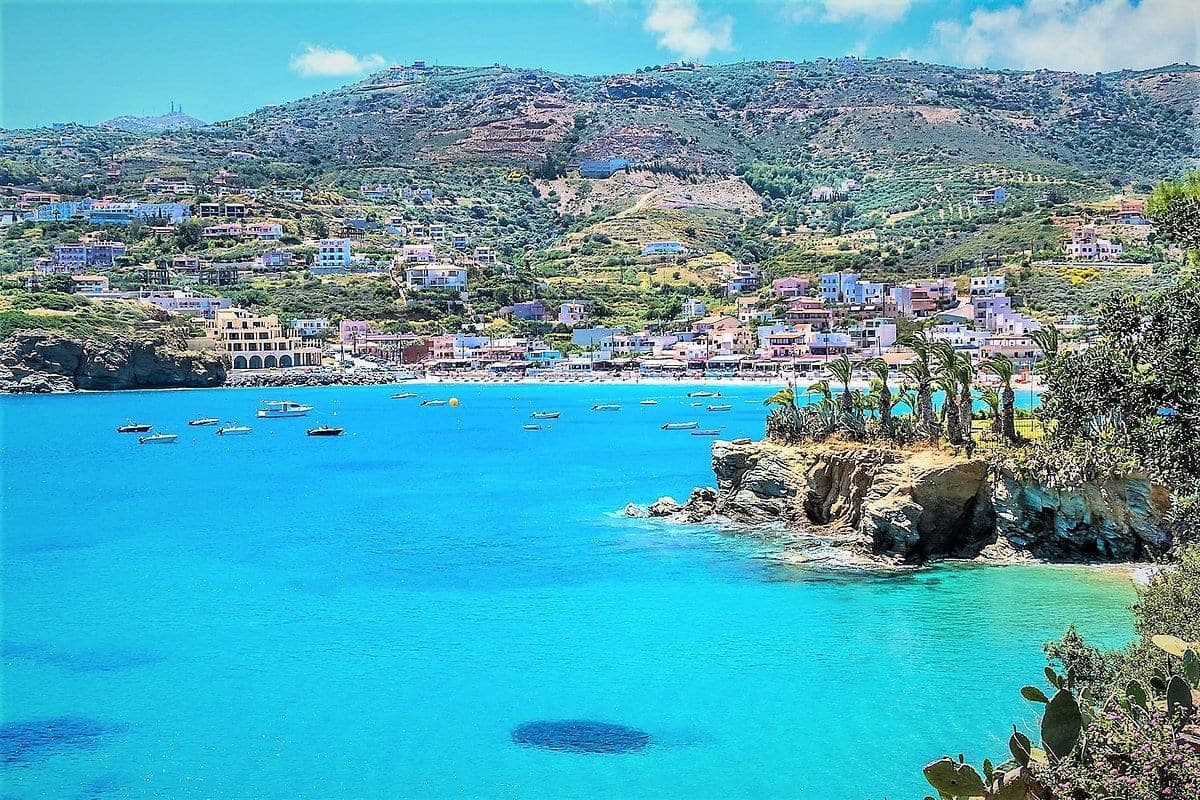
Halfway between Heraklion and Rethymno, Agia Pelagia is an ideal destination for snorkelling lovers, with several spots within a small area. The main bay is impressively clear, but it's the neighbouring coves that hold the finest underwater treasures.
The small beach of Psaromoura, a few minutes' walk from the centre, is my favourite spot. Its crystal-clear waters and complex rock formations are home to a remarkable concentration of marine life:
- Moray eels slipping between the rocks
- Small groups of cuttlefish often seen near the bottom
- Shoals of bogue dancing above the Posidonia meadows
- Occasionally, camouflaged octopus for the most observant
- Several centres offer guided snorkelling trips to sites only reachable by boat
- You can combine it with an introduction to paddleboarding or sea kayaking
- A coastal walk along the path linking the different coves
Beyond snorkelling: trying scuba diving
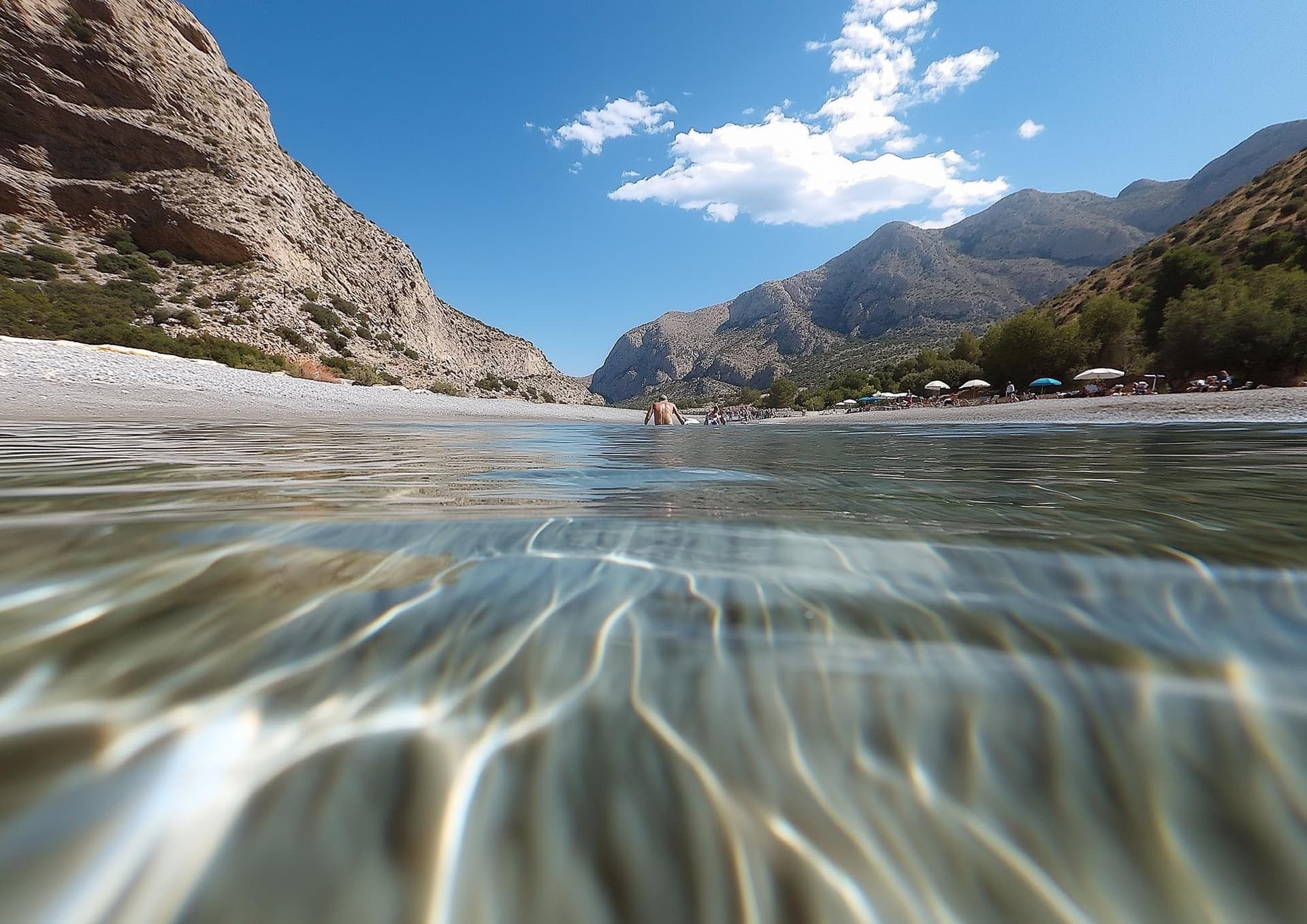
After several days exploring Crete's underwater wonders from the surface, you might be tempted to discover what lies deeper down. Scuba diving is a natural next step for snorkelling lovers, offering a whole new perspective on the Cretan marine ecosystem.
From the surface to the depths: a new dimension
Moving from snorkelling to scuba diving literally opens up a new dimension of exploration. While snorkelling lets you observe the marine ecosystem from the surface, scuba diving invites you to:
- Explore rock walls at depth and uncover their hidden secrets
- Observe marine life up close and for longer, without having to surface to breathe
- Reach underwater caves and tunnels that are out of reach when snorkelling
- Discover species that live exclusively in deeper areas
This immersive experience allows a more intimate connection with the marine environment and sightings that are impossible from the surface.
A discover scuba dive: accessible to everyone ♀
Contrary to popular belief, you don't need to be a seasoned athlete to try scuba diving. The discover scuba dive (or “Discover Scuba Diving”) is specially designed for beginners with no previous experience. Here's how it works:
- 01Theory session (approximately 45 minutes): the instructor explains the basic principles of diving, the safety rules and underwater communication signals.
- 02Getting to know the equipment: you learn to use the regulator, control your buoyancy and equalise the pressure in your ears.
- 03Dive in open water (approximately 45 minutes): with a professional instructor by your side at all times, you discover the unique sensation of breathing underwater and floating weightlessly.
Depth is generally limited to 6-12 metres, which is more than enough for a memorable experience while staying within your comfort zone.
The EuroDiving experience in Ligaria: our recommendation
After trying several dive centres in Crete, our favourite is EuroDiving, located on Ligaria beach near Heraklion. This centre combines professionalism, a friendly atmosphere and a dive spot that's ideal for beginners.
For €70 per person, their discover scuba dive package includes:
- Full training: 45 minutes of theory followed by 45 minutes in the water
- All equipment: all the gear you need is provided (wetsuit, tank, regulator, buoyancy jacket)
- Personalised supervision: groups of maximum 6 people for individual attention
- Extras: free access to paddleboards and kayaks while you wait
- Transfer option: pick-up service from your accommodation between Fodele and Malia (€10 per person return)
One of EuroDiving's strong points is its French-speaking instructors, especially Anne, whose teaching skills and kindness are regularly praised in visitor reviews. Particularly reassuring for nervous beginners, she knows how to share her passion while making sure you feel comfortable and safe.
- Booking possible online or on site (but best done in advance in high season)
- Annulation freee jusqu’à 24 heures avant l’activité
- Option to book without paying straight away
Why take the plunge?
Trying scuba diving during your holiday in Crete has several advantages:
- You explore a new side of the island that most tourists never discover
- You enjoy a unique sensory experience of weightlessness and three-dimensional freedom
- You observe marine life without disturbing its natural habitat, in a respectful way
- You create unforgettable memories and unique photos of your trip
What's more, this introduction might reveal a new passion! Many people, after a successful discover scuba dive in Crete, decide to continue the adventure by getting their Open Water Diver certification.
Conclusion: dive into the Cretan adventure!
Crete is an exceptional playground for snorkelling lovers, with its crystal-clear waters, unspoilt marine biodiversity and varied underwater landscapes. From the secret coves of Bali to iconic beaches like Elafonisi or Balos, each spot offers a unique experience for every level.
As curious souls, don't hesitate to venture off the beaten track to discover the island's hidden gems. The less crowded coves often hold the best surprises for those who take the time to explore.
To get the most out of snorkelling in Crete, go between June and September, when conditions are at their best. Get up early to enjoy the calm morning water and marine life at its most active.
And why not take the plunge into scuba diving? A discover dive with EuroDiving in Ligaria will reveal a whole new dimension of this fascinating underwater world. For just €70, you'll have a transformative experience that could well become the highlight of your trip to Crete.
Whatever your level or preferences, Crete will win you over with its underwater wonders. So get your mask, snorkel and fins ready – the blue adventure awaits!
Âme Bohème exists thanks to you
Some links in this article are affiliate links. This means that if you book or purchase a product through these links, we receive a small commission — at no extra cost to you. It's thanks to this support that we can continue creating free, quality content.
You can also buy us a coffee, or follow us on Instagram and Facebook.