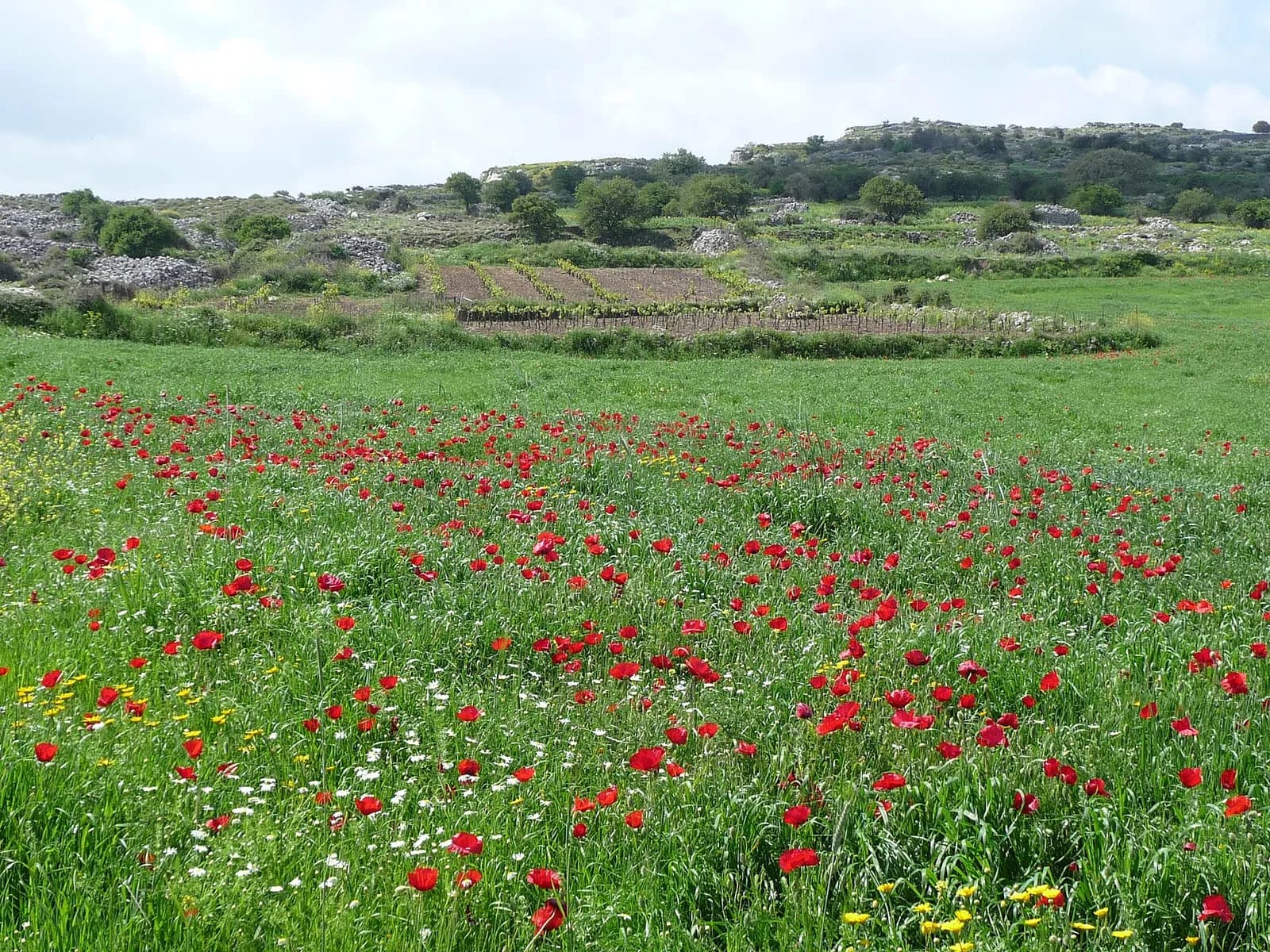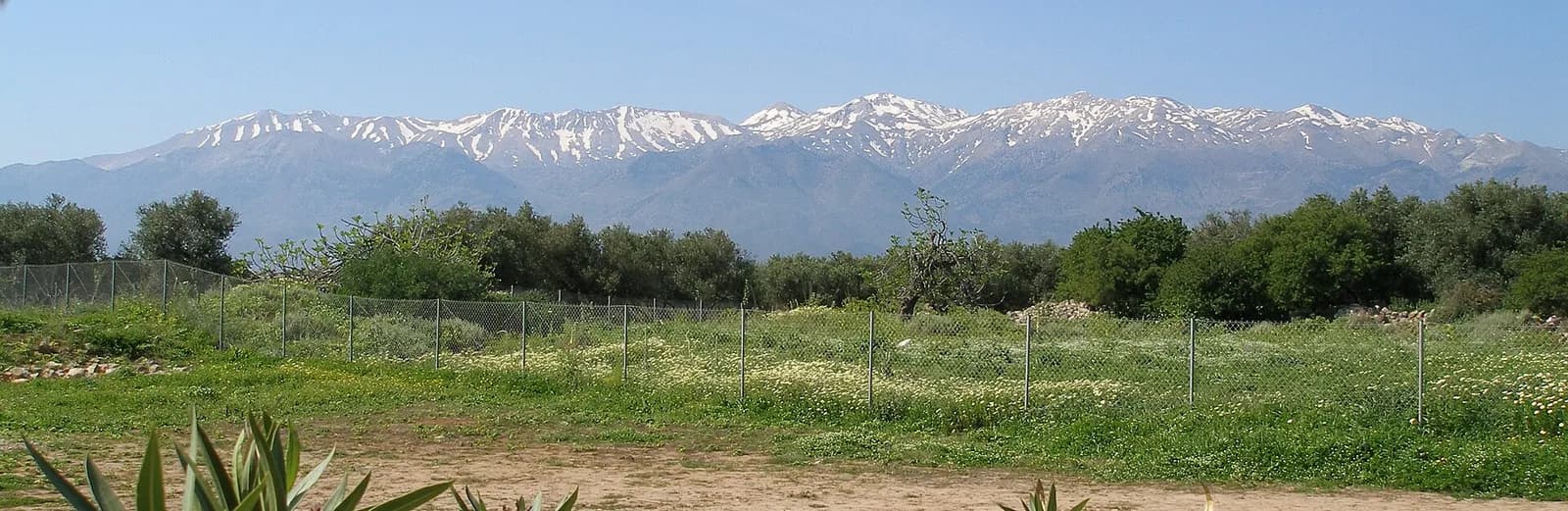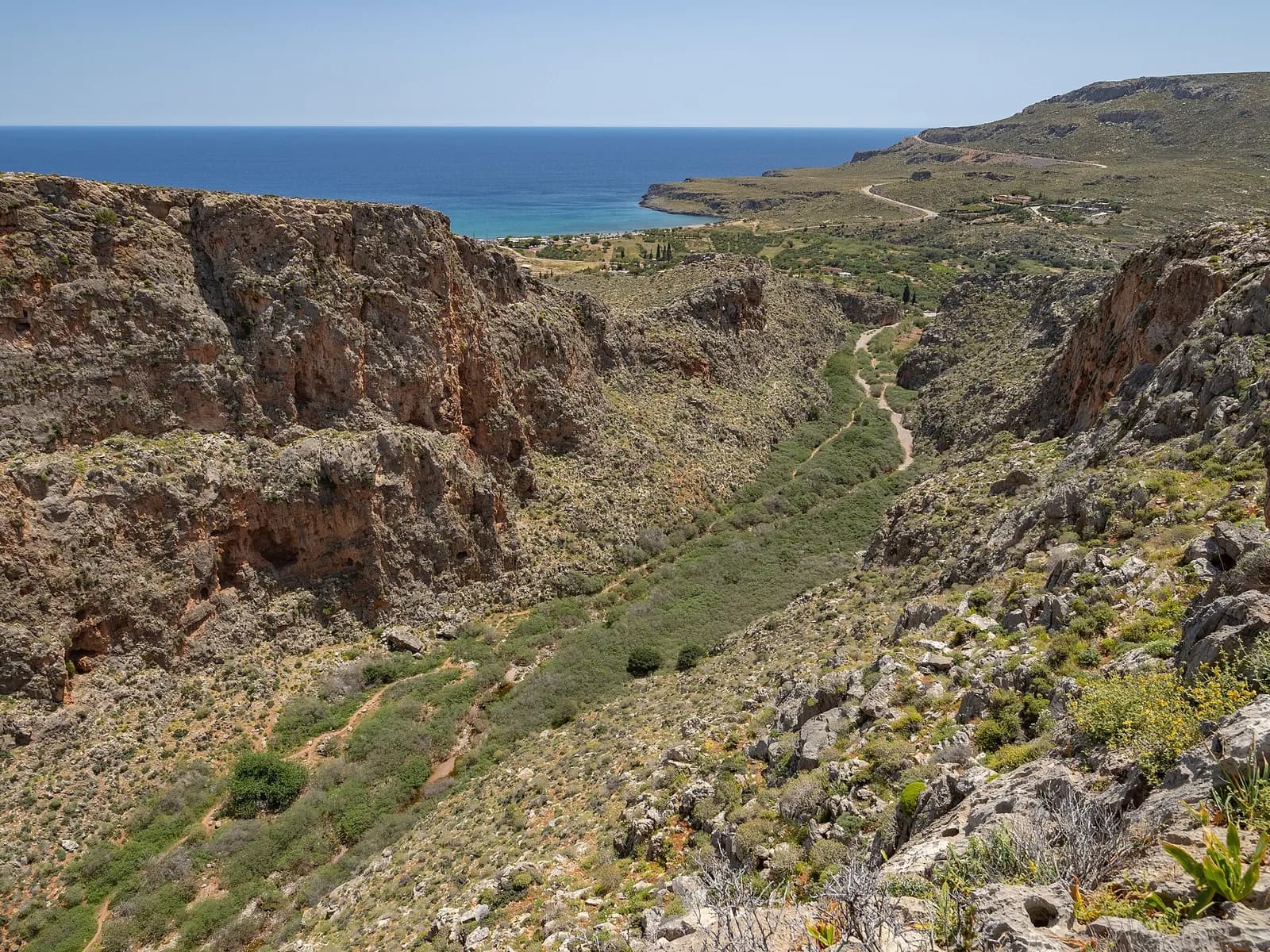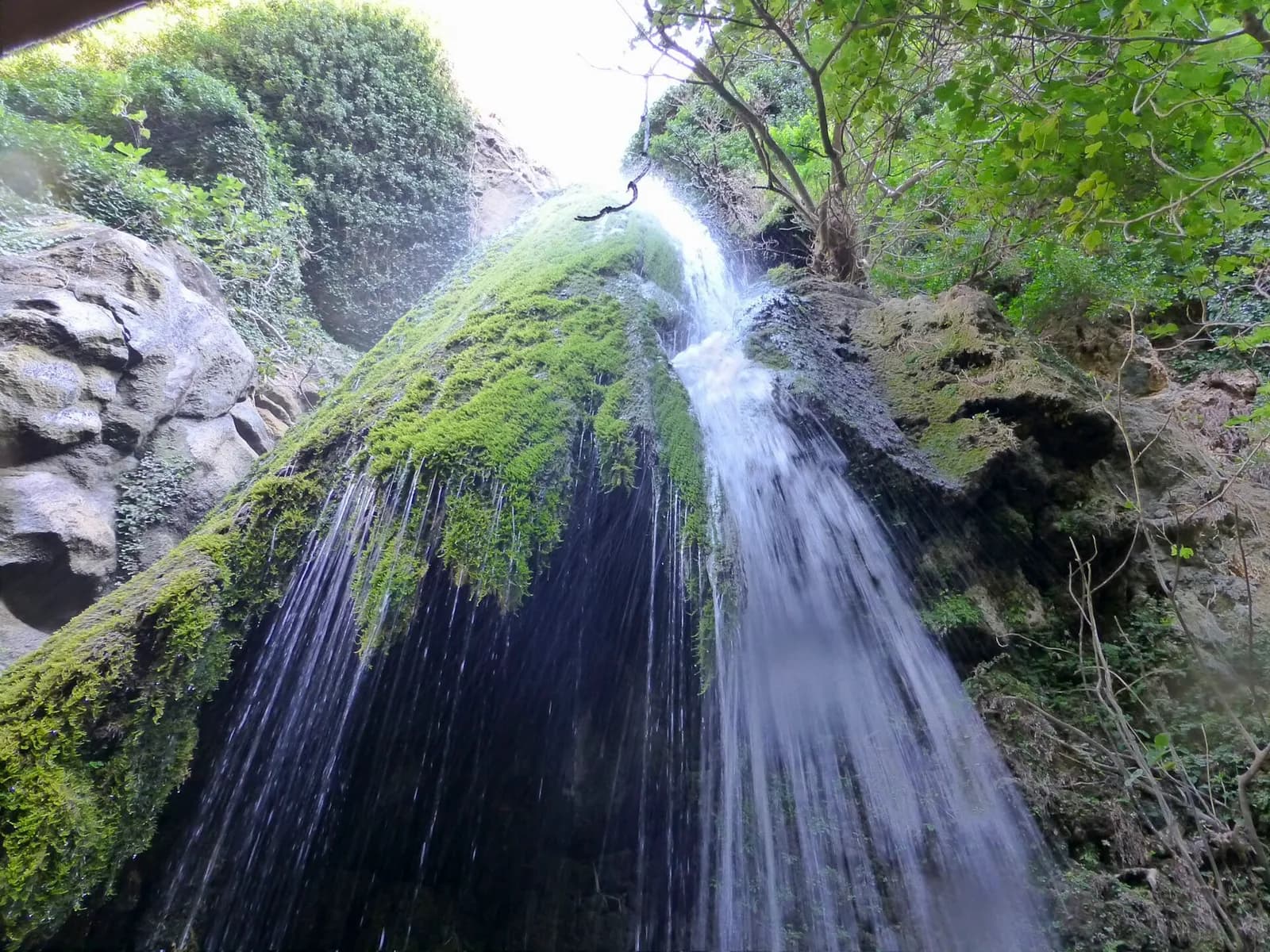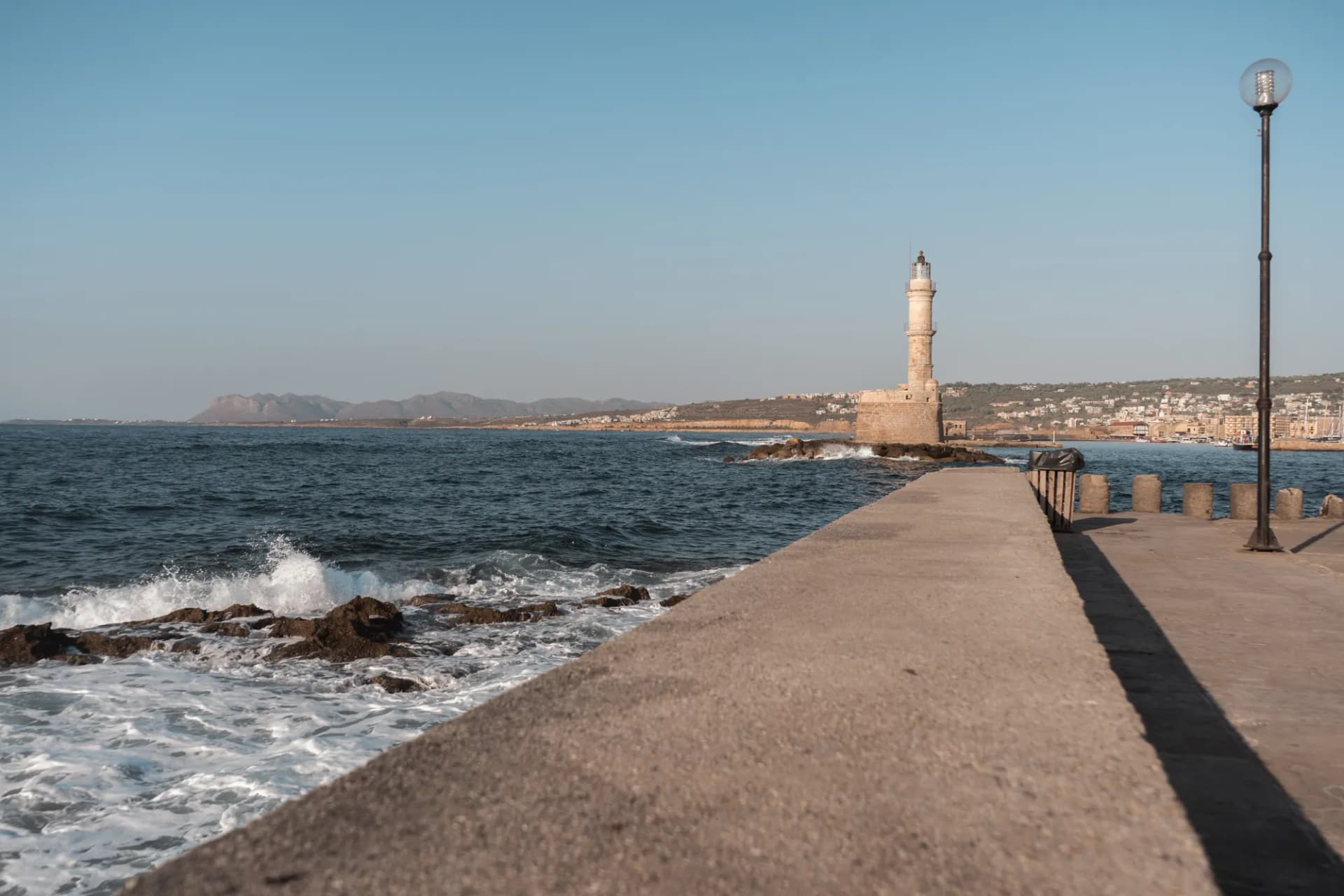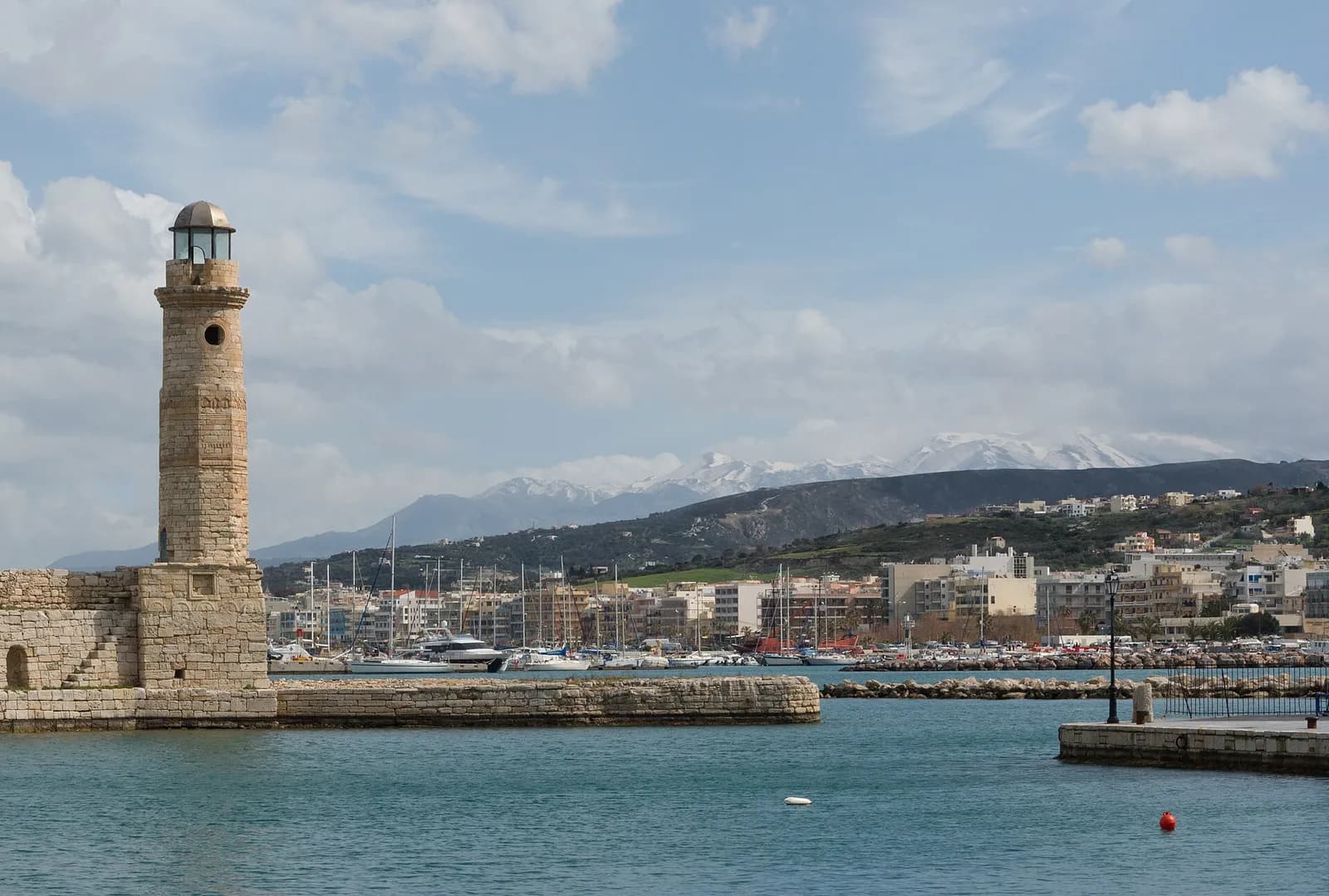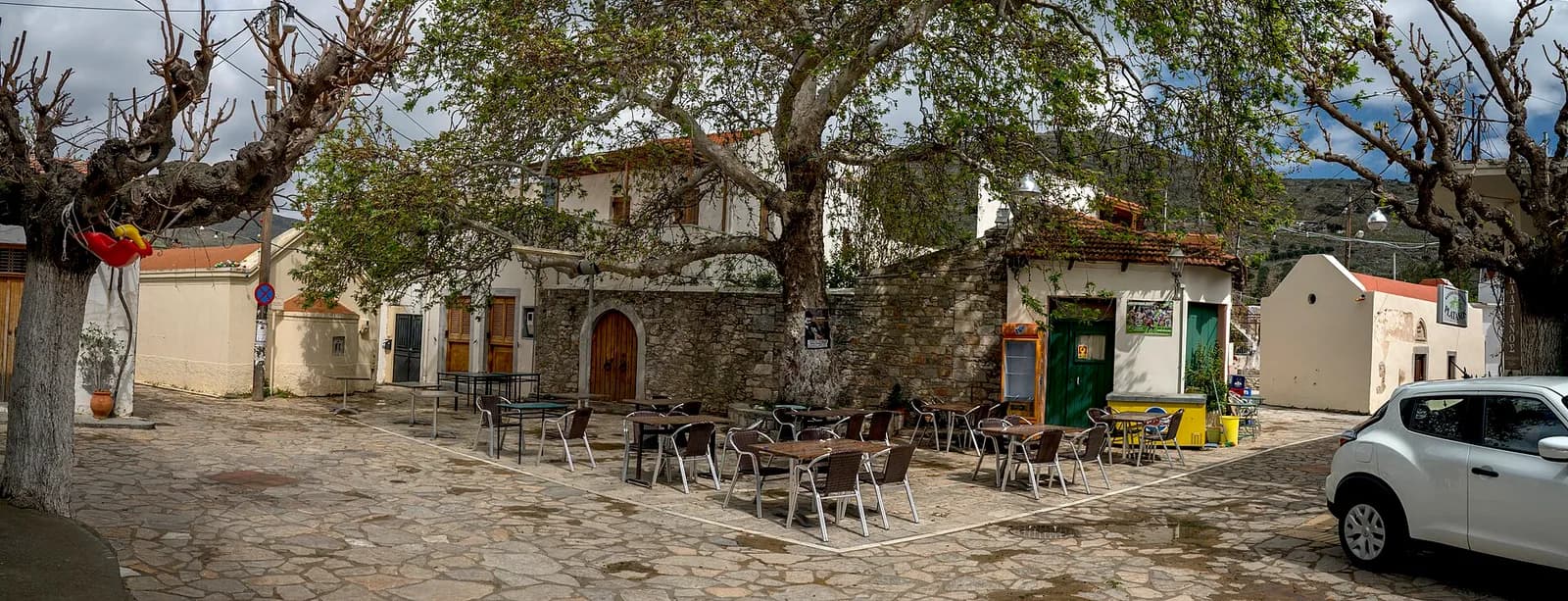
With its towering mountains, crystal-clear coves and picturesque villages, Crete offers breathtaking landscapes. The fifth-largest island in the Mediterranean (after Sicily, Sardinia, Cyprus and Corsica), Crete enjoys an ideal climate between sea and mountains. Rich in Minoan remains and Venetian influences, this land steeped in history is full of treasures.
In September, when the summer heat softens, it's the perfect time to discover all the wonders of the largest Greek island. In this ultimate guide, I'll share all my expert tips to help you plan the perfect trip to Crete in September.
On the agenda: the must-see sites to visit, the activities not to be missed, the most beautiful beaches with turquoise waters, secret spots off the beaten path, not to mention my tips for getting around and my practical guide to planning your trip.
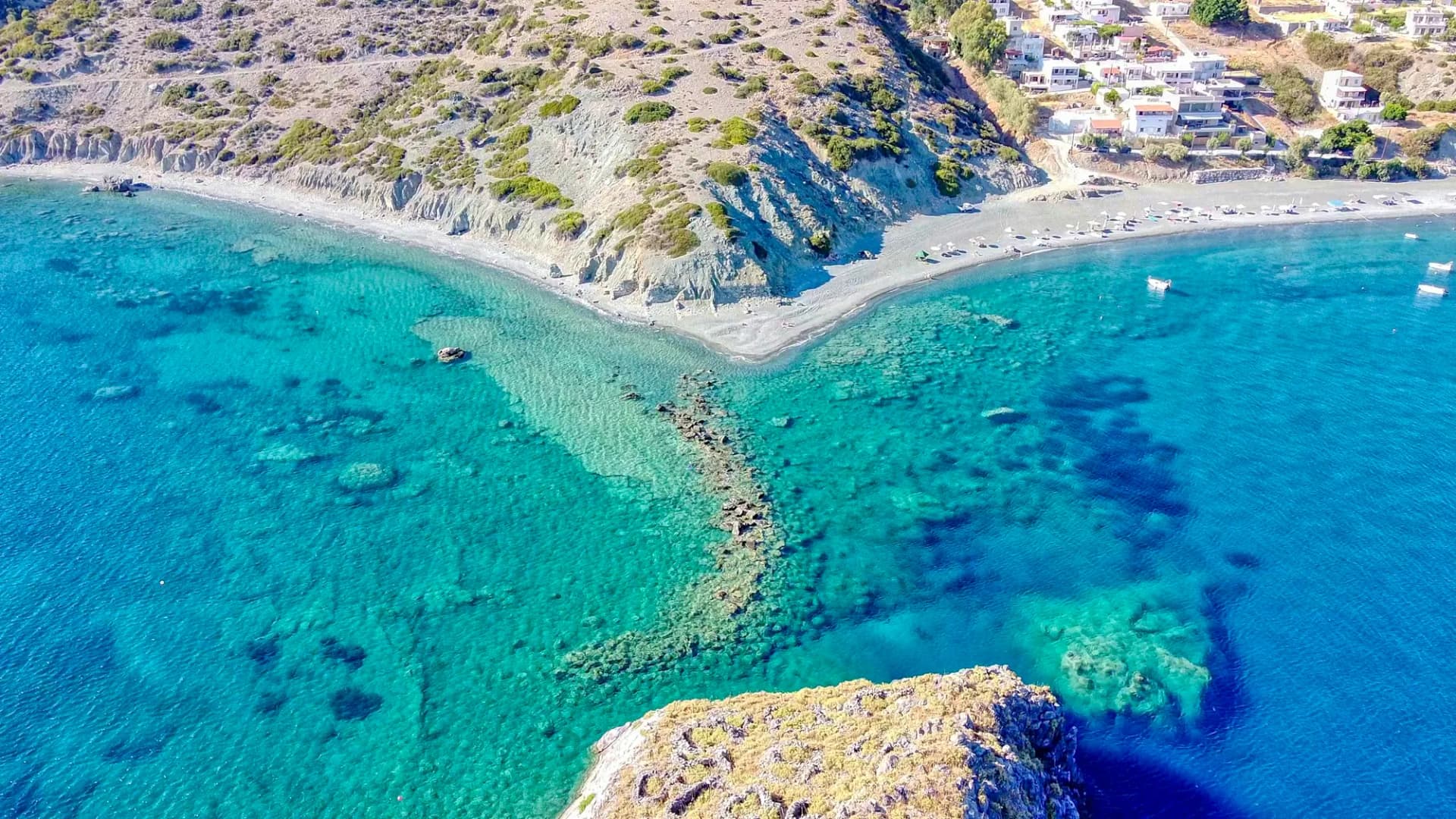
Why travel to Crete in September
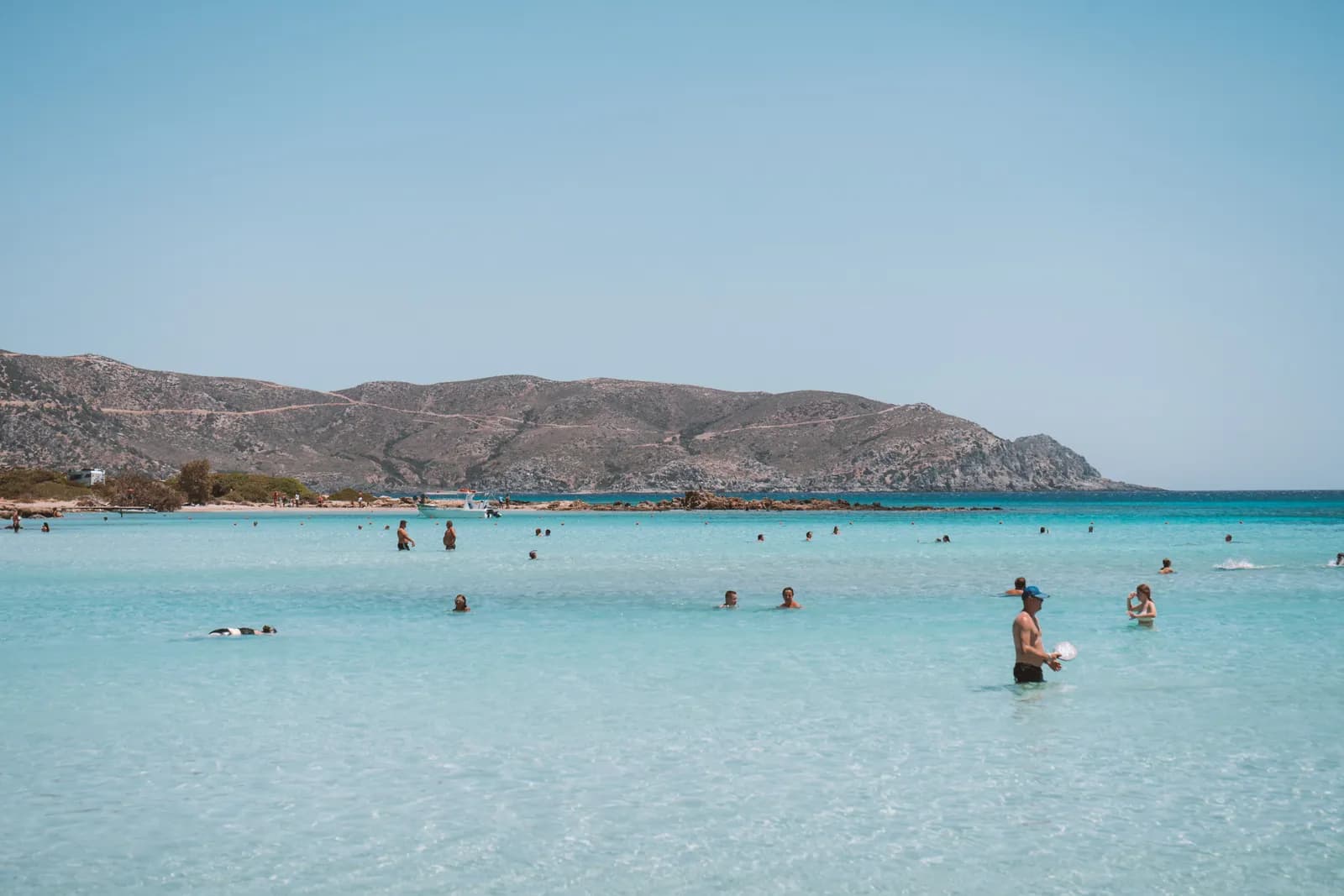
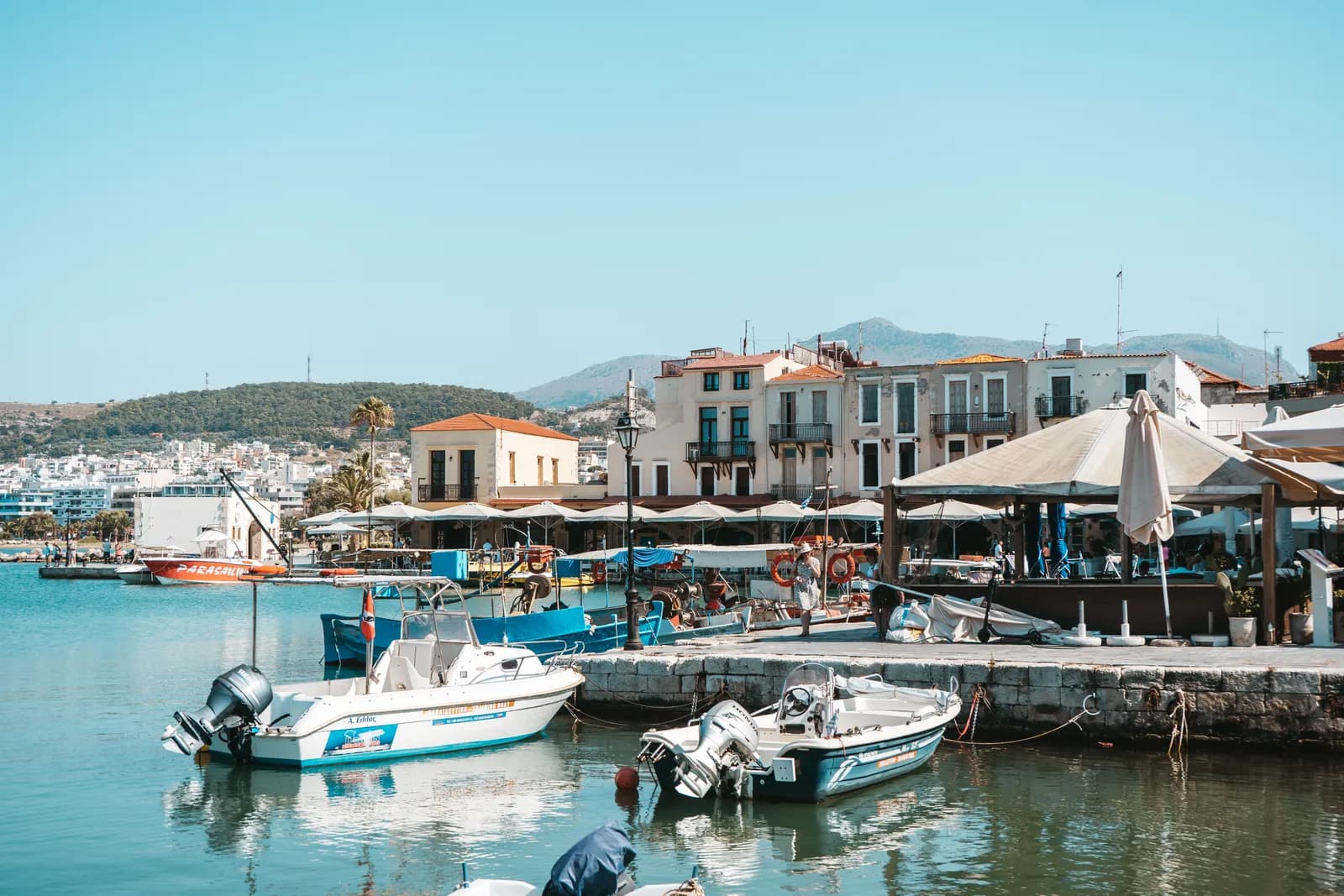
Photos : Pierre Bouyer
September is considered one of the best months to visit Crete, for several reasons:
- An Indian summer with pleasant temperatures, fewer crowds and more affordable prices, yet everything is still open
- The sea is warm, perfect for swimming
- The shoulder season lets you enjoy outdoor activities at a gentle pace
- The atmosphere is relaxed in the tourist towns and villages
- Sites are easier to access
- A good compromise between summer heat and autumn coolness
Planning your trip? Find all the essentials in our complete guide to Crete and check when to visit Crete with our month-by-month weather guide.
Weather in Crete in September
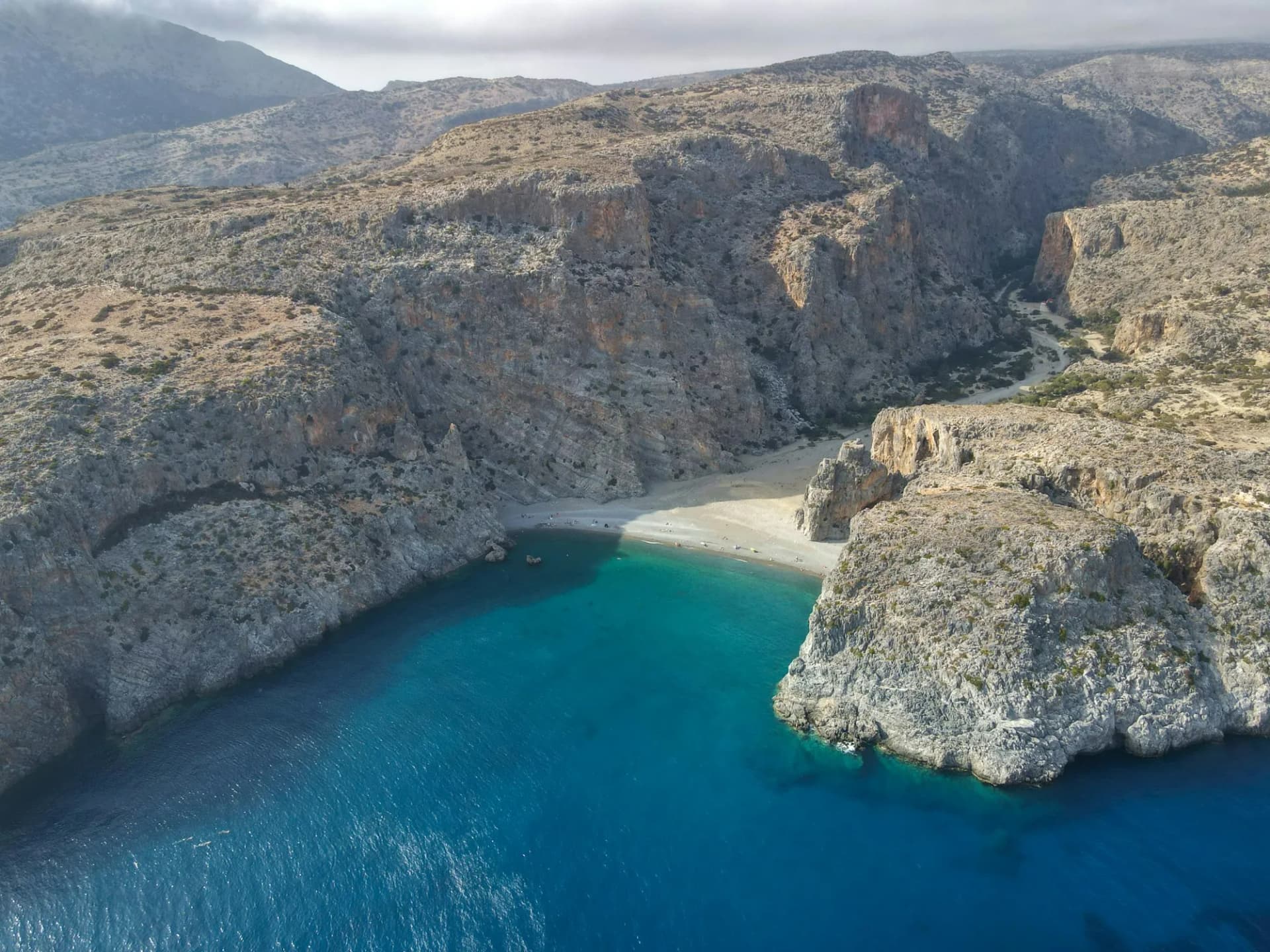
In September, the climate in Crete is very pleasant, marking the end of summer and the start of the shoulder season. Average temperatures are around 27°C during the day and 20°C at night.
The sea stays warm, around 24 to 25°C, perfect for swimming. Rain is rare, as September is one of the driest months of the year.
There's still plenty of sunshine, with around 9 hours of sun per day on average. Days are warm without being excessive, ideal for outdoor activities. Evenings are mild, perfect for dining on a terrace.
What to wear in Crete in September
In September, daytime temperatures remain summery, but evenings start to get cooler in Crete. Here are a few tips on what to wear:
- Pack light clothes, preferably cotton, for the hot days. T-shirts, shorts, dresses and skirts are still the order of the day.
- Always slip a shawl or cardigan into your bag for cooler evenings.
- Light trousers and a thin jacket can also come in handy in the evening.
- Watch out for the wind, which can be chilly, especially in the north of the island. A denim or fleece jacket may prove essential.
- Hat, sunglasses and sunscreen.
- Comfortable shoes for hiking and sandals for the beach.
The trick is to pack outfits that let you cover up a little more in the evening while keeping the lightness and breathable fabrics of summer clothes. With these tips, you'll be perfectly dressed to make the most of Crete in September!
Are activities open in September?
Yes, most tourist activities stay open in September in Crete. A few details:
- Archaeological sites such as Knossos and the Heraklion Museum are open at their usual hours.
- Quad rental: book ahead to be sure of getting one.
- Boat trips: less frequent than in summer, so remember to book.
- Most tavernas, restaurants and bars in the tourist towns and villages stay open.
- Souvenir shops, stores and supermarkets keep their usual hours.
- Outdoor activities such as hiking, horse riding and diving are all possible.
So yes, you can fully enjoy Crete and its many activities in September.
Budget for travelling to Crete in September
Travelling to Crete in September is ideal, as this late-summer period offers excellent value for money. Here's an estimate of the budget to plan for, excluding flights:
- Accommodation: Allow an average of €50-80 per night for two people for a charming 3* hotel or an apartment rental, depending on the area, plus the climate resilience fee (€2 to €15 per night per room from April to October, depending on the category). Prices drop in September but vary a lot depending on the standard.
- Food: To eat out at lunch and dinner in good local tavernas, plan on €30-40 per day per person. Dinner at a more upmarket restaurant costs more like €50-60.
- Rental car: It's the best way to discover the island. Compare offers on RentalCars.
- Activities: Balos, Spinalonga: Balos cruise €40-45 (+ €1 access fee), boat to Spinalonga €12-14.
- Shopping, extras…: Also budget for fuel, drinks, souvenirs, etc.
All in all, excluding flights, allow approximately €70-100 per day per person for a very comfortable stay in September, depending on your tastes. Excellent value for money!
Getting around Crete in September
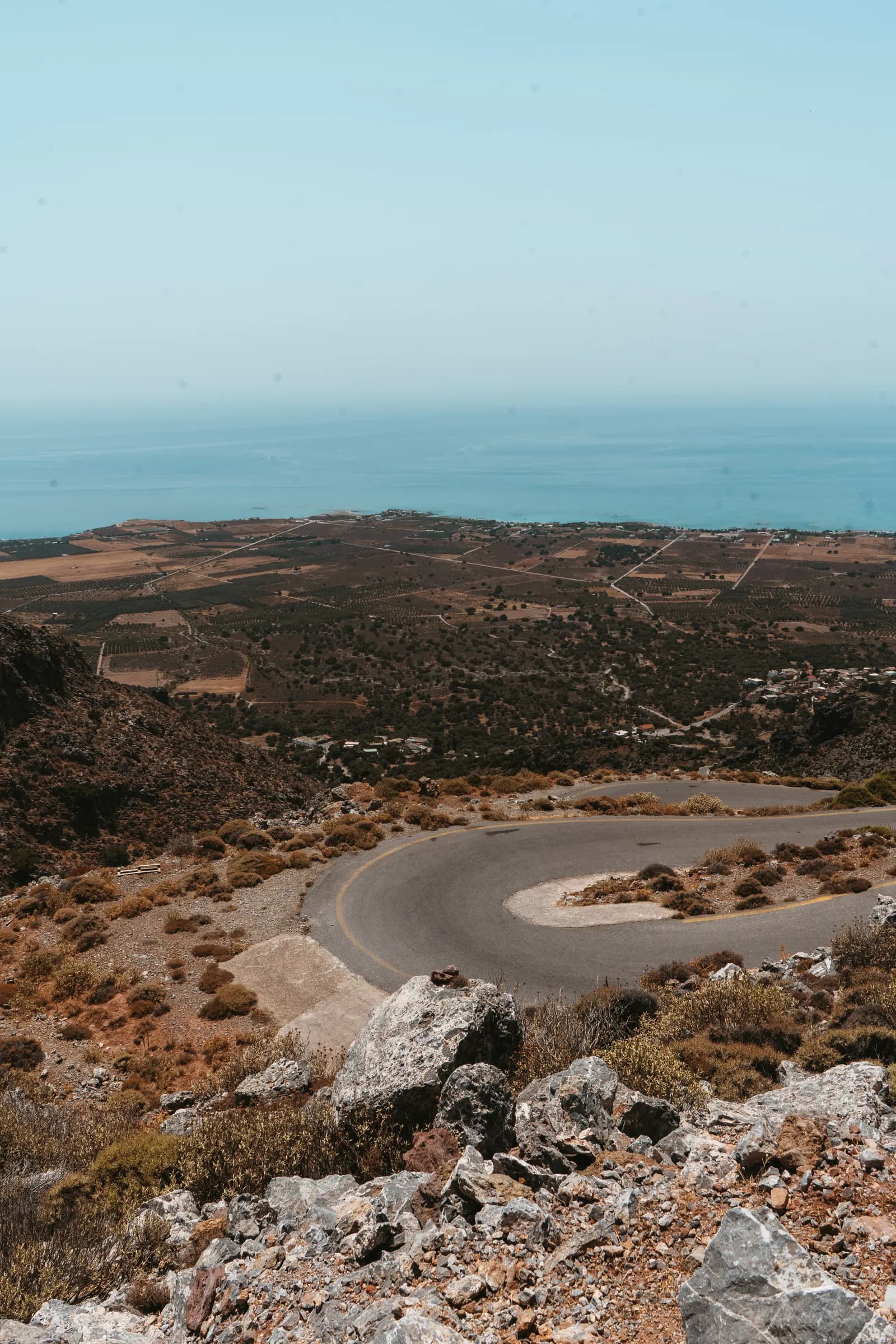
You have several options for getting around Crete easily in September:
- Renting a car remains the most practical and flexible way to get around during your stay: compare offers on RentalCars.
- KTEL buses serve the main destinations but are less flexible than a car, with journeys from €5.
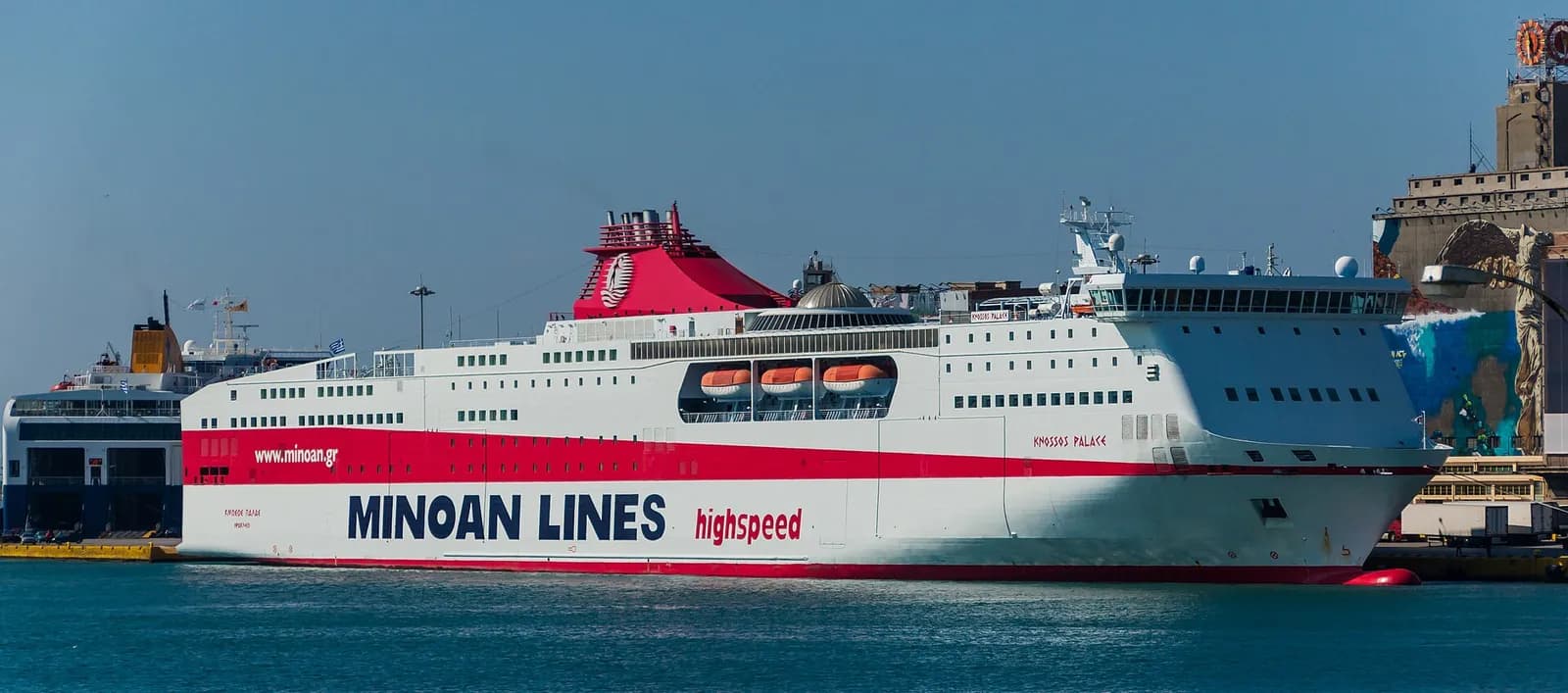
- Ferries link Heraklion to Santorini (Blue Star from about €15 in 4h to 4h30, SeaJets from about €50 in 1h30-2h15), and boats serve the villages of the south-west coast.
- Organised excursions to the Samaria Gorge or Phaistos: book in advance, from €15.
- Taxis are a more expensive alternative for one-off transfers; allow €50-70 between two towns.
- Hitchhiking is possible for short distances, but information and schedules are limited.
By combining car, KTEL bus and boat, you'll be able to travel freely around Crete in September and make the most of the island!
Discover Crete's historical treasures in September
Crete is packed with archaeological sites that bear witness to its rich past. In September, with pleasant temperatures and fewer people, it's the ideal time to explore these historic remains.
The legendary Palace of Knossos

A must on any stay in Crete, the Palace of Knossos is the largest palace of the Minoan era. Located near Heraklion, it dates back to the 2nd millennium BC. It's a fascinating labyrinth of more than 1,000 rooms and inner courtyards. The impressive stone columns, wall paintings and many objects on display will immerse you in Minoan civilisation. Allow 2 to 3 hours to fully appreciate this archaeological gem.
The best advice I can give you after my many trips to Crete is to buy your tickets in advance to avoid long queues. The site is very busy even in September. Tickets cost €20 (€10 reduced) and the site is open 8am-8pm until the end of August, then closes progressively earlier (6pm by late October). Hiring an official guide helps you really understand the history of the place.
Arkadi monastery
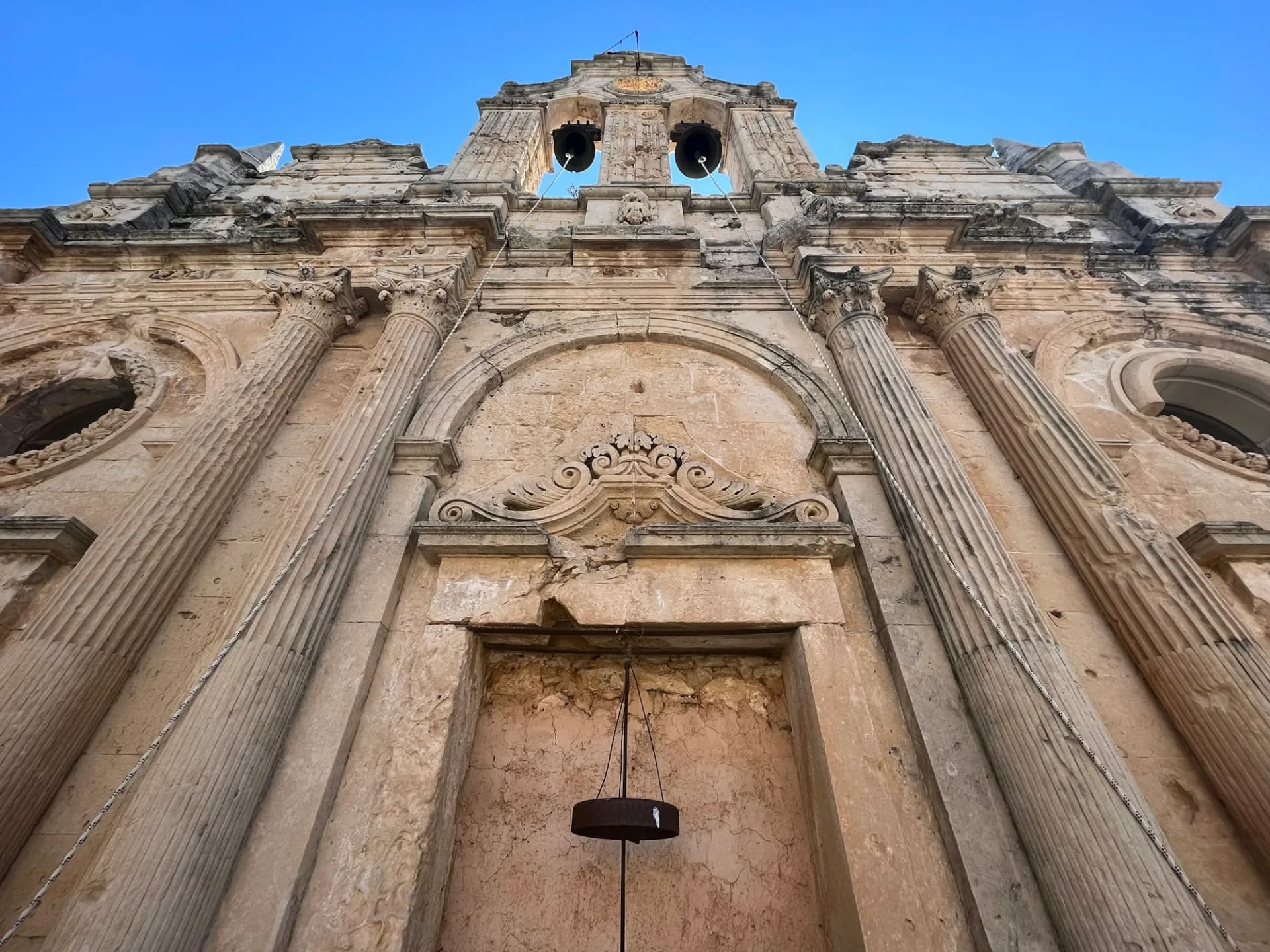
Arkadi monastery, located in the mountains south of Rethymno, is another must-see. Its present church dates from the late 16th century (1587), and it's known for its role in the Cretan resistance against the Ottoman occupation. In 1866, its defenders, sheltering with hundreds of civilians, chose to blow up the powder magazine rather than surrender to the Ottomans.
Today the monastery remains an important place of pilgrimage. You can admire the Venetian architecture of the church and cloister and discover its small museum tracing the site's tragic history. I recommend combining the visit with a hike in the verdant gorges nearby. Allow 2 hours to fully enjoy the monastery and the surrounding landscape.
The Heraklion museum
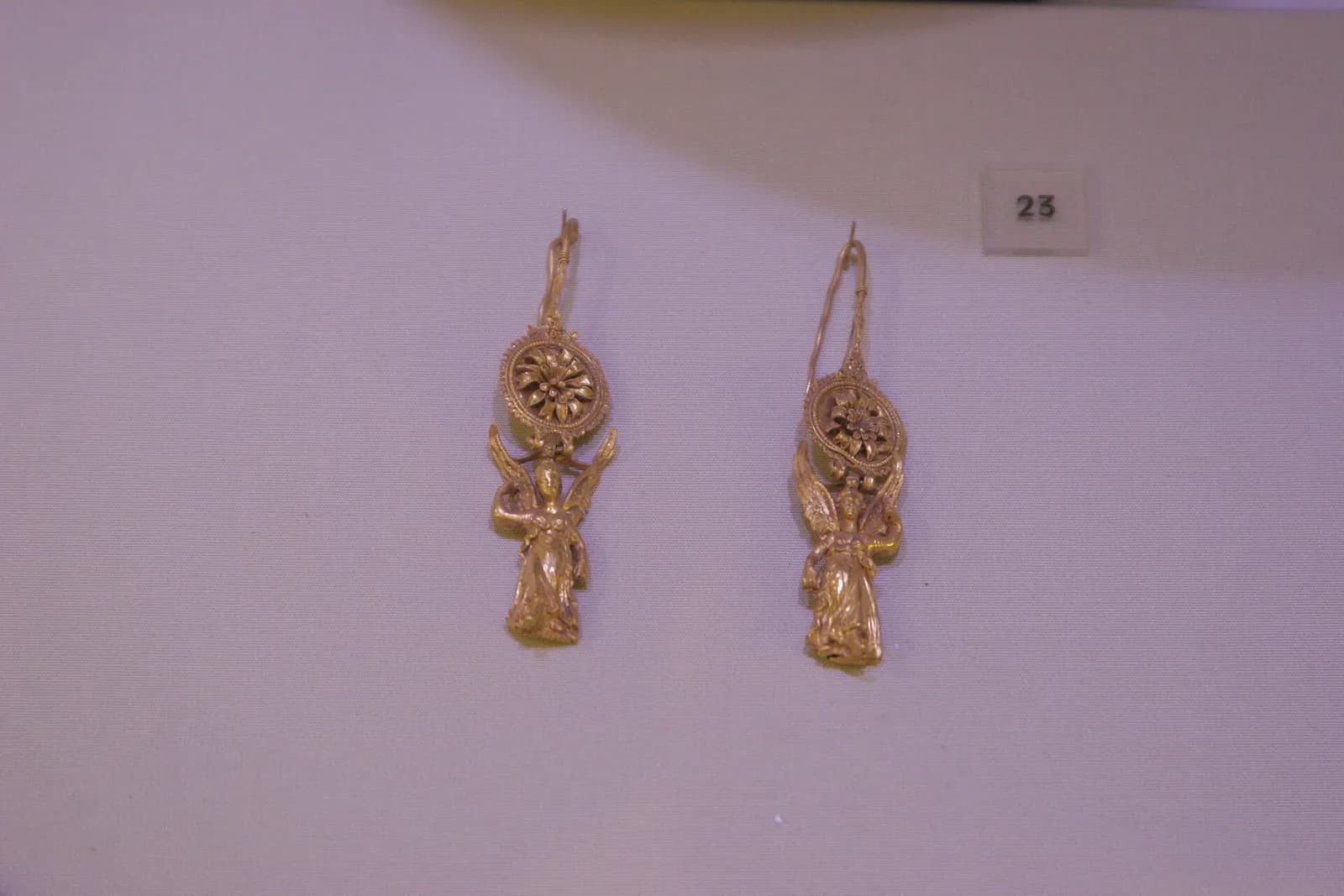
For lovers of Minoan archaeology and ancient history, the Heraklion museum is unmissable. Located in the city centre, it houses the largest collection of Minoan antiquities in the world.
You can admire masterpieces such as the Phaistos disc, Cycladic idols, gold jewellery and magnificent frescoes. Allow 2 hours to discover the museum's riches. I recommend going early in the morning or late in the afternoon to avoid the crowds.
Explore Crete's natural wonders in September
Besides its historical heritage, Crete is renowned for its superb natural landscapes between sea and mountains. Here are the must-sees to discover in September, when Cretan nature is at its peak.
The impressive Samaria gorge

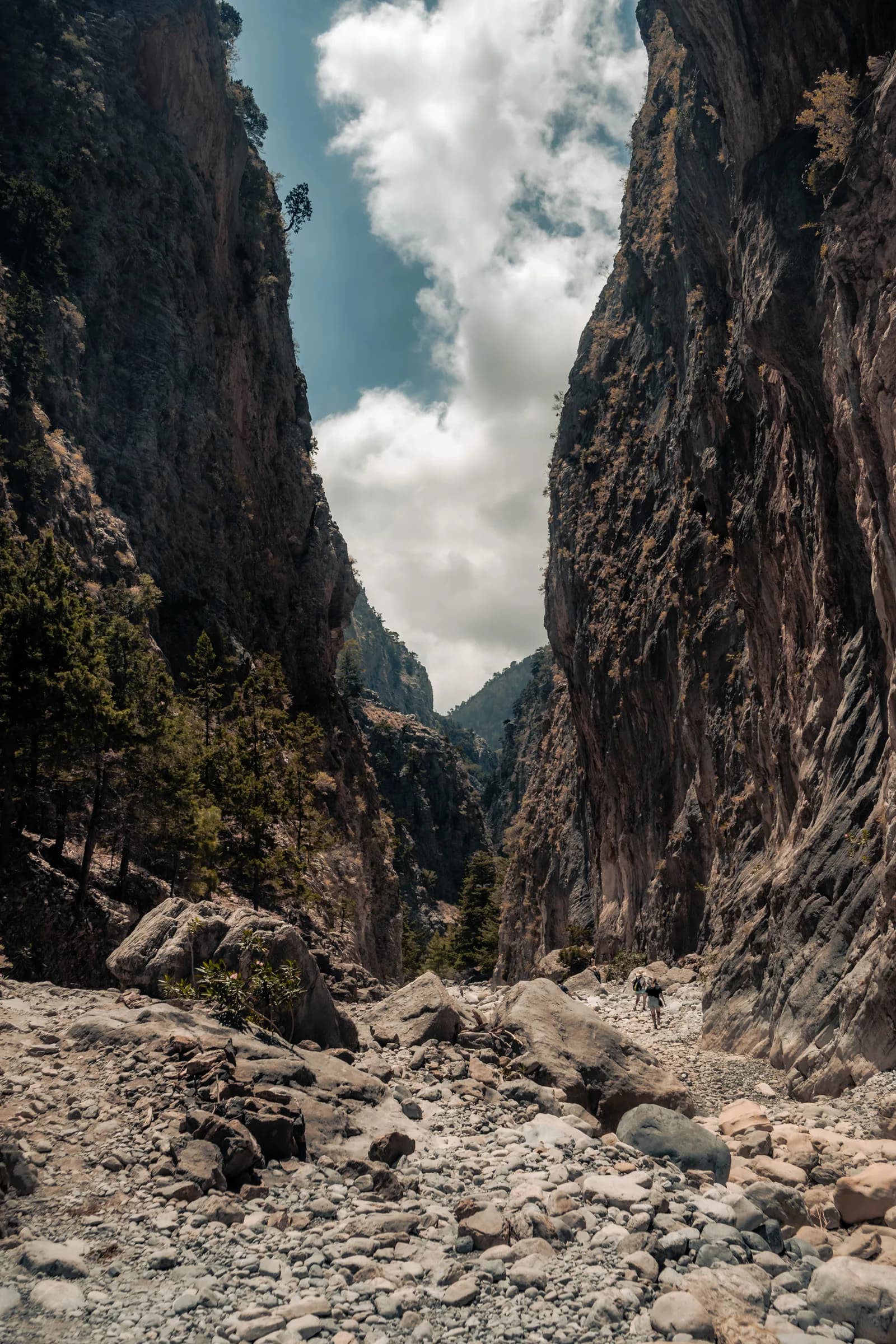
The Samaria gorge is undoubtedly one of the most spectacular hikes in Crete. Located in the south-west, the gorge is a protected national park. The dizzying canyon carved by the Samaria river between the peaks reaches up to 1,000m deep!
It's an unforgettable hike of about 16 km, 13 km of it in the gorge (usually open May to October, entry €10). Allow 5 to 7 hours of walking, wear good shoes, bring plenty of water and start early to avoid the heat. You'll walk through grandiose scenery before reaching the abandoned village of Samaria, a rest area with water points and toilets.
From there, you'll reach Agia Roumeli on the coast via an easier trail of about ten kilometres. As Agia Roumeli has no road, a ferry then takes you to Sfakia or Sougia, where buses leave for Chania. It's a demanding expedition, but well worth it! The scenery is exceptional.
Elafonissi's paradise beach

Located at the south-western tip of Crete, Elafonissi is considered one of the most beautiful beaches in Crete, if not Greece! With its shallow turquoise lagoon and pink sandbanks, it's a little corner of paradise.
The best time to enjoy the beach without the crowds is September or October. You can lounge on the soft sand, swim in crystal-clear water and explore the islet connected to the beach by a sandbar. Take the time to stop at the little Chrysoskalitissa monastery, perched on its rock above the sea about 5 km north of the beach, during your road trip in south-west Crete.
Balos lagoon

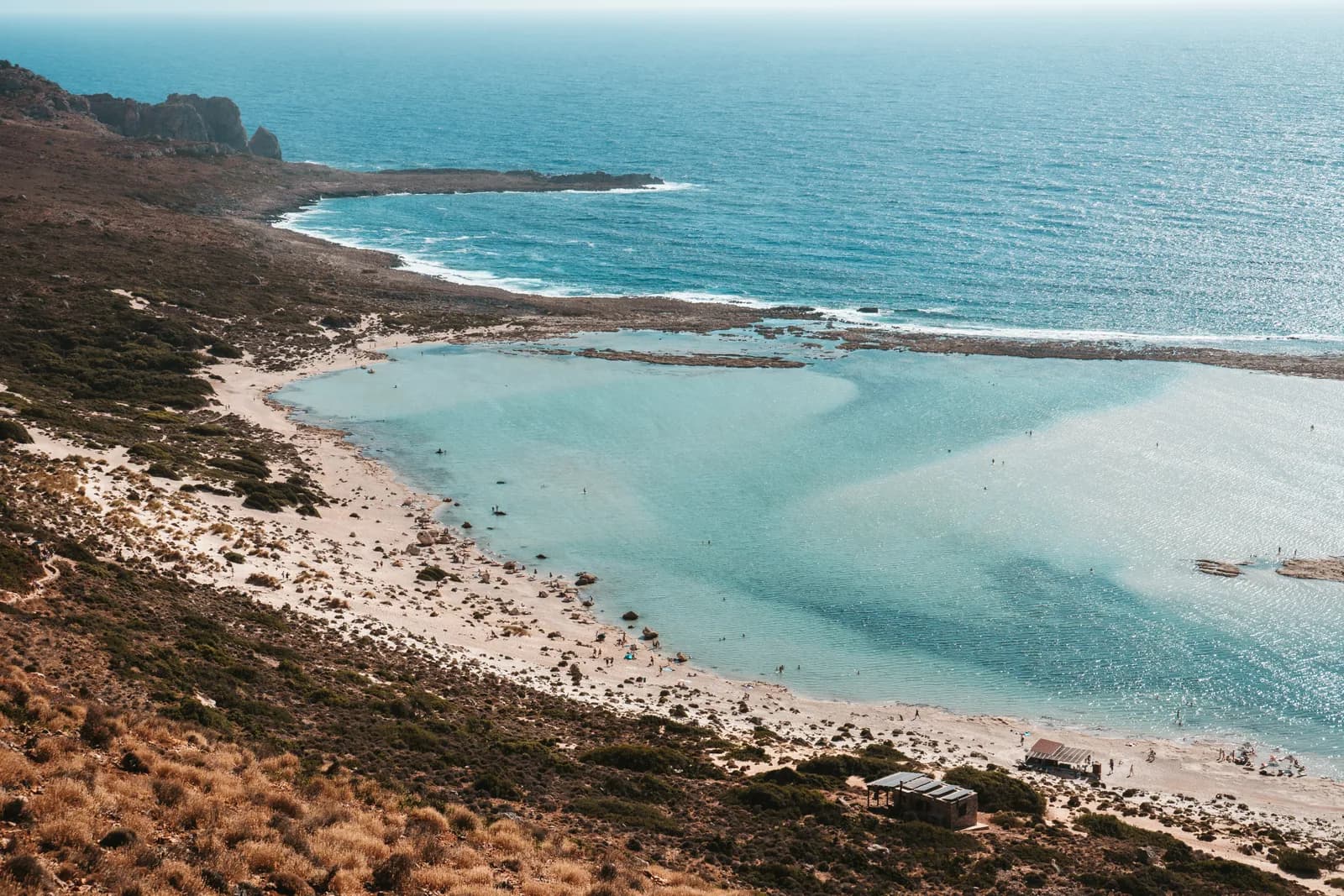
Also at the western tip of Crete lies another little gem: Balos lagoon. This beach is among the most photogenic in Greece, with its turquoise and pink water surrounded by cliffs. To get there, you have two options:
- On foot: from the car park (€3 + €1 fee per person, at the end of an 8 km dirt track), a path leads down to the lagoon in 20-30 minutes; the climb back up is tougher in full sun.
- By boat: a trip from Kissamos harbour to reach Balos. It's quicker, but still allow 2 hours on site to make the most of it.
Either way, set off early in the morning to avoid the heat and enjoy the beach without too many people. The panorama from the viewpoint high above the lagoon is spectacular. Don't forget your swimsuit, cap and sunscreen!
Lake Kournas

In the heart of the Chania region, Lake Kournas is the only freshwater lake in Crete. Surrounded by mountains, this little turquoise-green gem is ideal for a refreshing stop on a road trip in western Crete.
You can swim, go pedalo-ing or simply relax by the lake. There are also small restaurants overlooking the lake for a bite to eat. All around, there are pretty little villages and olive groves to discover. Lake Kournas is worth the detour for a peaceful nature break during your trip to Crete.
The picturesque village of Loutro
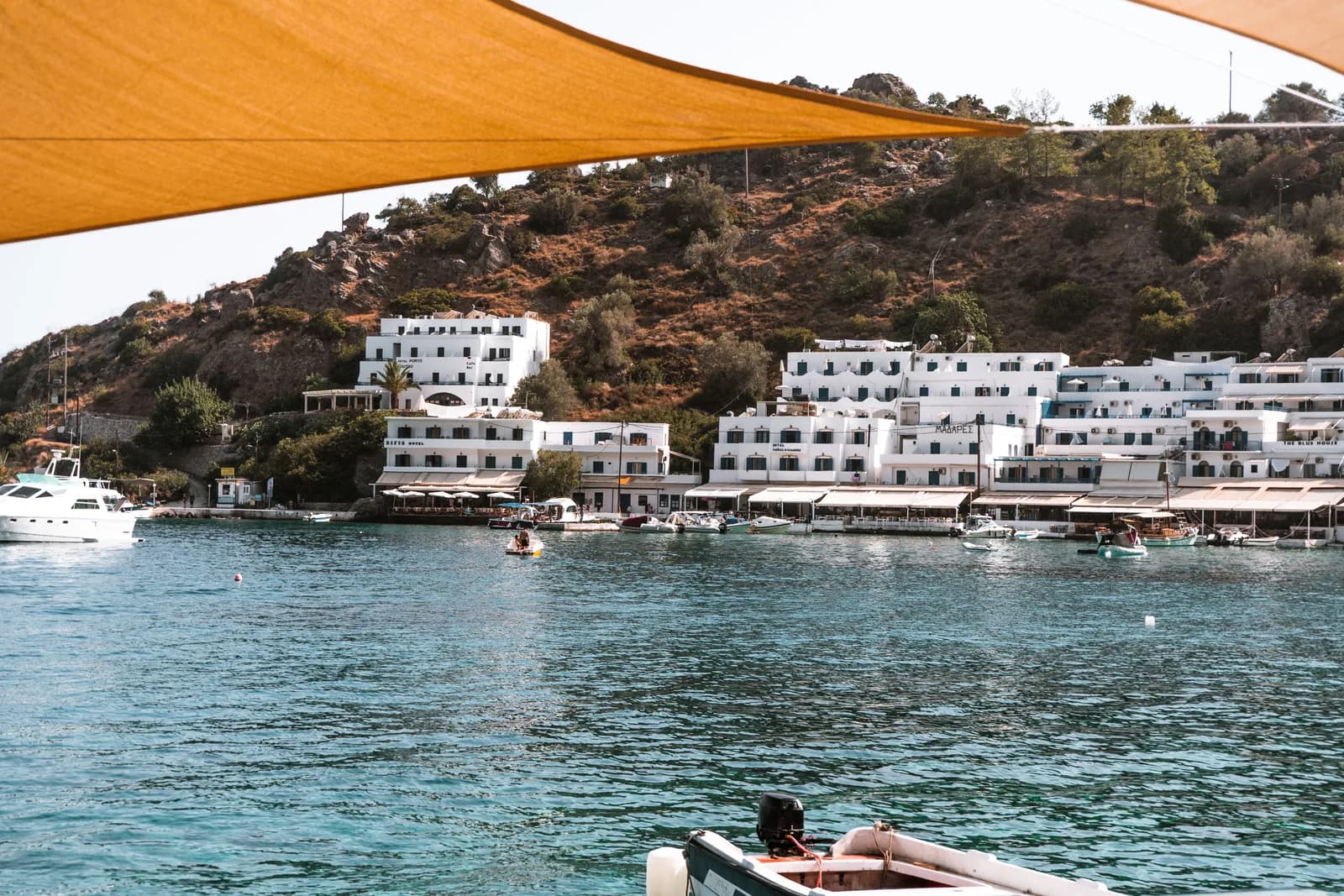
Accessible only by boat or on foot, the village of Loutro is a small haven of peace nestled between sea and mountains in south-west Crete. This authentic fishing village of white houses is extremely picturesque. Its narrow lanes are closed to all car traffic. It's clearly one of my favourite places in Crete.
It's the ideal holiday spot for relaxing by the water. The small pebble beaches with turquoise water are superb. You can also take boat trips to secluded coves or go on lovely hikes in the surrounding gorges. Loutro is worth the detour for its unspoilt charm and peaceful atmosphere.
Explore Crete's coastal towns in September
Besides its natural treasures, Crete has charming, lively coastal towns to discover. The mild temperatures in September make it the perfect season to stroll their lanes, admire their historic sites and enjoy their lively atmosphere.
Chania, a Venetian architectural gem

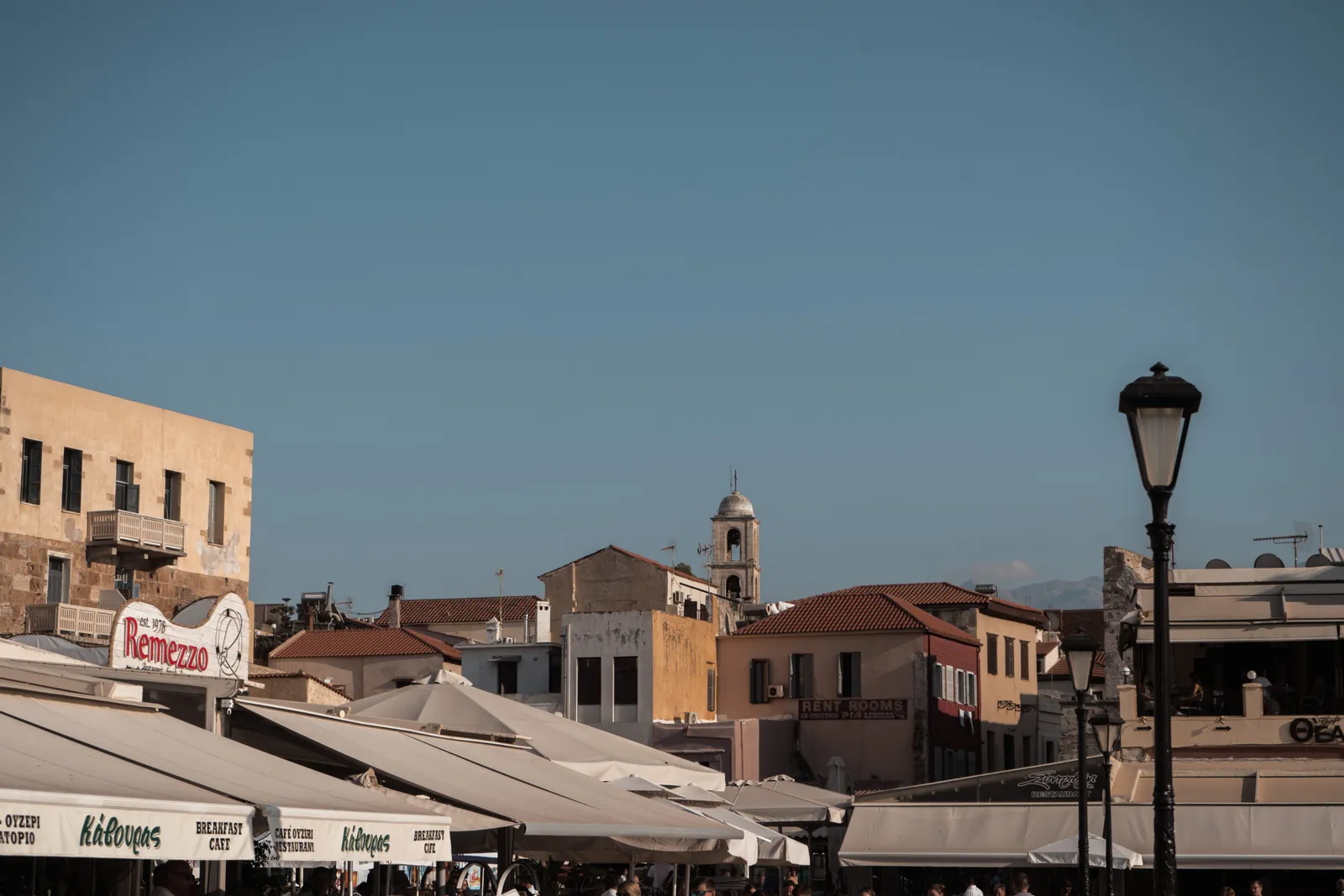
Nicknamed the “Cretan Venice”, Chania is a beautiful port town with typical Venetian architecture. Wander the pedestrian lanes lined with colourful houses in the old Jewish and Turkish quarters.
Admire the elegant façades along the old harbour. Visit the Kioutsouk Hassan mosque, now a museum, then climb the Venetian ramparts for a panoramic view over the town and the bay.
The covered market, closed for restoration since 2022, is due to reopen in December 2026: until then, look for local flavours in the delis of the Splantzia quarter. With its unique blend of Cretan, Venetian, Ottoman and Jewish influences, Chania is a must-see stop. Allow 2 to 3 days to make the most of it.
Rethymno, Venetian charm and summer buzz
Further east, the town of Rethymno also preserves beautiful remains from the Venetian era, such as the Fortezza fortress overlooking the town, the ramparts and its magnificent Renaissance-style buildings along the promenade.
But Rethymno is also a very lively town in summer, with many restaurants, bars and shops. In September, the mood is more relaxed while keeping a festive atmosphere. Take the opportunity to stroll along Rethymno's charming sandy beach, lined with a lively pedestrian promenade. A stay of 2 to 3 days lets you appreciate the town's different sides.
Heraklion, between tradition and modernity

The capital of Crete, located in the north-centre of the island, Heraklion combines a rich historical past with a lively modern atmosphere. Behind the Venetian ramparts, discover the bustling historic quarter around Lions Square.
The archaeological museum is an absolute must. Heraklion is also a dynamic port city and the ideal starting point for exploring eastern and central Crete. Allow 2 to 3 days to visit the city and its surroundings, such as Knossos.
How to get around Crete

After this overview of the must-see places in Crete in September, here are my practical tips for getting around this large island easily:
Renting a car
The best way to discover Crete is to rent a car or a quad bike, as the island is large and not always well served by public transport. Choose a small city car to get around easily. An automatic is more practical than a manual if you're not used to it.
Make sure you have air conditioning for the hot days. Compare prices from rental companies such as Hertz, Europcar or Sixt to find the best rate. With a car you can easily tour the island in 7 to 10 days.
Taking KTEL buses
If you'd rather not drive, the KTEL bus network serves Crete's main towns and attractions with comfortable, air-conditioned buses. It's the cheapest way to get around but also the most restrictive, as services are limited.
Check timetables and fares on the KTEL website and book in advance for tourist routes such as Balos or Samaria. In the towns, city buses are handy and cheap.
Combining bus and ferry
You can also combine buses and ferries between Crete's various ports, for example to reach the villages and beaches of the south-west. It's slower but very handy for reaching certain places, such as Loutro, which has no road access.
Check timetables in advance, as they vary with the season. You'll find all the useful information on the Greek tourist office website.
My expert tip for travelling to Crete in September
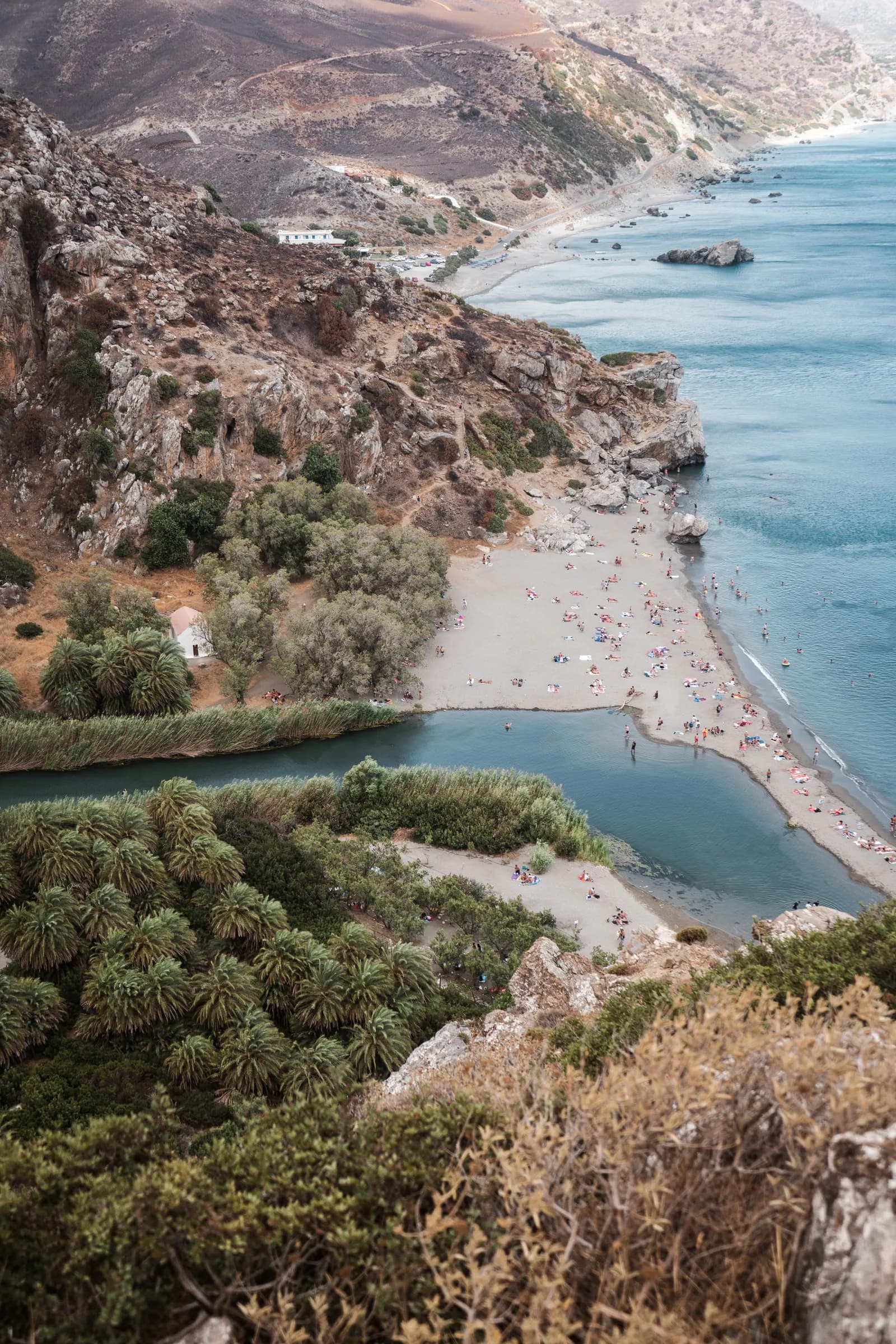
After many trips to Crete, my best advice is to choose a loop itinerary to discover the island's different sides, rather than going straight from east to west or north to south.
Crete is very diverse, with each region offering unique landscapes and atmospheres. Starting from Heraklion, for example, I recommend first exploring the centre and east, then heading down to the south and back up along the west coast before completing your loop in Chania and Rethymno.
This lets you see everything without tedious backtracking. Of course, the ideal is a two-week stay, but even in 7 to 10 days you can enjoy the main highlights by following this loop.
7 good reasons to travel to Crete in September
- 01Pleasant temperatures, neither too hot nor too cool
- 02The sea is still warm for swimming
- 03Lush Cretan nature
- 04Outdoor activities at a gentle pace
- 05A relaxed atmosphere after the summer crowds
- 06Less crowded, more accessible sites
- 07The ideal compromise between summer heat and autumn coolness
Swimming in Crete in September
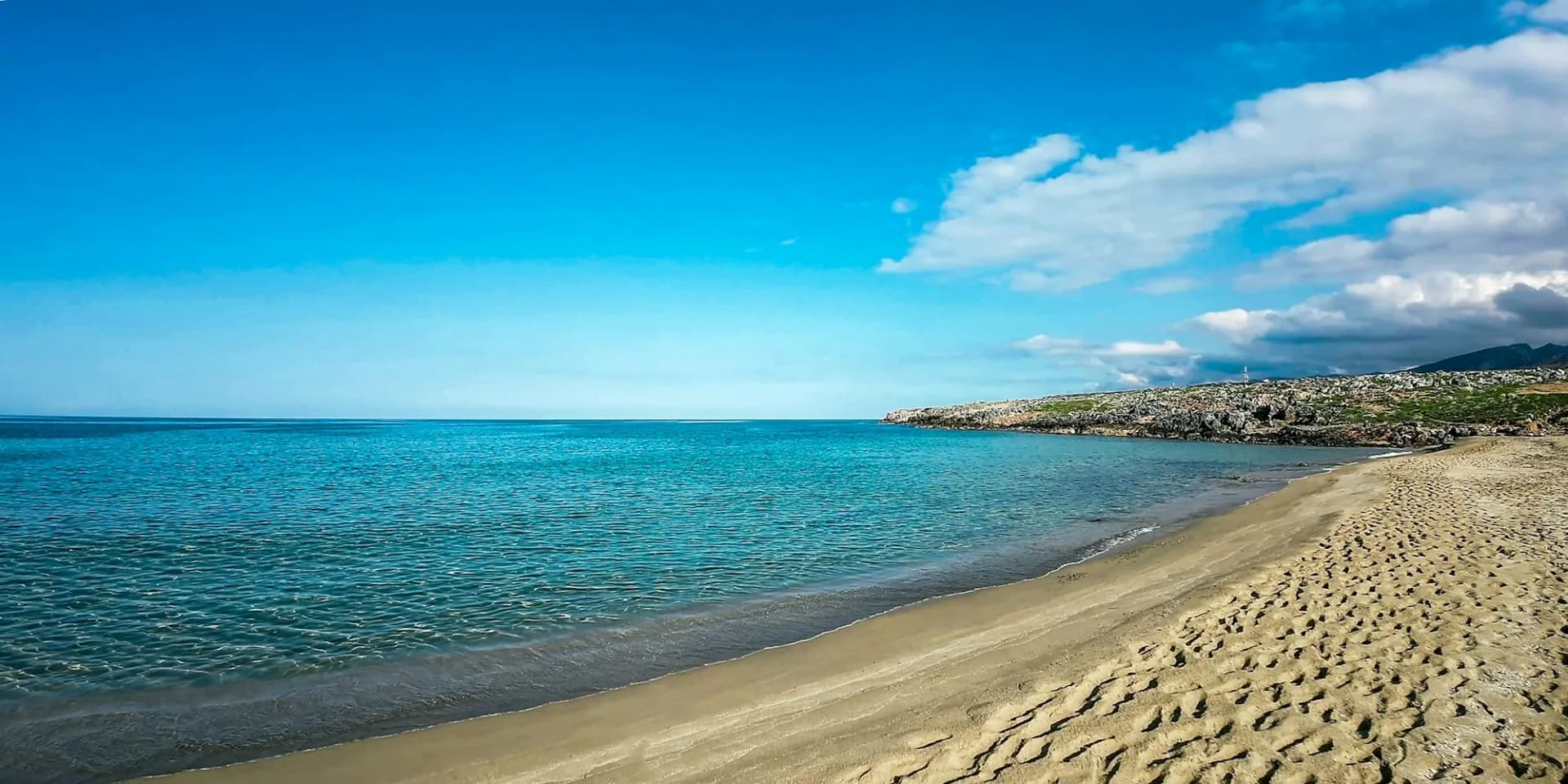
Can you swim comfortably?
With water temperatures averaging 24 to 25°C, the sea remains very pleasant for swimming in Crete in September. The water is often even nicer than in midsummer!
Sandy beaches such as Elafonissi, Falassarna or the beaches of Rethymno are perfect for sunbathing and cooling off. Small sheltered rocky coves offer lovely swimming spots with crystal-clear water.
Our tip: Although the water is slightly cooler than in midsummer, it's still perfectly fine for daily swimming and water sports.
Best beaches for September
- Falassarna: Exceptional sunsets
- Preveli beach: Palm grove and river
- Chrissi Island: cruise from Ierapetra (landing banned since 2025, boat tour around the island only)
- Best beaches in Rethymno: Variety and accessibility
FAQ about Crete in September
Yes, it's advisable to book in advance for this period, which comes before the October drop in visitors but is already less busy than August. Book your car, excursions, entry to certain sites like Knossos, and your accommodation to be sure of a spot.
Yes, the sea remains very pleasant, averaging 24 to 25°C depending on the area. Perfect for daily swimming and water sports.
No, September isn't a bad month for mosquitoes or jellyfish in Crete, so it's very comfortable! Only a moderate east wind can occasionally bring a few jellyfish to the north coast, but nothing significant.
Excluding flights, allow €70 to €100 per day per person depending on the type of accommodation to fully enjoy Crete. A comfortable budget for an optimal experience!
Conclusion
And there you have it: we've covered the best experiences to enjoy in Crete in September. With its breathtaking landscapes, rich heritage and ideal climate, the Cretan island is full of treasures to explore during the shoulder season. Thanks to this ultimate guide, you now know everything you need to plan the trip of your dreams to Crete in September.
All that's left is to choose your next adventures from my expert recommendations: swimming in turquoise waters, dizzying hikes, discovering ancient sites or lazing around in picturesque villages, there's something for everyone!
By combining car, bus and boat, you'll easily discover Crete's many faces. So don't wait any longer: the magnificent Greek island is waiting for you. See you soon in Crete!

Âme Bohème exists thanks to you
Some links in this article are affiliate links. This means that if you book or purchase a product through these links, we receive a small commission, at no extra cost to you. It's thanks to this support that we can continue creating free, quality content.
You can also buy us a coffee, or follow us on Instagram and Facebook.