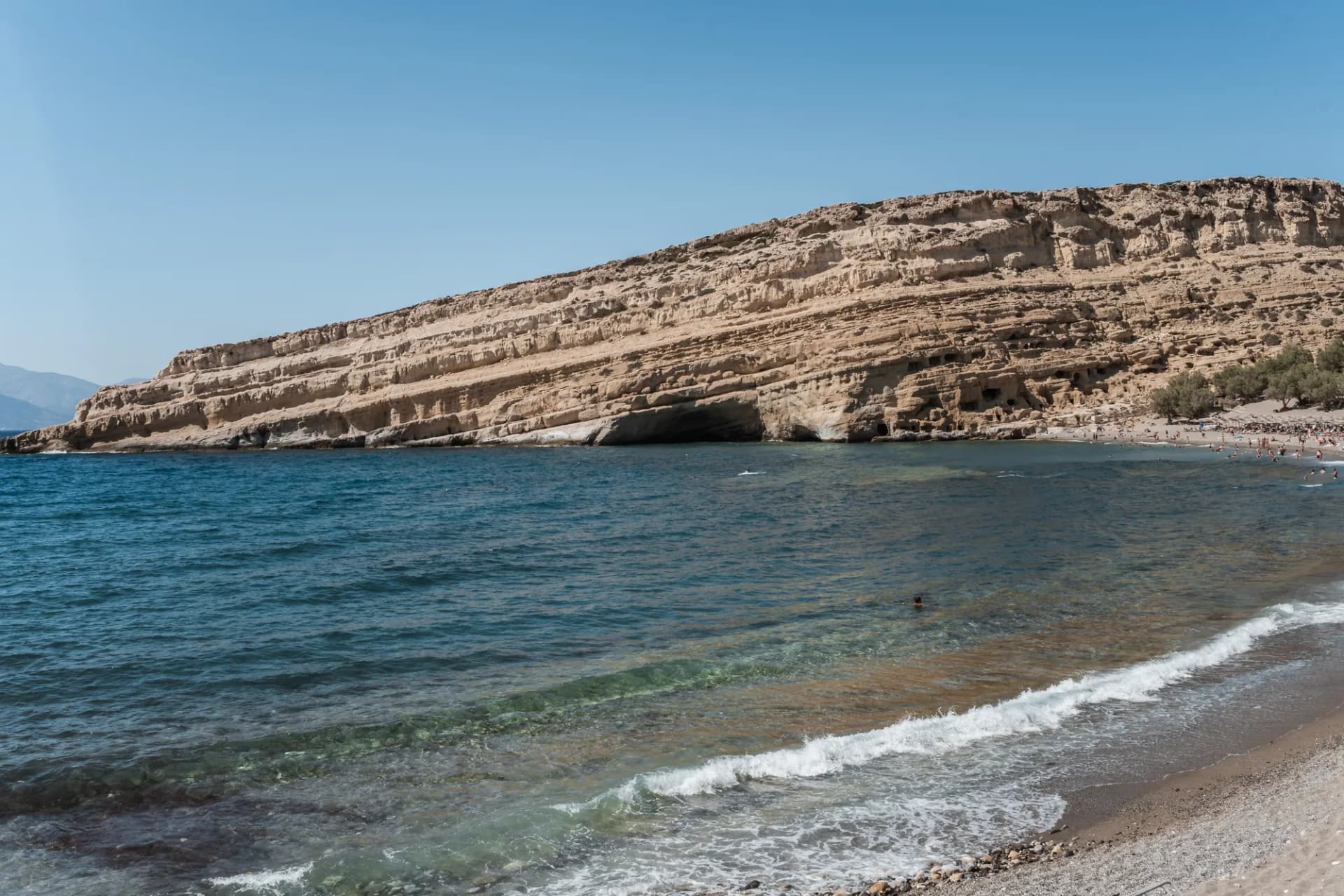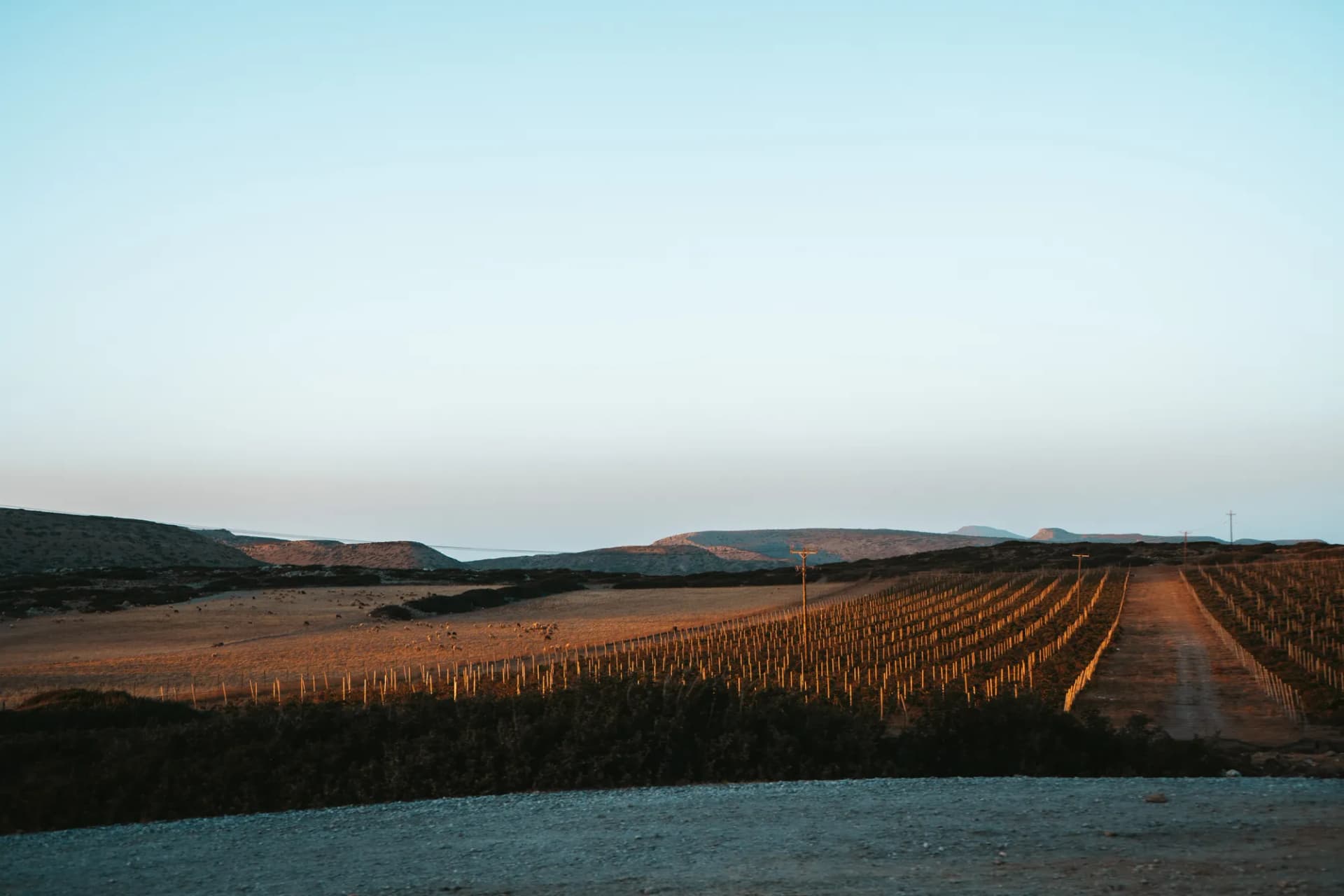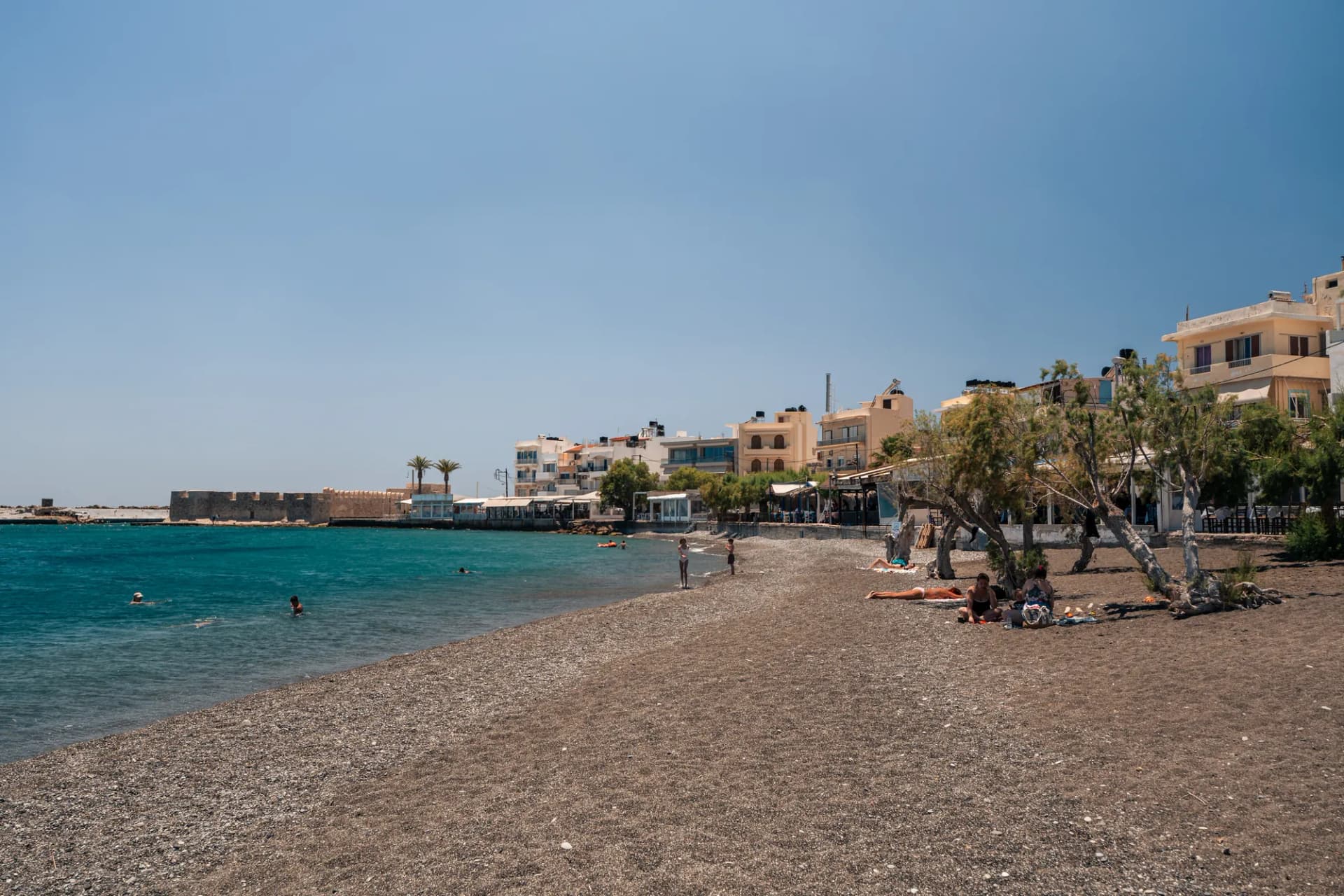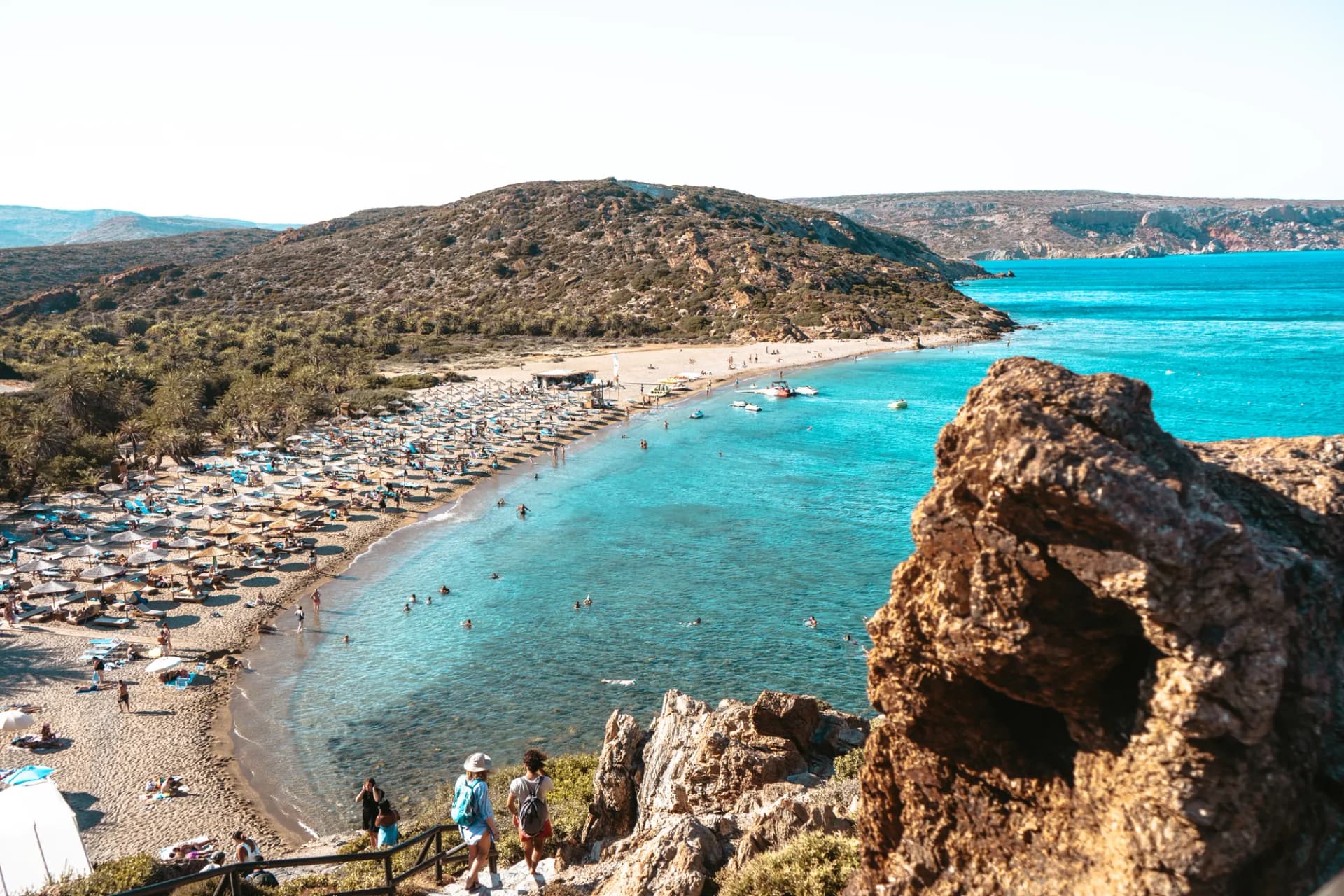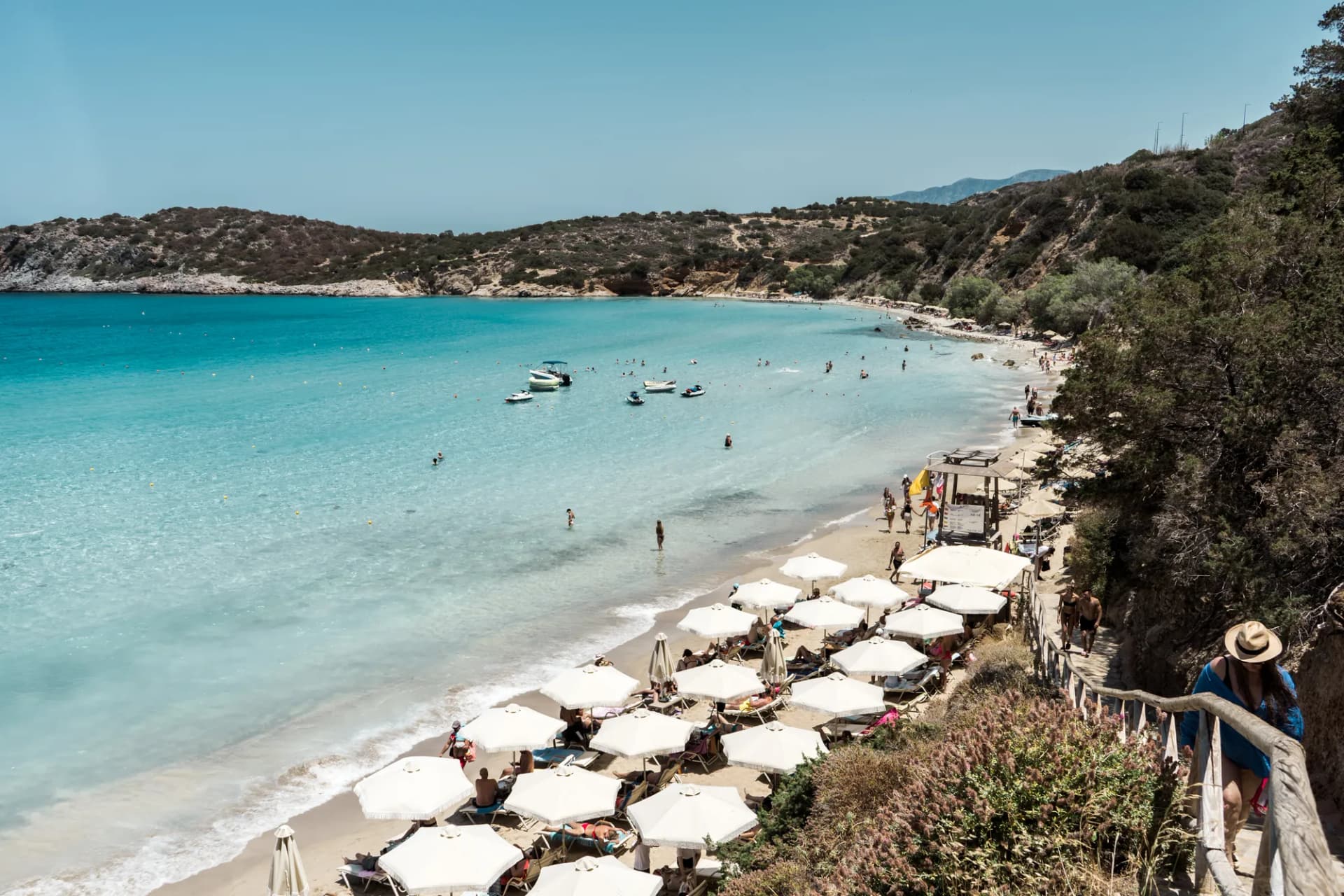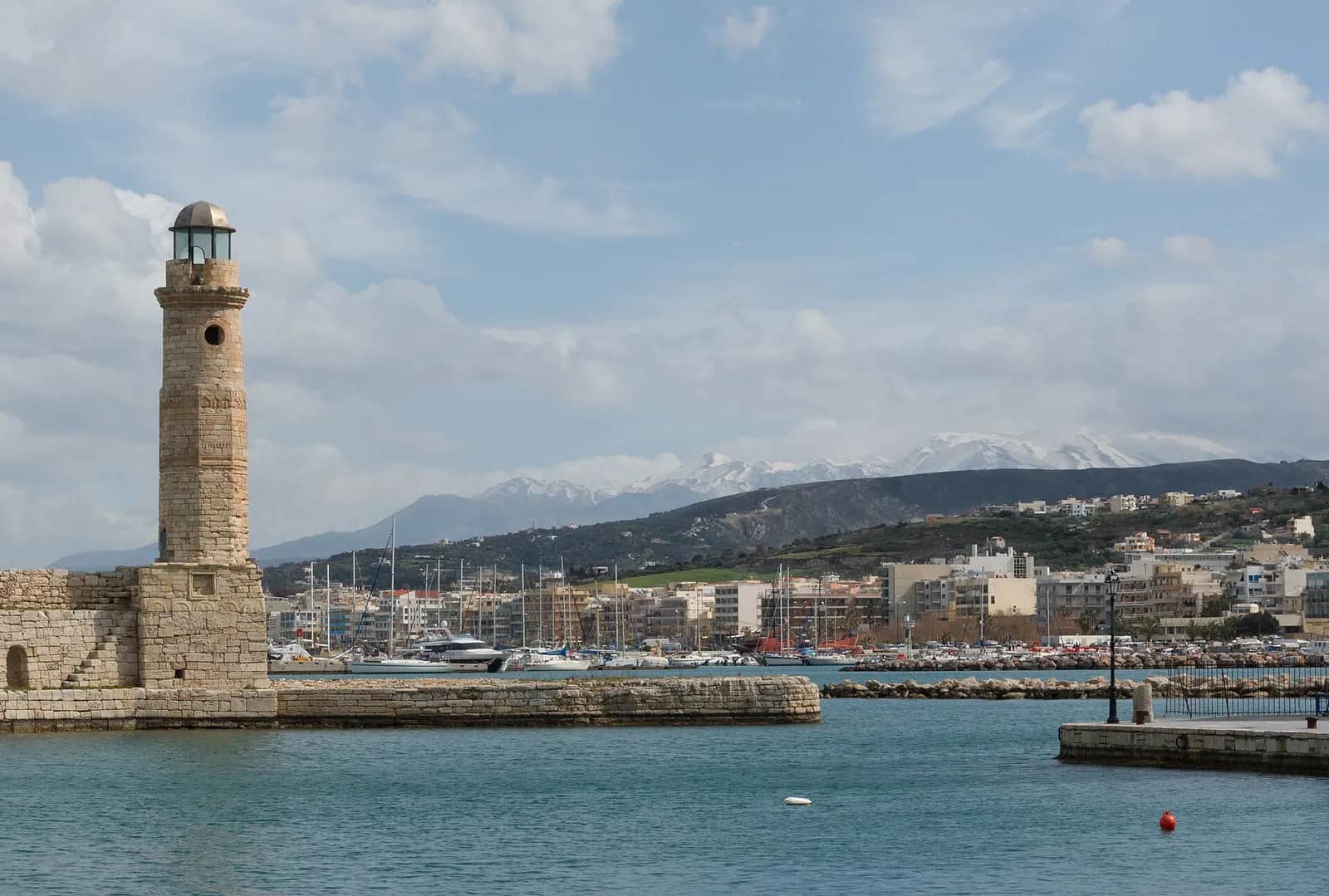

In January, the beaches of Malia are deserted and the shutters of the Hersonissos hotels are closed, but the cafés on Chania's harbour are still full on Sunday mornings. The Cretan winter is anything but a dead season, yet it is not an extended summer either: the beach resorts sleep, while the towns, markets and mountain villages live at the locals' pace.
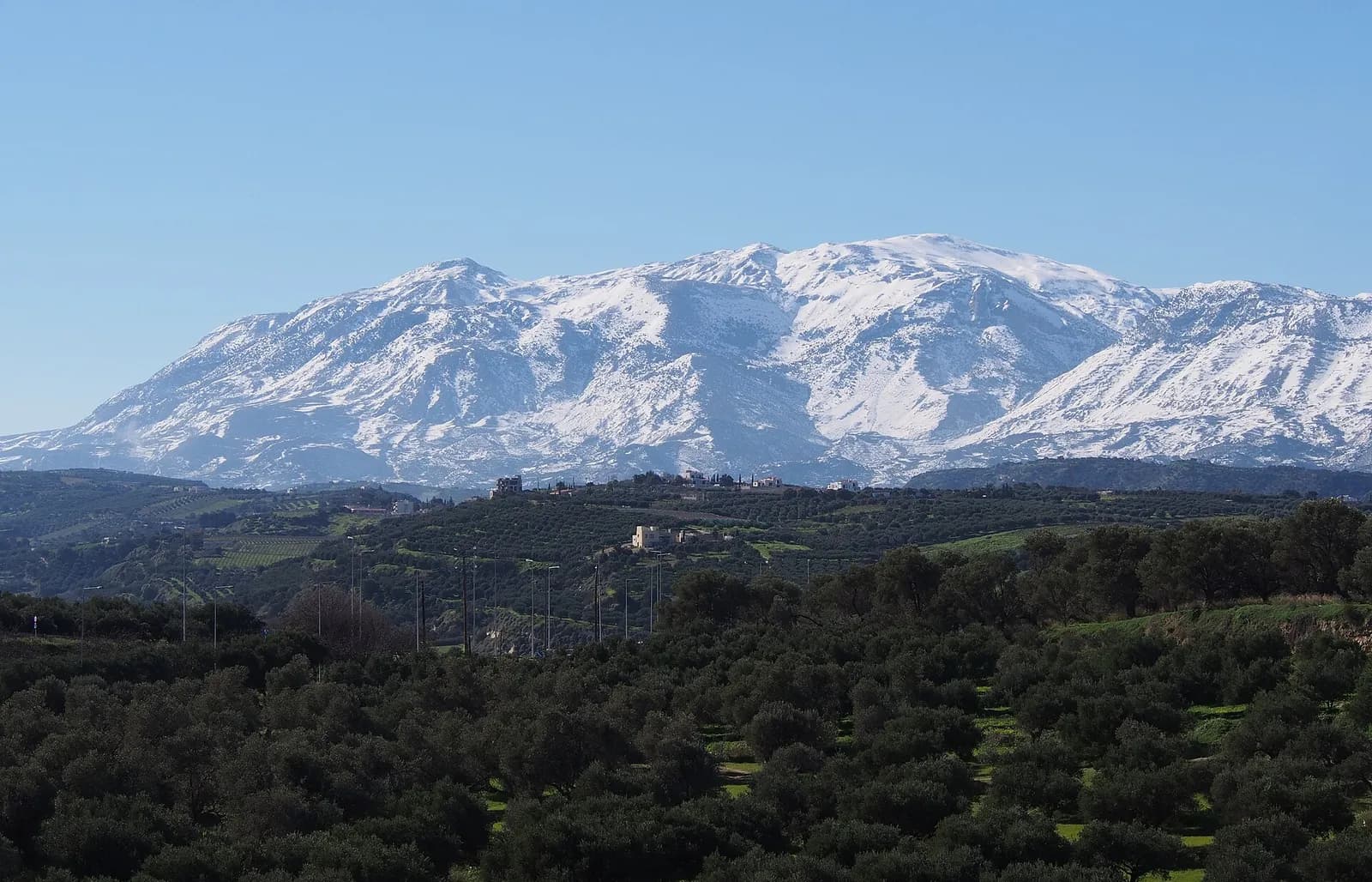
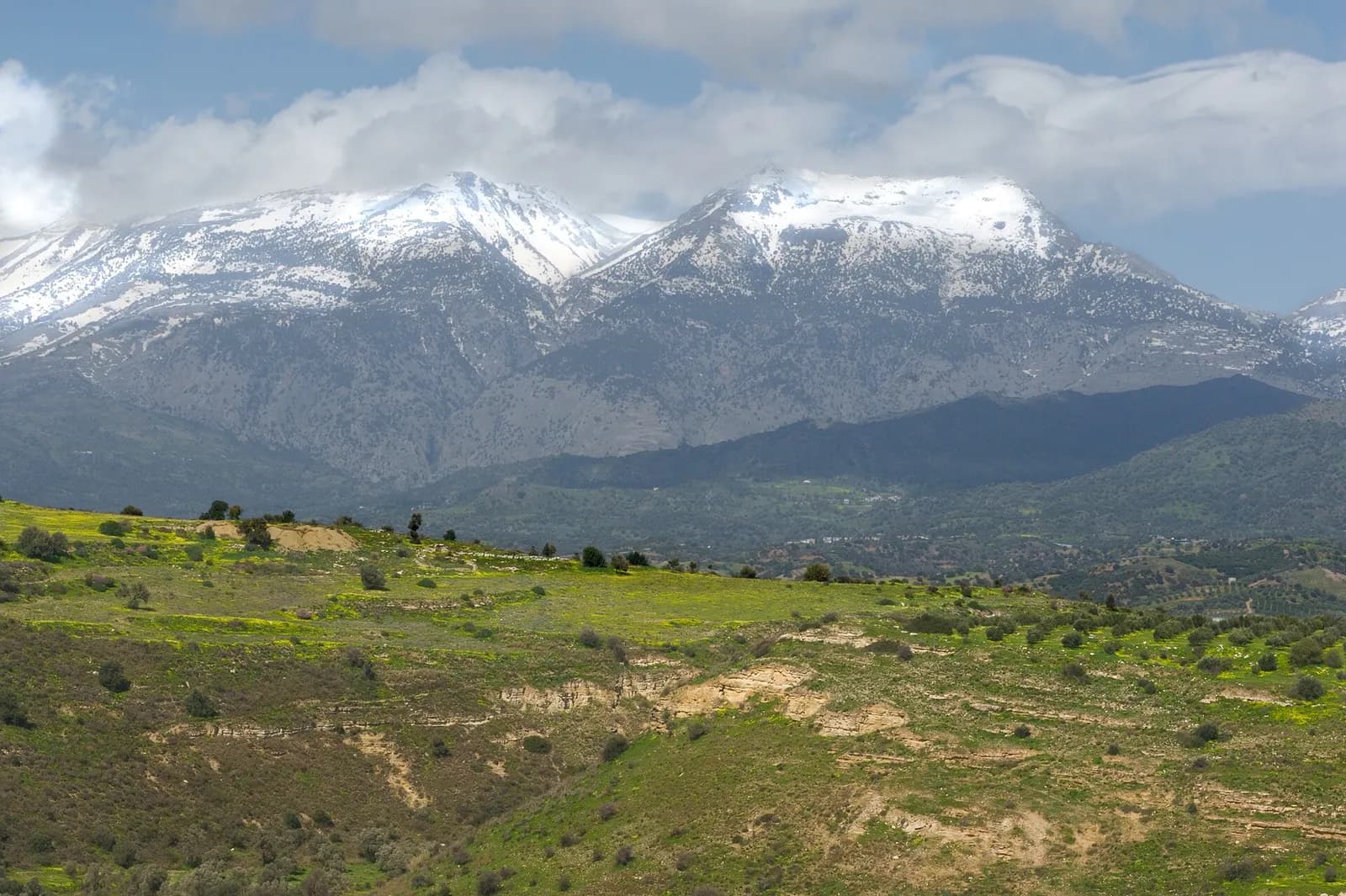
The figures set the scene. In Heraklion, the average high is around 15°C in January and February, the sea drops to 16 to 17°C and it rains on average 9 to 10 days a month in the depths of winter. On the summits of Psiloritis (2,456 m) and the Lefka Ori, snow often lingers until spring. On the plus side, Knossos and the Heraklion museum can be visited without queues, and the climate tax on accommodation falls to €0.50 to €4 a night.
This guide covers the weather from November to March, what is open and closed, the festivals not to miss (Christmas, Epiphany, the Rethymno carnival), driving, flights and budget. For an overview of the whole year, my guide to the best time to visit Crete compares every month.
Weather in Crete in winter, month by month
The averages below are those for Heraklion airport (1991 to 2020), on the north coast. They give a good idea for Heraklion, Rethymno and Agios Nikolaos. The west of the island and the high ground get more rain, and it is much colder as soon as you climb: the Lassithi Plateau sits at around 840 m above sea level.
| Month | Average high | Average low | Rainfall | Rainy days | Sea |
|---|---|---|---|---|---|
| November | 20°C | 14°C | 56 mm | 6 | around 20°C |
| December | 17°C | 11°C | 82 mm | 9 | around 18°C |
| January | 15°C | 9°C | 81 mm | 10 | around 17°C |
| February | 15°C | 9°C | 60 mm | 9 | around 16°C |
| March | 17°C | 10°C | 49 mm | 7 | around 16.5°C |
November, the late season fades out
November stays mild, with highs around 20°C and a sea still close to 20°C at the start of the month. The first real rain arrives, often as stormy showers between two bright days. It is the month when the last beach hotels close, the olive groves fill with nets and the raki stills are still running in the villages.
December and January, the heart of winter
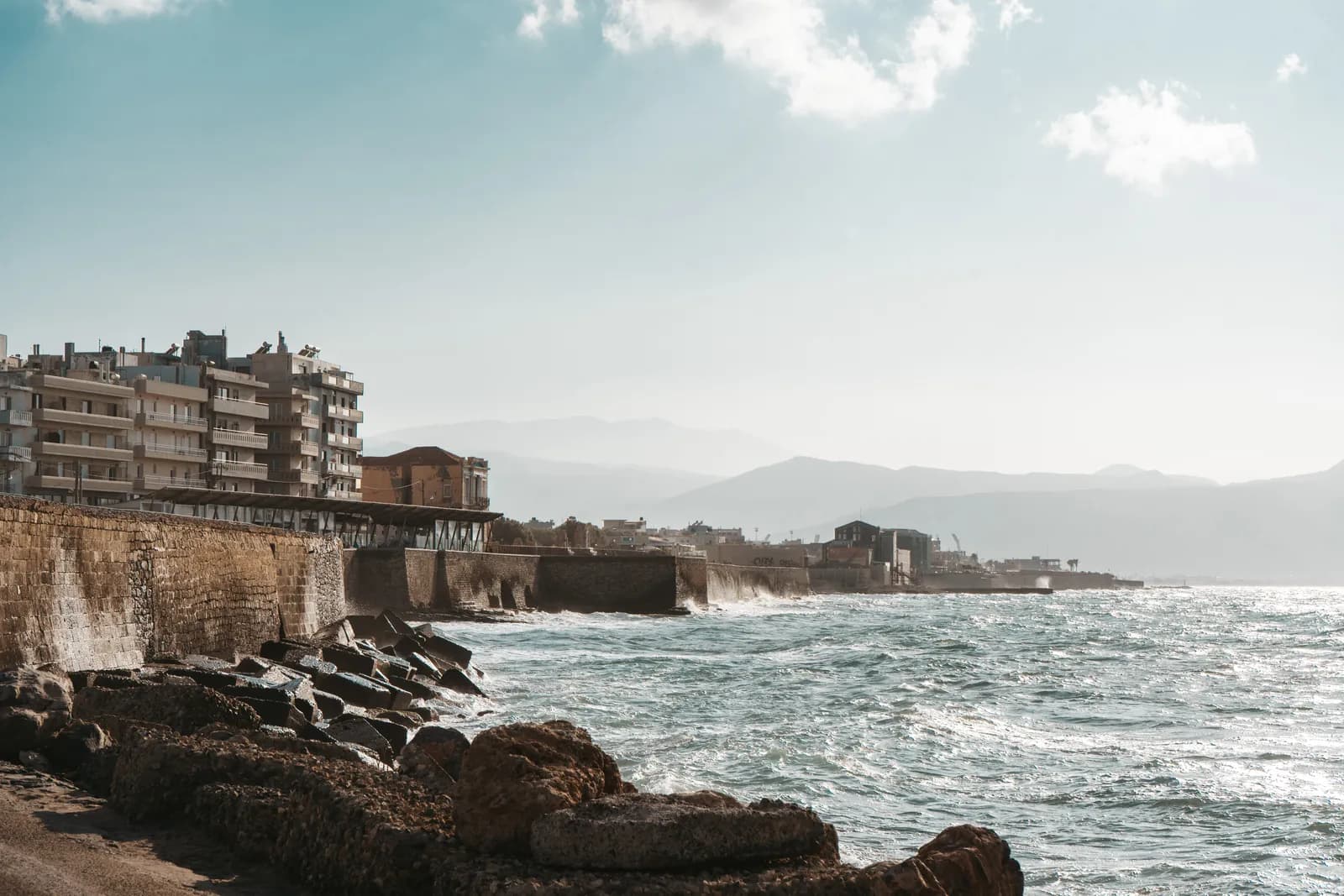
These are the wettest months: just over 80 mm of rain on average in Heraklion, spread over 9 to 10 days. Lows drop to around 9 to 11°C on the coast, much lower in the mountains. The wind can blow hard, from the north as well as the south, and some ferry crossings are delayed or cancelled in bad weather. Between two weather fronts, clear days at 16 or 17°C are common: lunch in the sun on a terrace is a real pleasure.
February and March, spring on the way
February is still cool, but the almond trees usually blossom between late January and February, and the hills turn green again. March gains sunshine (nearly 177 hours on average, compared with about 118 in January) and wild flowers start to carpet the fields. The sea, however, reaches its lowest point at around 16°C: swimming is for the bravest only.
What is open and closed in winter
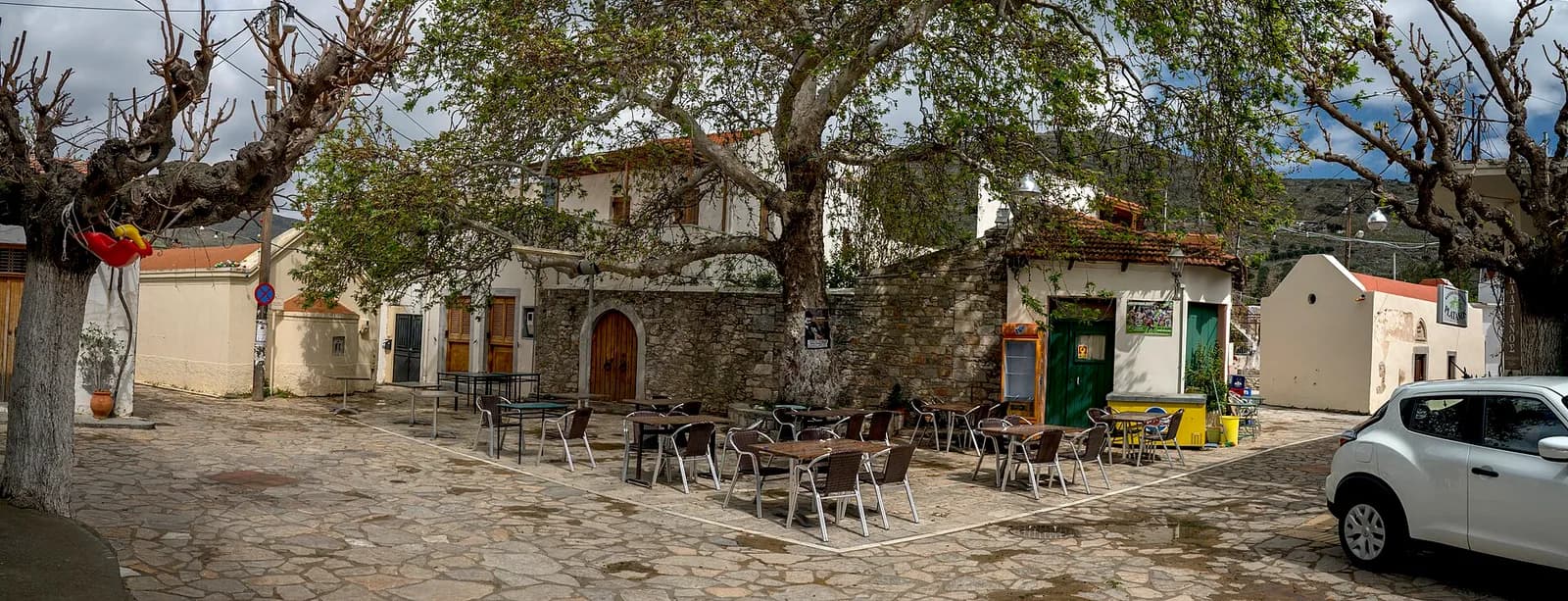
The rule is simple: anything that lives off the locals stays open, anything that lives only off tourists closes. The big towns on the north coast (Chania, Rethymno, Heraklion, Agios Nikolaos) and Sitia, in the east, run all year round, with their markets, cafés and tavernas frequented by Cretans. The beach resorts built for summer (part of Malia, Hersonissos, Stalida, many villages on the south coast) empty almost completely.
| Place or service | In winter | Good to know |
|---|---|---|
| Towns (Chania, Heraklion, Rethymno, Agios Nikolaos, Sitia) | Open | Shops, cafés and tavernas run all year round |
| Heraklion Archaeological Museum | Open, reduced hours | €20; last winter, 8.30am to 3.30pm, Wednesdays 10am to 5pm (December to March) |
| Palace of Knossos | Open, reduced hours | €20 (€10 reduced); 8am to 5pm |
| Cave of Zeus (Psychro) | Open | 8.30am to 3.30pm, closed on Tuesdays |
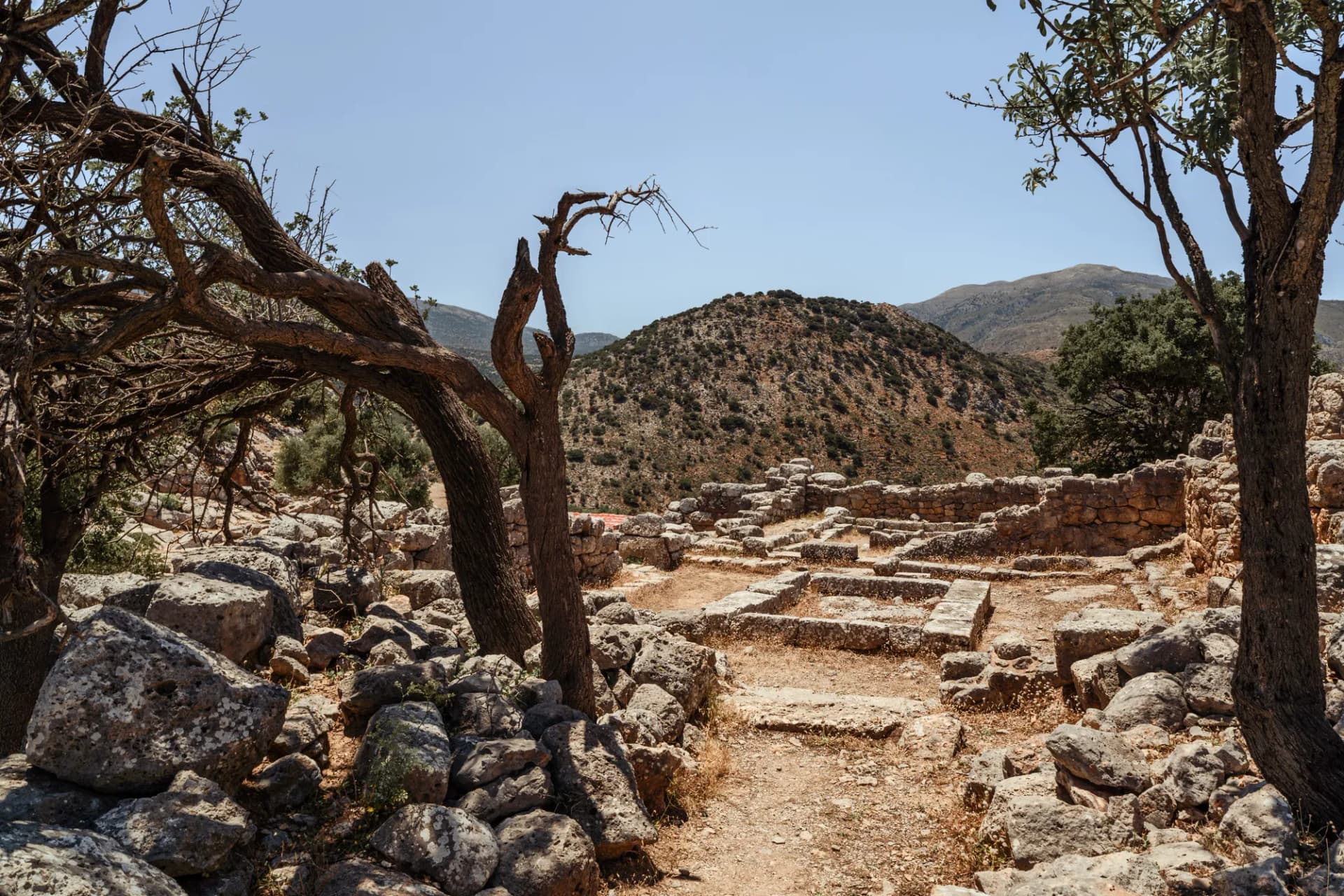
| Lato and Panagia Kera (Kritsa) | Open | 8.30am to 3.30pm, closed on Tuesdays |
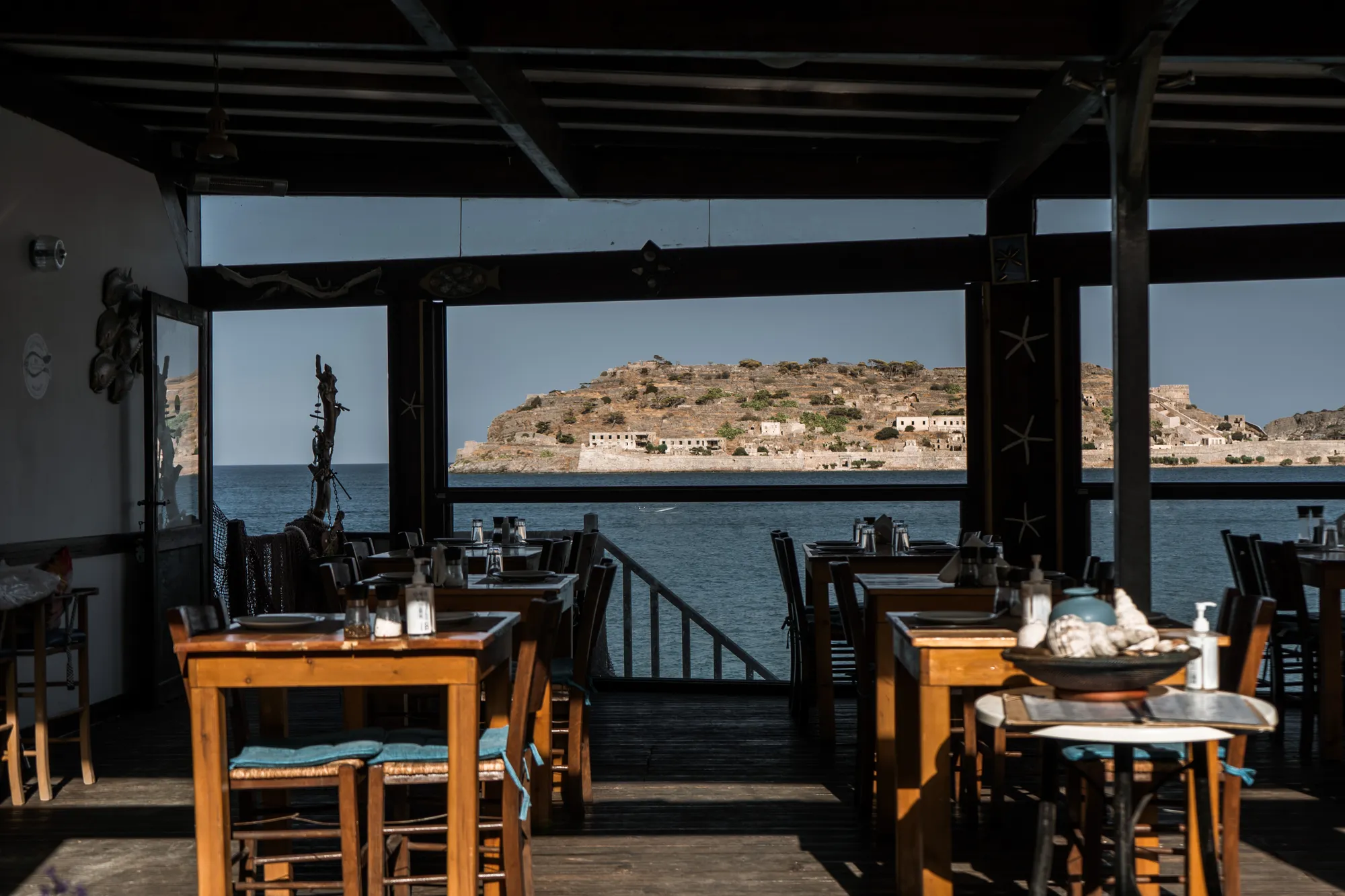
| Spinalonga | Closed | Open from 1 April to 31 October only |
| Samaria Gorge | Closed | Usual season May to October, weather permitting |
| Resorts and beach hotels | Mostly closed | Gradual reopening from April |
| Beach tavernas, sunbed hire | Closed | A few exceptions in the towns |
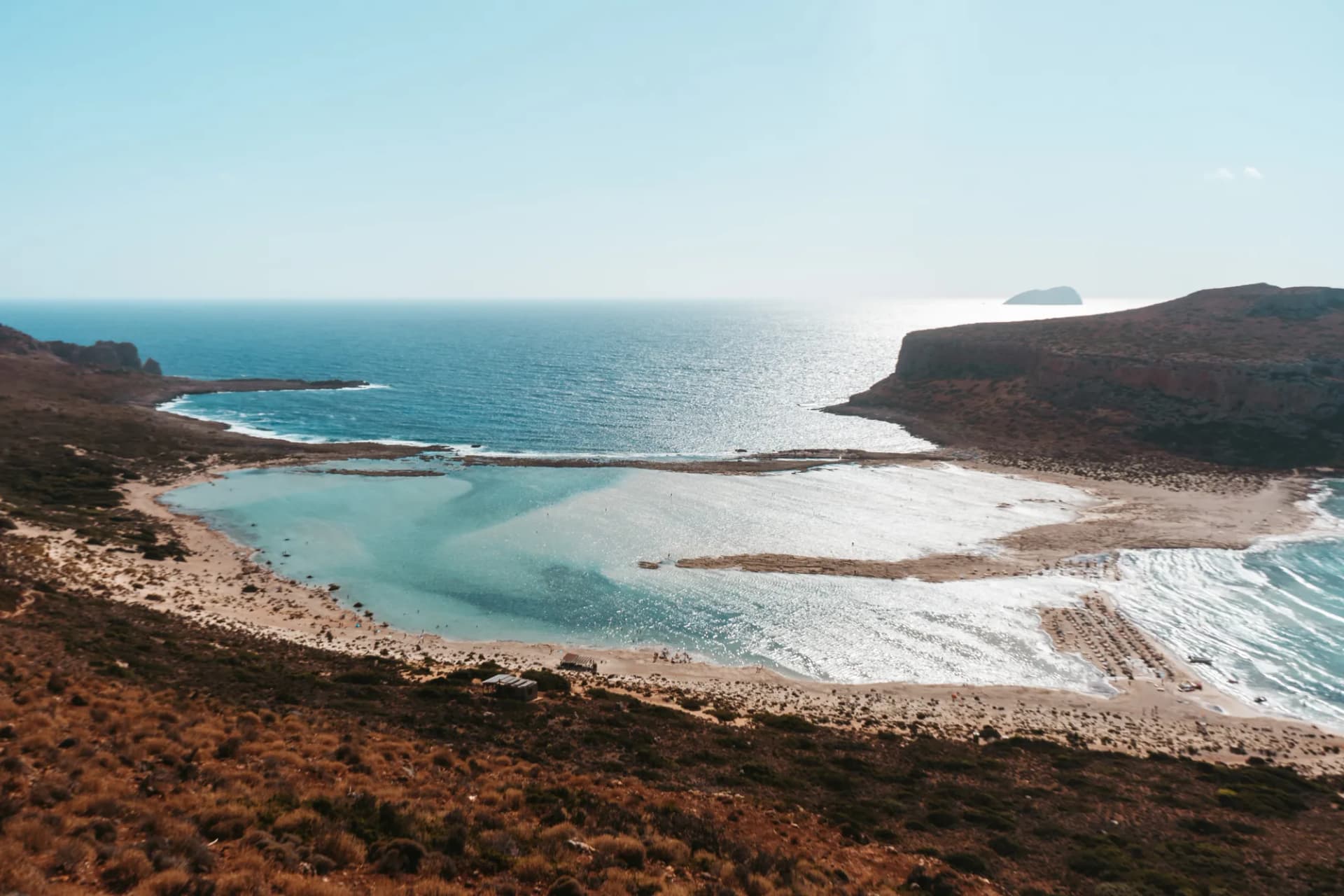
| Boat trips (Balos, Chrissi, Gramvousa) | Suspended | Resume in spring |
For the archaeological sites, winter opening hours change from year to year and are often announced late. I recommend checking on the Greek Ministry of Culture website (odysseus.culture.gr) or on site the day before your visit. The major sites are also closed on certain public holidays, notably 25 and 26 December and 1 January.
What to do in Crete in winter
Towns to enjoy like a local
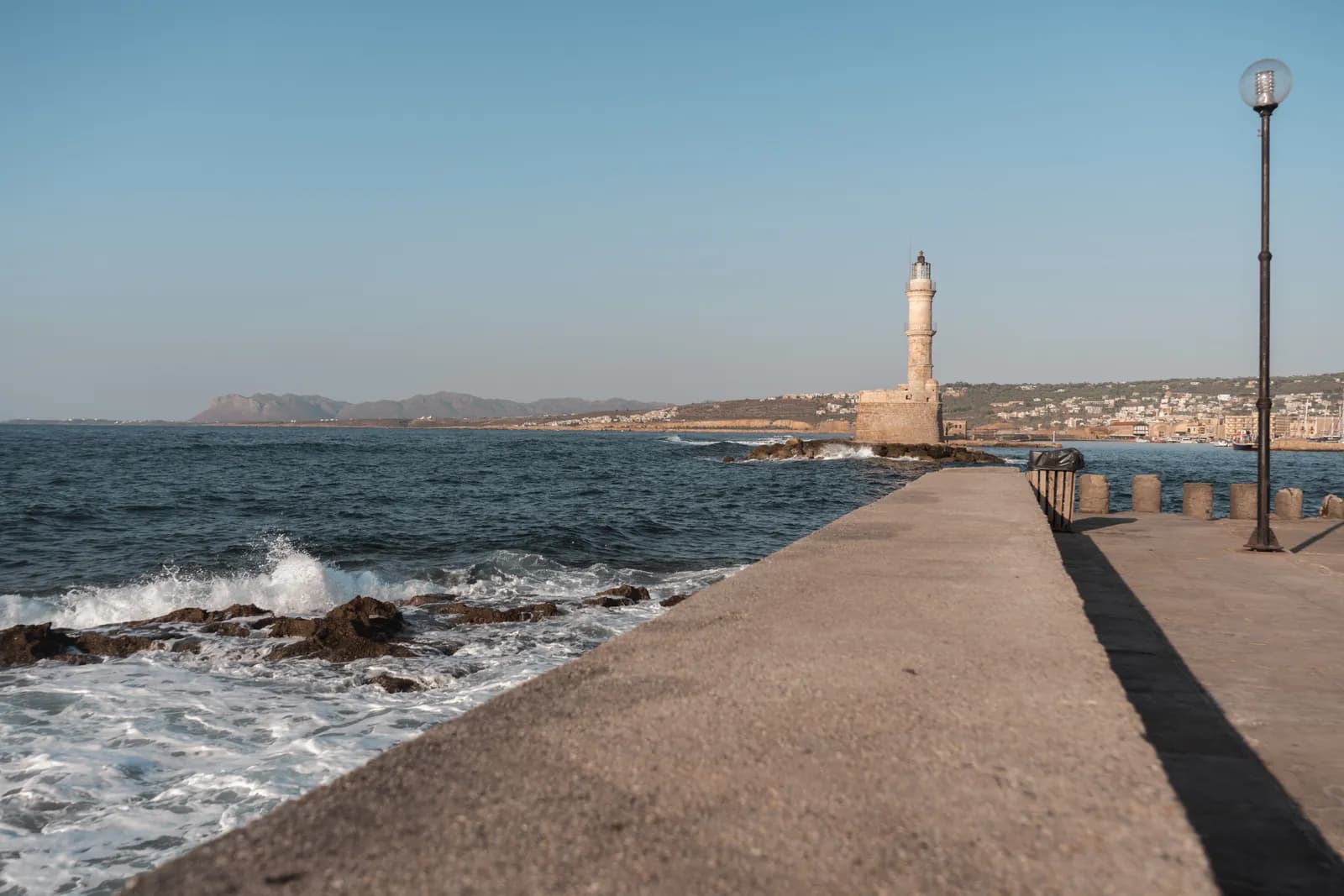
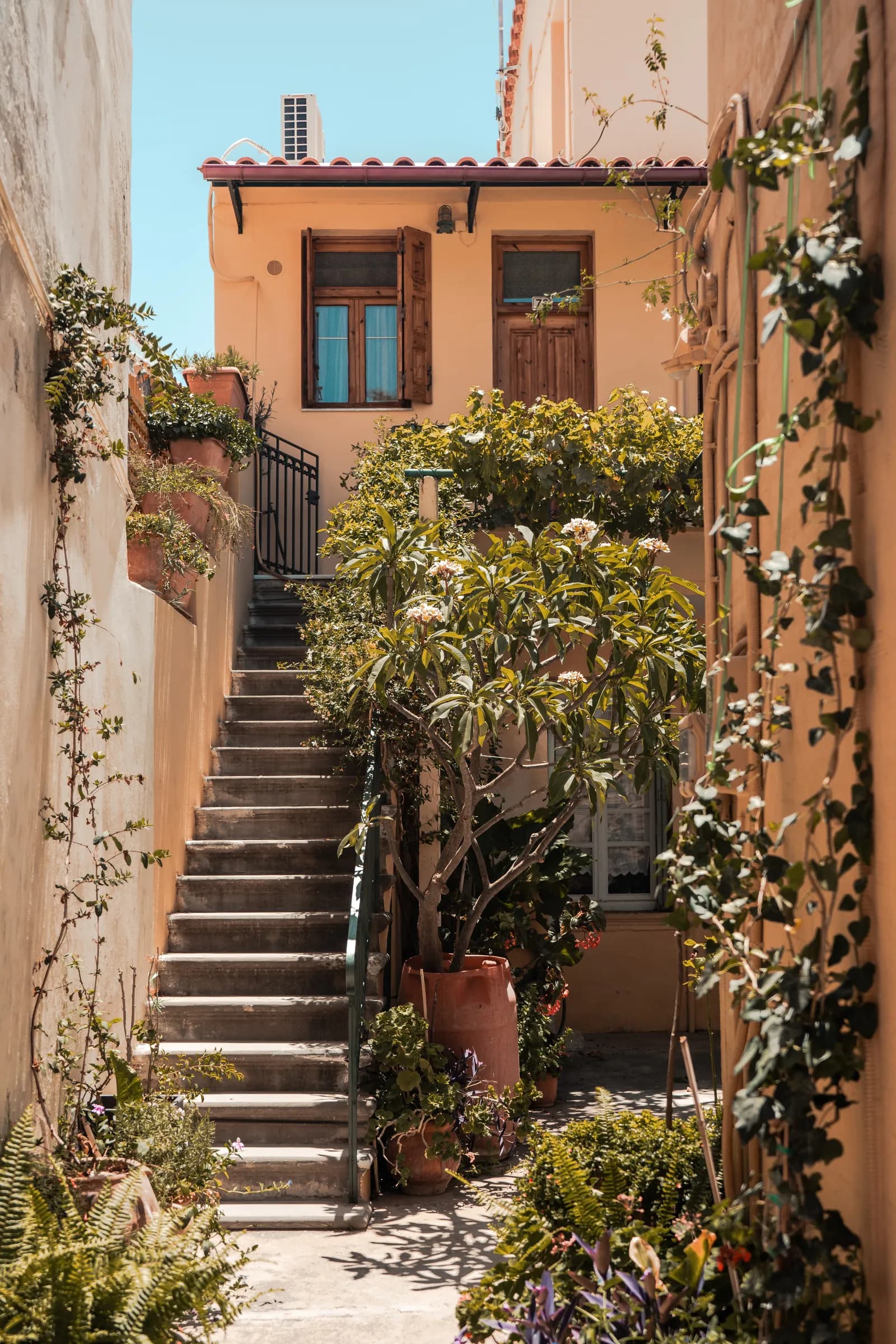
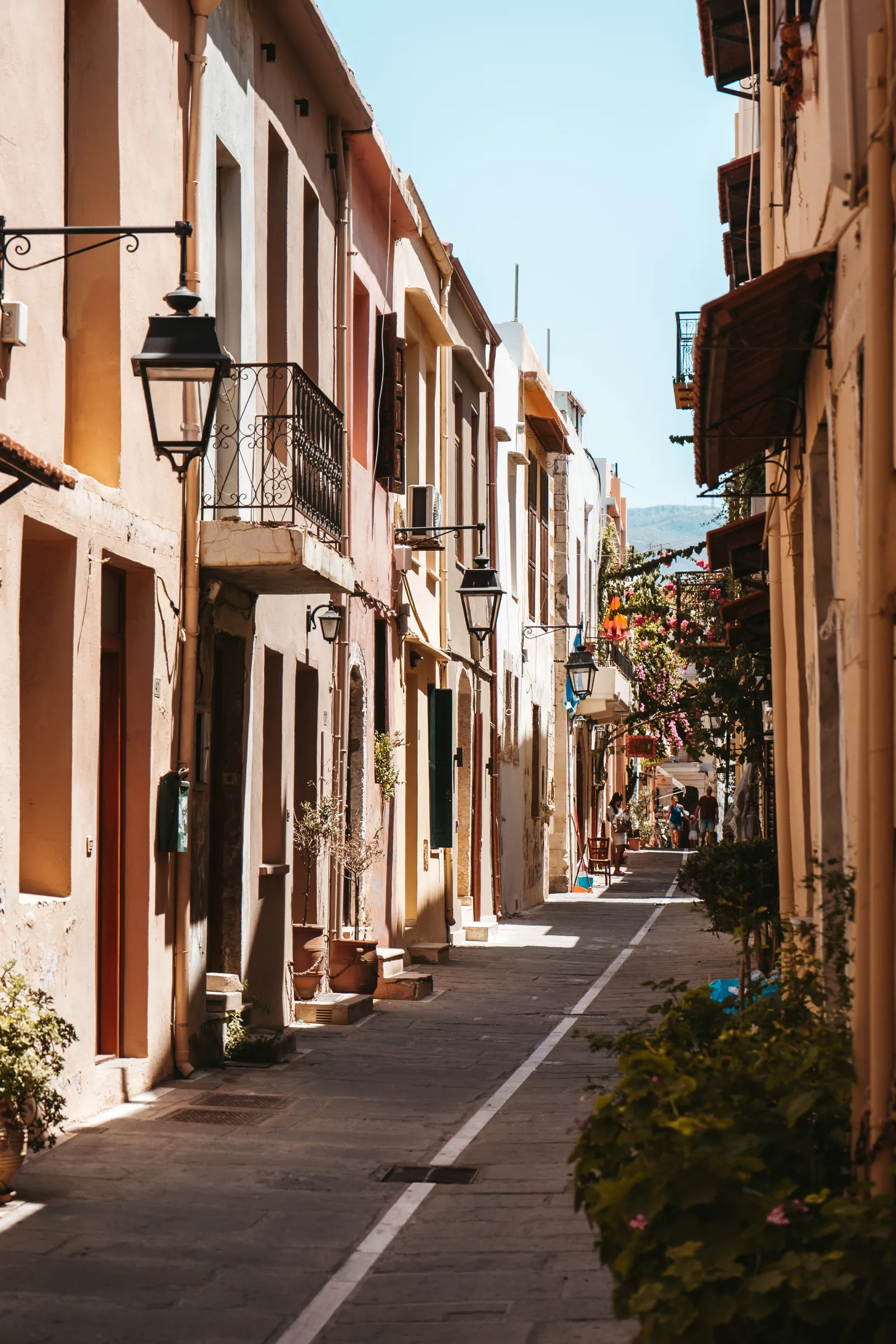
Winter is the best season for wandering around Chania's old town: the Venetian harbour, the Splantzia quarter and the lanes of Topanas are free of crowds. The Agora, the covered market under restoration, has announced it will reopen on 4 December 2026; check on site. In Rethymno, the Venetian and Ottoman old town and the Fortezza can be explored on foot in half a day.
Heraklion, often snubbed in summer, takes on a different dimension in winter. 1866 Street and its market, the Morosini Fountain, the Venetian walls and the tomb of Nikos Kazantzakis can all be visited at leisure. My guide to Heraklion covers the neighbourhoods and the best addresses.
Museums and Minoan sites without the crowds
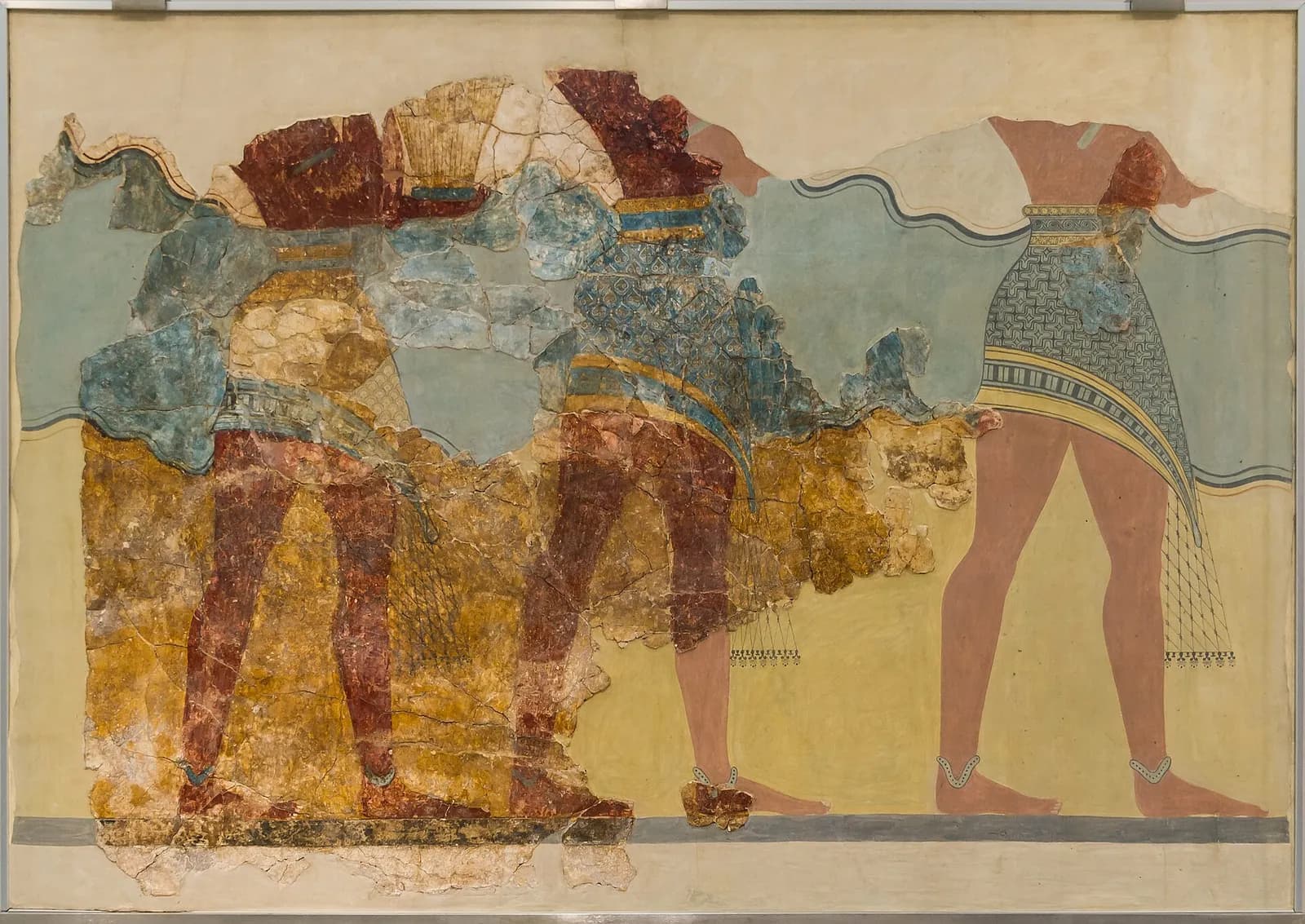
This is winter's number one selling point. In summer, the Palace of Knossos sees groups filing through from opening time; in January, you may find yourself almost alone in front of the throne room. Allow around 15 to 20 minutes by road from the centre of Heraklion (about 5 km). Then set aside two to three hours for the Heraklion Archaeological Museum, home to the frescoes and the Phaistos Disc: on a rainy day, it is the perfect refuge.
Phaistos, Malia and Gortyn, further afield, can also be visited in winter. The days are short (the sun sets around 5.15pm in December) and the sites close early: plan only one or two sites a day.
Mountain villages and the Lassithi Plateau
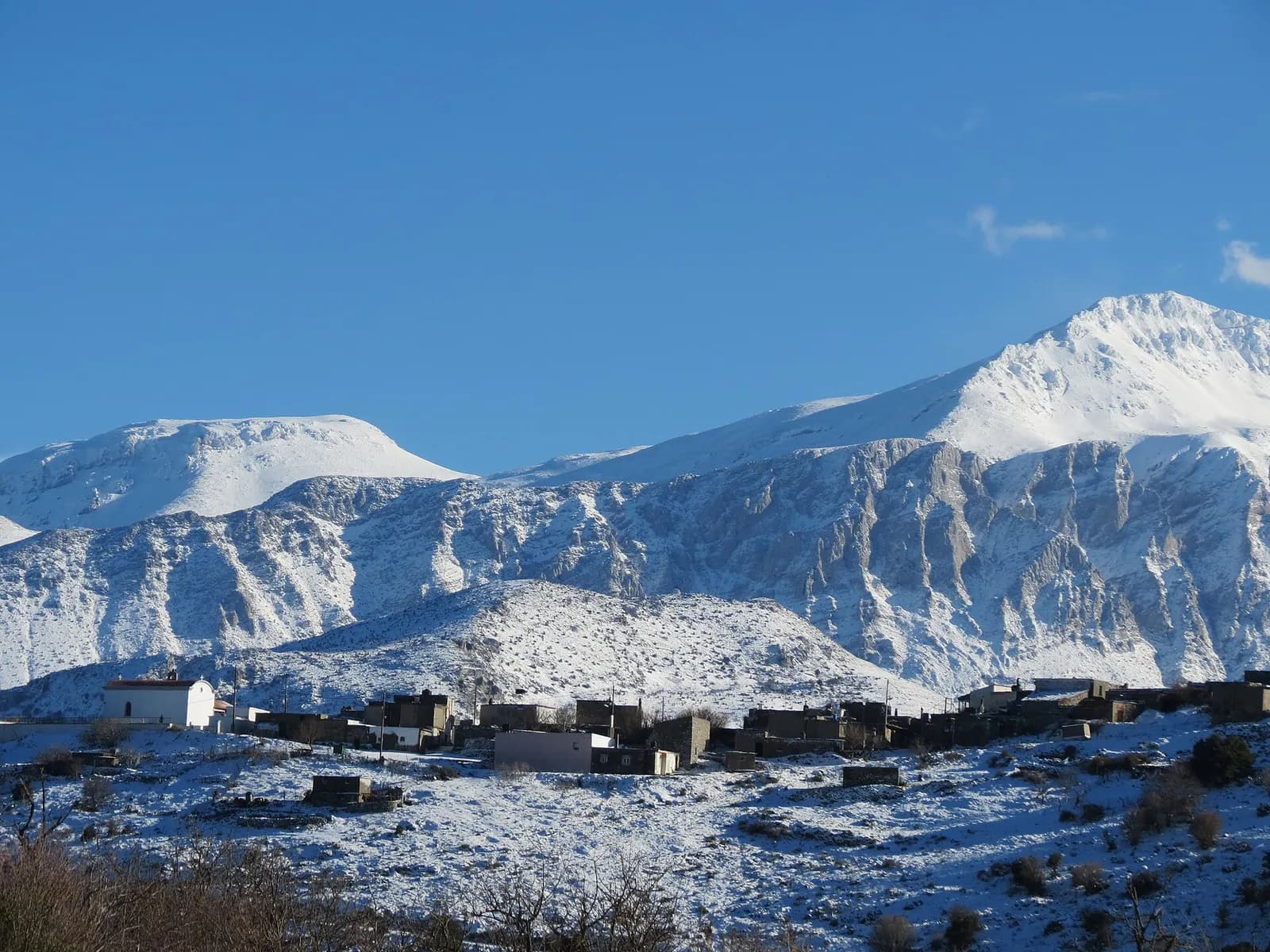
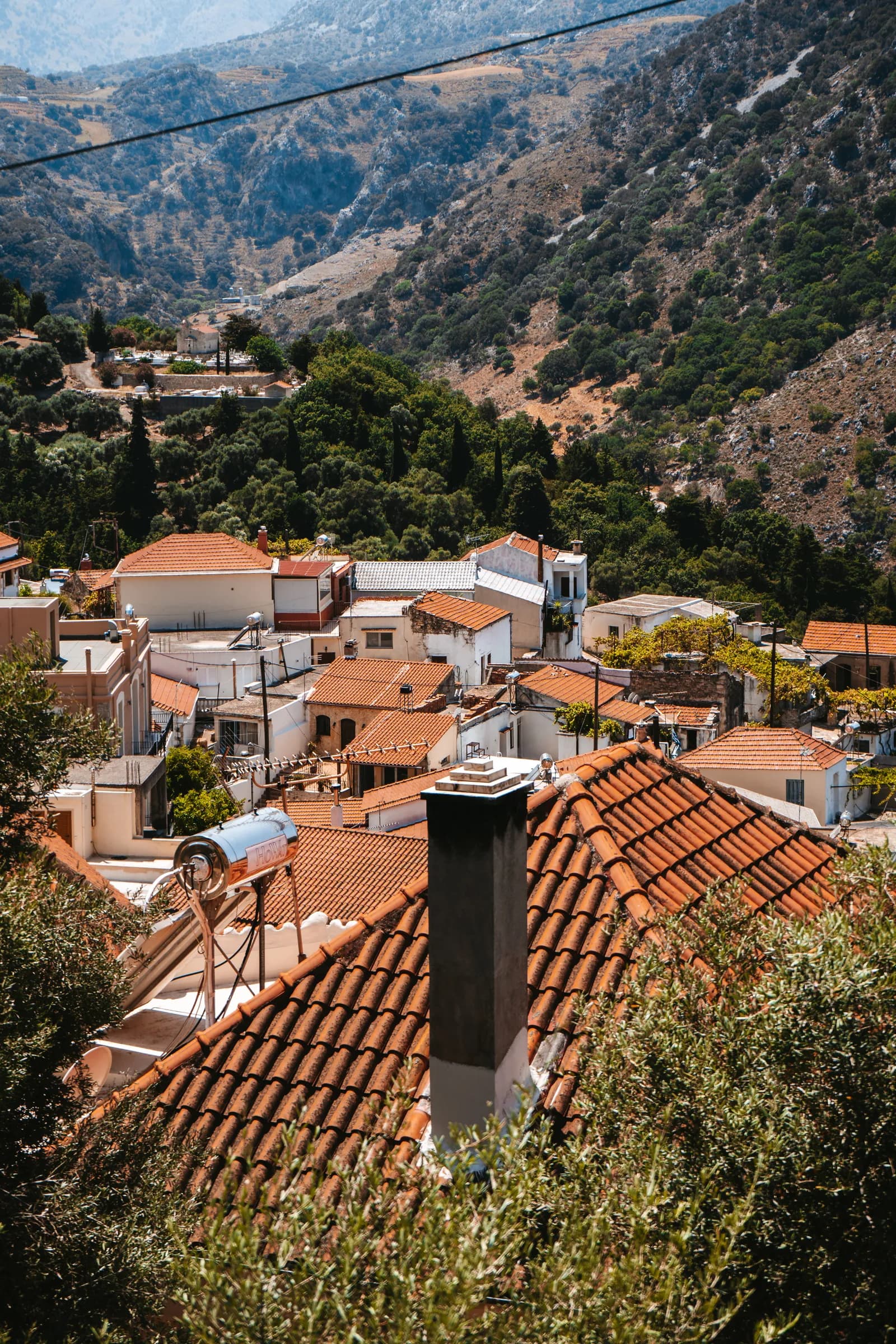
The inland villages are alive all year round. Anogia, on the slopes of Psiloritis, Archanes among the vineyards, and the villages of the Lassithi Plateau offer a rural Crete where the cafés (kafenia) are full of locals gathered around the stove. The plateau, at around 840 m above sea level, can be snowbound or partly flooded after heavy rain: snow sometimes lingers there until mid-spring. Allow about 1 hour 15 minutes by road from Heraklion. The Cave of Zeus at Psychro, which reopened on 29 May 2026, is open there from 8.30am to 3.30pm, except on Tuesdays.
Coastal hiking
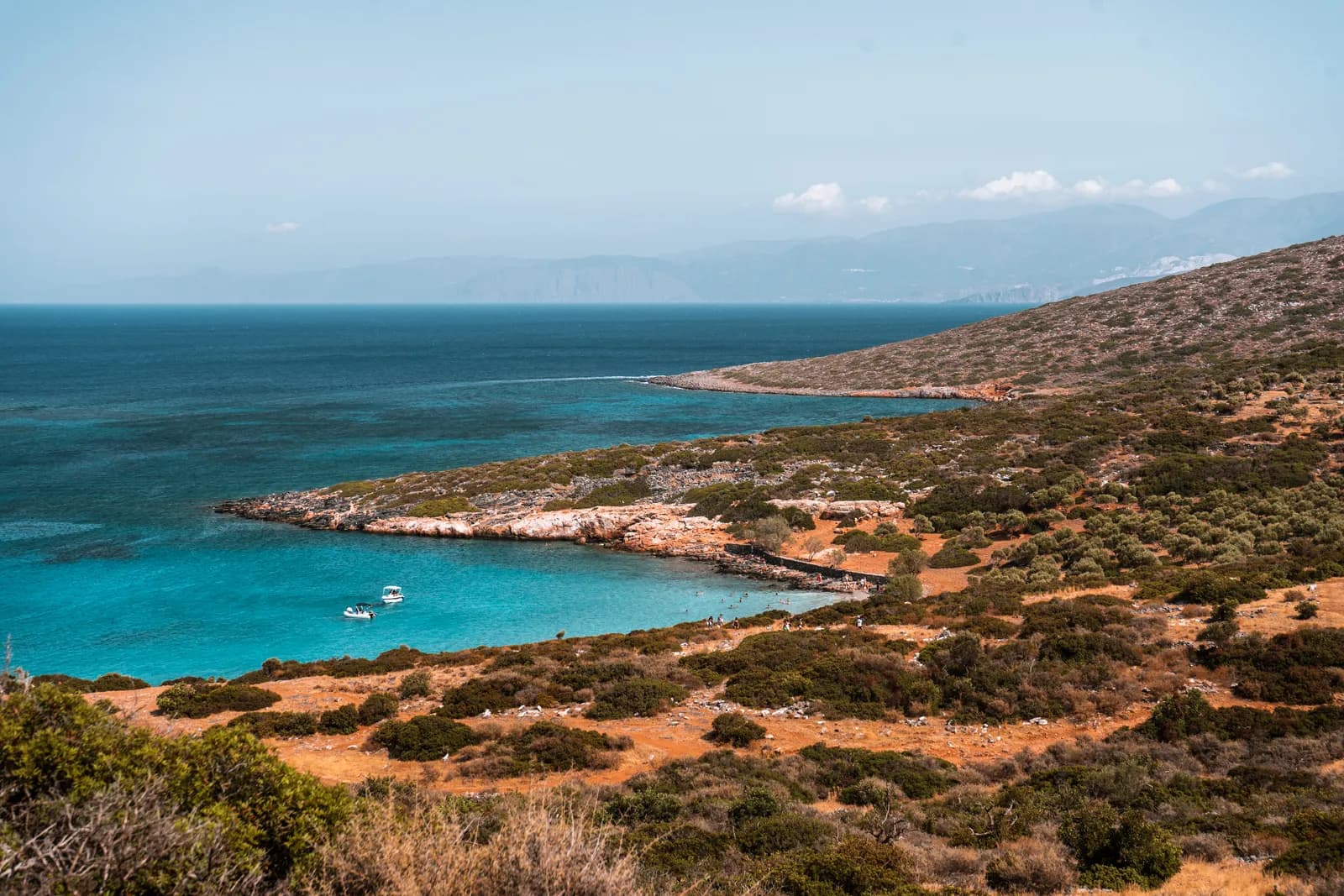
Samaria is closed, but winter is still a good season for walking the coastal paths and smaller gorges, as long as you pick a dry day. Avoid gorge beds just after heavy rain: flash floods can strike suddenly. The Akrotiri peninsula near Chania, or the area around Agios Nikolaos and Mirabello Bay, are well suited to half-day walks.
DiscoverCars
Car rental comparison in 150+ countries
Compare prices from Hertz, Avis, Sixt and local providers. All fees included, free cancellation. Rated 4.6/5 on Trustpilot.


The olive harvest and raki
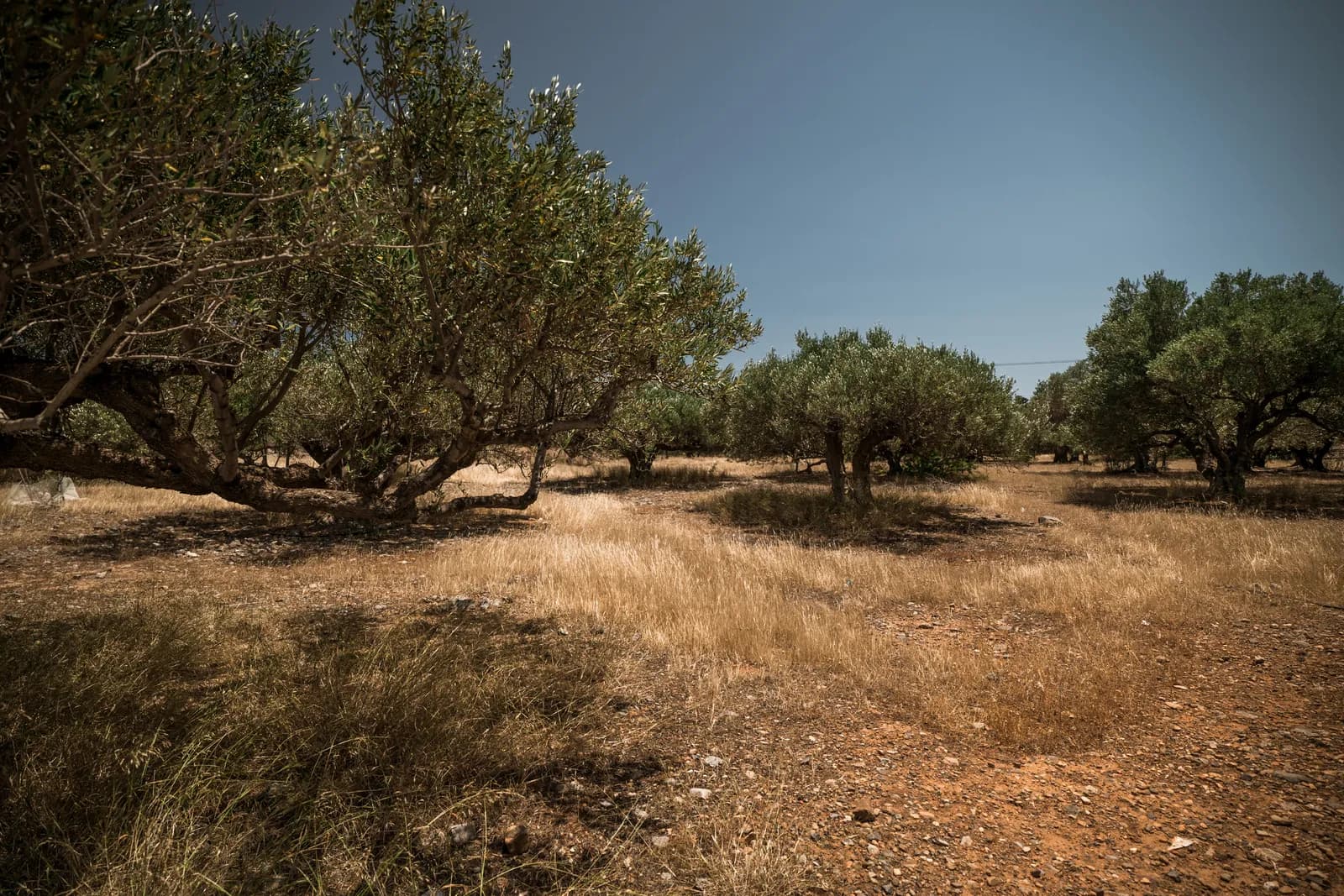
From November to January, Cretan families harvest their olives: nets stretched under the trees, beating poles, sacks piled up by the roadside and constant trips to the presses. Many olive mills run at full capacity, and some producers or cooperatives offer tours and tastings of the new oil. It is also the ideal season to go and see the ancient olive tree of Vouves, near Kolymvari, in a landscape of olive groves in full swing.
The kazanemata, those evenings around the still where raki (tsikoudia) is distilled from grape pomace, usually take place from October to December depending on the village. The easiest way to attend one is to ask your host whether they know a distiller who welcomes visitors. In winter, also try rakomelo, raki warmed with honey and spices.
Winter festivals and traditions
Christmas and New Year in Crete
Christmas is mostly a family affair, but the towns light up from early December, with decorations on the squares and harbours. On the eves of Christmas, New Year and Epiphany, children go from house to house and shop to shop singing the kalanda (carols), often accompanied by a triangle. Do not be surprised if a small group walks into your café to sing: custom has it that you give them a coin.
On the evening of 31 December or on 1 January, people share the vasilopita, St Basil's cake, which hides a lucky coin. Whoever finds it in their slice will have luck all year. Bakeries sell them everywhere at the end of the year, and many businesses, associations and cafés cut their own in January.
Epiphany, on 6 January
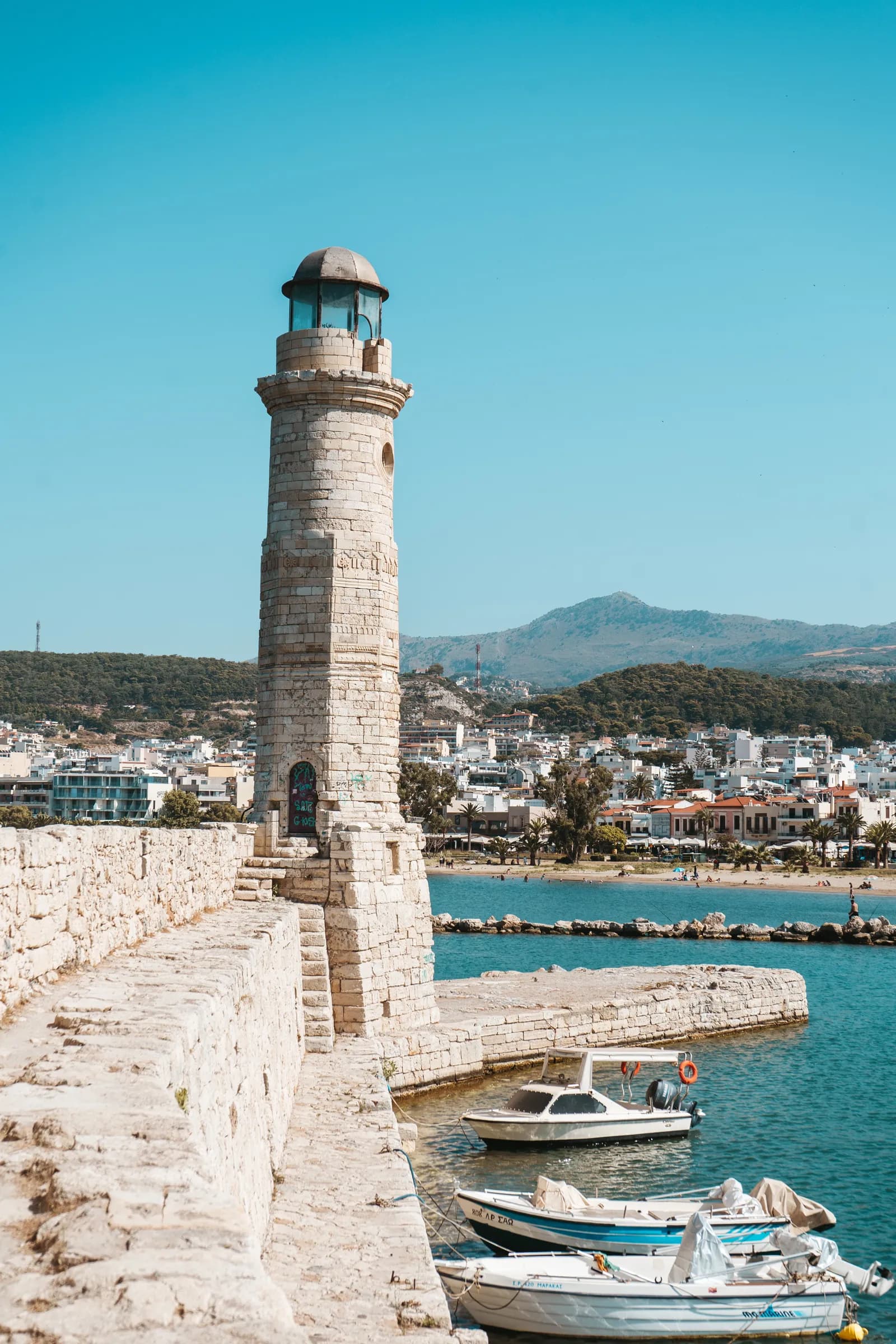
On 6 January, a public holiday in Greece, Crete's harbours host the blessing of the waters. After mass, the priest throws a cross into the sea and volunteers dive in to retrieve it; whoever brings it back receives a special blessing. The ceremony takes place in most harbours, from Chania to Agios Nikolaos: ask locally for the time, usually in the late morning.
The Rethymno carnival
The Rethymno carnival is the biggest in Crete. For several weeks, the town hosts a treasure hunt, parades and neighbourhood parties, building up to the grand parade on the Sunday before Clean Monday (Kathara Deftera), the first day of Orthodox Lent. In 2026, the grand parade took place on Sunday 22 February. In 2027, with Orthodox Easter falling on 2 May, Clean Monday will be on 15 March, so the grand parade should take place on Sunday 14 March 2027. The official programme is published by the town every winter: check it before booking.
Photos : Pierre Bouyer
On parade day, the town is packed: in 2026, hundreds of extra buses were laid on from Rethymno and Chania. If you want to stay in town that weekend, book early. On Clean Monday, a public holiday, Cretans picnic with their families and fly kites.
Winter does not give you the postcard Crete, it gives you the Cretans' Crete, and that is often the most endearing one.
Driving in Crete in winter
A car is still the best way to get around, especially as some KTEL buses run less often out of season. Hire prices are at their lowest, but choice is more limited at small agencies: book a few days in advance. All my tips are in my guide to hiring a car in Crete.
- Mountain roads: on the roads to the Lassithi Plateau, Anogia or Omalos, snow and ice are possible from December to March. Check the road conditions before setting off and give up if bad weather is forecast.
- Rain: after a long dry spell, the first rain makes the tarmac very slippery. Slow down, especially on bends and on the main north coast road.
- Falling rocks: common on mountain roads and cliffside routes after a spell of rain.
- Darkness: night falls early, around 5.15pm in December; plan your mountain drives in daylight.
- Approximate distances: Heraklion to Rethymno, about 80 km (1 h 10); Heraklion to Chania, about 140 km (2 h 15); Heraklion to Agios Nikolaos, about 65 km (55 min); Agios Nikolaos to Sitia, about 62 km (1 h 15).
Flights and ferries in winter
This is the main drawback of winter. From France, Belgium and Switzerland, most direct flights to Heraklion and Chania are seasonal and stop from November to March. The most common solution is to fly via Athens, then take a domestic flight (Aegean or Sky Express) to Heraklion, Chania or Sitia: allow about 50 minutes in the air.
Another option is the overnight ferry from Piraeus, which runs all year round to Heraklion and Chania (Souda port), less frequently than in summer. The crossing takes 8 to 9.5 hours, leaving around 9pm and arriving early in the morning. In stormy weather, departures can be rescheduled: leave some margin if you have a return flight to catch.
Where to stay in Crete in winter
In winter, stay in a town or a lived-in village, never in a beach resort: you could end up in an almost empty hotel surrounded by closed restaurants. Choose a place that is open all year round and check that it has proper heating (not just reversible air conditioning): Cretan houses are built for the heat, and nights can be chilly indoors.
- Chania: the most pleasant base for the west, with plenty of charming hotels in the old town that are open all year round.
- Rethymno: handy for exploring the centre of the island and for the carnival.
- Heraklion: ideal for Knossos, the museum and domestic flights, with the widest choice of hotels open in winter.
- Agios Nikolaos: a town that is lively all year round on Mirabello Bay, well placed for the east and Lassithi.
- Mountain villages: a few guesthouses open in winter, with a fireplace, in Anogia, Archanes or around Lassithi.
What budget for the low season
Winter is the cheapest time of year for accommodation and car hire. Flights, on the other hand, can cost more than in the shoulder season because of the unavoidable connection. The climate resilience tax, charged per room per night, drops sharply from November to March.
| Item | Low season (November to March) | Comment |
|---|---|---|
| Climate tax | €0.50 to €4 per night | Compared with €2 to €15 from April to October |
| Mid-range hotel in town | Lowest prices of the year | Frequent deals outside the holidays and carnival |
| Hire car | Around €20 to €35 a day | The lowest price of the year |
| Knossos / Heraklion museum | €20 each | Same prices in winter |
| Flights | Variable | Often with a connection in Athens |
Chapka Insurance
Travel with peace of mind with the best travel insurance
Stay covered in every situation with the best insurance for your next trip.

Winter in Crete: who is it for?
If you dream of beaches and swimming, winter is not for you: aim for late spring or September instead. If, on the other hand, you love museums, archaeology, food, markets and lively towns, Crete from November to March has a great deal to offer, at low prices and without the crowds. Pack rainwear, a light down jacket for the evenings and the mountains, and a flexible plan so you can make the most of the sunny days.
To go further, discover the whole island in our guide to Crete and in the complete guide to Crete, which covers beaches, villages and road trip itineraries for when you come back in the warmer months.
Frequently asked questions
The Cretan winter alternates between sunny days and rainy spells. In Heraklion, highs hover around 15 to 17°C from December to March, with 7 to 10 rainy days a month. It is colder in the mountains, where snow is common.
The sea is still around 20°C in early November, but it drops to 16 or 17°C from January to March. Swimming is still possible for the hardiest on calm days, but the beaches no longer have any services.
Yes, the Palace of Knossos is open all year round, with reduced hours from November to March. It is open from 8am to 5pm; entry costs €20 (€10 reduced). It is closed on certain public holidays, including 25 December and 1 January.
No, Spinalonga island is only open from 1 April to 31 October. From November to March, you can only glimpse it from the shore at Plaka or from the Elounda road.
The grand parade takes place on the Sunday before Clean Monday. In 2027, Clean Monday falls on 15 March, so the grand parade should take place on Sunday 14 March. The official programme is published every winter by the municipality.
Very few from French-speaking countries: most direct flights to Heraklion and Chania are seasonal, from April to October. In winter, the most common route is via Athens, followed by a domestic flight of about 50 minutes or the overnight ferry from Piraeus.
Sources and fact-checkingInformation checked on 7 October 2026 · 16 sources consulted
- Wikipedia (anglais) : Heraklion, normales climatiques de l'aéroport 1991 à 2020 (Observatoire national d'Athènes, OMM)
- Wikipedia (anglais) : Mount Ida (Crete), altitude du Psiloritis
- Wikipedia (anglais) : Lefka Ori, sommet Pachnes et enneigement
- Wikipedia (anglais) : Lasithi Plateau, altitude et hiver
- Ministère grec de la culture, Odysseus : horaires des sites et musées
- Crete.direct : horaires d'hiver et tarifs de Knossos 2026
- Dave's Travel Pages : horaires d'hiver et jours de gratuité de Knossos
- Argophilia : horaires d'hiver du musée archéologique d'Héraklion
- Site officiel de Spinalonga : saison d'ouverture
- To Vima : réouverture des gorges de Samaria pour la saison 2026
- Argophilia : carnaval de Réthymnon 2026, grande parade du 22 février
- Wikipedia (anglais) : Clean Monday, date 2027
- Wikipedia (anglais) : Vasilopita
- Wikipedia (anglais) : Kalanta
- Wikipedia (anglais) : Epiphany, bénédiction des eaux en Grèce
- Greek City Times : barème de la taxe de résilience climatique

Âme Bohème exists thanks to you
Some links in this article are affiliate links. This means that if you book or purchase a product through these links, we receive a small commission, at no extra cost to you. It's thanks to this support that we can continue creating free, quality content.
You can also buy us a coffee, or follow us on Instagram and Facebook.