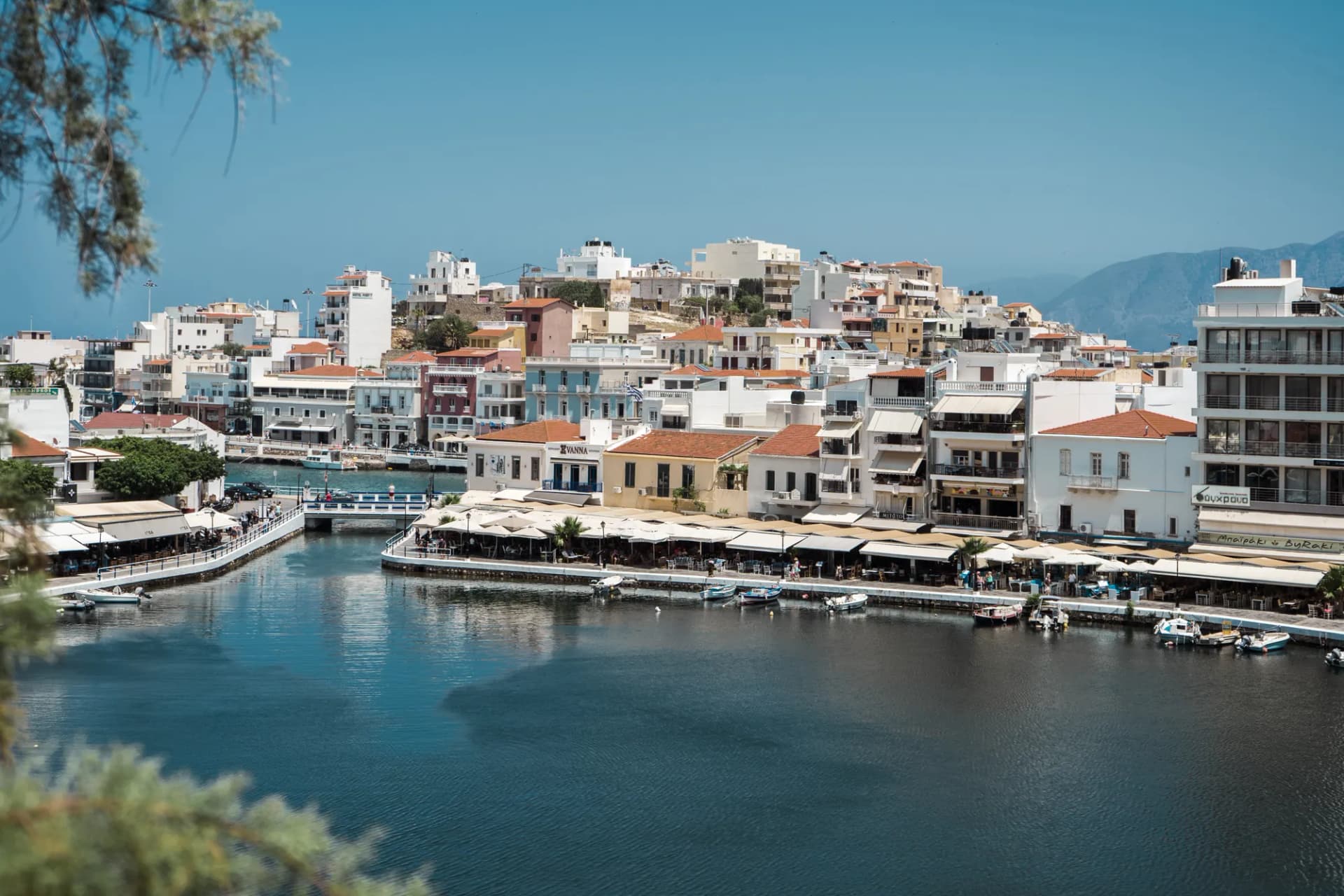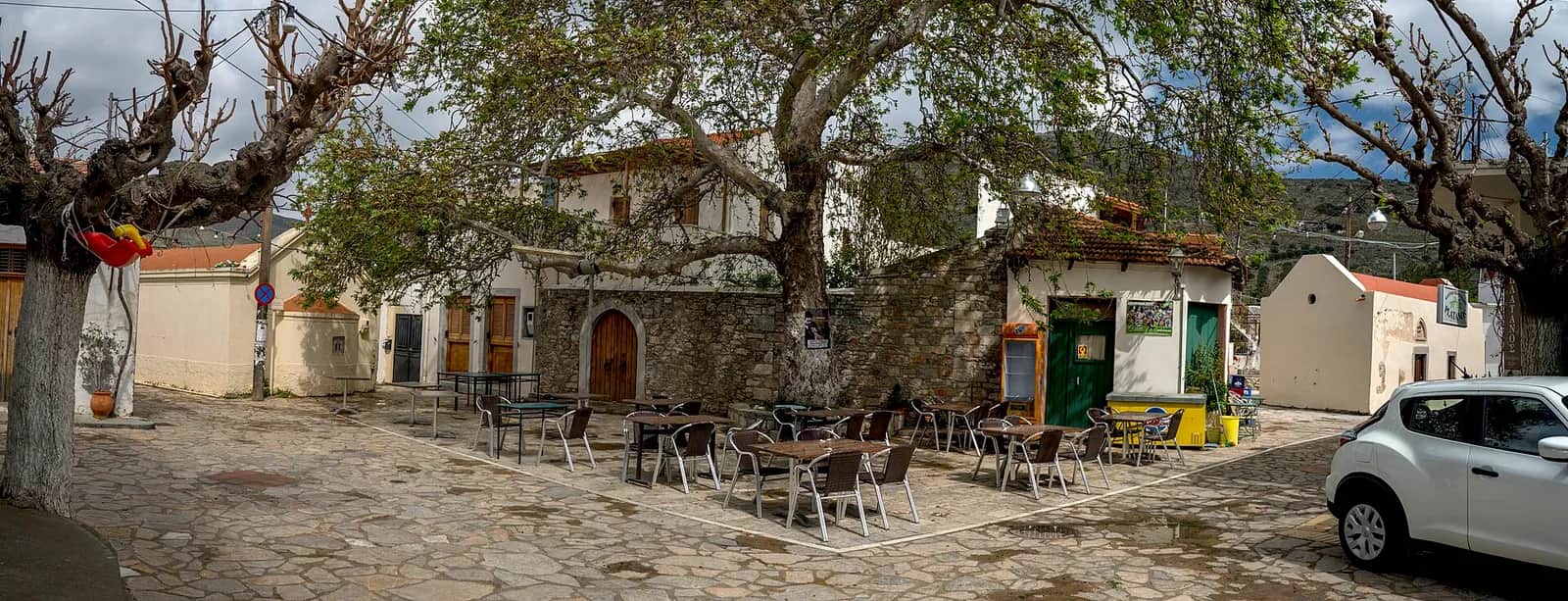

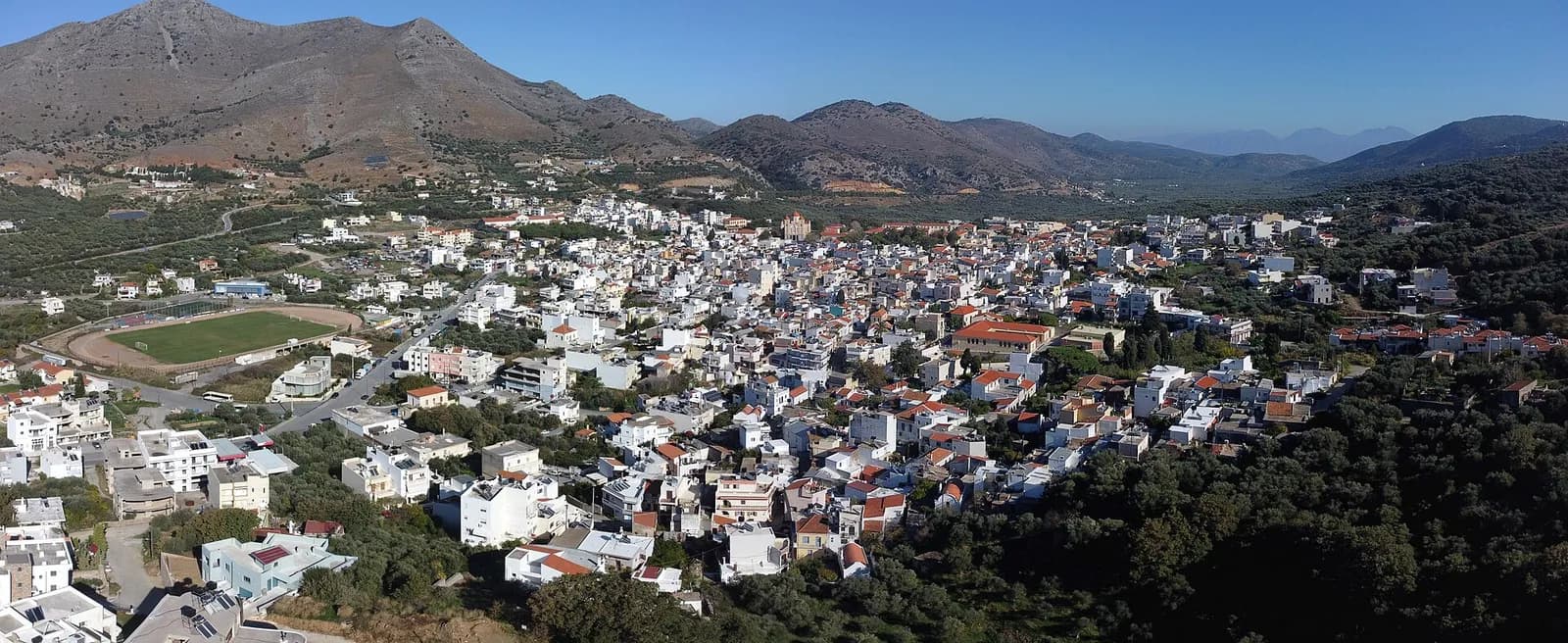
Drive inland from Elounda and, within a few bends, the road leaves the seafront hotels behind and enters a valley blanketed in olive trees. At the end of it, at 320 m, sits Fourni, in Crete: 197 residents at the last census, stone houses, a square, a few tavernas and a surprising number of churches. It isn't a tourist attraction, it's a village that lives at its own pace, and that's exactly what makes it such an interesting base for exploring the east of the island.
One thing to clear up before going any further: this Fourni has nothing to do with the island of Fournoi (often spelt Fourni), a small Aegean archipelago near Ikaria and Samos, part of the North Aegean region. Nor should you confuse it with the Minoan cemetery of Fourni, near Archanes, south of Heraklion. Here, we're talking about the village in the Lassithi region, between Elounda and Neapoli.
In full transparency: we restored the village's old kafeneio there, and we rent it out to travellers. This is still the guide I would write for any village: what there is to see, what there isn't, and how to organise your stay.
Where Fourni is, and what the village is like
Fourni sits in a fertile valley in the Epano Mirabello area, in the north-east of Crete. The village shares this hollow with its neighbour Kastelli, a few hundred metres away. Administratively, it belongs to the municipal unit of Neapoli, within the larger municipality of Agios Nikolaos, even if, for travellers, it is first and foremost “above Elounda”.
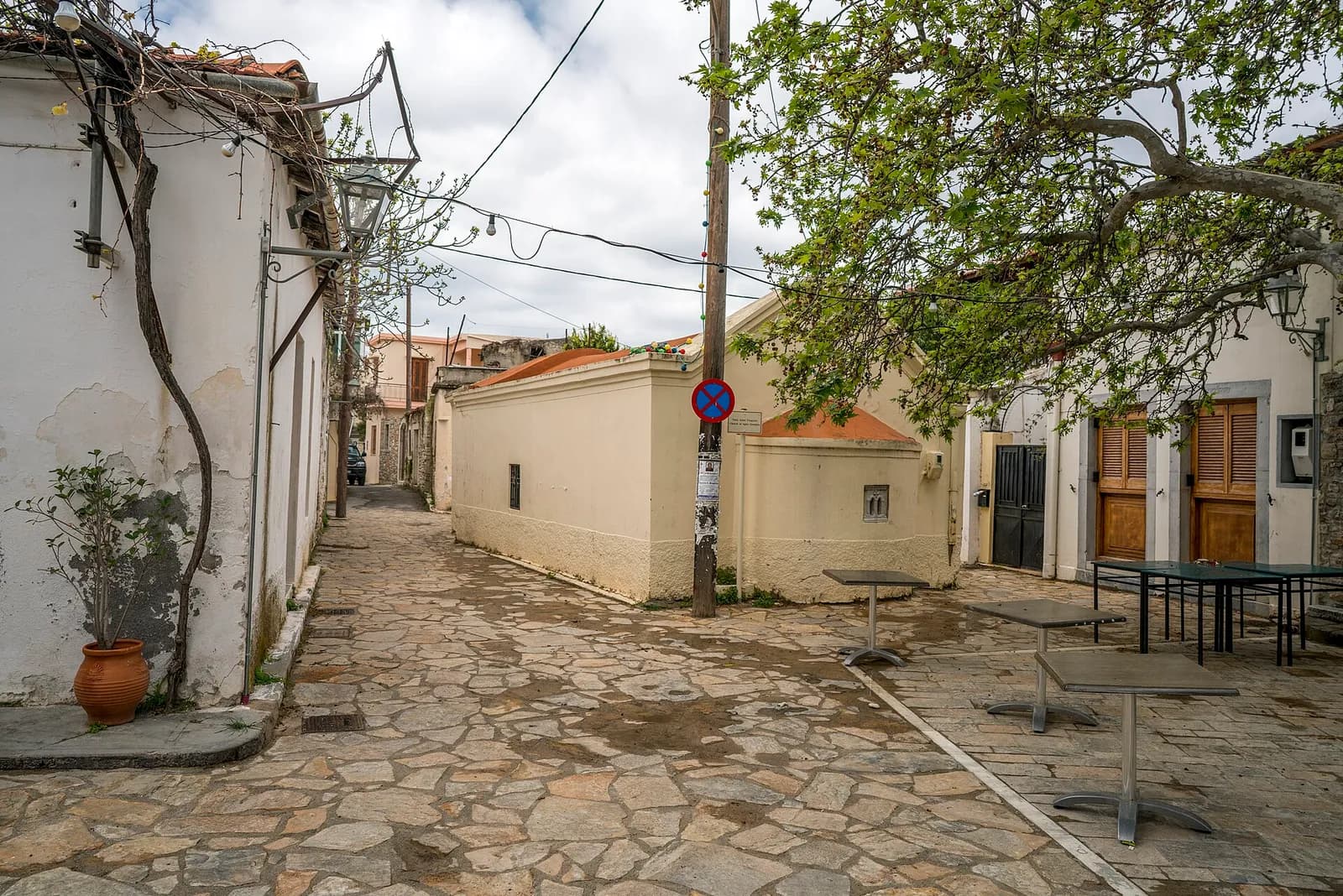
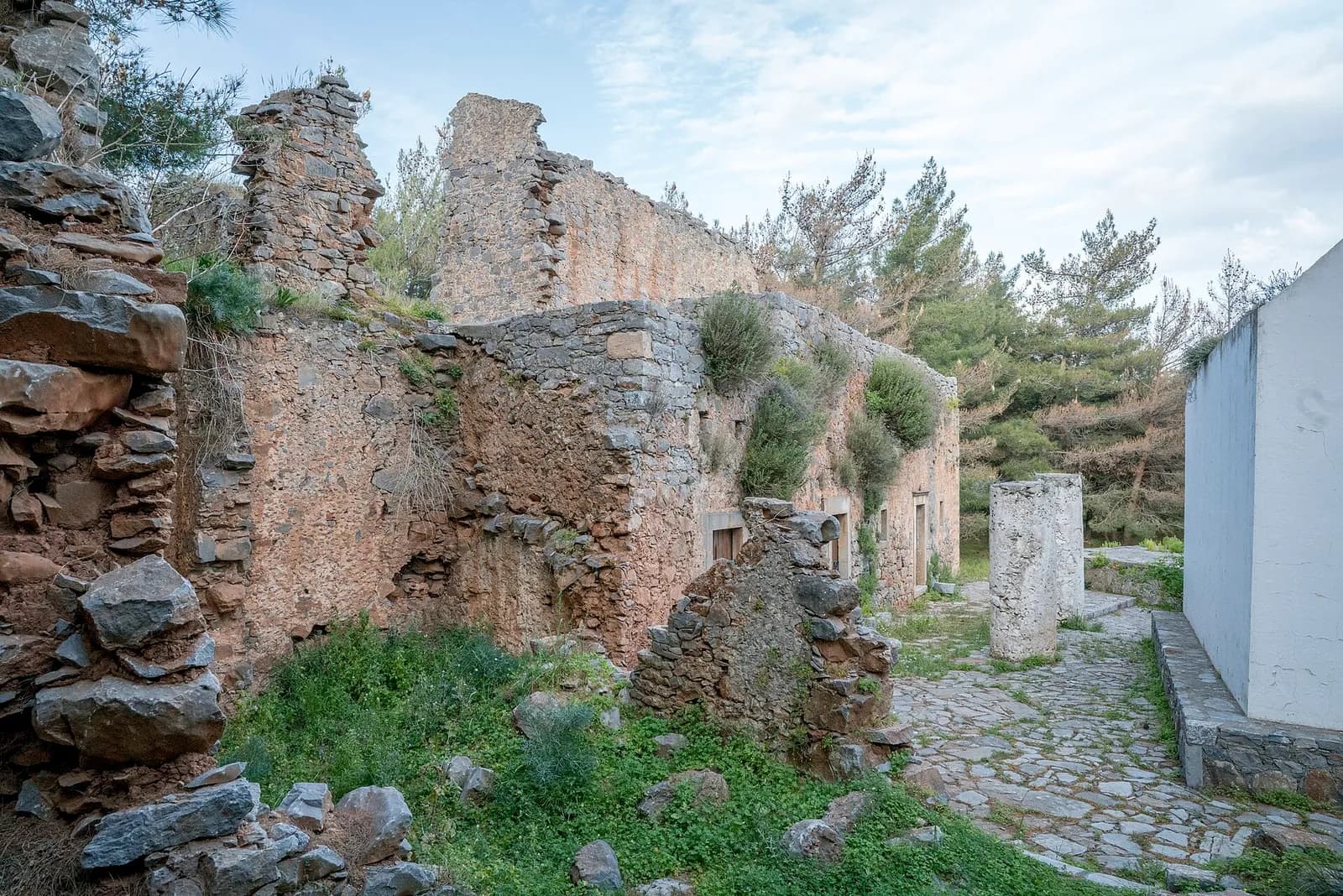
The village's history explains its slightly scattered shape. There were once three hamlets: Kastelli, Upper Fourni and Lower Fourni (also called Abramochori). In 1930, the two Fournis merged into a single village. In 1998, the whole area was listed as a “traditional settlement”, which regulates building work and explains why the lanes have kept their stone façades.
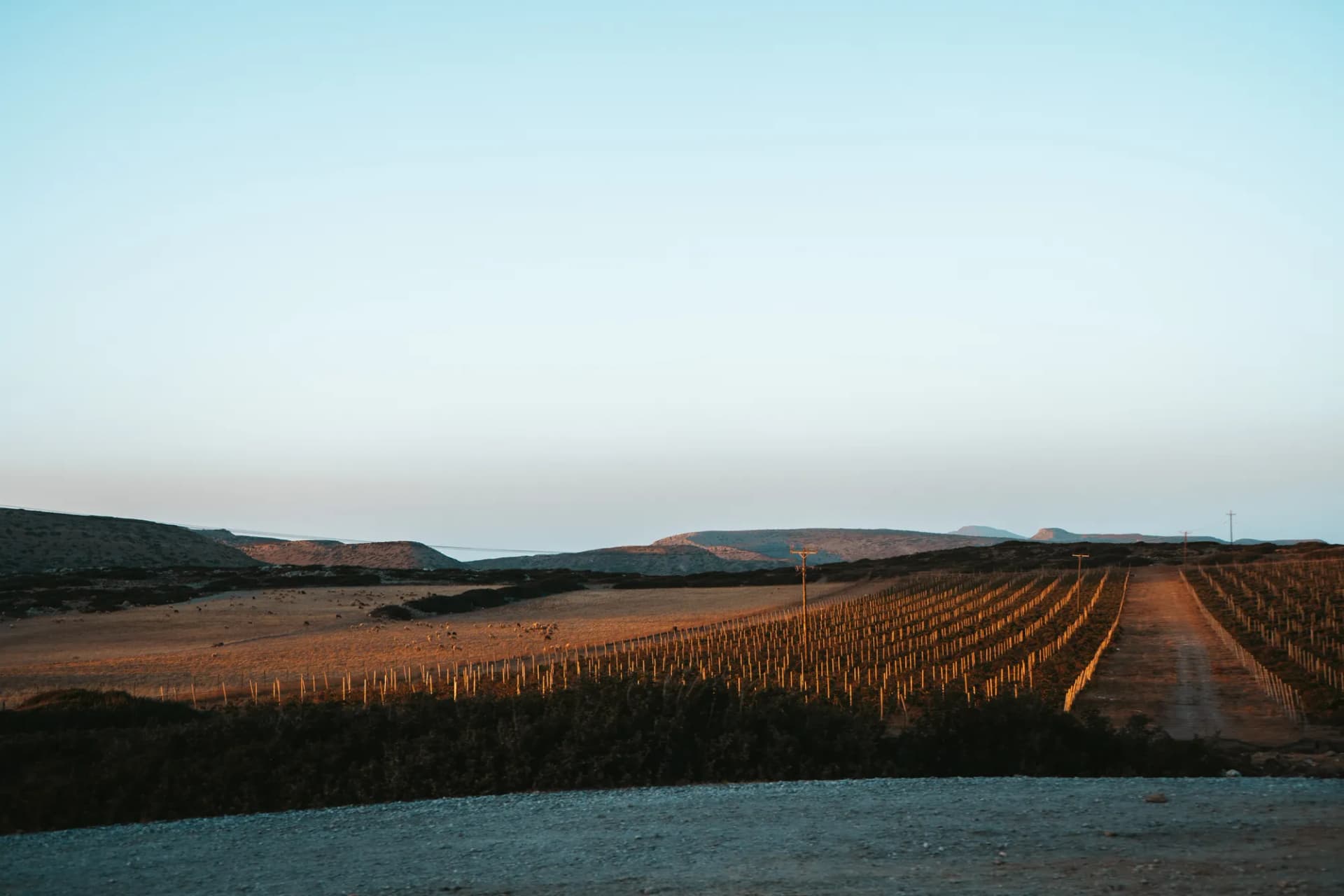
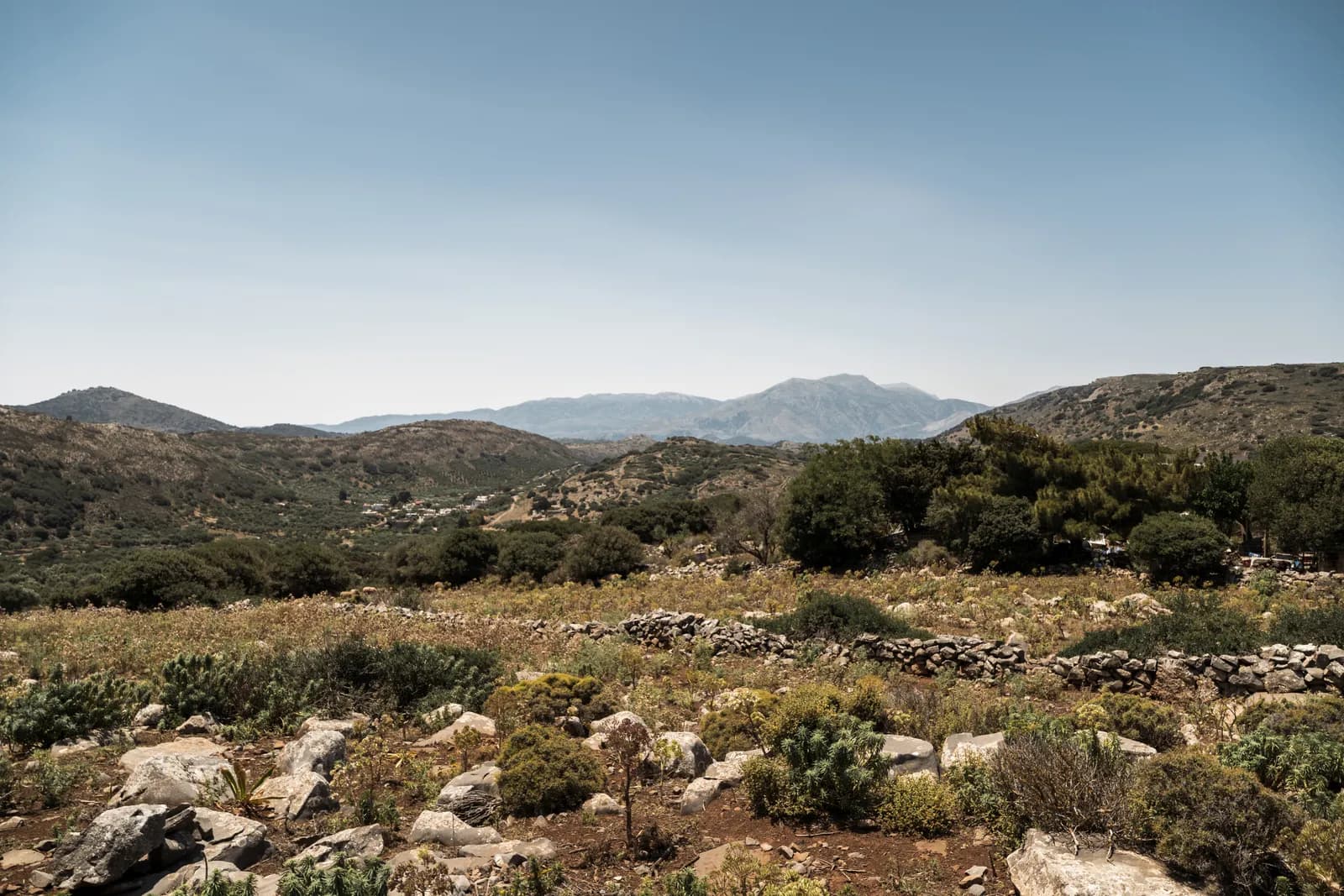
All around is the landscape of rural Crete: olive trees as far as the eye can see, dry-stone walls, a few vineyards and scrubby hills where thyme and sage grow. For a long time, the village's wealth came from its almond trees, but disease wiped most of them out; today, olives and olive oil are the main produce.
Why stay in a village rather than on the coast
Elounda and Plaka are beautiful, but in summer the coast between Agios Nikolaos and Plaka gets very busy, and prices follow. Sleeping inland is a different choice, with real advantages and a few constraints you'd better know about before booking.
What you gain
- Peace and quiet: no bar music, no traffic at night. The evening sounds are church bells, dogs and conversations on the terraces.
- Cooler evenings: at 320 m, the air cools down faster after sunset than at sea level, and stone houses hold on to the coolness well.
- Everyday Crete: you buy your bread and oil from people in the village, and you eat in tavernas where most customers are regulars.
- Gentler prices: accommodation and meals are generally cheaper than on the Elounda seafront.
What you give up
- Walking to the beach: the sea is a 15 to 20 minute drive away, no more, but no less either.
- Choice: a handful of tavernas and kafeneia, no shopping street. For a supermarket, a pharmacy or a cash machine, you head down to Neapoli or Elounda.
- Getting around without a car: without your own wheels, a stay quickly becomes complicated (see below).
If you're still torn between the coast and the hills, our guide to Crete in summer compares the different bases in the east of the island, including the Elounda, Plaka and Fourni triangle.
Village life: the square, the tavernas and the olive oil
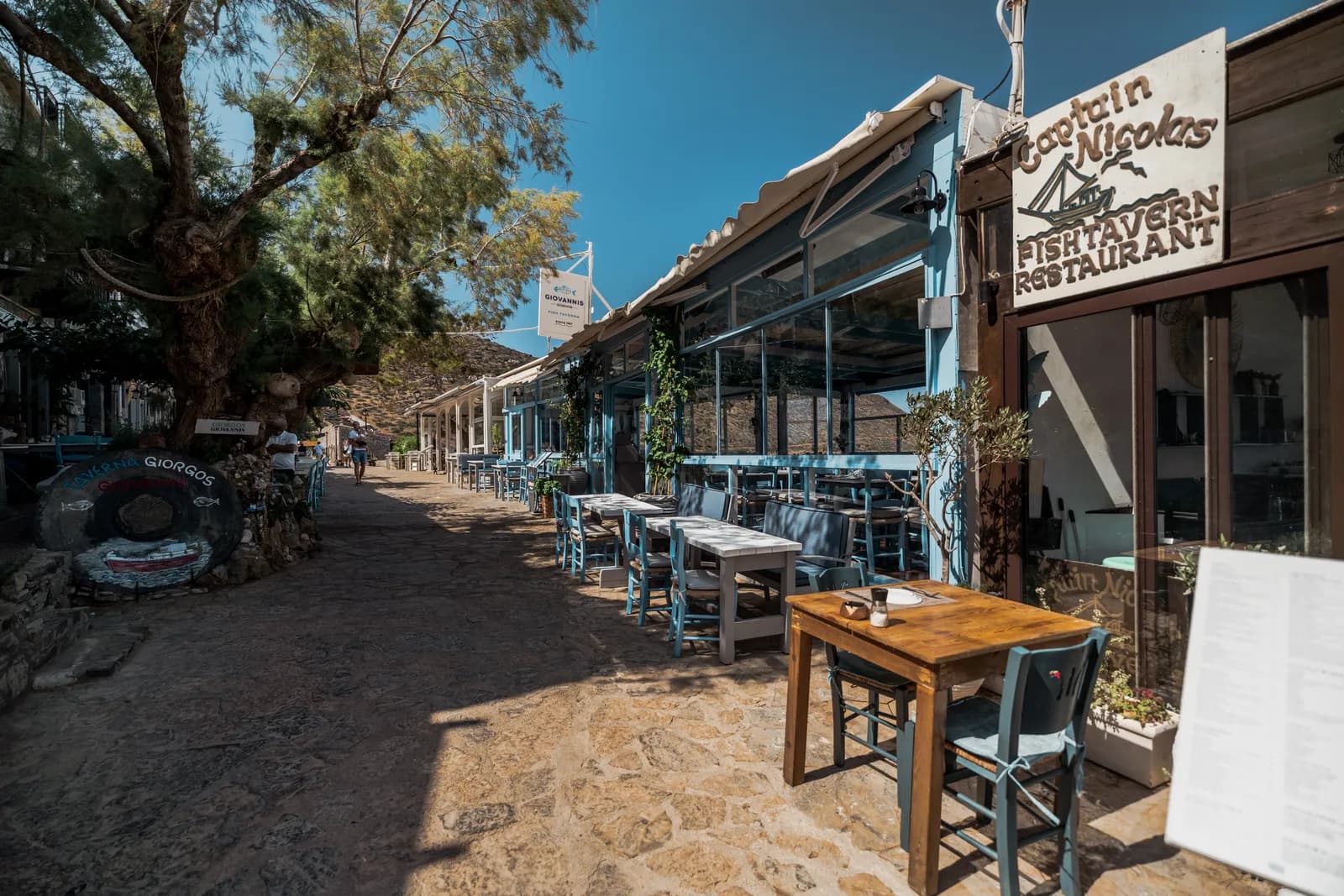
As in most Cretan villages, everything happens around the square and its kafeneia. The kafeneio is the traditional café: a place to drink a Greek coffee, catch up on the news, play tavli (the local backgammon) and discuss the harvest. In the morning, the regulars are mostly older men; on summer evenings, families settle on the terraces and the tavernas serve simple Cretan food: vegetables from the garden, grilled meat, local cheeses and plenty of olive oil.
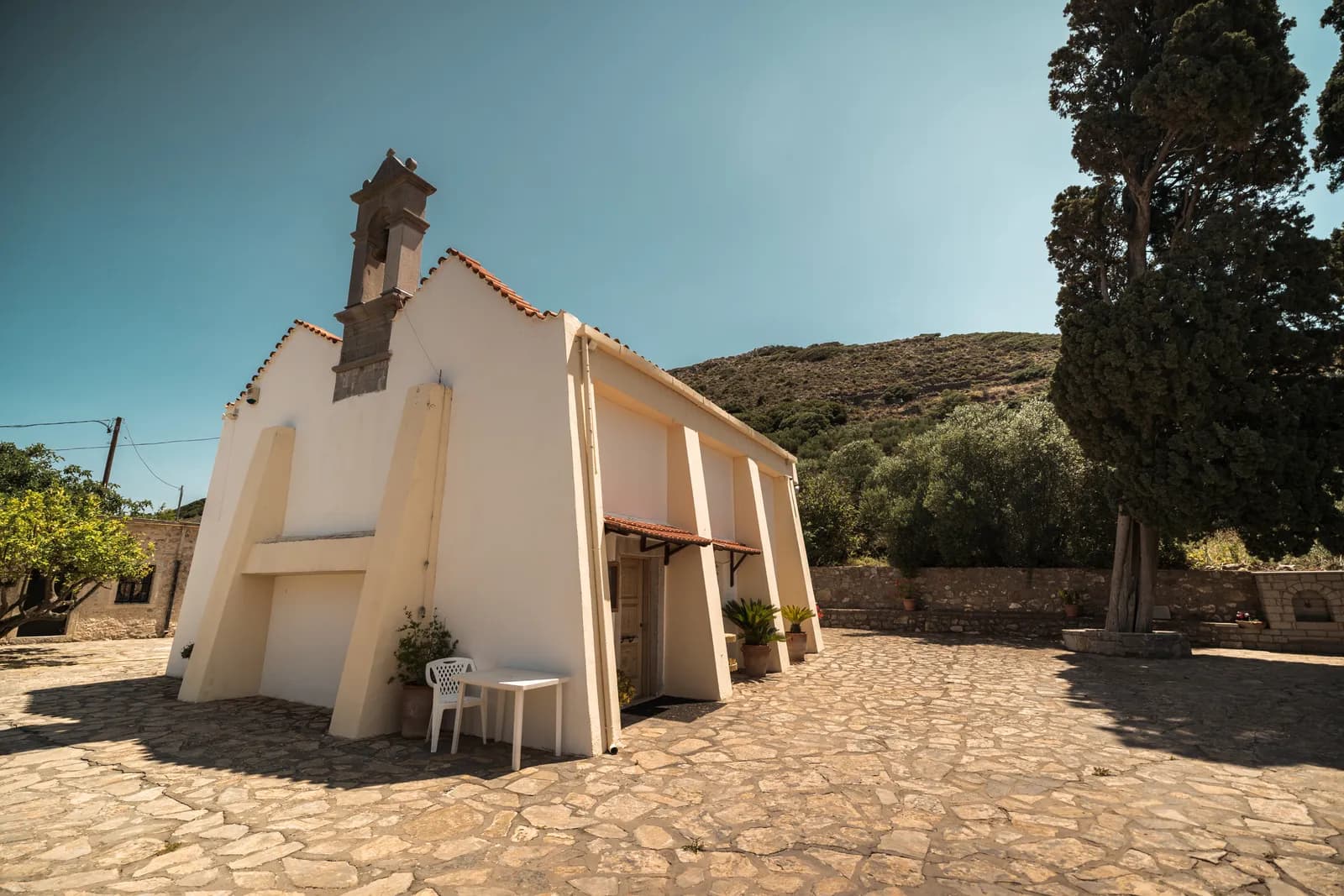
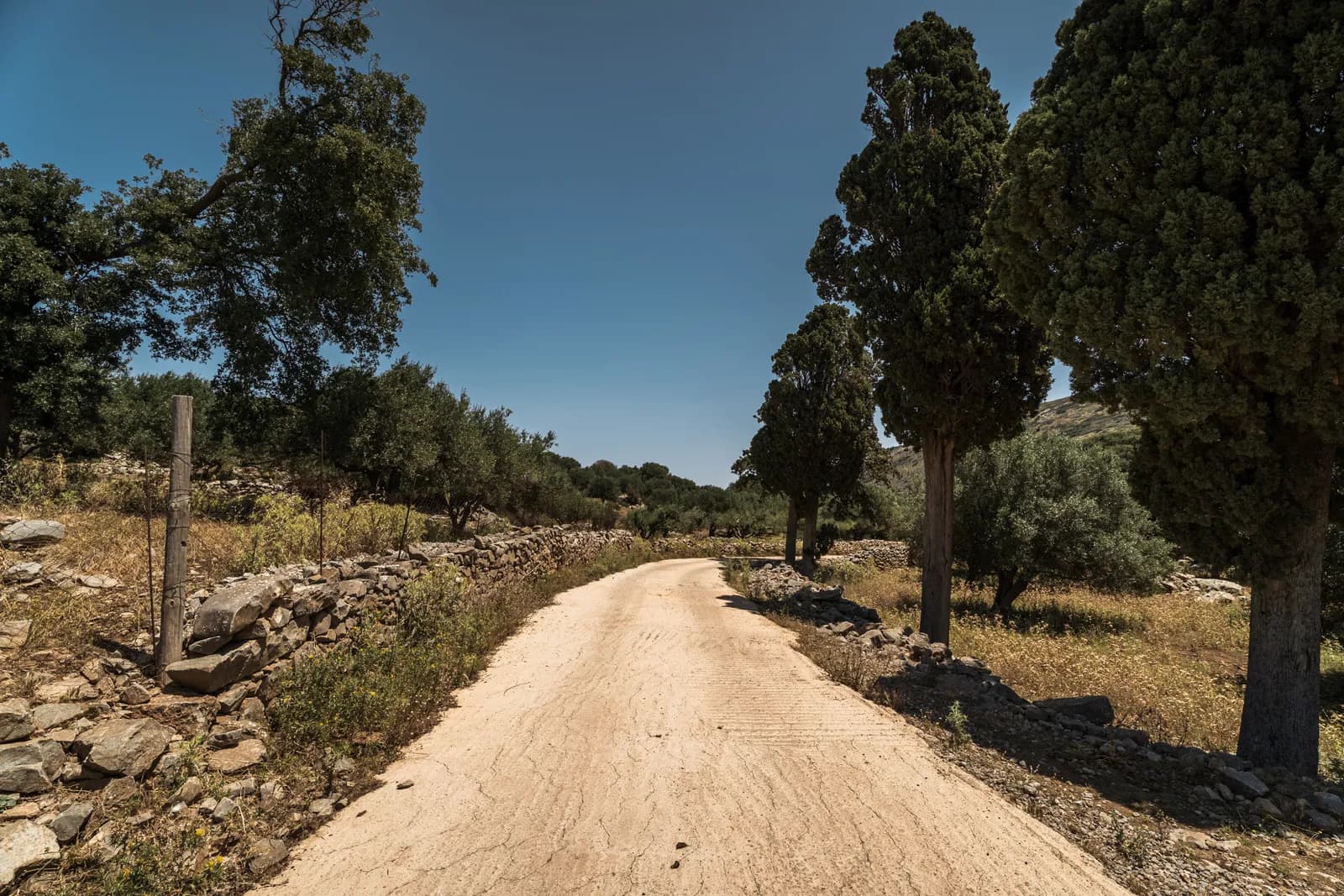
Photos : Pierre Bouyer
The olive tree sets the rhythm of the year. The harvest usually starts in late autumn and carries on through the winter: come in November or December and you'll see nets spread under the trees and the bustle around the region's olive mills. It's also the best time to buy new-season oil straight from the producers. To grasp just how much the olive tree is part of Cretan identity, a detour to the ancient olive tree of Vouves, at the other end of the island, rounds off a stay here nicely.
Festivals and the religious calendar
In Crete, every church celebrates its saint, and these feasts (the panigyria) are often an excuse for a communal meal, music and dancing, especially in summer. Fourni has a particular claim: it is the birthplace of Saint Maria Methymopoula, a neomartyr killed around 1826, under Ottoman rule. The bicentenary of her death was celebrated in the village on 30 April and 1 May 2026, under the aegis of the Metropolis of Petra and Chersonissos.
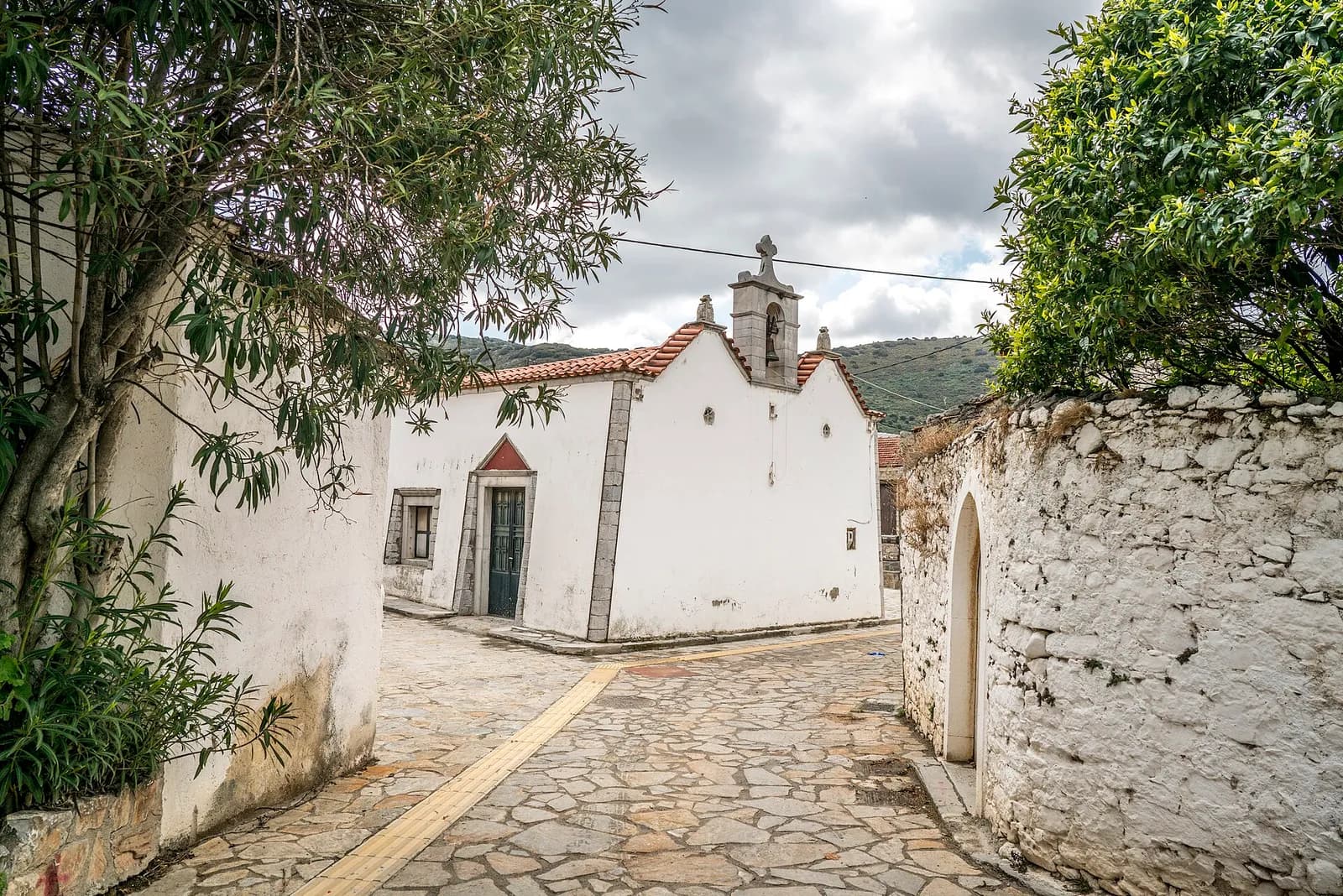
The other date to remember is 8 September, the feast of the Nativity of the Virgin at the Panagia Kerapolitissa, the former monastery between Fourni and Kastelli. And on 15 August, the feast of the Virgin in Neapoli, 7 km away, brings together musicians, traditional dancers, a market and a torchlit procession into the mountains. The dates of the smaller chapel feasts change little from one year to the next, but ask locally: the residents are the ones who know.
Churches and monasteries around Fourni
The Fourni and Kastelli valley has so many churches and former monasteries that it's sometimes nicknamed “the Mount Athos of Crete”. Most are small and often locked outside services, but the walks between them are one of the pleasures of a stay here.
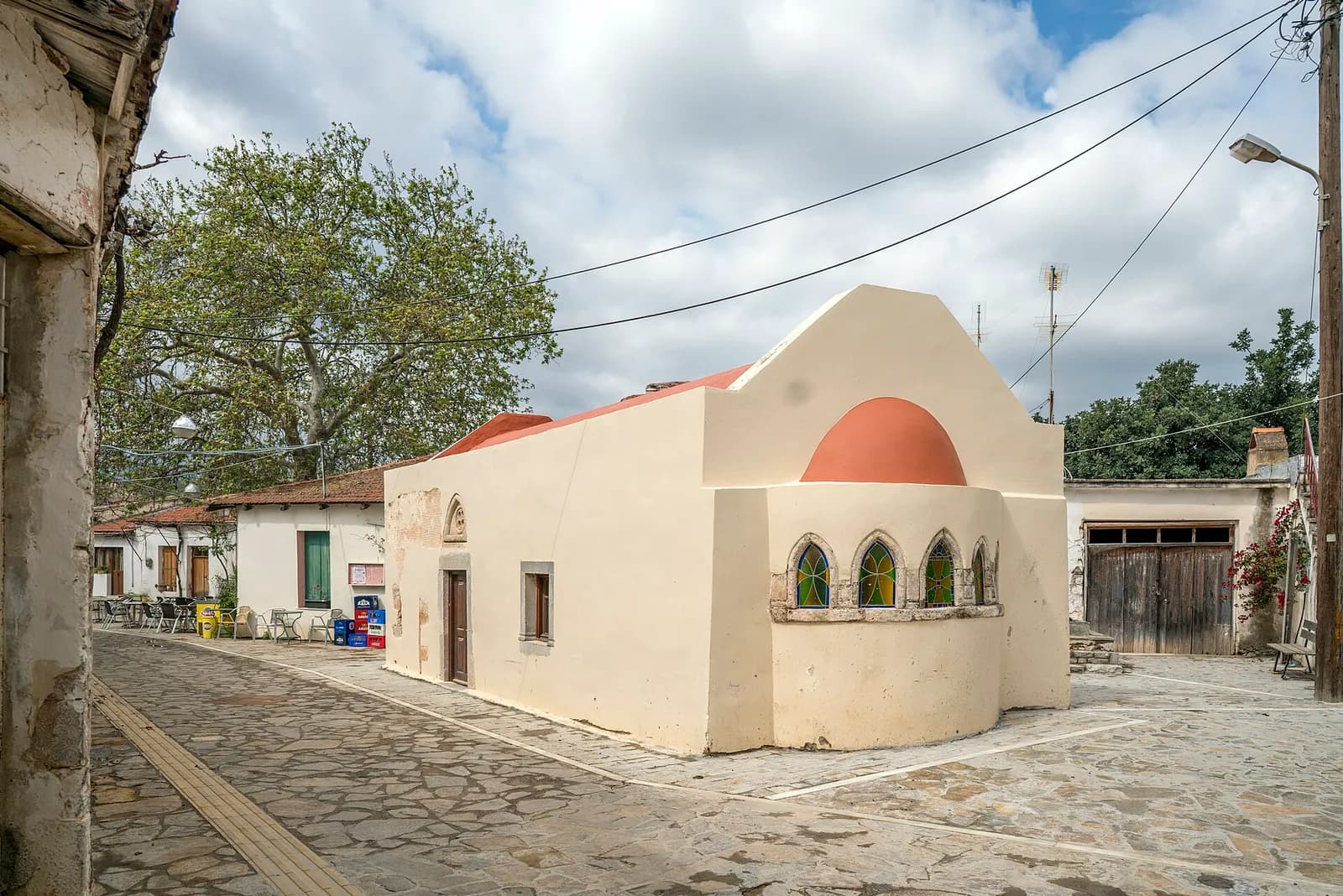
- Panagia Kerapolitissa: founded in 1614 by the monk Ioannikios Patsoudis, this now inactive monastery is reached along a dirt track. Only the church, dedicated to the Nativity of the Virgin, is still in use. Within the walls you'll see the ruins of Venetian cells, cisterns and a restored school: in 1848, the community opened the area's first school here, which ran until 1939.
- Agios Apostolos, in Kastelli: a Byzantine church known for its frescoes.
- Afentis Christos monastery: one of the valley's historic religious sites.
- The surrounding chapels: within a kilometre of the Kerapolitissa you'll also find the former Kalogradoi monastery and the churches of the Holy Trinity and Saint Anne.
The village was also once the seat of a bishop, and it keeps alive the memory of its residents' resistance during the Ottoman period and the war of 1940. If a church is open, step inside quietly: the frescoes, even damaged, are often well worth it.
Walking from Fourni: tracks, chapels and viewpoints
Let's be honest: I haven't found an official network of waymarked trails starting from Fourni. What you will find are farm tracks winding through the olive groves and linking the valley's chapels. They're perfect for a one or two hour walk, early in the morning or late in the day, with an offline map (tracks shared on Wikiloc or Komoot help you find your way).
For the big panoramas over Mirabello Bay and Spinalonga, you need to head a little closer to the coast, in one of two ways:
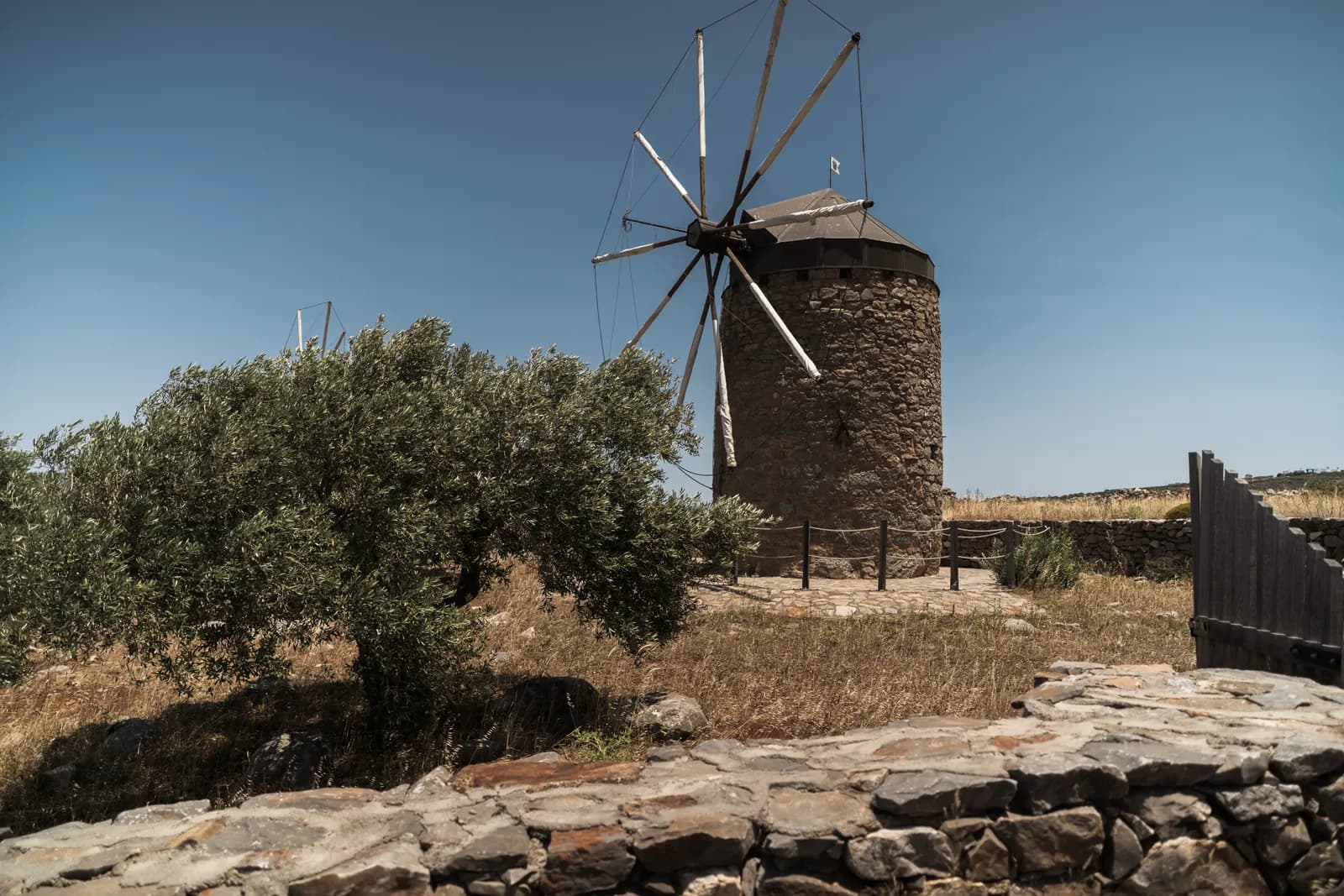
- Around Pines (about 6.5 km from Fourni): an old path crosses the scrubland to the village's old windmills, with a view over Spinalonga and the Gulf of Elounda. Some stretches are stony and overgrown: long trousers recommended.
- The Elounda windmills and Voulisma bay: a loop of about 9.8 km starting from Schisma (the centre of Elounda), allow nearly 3 hours. It's demanding, with some climbing and rocky sections, but the view over the Spinalonga peninsula is remarkable.
Villages and sights around Fourni
Part of Fourni's appeal is its location: the whole of eastern Crete is within half a day's reach. Here are the nearest places to visit, with approximate road distances.
Photos : Pierre Bouyer
| Place | Distance from Fourni | Driving time | Why go |
|---|---|---|---|
| Kastelli | under 1 km | on foot | Protected lanes, Agios Apostolos church |
| Neapoli | about 7 km | 10 min | Small town, cathedral, soumada, shops |
| Pines | about 6.5 km | 10 min | Windmills, view over Spinalonga |
| Karydi | about 6 km | 10 min | Neighbouring village to the north, on the road to Vrouchas |
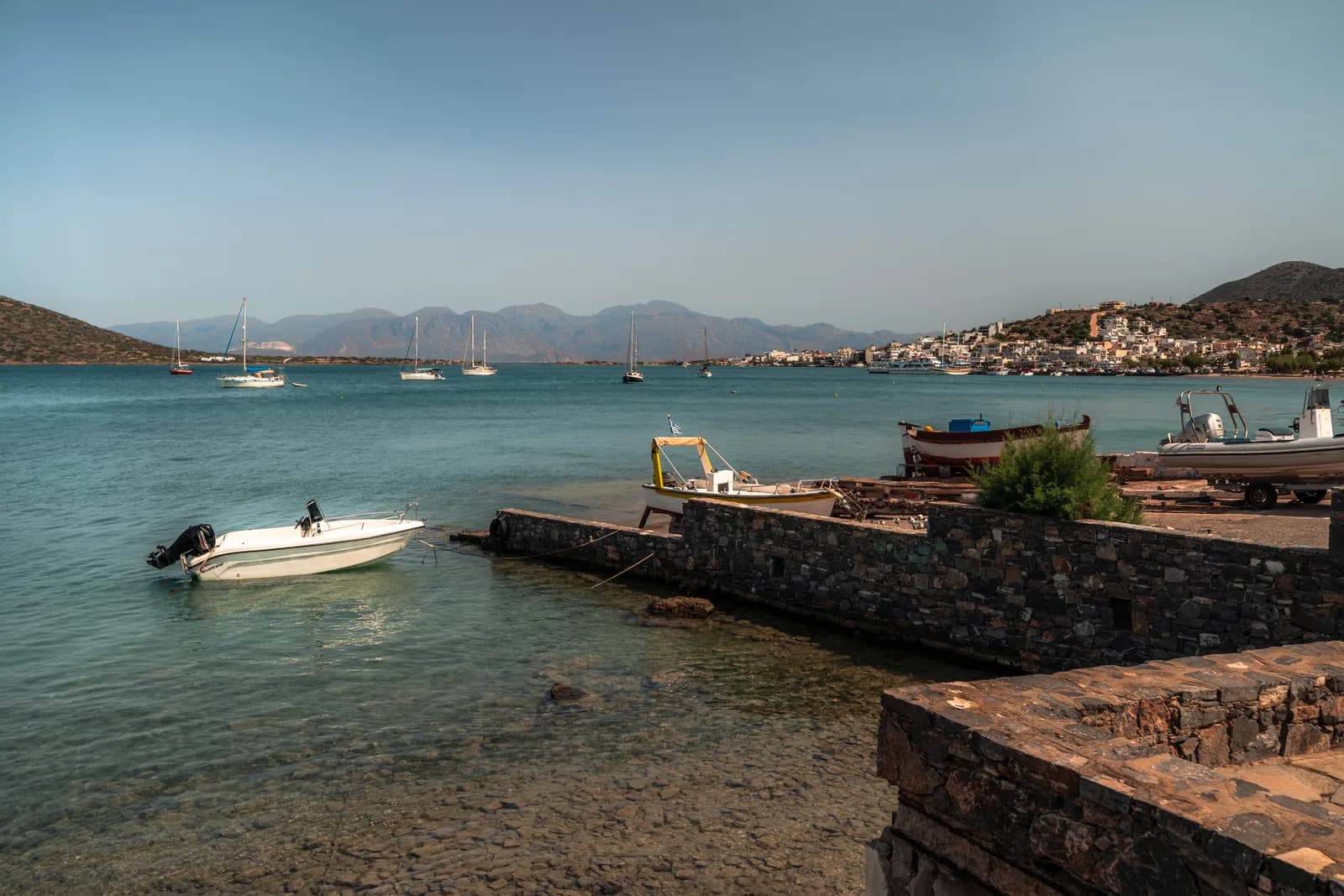
| Elounda | about 11 km | 15 to 20 min | Harbour, beaches, boats to Spinalonga |
| Plaka | about 11 km | 20 min | Boat to Spinalonga (about 10 min), seafront tavernas |
| Vrouchas and Skinias | about 12 to 13 km | 20 min | Peninsula villages, sea views |
| Agios Nikolaos | about 17 km | 20 to 25 min | Lake Voulismeni, marina, town with all services |
| Psychro cave | about 45 km | 1 hr | Lassithi Plateau and the cave of Zeus |
Neapoli and soumada
Neapoli, 7 km away, is the local town for Fourni's residents: about 2,900 inhabitants, shops, banks and a large square dominated by the church of the Megali Panagia. Known as Kainourgio Chorio ("the new village") until 1868, it then took the name Neapoli and was the provincial capital until 1904. This is the place to try soumada, a very sweet, non-alcoholic almond drink, sometimes scented with flowers, served diluted with cold water. Just above the town, the archaeological site of Dreros has revealed one of the oldest known Greek temples (around 750 BC), dedicated to Apollo Delphinios, as well as a famous archaic law inscription. The site itself is modest: it will mostly appeal to archaeology enthusiasts.
Spinalonga and the Lassithi Plateau
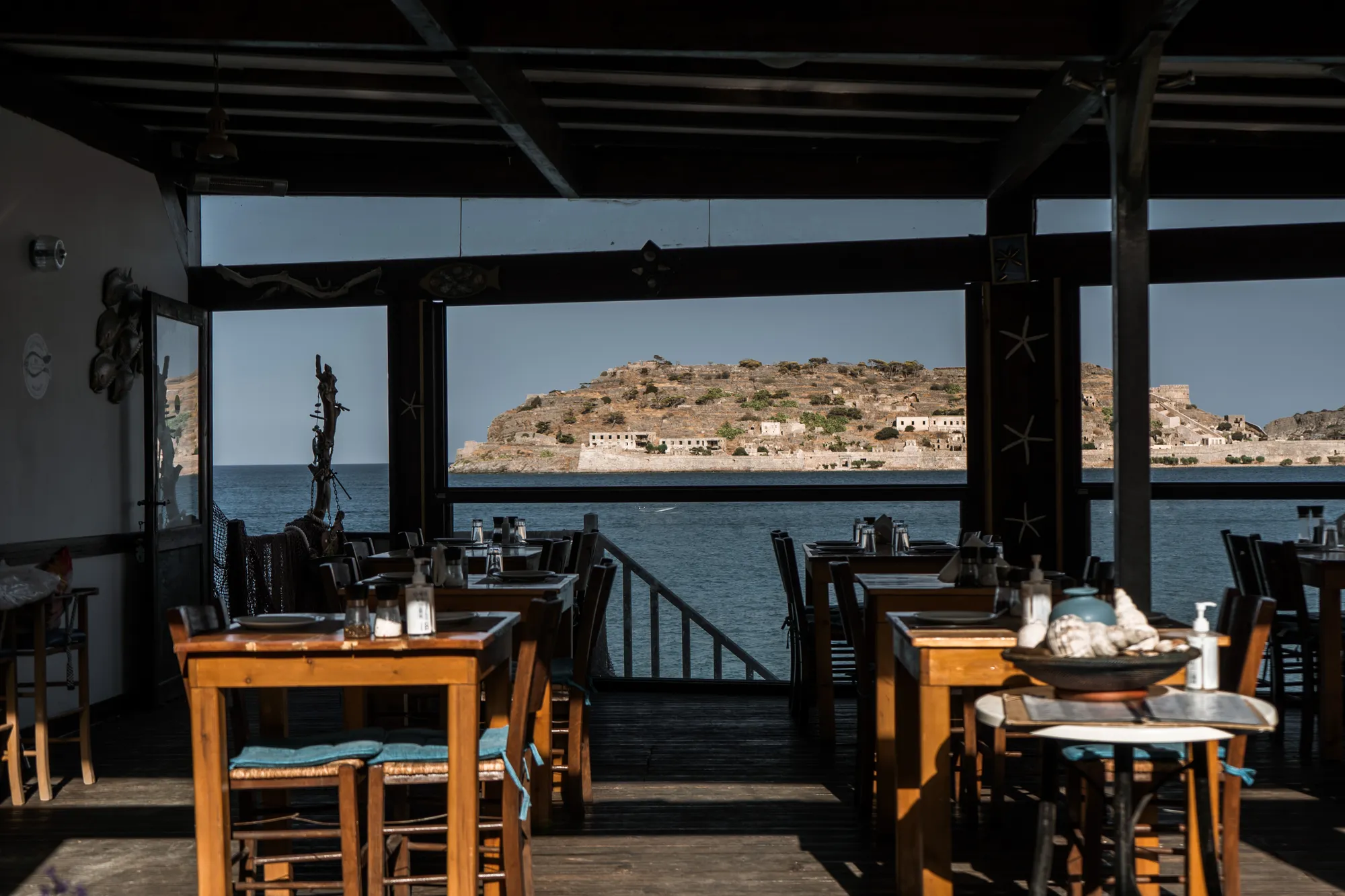
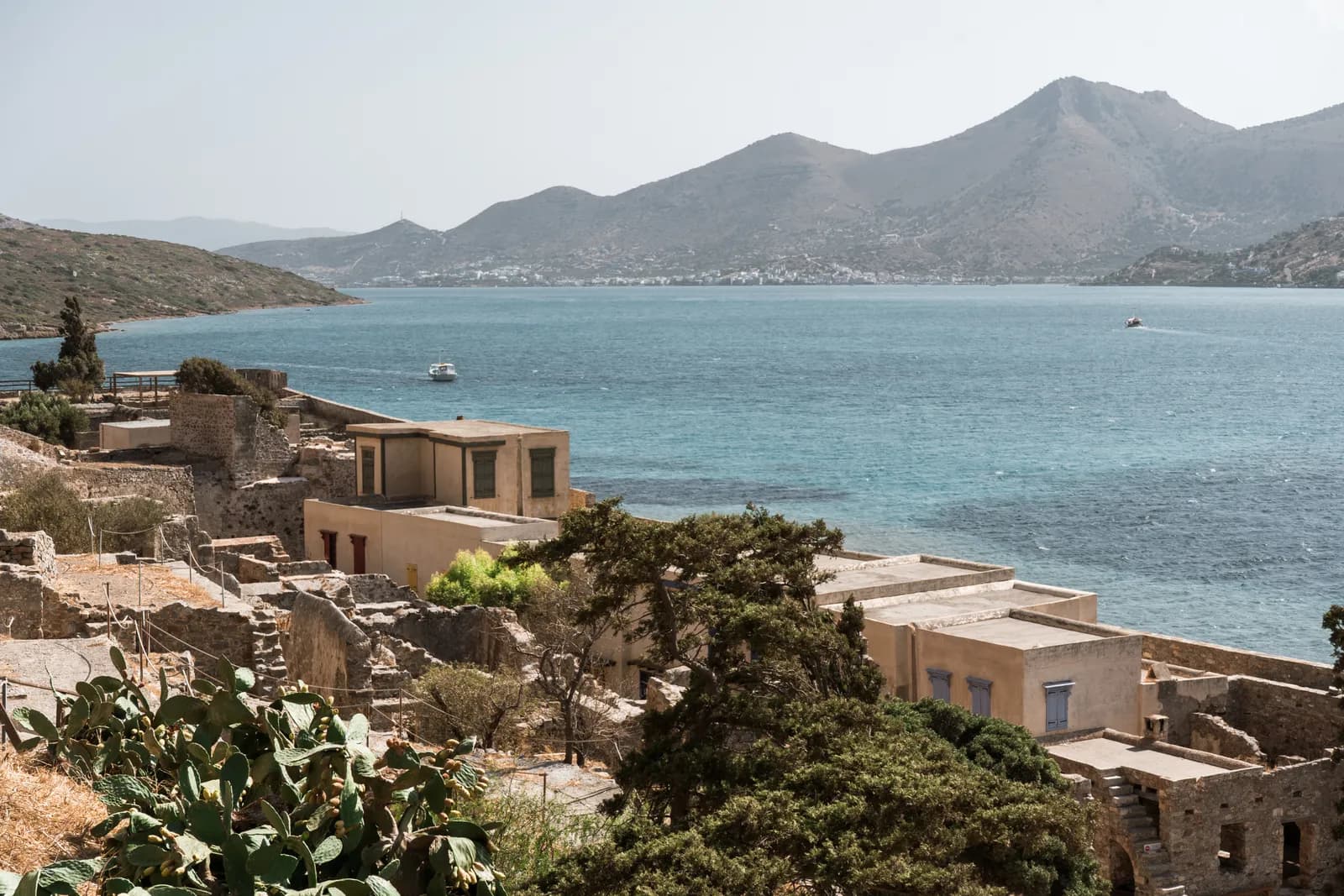
The two big day trips from Fourni head in opposite directions. Towards the sea, the fortress island of Spinalonga is reached by boat from Plaka (a crossing of about 10 minutes), Elounda or Agios Nikolaos. Towards the mountains, the road through Neapoli climbs up to the Lassithi Plateau, with its farmland and old windmills, and at the far end the cave of Zeus at Psychro. I recommend doing Spinalonga early in the morning and keeping a full day for the plateau.
How to get to Fourni and get around
From Heraklion airport, it's about 52 km and 50 minutes to an hour by road: follow the northern national road east, then turn off towards Neapoli and Fourni. From Elounda, the tarmac road climbs into the hills and reaches the valley in 15 to 20 minutes; it's narrow and winding in places, but poses no particular difficulty by day.
| From | Distance | Approximate driving time |
|---|---|---|
| Heraklion airport | about 52 km | 50 min to 1 hr |
| Agios Nikolaos | about 17 km | 20 to 25 min |
| Elounda | about 11 km | 15 to 20 min |
| Plaka | about 11 km | 20 min |
| Neapoli | about 7 km | 10 min |
A car is essential
Fourni is indeed one of the stops on the KTEL Heraklion-Lassithi bus network, but services are rare and designed for residents, not for hopping between beaches and sights. To stay in the village, a car is essential. A small hatchback is plenty: the lanes in the centre are narrow, so it's better to park on the edge of the village and walk the rest. All our tips for getting the best price are in our guide to hiring a car in Crete.
DiscoverCars
Car rental comparison in 150+ countries
Compare prices from Hertz, Avis, Sixt and local providers. All fees included, free cancellation. Rated 4.6/5 on Trustpilot.


When to visit Fourni and what budget to plan
Fourni's altitude (320 m) doesn't give it a mountain climate, but it does change things a little: in theory, the temperature drops by about 0.6°C every 100 m, so around 2°C less than in Elounda. During a summer day you barely notice it; in the evening and at night, it's very welcome. In winter, on the other hand, it's cooler and damper than on the coast.
- April to June: the best time for walking, with the countryside still green and flowers in the scrubland. The sea becomes pleasant from June.
- July and August: heat and crowds on the coast; this is when sleeping in the village really comes into its own. Avoid walking in the middle of the day.
- September and October: the sea is still warm, the light is soft, and the Kerapolitissa feast falls on 8 September. My favourite time of year for eastern Crete.
- November to March: olive harvest, a very quiet village, and many businesses on the coast closed.
For a month-by-month breakdown (temperatures, sea, crowds), see our guide on the best time to visit Crete.
Fourni: who it's for and how long to stay
Fourni isn't somewhere you “do” in an hour: there's no museum and no spectacular monument. It's a village where you unpack for three, five or seven nights, alternating mornings at the sea, afternoons in the shade and dinners on the square. If you're after nightlife and a beach on your doorstep, stay on the coast. If you want to sleep in peace among the olive trees while keeping Spinalonga, Agios Nikolaos and the Lassithi Plateau within driving distance, it's a very fitting base.
To plan what comes next, have a look at our Spinalonga and Lassithi Plateau guides mentioned above, then our guide to Crete in summer to choose your other stops in the east of the island.
Frequently asked questions
Fourni is a village in eastern Crete, in the Lassithi region, at 320 m between Elounda and Neapoli. It belongs to the municipal unit of Neapoli, within the municipality of Agios Nikolaos. Allow about 11 km by road to Elounda and 17 km to Agios Nikolaos.
No. Fournoi (sometimes spelt Fourni) is a small archipelago in the Aegean, part of the North Aegean region, near Ikaria and Samos. Fourni in Crete is a hill village behind Elounda, with no connection to that island.
Yes, in practice. Fourni is one of the stops on the KTEL Heraklion-Lassithi network, but services are rare and not suited to day trips. With a car, Elounda, Plaka, Neapoli and Agios Nikolaos are all under 25 minutes away.
The 2021 Greek census counted 197 permanent residents. The village was listed as a “traditional settlement” in 1998 and lives mainly from its olive trees.
A little. At 320 m, the temperature should in theory be around 2°C lower than on the coast, and you mostly feel the difference in the evening and at night. In the middle of an August day, it's hot everywhere in Crete.
Sources and fact-checkingInformation checked on 7 October 2026 · 14 sources consulted
- Wikipedia (grec) : Φουρνή Λασιθίου (population 2021, altitude, histoire, économie)
- Wikipedia (anglais) : Neapoli, Crete (soumada, fête du 15 août, oliviers)
- Wikipedia (grec) : Νεάπολη Λασιθίου (Megali Panagia, Dreros, histoire)
- Wikipedia (anglais) : Elounda
- Wikipedia : Dreros
- Cretanbeaches : monastère de la Panagia Kerapolitissa à Fourni
- Patris (édition anglaise) : Kastelli Fourni, the Cretan village that takes you back in time
- Crete Villas 4U : Kastelli Fournis
- Orthodoxia News Agency : 200e anniversaire de sainte Maria Methymopoula à Fourni (30 avril et 1er mai 2026)
- KTEL Héraklion-Lassithi (réseau de bus, arrêt Fourni)
- OpenStreetMap / OSRM (distances routières calculées depuis Fourni)
- Komoot : boucle des moulins d'Elounda et de la baie de Voulisma
- 4fund : randonnée guidée de Pines (moulins, vue sur Spinalonga)
- Ntoukiani, maison de village à Fourni
Âme Bohème exists thanks to you
Some links in this article are affiliate links. This means that if you book or purchase a product through these links, we receive a small commission, at no extra cost to you. It's thanks to this support that we can continue creating free, quality content.
You can also buy us a coffee, or follow us on Instagram and Facebook.