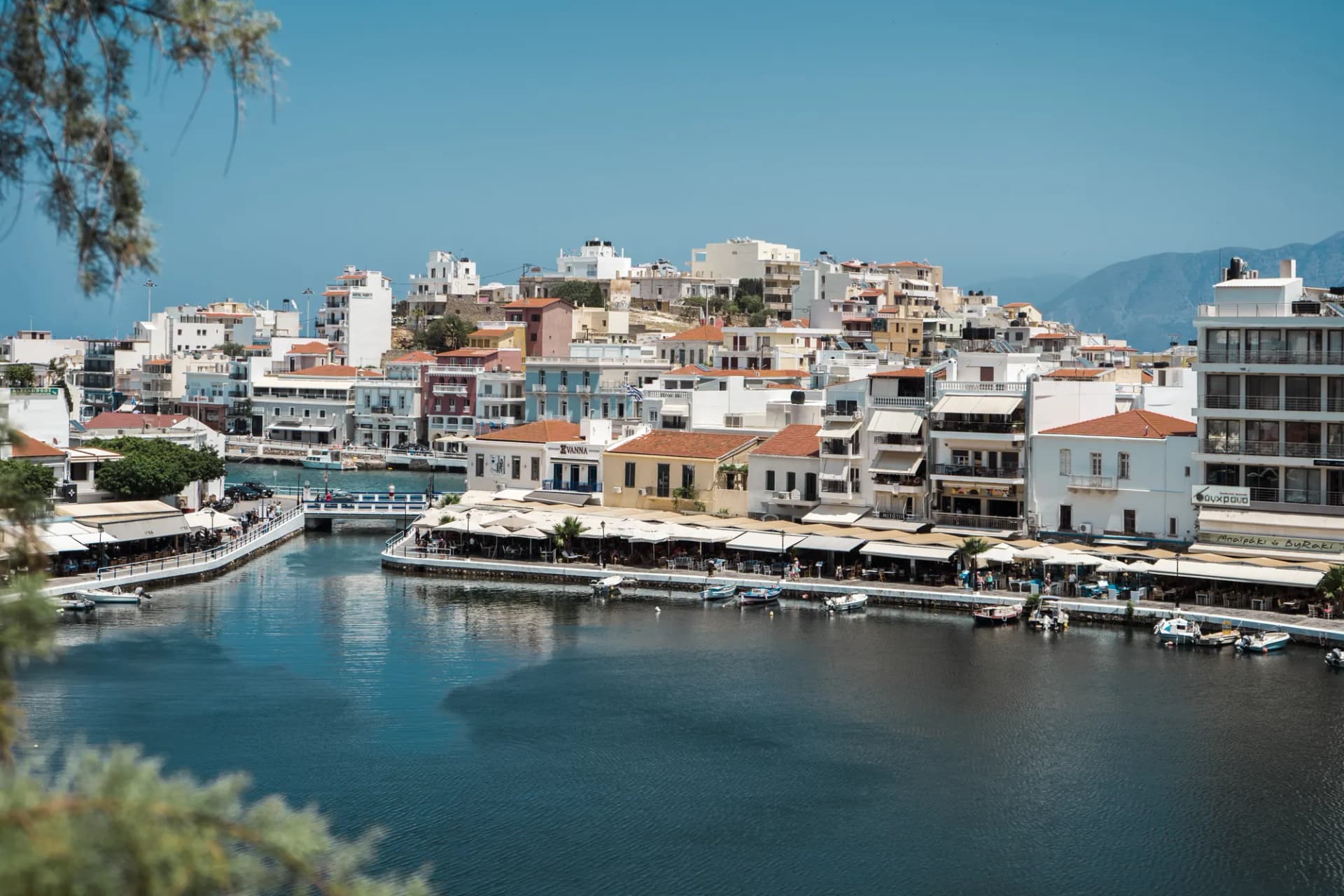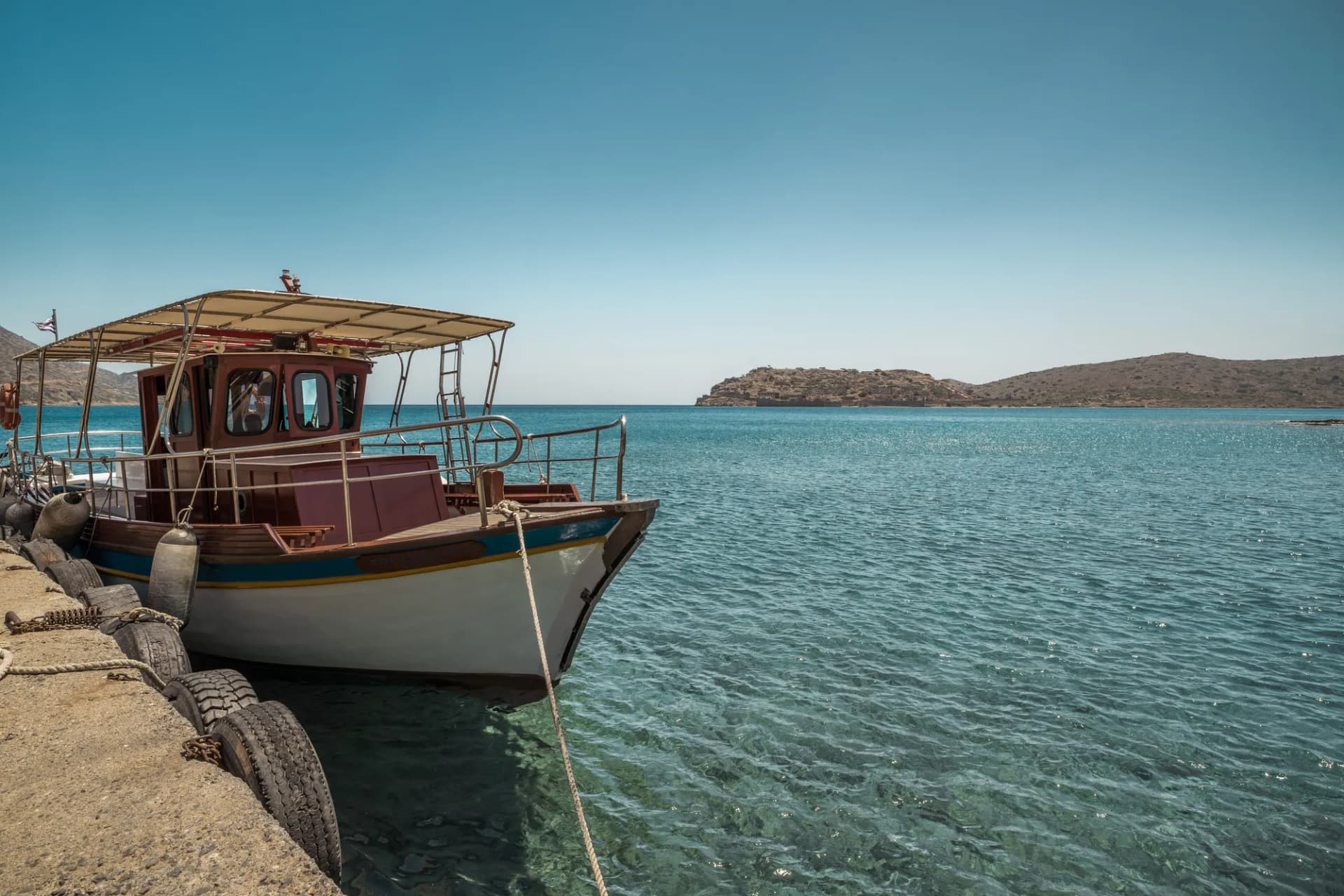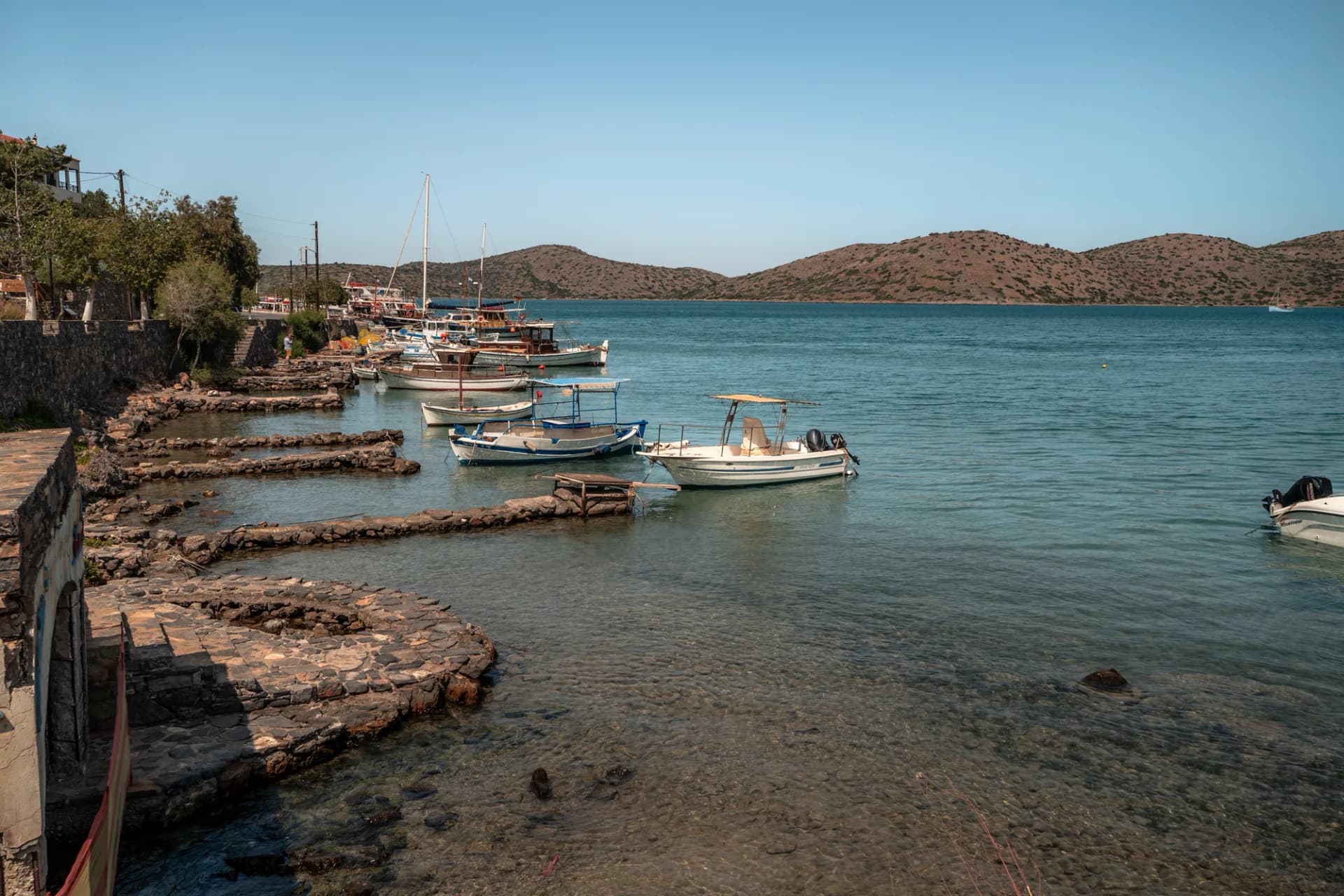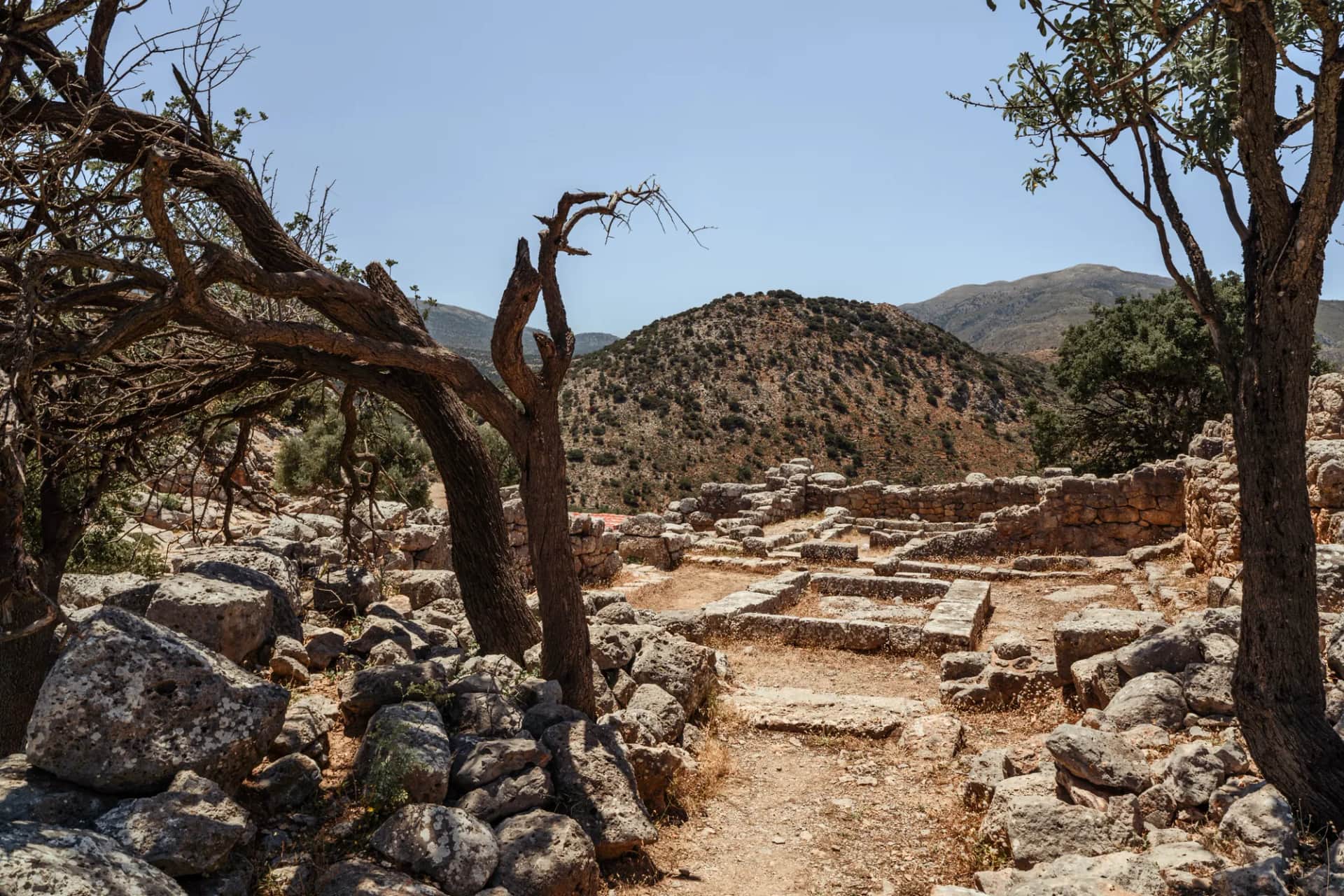

All it takes is to leave the harbour of Agios Nikolaos and climb 11 km through the olive groves to travel through three different eras in a single morning. First, a small white church with three aisles, covered from floor to dome in frescoes painted seven hundred years ago. Then a hillside village where woven textiles still hang drying outside the doors. Finally, on a saddle between two hills, the stone steps of a Greek city that was already gazing out over Mirabello Bay four centuries before the Common Era.
Kritsa and Lato make one of the easiest cultural outings in eastern Crete: little driving, human-scale sites and cheap tickets. The catch is the opening hours. Both paying sites close at 3.30pm and stay shut on Tuesdays. Turn up at 2pm on a Tuesday in August and you will find a locked gate and 35°C in the car park.
Here is how I recommend planning this half day, in which order, with the published 2026 prices and opening hours, and what to do if you still have energy left after Lato.
Panagia Kera, the church of Byzantine frescoes
On the road up from Agios Nikolaos, about 1 km before you reach Kritsa, a small whitewashed church appears among the cypresses and olive trees on the left-hand side of the road. Nothing on the outside hints at what lies within: Panagia Kera (“Our Lady”) is considered one of the most important Byzantine monuments on the island, and its frescoes are among the best preserved in Crete.
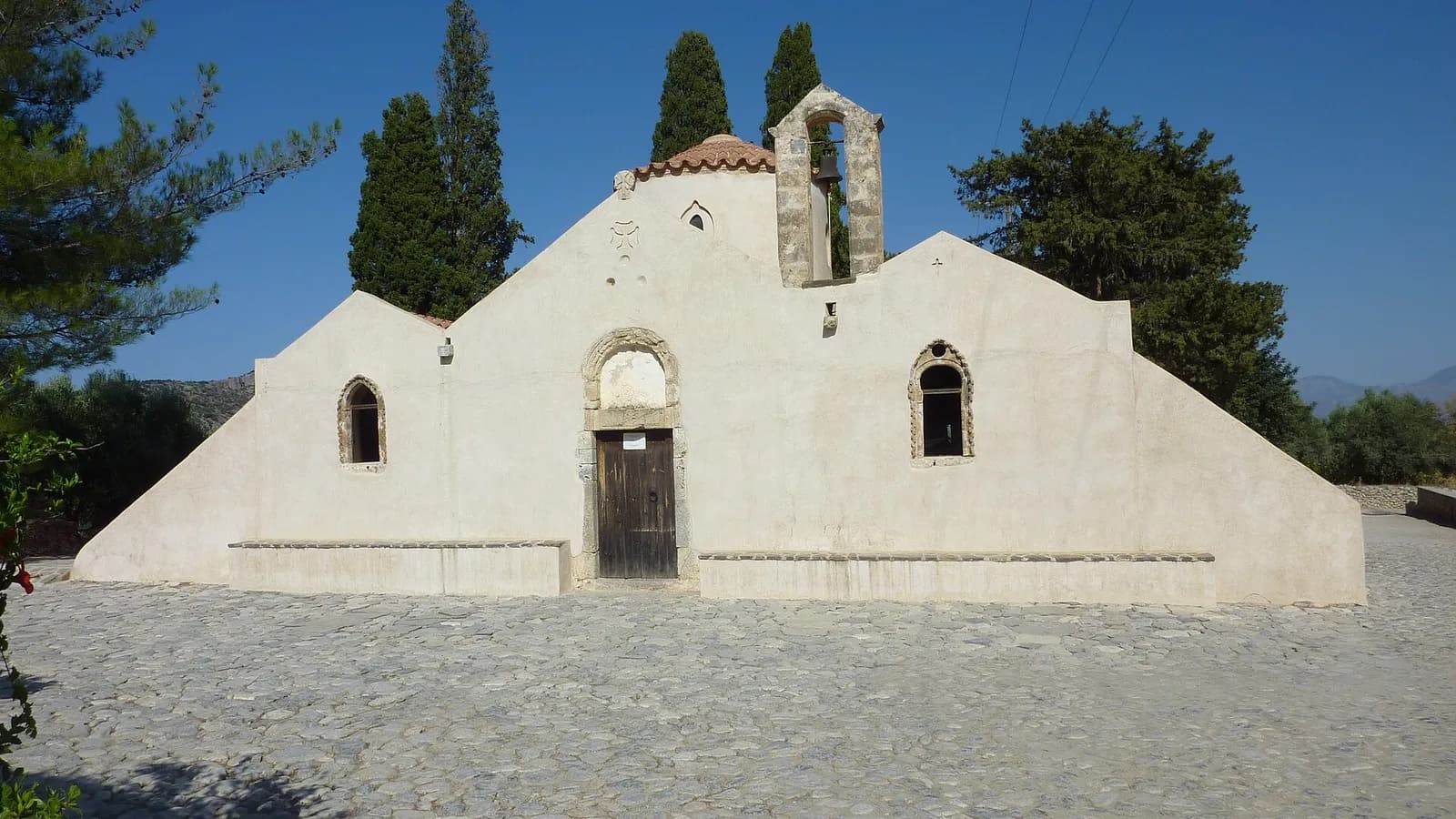
Three aisles, three eras
The church was built in stages. The central aisle, dedicated to the Virgin, is the oldest and dates back to the 13th century. The two side aisles were added in the 14th century: the southern one is dedicated to Saint Anne, the northern one to Saint Anthony. Heavy buttresses, added to stabilise the whole building, give the façade its squat and instantly recognisable silhouette.
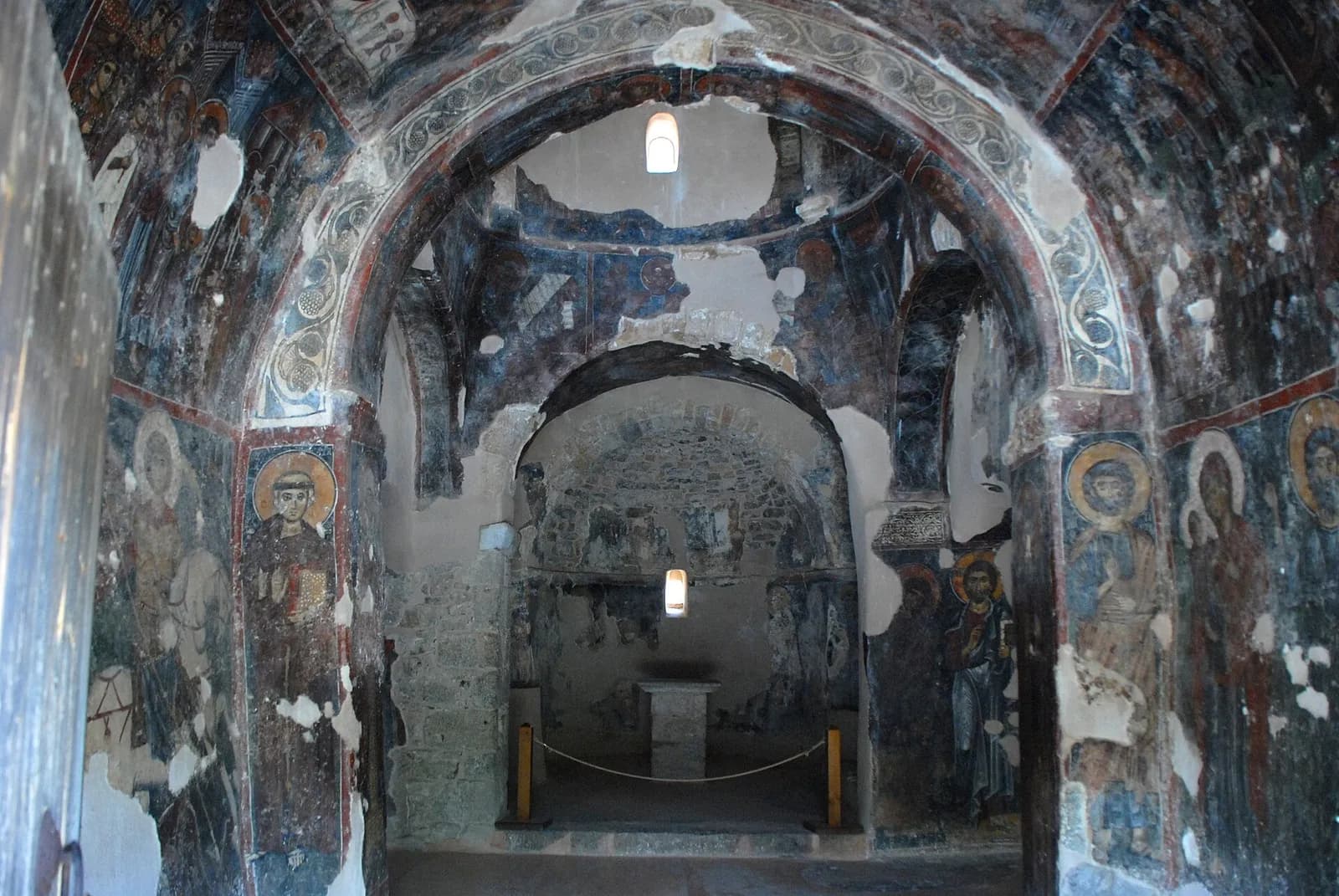
Inside, every square centimetre is painted. In the central aisle, two layers of frescoes overlap: the older one, from the 13th century, survives only in fragments, mainly in the sanctuary and the drum of the dome, with very linear figures. The second, from the early 14th century, depicts the great scenes from the life of Christ. The south aisle tells the story of Saint Anne and Joachim, the parents of the Virgin, a rare cycle. The north aisle is dominated by the Last Judgement and a vision of Paradise, with portraits of donors in the dress of their day.
Visiting Panagia Kera: 2026 opening hours and price
- Opening hours: 8.30am to 3.30pm, from April to October as well as from November to March, last entry about 20 minutes before closing.
- Closed: on Tuesdays, as well as the usual public holidays for Greek sites (1 January, 25 March, 1 May, Orthodox Easter, 25 and 26 December).
- Price: €5 full price, €3 reduced.
- Time needed: 20 to 30 minutes. The church is small, but take the time to let your eyes adjust to the half-light.
Kritsa village: lanes, weaving and cinema
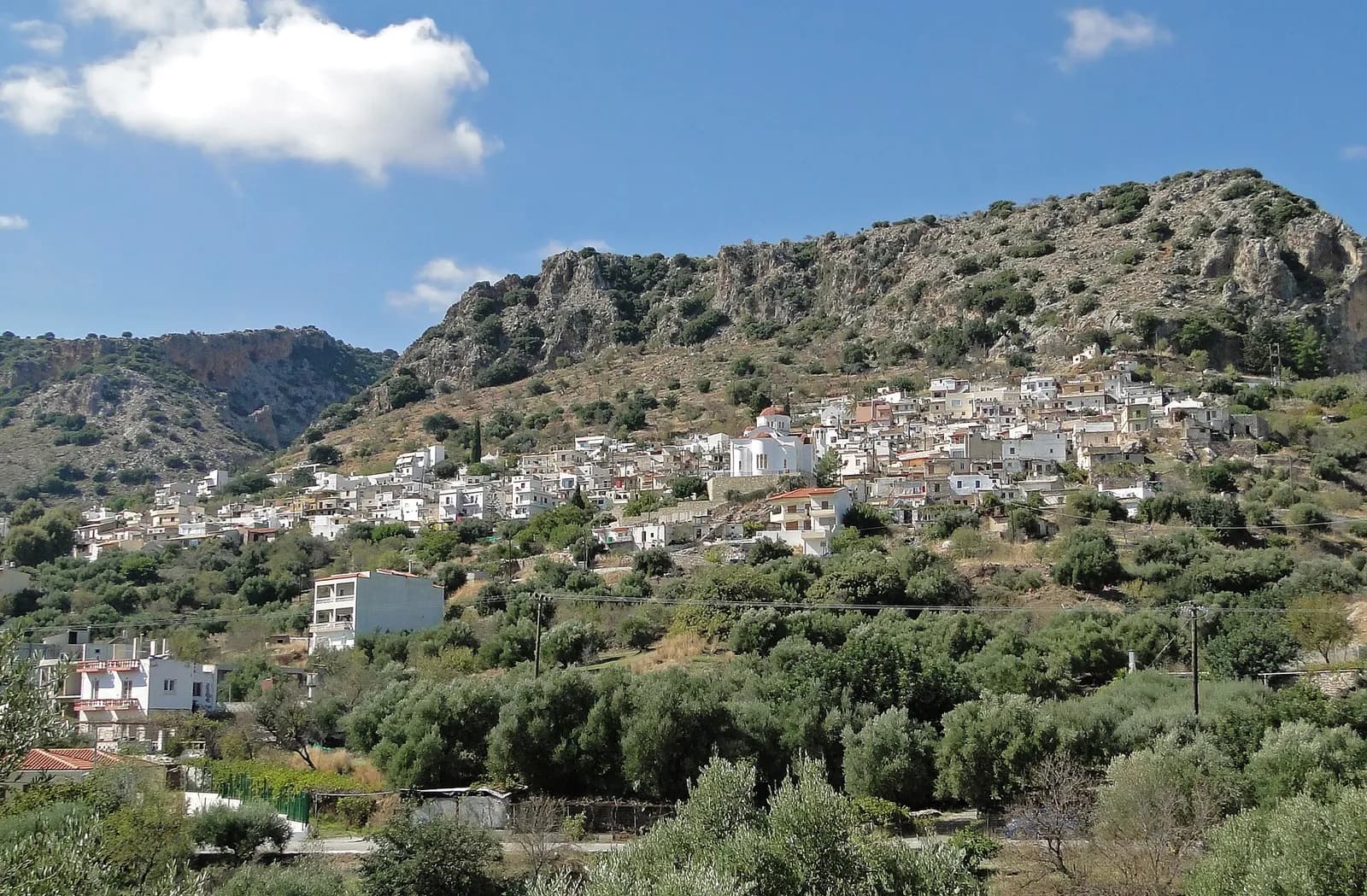
Kritsa clings to the mountainside at about 375 m above sea level. It is one of the largest villages in eastern Crete: the 2021 census recorded 2,630 inhabitants for the community. The area has been settled for a very long time, as traces of a settlement from the 13th and 12th centuries BC have been found on the rocky hill of Kastellos, south of the village.
Weaving and embroidery
Kritsa is considered one of the main weaving centres in Crete. Along the main street, embroidered tablecloths, rugs, bags and blankets hang outside the shops. Some of what is sold is made locally, some is imported: I recommend asking who made the piece and favouring the workshops where you can see a loom. Genuine handmade embroidery can be recognised by its neat reverse side, and is priced accordingly.
The village also lives off the olive. In 1927, local growers founded the Kritsa agricultural cooperative, which opened its own olive mill ten years later. A bottle of local oil makes a far more useful souvenir than yet another fridge magnet.
The setting for “He Who Must Die”
In 1957, Jules Dassin chose Kritsa to shoot most of He Who Must Die, adapted from the novel by Nikos Kazantzakis Christ Recrucified. The film, shown in competition at the Cannes Film Festival the same year, tells the story of a Greek village under Ottoman rule whose inhabitants are preparing a Passion play. Kritsa's stepped lanes and cube-shaped houses have changed little in the upper part of the village: wander away from the shopping street and you will find the atmosphere of the black and white film again.
Kritsotopoula, the heroine of 1823
The name Kritsotopoula (“the girl from Kritsa”) crops up everywhere in the village: a street, a statue, books. According to local tradition, Rodanthi, the daughter of the village priest, disguised herself as a man to join the Cretan rebels fighting the Ottoman occupiers. She died in 1823 at the battle of Kritsa, fought between the village and Lato, and her comrades are said to have discovered she was a woman only when they tended her wounds. A statue honours her in the village.
Taking a break in Kritsa
Cafés and tavernas are gathered around the square and along the main street, with shady terraces. It is the ideal spot for a break between the church and Lato, or for lunch on the way back. Allow about €15 to €25 per person for a simple taverna meal with a drink, and a few euros for a frappé and a pastry.
Lato, the Dorian city facing Mirabello Bay
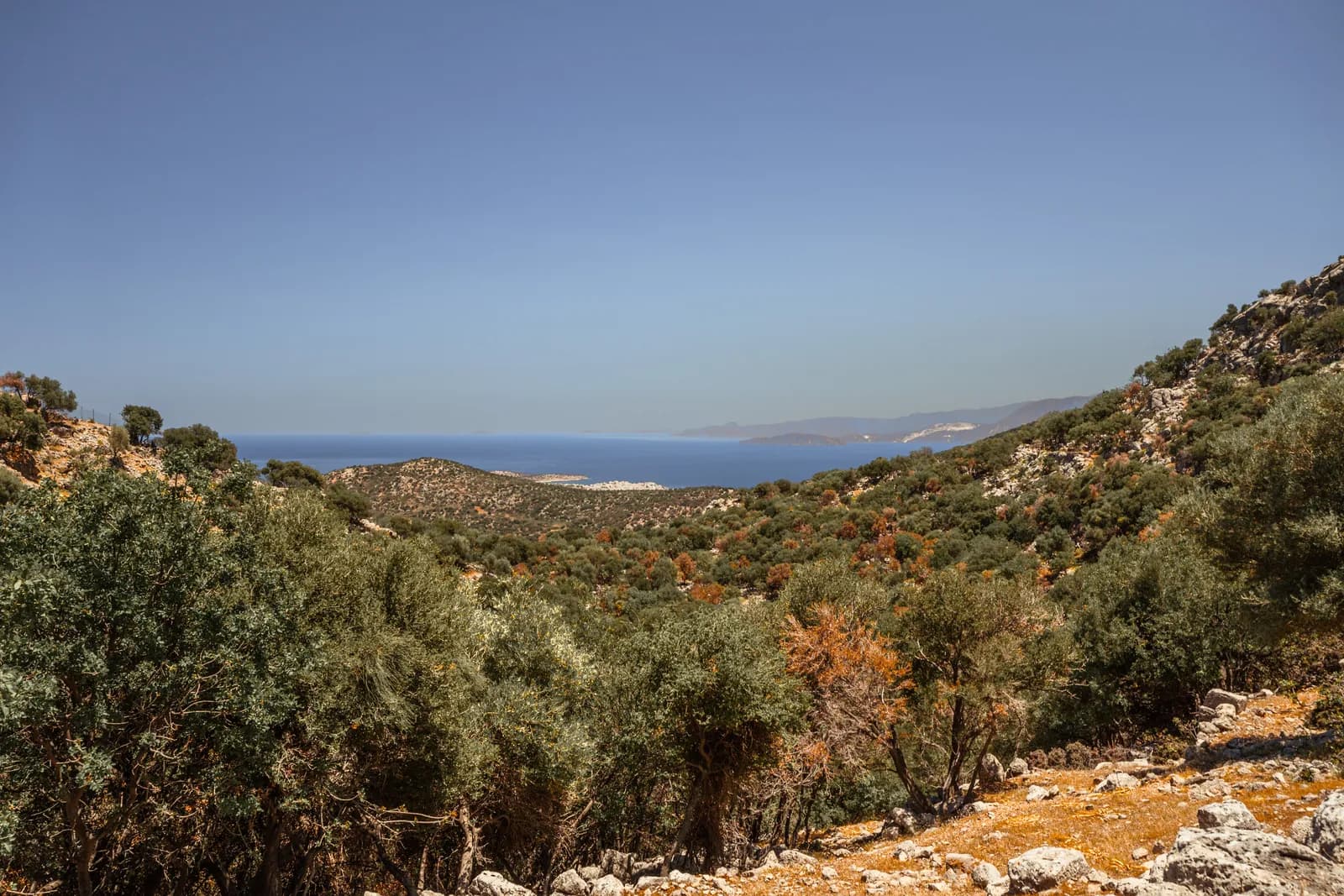
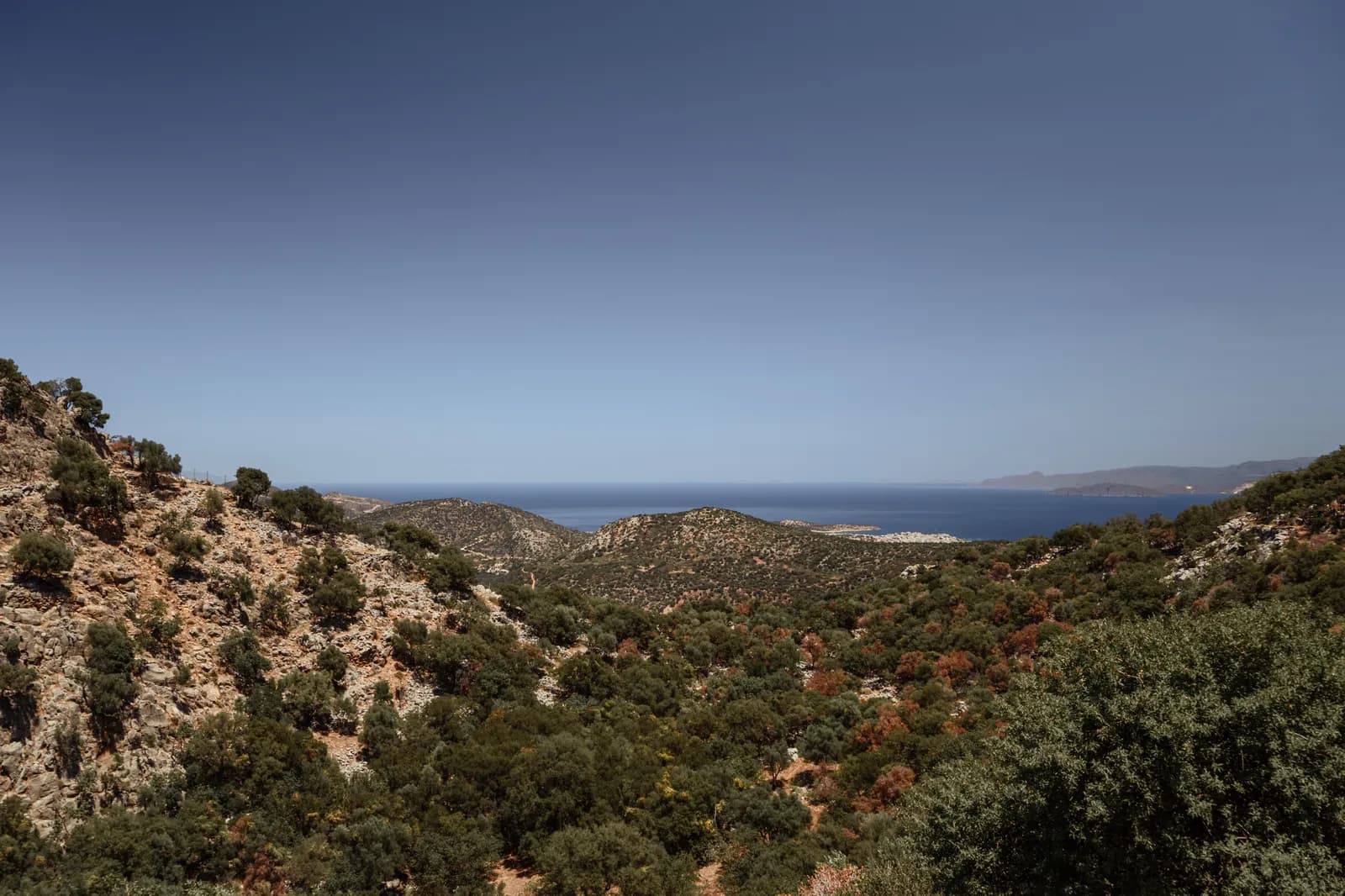
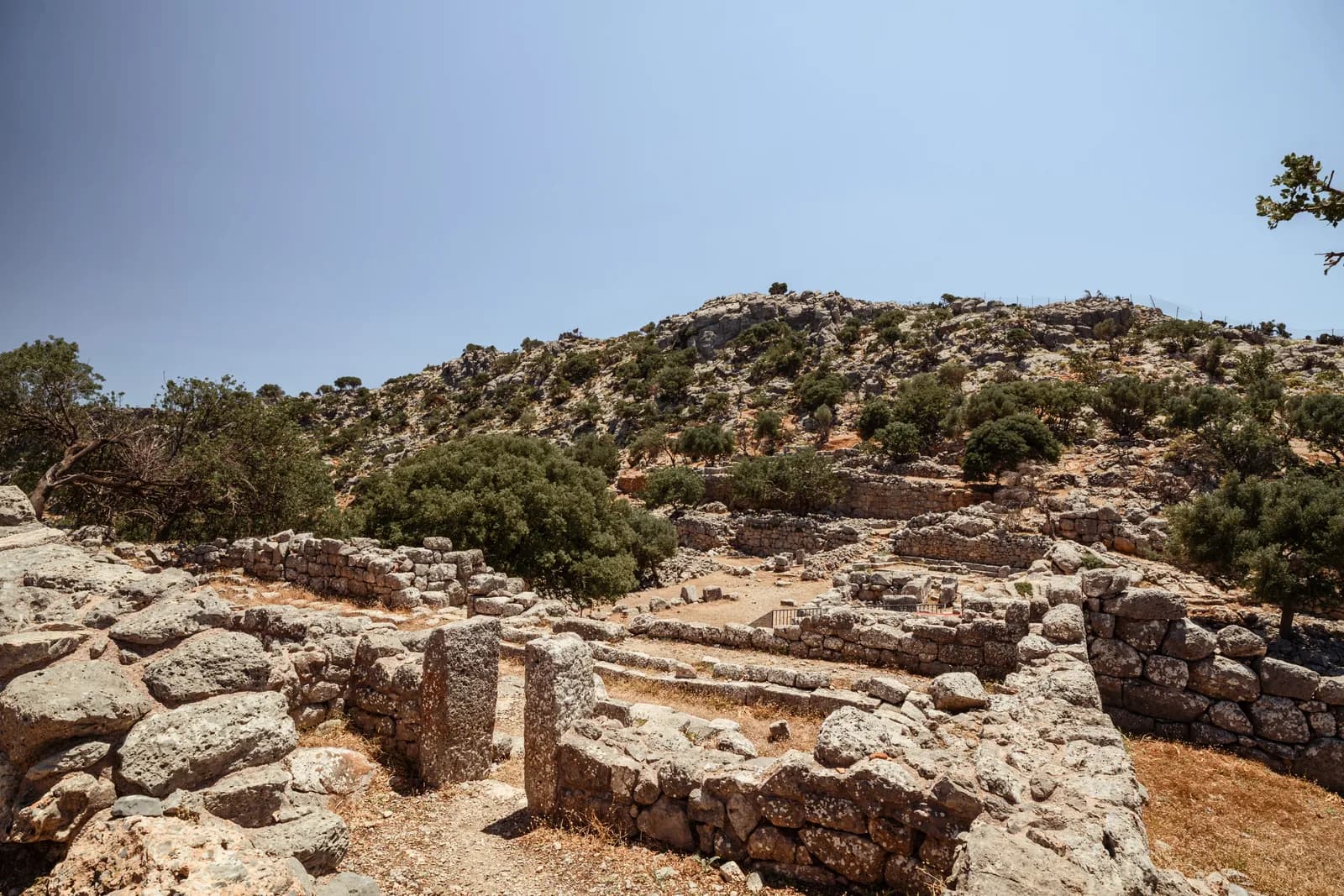
Leave Kritsa on the small road heading north: 3 km further on, at the end of a narrow lane lined with olive trees, lies one of the most photogenic sites in eastern Crete. Lato is considered the best preserved Classical and Hellenistic city in Crete, and one of the most complete in Greece. If you have seen the great Minoan palaces such as the Palace of Knossos, the contrast is striking: no concrete reconstruction here, just a city of raw stone set on a saddle between two hills, each of which served as an acropolis.
A powerful city, then abandoned
Lato was one of the most important Dorian city-states in Crete, although it probably existed before the Dorians arrived. Its name is thought to come from the goddess Leto, mother of Apollo and Artemis. The visible ruins date mainly from the 5th and 4th centuries BC. Nearchus, Alexander the Great's admiral, is said to have been born here. The city was destroyed around 200 BC, but its port, Lato pros Kamara, on the site of present-day Agios Nikolaos, remained active in Roman times.
Arthur Evans, the excavator of Knossos, carried out a first survey here from 1894 to 1896. Systematic excavations began in 1899 with the French School at Athens, led by Joseph Demargne, then resumed from 1968 into the 1970s.
What to see on the site
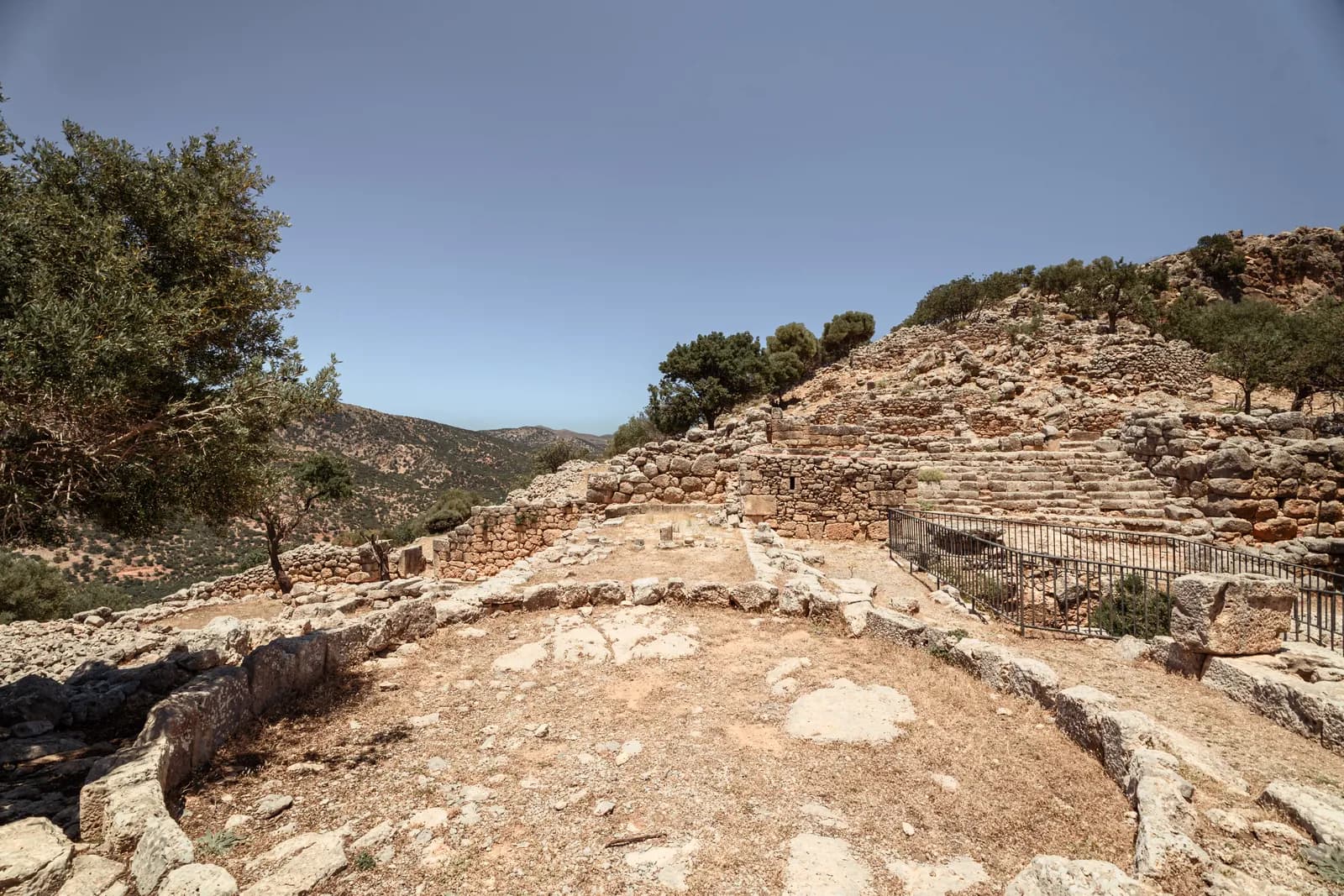
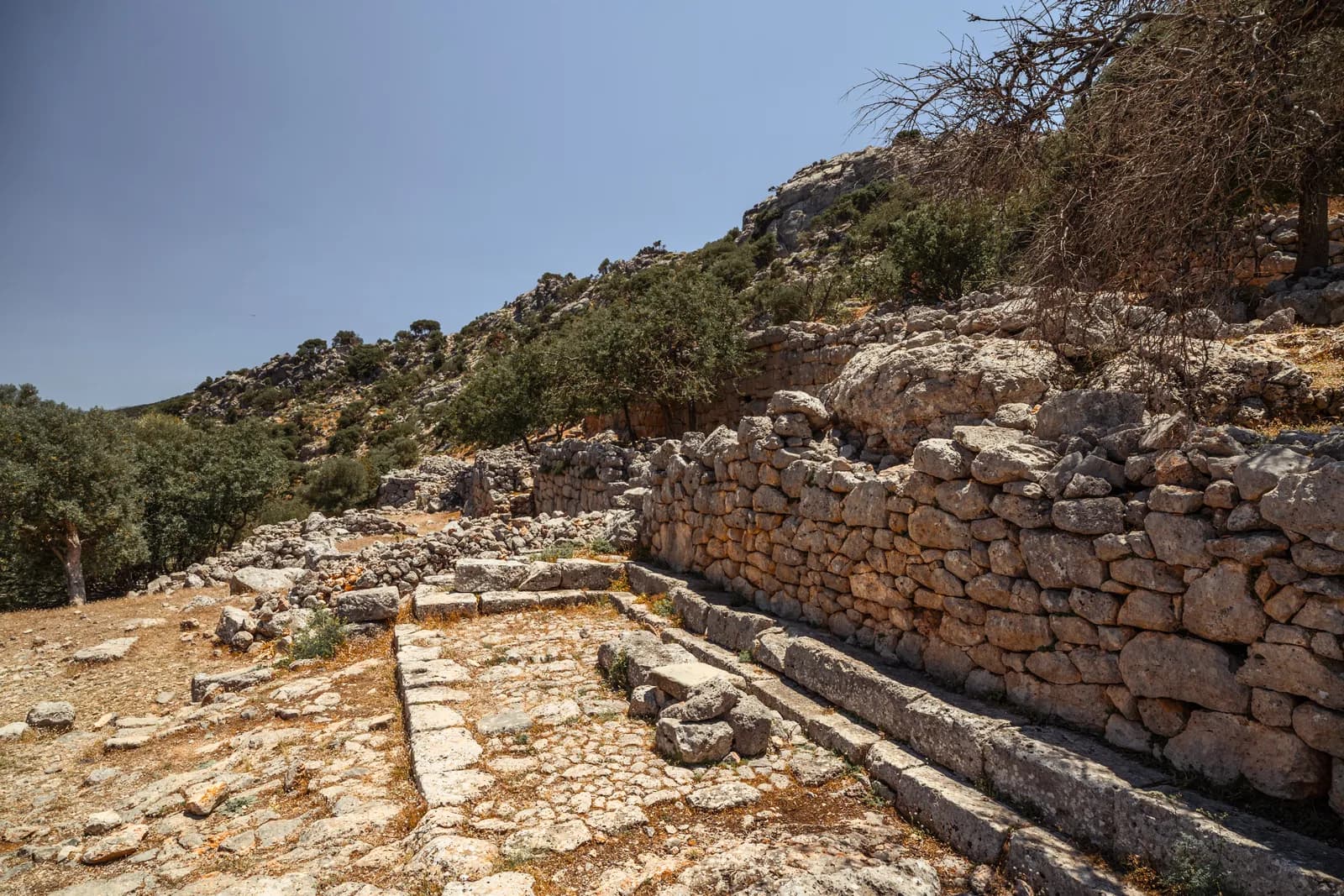
- The gate and the stepped street: from the fortified entrance, a stepped street lined with shops and workshops climbs towards the centre. It is this street that gives the site the feel of a real town.
- The agora: an almost square public space with a deep cistern in the middle and a small rectangular temple, where many figurines from the 6th century BC were found.
- The tiered staircase and the prytaneion: north of the agora, a wide monumental staircase also served as seating for assemblies and performances. The Greek Ministry of Culture mentions tiers that could seat about 80 people. Above it, the prytaneion housed the city's magistrates and its sacred hearth.
- The great temple: a temple of about 10 m by 16 m, with its square cella and its vestibule.
- The view: from the top of the staircase, your gaze sweeps over the olive trees to Mirabello Bay and the town of Agios Nikolaos. It is the best photo moment of the day.
The objects found at Lato are not displayed on site. To put images to this Cretan civilisation, from Minoan to Greek times, the Heraklion Archaeological Museum remains the place to go.
Lato: 2026 opening hours, price and closures
Photos : Pierre Bouyer
- Opening hours: 8.30am to 3.30pm, in summer (1 April to 31 October) as well as in winter (1 November to 31 March).
- Weekly closure: Tuesdays, all year round.
- Price: €5 full price, €3 reduced.
- Free entry: a few days a year, including 28 October and the last weekend of September (European Heritage Days).
- On site: no café, no shop, and very little shade. Bring water, a hat and closed shoes, as the ground is stony and the steps uneven.
The Kritsa Gorge, to carry on on foot
If you have walking shoes in the boot, the Kritsa Gorge is the perfect addition. It starts just west of the village and runs for about 4 km to the village of Tapes. In places, the walls close in to just 1.5 m apart.
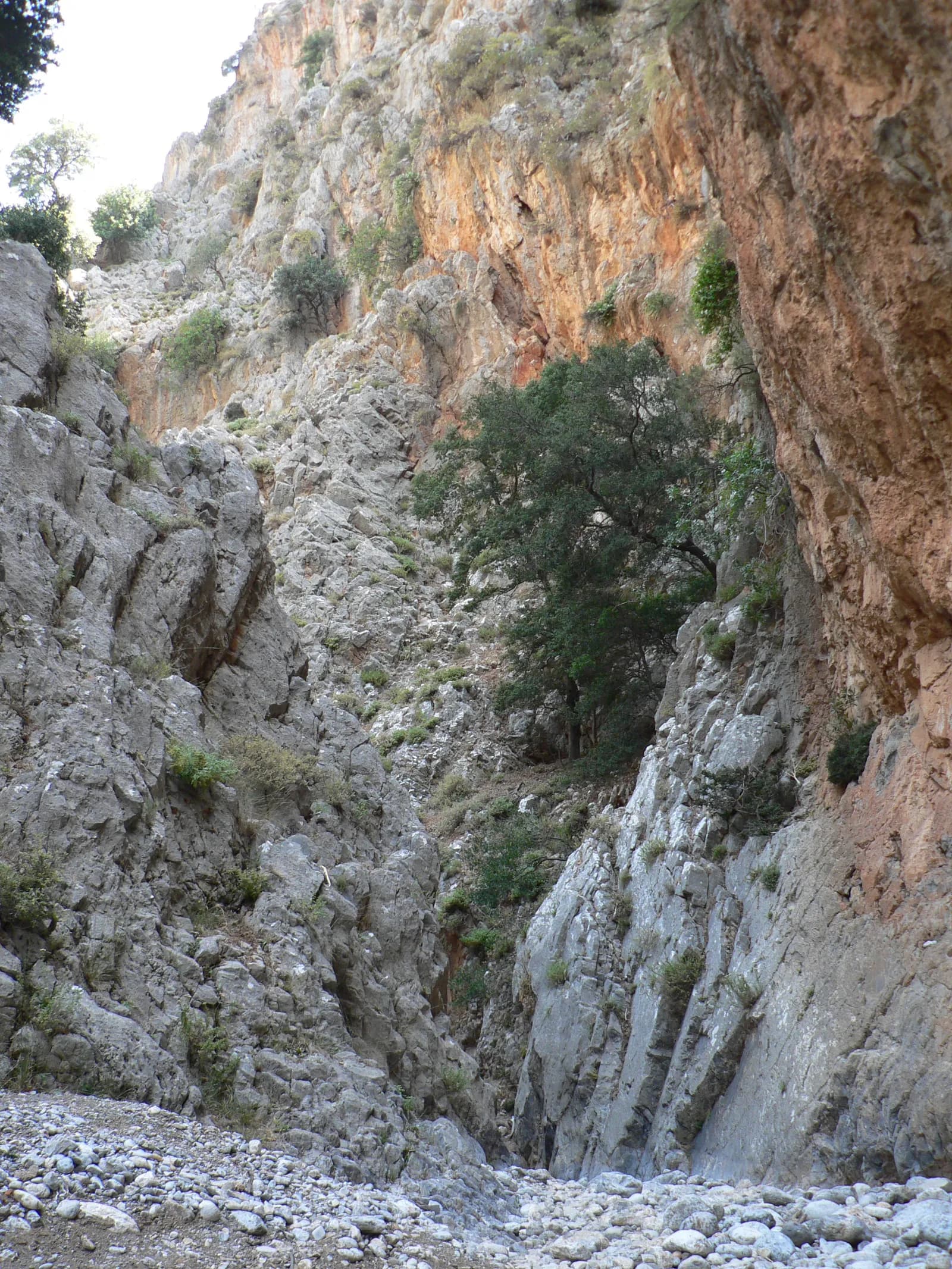
- Duration: about 2 hrs 30 on foot to Tapes, where a café lets you catch your breath.
- Difficulty: easy to moderate. A few large boulders call for a hand or two, with no real technical difficulty for a reasonably fit walker.
- Season: spring is ideal, with flowers and a trickle of water. Avoid the days after heavy rain: deep pools then block the narrowest passages.
- Getting back: the hike is linear. Plan to return the same way, or arrange a taxi from Tapes.
In the height of summer, I advise against setting off after 10am: the floor of the gorge is partly shaded, but the approaches are exposed and the heat builds quickly.
My recommended half-day itinerary
- 018.15am: leave Agios Nikolaos (15 min drive) or Elounda (30 min).
- 028.30am: Panagia Kera as soon as it opens, 30 minutes on site.
- 039.15am: drive to Lato (about 10 minutes through Kritsa), one-hour visit before the sun gets too strong.
- 0410.45am: back to Kritsa, stroll through the upper lanes and the weaving shops.
- 0512.30pm: lunch on a terrace in the village, then back to the sea for the afternoon.
Why the church first and Lato second? Because Panagia Kera is on your way up, it is the site most visited by groups, and Lato, with no shade, becomes hard going after 11am in July and August.
Practical info: access, parking, budget
How to get there
A car is by far the simplest option, especially to reach Lato, which no bus serves. If you do not have a vehicle yet, our guide to hiring a car in Crete explains the pitfalls to avoid. KTEL buses link Agios Nikolaos and Kritsa several times a day, but timetables vary with the season: ask at the Agios Nikolaos bus station.
| From | Distance to Kritsa | Driving time |
|---|---|---|
| Agios Nikolaos | about 11 km | about 15 min |
| Elounda | about 20 km | about 30 min |
| Fourni | about 20 km | about 30 min |
| Heraklion | about 75 km | about 1 hr 10 |
| Lato (from Kritsa) | about 3 km | about 10 min |
Parking
Panagia Kera has a few roadside spaces. In Kritsa, whatever you do, do not drive into the narrow, steep lanes of the centre: park in the free car parks at the entrance to the village and walk up. At Lato, there is a small free car park in front of the site entrance. The access road is narrow in places, so drive slowly.
When to go
April, May, late September and October are the best months: pleasant temperatures, soft light over the bay and a walkable gorge. In July and August the visit is still possible as long as you wrap everything up before midday. To pick the best time for your priorities, read our article on the best time to visit Crete.
Budget
DiscoverCars
Car rental comparison — 150+ countries
Compare prices from Hertz, Avis, Sixt and local providers. All fees included, free cancellation. Rated 4.6/5 on Trustpilot.


Summary table: opening hours, prices, time needed
| Site | 2026 opening hours | Closed | Full / reduced price | Recommended time |
|---|---|---|---|---|
| Panagia Kera | 8.30am to 3.30pm | Tuesday | €5 / €3 | 30 min |
| Kritsa village | open access | never | free | 1 to 1.5 hrs |
| Ancient Lato | 8.30am to 3.30pm | Tuesday | €5 / €3 | 1 hr |
| Kritsa Gorge | open access (daylight) | after heavy rain | free | 2 hrs 30 (one way) |
Combining with the Lassithi Plateau
Kritsa is also the gateway to the Dikti mountains. A tarmac road, sometimes in poor condition, climbs for about 16 km to the Katharo plateau, a high farming plateau where shepherds take their flocks in summer. Beyond it, the dirt track to the Lassithi Plateau is only recommended with a high-clearance vehicle, and its condition deteriorates after winter. With a small hire car, I recommend stopping at Katharo and turning back.
To combine Kritsa and the Lassithi Plateau in a single day, the safest route is to drive back down towards Agios Nikolaos and then up via Neapoli: allow about 50 km and 1 hr 15 of driving. Do Kritsa and Lato in the morning, have lunch on the plateau, then finish with the Cave of Zeus at Psychro in the afternoon.
In a single morning around Kritsa, you go from Byzantine saints to Dorian magistrates without ever driving more than 15 minutes: the whole history of Crete in a nutshell.
Frequently asked questions
Half a day is enough: about 30 minutes for the church of Panagia Kera, 1 to 1.5 hrs to wander around Kritsa and 1 hr for the city of Lato. Add 2 hrs 30 if you want to walk the Kritsa Gorge.
Both sites list opening hours of 8.30am to 3.30pm all year round, closed on Tuesdays. Entry to Panagia Kera costs €5 (€3 reduced) and Lato €5 (€3 reduced). Check odysseus.culture.gr before you set off, as opening hours can change during the season.
Yes, the city is about 3 km north of the village along a small tarmac road, which means 45 minutes to 1 hr on foot. In summer the road has no shade at all: driving is the more sensible option, especially late in the morning.
It is an easy to moderate hike, about 4 km through the narrow section and 2 hrs 30 in total to the village of Tapes, with a few large boulders to scramble over. Good shoes are essential, and avoid the days after heavy rain, when pools of water block the narrow passages.
In short
Kritsa and Lato ask very little of you: a morning, €10 in tickets and a slightly early alarm. In return, you see one of the finest sets of frescoes on the island, a village that still lives off its looms and a crowd-free Greek city facing Mirabello Bay. If Crete's religious heritage appeals to you, Arkadi Monastery, near Rethymno, tells another chapter of the struggle against Ottoman rule. And for archaeology, the pairing of the Palace of Knossos and the Heraklion museum complements Lato perfectly.

Âme Bohème exists thanks to you
Some links in this article are affiliate links. This means that if you book or purchase a product through these links, we receive a small commission — at no extra cost to you. It's thanks to this support that we can continue creating free, quality content.
You can also buy us a coffee, or follow us on Instagram and Facebook.