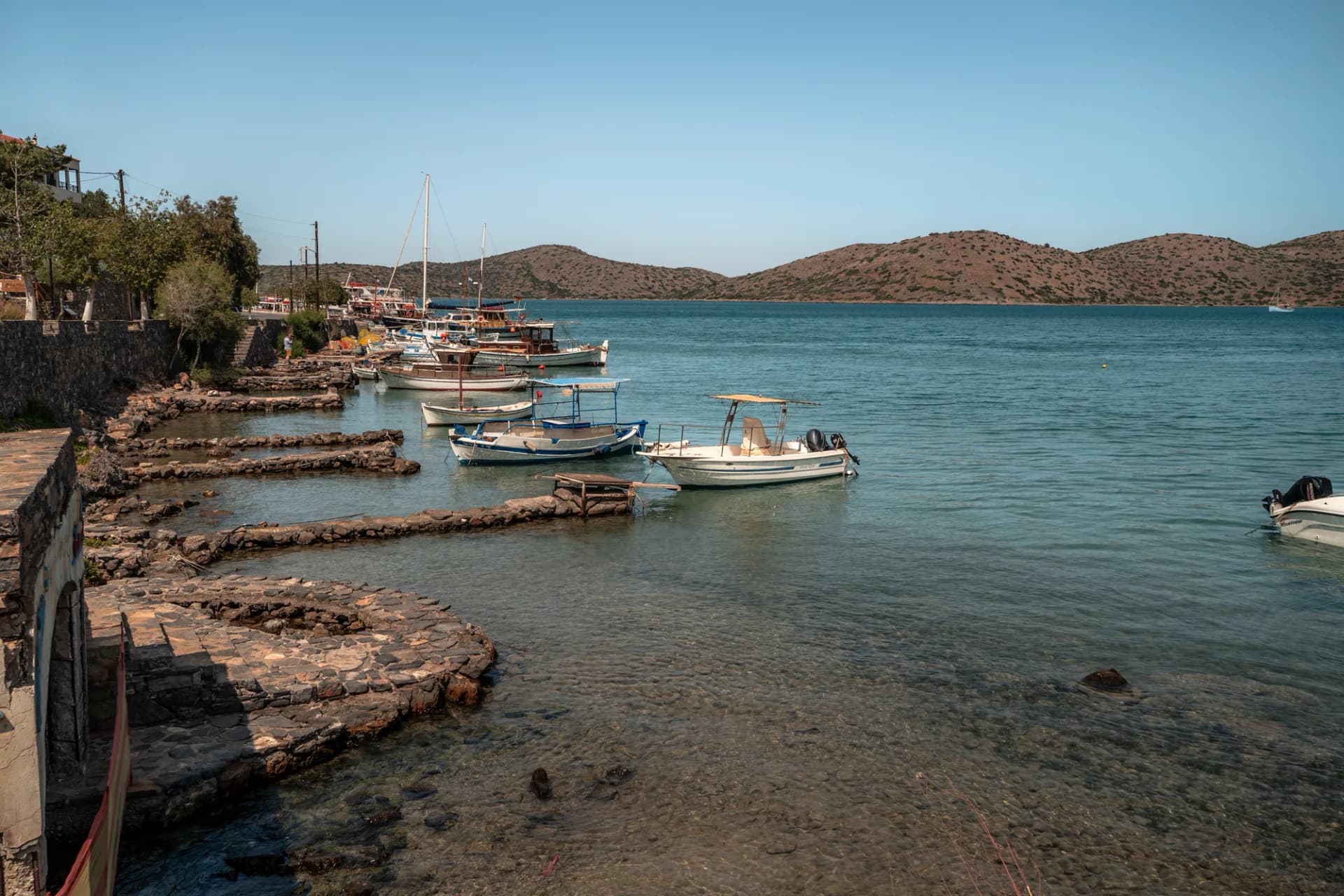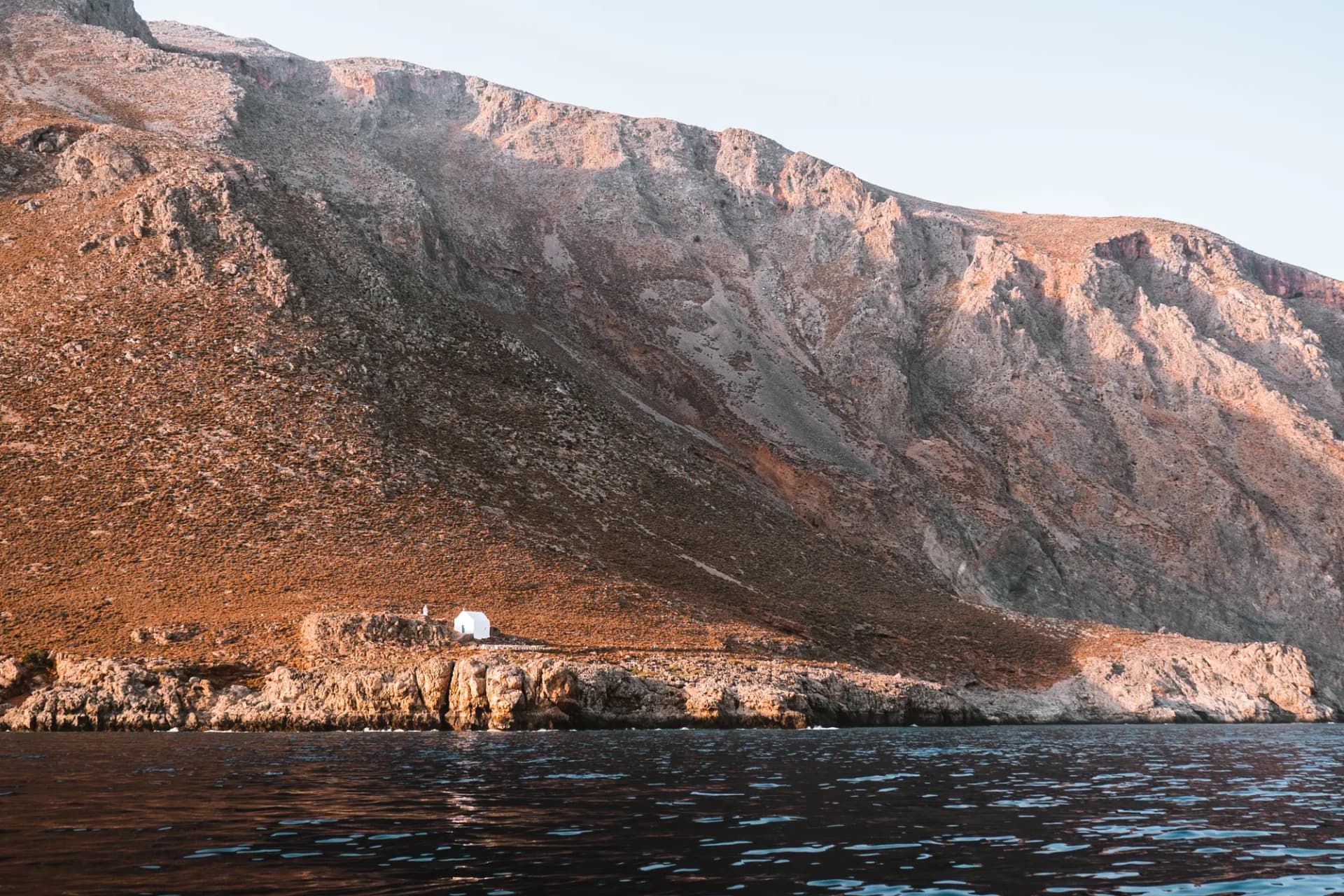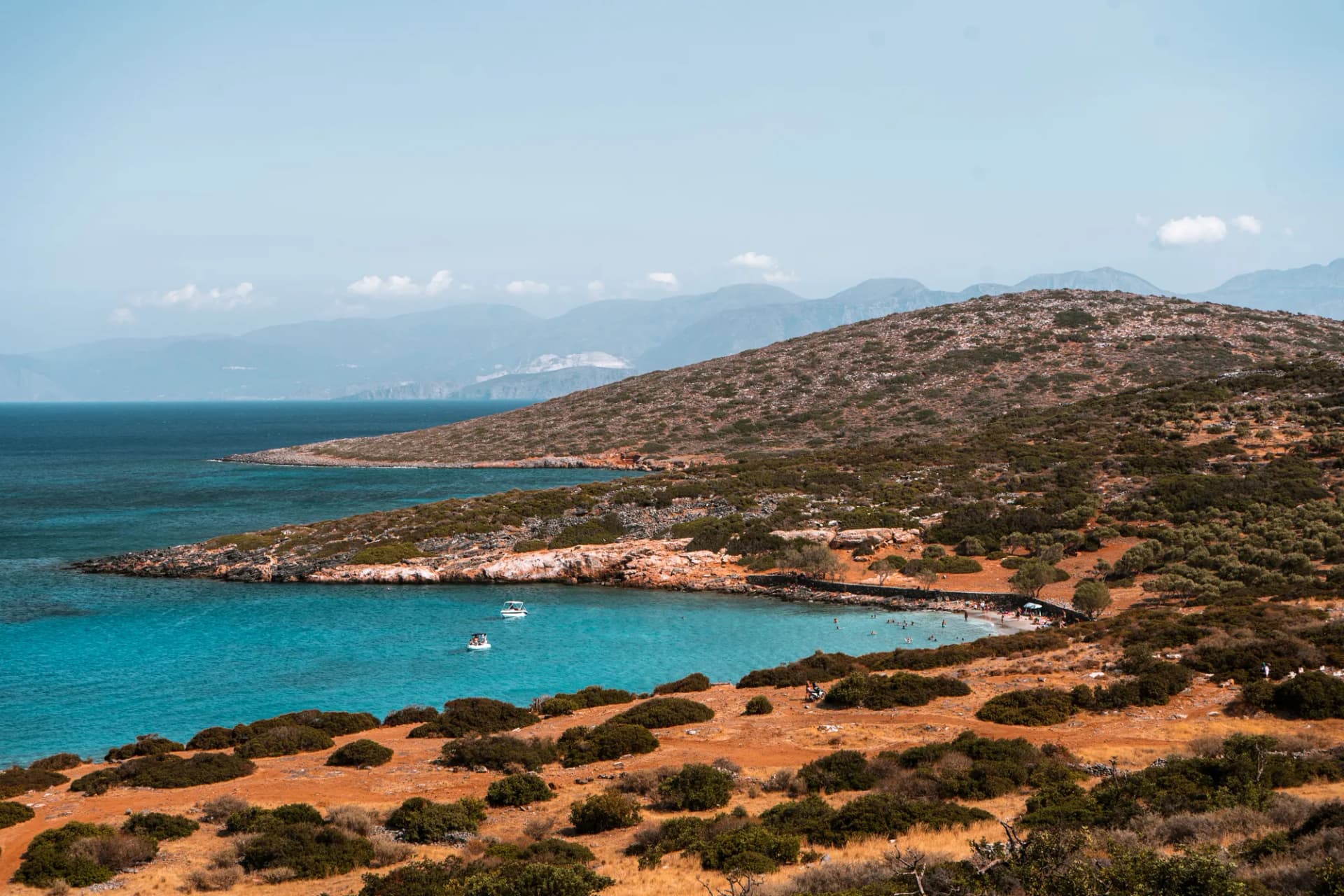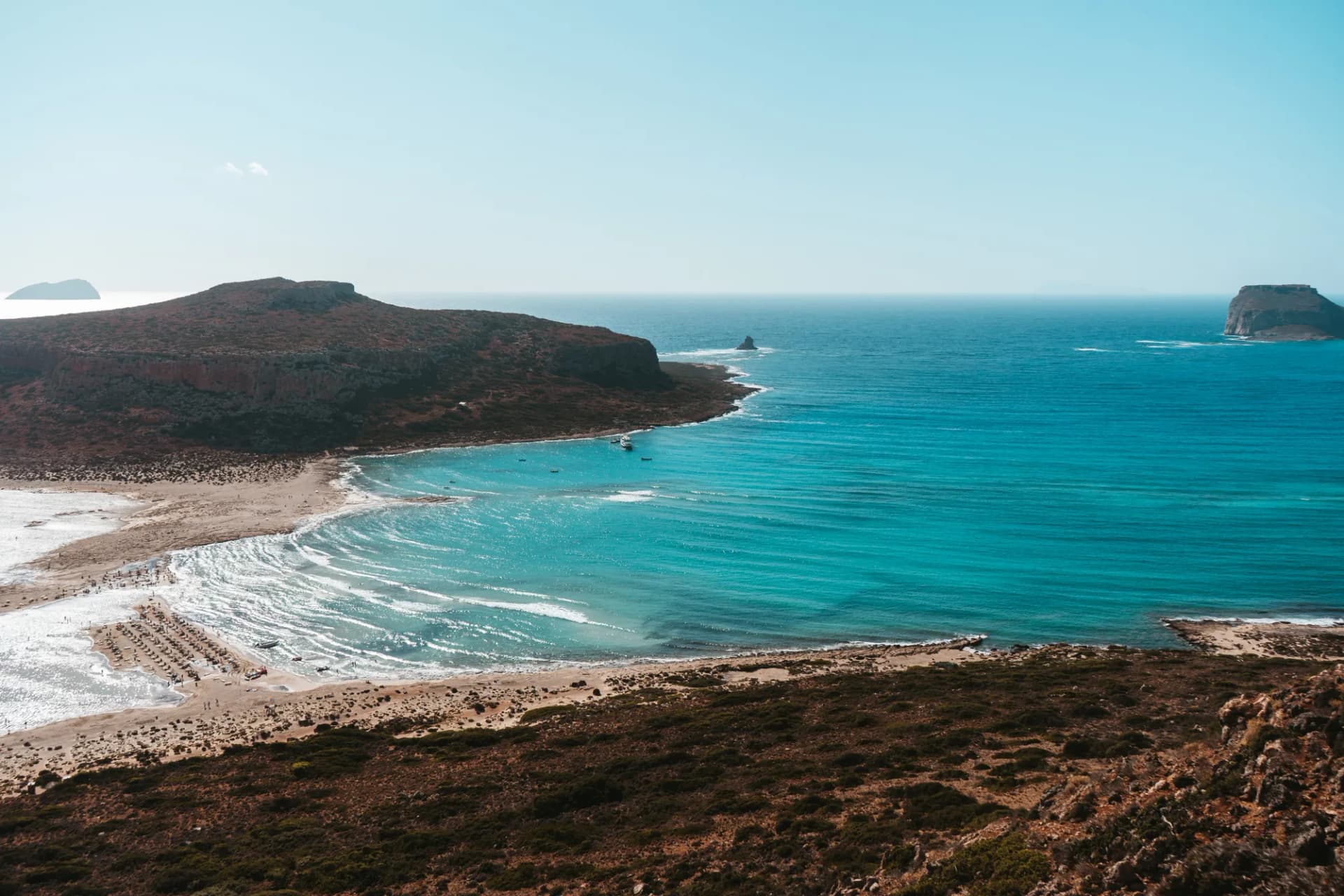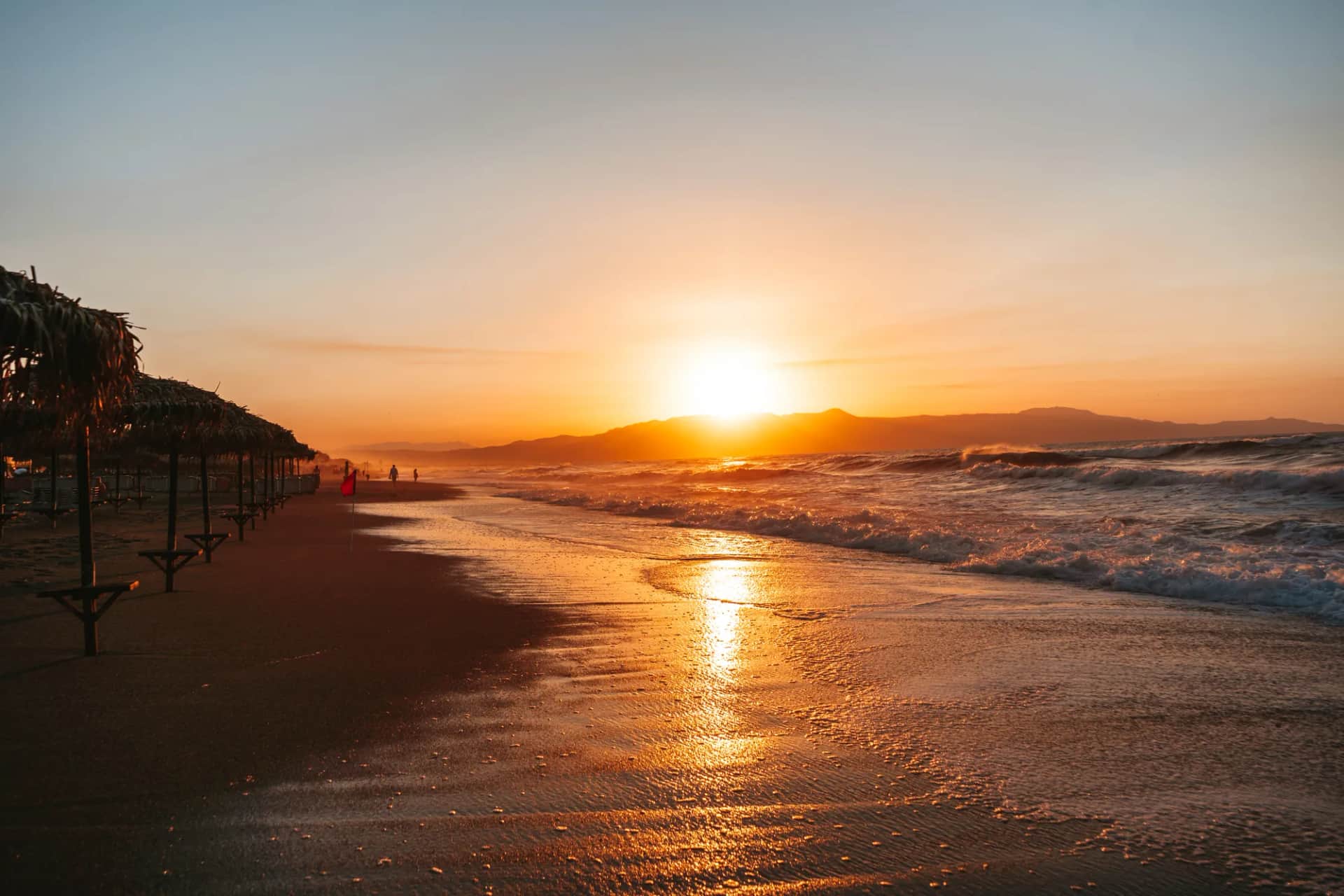

On 1 October, Crete still looks like summer: afternoons above 24°C, a warm sea, beach tavernas open. On 31 October, Spinalonga closes its doors, the last boats to Balos return to Kissamos harbour and some of the seafront hotels shut up shop until spring. In between, four weeks whose mood changes before your eyes.
This is the turning-point month I cover here: the weather at the start and end of the month, the sea temperature, what stays open and what closes, but also what the late season has to offer in its own right, from the olive harvest to the first raki distillations, by way of the national holiday on 28 October.
If you are still unsure about when to go, my guide to the best time to visit Crete, month by month compares the whole year. Here, we zoom in on October.
Weather in Crete in October: two months in one
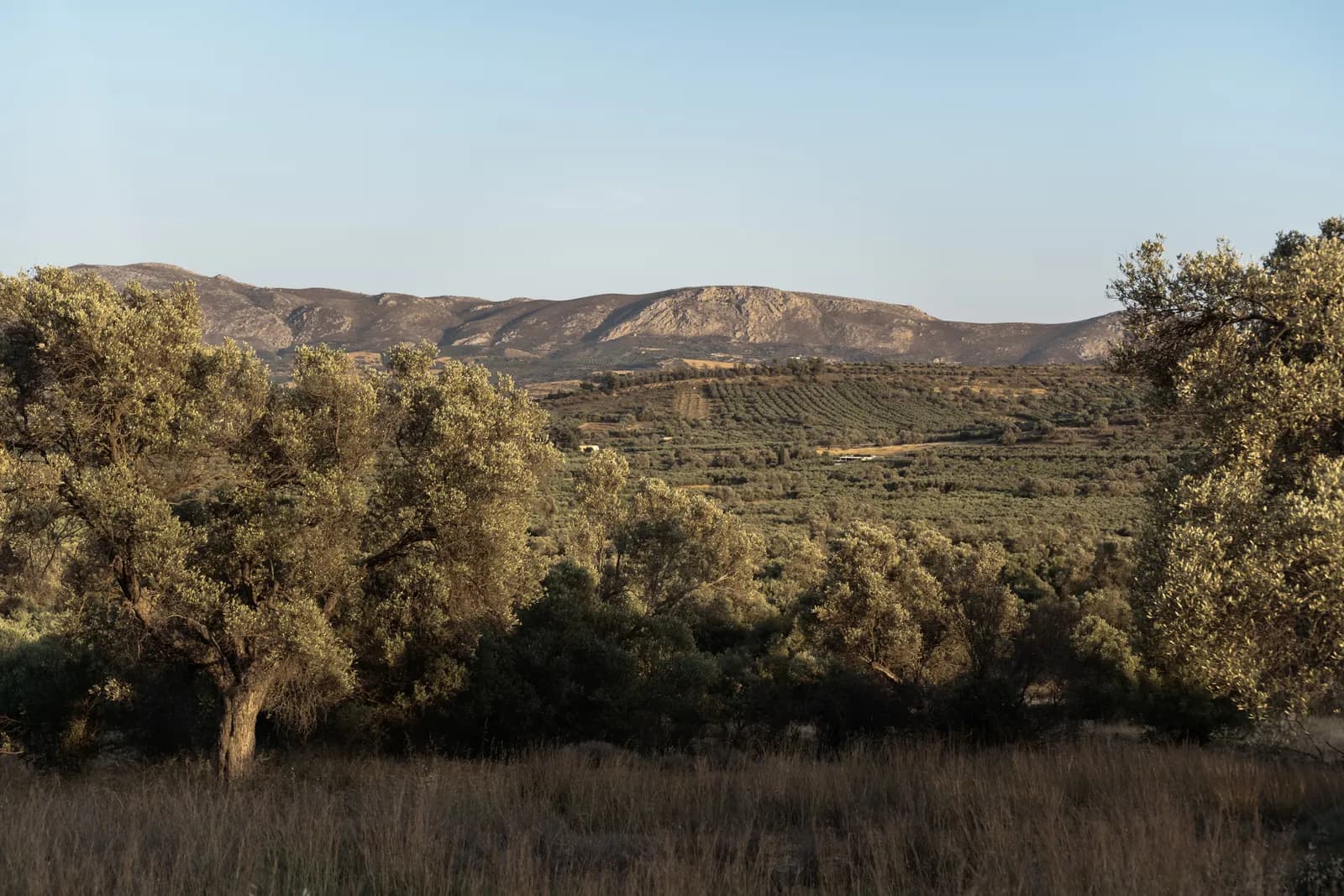
The official averages for Heraklion airport (1991 to 2020) give for October a high of 24°C, a low of 17.5°C, 43 mm of rain spread over about 5 days and 220 hours of sunshine. These are good figures, but they hide a month split in two: the first fortnight extends September, the second prepares for November, which drops to a high of 20°C and just 144 hours of sunshine.
| Heraklion (1991 to 2020 averages) | September | October | November |
|---|---|---|---|
| Average high | 27.5°C | 24°C | 20.1°C |
| Average low | 20.4°C | 17.5°C | 14°C |
| Rain | 17.5 mm, about 1 day | 43 mm, about 5 days | 56 mm, about 6 days |
| Sunshine | 282 hours | 220 hours | 144 hours |
| Sea | 25.4°C | 23.3°C | 20.6°C |
Rainfall more than doubles between September and October, then rises again in November. These are averages, not forecasts: any given year can be warmer or wetter.
Early or late October: what changes
- From 1 to 15 October: days that still feel like summer, mild evenings on terraces, most tourist services open. It is the best part of the month to combine the beach with sightseeing.
- From 16 to 31 October: temperatures slipping towards 20 to 22°C in the afternoon, cooler nights, more cloud and the first serious rain. The clocks going back on 25 October also brings nightfall an hour earlier.
First rain and wind
In Crete, autumn rain rarely comes as steady drizzle: it tends to arrive in stormy bursts, sometimes violent, followed by lovely sunny spells. The meltemi, the northerly summer wind, eases off considerably, but gales from the south or north are still possible and are enough to cancel a boat trip or close Samaria for the day. I recommend keeping one or two flexible days in your itinerary and checking the marine forecast the day before each excursion.
The sea in October: still warm, but not for long
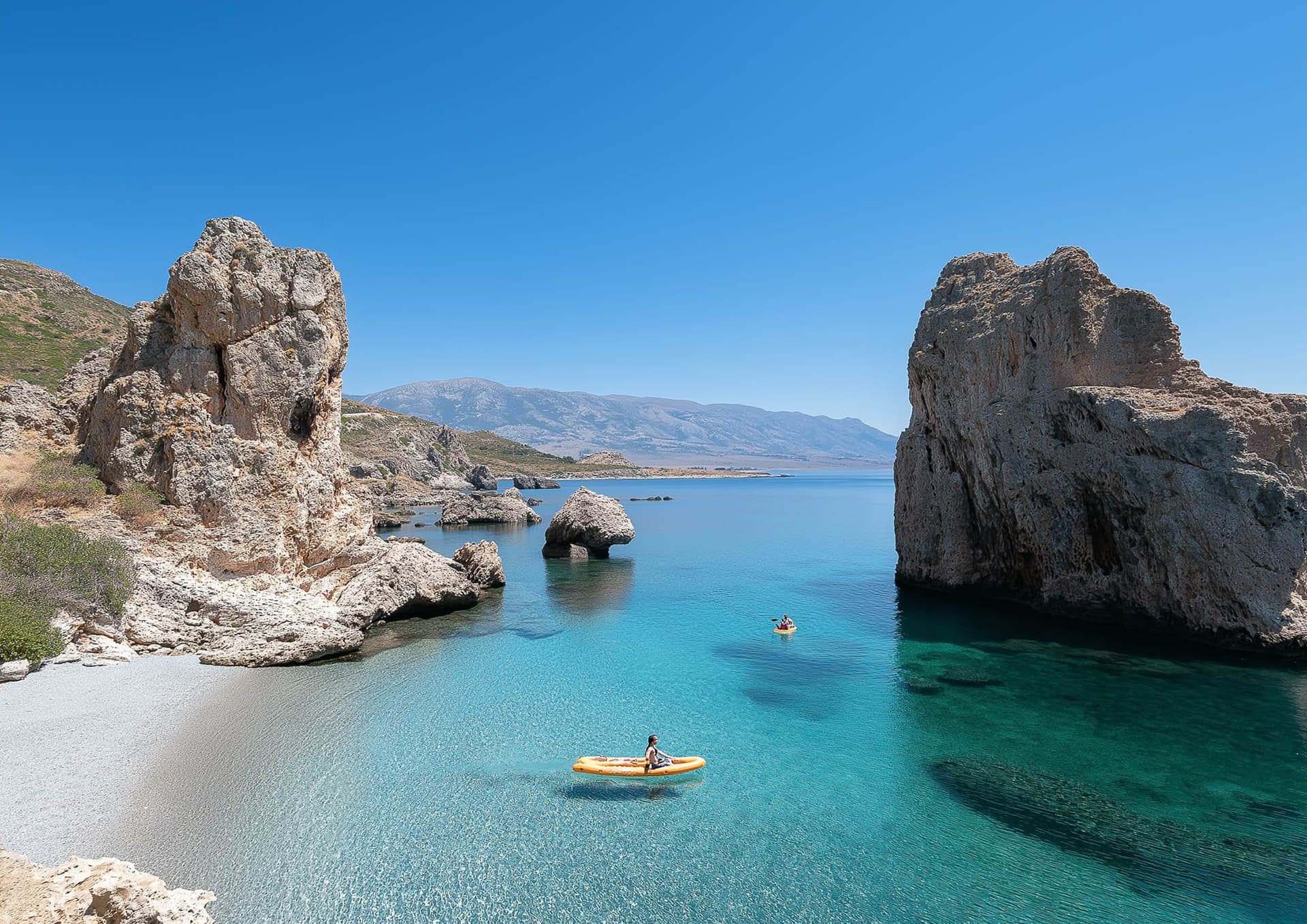
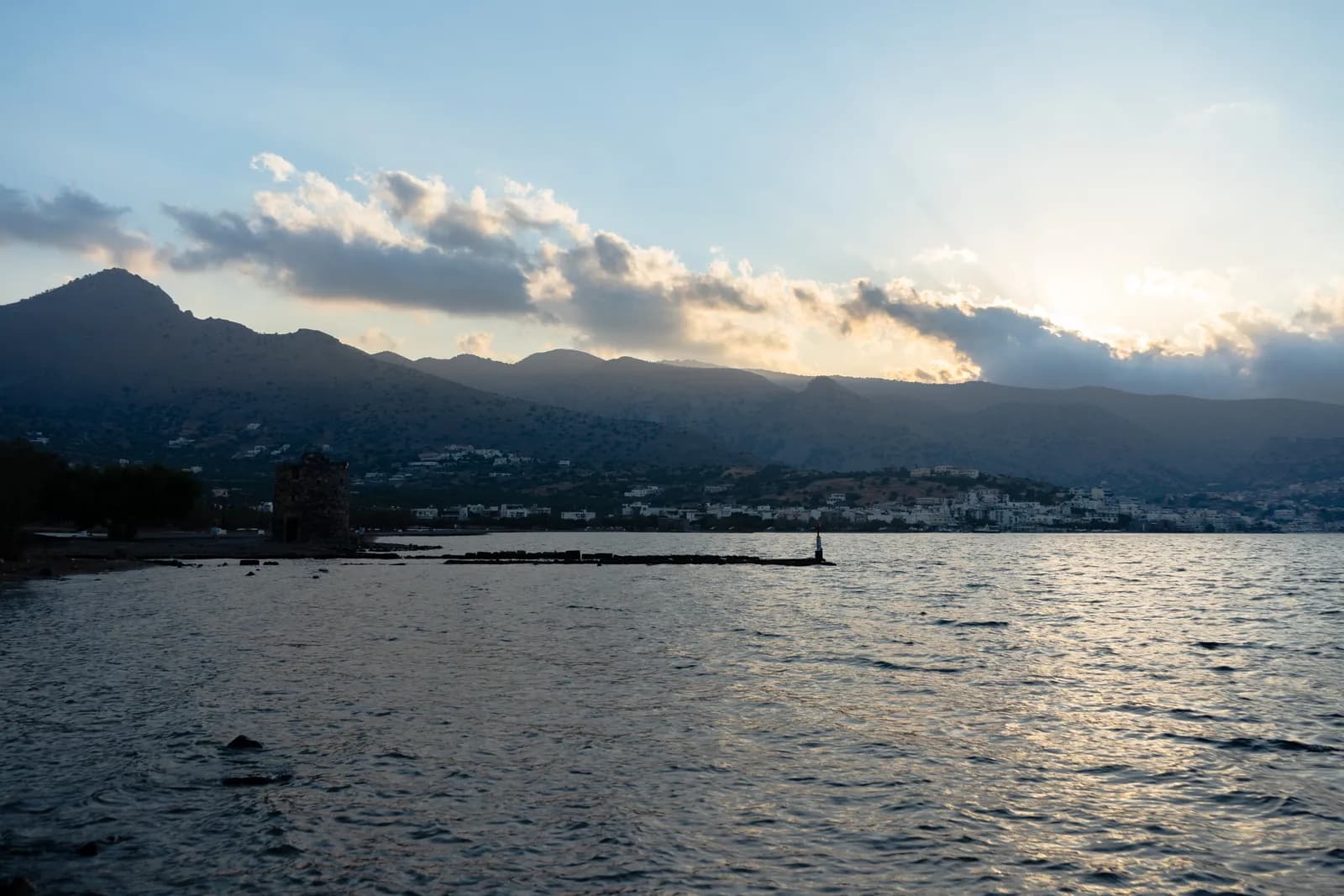
This is the month's great asset: the sea has stored up the summer's heat and cools slowly. At 23.3°C on average in October in Heraklion, it is often more pleasant than the air in the late afternoon. It stays warmer at the start of the month than at the end, and drops to 20 to 21°C in November.
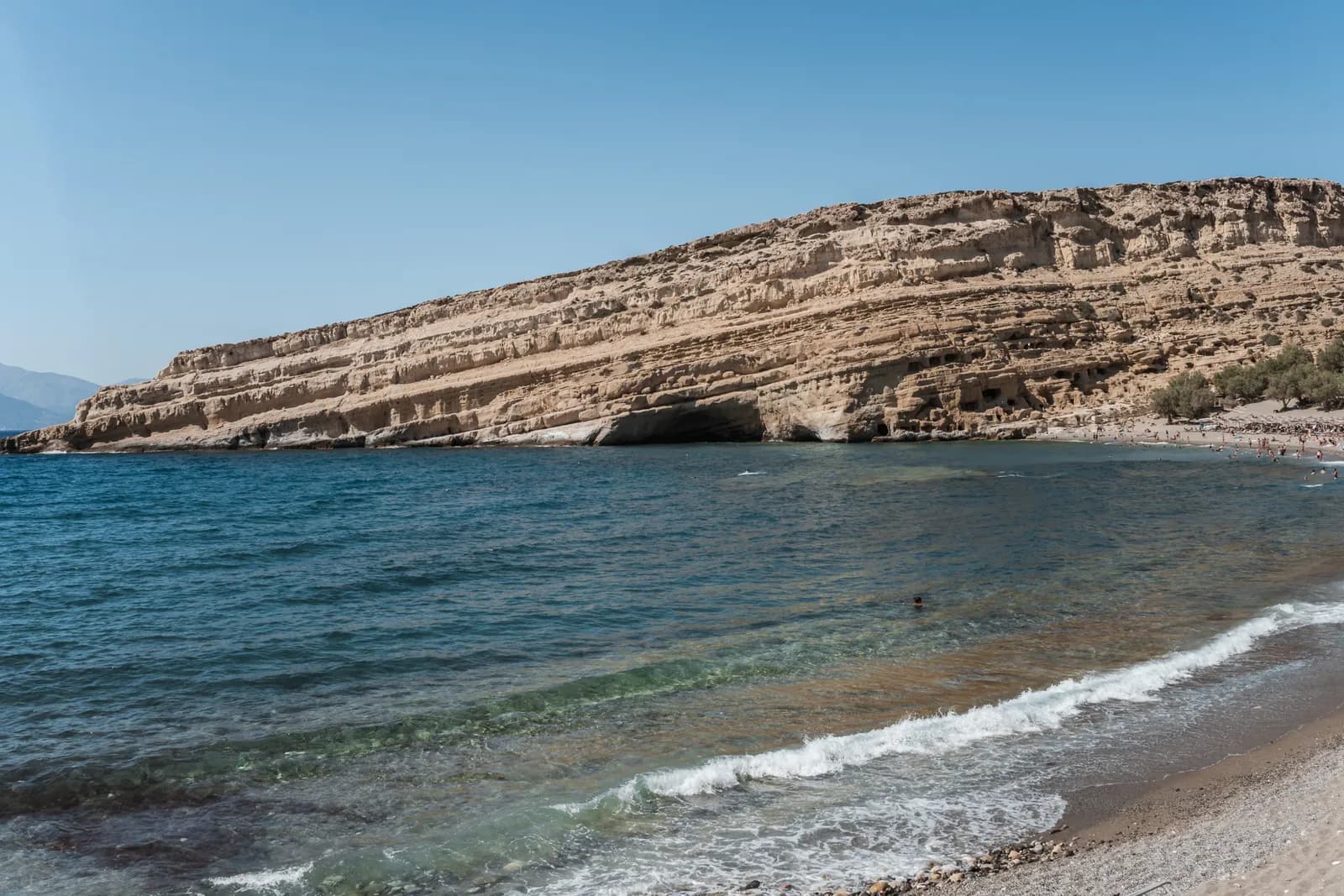
- North coast: more exposed to the wind, with waves that make some beaches hard going on rough days. The sheltered coves of Mirabello Bay remain good options.
- South coast: protected from northerly winds and sunnier (Ierapetra gets more than 3,100 hours of sunshine a year), this is where the swimming season lasts longest.
- Beach services: sunbeds, parasols and lifeguards gradually disappear as the month goes on. Bring your own shade at the end of the season.
What stays open and what closes in October
October is the last month of the official tourist season. Most of the major sites stay open all year round, but several iconic visits stop on 31 October, and opening hours get shorter from mid-October.
| Site or activity | In October | After 31 October |
|---|---|---|
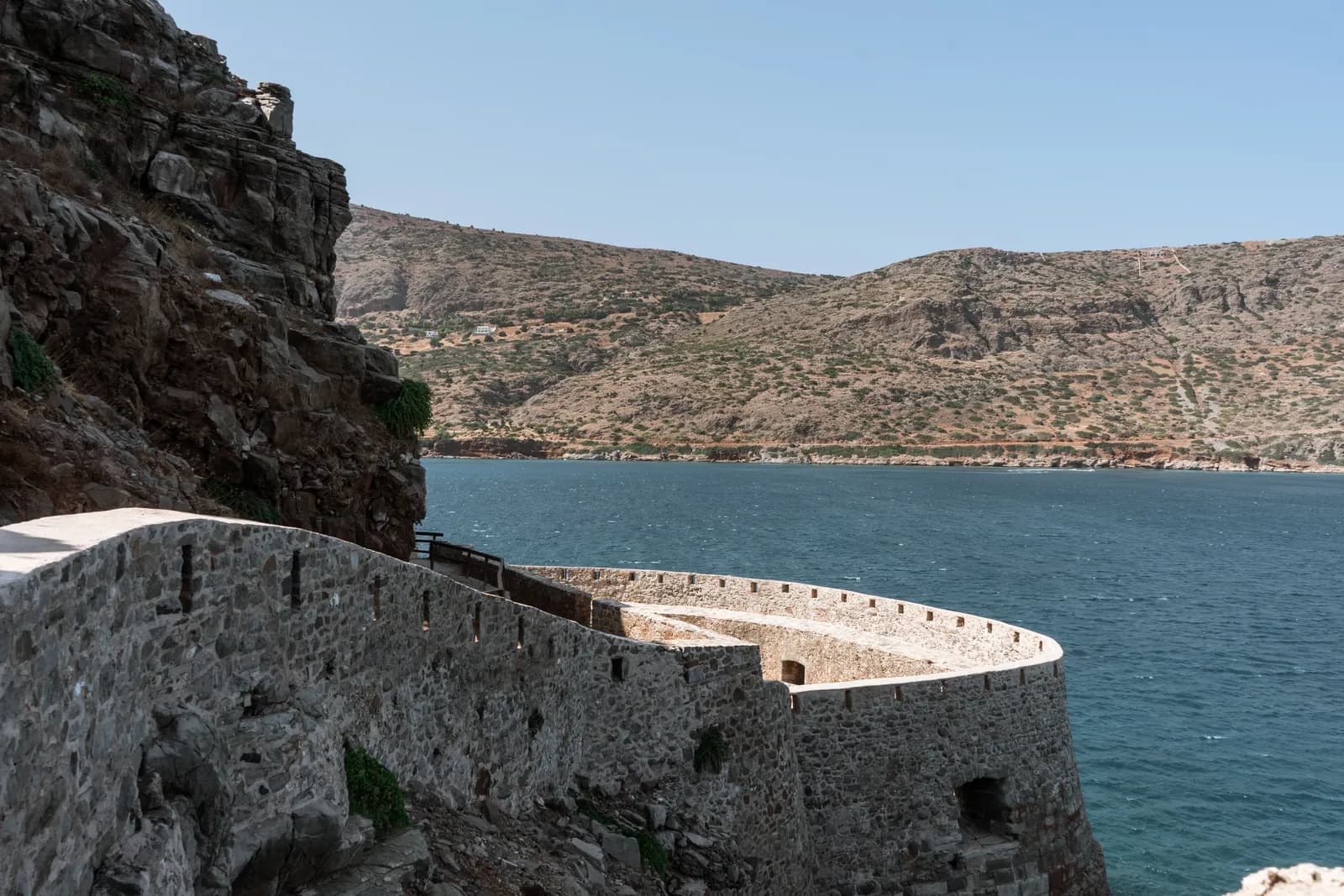
| Spinalonga | Open until the 31st, 8.30am to 6pm, €20 (€10 reduced) | Closed until 1 April |
| Knossos | Open daily, closing around 6pm or 6.30pm depending on the fortnight, €20 | Open, winter hours from 8am to 5pm |
| Heraklion Archaeological Museum | Open, €20 | Open, winter hours |
| Lato and Panagia Kera (Kritsa) | 8.30am to 3.30pm, closed on Tuesdays | Check on site |
| Cave of Zeus (Psychro) | 8.30am to 3.30pm, closed on Tuesdays | Check on site |
| Samaria Gorge | Open if the weather allows, €10 | Closed until spring |
| Boats to Balos and Gramvousa | Last weeks of the season (May to October), fewer departures | No more boats; dirt track accessible by car |
| Boats to Chrissi | Usually until October, swimming from the boat only | No more regular service |
| Resort hotels and tavernas | Gradual closures from mid-October | Many closed until April |
Spinalonga and the archaeological sites
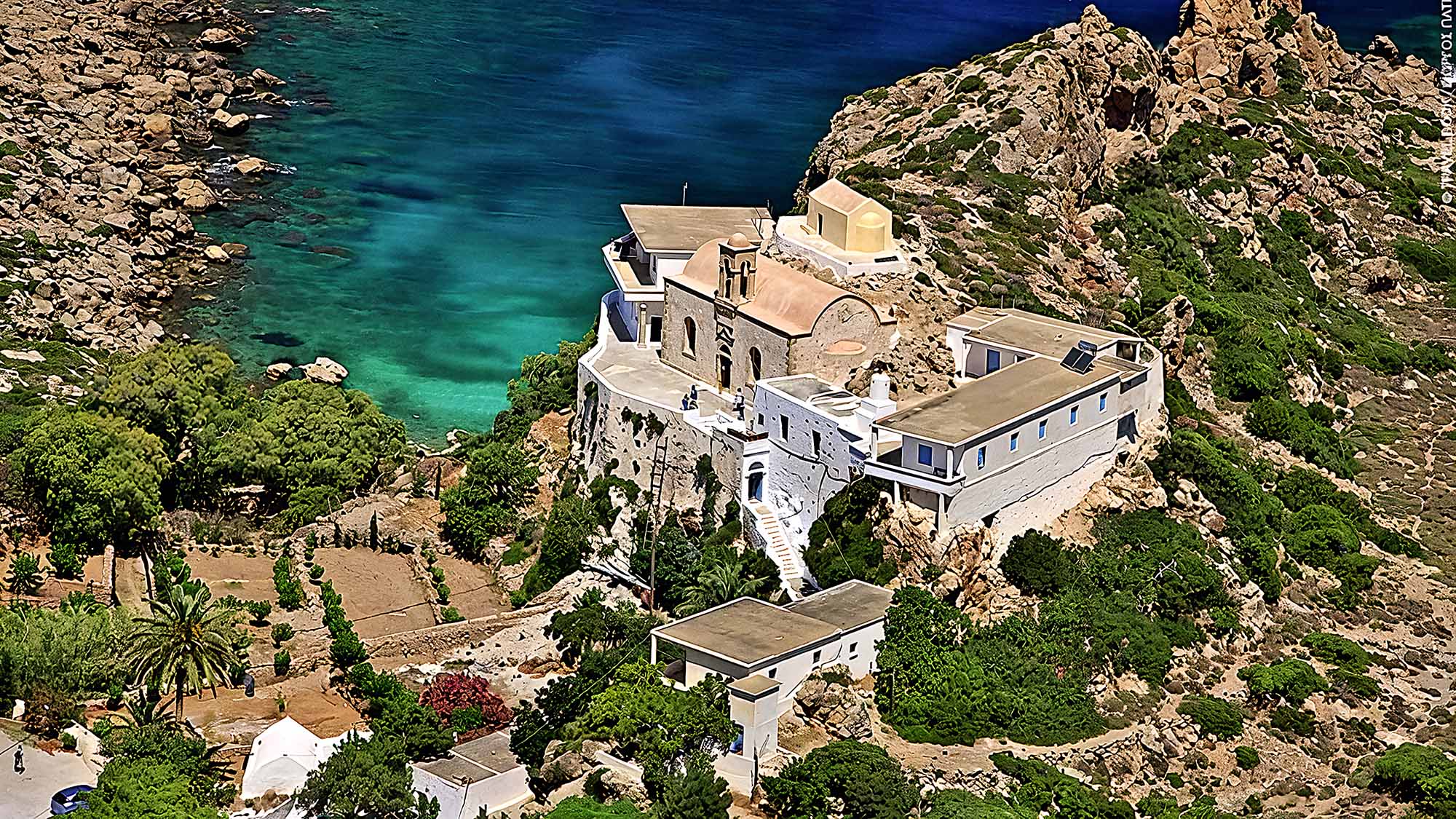
If the former leper colony is on your list, October is your last chance before April: boats leave from Plaka (about 10 minutes, around €12 return), Elounda (about 20 minutes, €14) or Agios Nikolaos (from around €20). Everything is covered in my guide to visiting Spinalonga. As for Knossos, the Ministry of Culture shortens the opening hours of the major sites fortnight by fortnight in autumn: expect closing around 6.30pm in the first half of the month and around 6pm in the second, then the switch to winter hours on 1 November. Smaller sites such as Lato stay on an 8.30am to 3.30pm schedule.
Boats to Balos and Chrissi
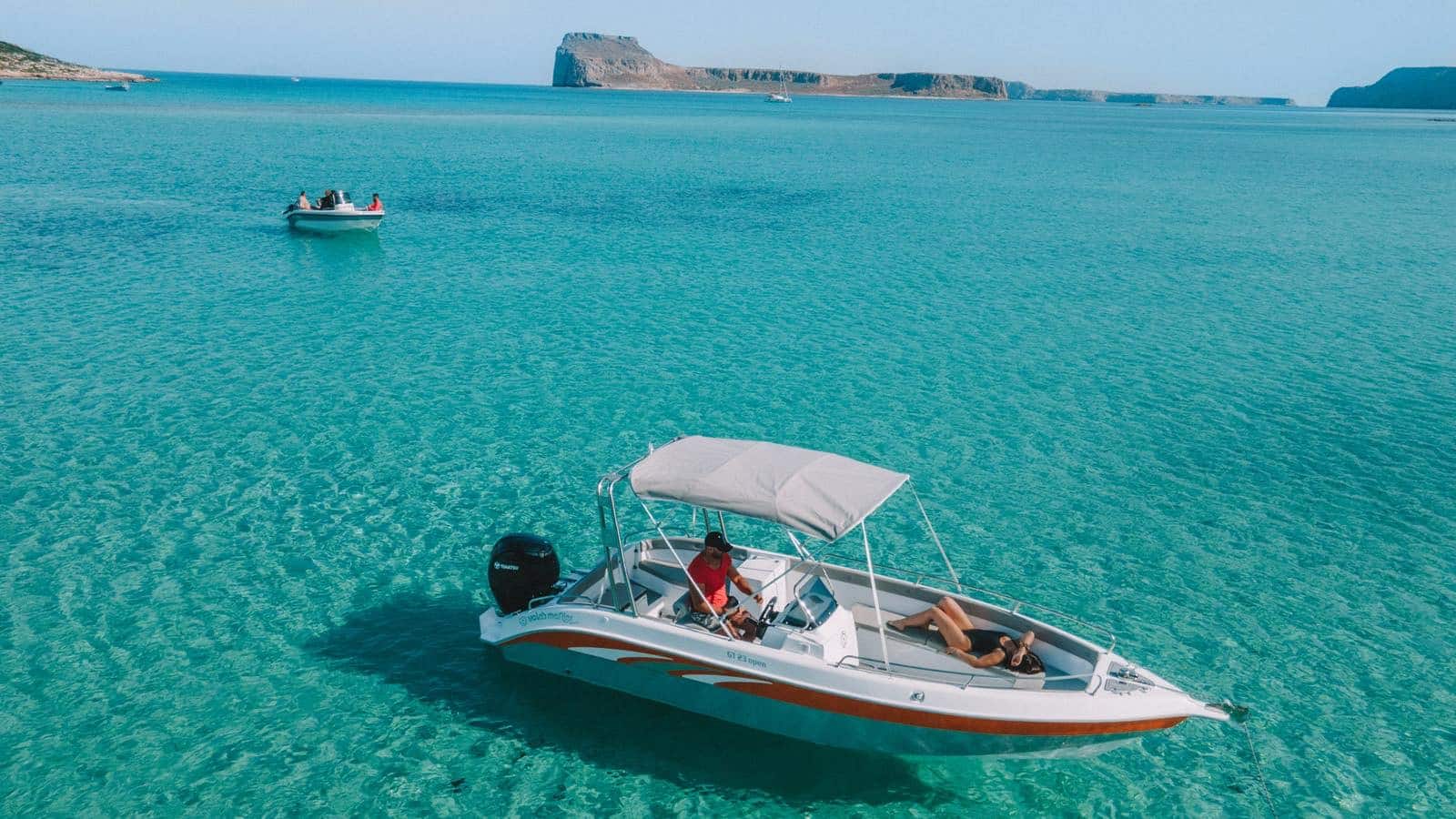
Cruises from Kissamos to Balos and Gramvousa run from May to October, with departures becoming less frequent at the end of the season and possible cancellations in strong winds. After the last boat, Balos is still reachable via the dirt track and a walk down of about 20 minutes (parking €3). For Chrissi, departing from Ierapetra, remember that landing on the island has been banned since 2025: you swim from the boat, and trips become scarcer as the month goes on.
Seasonal hotels and tavernas
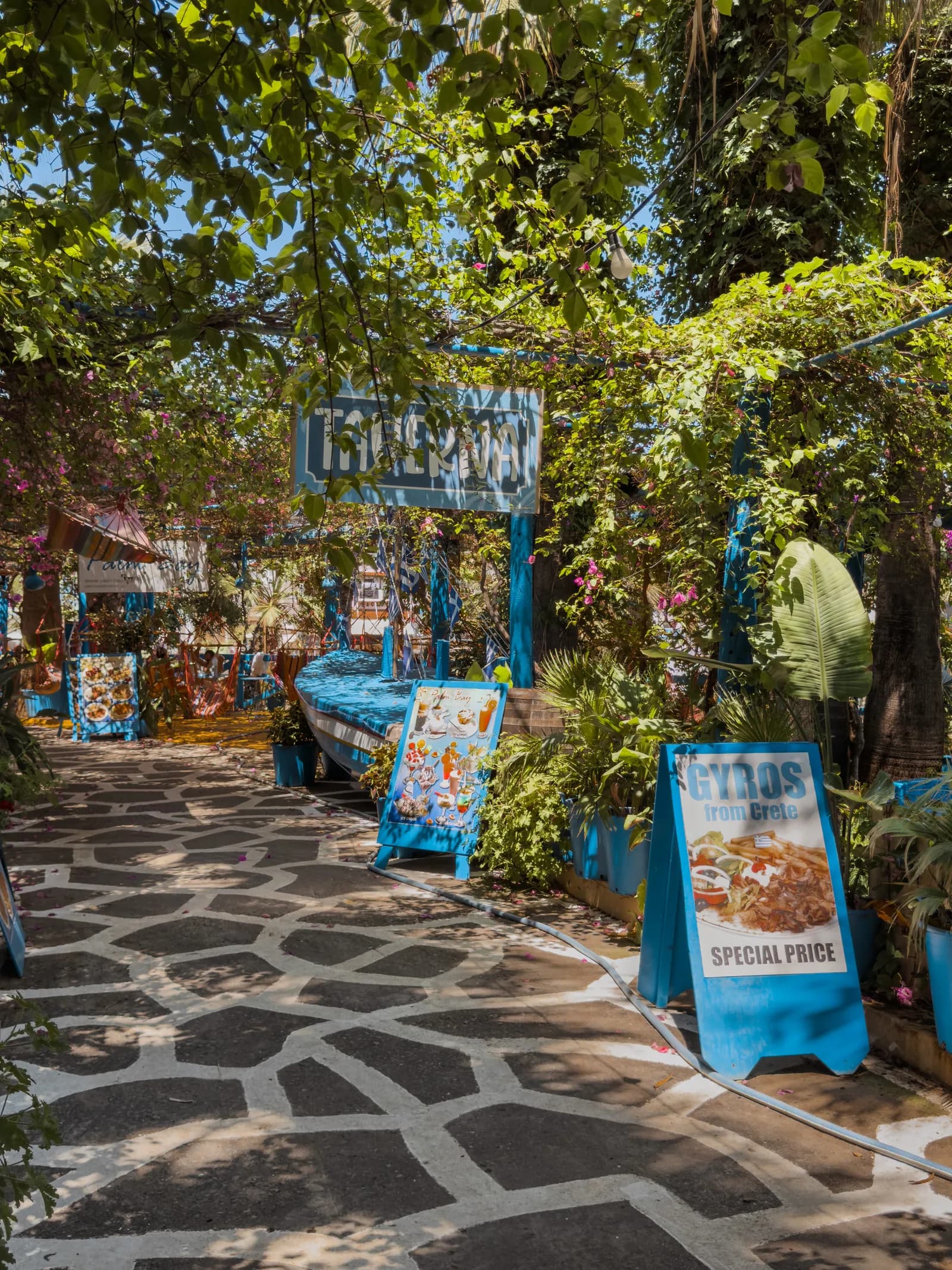
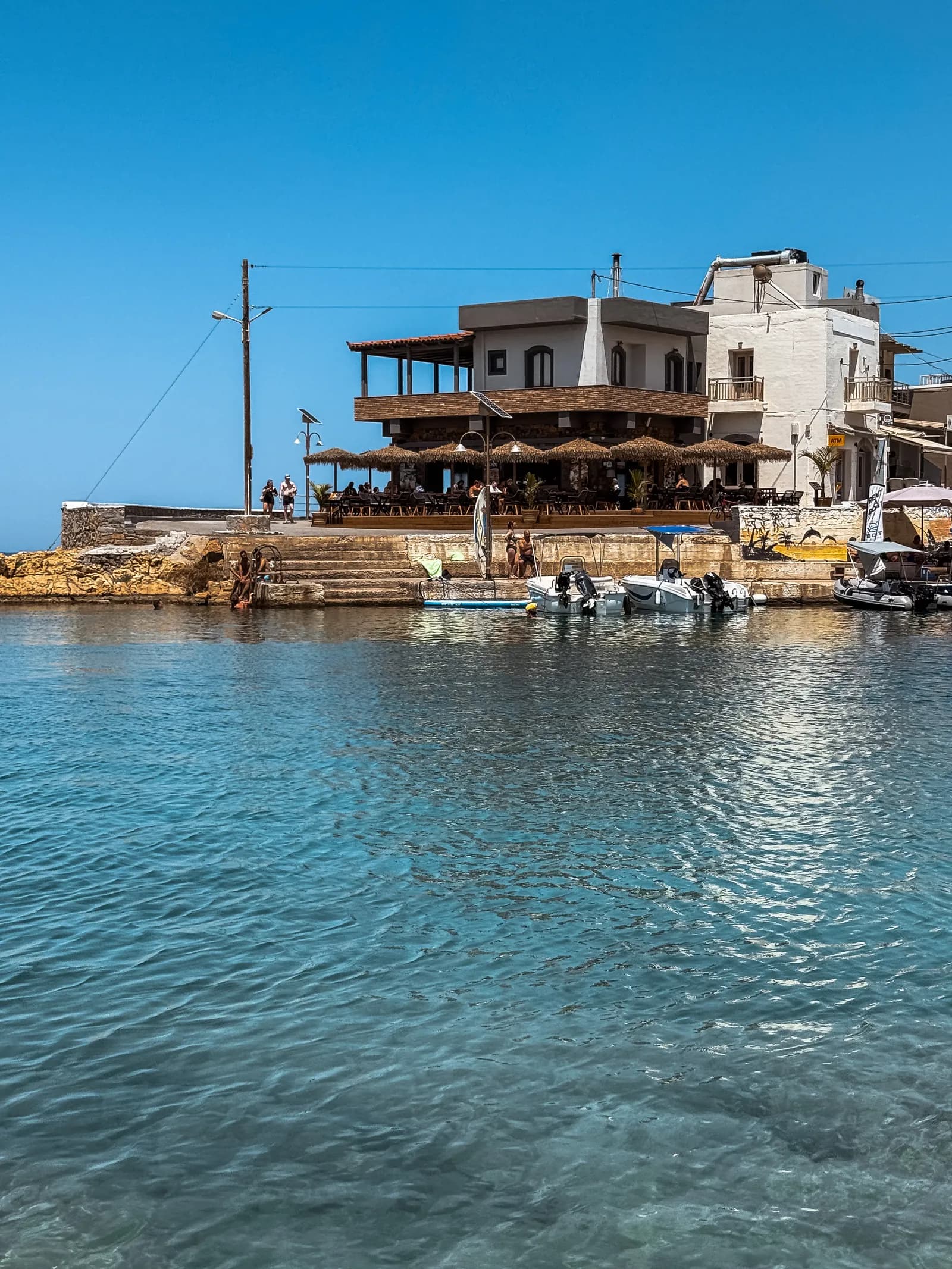
The large seafront resorts and beach tavernas close one after another from mid-October, most of them before early November. Dates vary from one place to another: before booking a hotel for the last days of the month, check that it is definitely open on your dates, and that its restaurant is too. In the towns, on the other hand, nothing stops.
Photos : Pierre Bouyer
28 October, Ochi Day
At dawn on 28 October 1940, Prime Minister Ioannis Metaxas rejected Mussolini's ultimatum demanding passage for Italian troops through Greece. A few hours later, Italy attacked. This refusal, remembered in the collective memory as Ochi (“no”), became one of Greece's two national holidays.
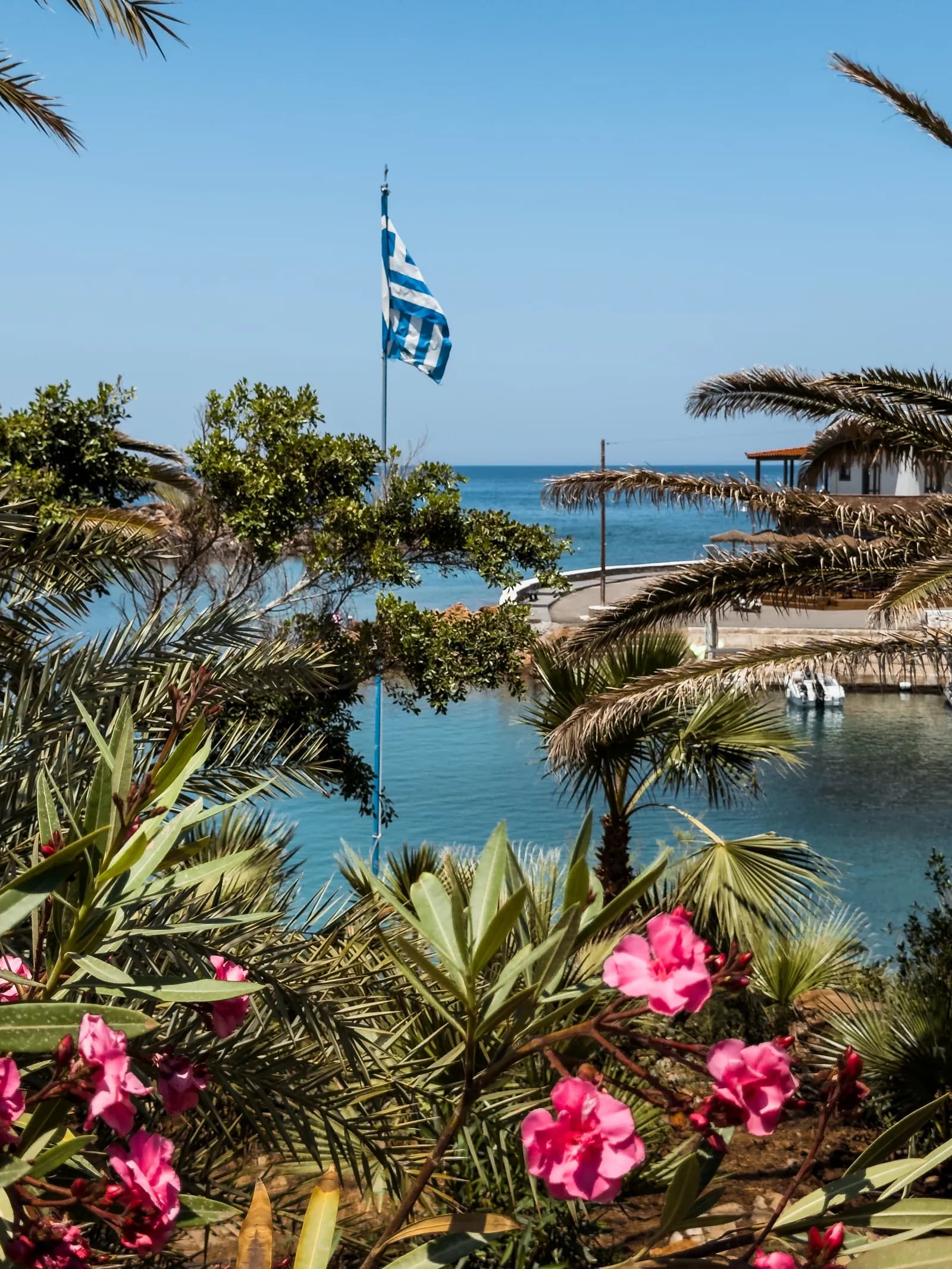
- Parades: schoolchildren, associations and soldiers march in the morning through towns and villages, after church services. If you are in Heraklion or Chania that day, ask your host about the route.
- Public holiday: public offices, banks and a good share of shops are closed. Cafés and tavernas, on the other hand, are full.
- Sites and museums: they keep their usual hours, and entry to state-run sites and museums is free that day. So expect more people at Knossos or the Heraklion museum.
Olives and raki: agricultural Crete takes over again
When the tourists leave, the island returns to its autumn work. For me, it is the best reason to come at the end of the month.
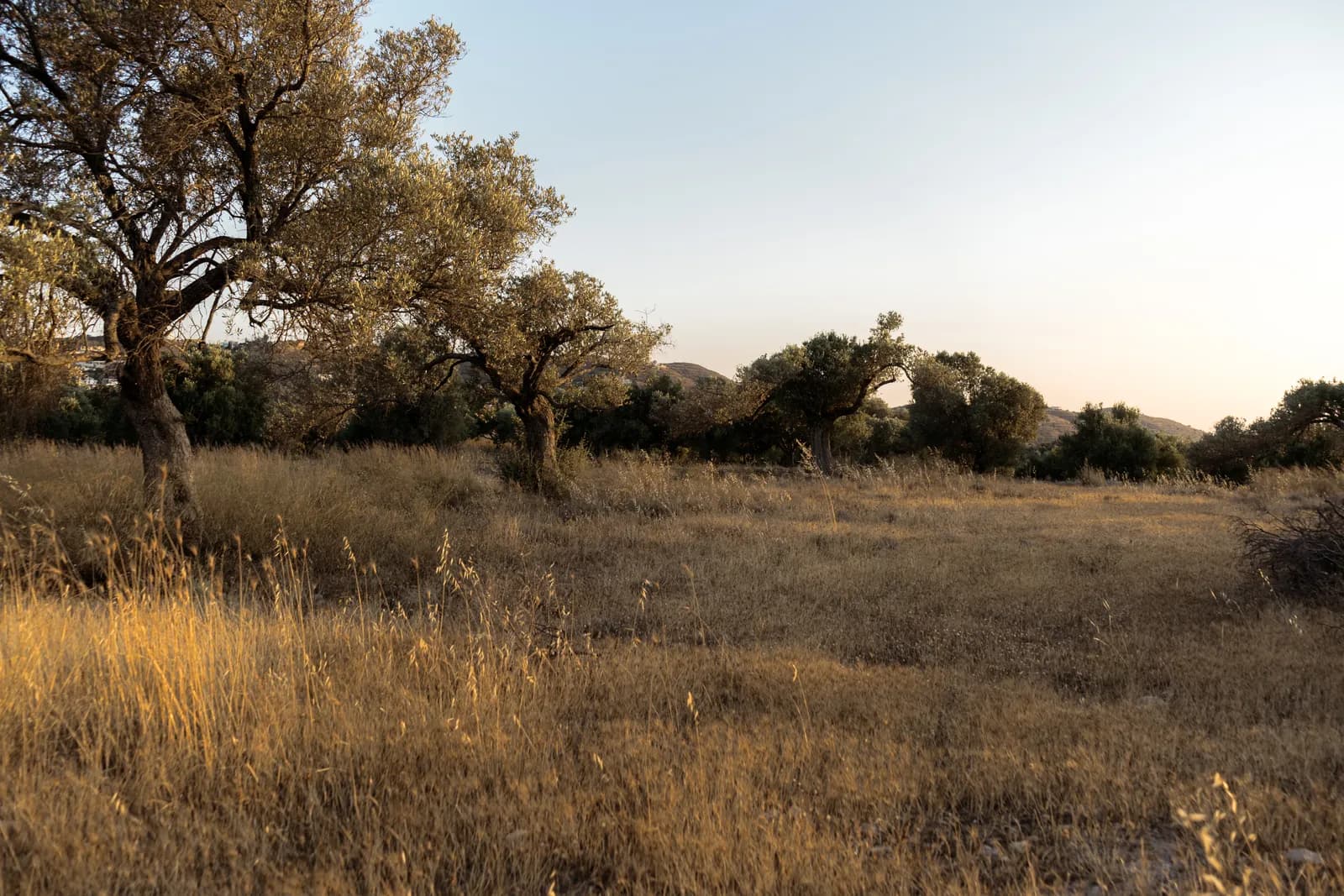
The start of the olive harvest
The harvest runs from October to January, peaking in November and December. At the end of October, you will see the first nets spread out under the trees. Olives picked early, while still green, produce a more peppery oil that is richer in polyphenols and highly sought after. A few estates and mills open their doors during this period; ask your host. And to grasp how ancient this tradition is, nothing beats a detour to the olive tree of Vouves, near Chania.
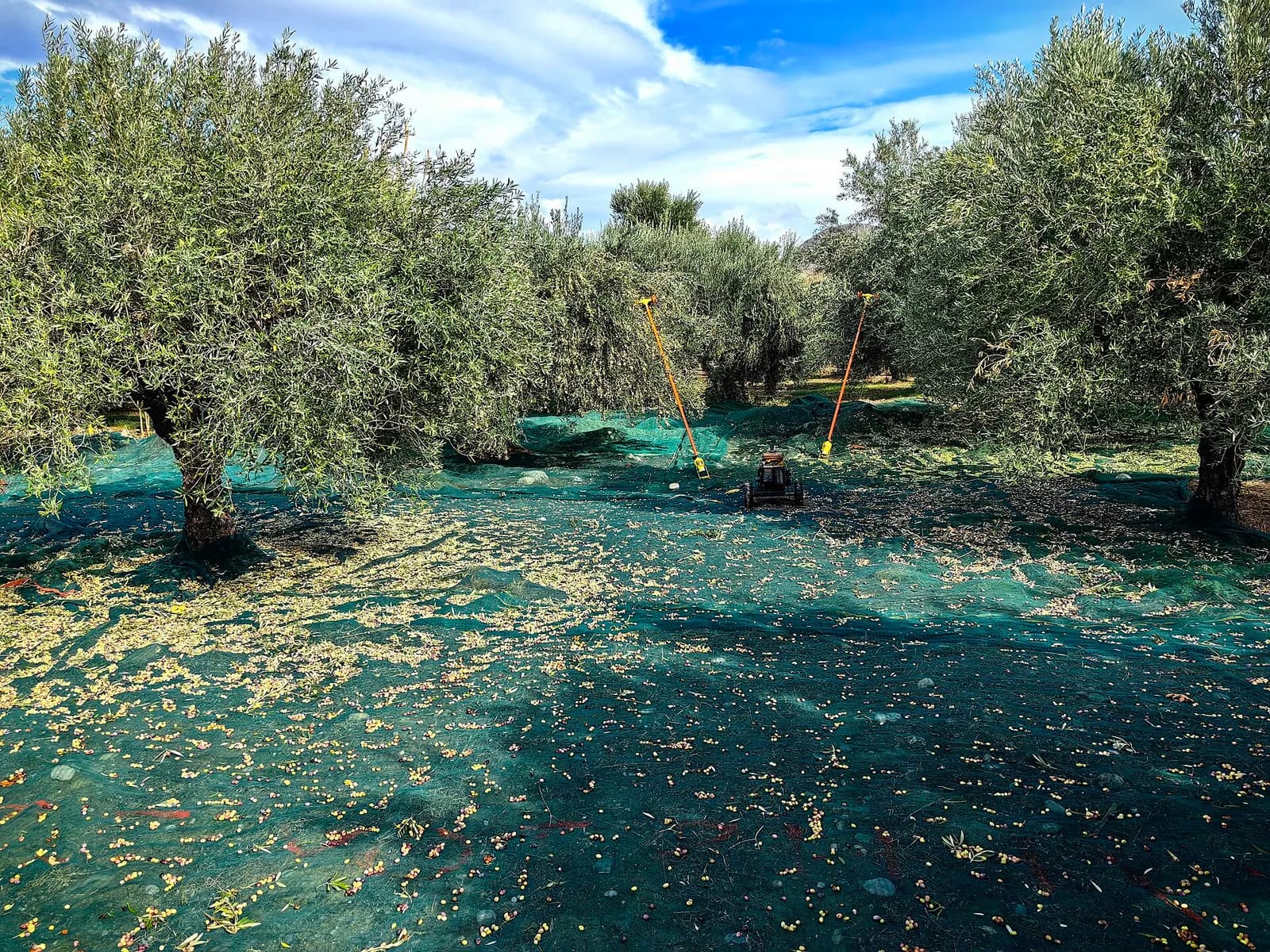
Kazanemata, the raki distilling season
After the September grape harvest, the grape pomace ferments for a few weeks before going into the kazani, the copper still. The distillations, known as kazanemata, begin in October and carry on until December depending on the village. People taste the raki (or tsikoudia) while it is still warm, roast potatoes in the embers and eat together. They take place at licensed distillers, often family-run: the easiest way to attend one is to ask your host whether they know a kazani that welcomes visitors.
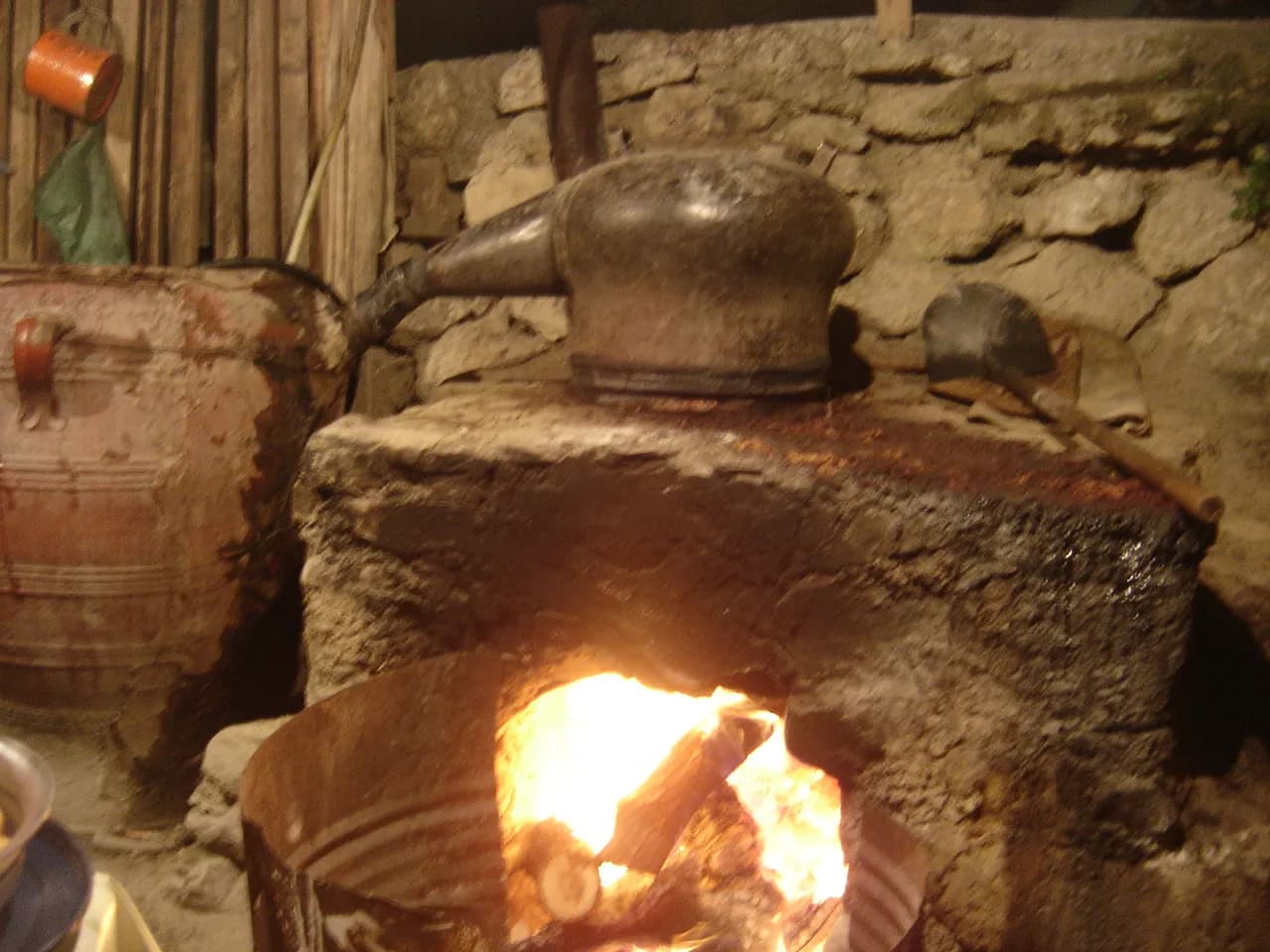
In October, Crete gradually stops performing for visitors and starts living for itself again: that is exactly the moment I love.
Hiking in October: the right season for walking
After the crushing heat of summer, October makes walking pleasant from morning to evening. The gorges, the south coast footpaths and the mountain plateaus can be explored without the July furnace.
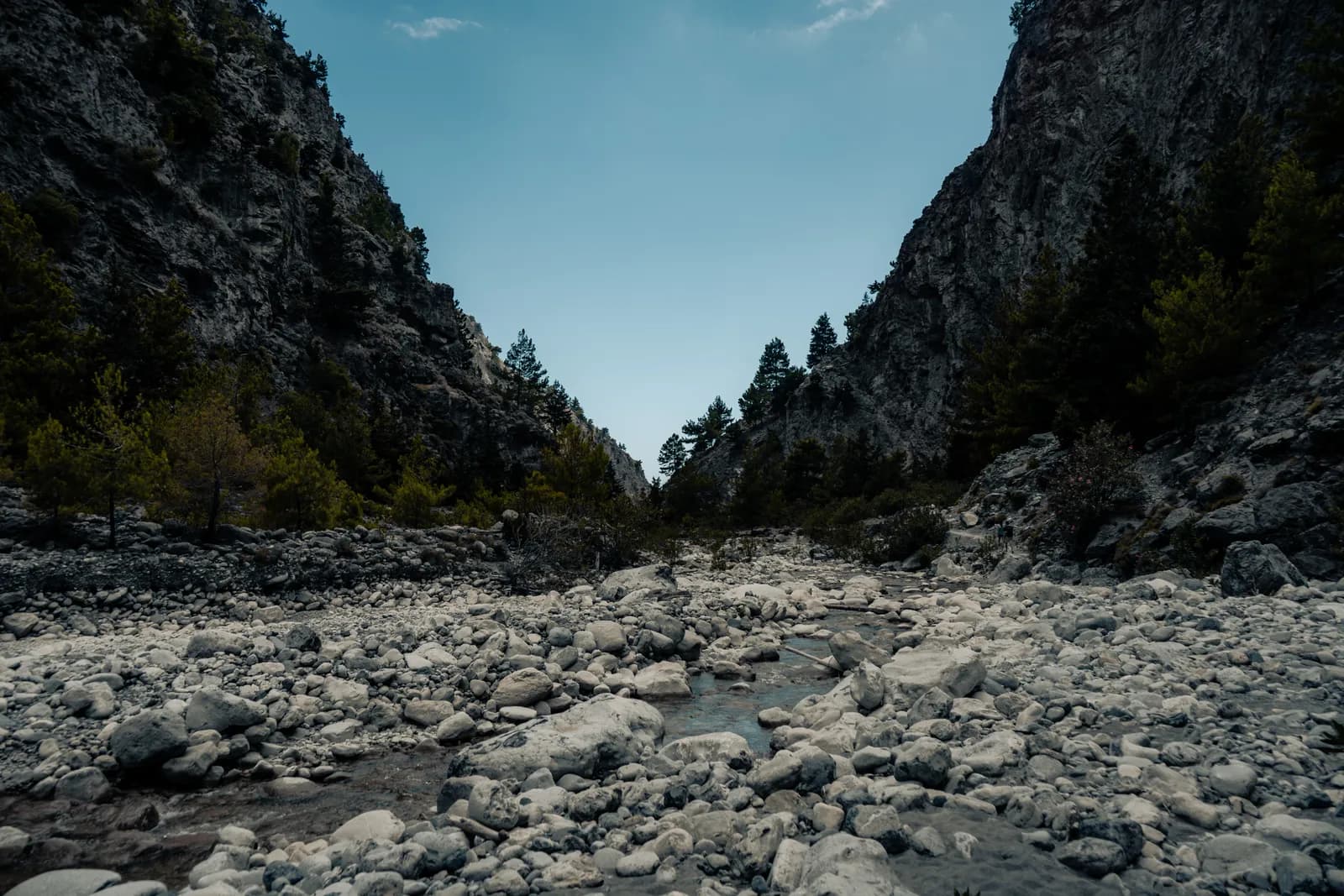
- Samaria: the most famous of the gorges stays open until the end of October, for €10, unless it is closed due to the weather. In October, the boats from Agia Roumeli to Sfakia usually leave between 3pm and 6pm: it is all in my guide to hiking Samaria Gorge.
- Daylight: the days are getting shorter, and the switch to winter time on 25 October makes night fall an hour earlier. Set off early and leave some margin.
- After rain: avoid the bottom of the gorges on stormy days and the day after. The risk of flash floods is real, and the paths become slippery.
- At altitude: on the plateaus and in the mountains, it is noticeably cooler than by the sea. A windproof jacket and a warm layer are well worth packing.
Flights, prices and budget in October
From France, Belgium and Switzerland, most direct flights to Heraklion and Chania are seasonal, from April to October. In October they are still flying, but many routes stop at the end of the month when airlines switch to their winter schedules. If your trip runs into November, check the date of the last return flight before booking, or plan a connection via Athens (a domestic flight of about 50 minutes).
- Accommodation: in early October, a 3-star hotel or an apartment with a pool often costs between €80 and €120 a night; by the end of the month, prices fall to low-season levels, around €55 to €80.
- Climate resilience tax: it stays at the summer rate until 31 October, from €2 (1 and 2-star) to €15 (5-star) per room per night, before dropping in November.
- Car hire: expect around €30 to €55 a day for a small car, much less than in August. With fewer seasonal buses, a car becomes almost essential for getting out of the towns.
- Flights: average fares stay reasonable from Paris to Heraklion; to Chania, they are higher in October (around €320 on average from Paris according to Où et quand), due to a lack of competition out of season.
DiscoverCars
Car rental comparison — 150+ countries
Compare prices from Hertz, Avis, Sixt and local providers. All fees included, free cancellation. Rated 4.6/5 on Trustpilot.


Where to stay in Crete in October
The right choice depends mainly on your dates. For the first fortnight, every region is still up and running. For the second, I recommend two strategies.
- Towns that stay alive all year round: Chania, Heraklion, Rethymno and Agios Nikolaos keep their restaurants, museums and transport going after the season. Even if it rains, there is plenty to do.
- The south coast: Ierapetra, a town of 17,700 people that does not rely on tourism alone, is the sunniest part of the island and the last place to stop swimming. The smaller villages on the Sfakia coast or Paleochora, by contrast, empty quickly after mid-October.
- Beach resorts: Elounda and the north coast resorts are still pleasant in early October; at the end of the month, choose a place that has confirmed it will be open on your dates.
Frequently asked questions
Yes. In Heraklion, the sea averages 23°C in October (1991 to 2020 averages), compared with 20 to 21°C in November. It is warmer at the start of the month than at the end, and windy days make swimming less pleasant on the north coast.
Yes, up to and including 31 October, from 8.30am to 6pm, for €20 (€10 reduced). Boats leave from Plaka (about 10 minutes), Elounda or Agios Nikolaos. The site then closes until 1 April.
Yes, the season officially runs until the end of October, but the park closes occasionally in rain or strong winds. Entry costs €10. Check that it is open the day before and leave some margin for the return boat from Agia Roumeli.
It is Ochi Day (the day of “No”), a national holiday commemorating the rejection of the Italian ultimatum on 28 October 1940. Parades of schoolchildren and soldiers take place in the towns, many shops and public offices close, and entry to state-run sites and museums is free.
Yes, most seasonal routes from France are still flying in October, but many stop at the end of the month, when airlines switch to their winter schedules. For a trip that runs into November, check the date of the last return flight or plan a connection via Athens.
Further reading
October is a deliberate compromise: slightly fewer guarantees on the weather, much more space, gentler prices and an island showing its agricultural side. If you prefer an even warmer sea and every service open, read my article on Crete in September. To build your itinerary, start with my complete guide to Crete, and find all our recommendations and articles on our Crete page.

Âme Bohème exists thanks to you
Some links in this article are affiliate links. This means that if you book or purchase a product through these links, we receive a small commission — at no extra cost to you. It's thanks to this support that we can continue creating free, quality content.
You can also buy us a coffee, or follow us on Instagram and Facebook.