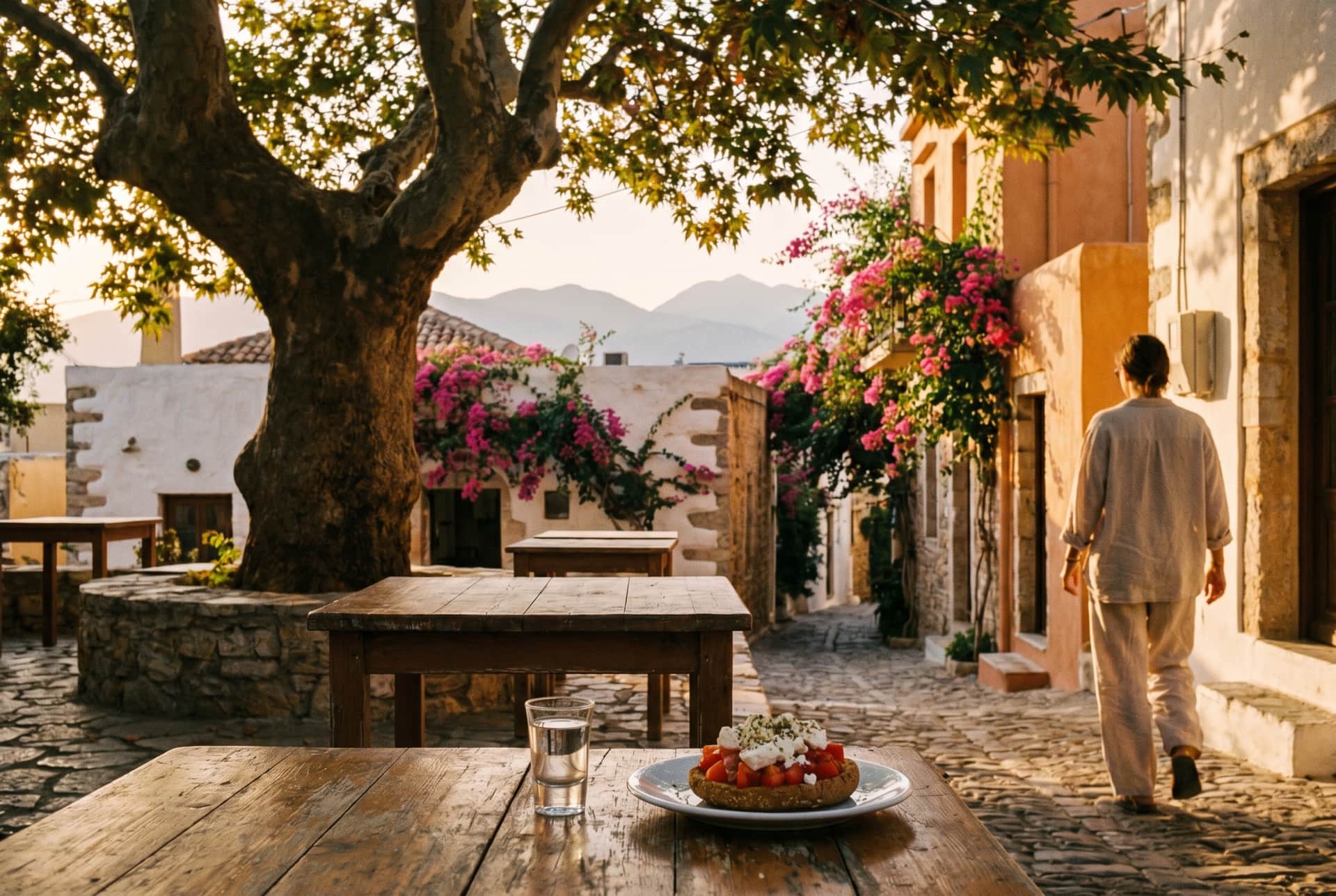

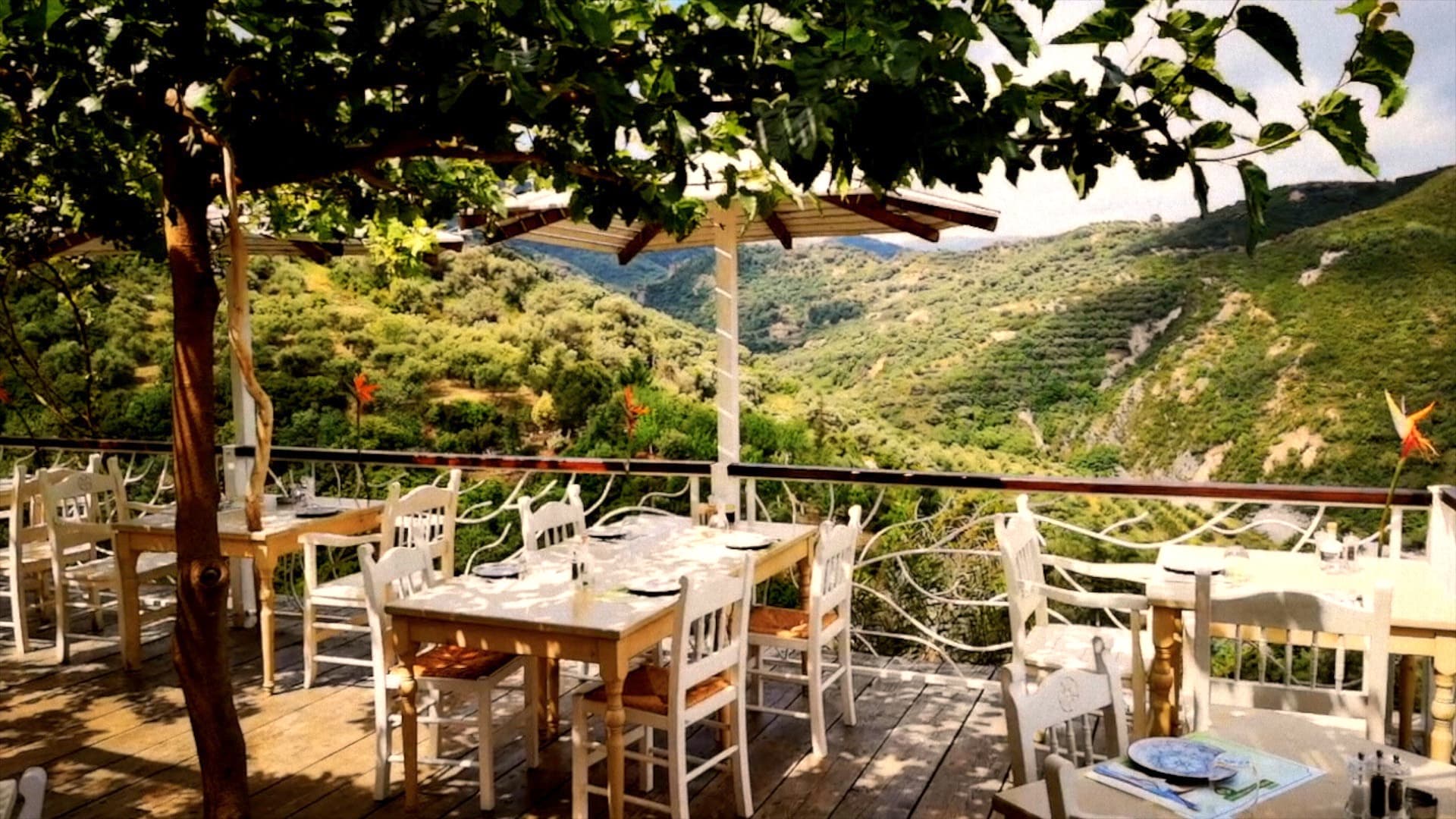
One evening last July, I understood something about Crete. I was sitting in a small shaded square in Fourni, a village of 180 souls lost in the hills between Neapoli and Elounda. A glass of raki on the wooden table, a plate of rabbit and onions from the Platanos taverna, cicadas singing in the eucalyptus trees, and barely three other tables around me — all filled with Cretans.
A few kilometres away, on the coast, thousands of tourists were crammed at that very moment onto the northern beaches. I sat with my raki in silence, facing a sun sliding down over centuries-old olive trees.
That is Crete in summer. It isn't the crowds. It isn't Elounda overrun on an August Sunday. It's Fourni on a Thursday evening, Plaka before breakfast, a nameless cove on the south coast at dawn.
In this guide I'll tell you about the Cretan summer I love. The one you earn. The one you actually live when you step off the beaten track. You'll see — it's far more accessible than it sounds.
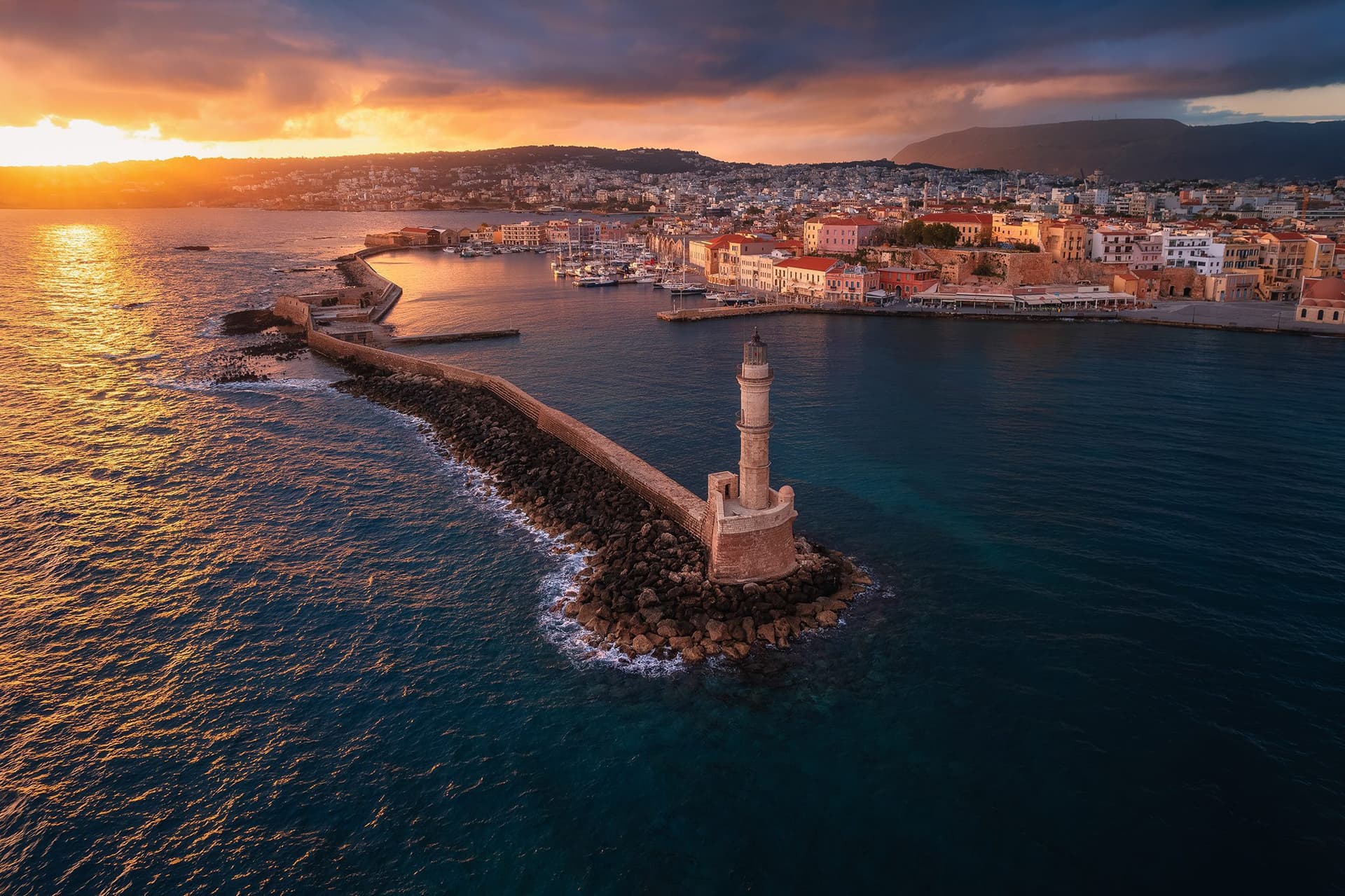
When to visit Crete this summer: each month has its own magic
Crete is lovely all summer long, provided you understand what each month brings. Here's my honest take after several years of watching the seasons turn on the island.
June in Crete: the month seasoned travellers love
In June the island is at its peak. Temperatures sit between 25 and 29°C, the sea warms day by day (23°C in mid-June, 25°C at month's end), and the beaches still breathe. The mountain vegetation remains green and the light has a rare softness.
It's my favourite time to discover the island. Mountain roads are clear, tavernas have time to actually talk to you, and prices start 20 to 30% below August rates. My best Cretan memory is from mid-June, on a nearly deserted beach at Kedrodasos, with an Italian moka pot balanced on a rock.
July in Crete: pure summer and festival season
July is summer in full flow. Between 28 and 32°C, sea at 25°C, a sky of absolute blue. The first fortnight stays very pleasant everywhere; the second sees the northern beaches really fill up.
It's also the great festival month, a genuine reason to pick this period:
- The Rethymno Renaissance Festival, in the old Venetian harbour.
- The Matala Beach Festival at the very start of the month, one of the largest free festivals in Europe.
- The Kornaria Festival in Sitia, which runs until mid-August.
The trick for enjoying July: start your days early (up at 7am, beach by 8am, back by noon), siesta in the afternoon, back out from 6pm. The Mediterranean rhythm, quite simply.
August in Crete: the Greek soul at its peak
August is often painted as the month to avoid. That's the wrong angle. Yes it's hot (30 to 35°C), yes the northern beaches are mobbed, yes prices climb. But August is also the month when Crete becomes profoundly Greek.
Cretans head home to their ancestral villages. Tables stretch longer. The 15th of August, Feast of the Virgin, turns every village into a living stage: brass bands, traditional dances, raki flowing until dawn. The light is the warmest of the year, the sunsets the longest.
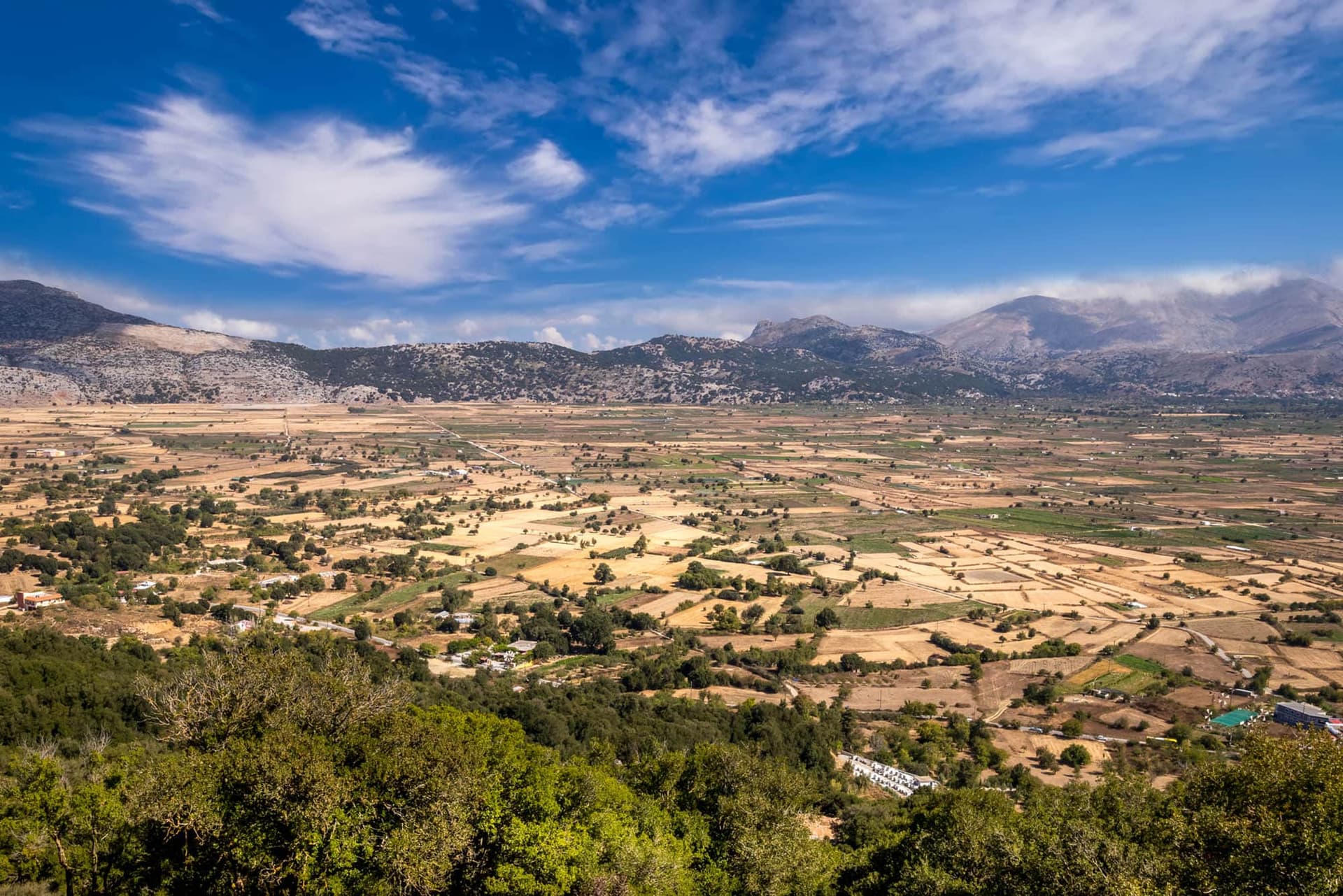
To make August work, one rule: leave the north. The east coast (Elounda, Plaka, Sitia) and the Lassithi hinterland offer a perfectly breathable summer. The air moves, the inland villages stay cooler, the beaches are quieter.
September: the second golden window
By early September temperatures drop back to 26-29°C, the sea stays at 25°C (and will right through late October), and crowds fall away as soon as European schools go back. Prices drop 30 to 40%. Cretans breathe again, the light turns softer.
It's the period I recommend to anyone who can choose. I've written a complete guide to Crete in September if you want to go deeper.
The 4 regions of Crete in summer: one climate, one mood
Crete is 260 kilometres from west to east, a central mountain range topping 2,400 metres, and four prefectures with distinct temperaments. Understanding the regions is the key to a great summer.
West (Chania, Kissamos): the perfect balance
The west is a safe bet. Steady winds off the Cretan Sea, superb Venetian heritage in Chania, world-famous wild beaches (Balos, Elafonisi, Falassarna, Kedrodasos). A good compromise between authenticity and infrastructure.
To go further: the complete Kissamos guide, Elafonisi beach, and the Chania guide.
Centre (Heraklion, Lassithi Plateau): the archaeological heart
The centre of the island concentrates the most important Minoan heritage in the world: Knossos, Phaistos, the Heraklion Archaeological Museum. It runs hotter than elsewhere at the peak of summer, but mornings (before 10am) and evenings are perfect for visiting.
Further reading: the Heraklion guide, visiting Knossos, and the Lassithi Plateau.
South (Paleochora, Loutro, Matala): the quiet refuge
The south coast gets less rain than anywhere else and benefits from the notias, a gentle wind that tempers the heat. This is slow-travel country: small winding roads, villages reached only by boat (Loutro, Agia Roumeli), pebbly beaches framed by cliffs.
Worth discovering: Loutro, a Cretan paradise and Preveli beach with its palm grove.
East (Elounda, Plaka, Sitia, Vai): my favourite region
This is the region I come back to systematically. The east of Crete concentrates what, to my eye, makes the true beauty of the island: preserved villages, discreet luxury at Elounda, the unique palm grove of Vai, empty mountain roads leading to forgotten Venetian hamlets. I'll dive into this region at length below.
| Region | Summer max temp. | Wind | Crowds | Best for |
|---|---|---|---|---|
| West (Chania) | 30-32°C | Strong, refreshing | High | Wild beaches, food, heritage |
| Centre (Heraklion) | 32-38°C | Light | Very high | Archaeology, upland villages |
| South (Paleochora) | 28-32°C | Mild notias | Moderate | Slow travel, authenticity |
| East (Elounda) | 30-33°C | Steady breeze | Moderate | Discreet luxury, forgotten villages |
The secret triangle of the east: Elounda, Plaka, Fourni
If I had to show a friend the essence of Crete in a single trip, I'd take them here. This magic triangle in the east gathers on its own three complementary faces of the island: an elegant seafront at Elounda, a fishing village facing Spinalonga at Plaka, and a Venetian hamlet lost in the hills at Fourni. Three atmospheres within a few kilometres. Three different ways to love Crete.
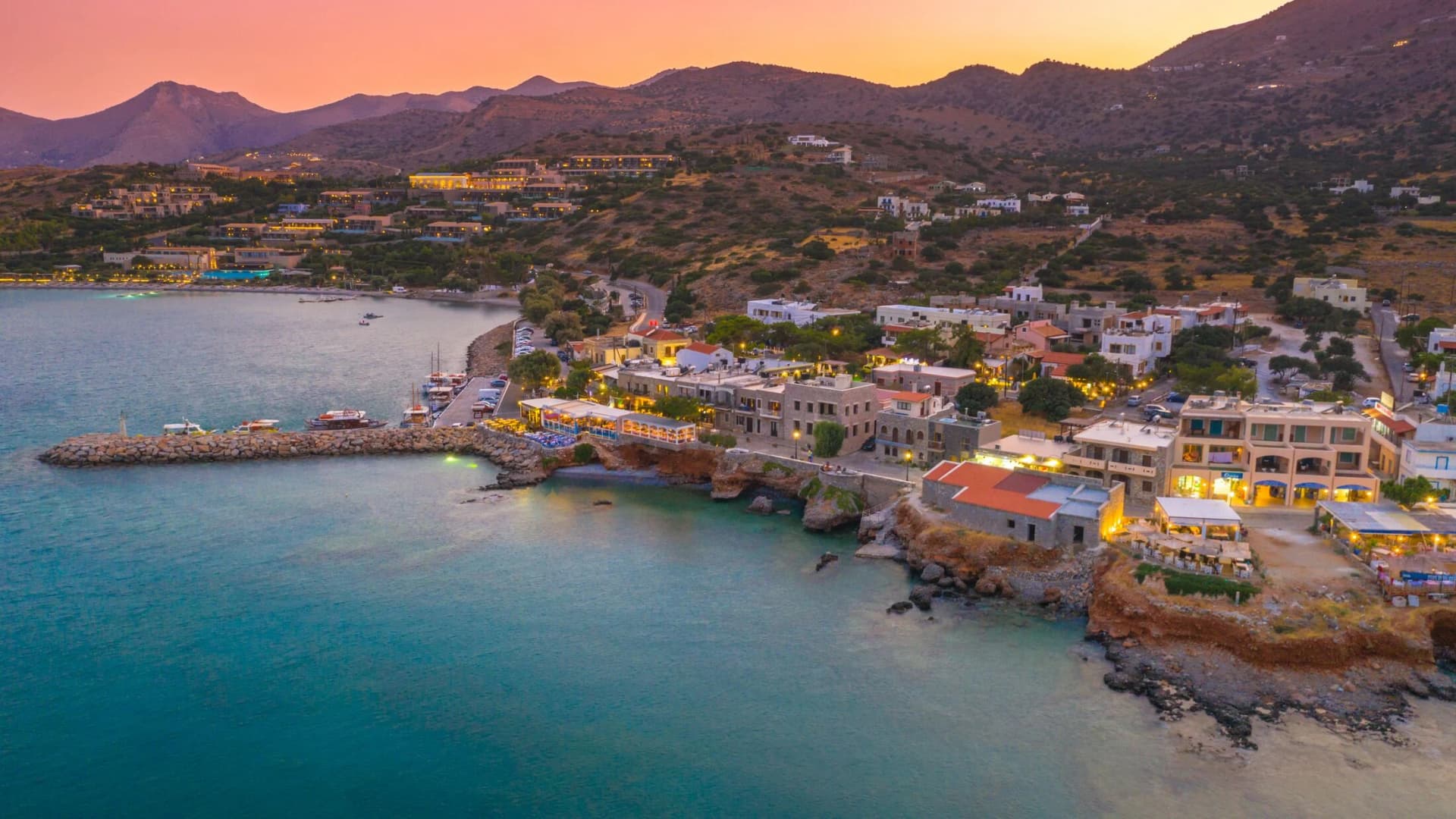
Elounda: discreet luxury on the Bay of Mirabello
Elounda has a well-earned reputation. It's one of the chicest enclaves in the Mediterranean, famous for its five-star resorts where celebrities and heads of state cross paths. In 1984, François Mitterrand and Muammar Gaddafi met here — you can picture the scene.
But Elounda is more than that. The resort is built around a real fishing harbour, with a lively central square where locals gather at the end of the day, family tavernas serving freshly caught fish for €25 to €30 a head, and a bay sheltered by the Kolokitha peninsula whose calm waters are perfect for kayaking and swimming.
In 2026, Elounda is in a pivotal moment: the Blue Palace becomes Rosewood Elounda, marking a new era of luxury for the region. The opening of Ikos Kissamos on the western side is also reshuffling the top end of Cretan hospitality.
My advice: even if you aren't staying in a five-star, push the door open for an end-of-day cocktail. It's a proper experience in itself, at a reasonable cost (€12 to €18 a drink), in settings that rank among the most beautiful in the Mediterranean.
Plaka: the fishing village opposite Spinalonga
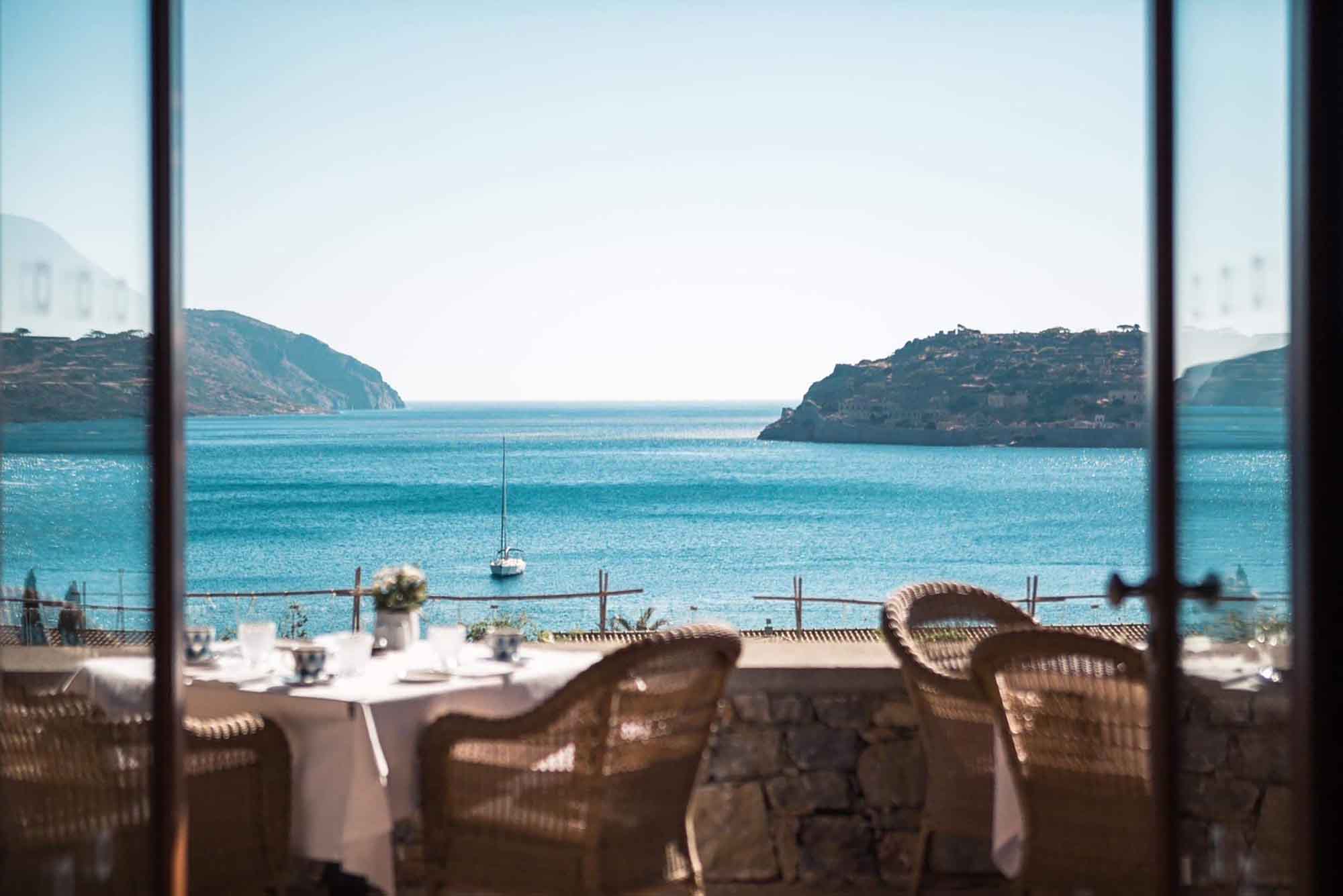
Five kilometres north of Elounda, the road skirts the bay and climbs gently up to Plaka. This small fishing village, 200 permanent residents, sits directly opposite the fortified island of Spinalonga. It's from here that the boats depart to visit it (10-minute crossing).
Plaka has something the big resorts have lost: a human scale. A handful of seafront tavernas, narrow lanes bright with bougainvillea, pebble beaches with translucent waters that stay swimmable even in August. The village was made famous by Victoria Hislop's novel The Island, a story that weaves the tragedy of the Spinalonga leper colony together with everyday Cretan life.
What I recommend at Plaka:
- Eat at Ostria, a local institution for grilled fish, with a view of Spinalonga.
- Take a fisherman's boat from the harbour across to Spinalonga (more authentic than the organised excursions from Agios Nikolaos).
- Stay two nights rather than one: Plaka reveals itself at dawn and sunset, not in the middle of the day.
For all you need to know about the visit, see my Spinalonga guide.
Fourni: the Venetian hamlet in the hills
This is my secret favourite. Fourni (not to be confused with the island of the same name in the Sporades) is actually a cluster of three small villages (Ano Fourni, Kato Chorio, Kastelli) tucked into the hills between Neapoli and Plaka, about twenty minutes by car from Elounda.
180 permanent inhabitants. Stone lanes. Venetian houses, some dating back to the 16th century. Dozens of little chapels and monasteries scattered across the area, to the point that Cretans call this region "the Holy Mountain of Crete" (Ano Mirabello).
The village comes alive during religious festivals, the autumn olive harvest, and raki-distilling time at the end of summer. At those moments, grandmothers bring their tables out into the street, neighbours bring what they've grown, and everyone eats together late into the night.
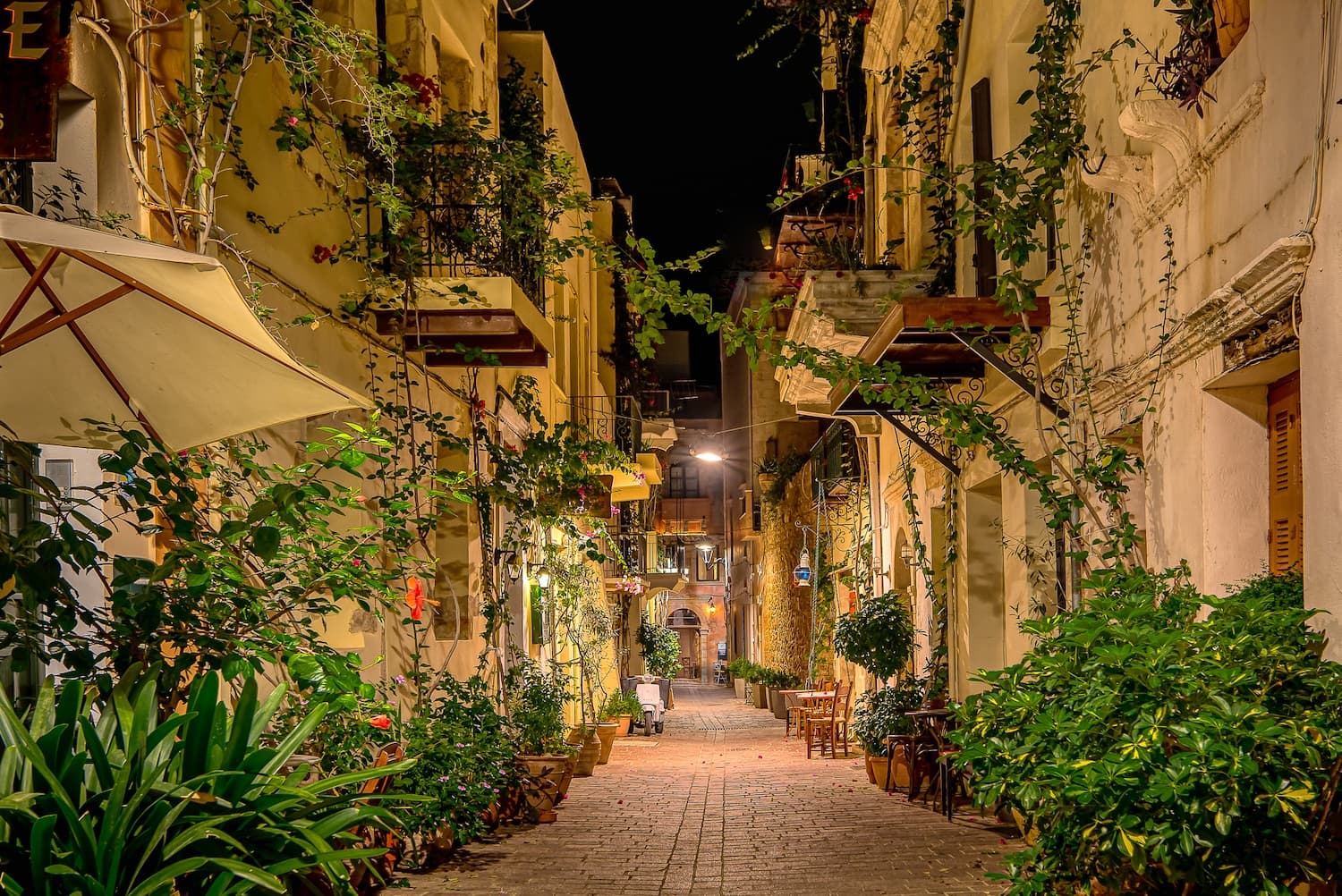
What I love to do there:
- Lunch at the Platanos taverna, under the centuries-old plane trees. The rabbit with onions and the oven-baked kid goat are unforgettable. Allow €18 to €25 per person, local wine included.
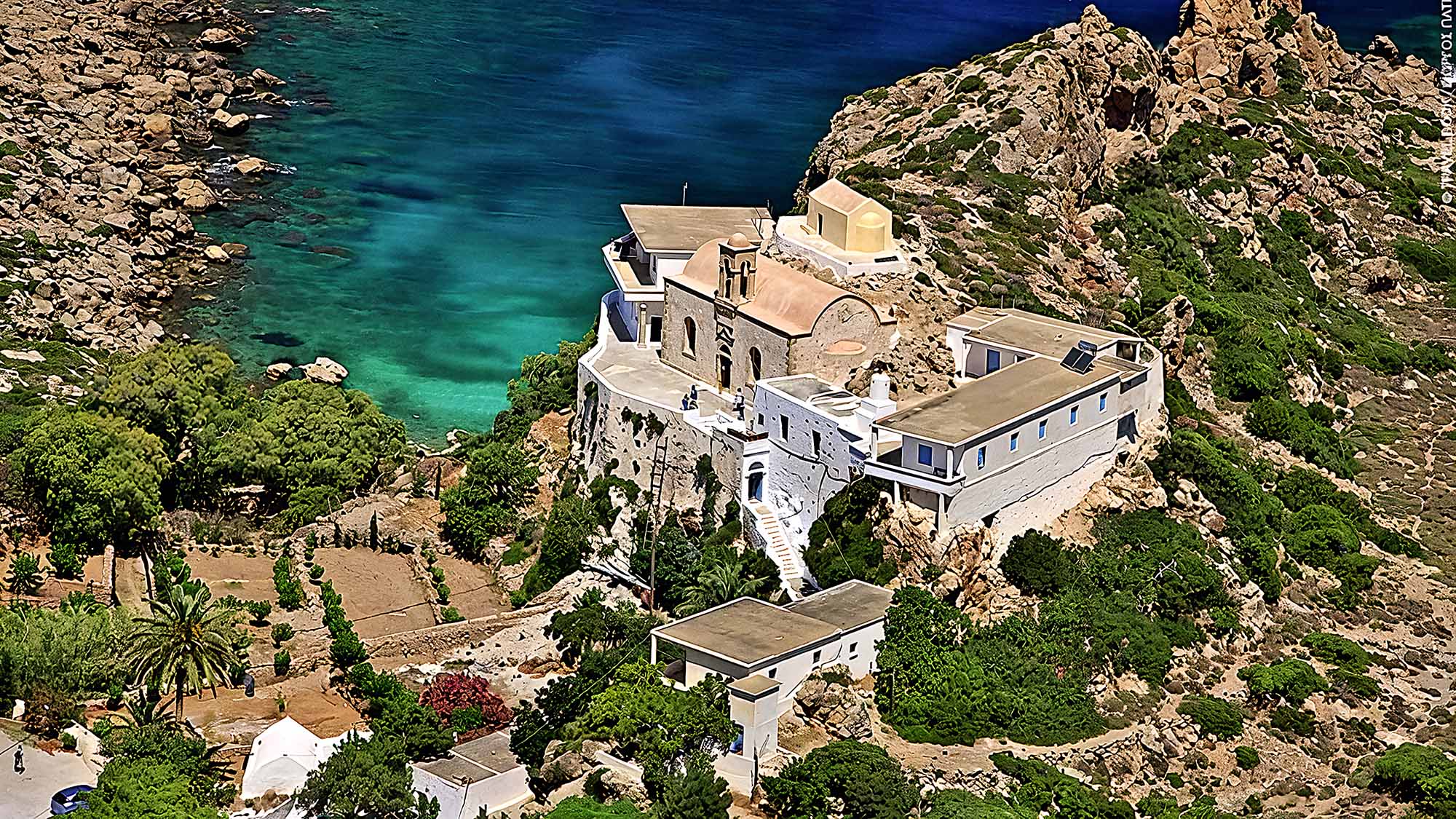
- Walk up to Aretiou Monastery, one of the most significant in the region, with a superb garden and a plain, beautiful interior.
- Lose yourself in the lanes of Kastelli, linked to Kato Chorio by a 400-metre avenue of eucalyptus and cypress trees that is a moment of grace in itself.
The beaches you absolutely have to experience in summer 2026
Crete has around 1,000 kilometres of coastline and hundreds of beaches. Here's my pick, with the smart timing for each one.
- Elafonisi (south-west): pink sand, turquoise lagoon. Before 9am it's a deserted paradise. Complete guide.
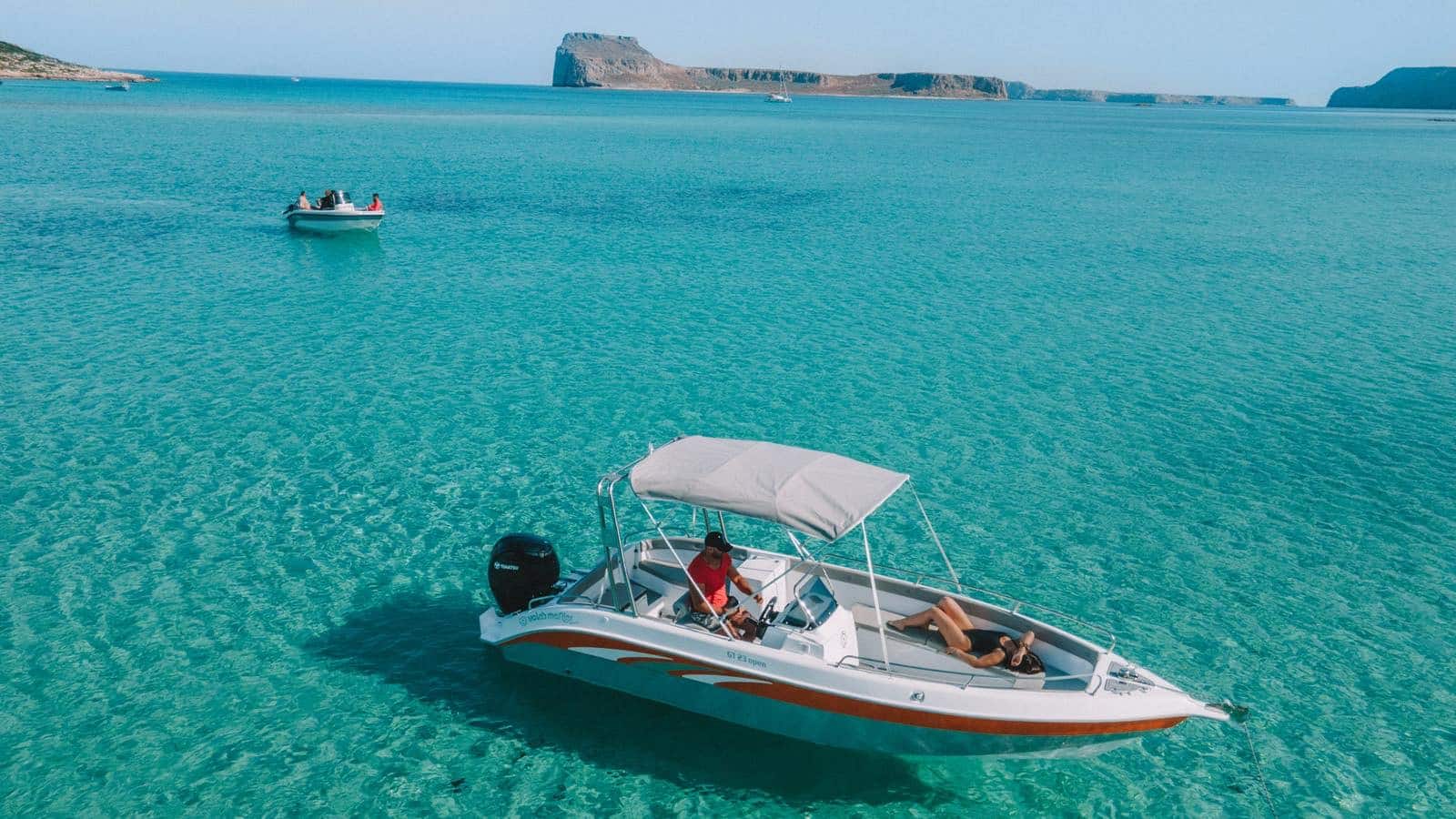
- Balos (west): legendary lagoon, best reached by licence-free boat from Kissamos for maximum comfort.
- Falassarna (west): white sand, spectacular sunsets. The detailed guide.
- Preveli (south): unique palm grove, cool river, a refuge in the thick of the heat. Read the article.
- Seitan Limania (Akrotiri peninsula): a turquoise cove hemmed in by cliffs, with a sporty descent that filters out the crowd.
- Kedrodasos (next to Elafonisi): juniper forest, white sand, zero infrastructure. My personal favourite.
- Vai (east): Europe's only natural palm grove, with 5,000 date palms.
- Chrissi Island (off Ierapetra): day-trip by boat, white tropical sand. The guide.
- The beaches around Plaka: pebbles, crystal-clear waters, rarely busy even in August.
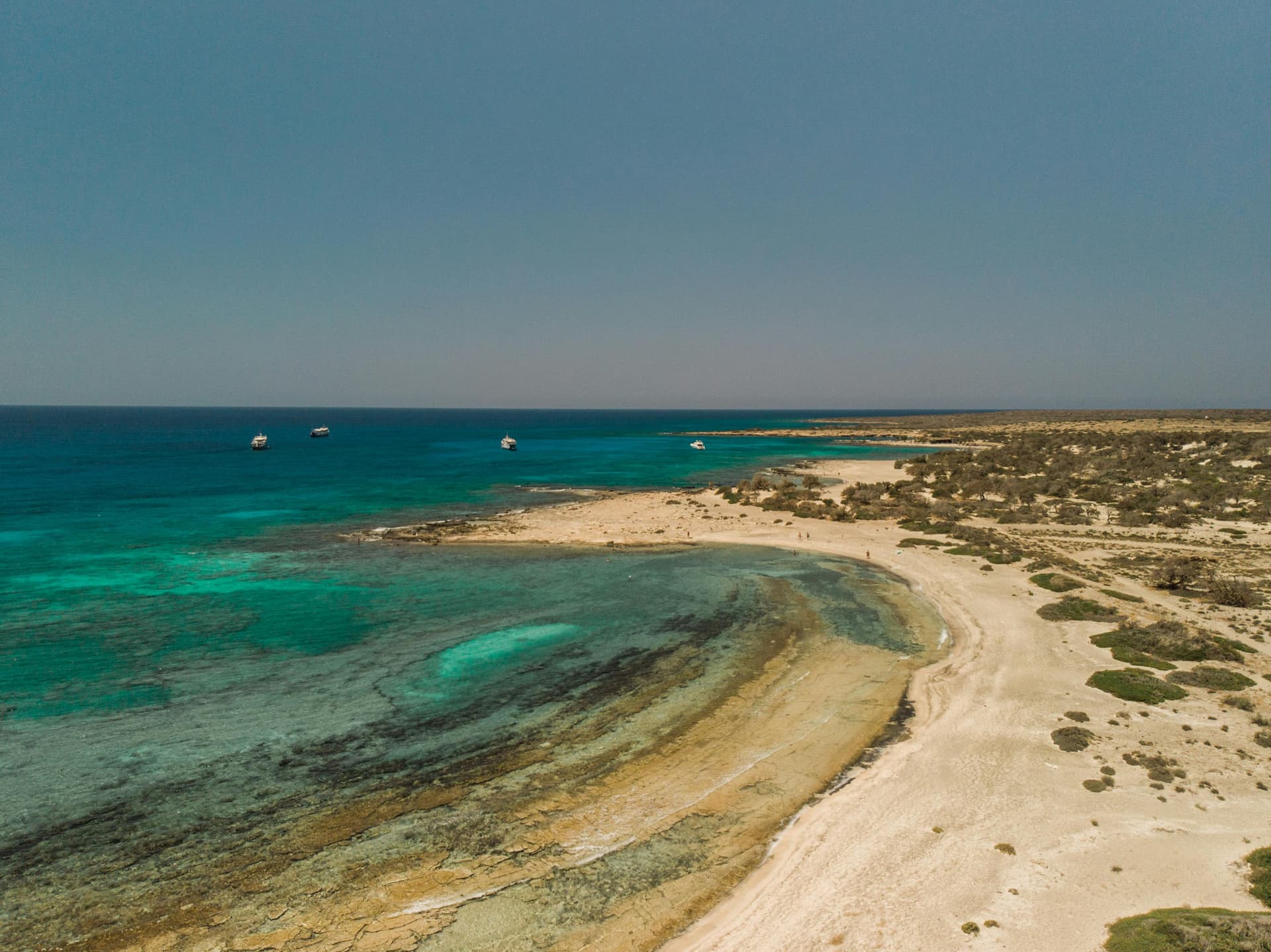
What to do in Crete in summer, beyond the beach
Crete isn't just about the beaches, far from it. That's what sets it apart from the other Greek islands: the sheer diversity of what's possible in a single destination.
Hike the gorges
The Samaria Gorge, 16 kilometres of descent between dizzying walls and cypress forests, remains the most iconic hiking experience in Greece. A must-do, and start before 7am. The complete guide.
If Samaria feels too long, the Imbros Gorge offers a shorter (8 km), shaded alternative. And the Psiloritis massif takes you up to 1,800 metres to find cool air in the thick of summer.
Dive into crystal-clear waters
The water is 25-26°C in July-August, with visibility reaching 30 metres on the south coast. The best diving and snorkelling spots in Crete.
Drive from one village to another
Renting a car is non-negotiable in Crete. The loveliest villages are earned on mountain roads. For the adventurous, a quad bike is a fun option for heading deeper into the back country.
DiscoverCars
Car rental comparison — 150+ countries
Compare prices from Hertz, Avis, Sixt and local providers. All fees included, free cancellation. Rated 4.6/5 on Trustpilot.

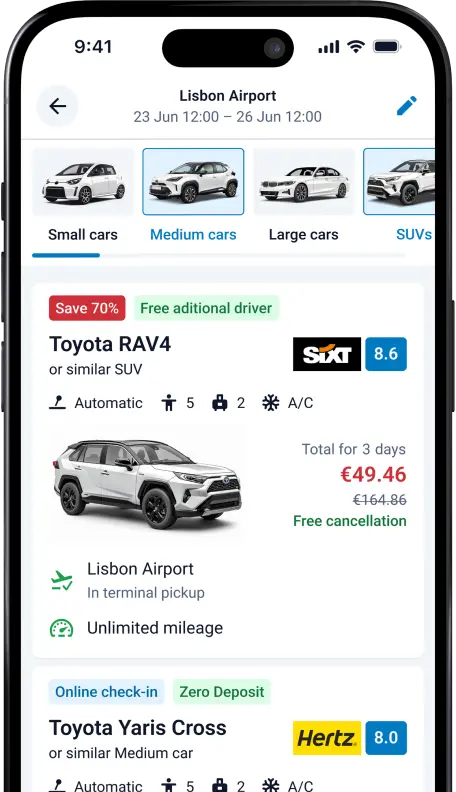
I systematically use DiscoverCars to compare offers. They aggregate local and international agencies with clear insurance conditions. For everything about renting, my complete guide.
Savour gastronomic Crete (European capital 2026)
2026 is a special year: Crete has been designated European Region of Gastronomy. The perfect moment to explore the real specialities: dakos, apaki, stakovoutiro, sheep cheeses, thyme honey, Vidiano wine.
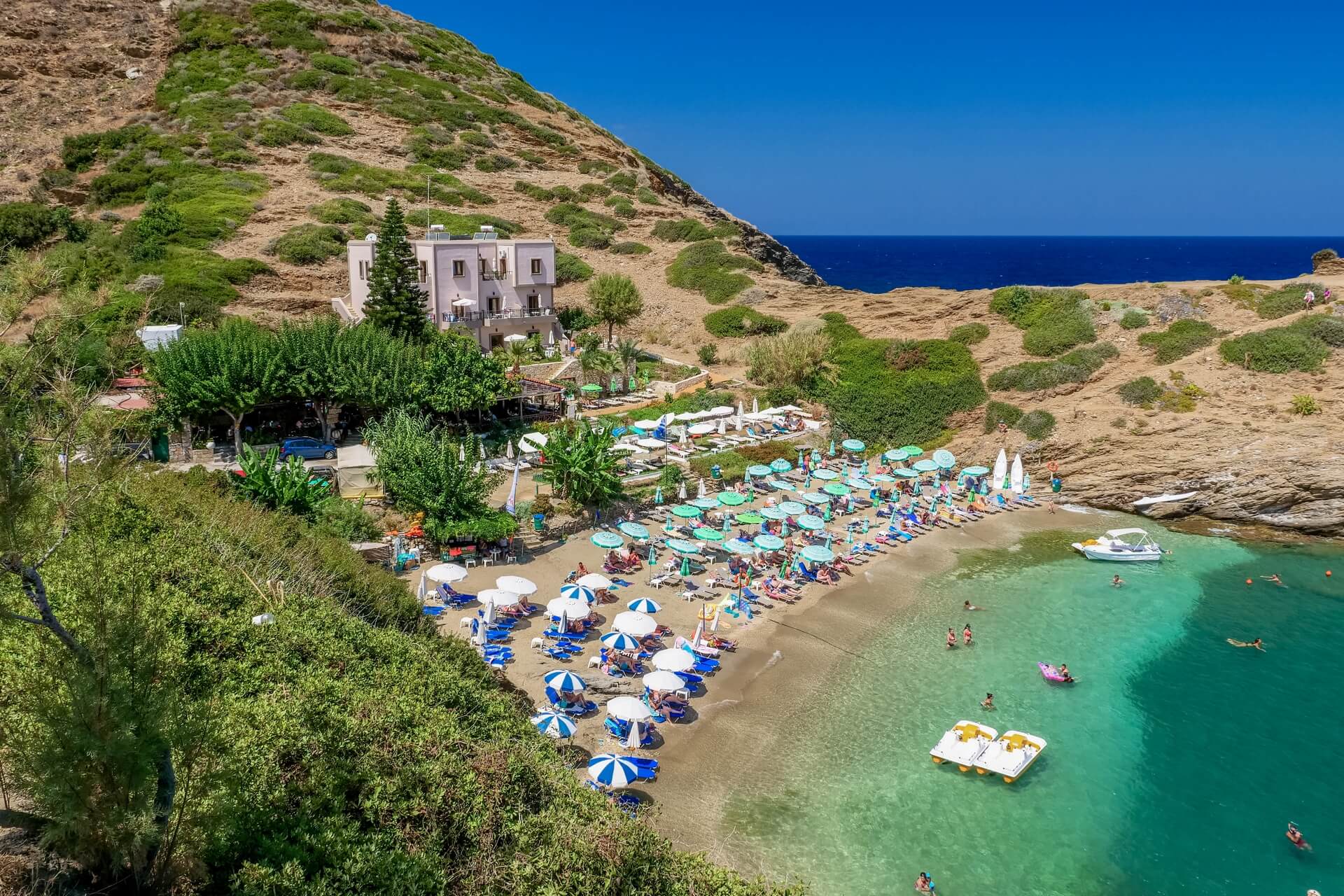
The villages to aim for: Argyroupoli (dedicated guide), Vamos, Archanes, and of course Fourni, which I mentioned above. Up north, the surprising village of Bali serves up a few remarkable fish tavernas.
Visit the archaeological sites at the right time
Knossos at 8am as soon as it opens, or at 5pm when the crowd thins out. The Heraklion Archaeological Museum is air-conditioned — perfect for the hottest hours. And Spinalonga from Plaka, the thousand-story fortress island, is best visited late in the day for glorious light.
Where to stay in Crete in summer 2026
Choose your region by your style
- West (Chania, Kissamos): the ideal base for the wild beaches and Venetian heritage.
- Rethymno: Venetian charm comparable to Chania, prices 15-20% lower. Excellent value for money.
- Centre (Heraklion): for Minoan-archaeology devotees.
- East (Elounda, Plaka, Fourni): my pick for an authentic stay, far from the mass-tourism circuits.
- South (Paleochora, Loutro): for slow travel and longer stays.
What's new in 2026
- Ikos Kissamos: opening April 2026, the largest hotel investment in Crete's history (€125-150 million).
- Rosewood Elounda: the transformation of the former Blue Palace, redefining luxury on the east coast.
- Several independent guesthouses are opening inland, particularly around Archanes and in the Elounda-Plaka-Fourni triangle.
A full selection in the 10 best seaside hotels in Crete.
Summer 2026 budget: plan ahead to live better
How much to budget for a week
Crete is, according to INSETE data published in early 2026, the region of Greece where travellers spend the most: €767 on average per visitor. A figure that also reflects the quality of the offer.
For a week in summer 2026, per person, flights from France included:
- Tight budget: €700 to €900 (low-cost flights, apartment or small guesthouse, compact car, taverna meals).
- Mid-range: €1,200 to €1,800 (3-4 star hotel or smart rental, mid-size car, a few excursions).
- Upper comfort: €2,200 to €3,000 (4-5 star hotel, premium car, fine-dining restaurants).
- Luxury: €3,500 and up (Elounda resorts, private villas, bespoke experiences).
Wise Card
Travel smart with the best exchange rate
Say goodbye to banking hassles abroad with Wise, the multi-currency card with superpowers!
I've personally travelled with a Wise card for several years. Real exchange rate, no hidden fees, low-cost ATM withdrawals right across Europe. My full Wise review.
How to live a memorable Cretan summer
A few simple principles, drawn from my own trips and those of my readers, to turn a decent stay into a formative one.
- 01Pick a single base, not two or three. Crete is 260 km long, and moving on every three days will wear you out. Better one well-chosen spot (Plaka, Rethymno, Chania, or the hinterland) and day trips from there.
- 02Rent a car. Non-negotiable. The loveliest villages have no bus service.
- 03Adopt the Cretan rhythm. Active before 11am and after 6pm, easy in between. Cretans have done it forever — there's a reason.
- 04Eat in the inland villages at least twice during your stay. Platanos at Fourni, the tavernas of Argyroupoli, the little squares of Kritsa.
- 05Visit Knossos and the other sites early in the morning, air-conditioned spaces in the afternoon, not the other way around.
- 06Keep your connection going. A travel eSIM is a game-changer for Google Maps, translation and last-minute bookings.
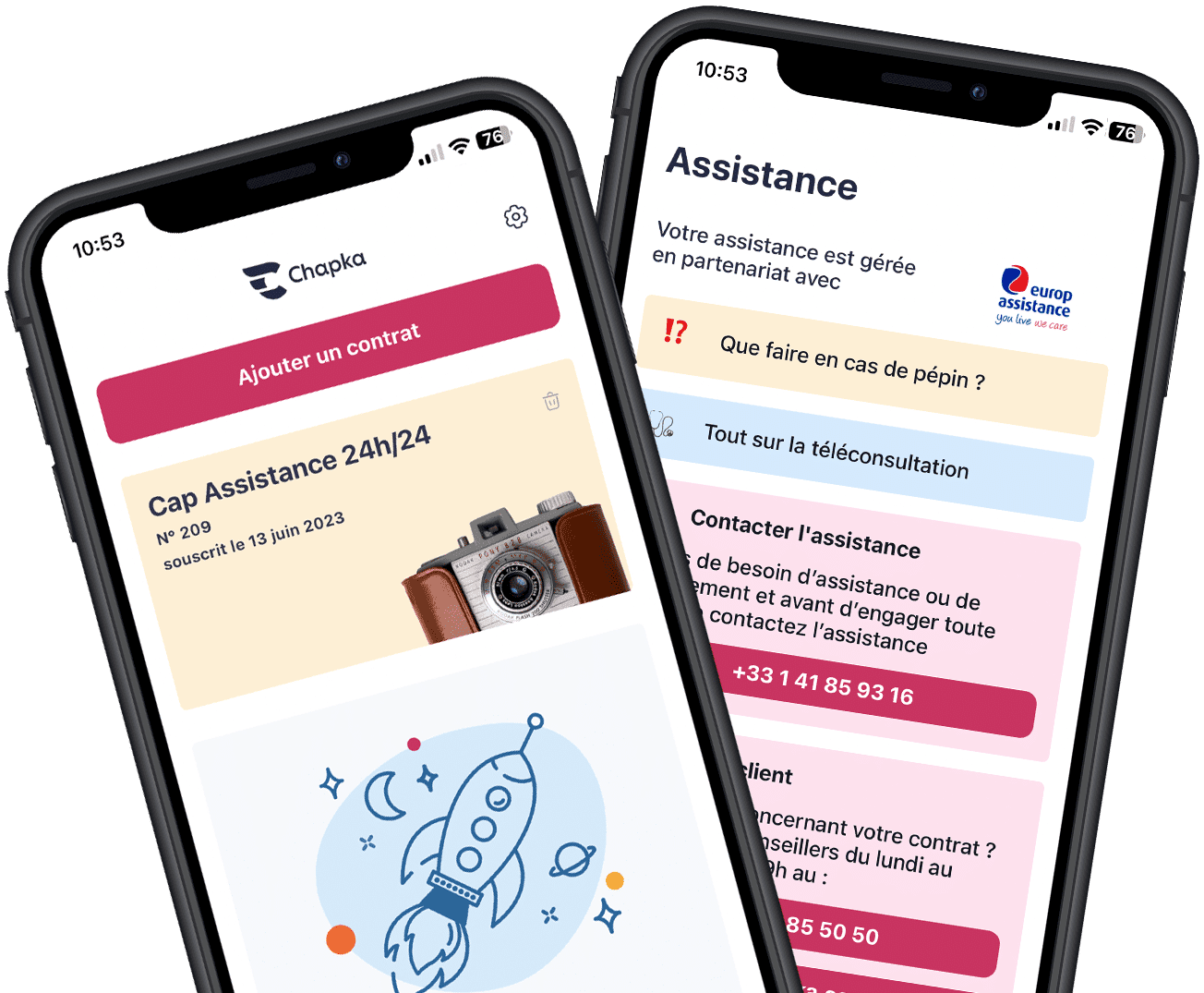
- 07Get insured. Medical bills in Greece can take you by surprise, and a hiking accident can quickly cost several thousand euros. Chapka has done a very solid job for me over many years.
- 08Take your time. Crete isn't a checklist. It gives itself to those who linger.
Saily eSIM
Stay connected with the best secure eSIM
With Saily, the secure eSIM with superpowers, say goodbye to roaming abroad! -5% with code AMEBOHEME.
Chapka Insurance
Travel with peace of mind with the best travel insurance
Stay covered in every situation with the best insurance for your next trip.
In Crete, summer isn't won by running from one sight to the next. It's earned by lingering: a glass of raki on a terrace at 10pm, cicadas fading one by one, the sea turning violet.
Crete or another Greek island in summer?
The question comes up often: why Crete rather than Santorini, Milos or Naxos? Here's my honest take.
| Criterion | Crete | Santorini | Milos | Naxos |
|---|---|---|---|---|
| Size | Very large (260 km) | Small (18 km) | Medium (23 km) | Medium (32 km) |
| Landscape diversity | Extreme | Limited (caldera) | High (unusual beaches) | High |
| Average daily budget | €110-130 | €150-200 | €90-110 | €85-100 |
| Access from France | Many direct flights | Seasonal direct flights | Via Athens | Via Athens |
| Best for | All profiles, long stays | Couples, short stays | Photographers | Families, authenticity |
In 2026, Crete remains for me the best all-round compromise, especially for a stay of 10 days or more. I've laid out the Crete vs Santorini comparison and the best Greek islands to visit in dedicated articles.
FAQ: Crete in summer 2026
What is the best month to visit Crete in summer?
June and early September offer the best balance of weather, prices and crowds. July is excellent for the cultural festivals. August has its charm for anyone wanting to feel the authentic Greek soul — provided you pick a base away from the big resorts.
Is it too hot in Crete in August?
On average, 30 to 33°C in August, with peaks of 35-38°C inland. The east coast (Elounda, Plaka) and the south coast stay more bearable thanks to sea breezes. If you adapt your rhythm (activity early morning and in the evening), it's perfectly livable.
Which is the best region of Crete in summer?
The east (Elounda, Plaka, Fourni) for an authentic stay far from the crowds. The west (Chania) for a good mix of beaches and heritage. The south coast for pure slow travel.
How much does a trip to Crete cost in summer 2026?
Budget €700 to €900 per person for a week on a tight budget (flights included), €1,200 to €1,800 for mid-range comfort, and €2,200 and up for 4-5 star standard.
Can you swim in mid-June in Crete?
Yes — the water reaches 23°C around 10-15 June and climbs to 25°C by the end of the month. An excellent window for swimming, before the peak crowds.
Do you need to rent a car in Crete?
Yes, no hesitation. The island is vast and public transport is limited. Rentals start at around €30/day for a compact in June, €45-55/day in August.
Which authentic villages shouldn't you miss?
Fourni (near Elounda), Argyroupoli (near Rethymno), Kritsa, Archanes, Vamos. These preserved hamlets carry the real Cretan soul the seaside resorts have lost.
What is the most beautiful beach in Crete in summer?
Subjective, but my top three: Kedrodasos for wildness, Balos for iconic postcard looks, Preveli for its unique palm grove. The beaches around Plaka are also superb — and far less busy.
Head to Crete this summer 2026
The Cretan summer I love isn't the crowds on Elafonisi on an August Sunday. It's dinner under the plane trees at Fourni. It's a fisherman's boat at Plaka at sunrise. It's the evening light on centuries-old olive trees, when the cicadas fade one by one and the sea turns violet.
Crete in summer is magic. It's even more so in 2026, the year it becomes European Region of Gastronomy, when new standout hotels open their doors, and when the supply of authentic lodgings in the inland villages is exploding.
All it asks is that you take a small sidestep. That you leave the marked circuit. That you choose a village over a resort. That you take your time.
Do that, and you'll never look at the Greek islands the same way again.
To prepare your trip in the best conditions, also read the best hikes in Crete, the complete car rental guide, and the 10 best seaside hotels on the island.

Âme Bohème exists thanks to you
Some links in this article are affiliate links. This means that if you book or purchase a product through these links, we receive a small commission — at no extra cost to you. It's thanks to this support that we can continue creating free, quality content.
You can also buy us a coffee, or follow us on Instagram and Facebook.