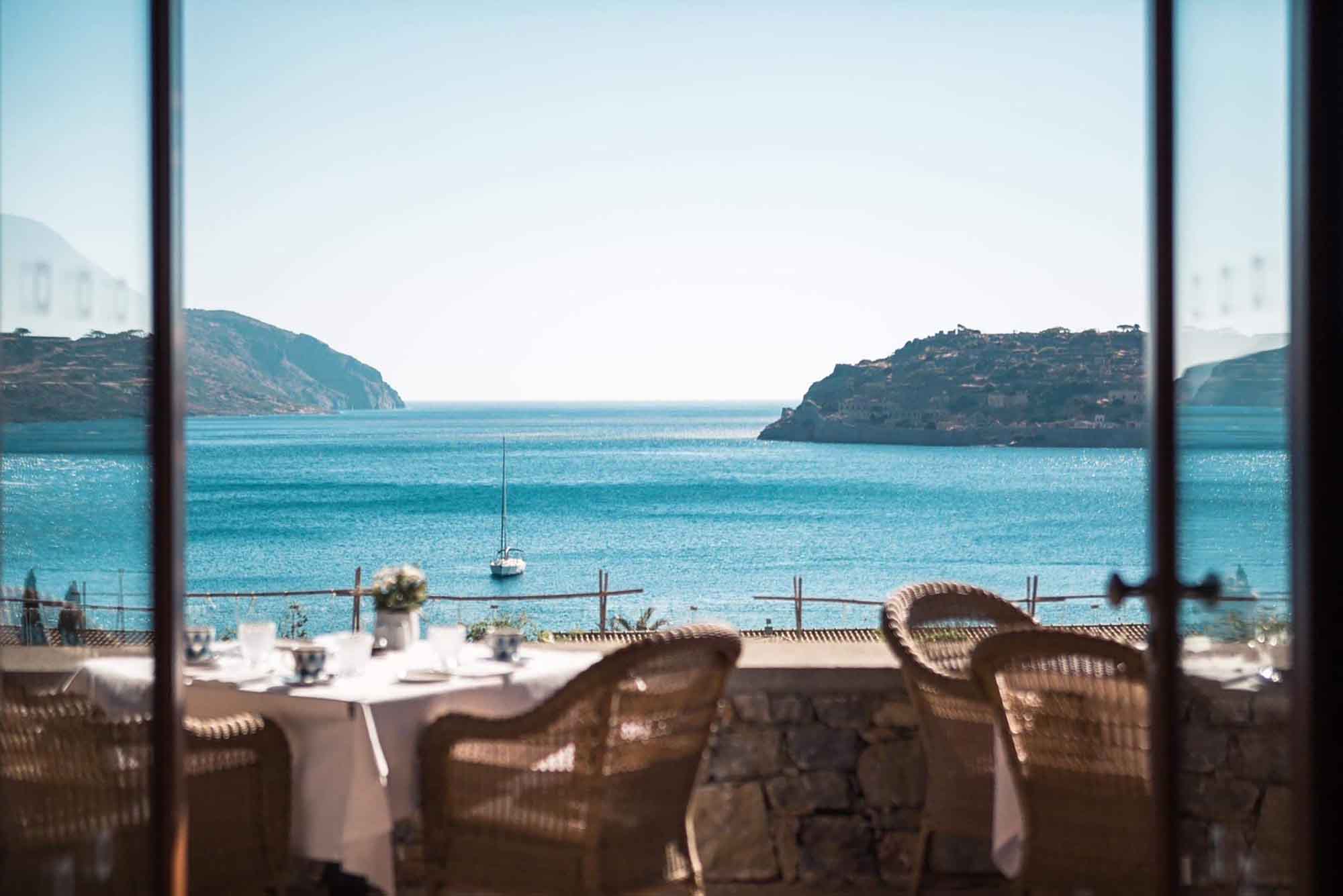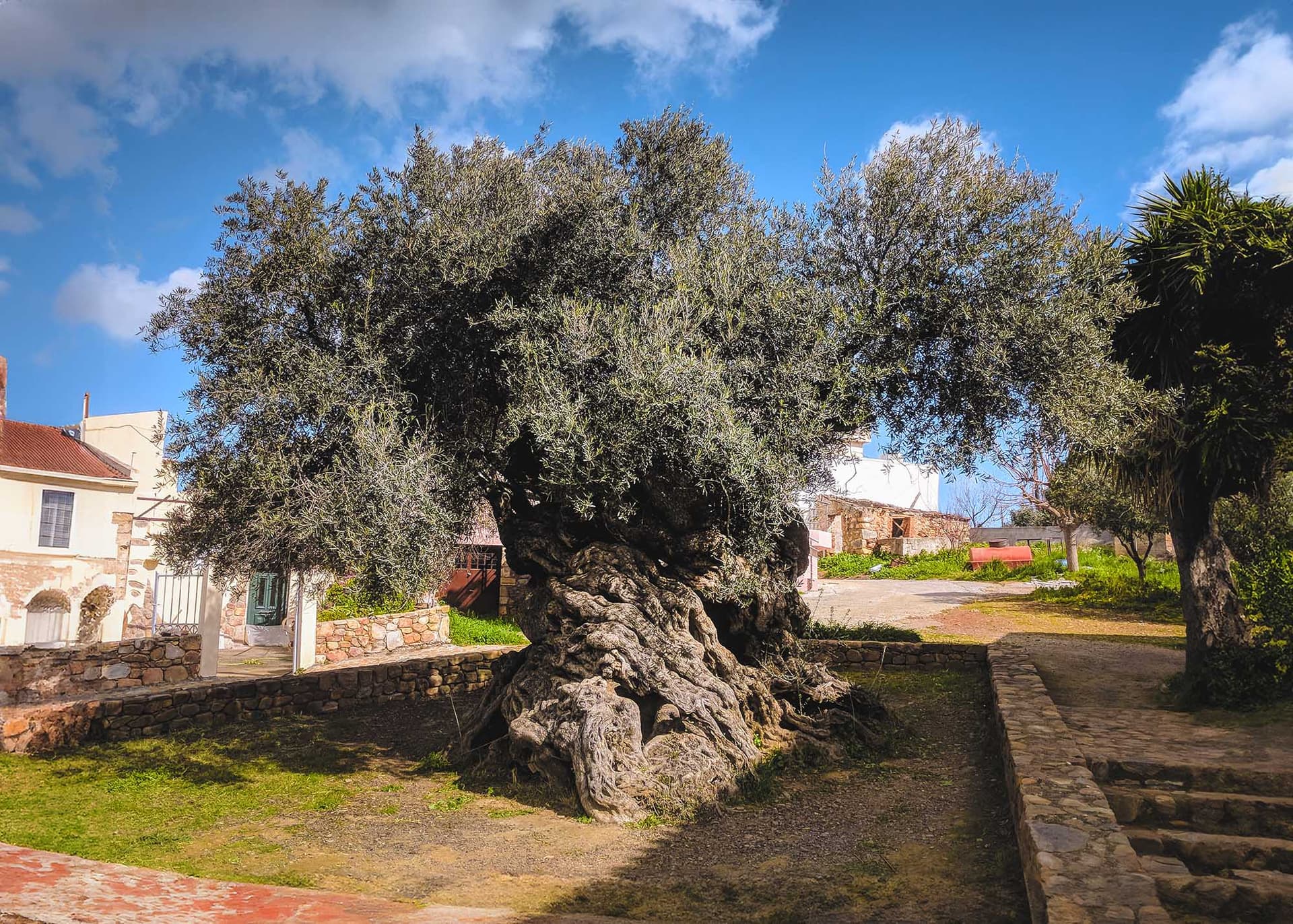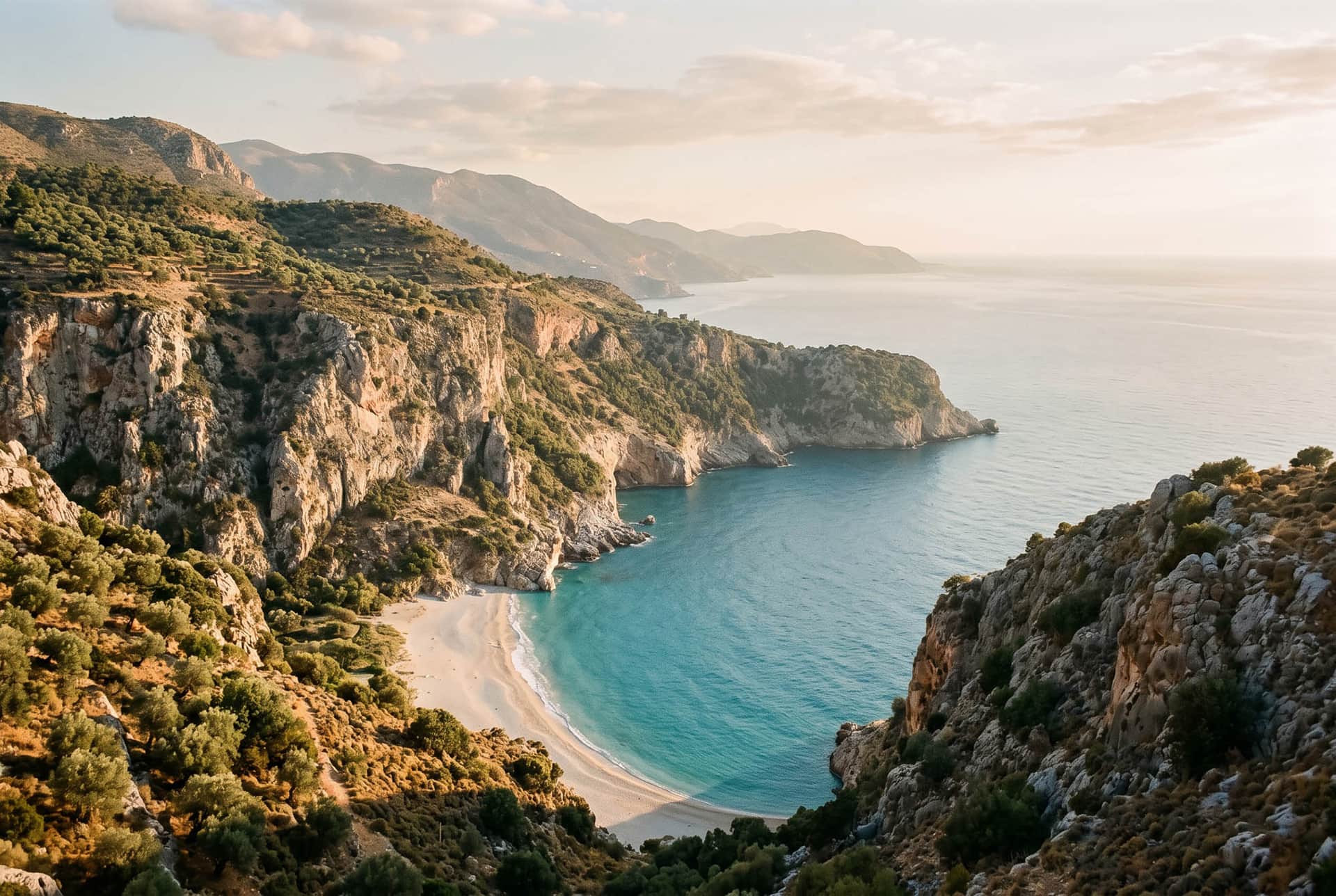

There's a light in Crete you won't find anywhere else. A golden, almost liquid light that clings to the olive trees and makes the white of the villages shimmer. But that light doesn't feel the same in April as it does in August. 🌊
So the question isn't just “when to visit Crete?”. It's “when to visit Crete for the trip you actually want to have?”. A week on the beach doesn't call for the same dates as a road trip through the mountains or a cultural getaway far from the crowds.
I've been to Crete at the height of summer and in the depths of the shoulder season. Both have their magic. But one comes at a price — in heat, in crowds and in euros. The other asks you to accept a few compromises. Here's how to choose, honestly.
Crete at a glance, month by month
Before getting into the detail, here's the big picture. Air temperatures are the average daytime highs in Heraklion, on the north coast. Sea temperature is the monthly average. 👇
| Month | Air (max) | Sea | Crowds | Our verdict |
|---|---|---|---|---|
| January | 15 °C | 17 °C | Very low | Calm and rainy |
| February | 15 °C | 16 °C | Very low | The coolest |
| March | 17 °C | 16 °C | Low | Almond trees in bloom |
| April | 20 °C | 18 °C | Moderate | The island awakens |
| May | 24 °C | 20 °C | Moderate | Ideal for hiking + beach |
| June | 27 °C | 23 °C | High | Summer without the crush |
| July | 29 °C | 26 °C | Very high | Hot and crowded |
| August | 29 °C | 26 °C | Peak | The absolute peak |
| September | 27 °C | 25 °C | High | The best compromise |
| October | 24 °C | 23 °C | Moderate | Mild shoulder season |
| November | 20 °C | 21 °C | Low | End of the swimming season |
| December | 17 °C | 18 °C | Very low | Intimate Crete |
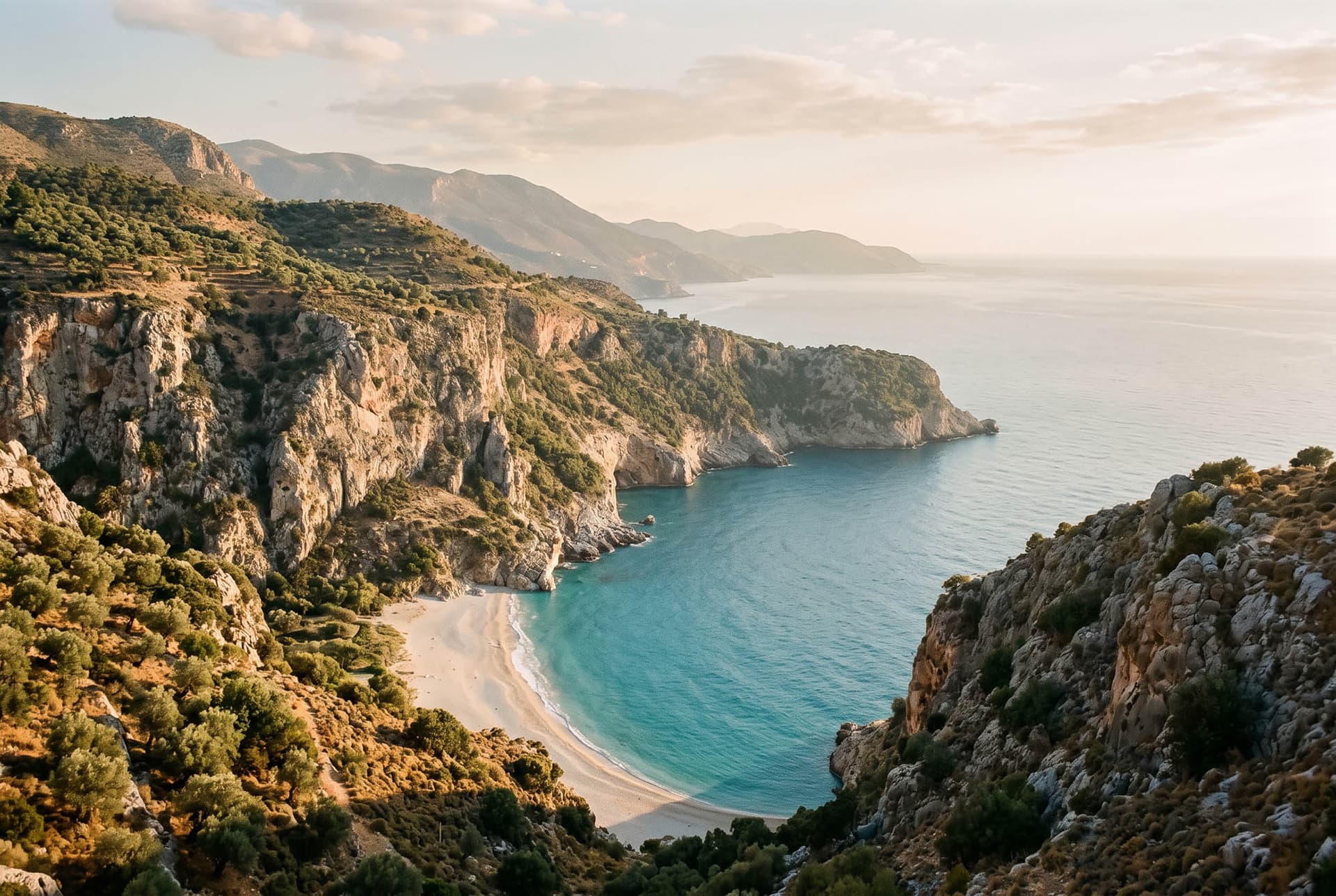
What does this table tell us? The sea stays swimmable from May to November: it never drops below 20 °C during those months. The heat peaks in July and August, but the water holds its warmth right through to October. That's the Cretan subtlety: the air cools down well before the sea does.
The verdict based on your kind of trip
Forget the universal “best time to go”. It doesn't exist. There's only the best time for you. Pick your profile.
You're coming for the beaches and swimming
Head for June to early October. The sea peaks in August (26 °C), but September is still my favourite month for swimming: the water is still 25 °C, warmed by the whole summer, and the beaches can finally breathe again.
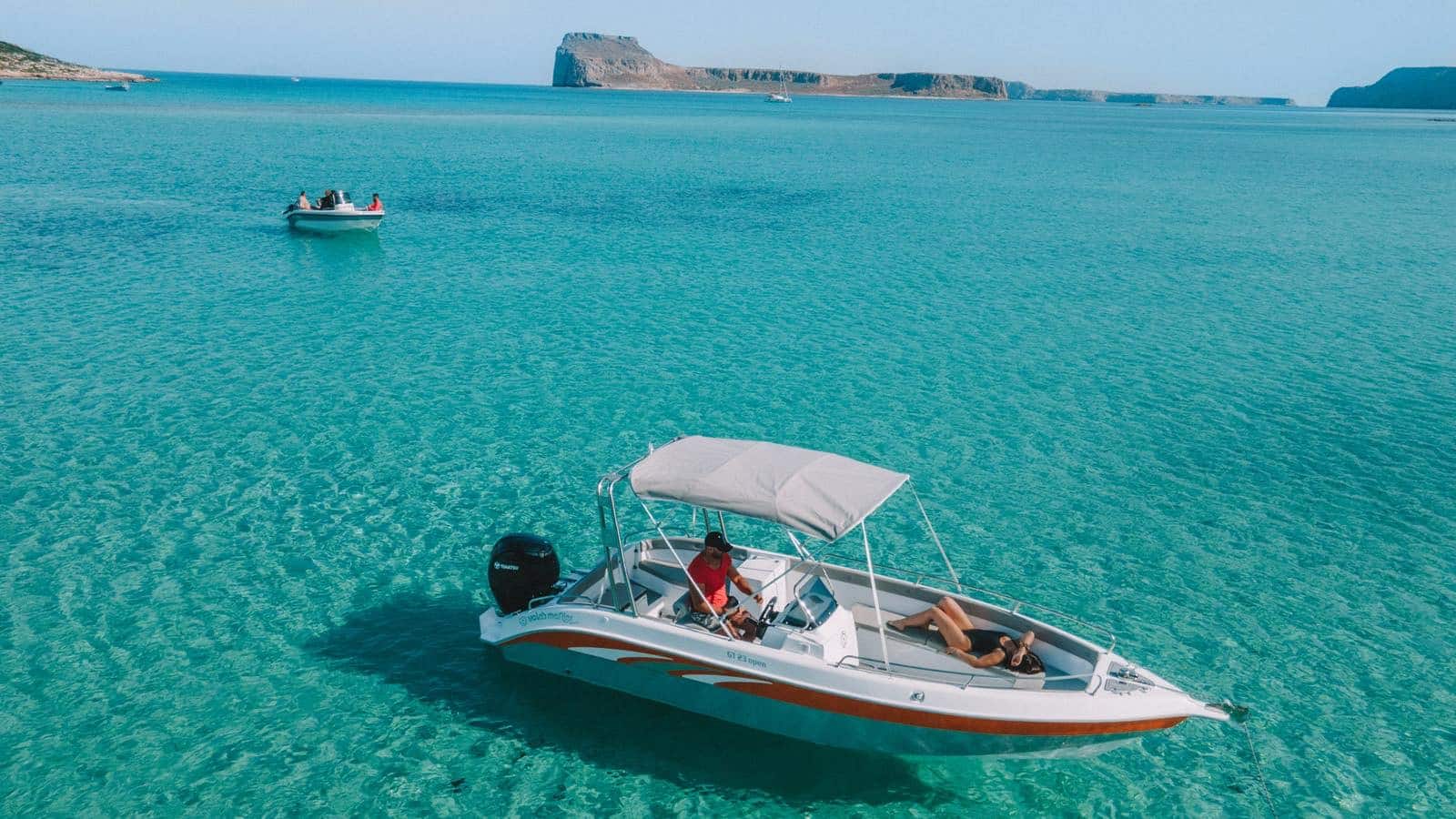
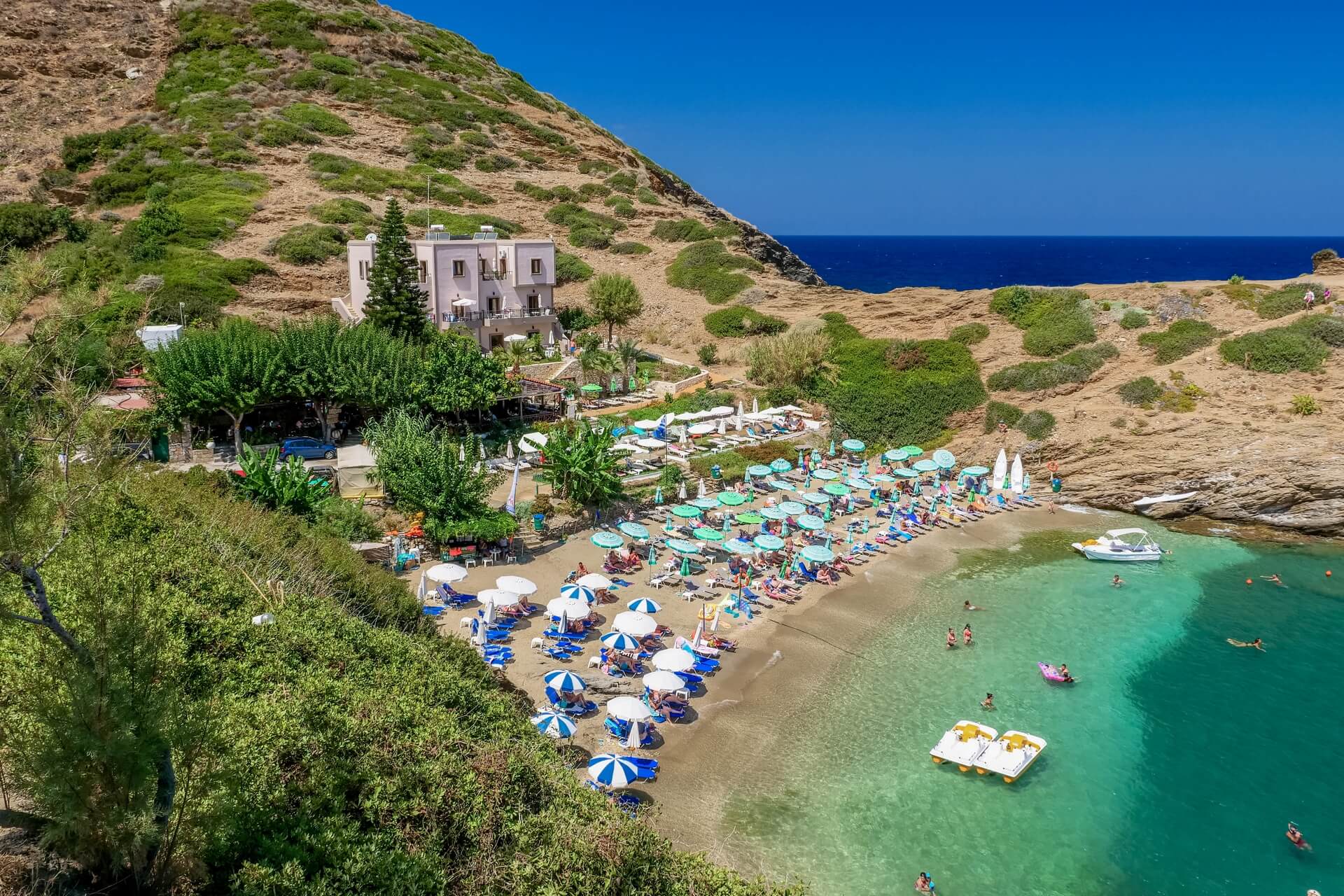
This is the time to take on Crete's biggest stars: the turquoise lagoon of Elafonisi, the golden sand of Falassarna at sunset, or the extraordinary Balos lagoon. On the north side, the beaches of Rethymno offer kilometres of easily accessible sand.
You're coming for hiking and ancient sites
Spring and autumn are your allies. Walking in 35 °C heat in the middle of July is pure torture. In May, June, September and October, the air is crisp, the trails are walkable and the light makes the old stones glow.
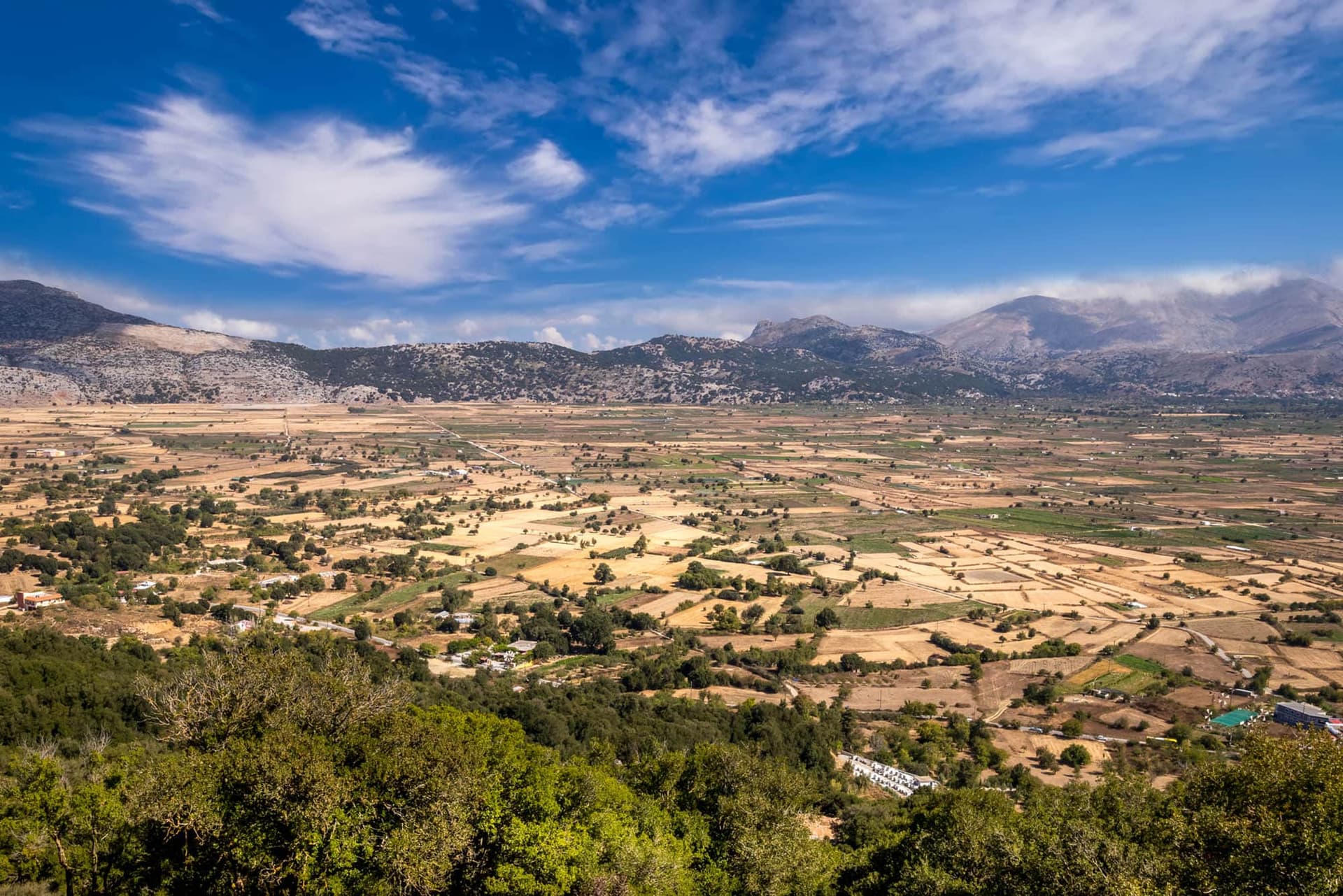
For archaeological sites, the shoulder season is a gift. Wandering the Palace of Knossos or strolling through the old town of Heraklion without sweating or elbowing through crowds changes everything. In winter, too, the inland areas are perfect for exploring: the Lassithi Plateau and its windmills have a timeless charm.
You're travelling on a budget
Aim for November to March. It's simple: that's when everything costs the least.
You want to avoid the crowds without giving up the sun
This is where the real secret hides. And it's a matter of fortnights, not months.
Season by season
Here's a portrait of each season, in brief. For the full detail on summer and September, I'll point you to our dedicated guides.
Spring (April – June)
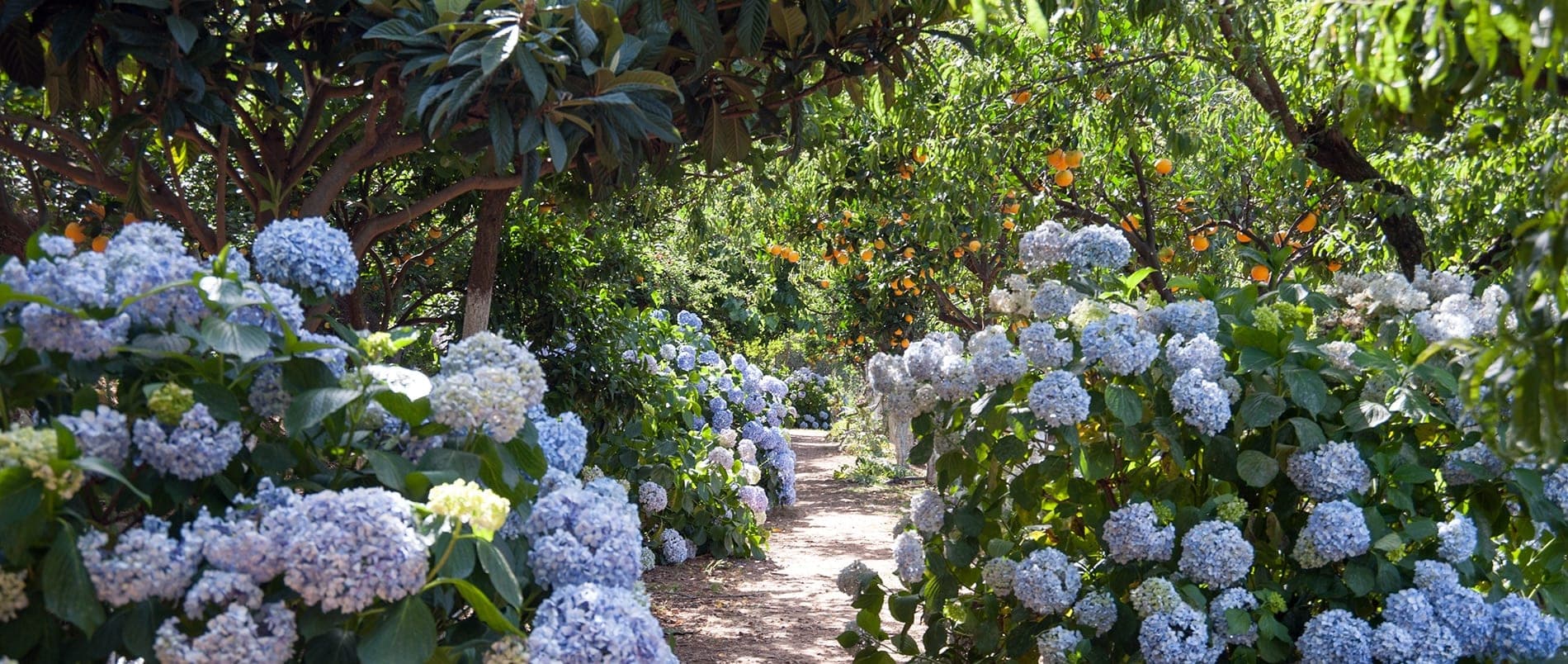
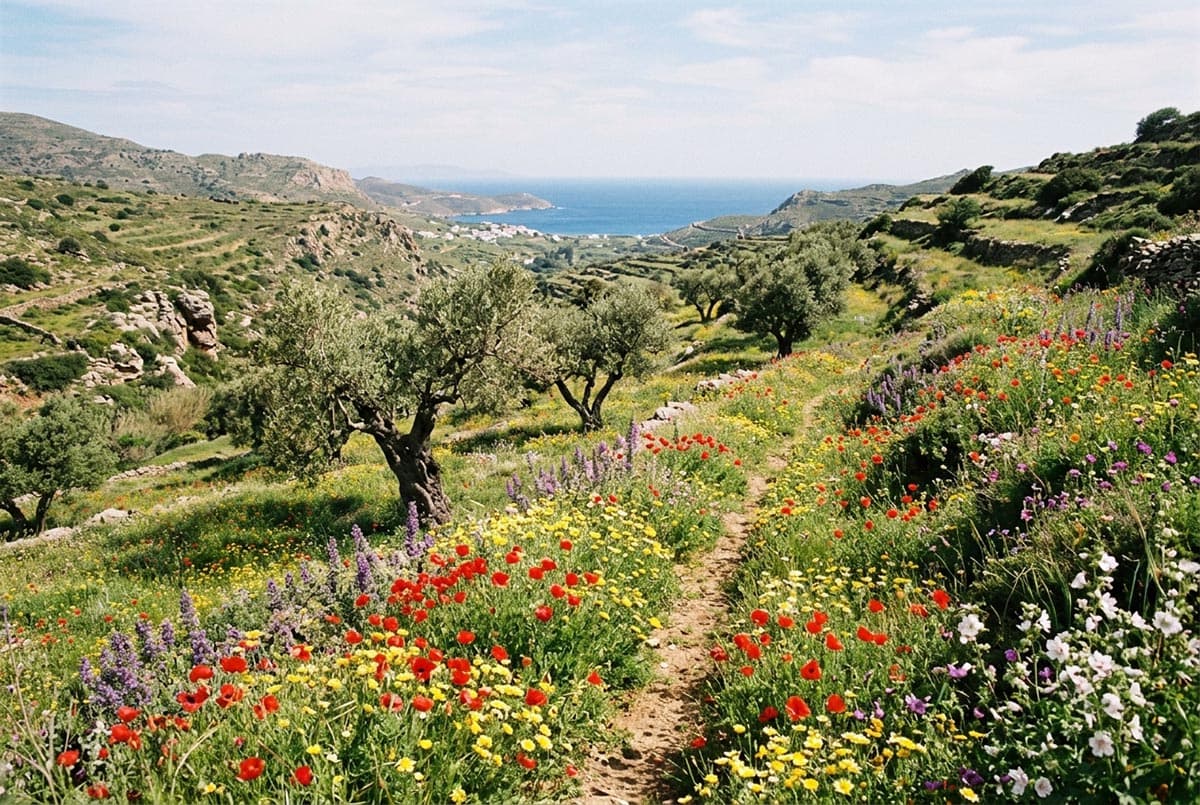
Crete wakes up. The hills fill with wildflowers, the almond trees have already blossomed back in February–March, and the olive groves hum with life. In April, the sea is still cool (18 °C) but the air turns mild. In May and June, everything aligns: pleasant warmth, a warming sea, lengthening days. Rain becomes rare from mid-April onwards.
It's my favourite season for pairing a hiking pack in the morning with a beach towel in the afternoon.
Summer (July – August)
Full sun, a 26 °C sea, warm nights, festivals. But also 29 °C in the shade during the day, beaches where laying down your towel is a game of Tetris, and Greek holidaymakers joining the foreign tourists between 20 July and 20 August.
The Cretan summer is sumptuous, but you have to earn it. August is Crete at its peak and at its most saturated, in one and the same breath.
For everything on June, July and August — activities, beaches, where to stay, how to handle the heat — head to our complete guide: Crete in Summer 2026.
Autumn (September – November)
My favourite. September keeps the warmest sea of the year (25 °C) while noticeably deflating the crowds. October extends the mildness: 24 °C in the air, 23 °C in the water, and glorious light. The rains gradually return in October–November, and some seaside facilities begin to close as the season ends.
September deserves a guide all of its own: Visiting Crete in September.

Winter (December – March)
This is the Crete few travellers know. An intimate, green, silent island. Prices collapse, you get the ancient sites almost to yourself, and the village atmosphere turns deeply authentic. The trade-off is real: the sea drops to 16–17 °C, the days are short, the rain frequent (December is the wettest month), and many places along the south coast close until spring.
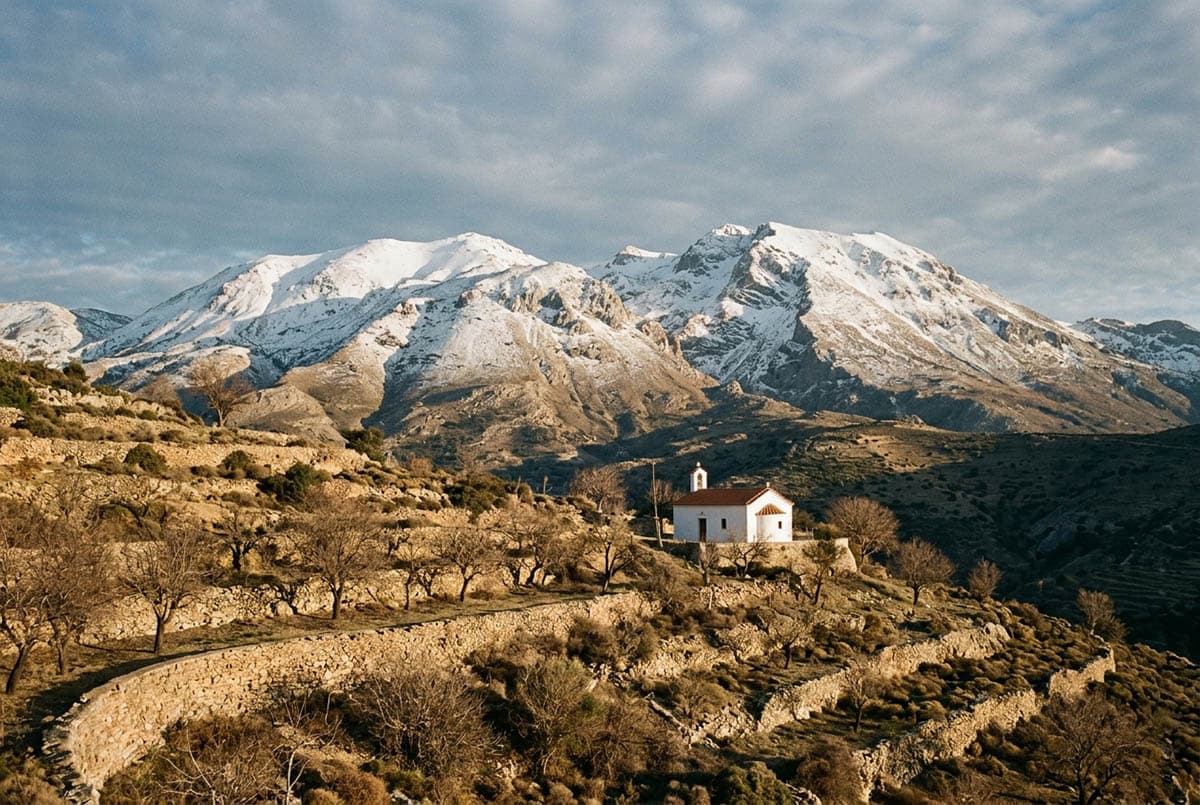
Here's a surprise: it snows in Crete. The Psiloritis and White Mountains massifs turn white, and you can ski-tour there with a view over the Mediterranean. A striking contrast.
North or south? The microclimate that changes everything
Here's what most guides skim over: in Crete, which side of the island you're on matters as much as the month.
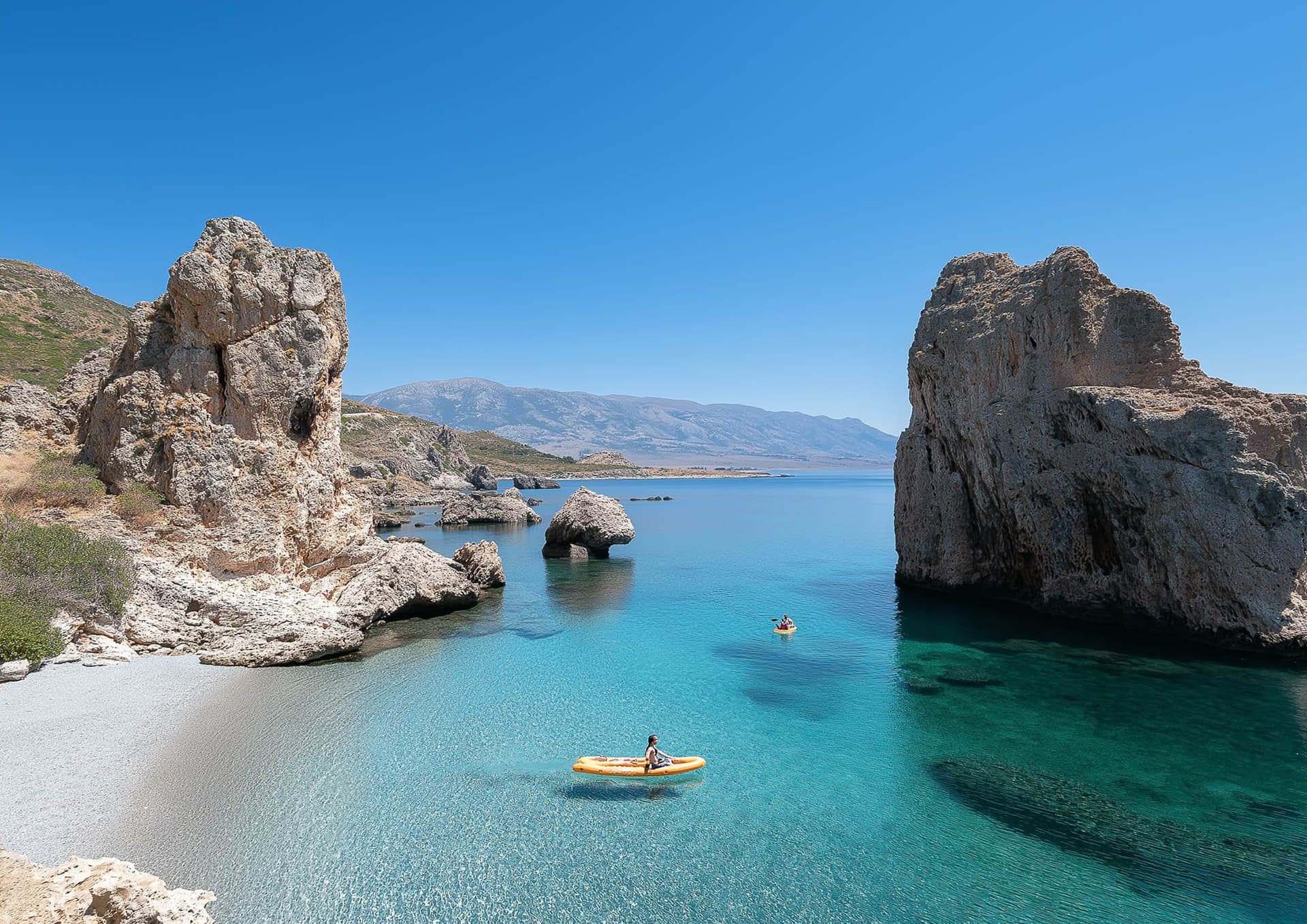
In practical terms, this difference is a weapon. If the north is overcast or rainy — a classic case in April, October or winter — switch to the south to find the sun again. The palm-fringed beach of Preveli, an oasis set at the mouth of a gorge, perfectly captures this bright, wild south. That geographic flexibility can save a trip even when the weather misbehaves.
Crowds, prices and booking: the right timing
Choosing the right time also means anticipating the crowds and the prices. Here's the Cretan calendar.
- 01December to March: off-season low, rock-bottom prices, the island in slow motion.
- 02April to June: a gradual build-up, an excellent weather-to-quiet ratio.
- 0320 July to 20 August: the absolute peak, with Greek holidaymakers arriving on top of the foreign visitors.
- 04September to October: a gentle wind-down, one of the best times of the year.
One practical point that's often underestimated: outside the high season, buses become scarcer and the secret beaches get hard to reach without a vehicle. A car remains the best way to enjoy Crete at your own pace, especially in the shoulder season. Our guide to renting a car in Crete covers everything you need to know before you book.
DiscoverCars
Car rental comparison — 150+ countries
Compare prices from Hertz, Avis, Sixt and local providers. All fees included, free cancellation. Rated 4.6/5 on Trustpilot.


My best swim in Crete was on 22 October. A deserted cove in the south, water still at 23 °C, a taverna all to ourselves and a bill that fit in a pocket. That's what the shoulder season tastes like.
Crete or another Greek island at this time of year?
If you're still torn between several destinations, the season can tip the balance. Crete — larger and more mountainous — lends itself to travel over a wider window than the small Cyclades, thanks in particular to its interior and its southern microclimate.
To compare, read our head-to-head Crete vs Santorini. And to plan your whole trip, everything is gathered in the complete guide to Crete 2026.
FAQ — When to visit Crete
What's the best month to go to Crete?
If I had to pick just one, it would be September: the sea is still 25 °C, the air stays warm without being oppressive, the crowds thin out and prices start to fall. May and June are excellent alternatives for those who prefer spring.
Can you swim in Crete in October or May?
Yes, in both cases. In May, the sea is around 20 °C: swimmable for most people, a little chilly for those who feel the cold. In October, it hovers around 22–23 °C, often more pleasant than you'd expect thanks to the warmth built up over the summer.
When is Crete cheapest?
From November to March, outside the Christmas holidays. Flights and accommodation are at their lowest. For an affordable beach holiday, May and October offer the best price-to-weather compromise.
Is it too hot in Crete in August?
It's hot, but rarely suffocating on the coast thanks to the sea breezes. Highs sit around 29 °C in Heraklion. It's inland and on hikes that the heat becomes genuinely gruelling. Plan for water, shade and early-morning activities.
What is there to do in Crete in winter?
Explore the ancient sites without crowds, roam the mountain villages, discover the Lassithi Plateau, savour Cretan cuisine in complete calm, and even ski on the peaks. Swimming, on the other hand, will have to wait for spring.
Should you choose the north or the south of Crete depending on the season?
In the shoulder seasons and in uncertain weather, favour the south, which is drier and sunnier thanks to the notias. In high summer, both coasts are ideal: the north has more infrastructure and easily accessible beaches.
You don't visit Crete “at the right time”. You visit it at the time that suits who you are. Whether you dream of warm beaches in September, flower-lined trails in May or a secret, silent island in the depths of winter, there's a Crete waiting for you. It's up to you to choose which one. ✨

Âme Bohème exists thanks to you
Some links in this article are affiliate links. This means that if you book or purchase a product through these links, we receive a small commission — at no extra cost to you. It's thanks to this support that we can continue creating free, quality content.
You can also buy us a coffee, or follow us on Instagram and Facebook.