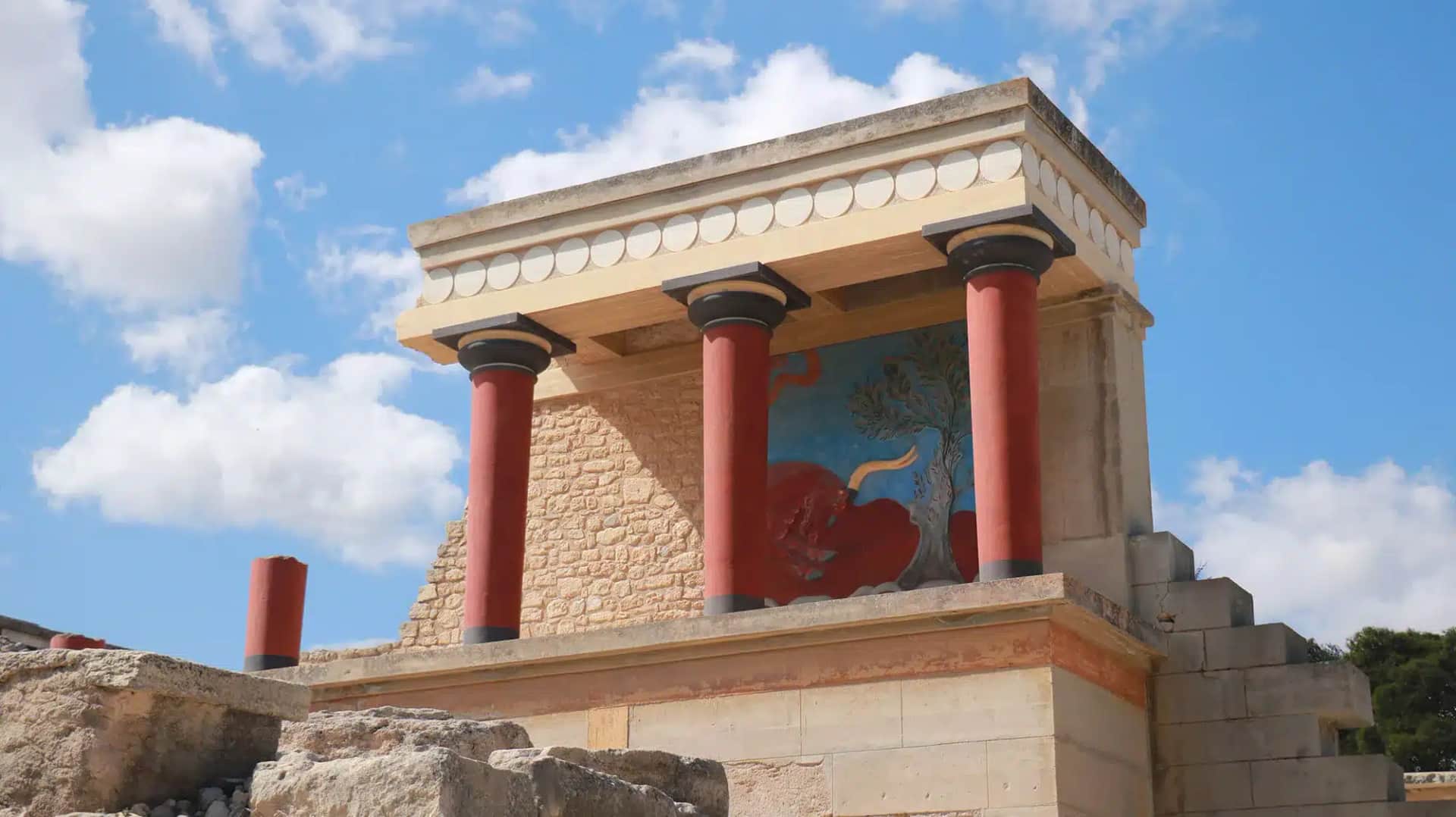

Welcome to our complete guide to visiting the Palace of Knossos in Crete. If you’re planning a trip to Crete, the Palace of Knossos is without a doubt a must-see. This impressive archaeological site is a living testament to the grandeur of the Minoan civilisation, and a visit here feels like travelling back in time.
In this guide, we’ll give you a detailed overview of the palace’s history, from its construction to its importance in the Minoan civilisation. We’ll explain why the Palace of Knossos is a site not to be missed for visitors to Crete, and give you practical information to plan your visit, including how to get there, what to see and do on site, and where to eat and stay nearby.
Whether you’re a history buff, an architecture lover or simply a curious traveller, we hope this guide helps you make the most of your visit to the Palace of Knossos. So get ready to be amazed by the historical and cultural richness of this incredible site. Happy reading and have a wonderful trip to Crete!
Why visit the Palace of Knossos
A journey back in time
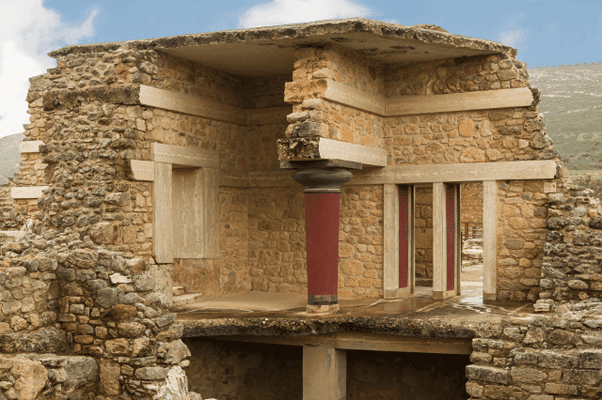
Visiting the Palace of Knossos is like travelling back in time. As you wander through its majestic ruins, you can almost feel the presence of the ancient Minoans. Every stone, every fresco tells a story, one that transports you to an era when Crete was the centre of a flourishing civilisation.
Impressive architecture
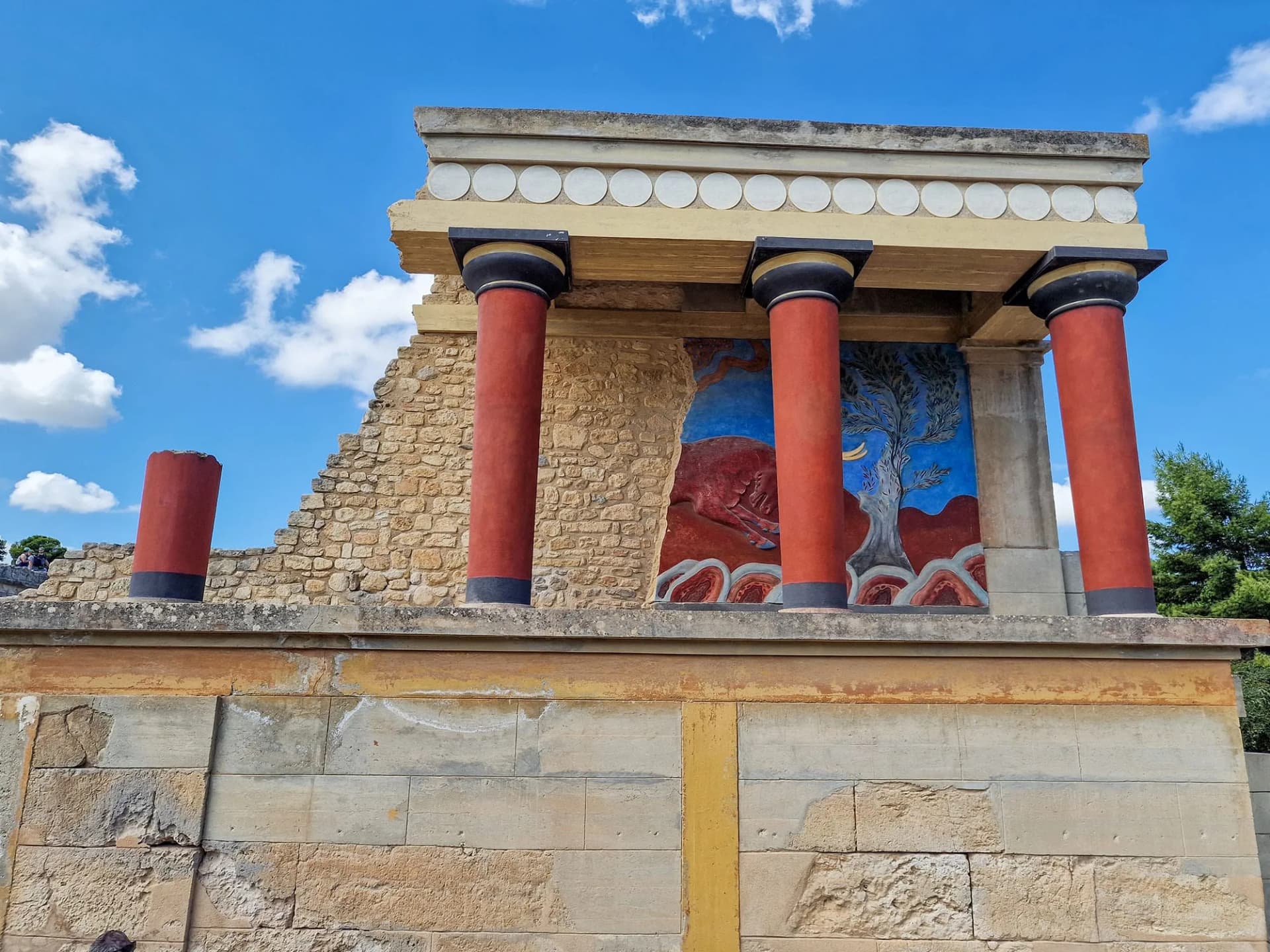
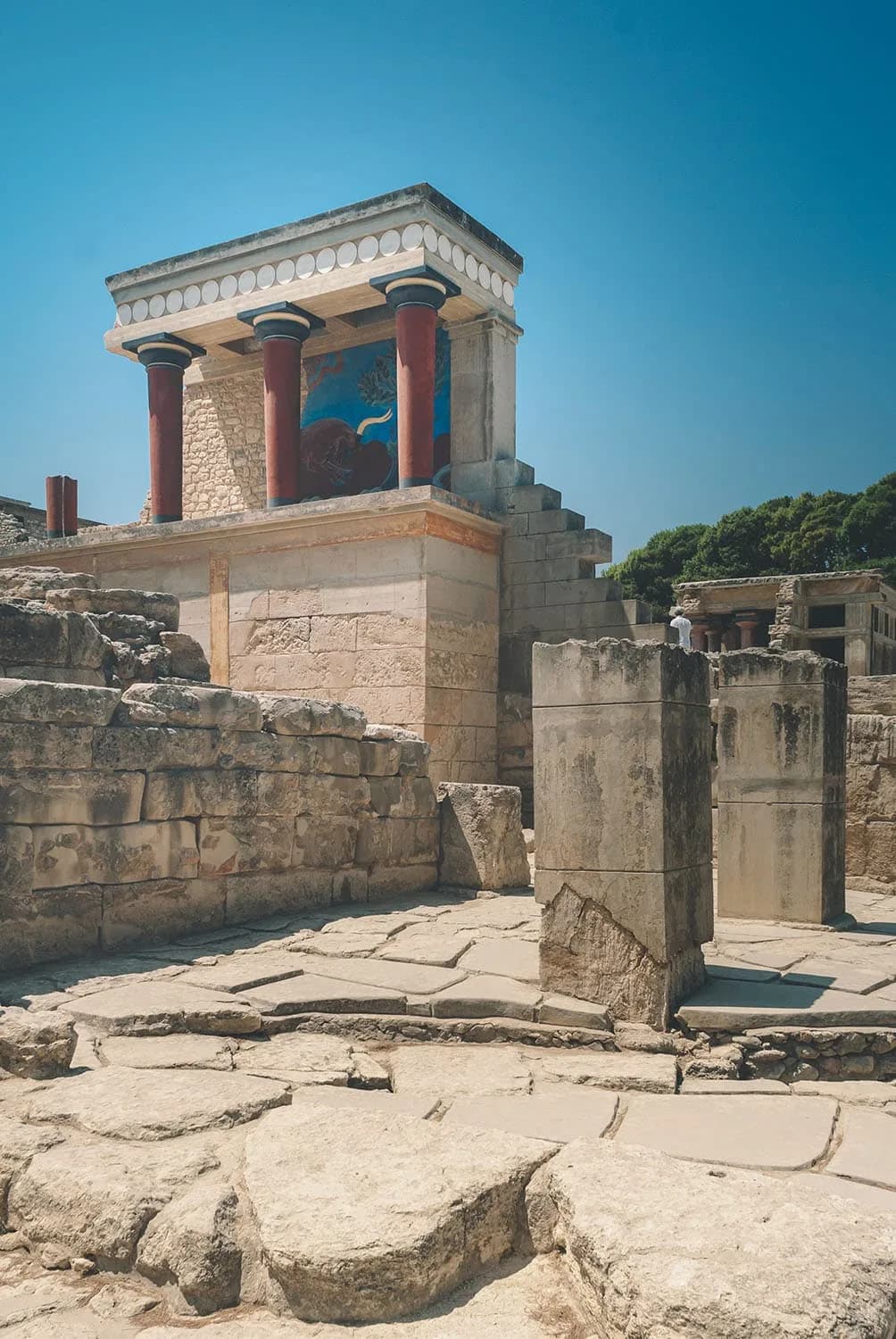
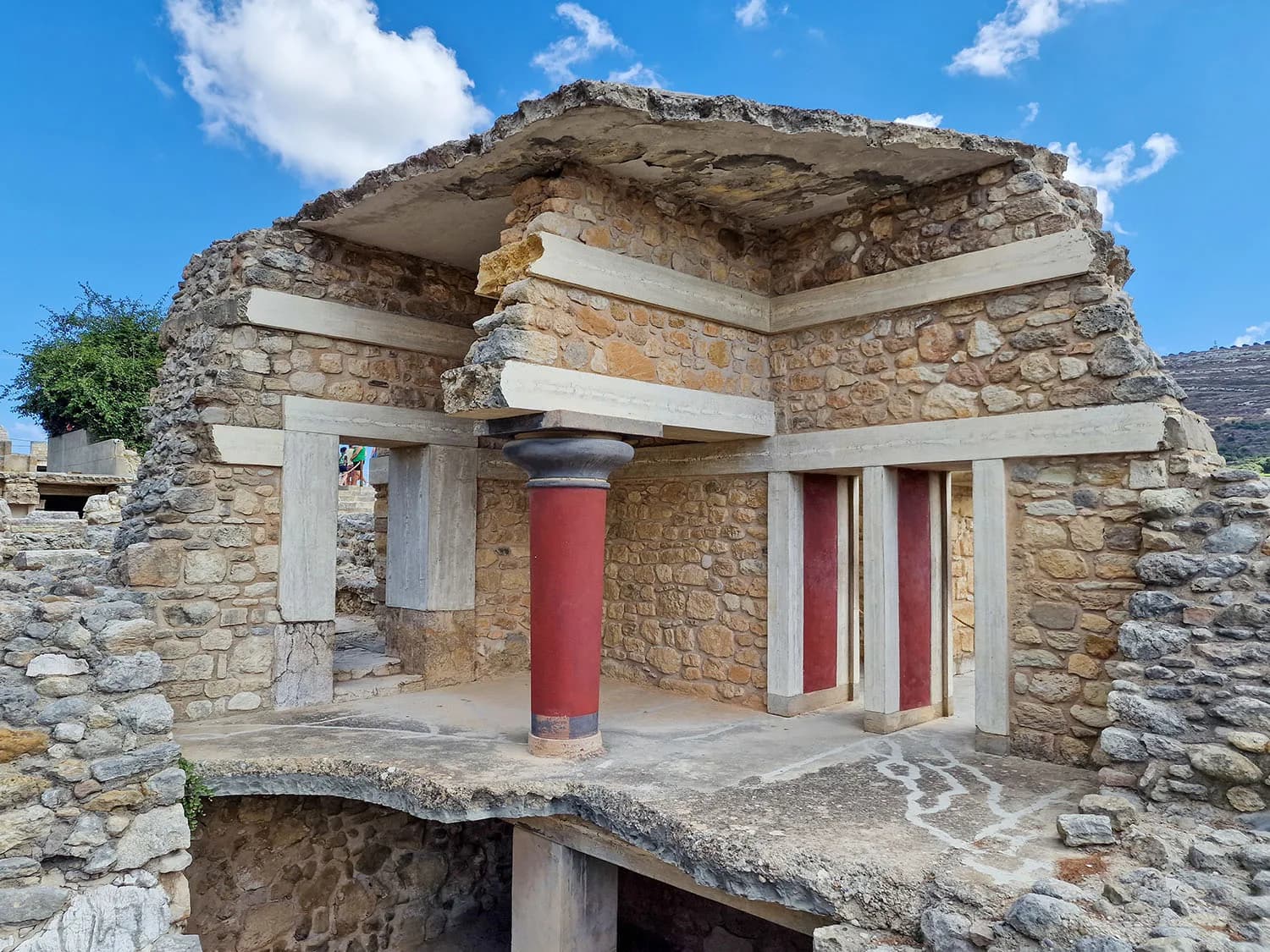
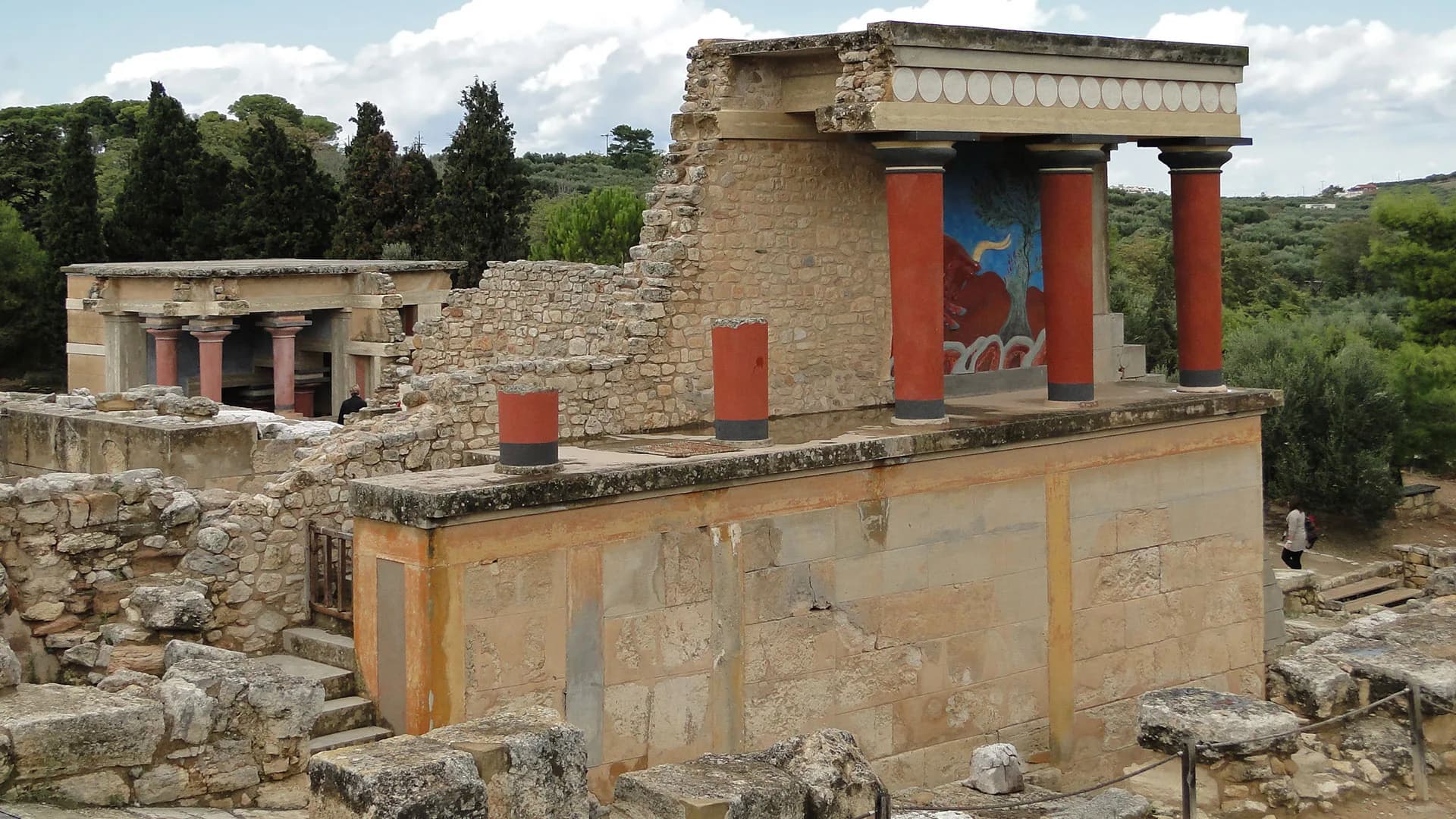
The architecture of the Palace of Knossos is simply impressive. With its red columns, detailed frescoes and complex maze of rooms and corridors, the palace is a testament to the ingenuity and sophistication of the Minoans. It’s a sight not to be missed for any history or architecture lover.
A site of great historical importance
The Palace of Knossos is a site of great historical importance. It was here that the Minoan civilisation, Europe’s first civilisation, reached its peak. By visiting the palace, you’ll have the chance to learn more about this fascinating civilisation and its impact on European history. Since July 2025, Knossos has been a UNESCO World Heritage Site, listed with five other Minoan palatial sites (Phaistos, Malia, Zakros, Zominthos and Kydonia).
A unique experience
Visiting the Palace of Knossos is a unique experience. Unlike other tourist sites, the palace offers genuine immersion in history. You can stroll around at your own pace, explore the different rooms and corridors, and imagine what life was like in Minoan times.
As a history lover, I can tell you that visiting the Palace of Knossos was one of the highlights of my trip to Crete. It’s an experience I highly recommend to anyone visiting the island. And after your visit, why not explore other gems of Crete, such as Elafonisi beach, Balos lagoon, or the charming town of Chania?
Planning your trip? Find all the essentials in our complete guide to Crete and check when to visit Crete with our month-by-month weather guide.
Palace of Knossos opening hours and prices
Opening hours
The Palace of Knossos is open every day: 8am to 8pm from April to the end of August, then closing time moves earlier every fortnight until 6pm in late October; 8am to 5pm from November to March. Arrive at opening time to beat the heat and the tour groups.
Admission prices
In 2026, admission costs €20 (€10 reduced). The official combined ticket with the Heraklion Archaeological Museum has been discontinued: buy the two tickets separately, on site or online through the Greek Ministry of Culture's official ticketing site. Skip-the-line tickets are also sold by online agencies at a slightly higher price.
Remember that the Palace of Knossos isn’t just a historic site; it’s also a journey back in time that lets you discover the rich history of the Minoan civilisation. Get ready to be amazed by the grandeur of this ancient site.
How to get to the Palace of Knossos
From Heraklion
The Palace of Knossos is located just 5 km south of Heraklion, the capital of Crete. It is easy to reach by car, taxi or bus.
By car : If you’ve rented a car (check out our guide on how to rent a quad in Crete for more information), simply follow Knossou Avenue south from the city centre. The drive takes only 10 to 15 minutes.
By taxi: Taxis are a convenient and affordable option. The ride from Heraklion city centre costs approximately €10.
By bus : Bus number 2 leaves from central Heraklion every 20 minutes and drops you right in front of the entrance to the archaeological site.
From Chania
If you’re staying in Chania, the journey to Knossos is a little longer, but perfectly doable as a day trip.
By car: The drive takes approximately 2 hours. Take the E75 national road east to Heraklion, then follow the signs for Knossos.
By bus : There are regular buses from Chania to Heraklion. Once in Heraklion, you can take bus number 2 to Knossos.
My personal tip
Personally, I prefer to get to Knossos by car. It gives you the freedom to travel at your own pace and to stop along the way to admire Crete’s magnificent scenery. However, if you’d rather not drive, public transport is a perfectly viable option.
What to see and do at the Palace of Knossos
Exploring the Palace of Knossos
The Palace of Knossos is one of the most popular tourist destinations in Crete. Located approximately 5 km south of Heraklion, it is easy to reach by car or bus. The hill was settled in the Neolithic, but the first palace was only built around 1900 BC, in the Middle Minoan period, and reached its greatest extent after 1700 BC. Today, visitors can explore the ruins of this fascinating ancient palace and learn about its history and importance. Tickets and prices are easy to find online on GetYouGuide.
Discover the wonders of the palace
The ruins of the Palace of Knossos are fascinating for several reasons. The palace is incredibly well preserved and offers a glimpse into the life of the Minoans. The palace was also considered a magical place: it was here that King Minos kept the legendary Minotaur in a labyrinth. Finally, Arthur Evans found the Linear B tablets at Knossos, and Linear A, a Minoan script that remains undeciphered, has also been found here. If you’re interested in ancient civilisations or history, the Palace of Knossos is definitely worth the detour!
Visiting the points of interest at the Knossos archaeological site
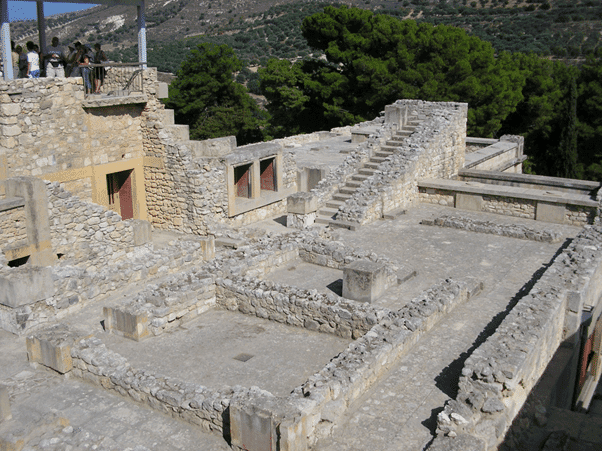
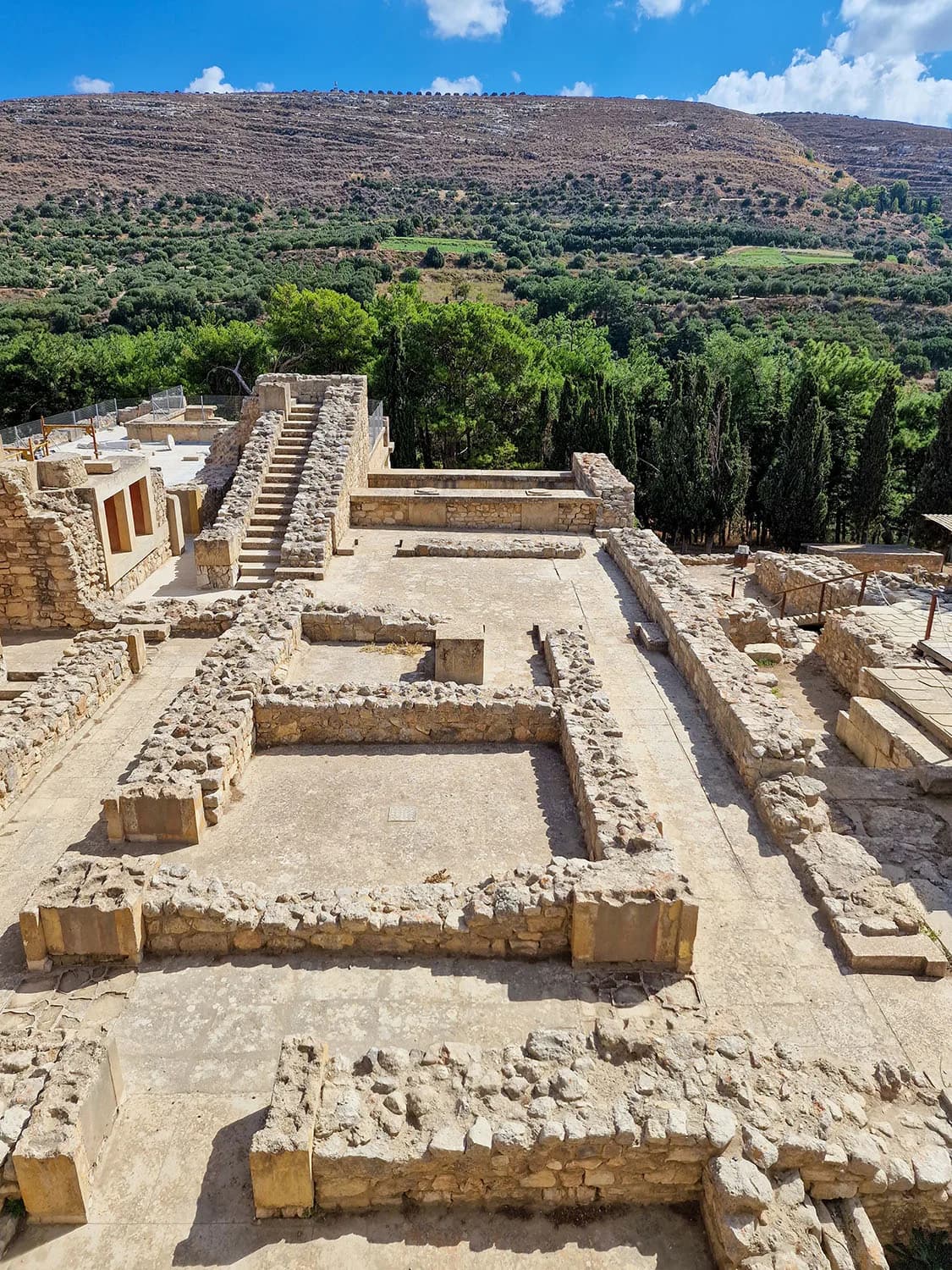
The Knossos site is home to many points of interest, including the South Propylaeum, a monumental structure that played a crucial role in ancient ceremonies and events. The Royal Villa, a magnificent building that stands out for its unique architectural features and richly decorated interiors.
The Caravanserai, a two-storey building that served as a public reception area for travellers and their goods. The North Lustral Basin, an underground structure used for purification ceremonies. The East Wing, the heart of the palace, is an extraordinary architectural feat. The West Façade, one of the most striking features of the palace.
The Little Palace, a magnificent building that served as a centre for palace administration, religious ceremonies and social gatherings. And finally, the Temple Tomb, one of the most fascinating ancient ruins in Crete, probably used for both funerary and cult purposes during the Neopalatial period.
Visiting the Heraklion Archaeological Museum
After exploring the palace, I highly recommend visiting the Heraklion Archaeological Museum to see more of the artefacts discovered at the palace, such as ceramics, wall paintings and figurines. It will round off your experience perfectly.
Admire the famous frescoes
Don’t miss the chance to see up close the world-famous Dolphin fresco in the Queen’s Megaron and the Bull-Leaping fresco (copies: the originals are in the Heraklion museum). Relive the legend of the Minotaur, who was kept in the labyrinth, and learn more about the palace’s link with this ancient creature.
All in all, a visit to the Palace of Knossos is a real dive into Minoan history and culture. Whether you’re a history buff, an art lover or simply a curious traveller, the Palace of Knossos has something to offer everyone.
History of the Palace of Knossos
A jewel of the Minoan civilisation
The Palace of Knossos, a true jewel of the Minoan civilisation, is an archaeological site of priceless importance. Located a few kilometres south of vibrant Heraklion, the capital of Crete, this palace is a living testament to the ingenuity and sophistication of Europe’s first civilisation.
The construction of the palace
Construction of the palace began around 1900 BC; tradition links it to the legendary King Minos. According to Greek mythology, it was in this complex labyrinth that King Minos imprisoned the Minotaur, a creature half man, half bull.
The golden age of Knossos
The golden age of Knossos came between 1700 and 1450 BC, when the palace was rebuilt after a devastating earthquake. It was at this time that the palace reached its peak, with complex architecture and colourful frescoes that bear witness to the wealth and power of the Minoan civilisation.
The end of the Minoan civilisation
Sadly, the Minoan civilisation declined from around 1450 BC, when most palatial sites were destroyed and the Mycenaeans took over Knossos. The Santorini eruption, which came earlier (around 1600 BC), had already weakened it. If you’re interested in a comparison between Crete and Santorini, check out our article Crete vs Santorini. And if you’re thinking of visiting Santorini, don’t forget to read our guide to the Crete-Santorini ferry.
The rediscovery of the palace
The Palace of Knossos was rediscovered in 1878 by Minos Kalokairinos, a Cretan antiquarian. However, it was the British archaeologist Sir Arthur Evans who undertook large-scale excavations in 1900, revealing the grandeur of the Palace of Knossos to the whole world.
As you walk through the ruins of this majestic palace, you can almost hear the echoes of the Minoan civilisation. Every stone, every fresco tells a story, one that deserves to be told and shared. So on your next trip to Crete, don’t forget to visit the Palace of Knossos. You won’t regret it!
In the next chapter, we’ll find out why the Palace of Knossos is a must-see for any visitor to Crete. Stay with us!
Practical tips for visiting the Palace of Knossos
Visiting the Palace of Knossos is an unforgettable experience, but to make the most of it, it helps to know a few tips.
Best times to visit
The palace is open daily, 8am to 8pm from April to the end of August, with earlier closing in autumn (6pm in late October), and 8am to 5pm in winter. To avoid the crowds and the afternoon heat, I recommend visiting early in the morning or late in the afternoon.
Rules to follow
As with any historic site, it’s important to respect the place. Don’t touch the structures or artefacts, and don’t wander into restricted areas. Remember that you are in a place of great historical and cultural importance.
Preparing for your visit
Make sure you wear comfortable shoes, as you’ll be doing a lot of walking. Also, don’t forget your hat and sunscreen, as the sun can be very strong in Crete. Finally, don’t forget your camera to capture the wonders of the Palace of Knossos!
Other attractions nearby
After your visit to the Palace of Knossos, I recommend visiting the Heraklion Archaeological Museum to see more of the artefacts discovered at the palace, such as ceramics, wall paintings and figurines. It’s an excellent way to round off your Knossos experience.
Finally, remember that Crete has much more to offer than the Palace of Knossos alone. Whether it’s the Samaria Gorge, Elafonisi beach, or the charming village of Loutro, there is so much to discover on this magnificent island. Make the most of your stay in Crete to explore everything the island has to offer!
Where to eat and stay near the palace
After a day spent exploring the Palace of Knossos, you’ll no doubt want to relax and enjoy a good meal. Fortunately, there are plenty of restaurants nearby that will delight your taste buds.
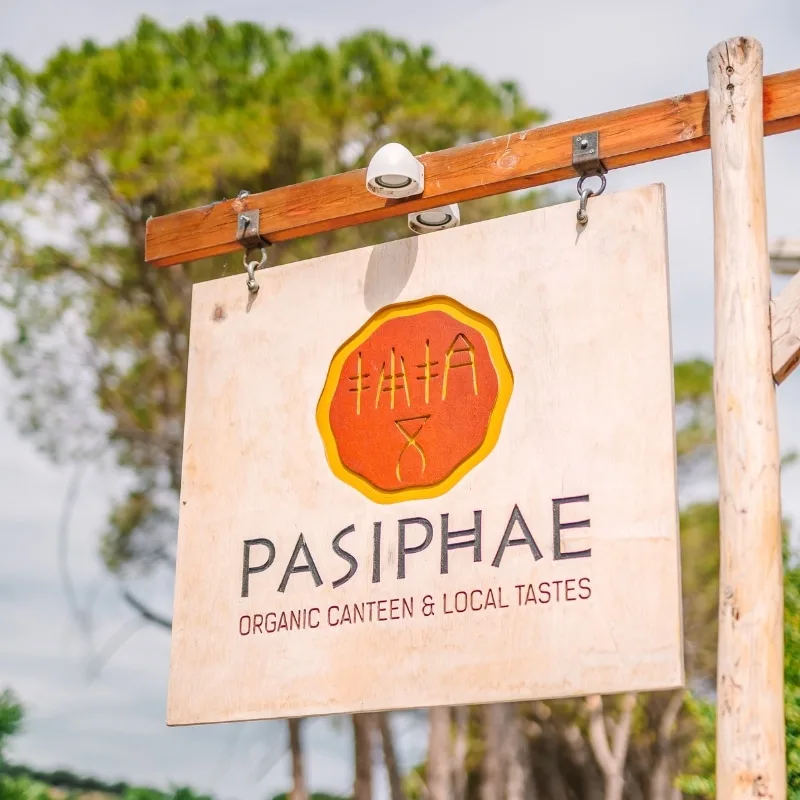
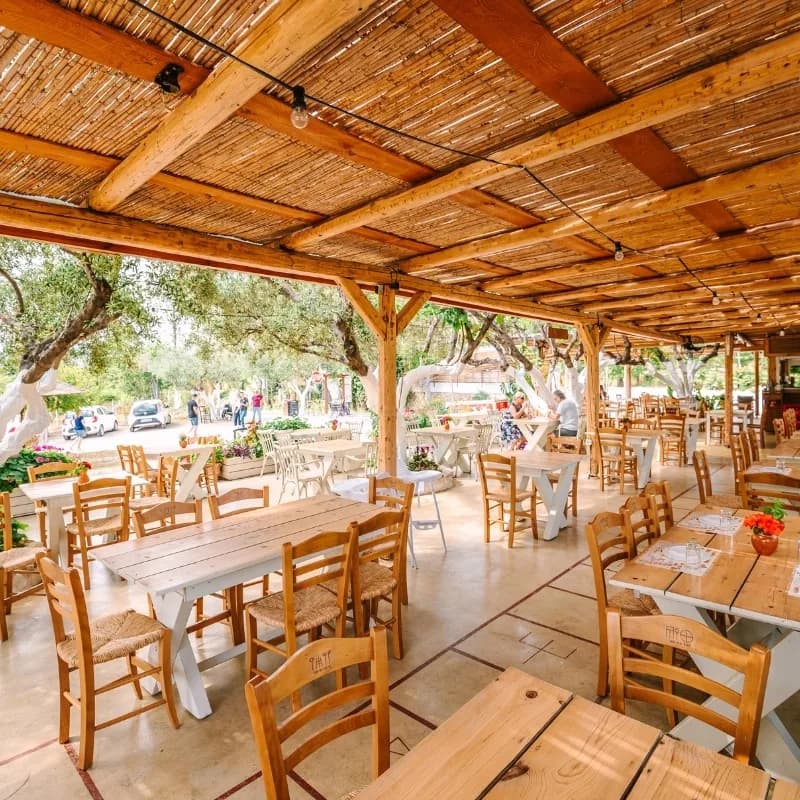
Pasiphae Restaurant
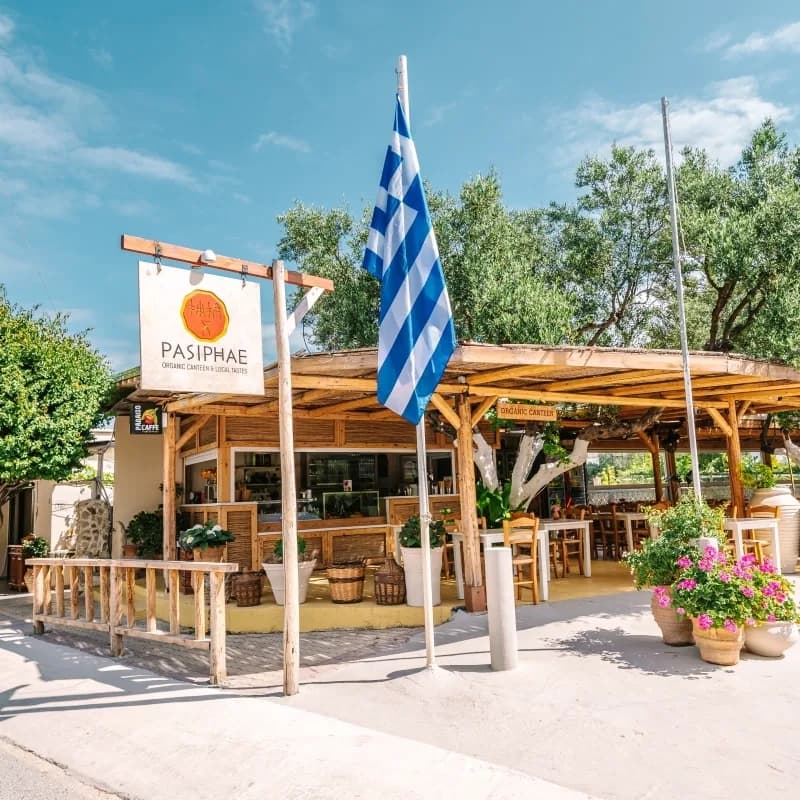
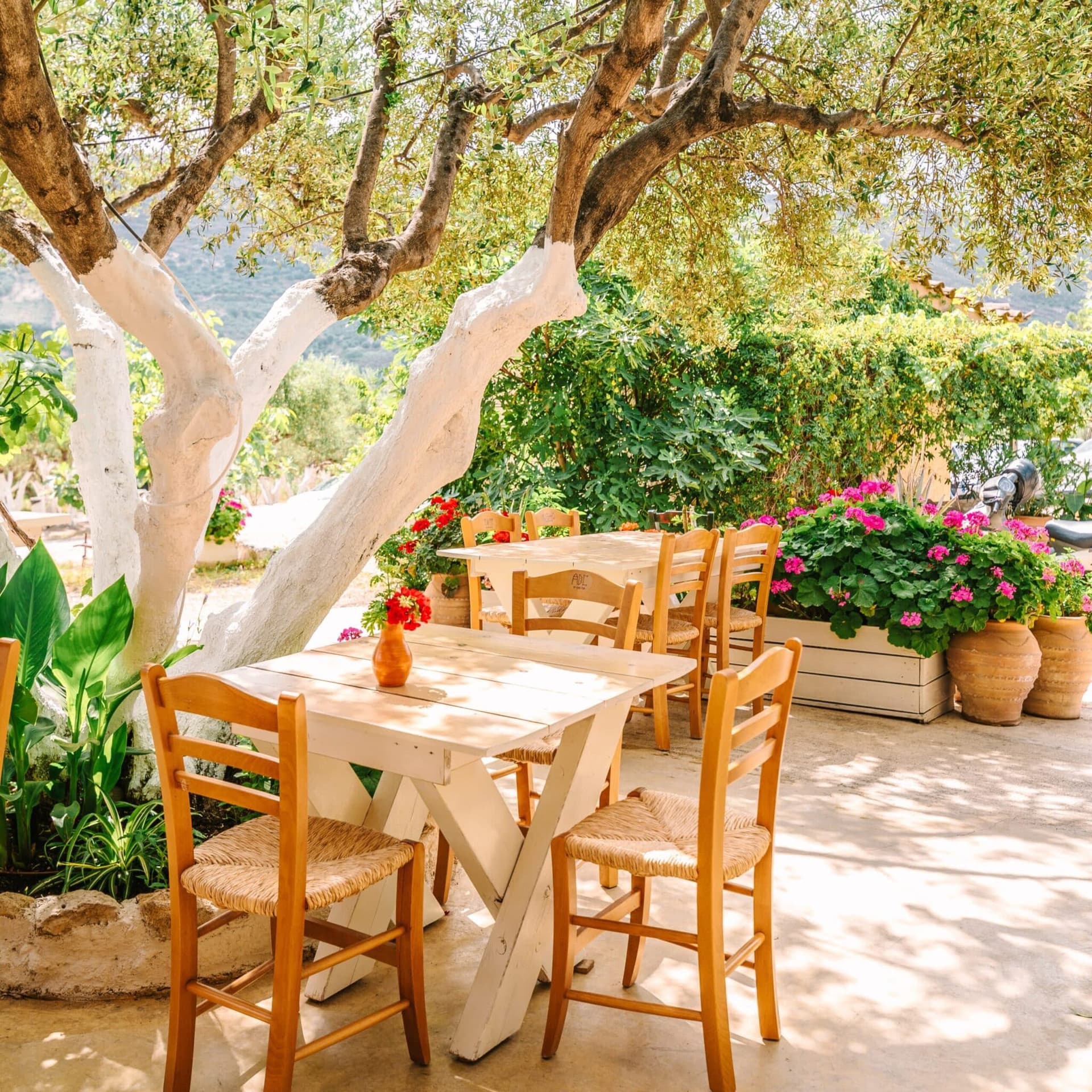
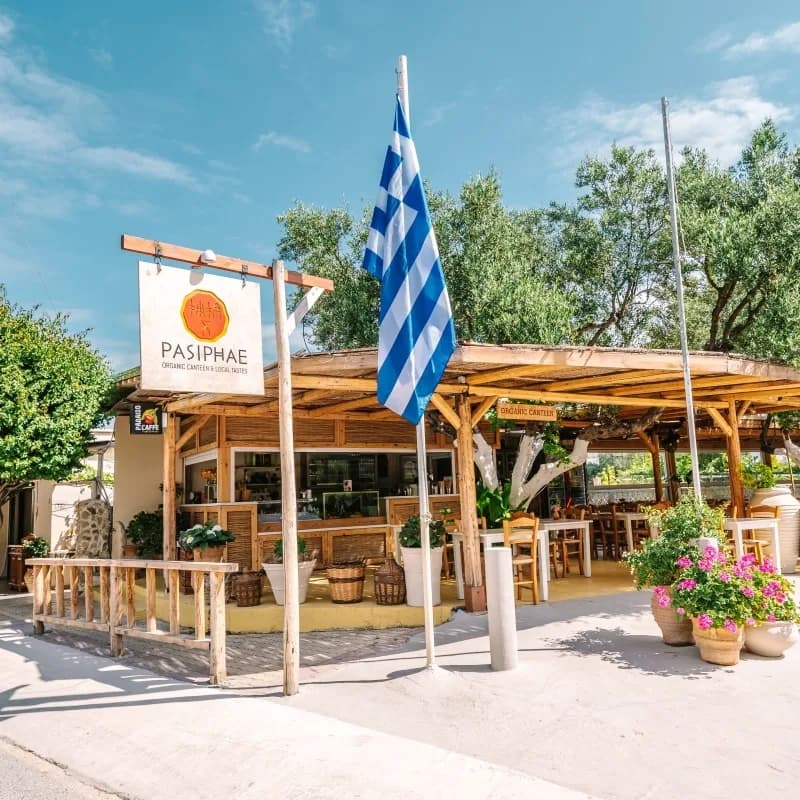
Pasiphae Restaurant is an elegant spot serving traditional Greek cuisine. Just a 10-minute walk from the palace, it’s the ideal place to enjoy local dishes in a refined setting. Prices are a little higher, but the quality of the food and service is worth it.
Minotavros Restaurant Cafe
For a more affordable option, Minotavros Restaurant Café is an excellent choice. Located in the centre of Knossos, this restaurant offers a variety of Greek and international dishes. It is known for its excellent service and affordable prices, making it a popular choice among visitors.
Where to stay
As for accommodation, there is a range of options near the Palace of Knossos to suit every budget. Whether you’re looking for a luxury hotel with every amenity or a more budget-friendly option, you’re sure to find something that suits your needs.
Conclusion
Visiting the Palace of Knossos is a must-see experience on any trip to Crete. Whether you’re a history buff, an architecture lover or simply a curious traveller, the palace has something to offer everyone. From its fascinating history and impressive architecture to the archaeological wonders it holds, the Palace of Knossos is a treasure well worth discovering.
Don’t forget to plan your visit, take our practical tips into account and enjoy the delicious dining options nearby. And above all, take the time to appreciate the beauty and historical richness of this incredible place.
We hope this guide helps you prepare your visit to the Palace of Knossos. Have a great trip and enjoy your stay in Crete!
FAQ
The palace is open every day, 8am to 8pm from April to the end of August, with earlier closing in autumn (6pm in late October), and 8am to 5pm from November to March.
Admission to the Palace of Knossos costs €20 for adults, €10 reduced (EU seniors, non-EU students), and free for under-18s and EU citizens under 25.
To get to the Palace of Knossos, take city bus number 2 from central Heraklion. The bus stop closest to the palace is Knossos.
The best time to visit the Palace of Knossos is in May, June and September, when temperatures are milder.
At the Palace of Knossos, you can see the ruins of an ancient Minoan palace, which was one of the largest and most important palaces of the Minoan civilisation. The finds from the site are displayed at the Heraklion Archaeological Museum, 5 km away.

Âme Bohème exists thanks to you
Some links in this article are affiliate links. This means that if you book or purchase a product through these links, we receive a small commission, at no extra cost to you. It's thanks to this support that we can continue creating free, quality content.
You can also buy us a coffee, or follow us on Instagram and Facebook.