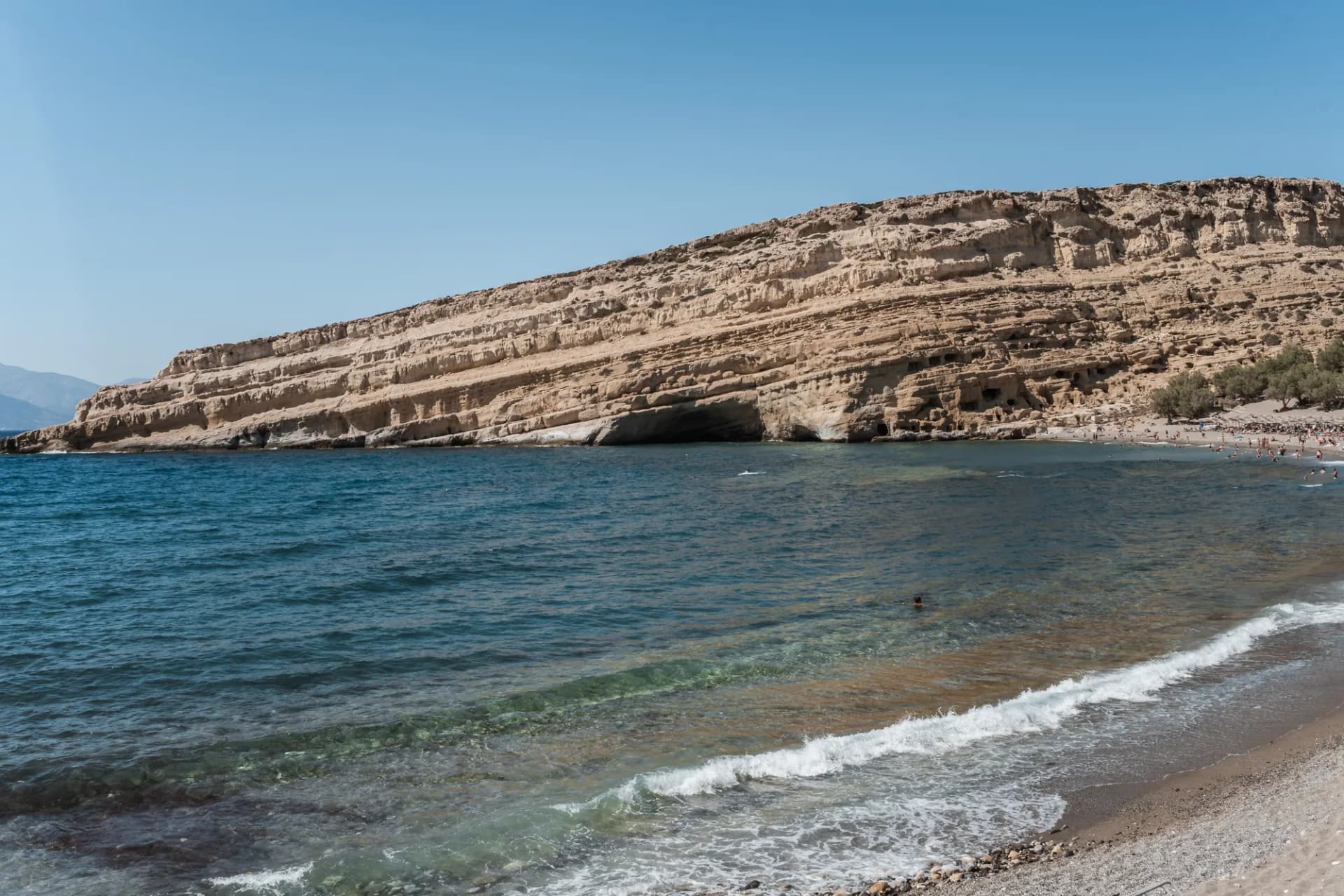
Ah, Crete! This Greek island, rich in history and natural beauty, is full of hidden treasures. One of these gems is undoubtedly Spinalonga. Lying just off Crete’s north-east coast, this small island has played a major role in Mediterranean history.
Spinalonga, an island with a rich and varied past
Spinalonga island isn’t just a tourist site; it is the silent witness to centuries of history. Its strategic position made it a crucial defensive point during the Venetian era, and its imposing walls tell tales of battles and bravery. But that’s not all. Spinalonga also served as a leper colony, sheltering souls who sought refuge far from the outside world.
A place of remembrance
During my visit, I was particularly moved by the stories of the leper colony’s residents. Imagining life on this island, isolated yet full of hope, reminded me of the resilience of the human spirit. Every stone, every lane seems to whisper the stories of those who lived here.
More than just an island
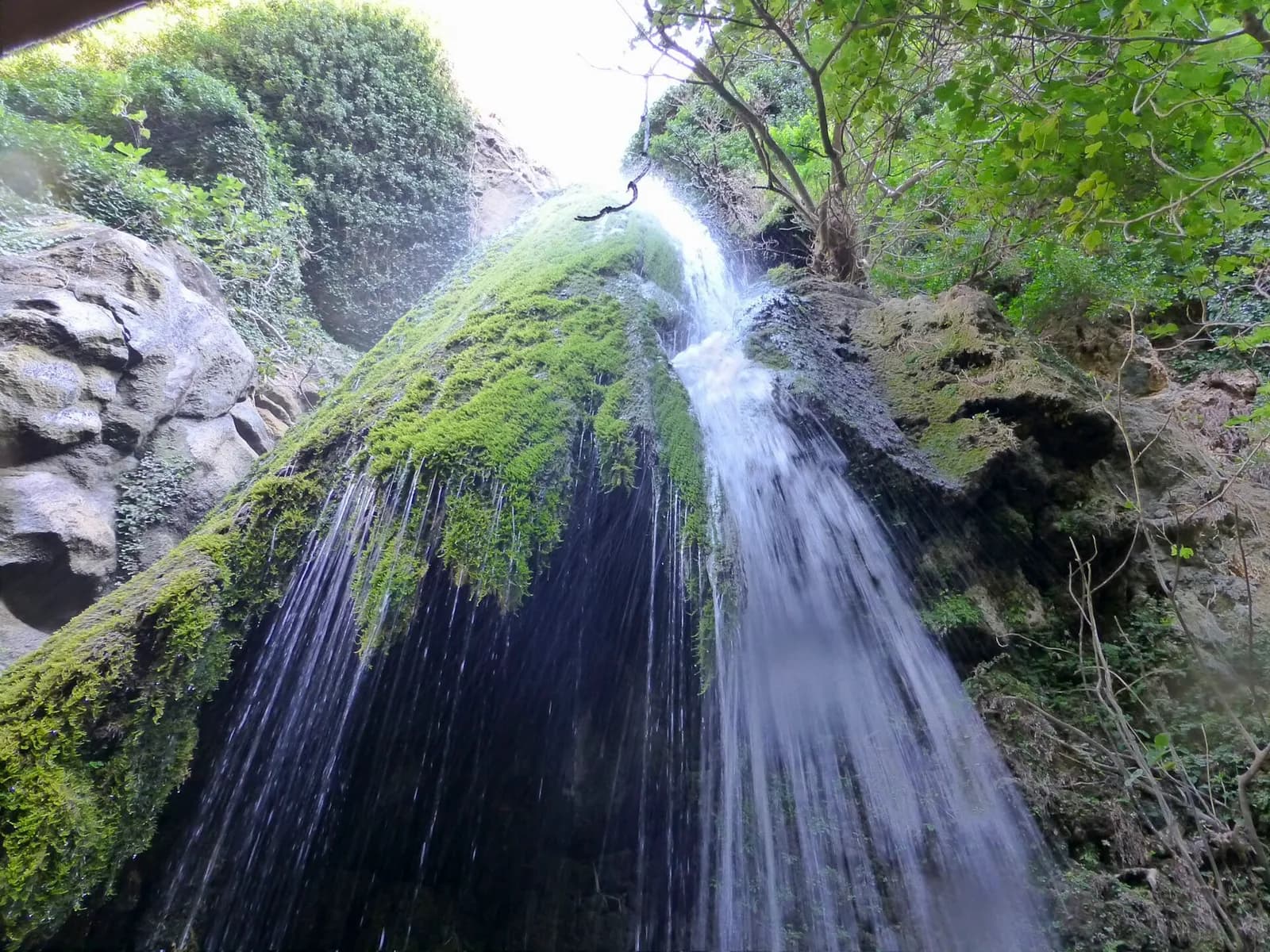
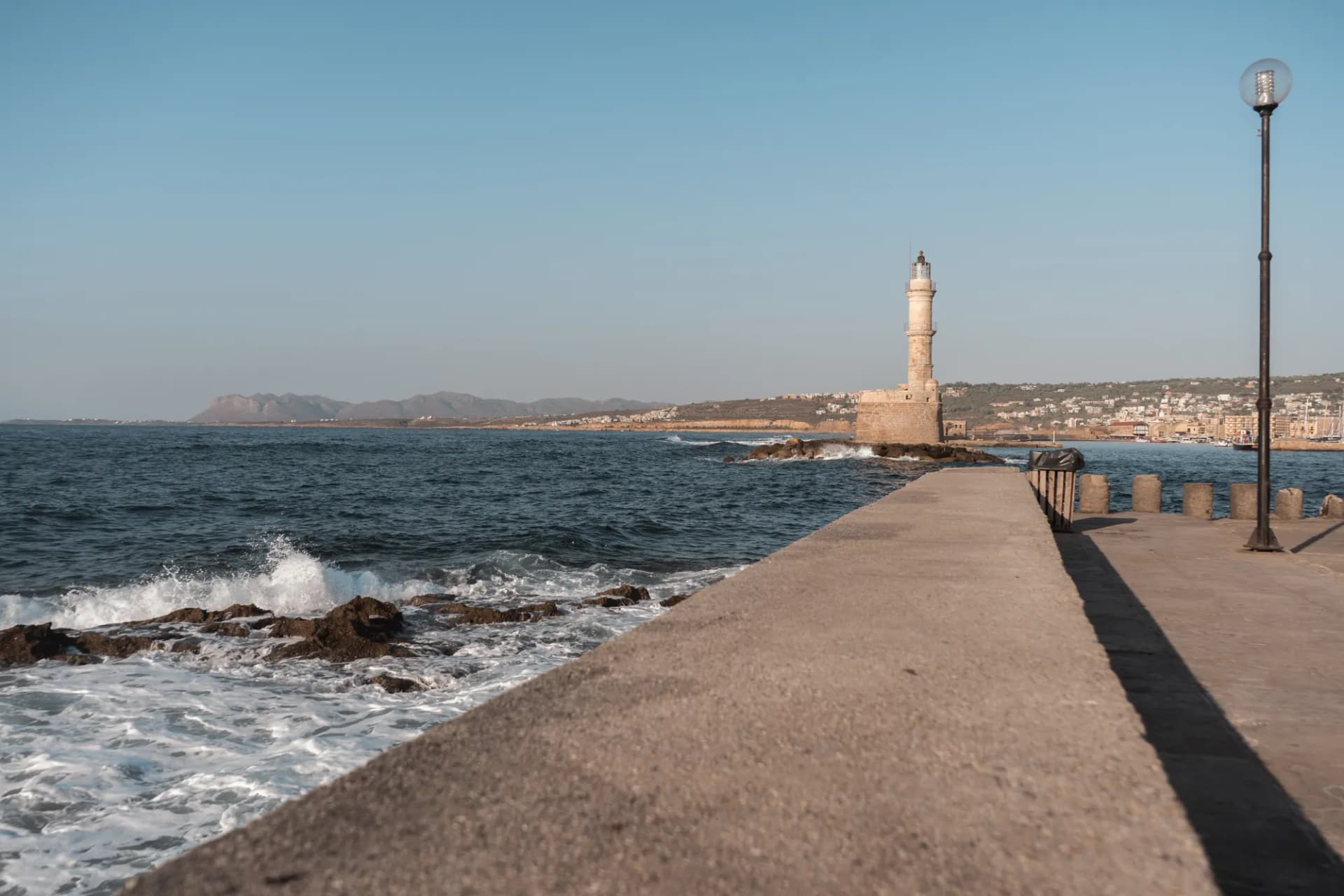
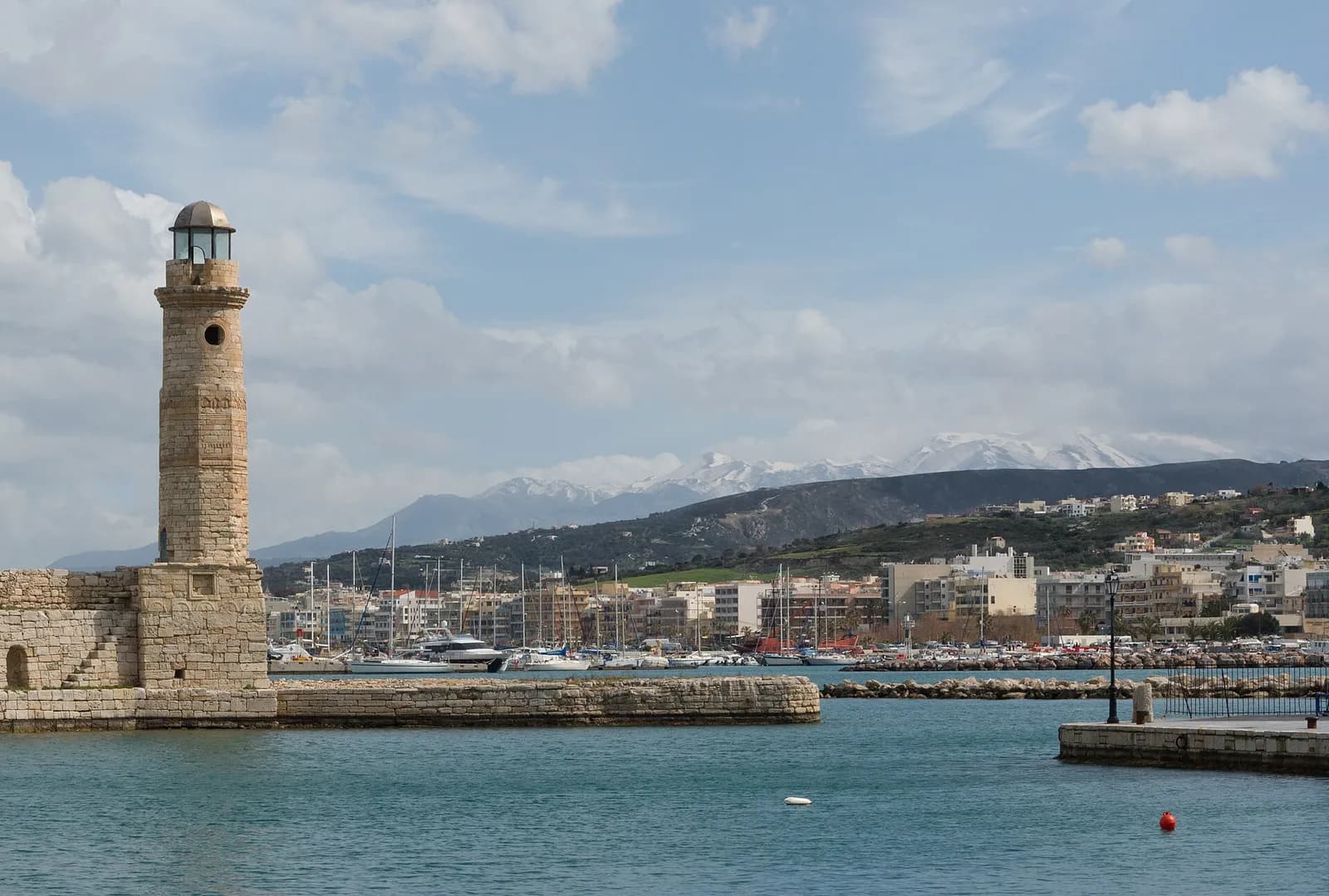
It’s also a place of breathtaking natural beauty. The crystal-clear waters surrounding the island invite you to relax and contemplate. And if, like me, you’re a nature lover, you’ll be delighted to know that Crete has many other wonders to discover. Whether it’s the heavenly beaches of Elafonisi or the tranquil charm of Loutro, there’s so much to see and do on this magnificent island.

- The Tunnel (Dante’s Gate).
- The museum and the old leper village.
- The churches, including Saint Panteleimon and Agios Nikolaos.
- The cemetery, a memorial to the lepers.
- Best time to visit.
- Recommended length of visit.
- What to bring: comfortable shoes, water, etc.
Spinalonga on video
Planning your trip? Find all the essentials in our complete guide to Crete and check when to visit Crete with our month-by-month weather guide.
How to get to Spinalonga

Sailing to Spinalonga is an adventure in itself, a promise of escape and discovery. The Aegean Sea, with its deep blue waters, gives you a foretaste of what awaits you on this historic island. So how do you get there? Here are a few options and tips to guide you.
Transport options
Boat: The most common and most picturesque way to reach Spinalonga is by boat. Many small boats leave from the neighbouring towns of Elounda and Agios Nikolaos. On my last visit, I opted for this option, and I have to say the crossing is sheer delight. The crystal-clear waters, the gentle rocking of the boat and the sea breeze make for an unforgettable cocktail of emotions. For the more adventurous, you can even rent a quad and make your own way to the port!
Organised tours: If you prefer a hassle-free experience, many agencies offer day trips to Spinalonga. These tours usually include transport, a guide and sometimes a meal. It’s an excellent option for those who want to learn more about the island and benefit from a local expert’s commentary.
Rent a quad or a car to get to the departure point. Easy to handle, it’s a must in Crete.
Tips for choosing the best way to get there
My advice? If you’re looking for an authentic experience, go for the boat. Not only is it economical, it also gives you the freedom to explore at your own pace. And honestly, there’s nothing complicated about exploring Spinalonga.
Tickets and prices


Prices for the boat crossing to Spinalonga:
Sailing to Spinalonga is an experience in itself, with panoramic views over the crystal-clear sea and majestic mountains. Here are the prices for the boat crossing to Spinalonga:
- From Agios Nikolaos to Spinalonga: The cost is €25 per person. Agios Nikolaos, being further away, offers a longer, more scenic crossing to the island.
- From Elounda to Spinalonga: The crossing costs €14 per adult (€8 reduced). Elounda is one of the most popular departure points for Spinalonga, offering a short, pleasant crossing. It’s the one I recommend.
- From Plaka to Spinalonga: The crossing costs €12 per adult (€6 reduced). Plaka is the closest departure point to Spinalonga, making the trip quick and direct.
It’s important to note that these prices don’t include the entrance ticket to the Spinalonga archaeological site. The entrance ticket is €20 (€10 reduced rate for EU seniors and non-EU students; free for under-18s and EU citizens under 25). Make sure you have enough cash on you to cover both the boat trip and entry to the island.
What to see and do in Spinalonga

Spinalonga, with its winding lanes and breathtaking panoramas, is a real treasure for history and nature lovers. Every corner of the island holds a story, a beauty waiting to be discovered. Here are a few must-sees not to be missed on your visit.
The Venetian fortifications


One of the first sights to greet you on Spinalonga is the impressive Venetian fortress. These fortifications, built in the 16th century, are living proof of the island’s strategic importance. As you walk along the ramparts, you can almost feel the energy of the soldiers who once defended them. Personally, I’ve always been fascinated by how these structures have stood the test of time, offering a window onto the past.
The old leper colony and its buildings


A trip to Spinalonga wouldn’t be complete without a visit to the old leper colony. Although this chapter of history may seem dark, the buildings and lanes tell a story of hope and resilience. Walking through the old quarters of the leper colony, I was moved by the silent testimony of those who lived there, finding comfort in this isolated community.
Beaches and swimming spots
Spinalonga isn’t just a place of history, it’s also a paradise for sea lovers. The small coves and pebble beaches offer crystal-clear waters, ideal for a refreshing swim. On my last visit, I took a moment to relax on one of these beaches, and I have to say it was one of the highlights of my stay.
The panoramic viewpoints

If, like me, you love capturing unforgettable moments with your camera, Spinalonga won’t disappoint. The island offers many panoramic viewpoints where you can admire the Aegean Sea in all its splendour. A tip: don’t forget to visit one of these viewpoints at sunset. The view is simply magical!
The Tunnel (Dante’s Gate or Tunnel of Tears)
When the lepers arrived on the island, they passed through this tunnel, knowing they were destined to stay on the island forever. It was their last connection with the outside world and the start of a completely unknown new life. Spinalonga has two entrances: the main gate you’ll use as a visitor (Dante’s Gate) and a second one near the disinfection room, which leads to a small pebble beach. Supplies reached the island through this gate.
The museum and the village
Just after the tunnel, you’ll notice a row of small colourful buildings that were once shops. Today they house permanent exhibitions showing finds from different eras (the board games found here are impressive!) as well as some medical instruments linked to the leper colony.
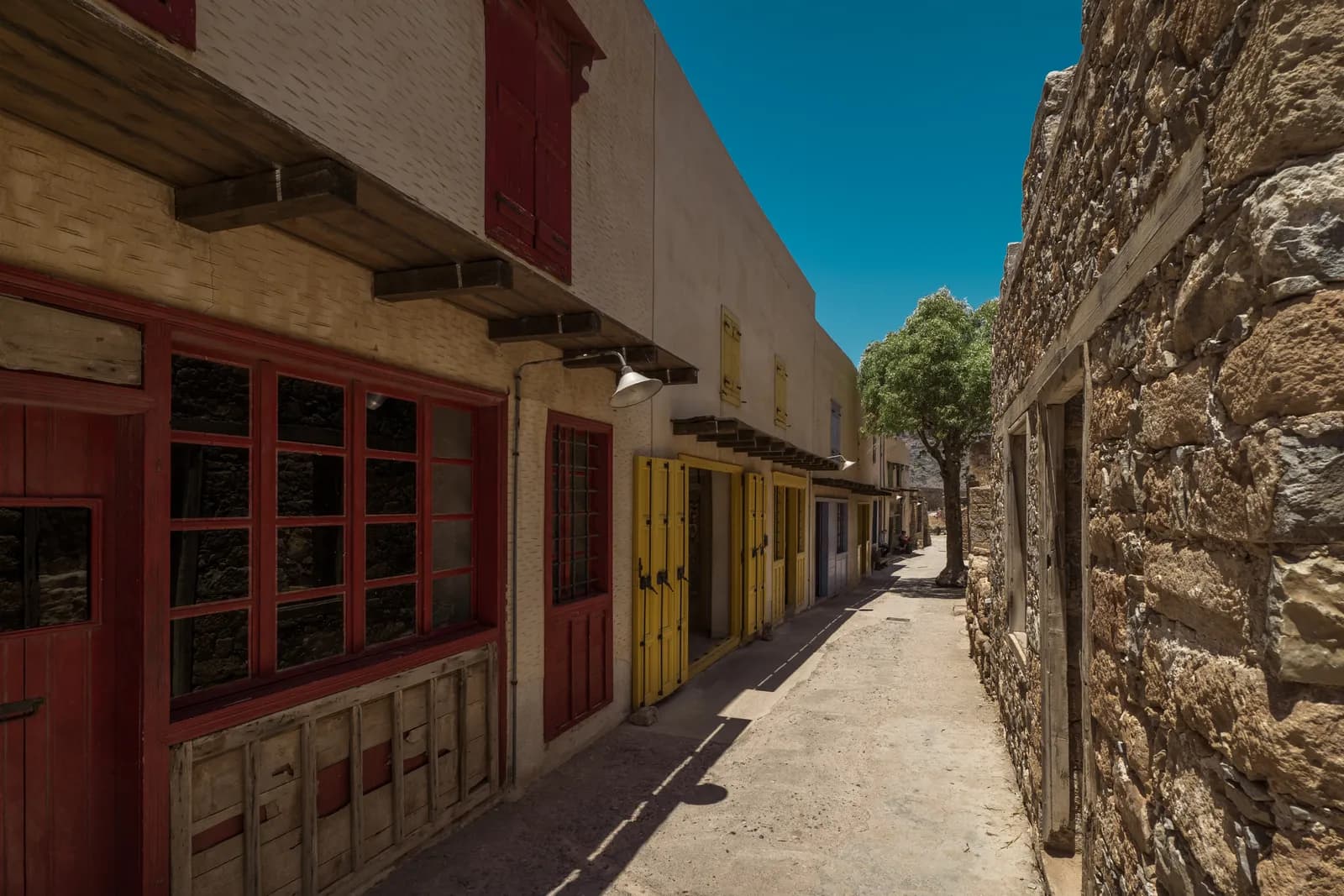
Carrying on, you can see the abandoned buildings of the old village. The hospital, which is closed to the public, is the most imposing building. You can also see the wood-fired ovens in some of the houses, a Venetian cistern and a garrison, which was later used as a disinfection room.
The churches of Spinalonga
The first church you’ll come across as you follow the path is in the middle of the village. It is dedicated to Saint Panteleimon the Healer. Further up the main road, near the hospital, is Spinalonga’s second church, Agios Nikolaos.
Opposite the cemetery, there’s a church dedicated to Agios Giorgos. From here, you can admire spectacular views over the neighbouring peninsula, the sea and Spinalonga’s bastions.
The cemetery
Located on the north-east bastion (Donato Bastion), it’s one of the most poignant places on the island. There are a few nameless graves. A plaque commemorates all those who suffered, hoped, lived and died on Spinalonga island.
Spinalonga island has a rich and tragic history that fascinates everyone who visits it. Today it’s mainly known as the island of lepers, but it has also been the subject of several books, a best-selling novel and a famous Greek TV series.
I hope these details give you a better idea of what to expect on your visit to Spinalonga.
History of Spinalonga

The island’s origins and strategic importance
Spinalonga, this small rocky island, has always been a major strategic point in the Mediterranean. Its position at the entrance to the Gulf of Elounda made it an ideal place for watching over and defending against potential invaders. On my first visit, I was struck by the ingenuity of the fortifications, a testament to the island’s importance through the ages. Walking through its lanes, you can almost hear the echoes of soldiers on patrol and feel the urgency of the historic moments it has lived through.
The Venetian and Ottoman eras
The Venetian influence on Spinalonga is undeniable. The Venetians, recognising the island’s strategic importance, built a powerful fortress here in the 16th century. The thick walls, bastions and cannons still visible today bear witness to this period. I was personally fascinated by how the Venetians managed to blend the fortress’s architecture into the island’s natural landscape.
But the story doesn’t end there. After the Venetians, it was the Ottomans’ turn to recognise Spinalonga’s value. They only took control of the island in 1715, early in the 18th century, bringing their own cultural and architectural touch. Wandering around the island, you can still see traces of this era, notably in the houses and mosques.
Spinalonga, the island of lepers
Spinalonga’s history as a leper colony is both poignant and inspiring. From 1903 to 1957, the island served as a refuge for those suffering from leprosy, a disease that was then poorly understood and stigmatised. Far from being a place of despair, Spinalonga became a close-knit community where residents found comfort in one another. During my visit, I was deeply moved by the stories of these people, who showed incredible resilience and strength in the face of adversity. The island’s museum offers a moving insight into this period, with testimonies and personal belongings that tell of the residents’ daily lives.
Practical tips for your visit

A visit to Spinalonga is a memorable experience, but as with any trip, proper preparation can make all the difference. Here are some practical tips to ensure an enjoyable and rewarding visit.
Best time to visit
Crete is beautiful all year round, but to make the most of Spinalonga, I recommend May, June and September. During these periods the climate is mild and the island is less crowded. I visited Spinalonga in June, and the gentle sea breeze combined with the warmth of the sun created the perfect atmosphere for exploring.
Recommended length of visit
Although Spinalonga is small, it’s packed with stories and scenery to discover. Personally, I suggest allowing at least 3 to 4 hours for the visit. That gives you enough time to walk the fortifications, visit the old leper colony and relax on the beaches.
Gear and things to bring
- Comfortable shoes: The island has many paved paths and uneven ground. A good pair of walking shoes is essential.
- Water: Although there are a few places to buy things on the island, it’s always wise to bring a bottle of water, especially in the hot months. And prices are extremely high! (Over 5 euros for a bottle of water!)
- Hat and sunscreen: The Cretan sun can be intense, especially in summer. Protect yourself!
- Camera: You’ll want to capture the magical moments of your visit.
- Water shoes: There are lots of sea urchins in the water around Spinalonga. Don’t take any chances.
Restrictions and rules to follow on the island
Spinalonga is a protected historic site, so it’s important to respect it. Avoid touching or climbing on the ancient structures. Campfires and barbecues are forbidden. Finally, make sure you leave no trace of your visit: take your rubbish with you and respect the local wildlife and plants.
Local food nearby

Ah, Cretan cuisine! It’s a symphony of flavours, a dance of Mediterranean delights that awakens the senses. Near Spinalonga, you’ll find a host of restaurants and tavernas serving authentic dishes, prepared with love and passion. Here are a few recommendations for a feast after your visit to the island.
Recommended restaurants and tavernas near Spinalonga
- Mediteranean: Just a few steps from the port, this taverna offers a breathtaking view of Spinalonga. The seafood is fresh and the tzatziki is to die for. On my last visit, I was particularly impressed by their moussaka.
- ERGOSPASIO RESTAURANT: Nestled by the water, this slightly more upmarket restaurant is excellent. Their eel is an explosion of flavours, and their cocktails are divine.
- Lotus Eaters: A very high-quality Greek restaurant right by the water.
Cretan specialities to try
- Dakos: A must! It’s a salad of rusk bread, fresh tomatoes, feta and olives, drizzled with extra virgin olive oil.
- Kalitsounia: Delicious little pastries filled with cheese or spinach. Crispy on the outside and melt-in-the-mouth on the inside, they’re irresistible.
- Lamb Kleftiko: A lamb dish slow-cooked with herbs and spices, so tender it melts in your mouth.
- Raki: After your meal, why not try this local spirit? But be careful, it’s strong! It’s a Cretan tradition to serve it after a hearty meal.
Accommodation near Spinalonga
After a day full of discoveries on Spinalonga, there’s nothing like resting in comfortable accommodation. The area offers a range of options for every budget, from luxury hotels to warm family-run guesthouses.
Other attractions nearby
Spinalonga is undoubtedly a gem, but the region has much more to offer. Here are a few sights and activities not to be missed during your stay.
Sights and activities not to be missed in the Spinalonga area
- Heraklion Archaeological Museum: A journey through Cretan history, from the earliest civilisations to the Roman era.
- Palace of Knossos: Explore the ruins of this Minoan palace and imagine life in the days of the Minotaur legend.
- Lake Kournas: The only freshwater lake in Crete, surrounded by majestic mountains. Perfect for a relaxing day.
- Hiking the Samaria Gorge: For nature lovers, this hike offers breathtaking scenery and diverse wildlife.
- Loutro: A small fishing village accessible only by boat. A haven of peace far from the hustle and bustle.
Conclusion: Visiting Spinalonga in Crete
Spinalonga, with its rich past and breathtaking scenery, is undoubtedly a must-see stop on your visit to Crete. Whether you’re a history buff, a nature lover or simply looking for a unique experience, this island has something for everyone. Boat crossing and site entry prices may vary, but the priceless experience of walking in the footsteps of the past and admiring the panoramic views over the Aegean Sea is truly unforgettable.
By combining your visit to Spinalonga with other historic gems of Crete, such as the Heraklion Archaeological Museum or the Palace of Knossos, you’ll enrich your stay even further. And don’t forget to taste the delicious local cuisine and enjoy the warm hospitality of the Cretans.
In the end, Spinalonga isn’t just an island, it’s a window onto the past, a testament to human resilience and a reminder of the eternal beauty of Greece. I wish you a memorable visit and memories that will stay engraved in your heart forever. See you soon in Crete!
FAQ: Visiting Spinalonga in Crete
Spinalonga is located in the Bay of Elounda, on the north coast of Crete. You can get to Spinalonga by boat from Elounda or from the town of Plaka. From Elounda: boats leave from the Elounda jetty every half hour. The trip takes approximately 20 minutes. From Plaka: boats leave from the Plaka jetty roughly every half hour. The trip takes approximately 5 to 10 minutes.
The entrance ticket to the Spinalonga archaeological site is €20 for adults. A €10 reduced rate is available for EU seniors and non-EU students; entry is free for under-18s and EU citizens under 25. On top of this comes the cost of the boat crossing (€12 to €25 depending on the departure point).
You can visit Spinalonga in half a day. However, it’s best to allow a full day to explore the island and enjoy the breathtaking view over the Bay of Elounda.
There are lots of things to see and do in Spinalonga. You can visit the ruins of the old fort, the lepers’ houses, the museum and the church. You can also stroll through the gardens, relax on the beach or take a swim in the sea.
Spinalonga was built in the 16th century by the Venetians. It served as a military fort for many years. In the early 20th century (1903), the island was turned into a leper colony. The lepers lived on the island for more than 50 years. In 1957, the leper colony was closed and the lepers were transferred to other hospitals. Today, Spinalonga is a popular tourist island.

Âme Bohème exists thanks to you
Some links in this article are affiliate links. This means that if you book or purchase a product through these links, we receive a small commission, at no extra cost to you. It's thanks to this support that we can continue creating free, quality content.
You can also buy us a coffee, or follow us on Instagram and Facebook.