In november, the climate in Thailand is excellent. The weather is generally sunny, with maximum temperatures around 31°C and about 6 rainy days. Tourist crowds are moderate.
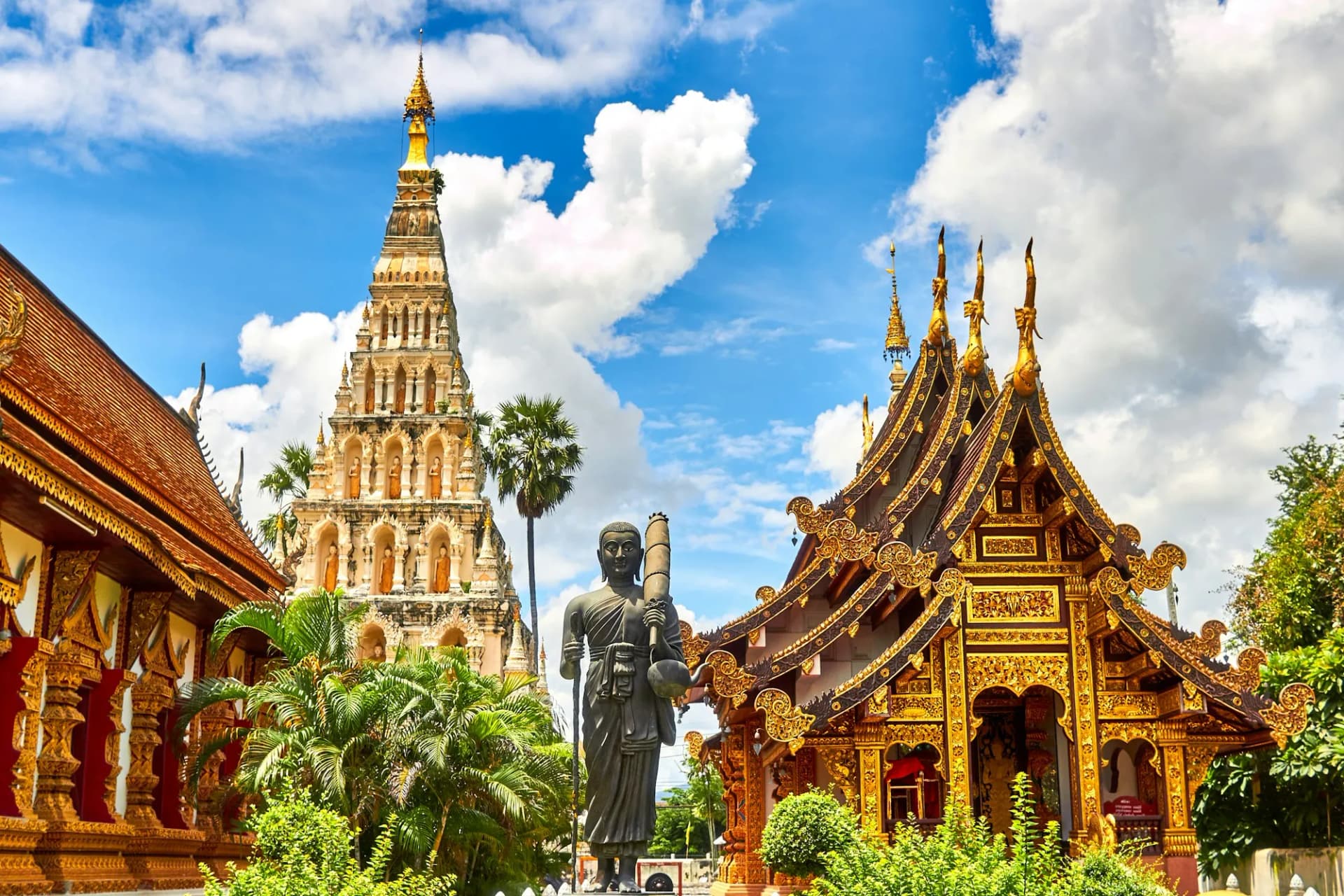
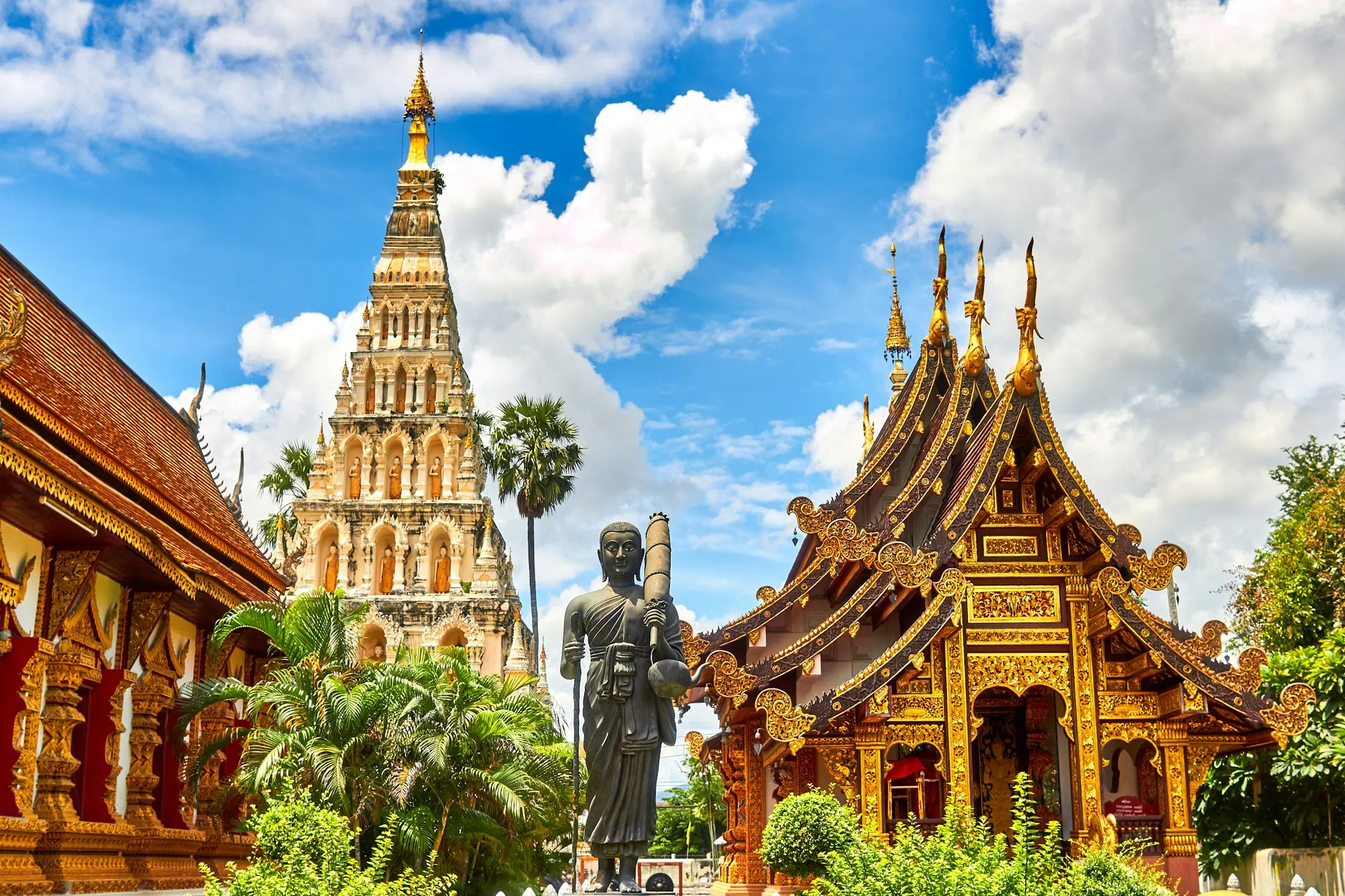
Thailand is the gateway to Southeast Asia and one of the most enchanting destinations in the world. Glittering golden temples, white-sand beaches fringed with coconut palms, lush jungle, cuisine among the finest on the planet, warm smiles: the Land of Smiles truly lives up to its name.
It is also an exceptionally accessible destination: direct flights from major cities worldwide, very low cost of living, excellent tourist infrastructure, and no visa required for stays under 60 days. From the ancient temples of Ayutthaya to the Full Moon Party on Koh Phangan, from Bangkok's street food to diving off Koh Tao, Thailand offers an unmatched range of experiences whether you're a backpacker or a luxury traveller.
Thailand welcomes over 30 million visitors per year, making it Southeast Asia's top tourist destination. The country boasts 6 UNESCO World Heritage sites, over 40,000 Buddhist temples, 3,219 km of coastline and 1,430 islands. Thai cuisine is inscribed on UNESCO's Intangible Cultural Heritage list.
02Thailand's Must-Visit Regions
Bangkok, the Buzzing Capital
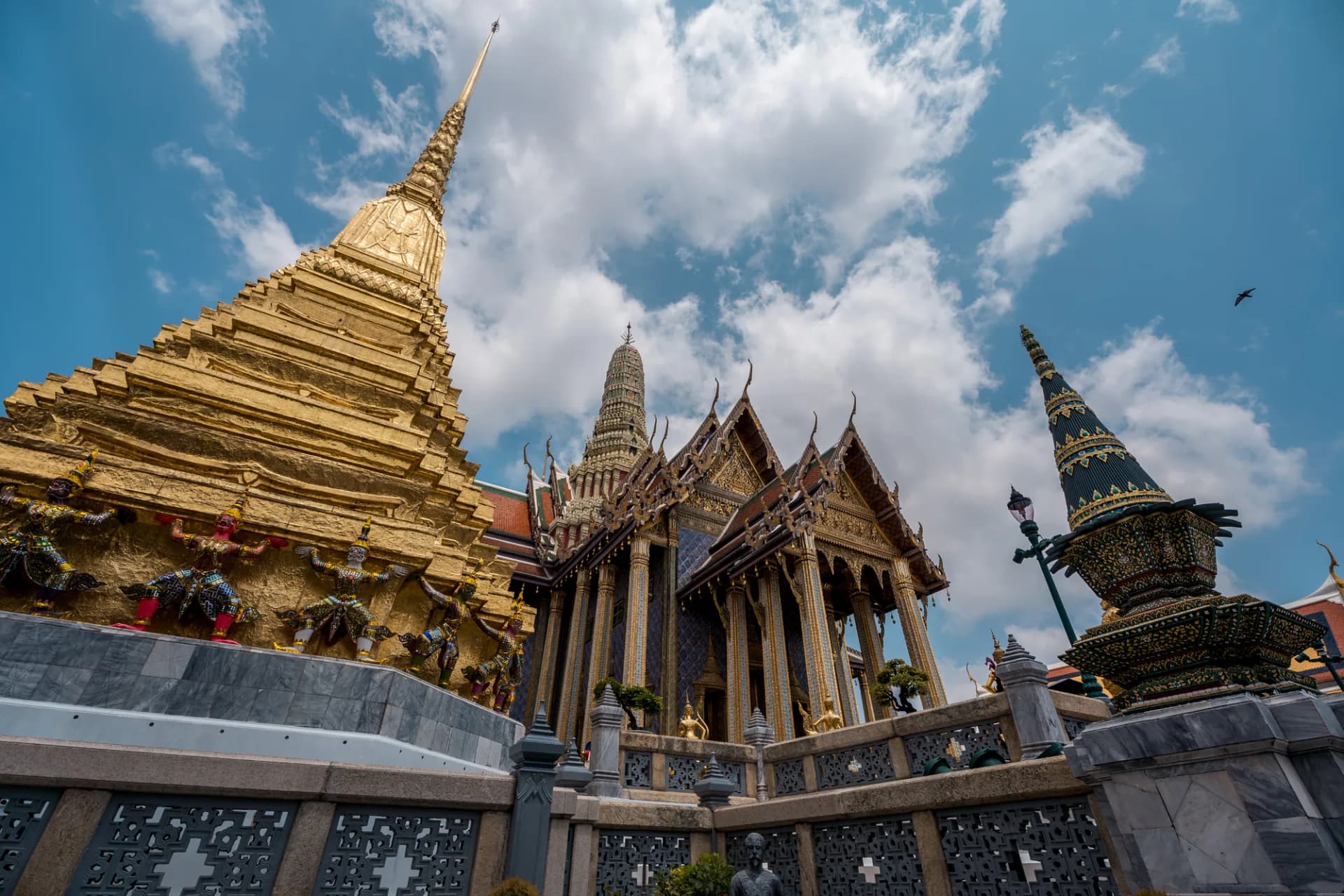
Bangkok is an electrifying megacity where skyscrapers stand alongside golden temples, where rooftop bars overlook floating markets. The Grand Palace and Wat Phra Kaew (Temple of the Emerald Buddha) are dazzling. Wat Pho (46-metre Reclining Buddha), Wat Arun on the Chao Phraya river, Chinatown (Yaowarat Road and its night-time street food), Chatuchak Market (15,000 stalls) and the khlongs (canals) make up a fascinating city where there's never a dull moment.
The North: Chiang Mai and Chiang Rai
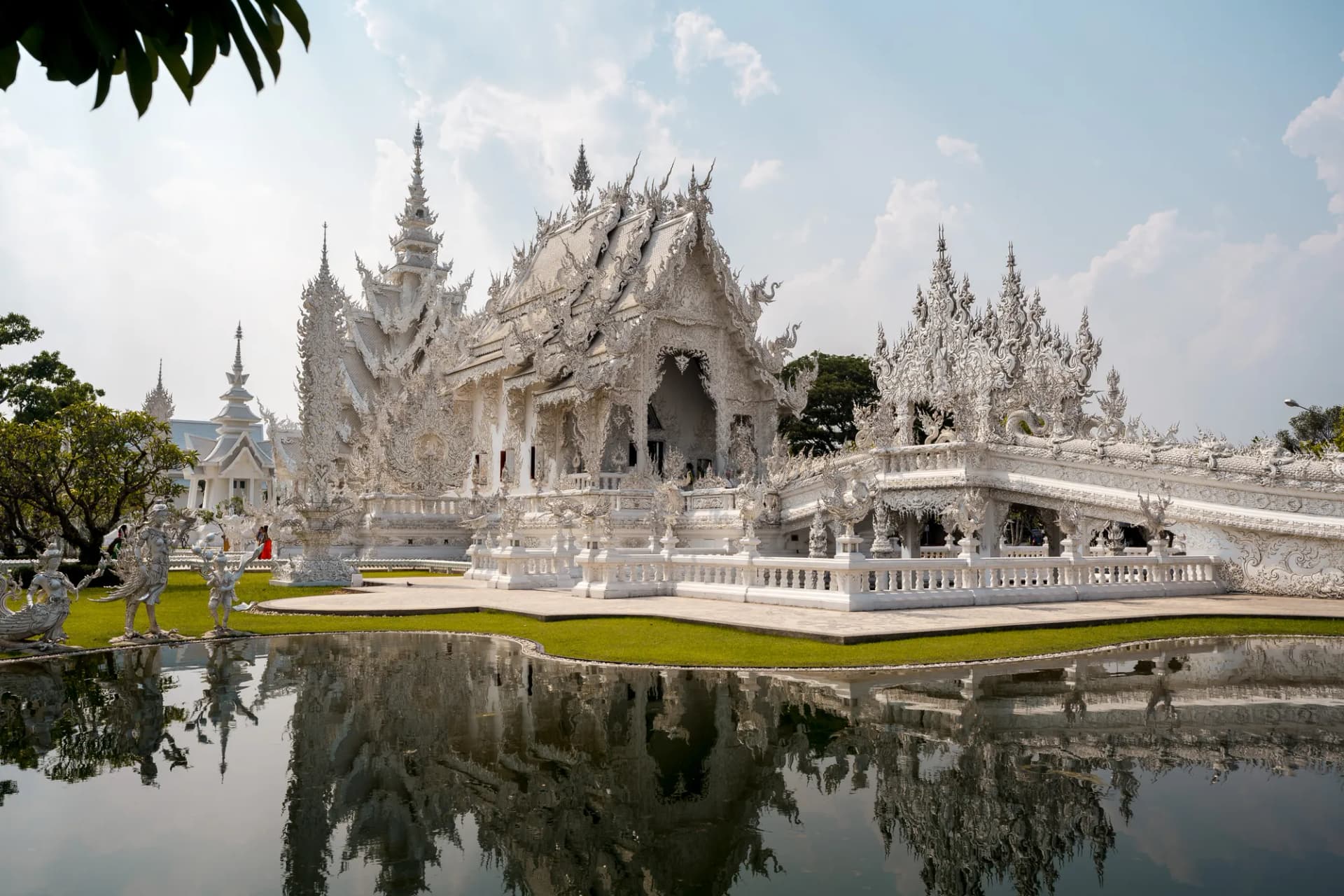
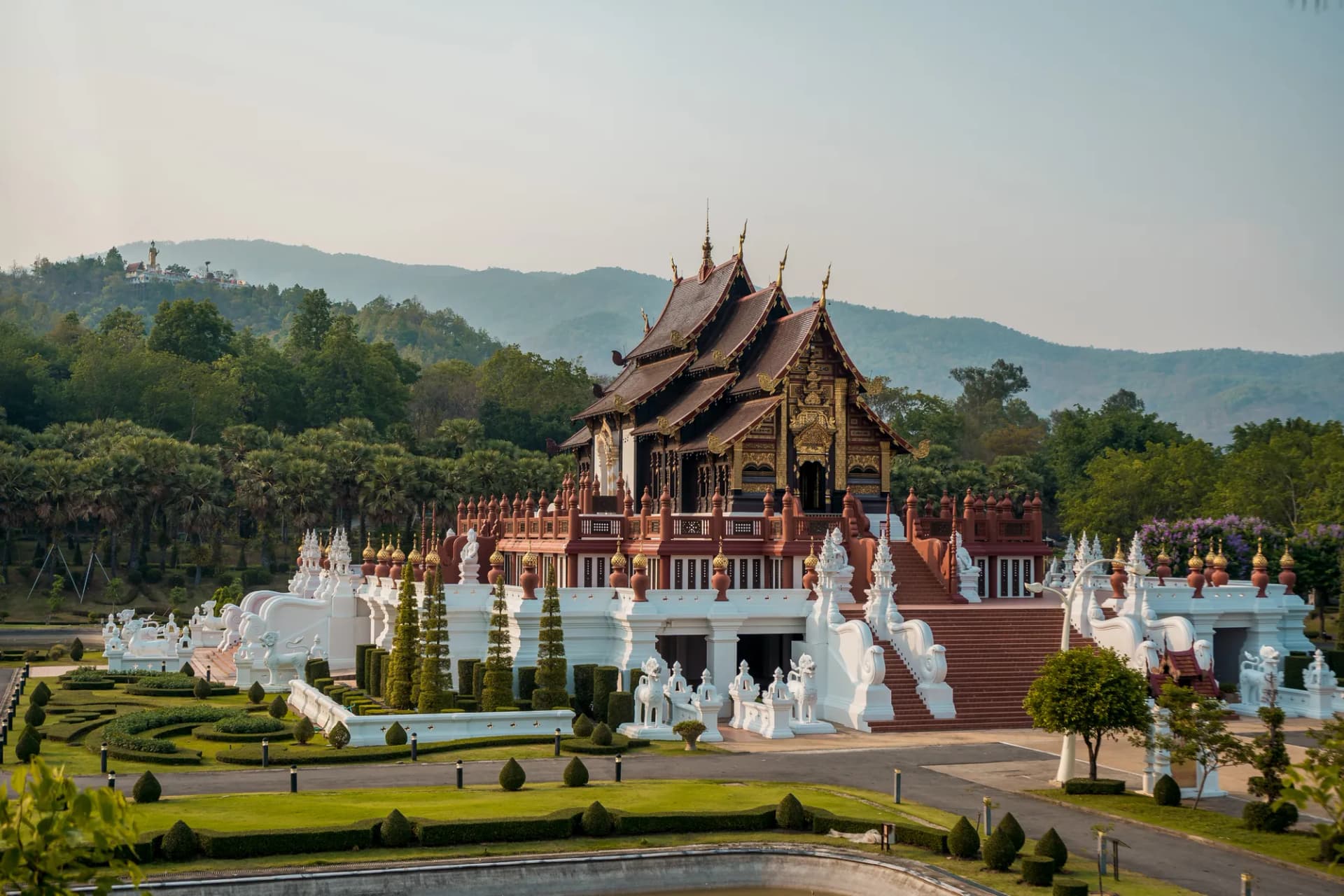
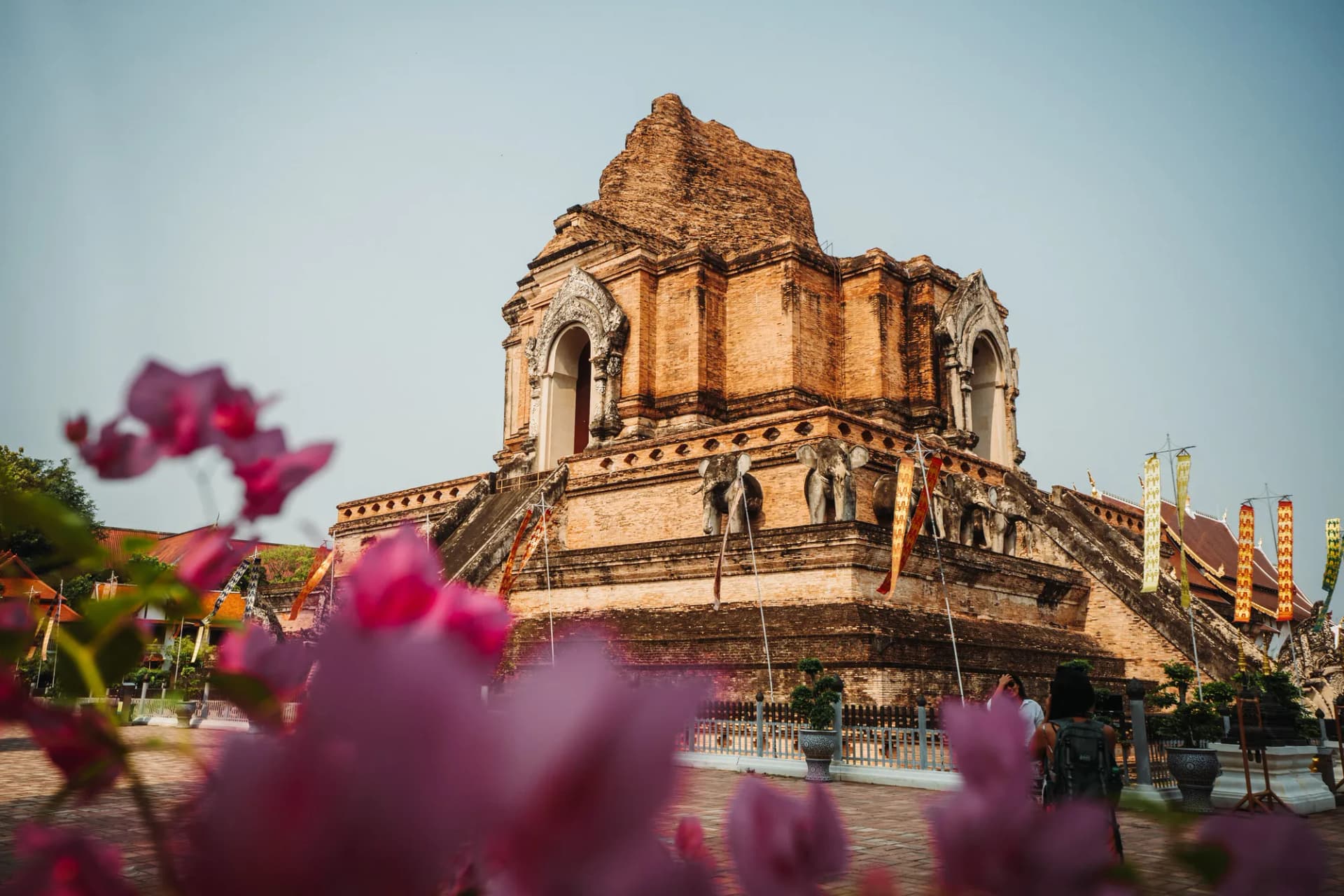
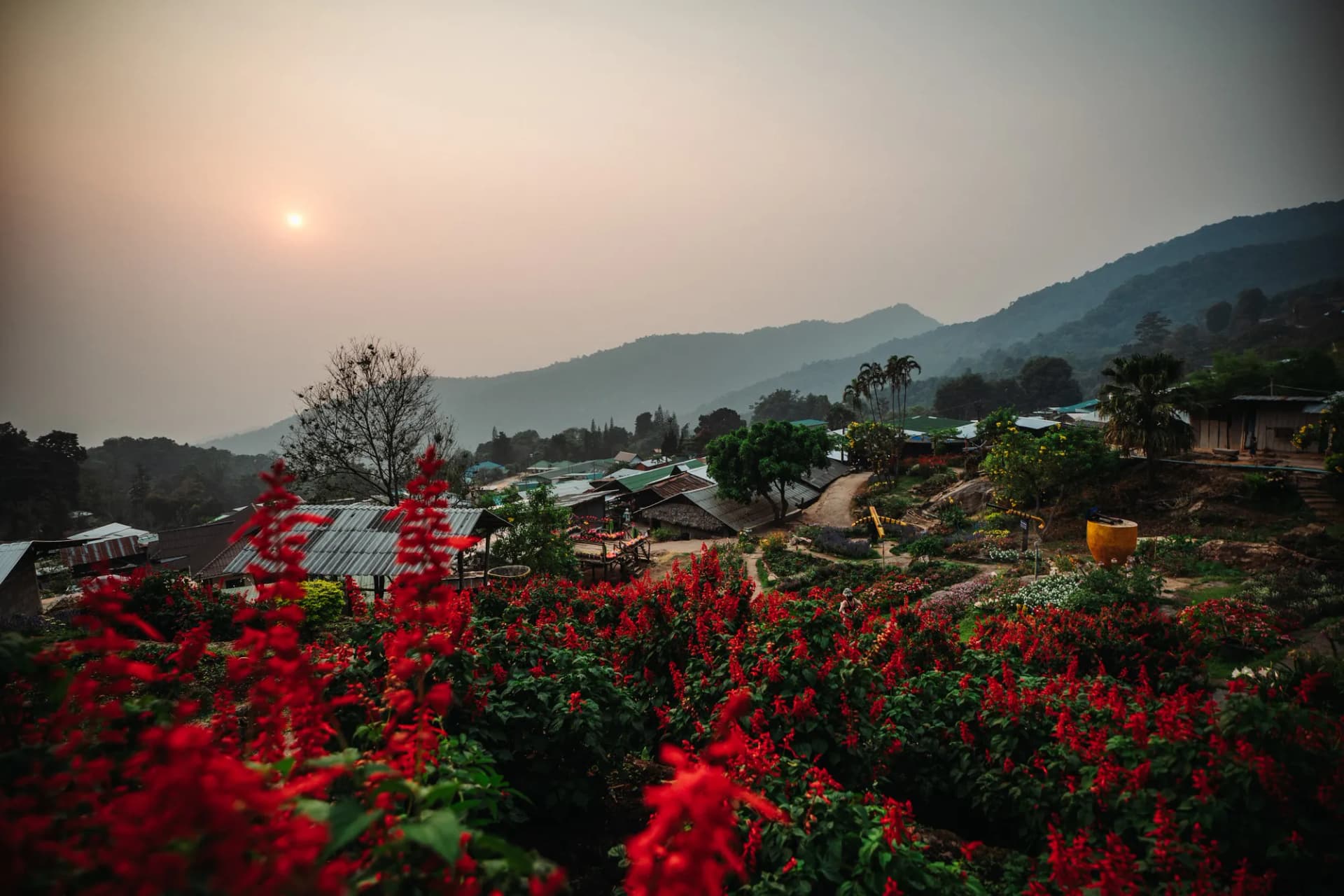
Chiang Mai is the cultural soul of the North: a walled old town with 300 temples, the Sunday night market, Thai cooking classes, ethical elephant sanctuaries and treks through the surrounding mountains. Chiang Rai impresses with the White Temple (Wat Rong Khun), the Blue Temple and the Black House. Further north, the Mae Hong Son loop (Pai, a bohemian town in the mountains) is a legendary motorbike road trip.
The Southern Islands: Andaman and the Gulf of Thailand
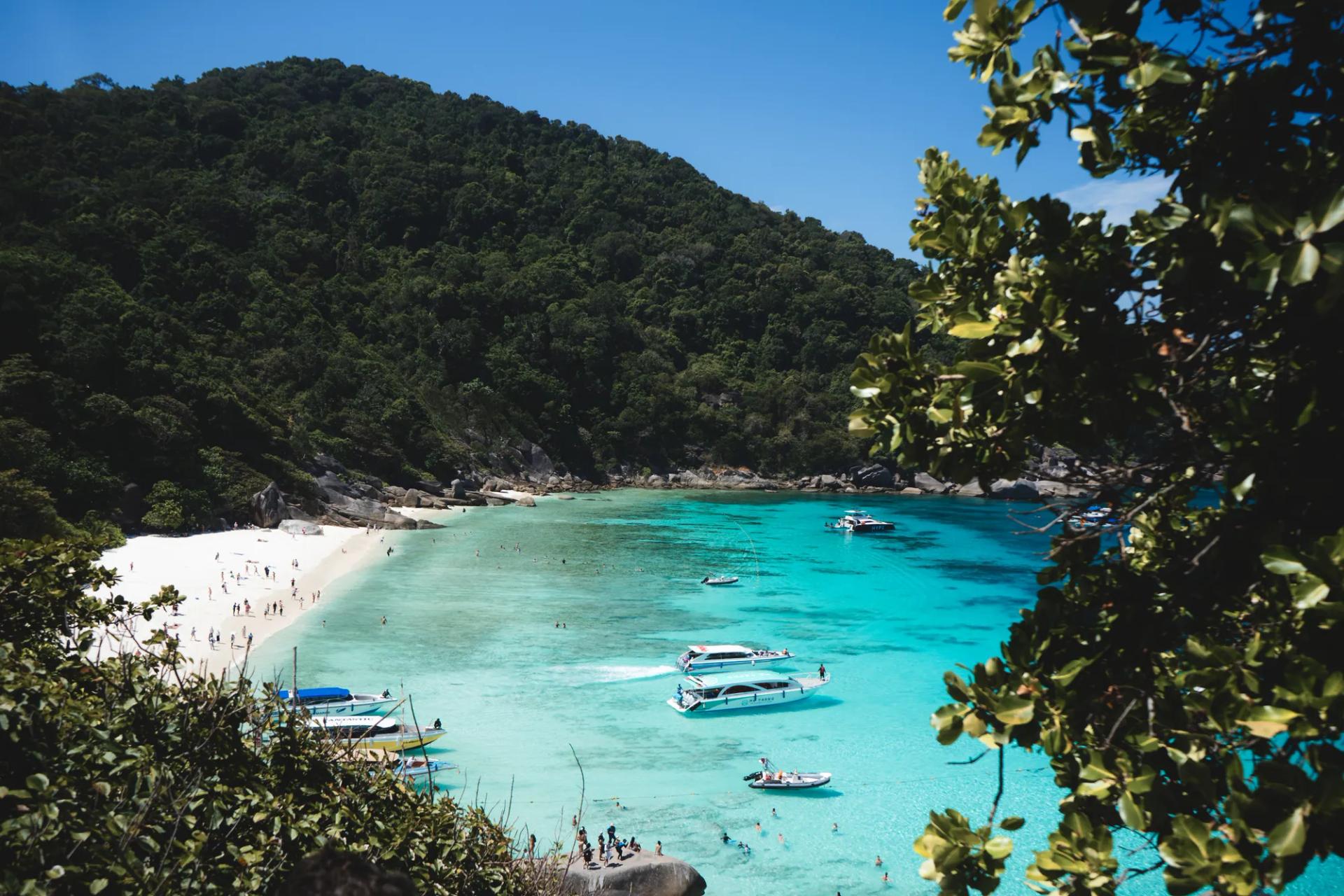
The Andaman coast (west) offers the most spectacular scenery: Koh Phi Phi (Maya Bay), Koh Lanta (tranquillity), Krabi and Railay (rock climbing on limestone cliffs), and the Similan Islands (diving ranked among the best in the world). Phuket is the largest island, with beaches for every taste and a lively nightlife scene in Patong.
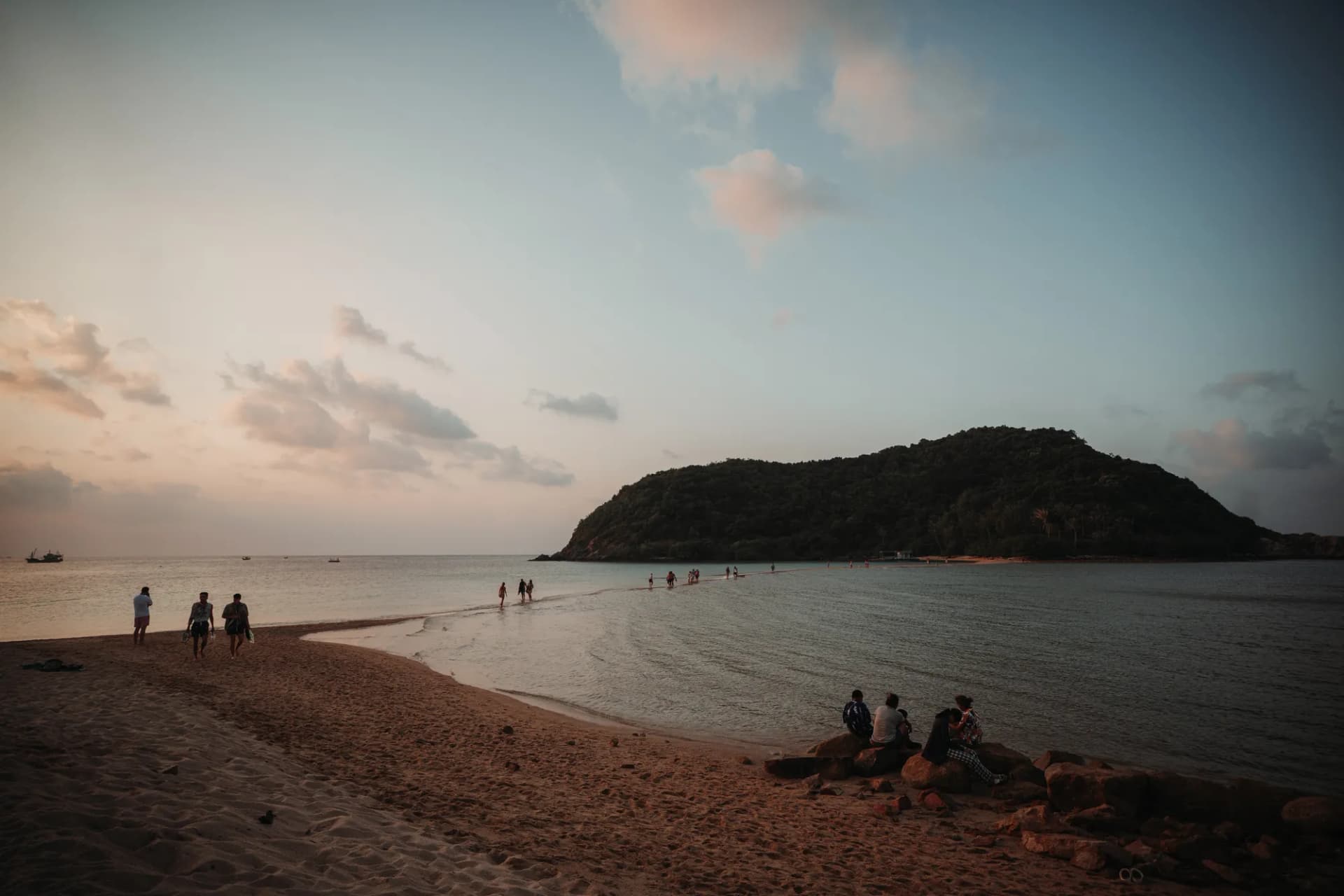
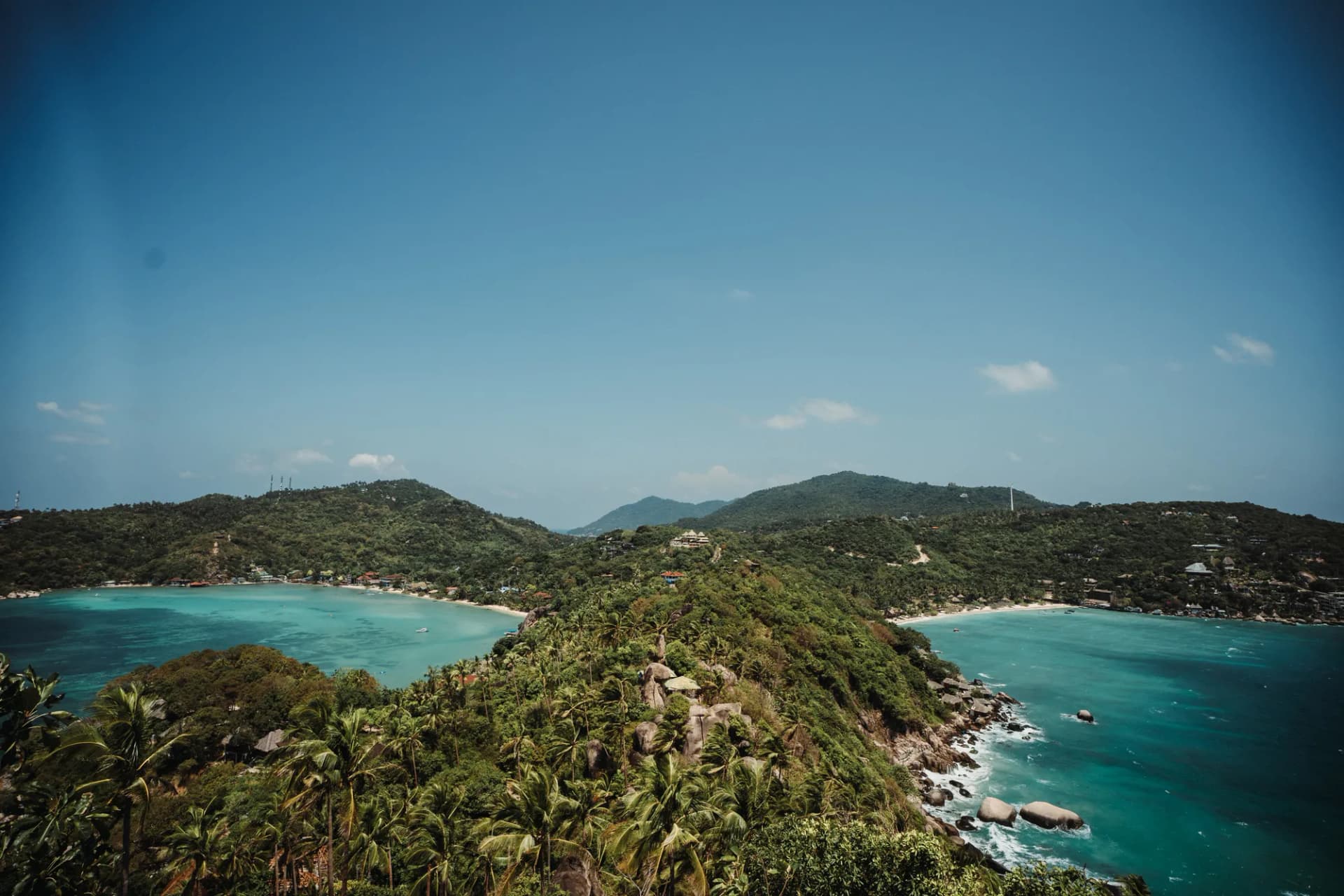
The Gulf of Thailand (east) offers Koh Samui (coconut palms and resorts), Koh Phangan (Full Moon Party and yoga retreats) and Koh Tao, one of the cheapest places in the world to get your PADI diving certification. These three islands are easily combined by ferry.
The Historic Centre: Ayutthaya and Sukhothai
Ayutthaya (1.5 hours from Bangkok) is the former capital of Siam, a UNESCO World Heritage site: dozens of ruined temples, monumental Buddhas engulfed by fig tree roots, the iconic image of the Buddha head in the roots of Wat Mahathat. Sukhothai (further north, also UNESCO-listed) is the cradle of the Thai kingdom, with a magnificent historical park best explored by bicycle.
03Classic Routes in Thailand
Thailand is easy to get around, with excellent connections between regions by plane, train, bus and ferry.
The Golden Triangle: Bangkok → Ayutthaya → Sukhothai → Chiang Mai → Chiang Rai → Pai. Culture, temples and mountains (2-3 weeks)
The Three Gulf Islands: Koh Samui → Koh Phangan → Koh Tao. Relaxation, Full Moon Party and diving (7-10 days)
The Grand Tour: Bangkok → Ayutthaya → Chiang Mai → Pai → Bangkok → southern islands. The complete north + south circuit (3-4 weeks)
The Mae Hong Son Loop: Chiang Mai → Pai → Mae Hong Son → Mae Sariang → return. 1,864 bends by motorbike, a legendary adventure (3-5 days)
04Getting Around Thailand
Thailand has excellent transport infrastructure. Domestic flights are cheap (Bangkok: Chiang Mai from USD 30), trains offer an authentic experience, and ferries connect all the islands. Check out our travel experiences to plan your Thai adventure.
Domestic flights: AirAsia, Nok Air, Thai Lion Air. Very affordable (USD 20-80). Bangkok, Phuket: 1h15
Train: State Railway of Thailand network. Bangkok: Chiang Mai overnight sleeper (12h, ~USD 15). Authentic and comfortable
Bus / Minivan: dense and cheap network. VIP sleeper buses for long distances. Bookable online via 12go.asia
Ferry / Speedboat: Lomprayah and Seatran connect the Gulf and Andaman islands. Combined bus+ferry tickets available
Scooter: THB 150-300/day (~USD 4-8). The go-to transport on islands and in the North. International driving permit recommended
The overnight train from Bangkok to Chiang Mai is an experience not to be missed: air-conditioned sleeper berth in 1st or 2nd class, evening departure, arriving at dawn in the northern mountains. Book in advance on the State Railway website or via 12go.asia: sleeper berths sell out fast in high season.
05Budget: How Much Does a Trip to Thailand Cost?
Thailand remains one of the most affordable destinations in the world. Budget THB 800-2,500 per person per day (USD 22-70) depending on your travel style. The North and smaller islands are cheaper than Bangkok and Phuket.
Accommodation: dorm THB 200-400, guesthouse THB 400-800, hotel THB 800-2,000, resort THB 2,000-8,000. Prices vary hugely between high and low season
Food: street food THB 40-80 (USD 1-2), local restaurant THB 80-200, tourist restaurant THB 200-500. Street food is often the best cuisine
Activities: PADI Open Water diving THB 8,000-12,000 (4 days), cooking class THB 1,000-2,000, Thai massage THB 200-400/h
Tip: avoid Koh Phi Phi, Phuket and Koh Samui in peak season (December-January), prices double. The same islands in May-June are 50% cheaper and far less crowded
06When to Visit Thailand?
Thailand has a tropical climate with three seasons. The cool dry season (November-February) is the best time to visit: pleasant temperatures (25-32 °C / 77-90 °F), little rain, calm seas. This is peak tourist season. The hot season (March-May) is sweltering (35-40 °C / 95-104 °F) but less crowded.
The monsoon (June-October) brings tropical downpours (often short and in late afternoon), but it's the best time for the east coast beaches (Koh Samui, Koh Tao) which enjoy a reversed microclimate. Prices are at their lowest and the scenery is lush and green.
To combine North and South, aim for November: the monsoon is over, landscapes are still green and lush, December tourists haven't arrived yet, and prices remain low. For diving at the Similan Islands (open only from November to April), it's the perfect time.
07Recommended Itineraries in Thailand
The Classic North + Beaches (3 weeks)
Bangkok (3 days) → overnight train → Chiang Mai (3 days) → Pai (2 days) → fly to Krabi → Railay (2 days) → Koh Phi Phi (2 days) → Koh Lanta (3 days) → return to Bangkok. The perfect circuit for a first trip, blending culture, mountains and paradise beaches.
The Gulf Islands (10-14 days)
Bangkok (2 days) → fly or bus to Surat Thani → ferry to Koh Samui (3 days) → Koh Phangan (3 days: Full Moon Party or yoga retreat) → Koh Tao (3 days: PADI Open Water in 4 days) → return. Ideal for beach and diving enthusiasts.
Cultural Immersion in the North (2 weeks)
Bangkok (2 days) → Ayutthaya (1 day) → Sukhothai (1 day) → Chiang Mai (4 days: temples, cooking class, elephant sanctuary) → Mae Hong Son loop by motorbike (3 days: Pai, Mae Hong Son, Mae Sariang) → Chiang Rai (2 days: White Temple, Blue Temple). The itinerary for culture and adventure lovers.
08Thailand Off the Beaten Path
Beyond the classic circuits, Thailand hides real treasures. Koh Lipe (Thailand's Maldives, near the Malaysian border) offers turquoise waters and few tourists. Koh Chang (near Cambodia) is a mountainous, jungle-covered island far from Phuket's crowds. Nan and Loei in the northeast (Isan) are the authentic Thailand that few travellers ever discover.
Khao Sok National Park (a 160-million-year-old tropical rainforest, nights in floating bungalows on Cheow Lan Lake) and Erawan National Park (seven-tiered turquoise waterfalls, Kanchanaburi province) are well worth the detour. To extend the adventure, Australia is a popular complementary destination. Explore all our destinations.
Google Maps sets cookies when the map is displayed.
09Formalities and Practical Information
Thailand is one of the easiest destinations to access. Citizens of most Western countries benefit from a visa exemption for tourist stays of up to 60 days (extendable by 30 days on site for THB 1,900).
Visa: visa exemption for most Western passports (60 days max). Passport valid 6 months beyond entry date. 30-day extension available on site
Currency: Thai baht (THB). 1 USD ≈ 33-36 THB. Credit cards accepted in cities and resorts, cash needed on islands and at markets
Time zone: UTC+7 (GMT+7). Direct flights from Europe: 11-12h, from US West Coast: 17-18h
Health: no mandatory vaccinations. Hepatitis A recommended. Watch out for mosquitoes (dengue): insect repellent essential. Bottled water only
Etiquette: Buddhism permeates Thai culture. Cover shoulders and knees in temples, never touch anyone's head, remove shoes when entering homes and temples
Electricity: mixed plug types A/B/C (220V). European plugs generally work without an adapter; US travellers may need one
The dry season (November-February) is ideal: pleasant temperatures, little rain, calm seas. November is the best compromise (end of monsoon, low prices). For the east coast (Koh Samui, Koh Tao), prefer February-April.
Backpacker budget: 20-35 EUR/day. Comfort budget: 40-65 EUR/day. Street food costs 1-2 EUR, guesthouses 10-20 EUR, scooter rental 4-8 EUR/day. Thailand remains one of the most affordable destinations in the world.
Most Western nationals are exempt from visa for stays under 60 days. You need a passport valid for 6 months after entry. A 30-day extension is possible on arrival for 1,900 THB.
Thailand is generally very safe for tourists. Main precautions: beware of tuk-tuk and jewellery scams, secure your belongings on scooters, avoid border areas with Myanmar and the deep south. Use Grab (ride-hailing app) for safe transport.
The classic 3-week route: Bangkok (3 days), overnight train to Chiang Mai (3 days), Pai (2 days), fly to Krabi, Railay (2 days), Koh Phi Phi (2 days), Koh Lanta (3 days). This combines culture, nature and beaches.
Yes, if you choose popular stalls with many customers (high turnover means freshness). Avoid crushed ice from small stands, drink bottled water, and prefer stalls where food is cooked to order in front of you.
Ferries and speedboats connect all major islands. Lomprayah and Seatran for the Gulf (Samui, Phangan, Tao), Tigerline for the Andaman. Combined bus+ferry tickets from Bangkok are available online.
Koh Tao is ideal for getting your PADI certification (among the cheapest in the world: 250-370 EUR for Open Water). For advanced diving, the Similan Islands (November-April) and Richelieu Rock offer world-class sites.
Âme Bohème exists thanks to you
Some links in this article are affiliate links. This means that if you book or purchase a product through these links, we receive a small commission, at no extra cost to you. It's thanks to this support that we can continue creating free, quality content.
You can also buy us a coffee, or follow us on Instagram and Facebook.
Thank you
Share
Comments
Share your thoughts
Leave a comment
Looking for more information for your trip? Book a personalised video call with us, or join the Curious Souls community on Discord.
Your email address will not be published. Required fields are marked with *