From the ancient ruins of Athens to the turquoise waters of the Cyclades, Greece offers a captivating blend of history, mythology and Mediterranean charm.
Why Greece?
Greece combines an exceptional historical heritage with idyllic island landscapes, vibrant culture and gastronomy that ranks among the Mediterranean’s finest.
In november, the climate in Greece is undefined. The weather is generally undefined, with maximum temperatures around 17°C and about 10 rainy days. The sea reaches 18°C. Tourist crowds are low.
Greece is far more than a beach destination. Cradle of Western civilisation, it offers a unique blend of ancient heritage, Mediterranean landscapes and generous gastronomy. Every island, every village holds a millennia-old story woven into a vibrant, warm contemporary culture.
Whether you are passionate about archaeology, a lover of paradise beaches or simply an epicurean seeking authentic flavours, Greece will seduce you with the diversity of its experiences. The country has over 6,000 islands and islets, of which around 200 are inhabited: each with its own character.
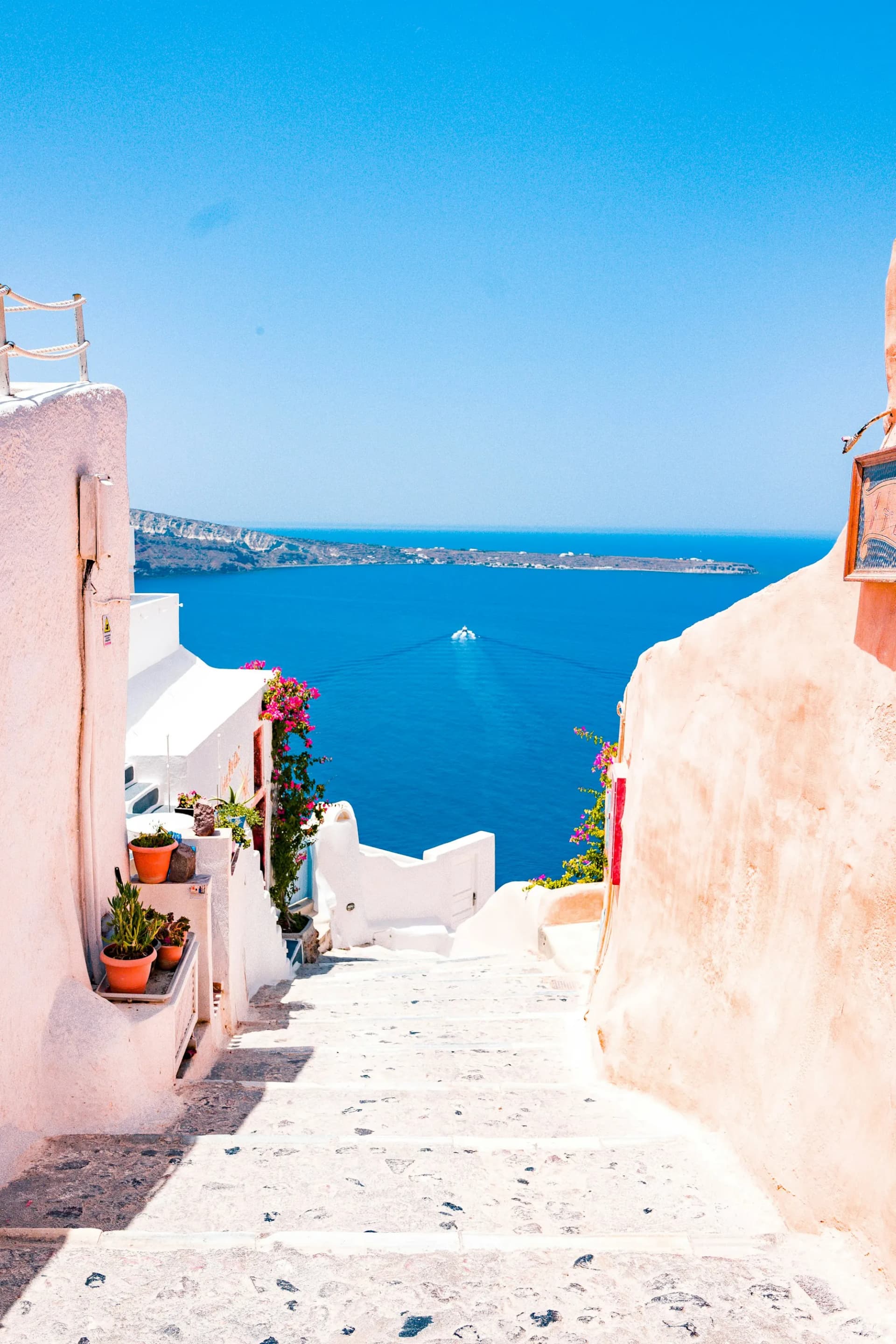
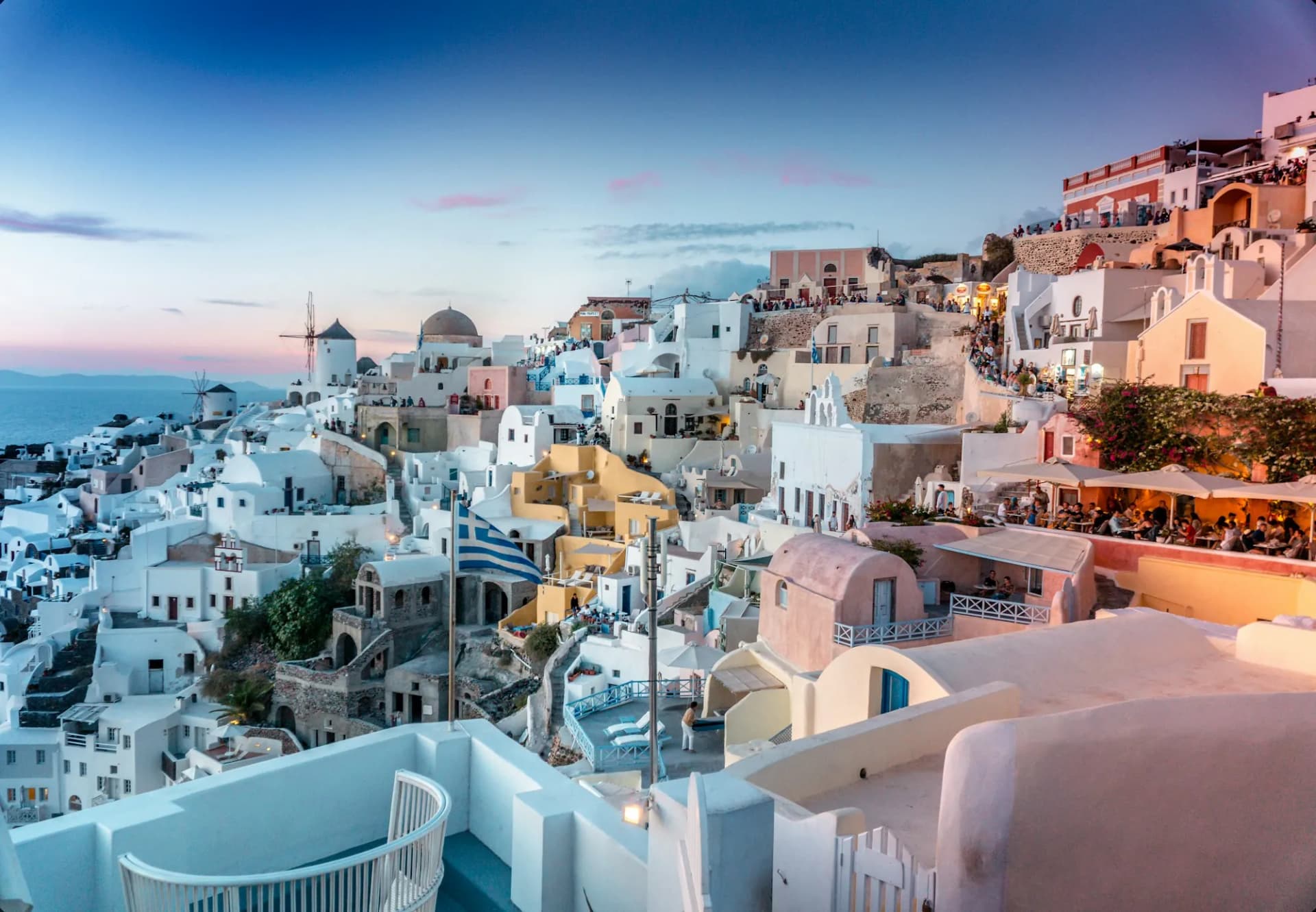
Oia, Santorini: one of the most photographed panoramas in the world
Visa & formalities
EU citizens can enter Greece with a valid ID card. Canadian and American nationals enjoy visa-free stays of up to 90 days. No mandatory vaccinations are required.
02The Must-Sees of Greece
A trip to Greece can take a thousand different forms depending on your desires. Here are the stages that make up a memorable itinerary, from major archaeological sites to the secret beaches of the Cyclades.
Santorini and the Cyclades
Santorini is undoubtedly the most iconic image of Greece: white houses with blue domes perched on the edge of a volcanic caldera, facing a legendary sunset. But the Cyclades archipelago is far more than this postcard. Naxos charms with its endless beaches and mountain villages, Paros with its laid-back atmosphere and Milos with its spectacular rock formations.
To avoid the summer crowds, visit in May-June or September-October. You will enjoy exceptional light, pleasant temperatures and lower prices on accommodation and ferries.
Athens and the Acropolis
The Greek capital deserves far more than a simple stopover before the islands. The Acropolis and the Parthenon have dominated the city for 2,500 years, but Athens is also a vibrant metropolis where street art rubs shoulders with ancient ruins. The neighbourhood of Pláka, with its cobbled lanes and tavernas, offers an immersion in traditional Greece, while Exárcheia and Psyrrí reveal the alternative, creative face of the city.
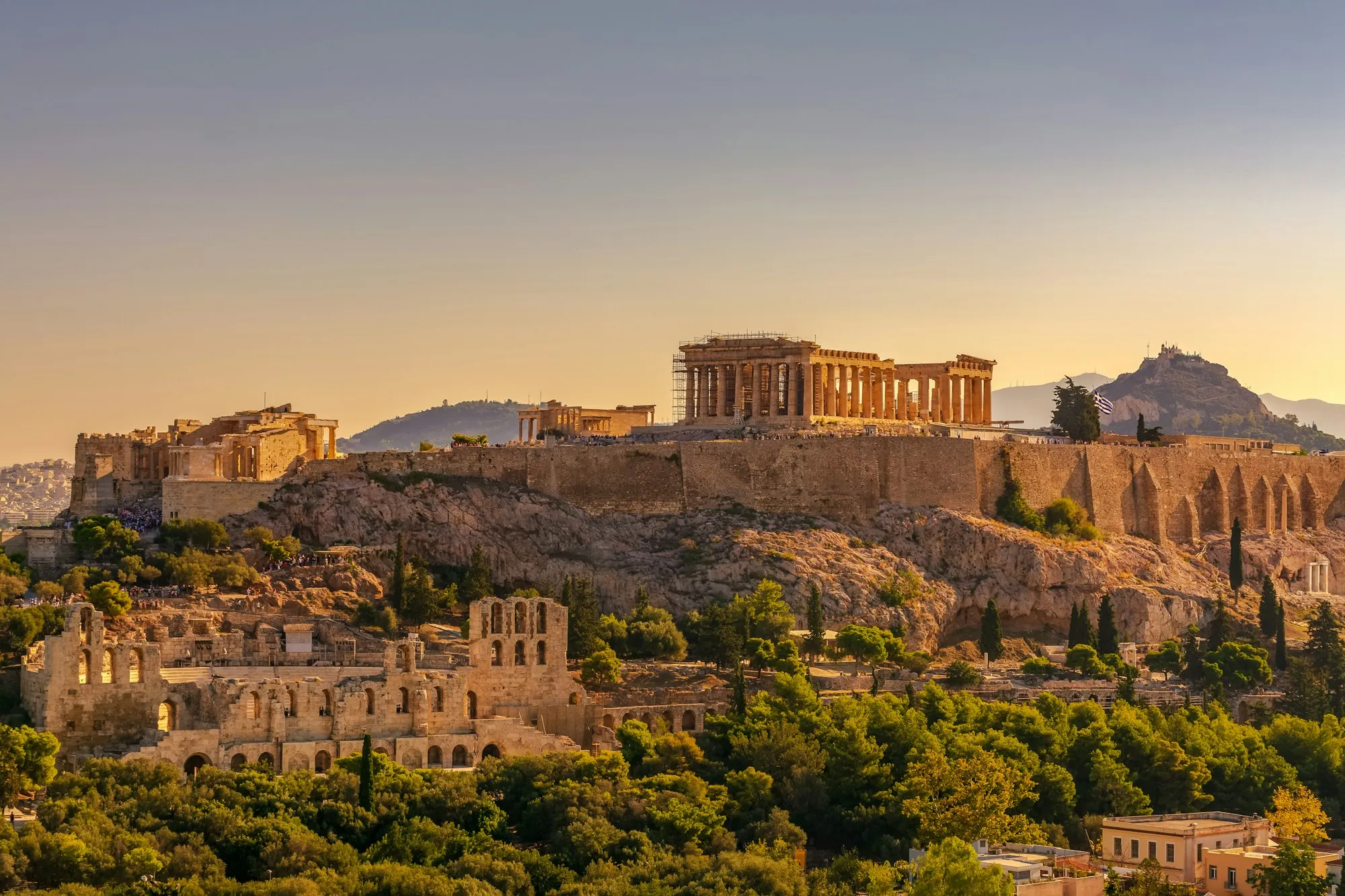
The Acropolis of Athens, a UNESCO World Heritage Site since 1987
Tip: Acropolis combo ticket
The €30 combo ticket gives access to the Acropolis and 6 major archaeological sites in Athens (Ancient Agora, Hadrian’s Library, Olympieion…). Valid for 5 days, it saves considerably compared to individual entries.
Crete
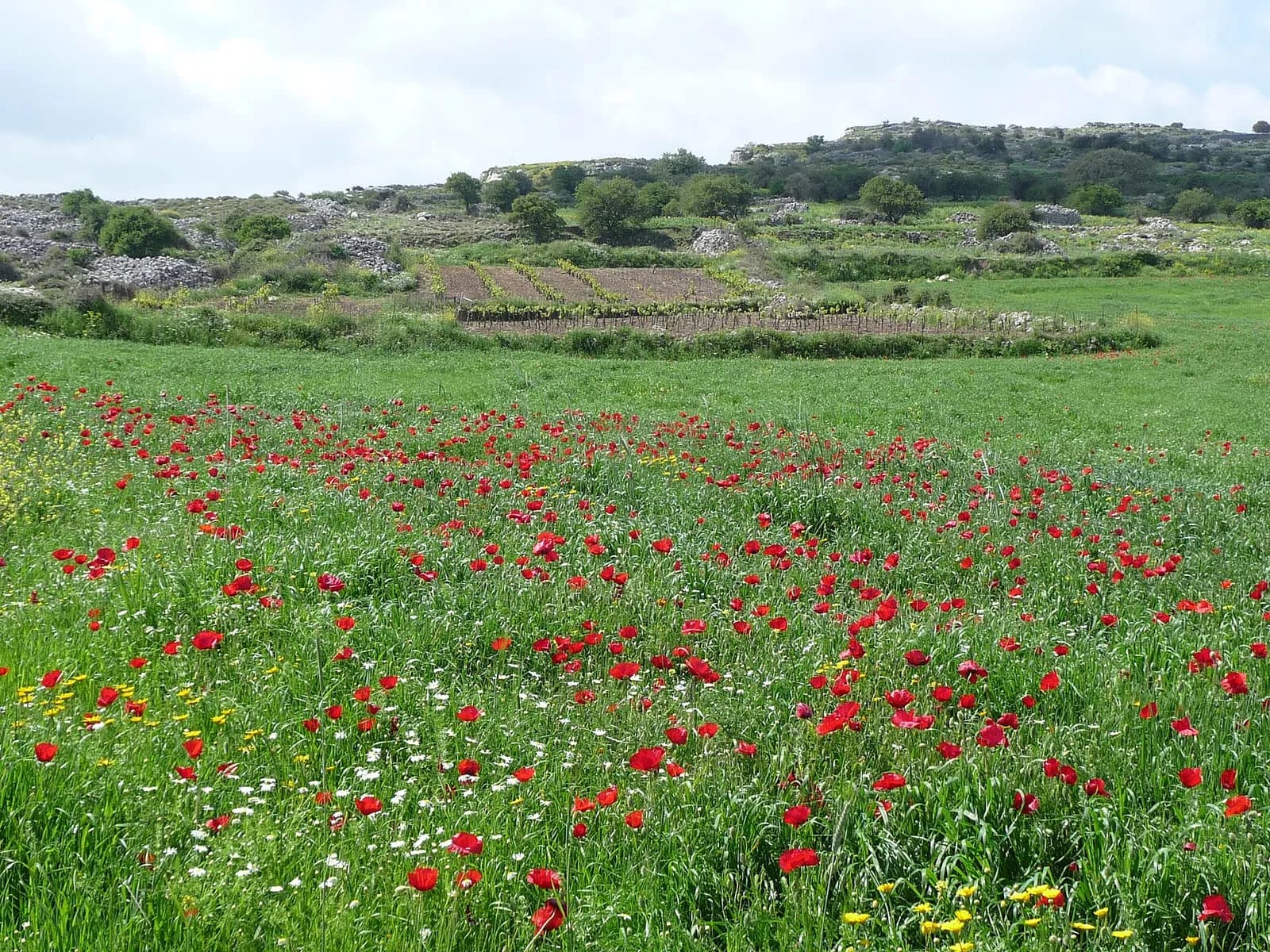
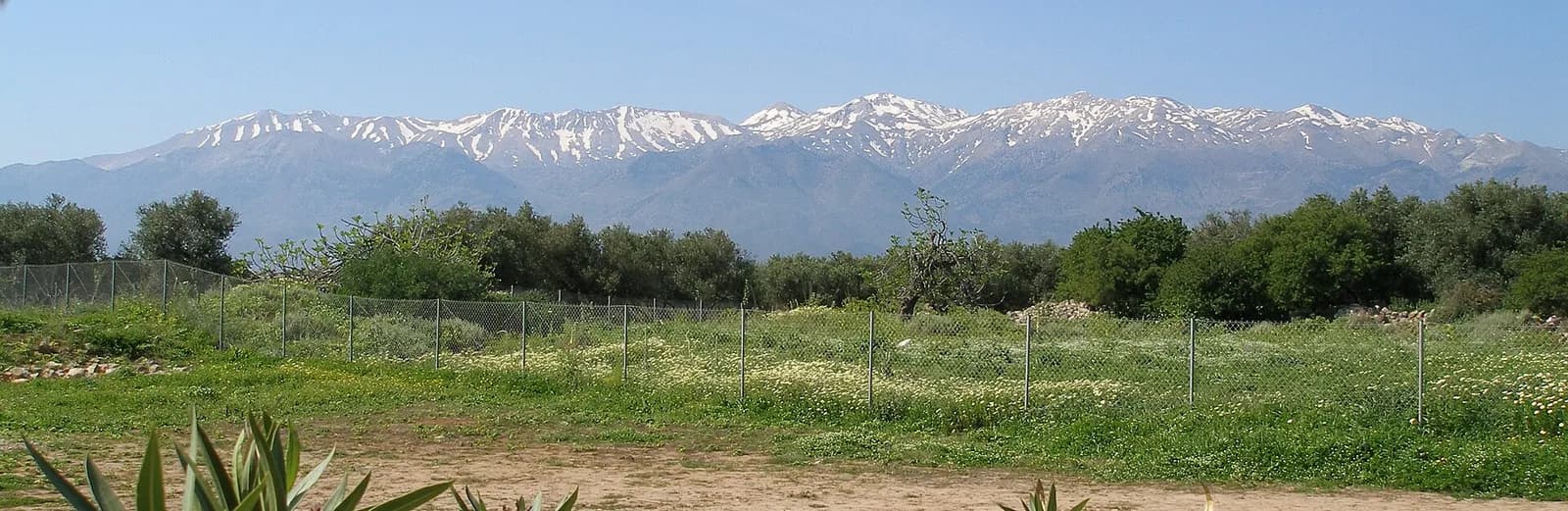
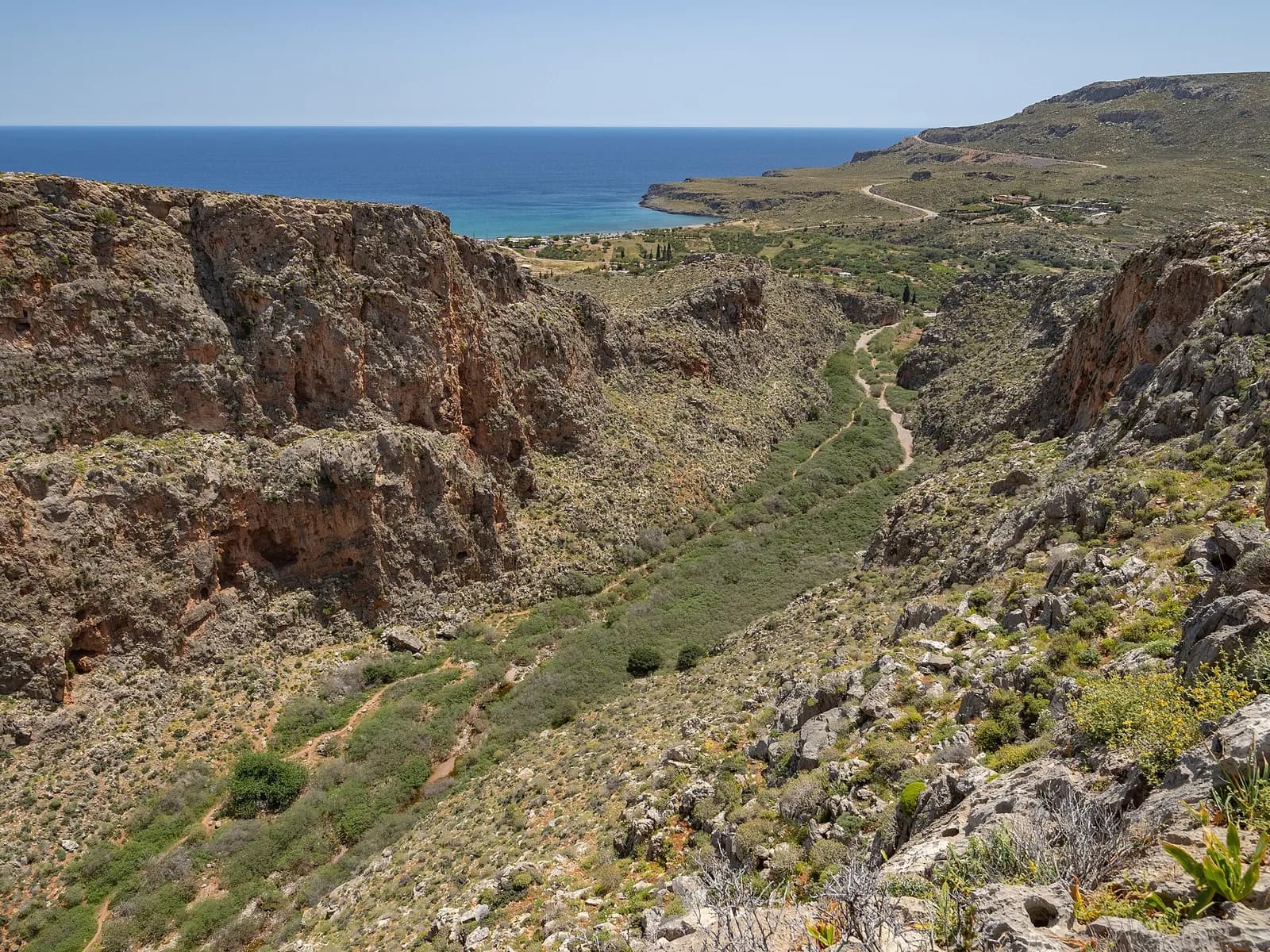
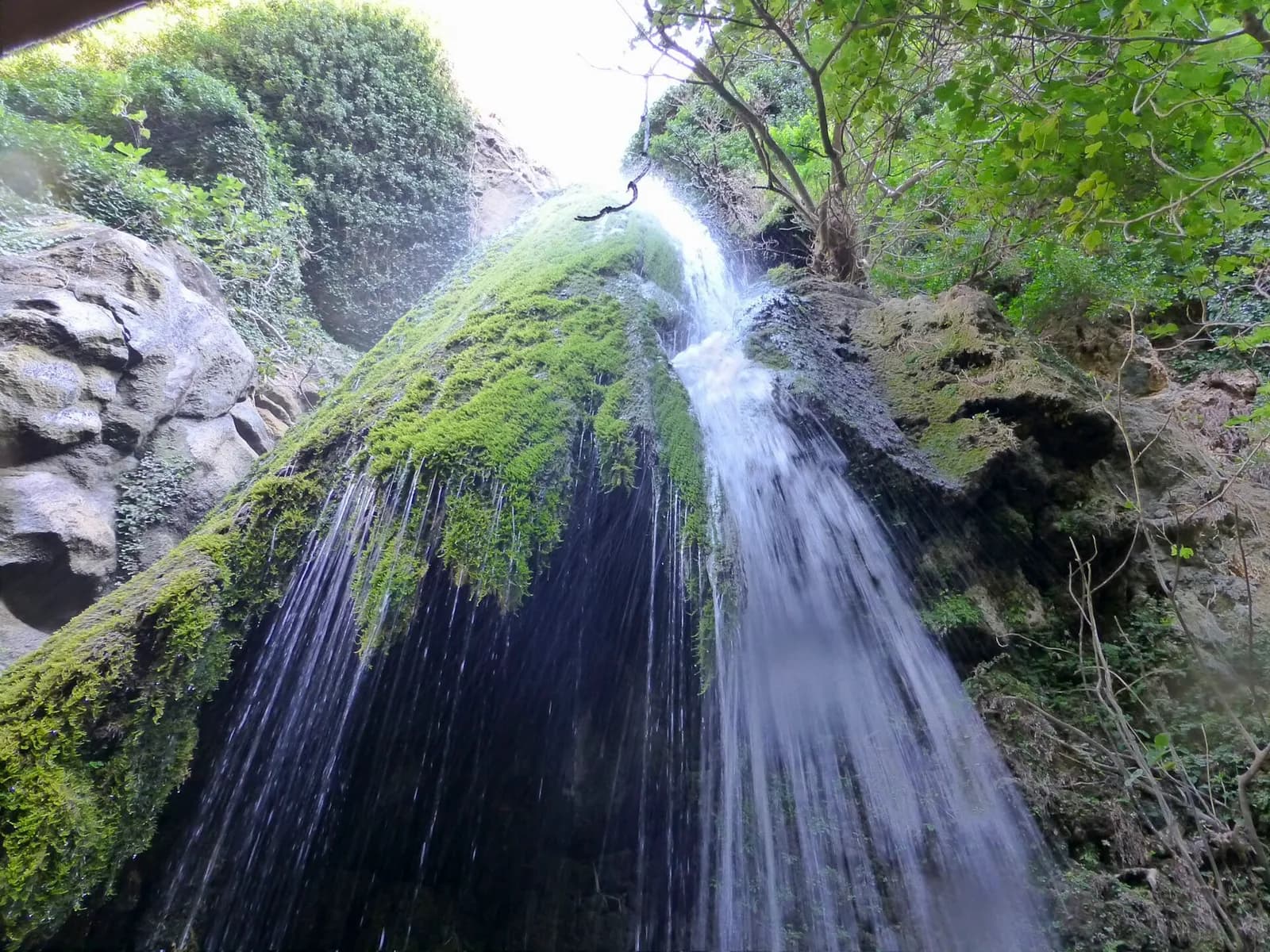
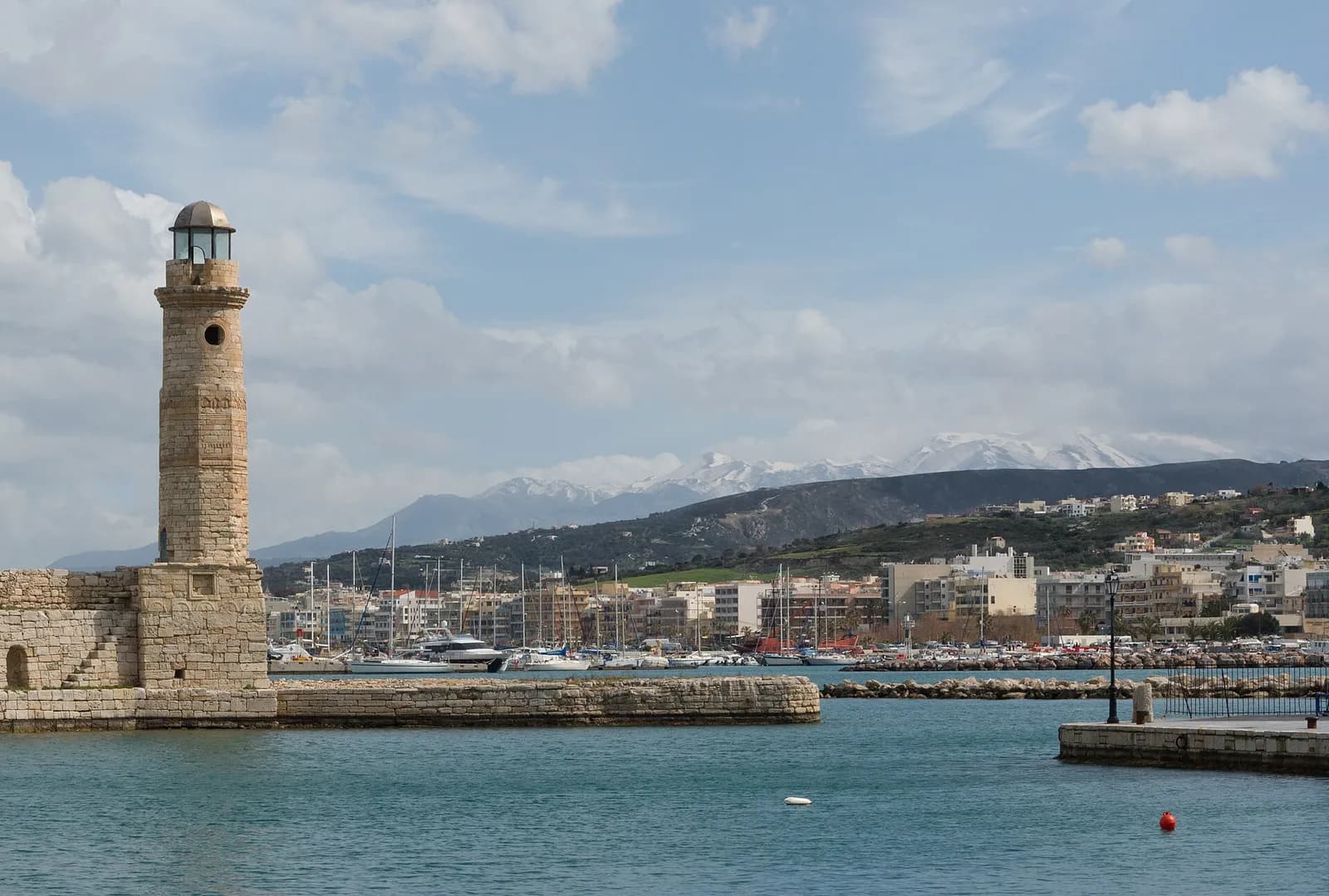
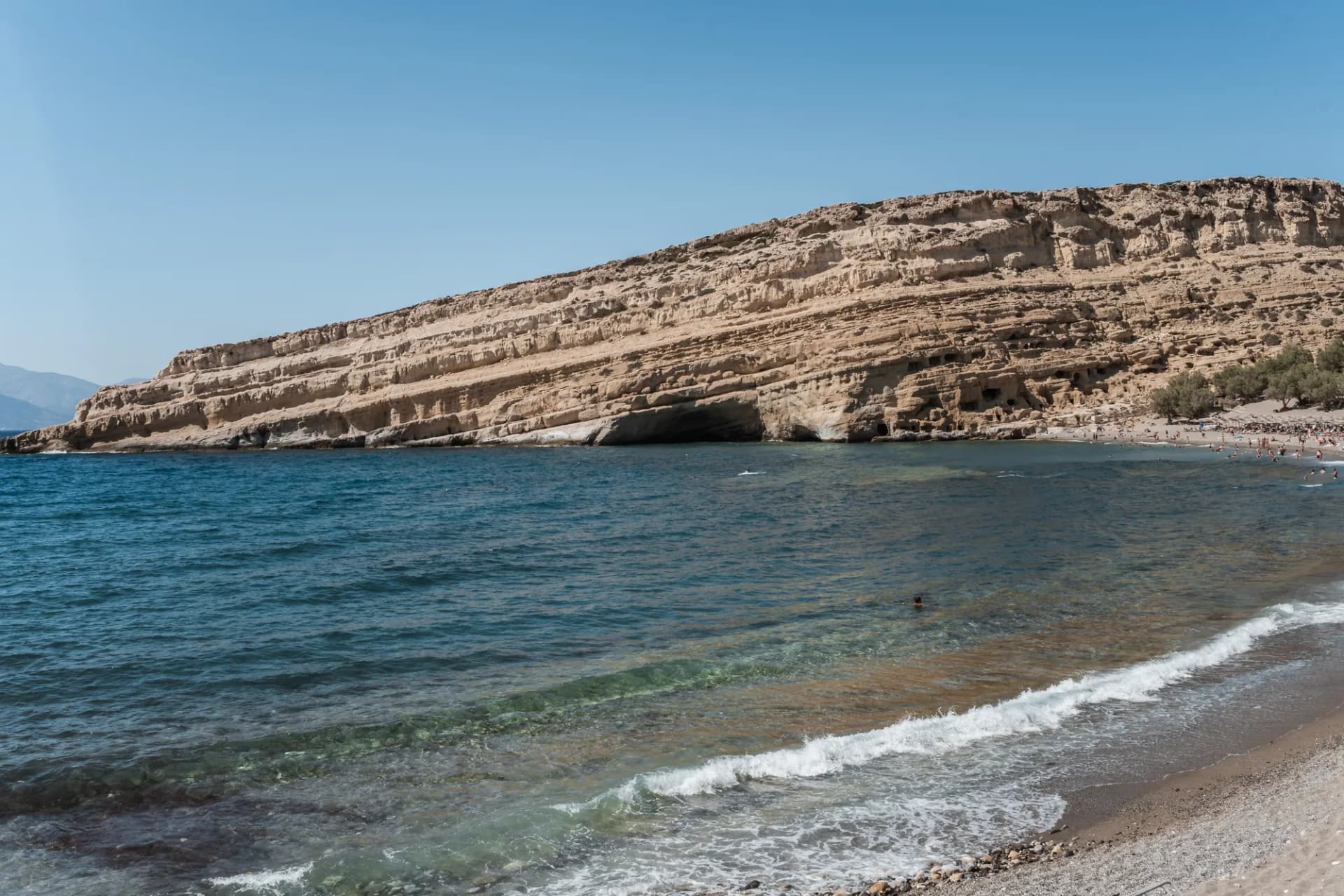
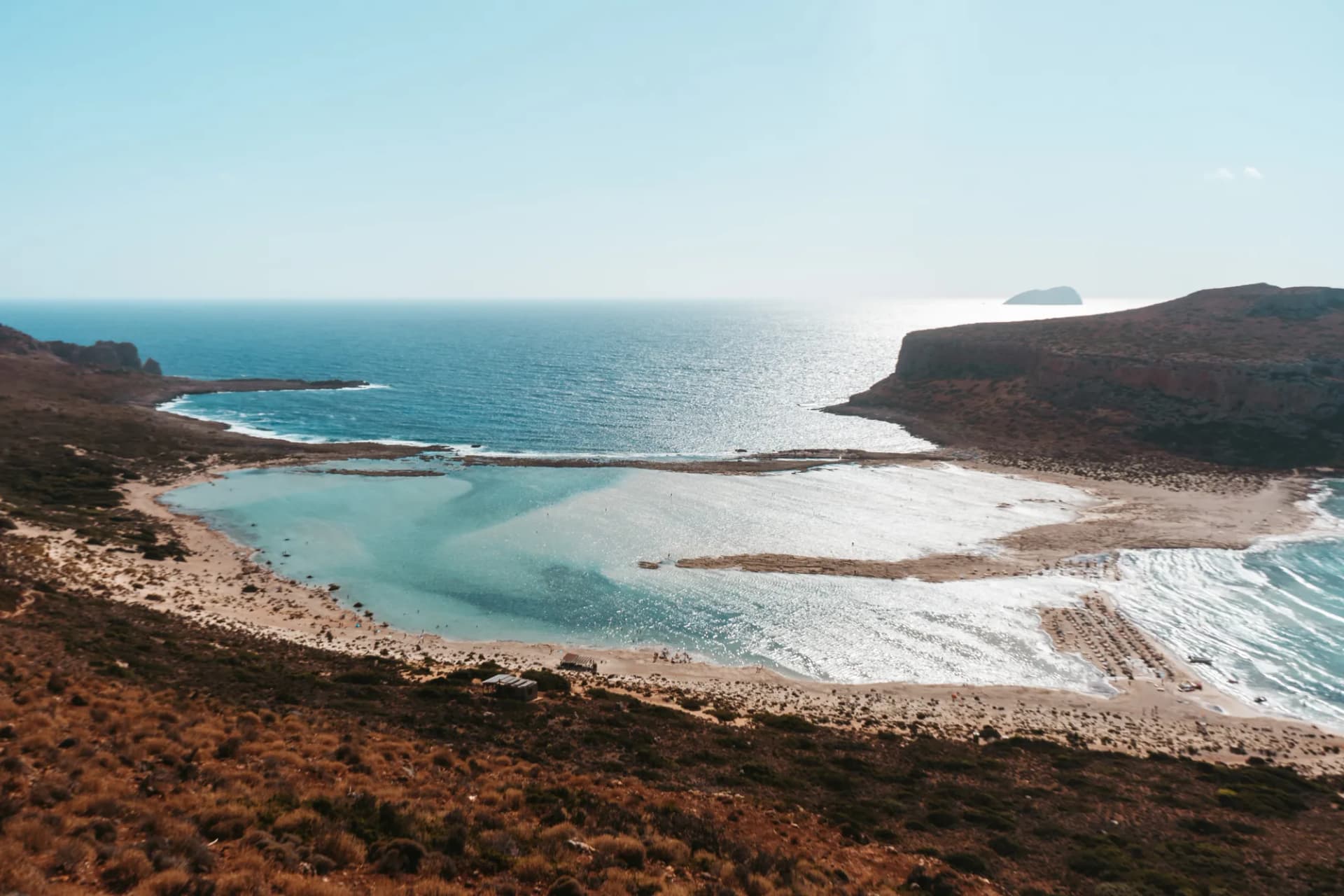
Greece’s largest island, Crete is a world unto itself. The Samaria Gorge (16 km of spectacular hiking), the pink sands of Elafonissi, the Balos lagoon and the ruins of the Palace of Knossos make for an extraordinarily varied trip. Cretan cuisine, recognised as one of the healthiest in the world thanks to the Cretan Mediterranean diet, is reason enough to visit the island.
The Peloponnese
Often overlooked in favour of the islands, the Peloponnese is a treasure for lovers of history and nature. Olympia (birthplace of the Olympic Games), Mycenae (the Lion Gate), Epidaurus (a theatre with perfect acoustics) and the charming town of Nafplio dot this peninsula of unmatched archaeological richness. The wild coastline of Laconia and the stone villages of the Mani offer an authentic Greece, far from mass tourism.
03How to Get Around Greece
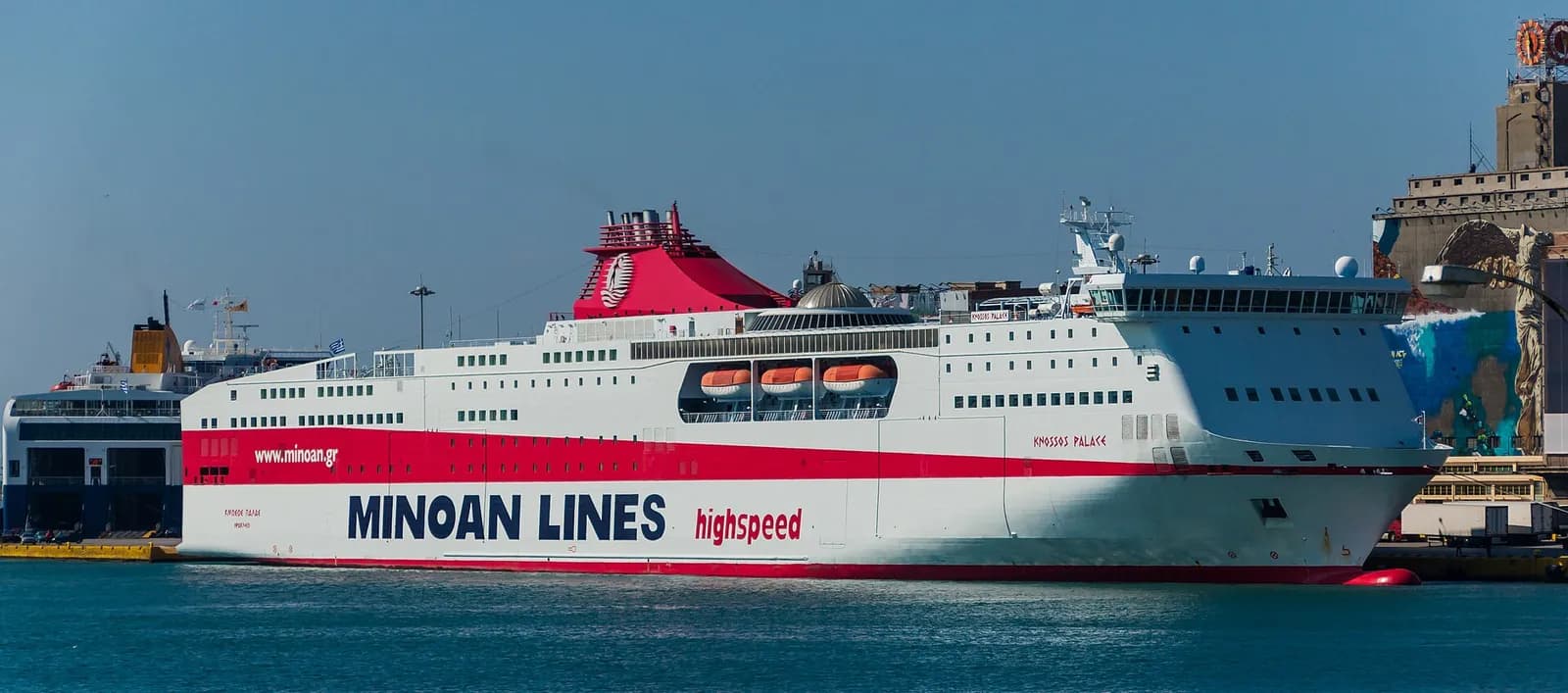
The ferry network is the most pleasant and practical way to travel between the islands. Companies Blue Star Ferries, SeaJets and Hellenic Seaways run regular services, especially in high season. Book in advance for popular routes like Piraeus-Santorini or Mykonos-Naxos.
Flights: domestic flights via Aegean Airlines / Olympic Air between Athens and the main islands (45 min to 1 h)
Ferry: the most common option, from 2 h (fast ferry) to 8 h (classic ferry) depending on destination
Car rental: ideal for the Peloponnese and Crete, international licence not required for EU citizens
KTEL buses: affordable network covering the mainland and major islands
Scooter: perfect for exploring small islands, motorcycle licence recommended
Google Maps sets cookies when the map is displayed.
Interactive map of Greece: main destinations and islands
04Budget and Practical Tips for Greece
Greece remains an affordable destination compared to other Southern European countries, even though prices have risen in recent years on the most popular islands. An average budget of €80 to €120 per day per person is realistic for a comfortable trip, including accommodation, meals and activities.
Category
Budget
Comfort
Luxury
Accommodation / night
€30-50
€70-150
€200+
Meals / day
€15-25
€30-50
€60+
Inter-island transport
€20-40
€40-70
€100+ (speed boat)
Sites & activities / day
€10-15
€20-40
€50+
Total / day / person
€75-130
€160-310
€410+
Budget tip
Travel in May-June or September-October to save 30 to 40% on accommodation compared to peak season in July-August. Local tavernas (ταβέρνα) offer complete meals for €10 to €15: far more delicious and authentic than the tourist restaurants along the waterfront.
05Greek Gastronomy: The Flavours of Greece
Greek cuisine is a celebration of simplicity and quality ingredients. Olive oil, feta, sun-ripened tomatoes, aromatic herbs and freshly caught fish form the basis of a gastronomy inscribed on the UNESCO Intangible Heritage list. Every meal in Greece is a moment of sharing: you order together, you pick from dishes placed in the centre of the table.
Moussaka: the aubergine, minced meat and béchamel gratin, emblem of home-style cooking
Souvlaki: marinated pork or chicken skewers, served on a plate or in pita with tzatziki
Horiatiki: the real Greek salad, tomatoes, cucumber, red onion, Kalamata olives and a block of feta
Pastitsio: a pasta and minced meat gratin, cousin of moussaka
Loukoumades: golden honey and cinnamon doughnuts, the ultimate street dessert
Ouzo and meze: the anise-flavoured aperitif accompanied by small sharing plates, an unmissable social ritual
Greek meze: the art of sharing at the table
06Greece with Family
Greece is an ideal destination for families. Greeks adore children, and most restaurants and hotels are family-friendly. The shallow beaches of the Cyclades and Crete are perfect for little ones, while teenagers will enjoy watersports and interactive archaeological visits.
Opt for islands like Naxos or Paros for a family stay: accessible sandy beaches, quiet villages and well-developed tourist infrastructure without the frenzy of Mykonos or Santorini in high summer.
07The Secret Islands: Beyond the Cyclades
While the Cyclades monopolise attention, Greece hides equally fascinating archipelagos. The Ionian Islands (Corfu, Kefalonia, Lefkada) offer lush vegetation and Venetian influences. The Dodecanese (Rhodes, Kos, Patmos) combine stunning beaches with the heritage of the Knights of St John. As for the Sporades (Skiathos, Skopelos, Alonissos), they offer pine forests tumbling into emerald waters: the setting of the film Mamma Mia!
Our recommendation
For a first discovery off the beaten path, combine Sifnos (gastronomic capital of the Cyclades), Amorgos (setting of Luc Besson’s The Big Blue) and Folegandros (an intimate version of Santorini). Three islands linked by ferry, three different atmospheres.
08Fancy Other Mediterranean Destinations?
If Greece appeals to you, you will probably enjoy our guides on other Mediterranean jewels: Italy and its Renaissance treasures, Malta and its megalithic temples, or France and the Côte d’Azur. For a more radical change of scenery, explore Thailand or Japan.
09Frequently asked questions
May-June and September-October offer ideal weather (25-28°C), fewer tourists and more affordable prices. July and August are very hot (33°C+) with heavy crowds on popular islands like Santorini and Mykonos.
Allow at least 10 days to combine Athens (2-3 days) and 2-3 Cycladic islands. To include Crete or the Peloponnese, plan 2-3 weeks. A 7-day trip works well for a single island or the mainland highlights.
EU and Schengen-area citizens only need a valid ID card or passport. Canadian and American citizens can stay up to 90 days without a visa. Greece is part of the Schengen Area.
Ferries are the most common and economical way. Companies like Blue Star Ferries, SeaJets and Hellenic Seaways run regular routes. Domestic flights with Aegean Airlines also connect major islands.
Budget 80-120 EUR per day per person for a comfortable trip (mid-range accommodation, taverna meals, activities). The most popular islands like Santorini and Mykonos are 30-50% more expensive than lesser-known ones.
Absolutely. Greeks love children and the infrastructure is very family-friendly. Islands like Naxos or Paros have sandy beaches with shallow waters, quiet villages and relaxed pace: ideal for families.
Folegandros, Amorgos, Sifnos, Karpathos and the Dodecanese islands (Astypalea, Tilos) remain relatively unspoiled while offering stunning landscapes and authentic local culture.
Âme Bohème exists thanks to you
Some links in this article are affiliate links. This means that if you book or purchase a product through these links, we receive a small commission, at no extra cost to you. It's thanks to this support that we can continue creating free, quality content.
You can also buy us a coffee, or follow us on Instagram and Facebook.
Thank you
Share
Comments
Share your thoughts
Leave a comment
Looking for more information for your trip? Book a personalised video call with us, or join the Curious Souls community on Discord.
Your email address will not be published. Required fields are marked with *